Top 10 space missions that could reveal alien life by 2030

Are we alone? Here are 10 space missions that could uncover signs of alien life by 2030:
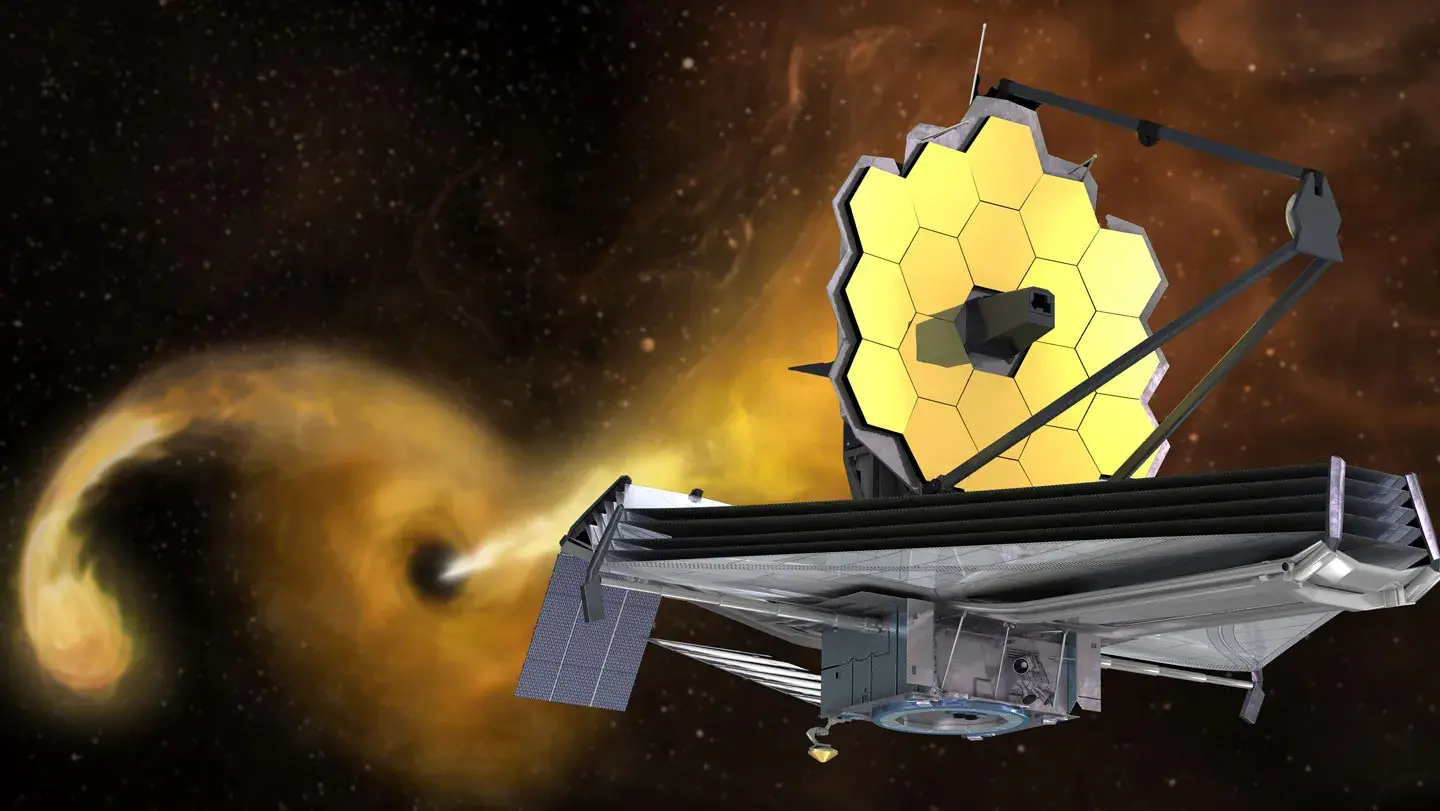
1. James Webb Space Telescope (JWST)
Launched in December 2021, JWST is already revolutionising astronomy. Its advanced infrared instruments can analyse exoplanet atmospheres for biosignatures like oxygen, methane, and water vapour, offering indirect evidence of life beyond Earth.
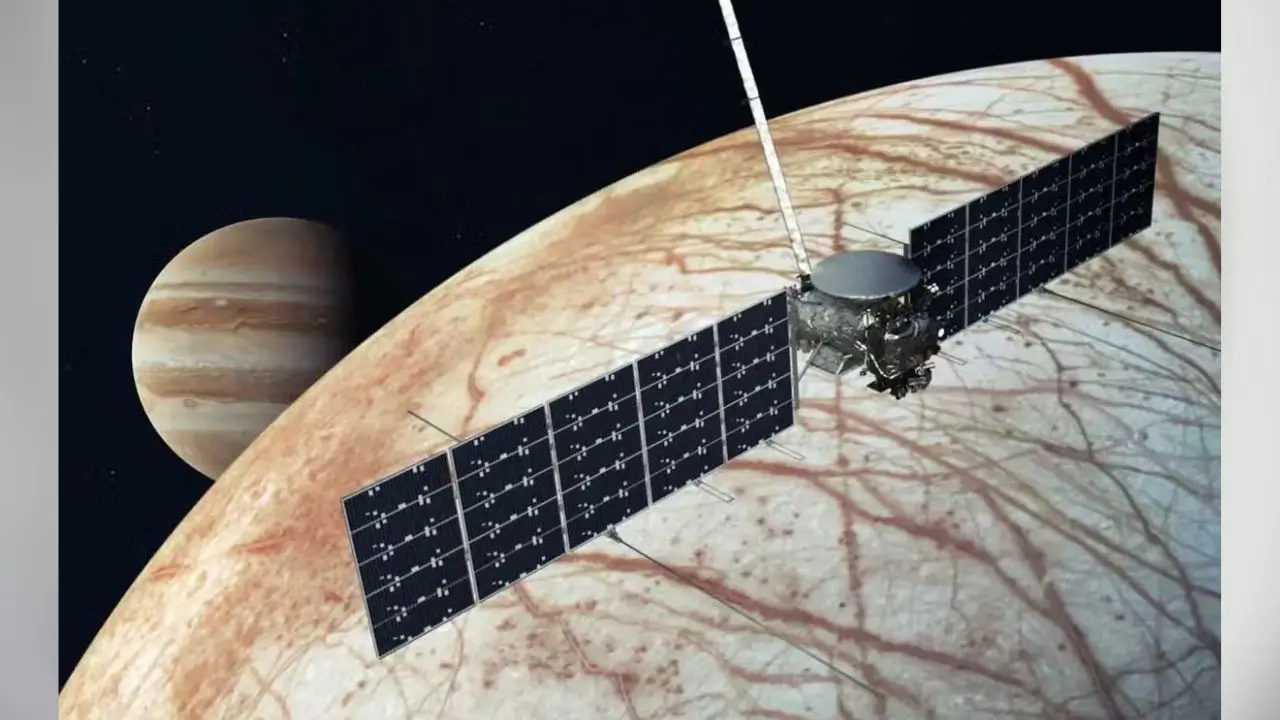
2. Europa Clipper (NASA)
Scheduled for launch in 2024, this mission will explore Jupiter’s moon Europa, which harbours a subsurface ocean beneath its icy crust. Europa Clipper will study the ice shell and ocean chemistry, searching for conditions that could support microbial life.
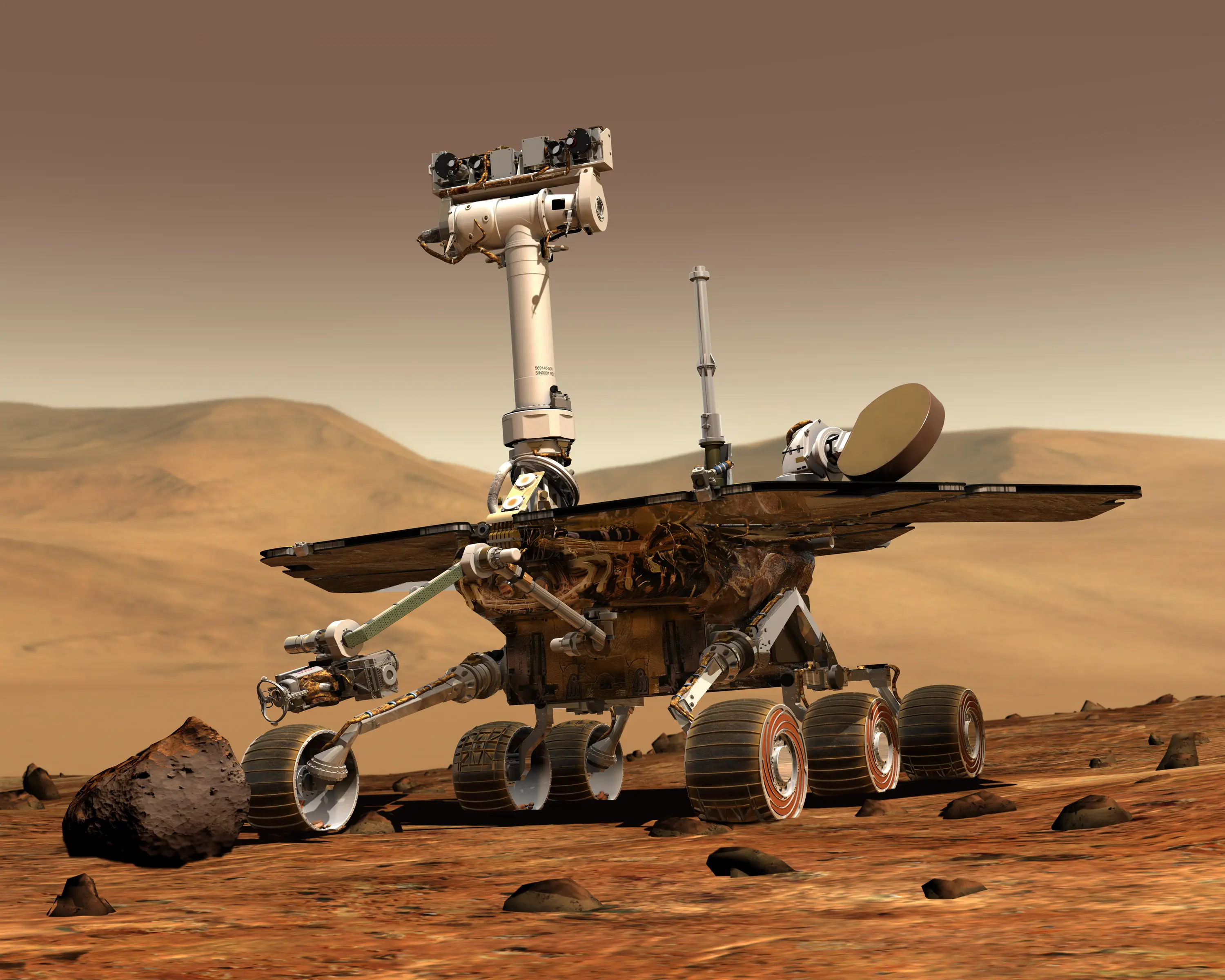
3. Mars Sample Return (NASA & ESA)
This collaborative mission aims to bring back Martian rock samples to Earth by the late 2020s. Scientists will analyse these samples for organic compounds and potential microbial fossils, providing the most direct evidence of past life on Mars.
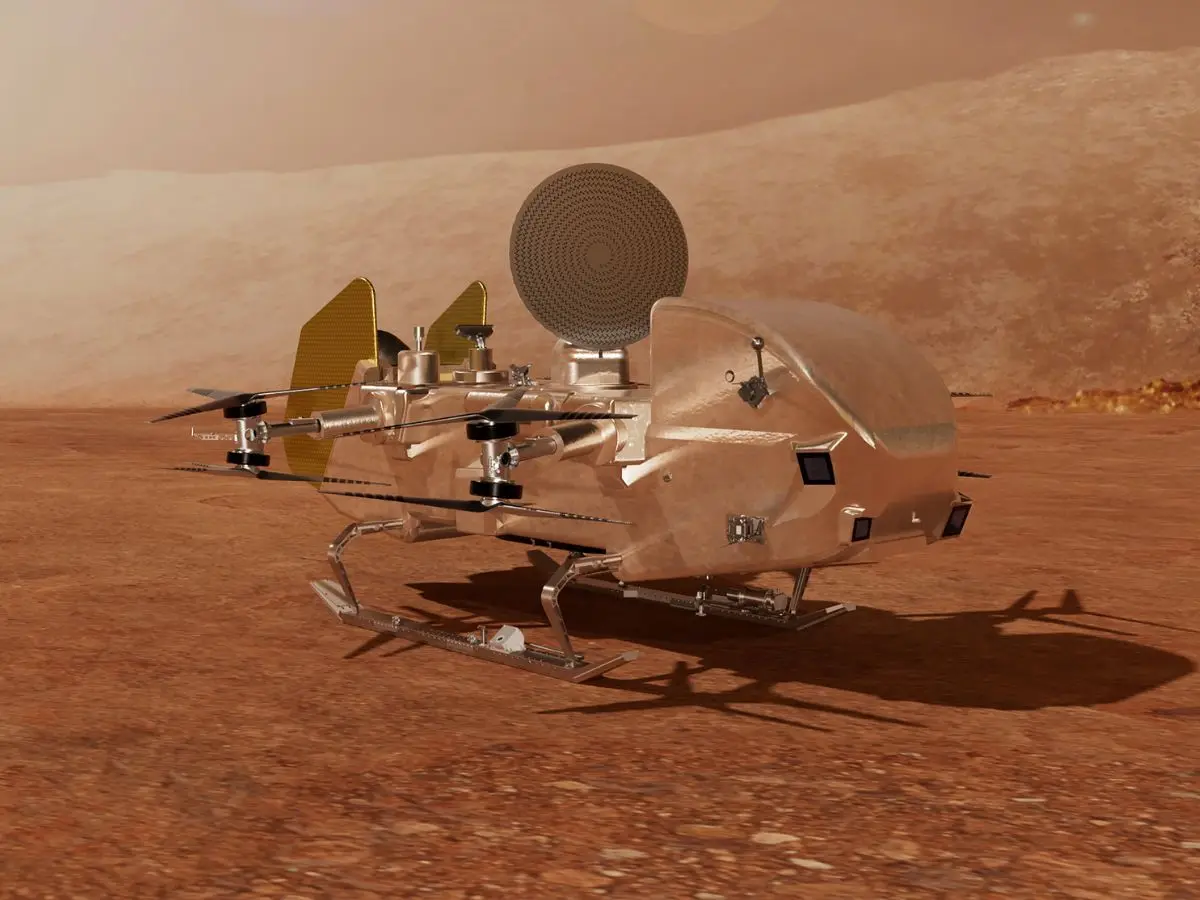
4. Dragonfly (NASA)
Scheduled for 2027, Dragonfly will land on Saturn’s moon Titan, which has rivers and lakes of liquid methane. Its rotorcraft design allows it to explore multiple sites, analyzing complex organic chemistry that could hint at prebiotic or exotic life forms.

5. OSIRIS-REx & Bennu Sample Analysis (NASA)
OSIRIS-REx returned samples from asteroid Bennu in 2023. While primarily for studying the solar system’s formation, these samples may contain organic molecules, offering clues about prebiotic chemistry in early Earth-like environments.

6. ExoMars Rosalind Franklin Rover (ESA & Roscosmos)
Launched in 2022 but delayed to 2028, this rover will drill 2 meters into Martian soil, analyzing underground samples for organics and potential microbial activity, providing key evidence of past life on Mars.
7. LUVOIR (Large UV/Optical/IR Surveyor – Proposed)
LUVOIR would be the successor to Hubble and JWST, capable of studying exoplanets in unprecedented detail. Its high-resolution spectroscopy could identify biosignatures, advancing the search for life outside our solar system.
)
)
)
)
)