From NASA to ISRO: Who’s exploring what? Here are the top 10 space missions of 2025 and beyond

From Earth observation, lunar landers, to Mars missions, the world's leading space research agencies, NASA, ISRO, ESA, and private companies are gearing up for an ambitious and action-packed space exploration. Here are the top 10 space projects to expect in 2025 and beyond.
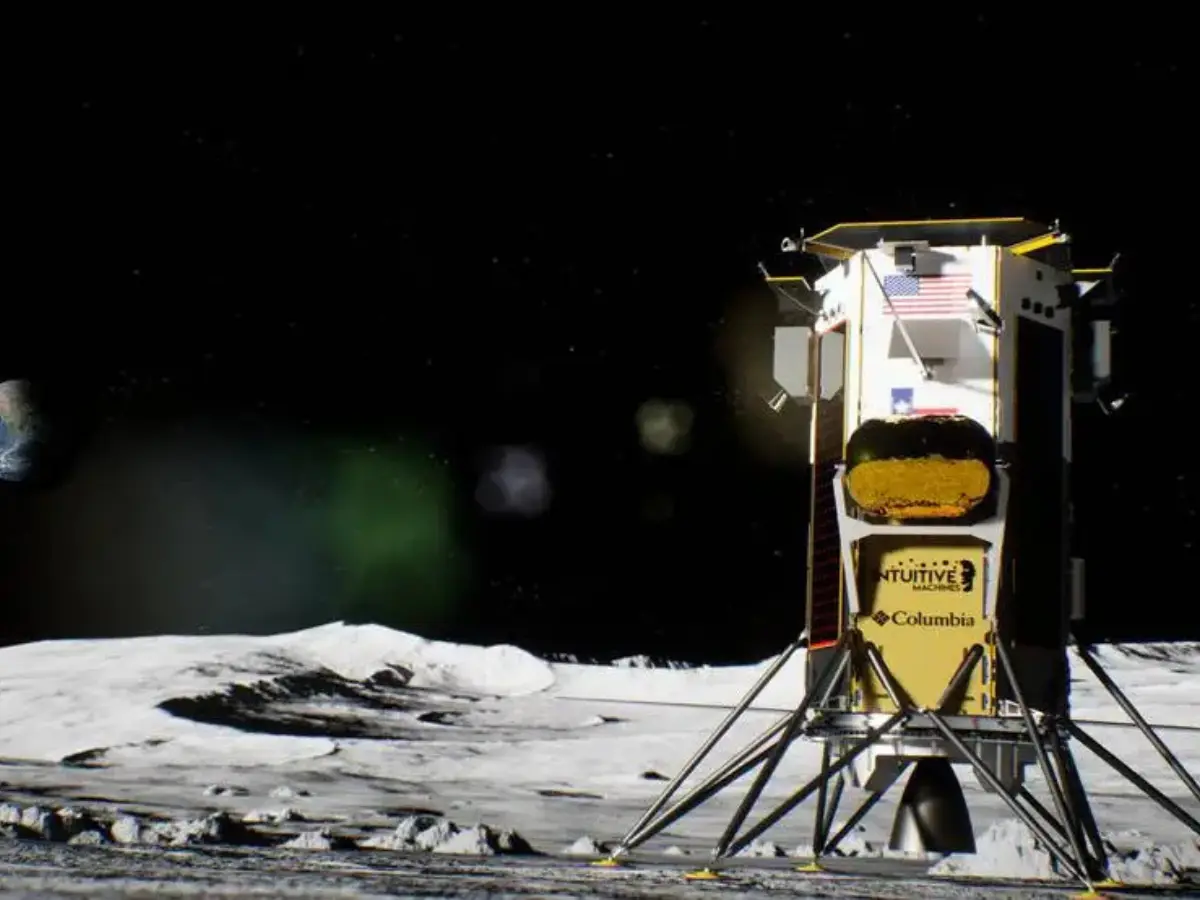
Intuitive Machine-3 or PRISM
The mission is scheduled for late 2025 or early 2026 on a SpaceX Falcon 9. As part of NASA's commercial payload services to the Reiner Gamma region of the Moon, NASA contracts with a commercial partner, in this case, Intuitive Machines, to deliver 92 kg of payload comprising a camera, four investigations and a Mobile Autonomous Prospecting Platform (MAPP) rover. Reiner Gamma is known as a "lunar swirl", an unusual feature on the Moon thought to be related to the Moon's crustal magnetic field. The mission will deploy rovers and perform surface operations for 13 days, sending 9.3 GB of data back to Earth each day.
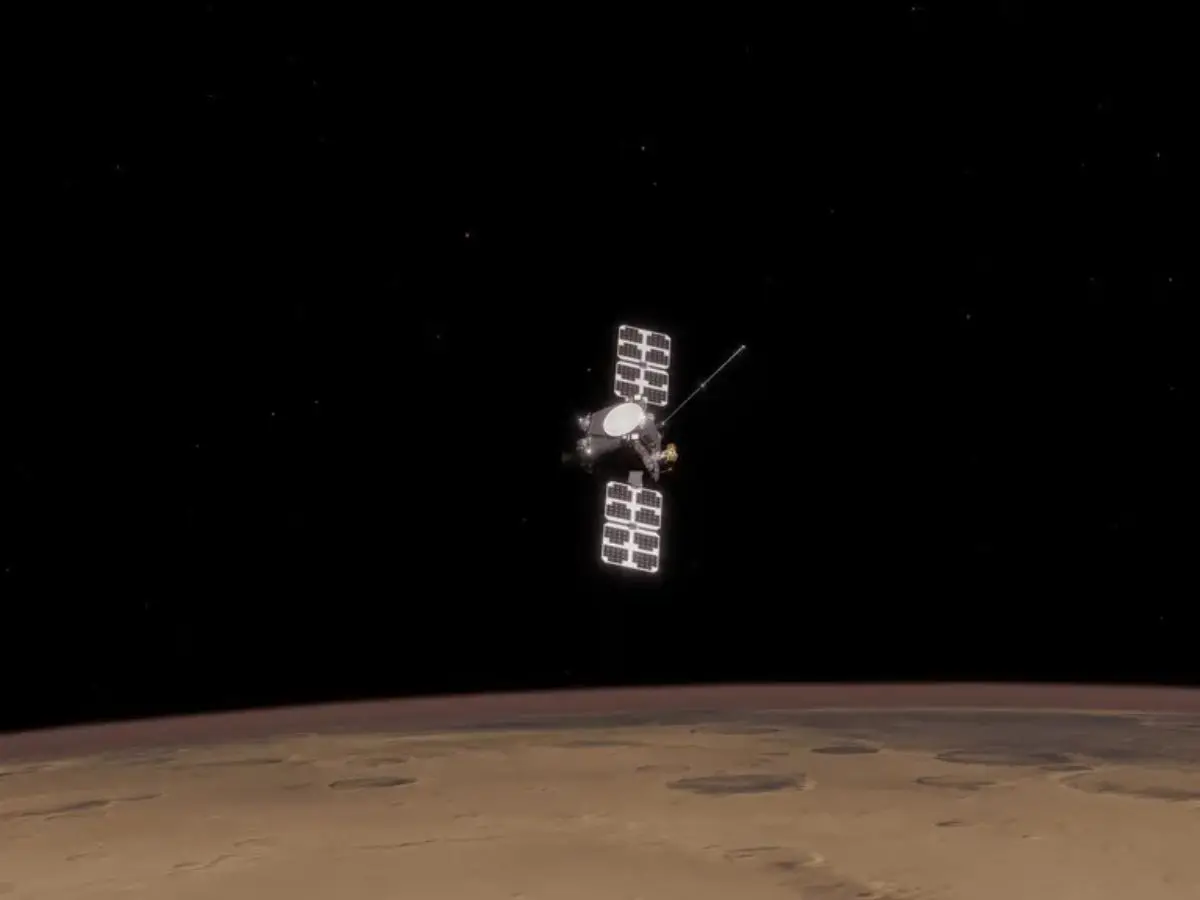
ESCAPADE- Escape and Plasma Acceleration and Dynamics Explorers
Managed by the Space Sciences Laboratory at the University of California, in partnership with Rocket Lab, NASA's Goddard Space Flight Center, Embry-Riddle Aeronautical University, Advanced Space LLC, and Blue Origin. The Escape and Plasma Acceleration and Dynamics Explorers (ESCAPADE) will use two identical spacecraft to investigate how solar wind interacts with Mars and how it affects the planet's atmospheric escape. It will analyse how Mars's magnetic field guides particle flows around the planet, and how energy and momentum are transported from the solar wind through the magnetosphere, and what processes control the flow of energy and matter into and out of the Martian atmosphere.
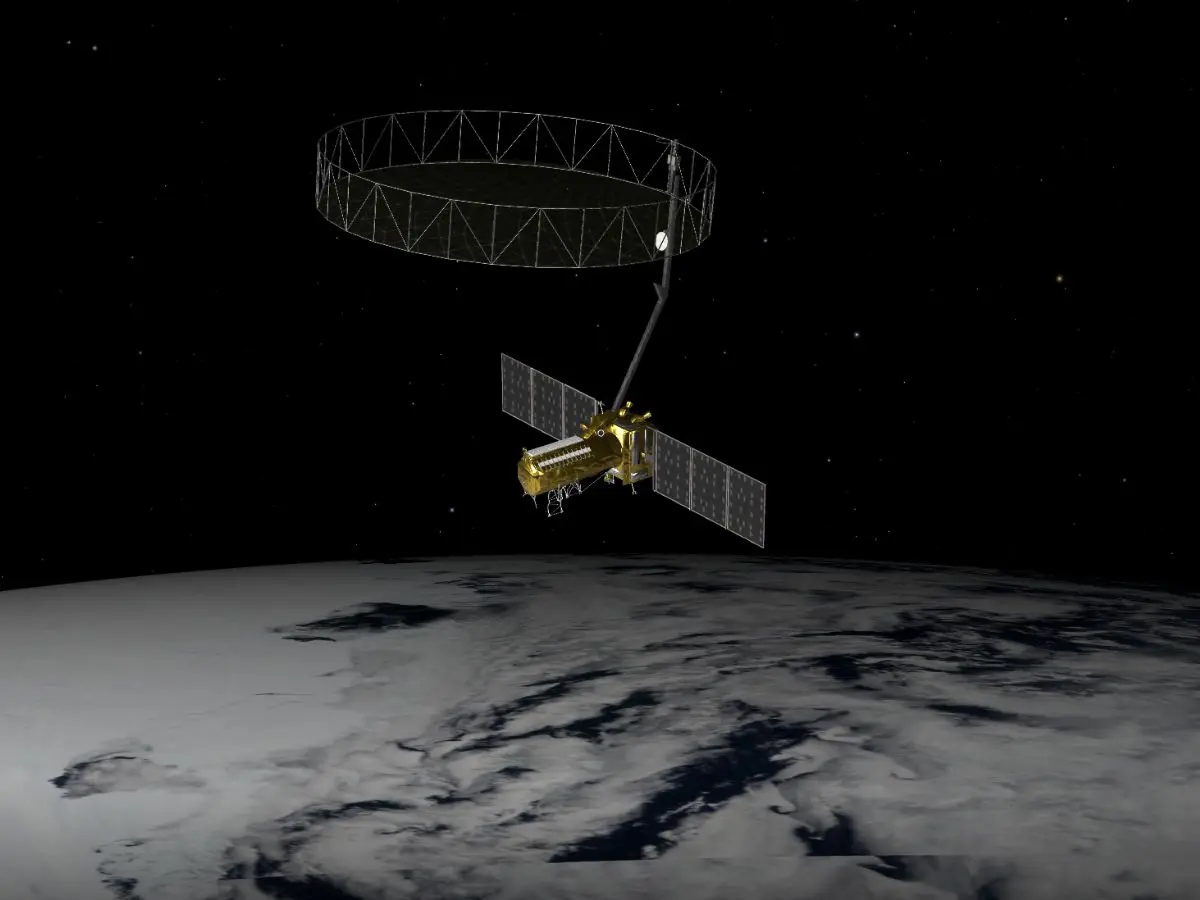
NISAR (NASA-ISRO Synthetic Aperture Radar)
The US-India NISAR (NASA-ISRO Synthetic Aperture Radar) mission will observe Earth and provide insights into the ever-changing surface. It will measure land deformation from earthquakes, landslides, and volcanoes, if glaciers and ice sheets are advancing or retreating, and it will also monitor the growth and loss of forests and wetlands for insights into the global carbon cycle. The collaborative mission between NASA and ISRO will be launched in 2025.
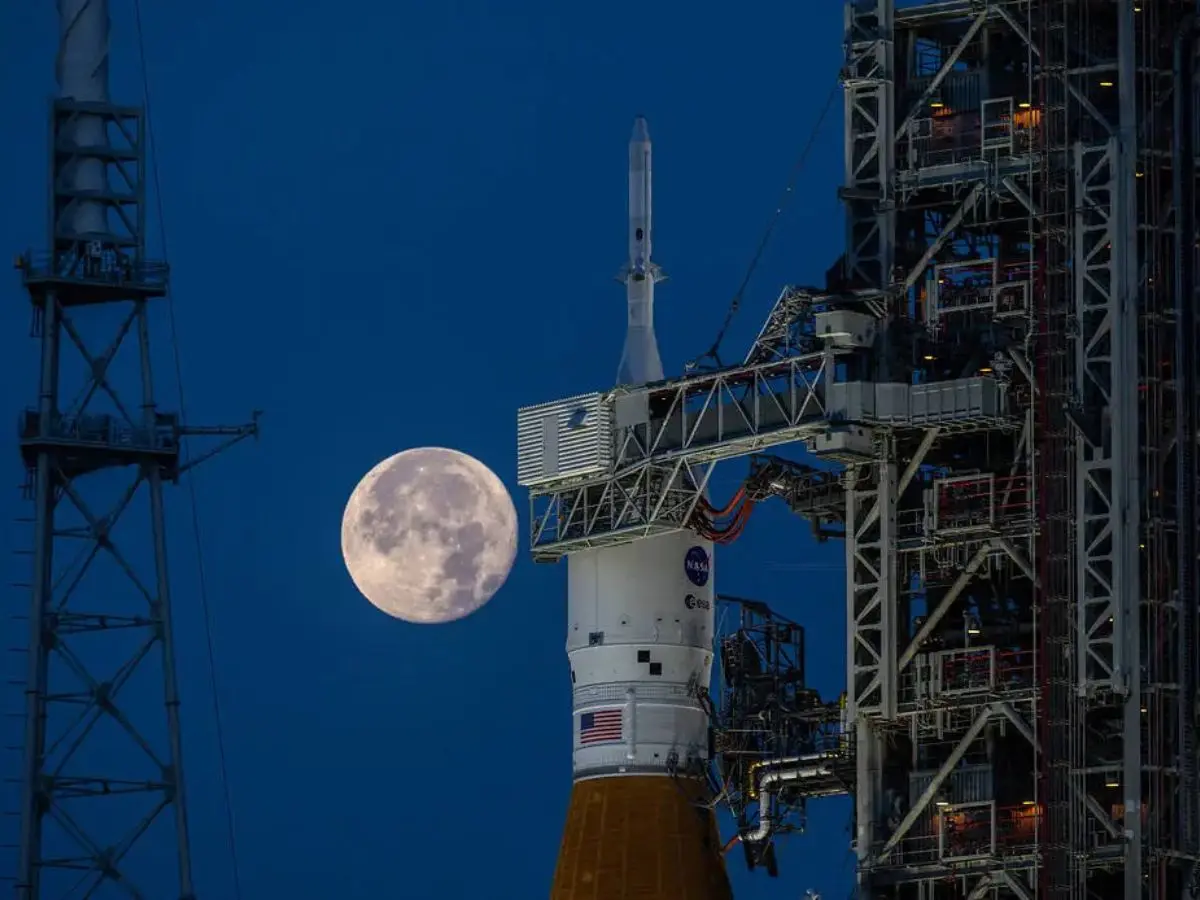
ARTEMIS II
Four astronauts will venture around the moon as part of a 10-day mission, for NASA’s Orion spacecraft testing and Space Launch System (SLS) testing. This will be the first crewed mission of ARTEMIS.
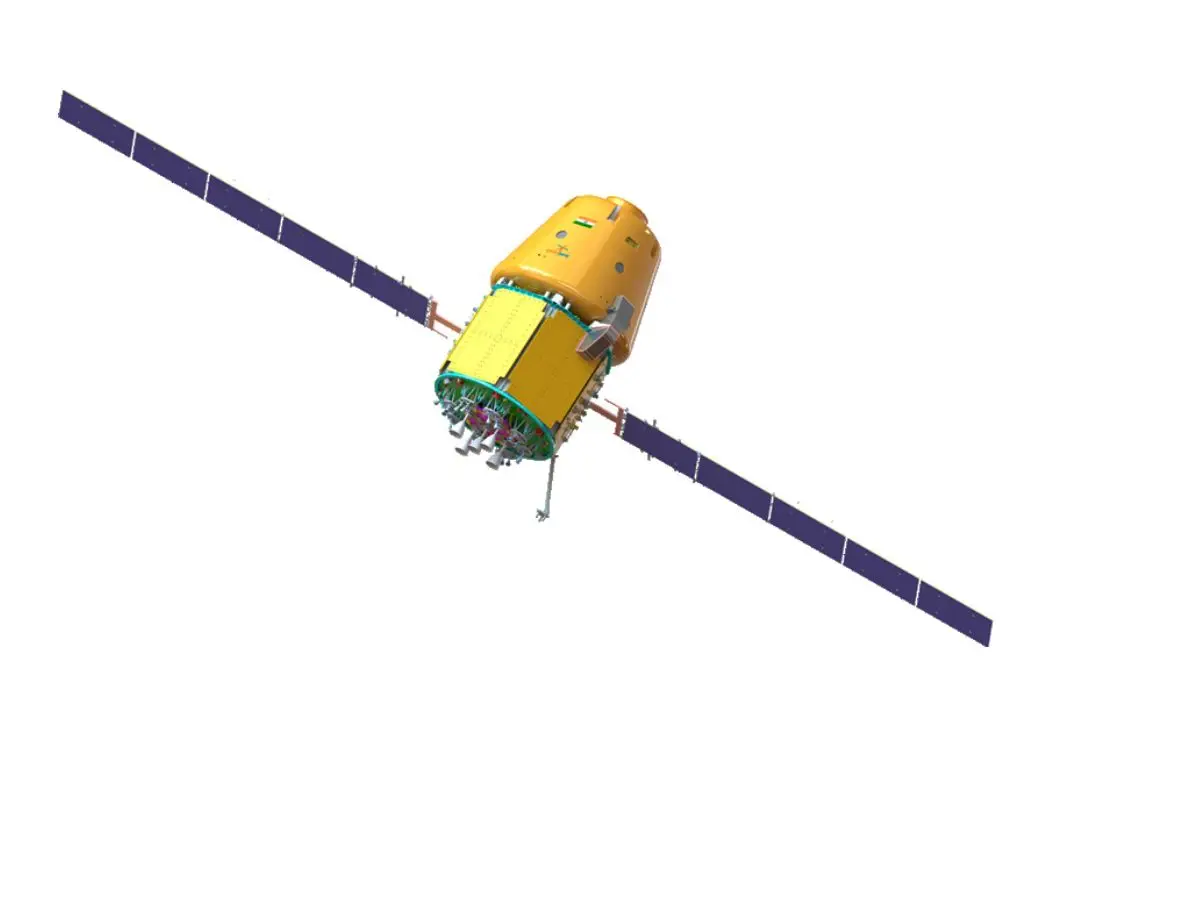
Gaganyan
The Gaganyan program by ISRO will be a test flight of two uncrewed and one with crew, expected to start at the end of Q4 of 2025. The first two will be organised to validate life support, avionics, and safety systems for India’s first crewed mission, Gaganyaan-3. This will put India in the league of the US, Russia and China with human spaceflight capabilities
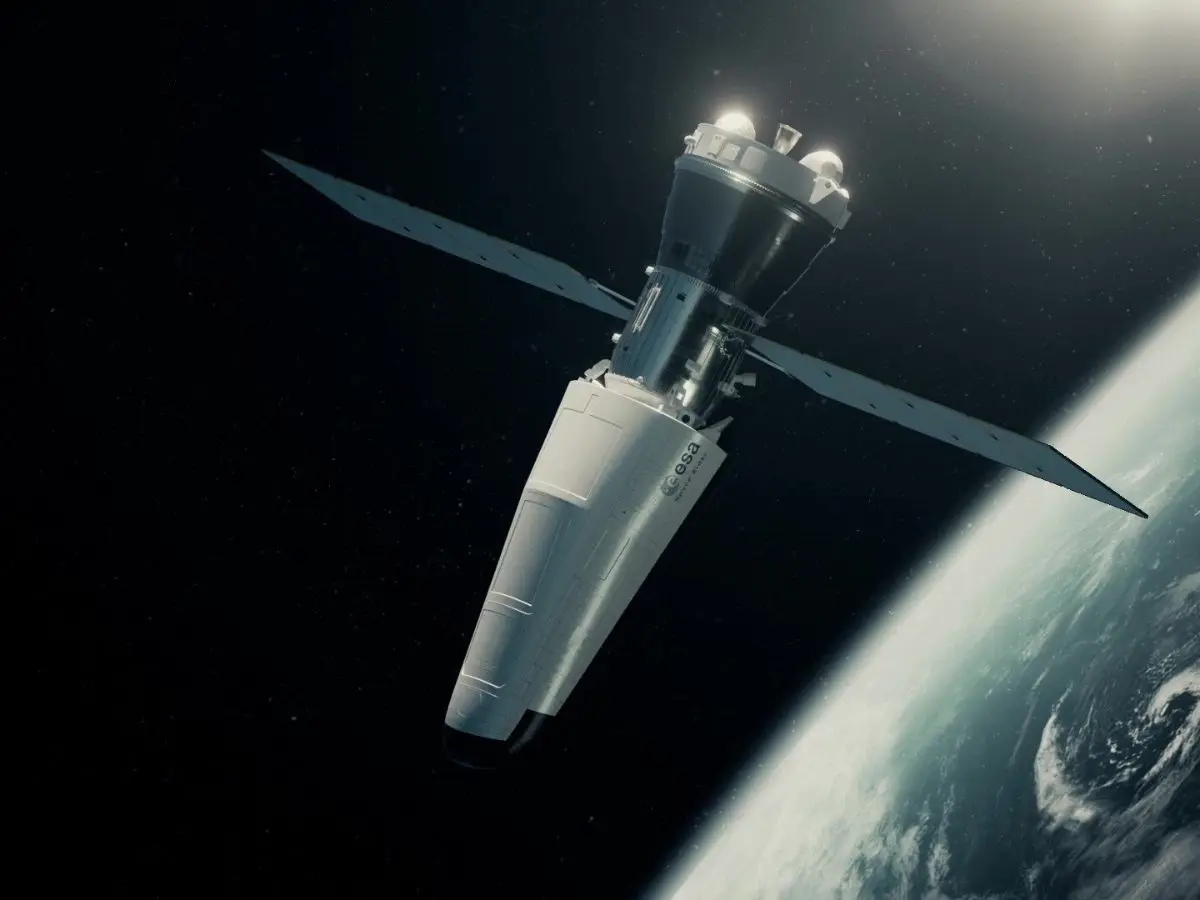
Space Rider
Space Rider is an uncrewed robotic laboratory about the size of two minivans that can stay in the Lower Earth orbit for two months. It is planned to be launched in 2027 to conduct experiments in microgravity, in-orbit validation/demonstrations in: Robotic exploration, Earth observation Science, Telecommunication and Satellites inspection.
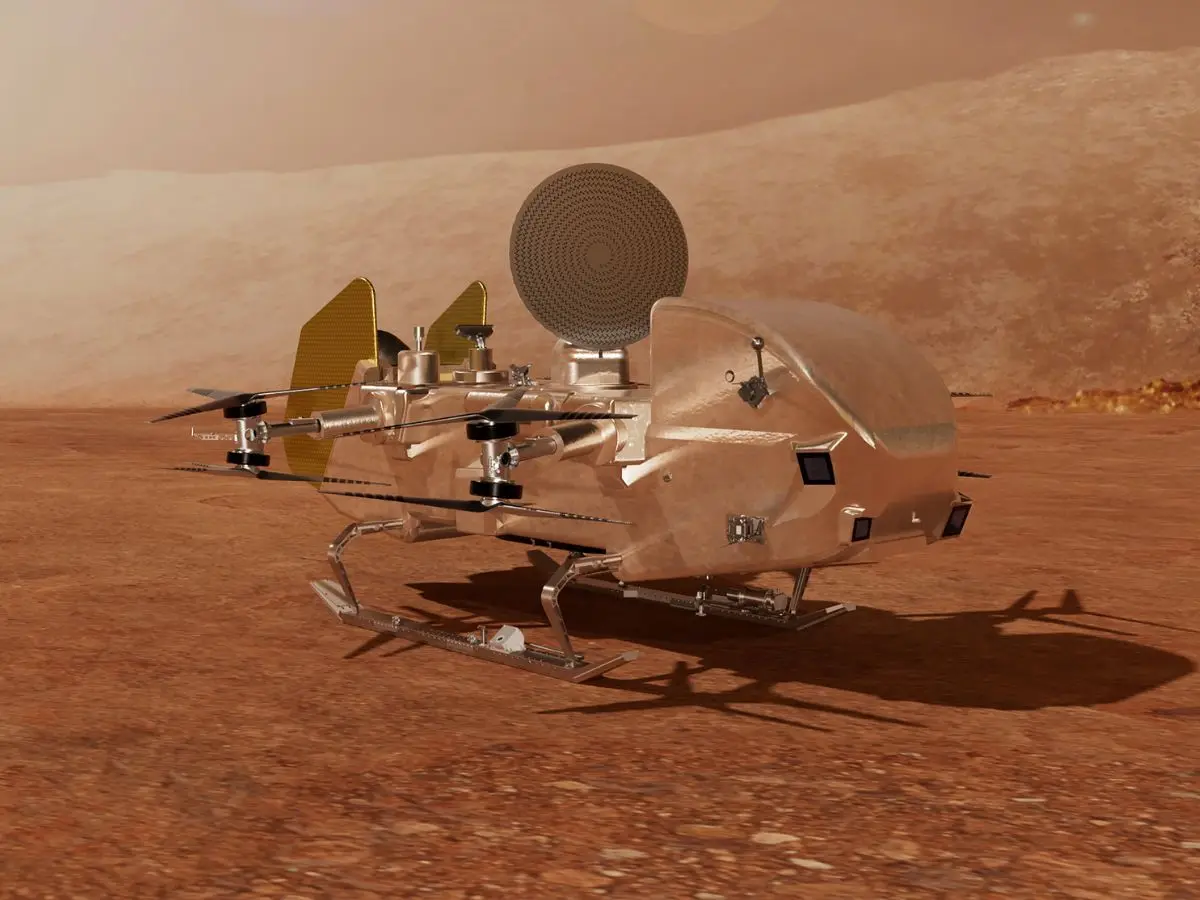
Dragonfly
The Dragonfly rotorcraft will explore a variety of locations on Saturn's moon Titan. Expected to launch by NASA in 2028, Dragonfly will explore the frigid world at minus 292 degrees Fahrenheit.
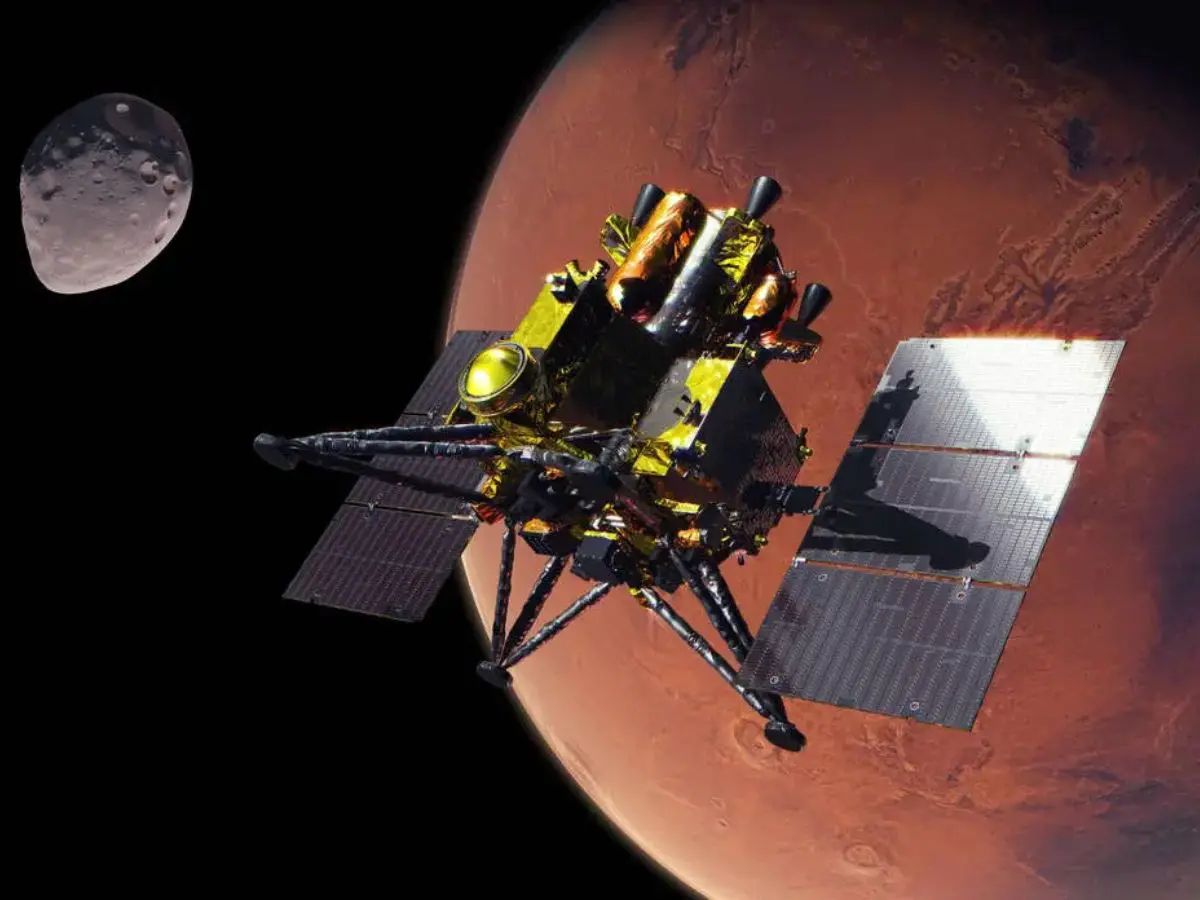
Martian Moons eXploration (MMX)
Mission to travel to Mars and survey the red planet’s two moons, Phobos and Deimos. The spacecraft will explore both moons and collect a sample from Phobos to bring back to Earth. This will be handled by JAXA
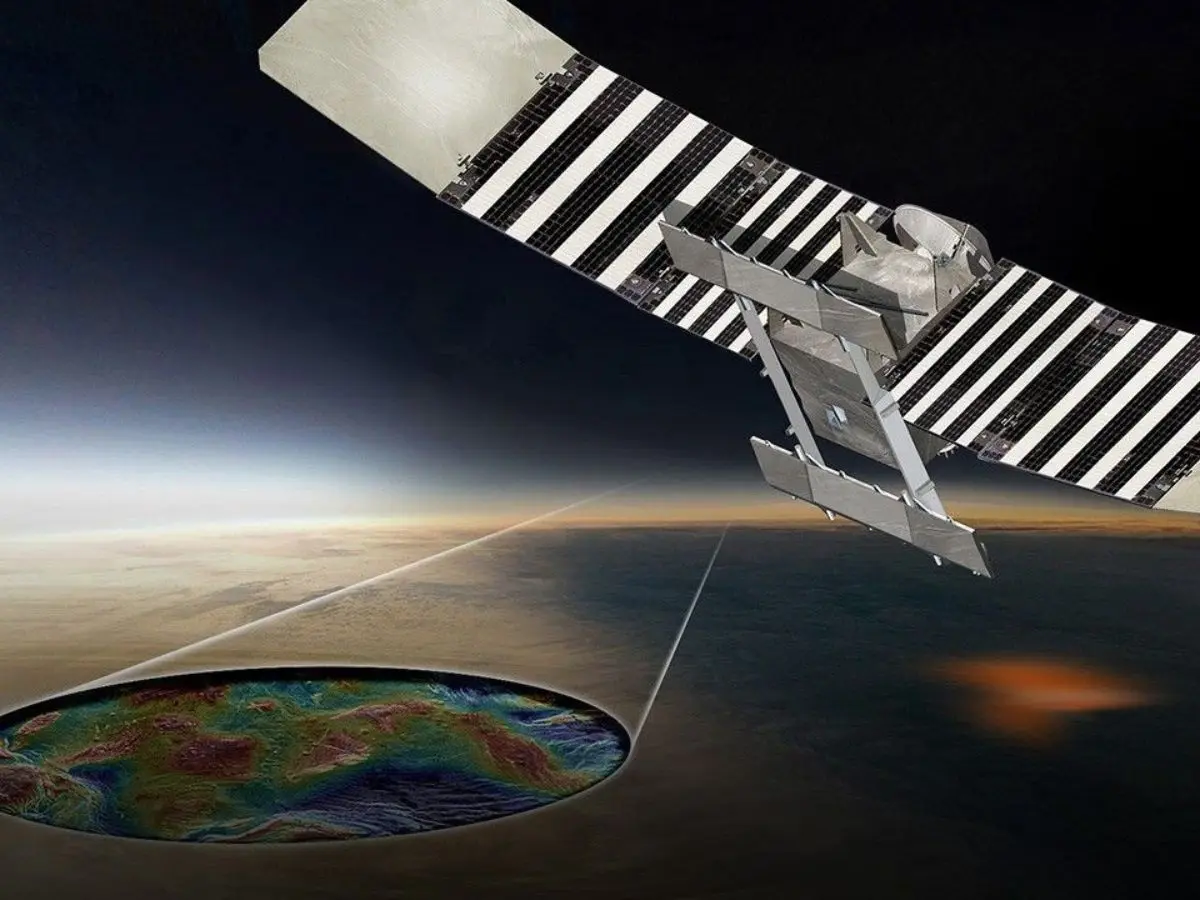
VERITAS
NASA’s VERITAS mission will map Venus’ surface in high resolution to study its geology, tectonics, and volcanic activity, aiming to understand why Venus evolved differently from Earth.
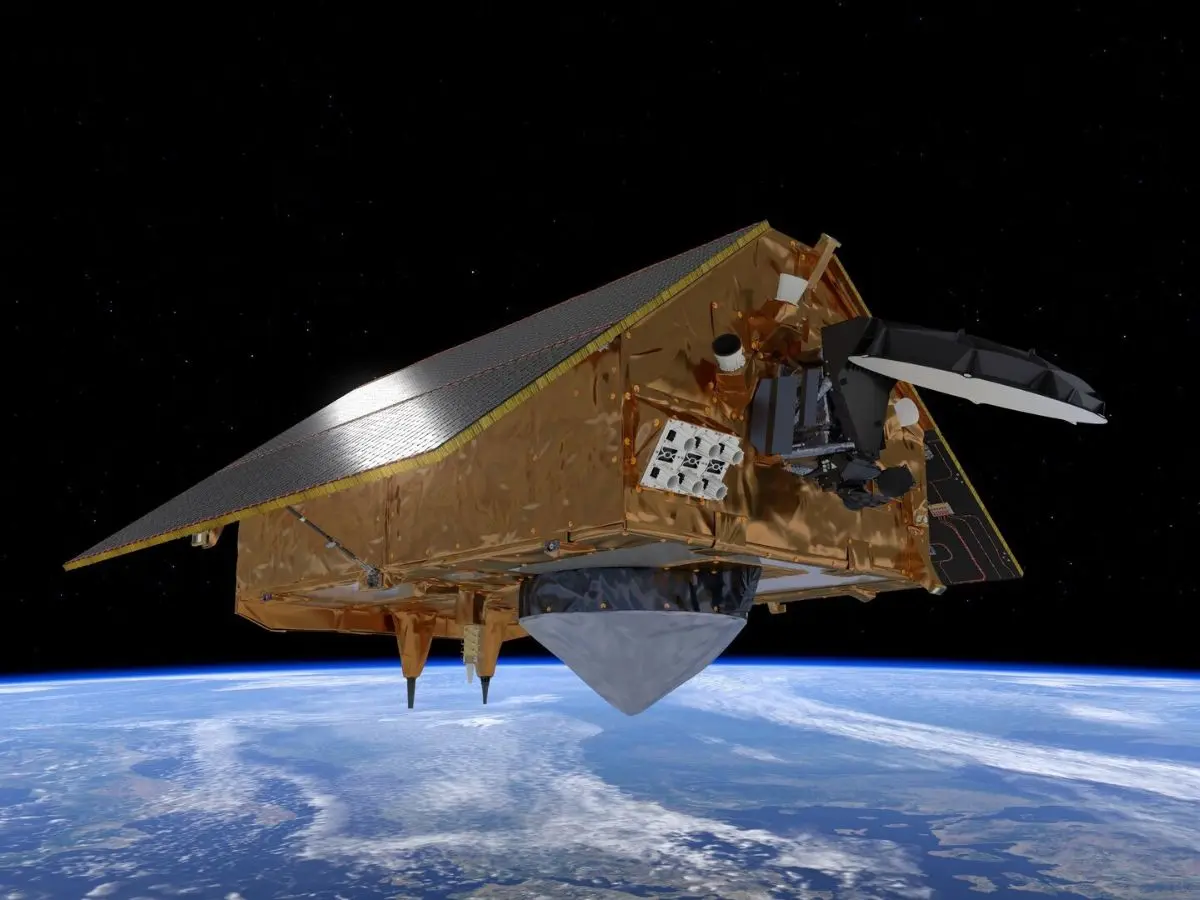
Sentinel 6C
A NASA-NOAA-ESA-EUMETSAT mission, Sentinel-6C will measure global sea level changes, ocean winds, and water vapor to support climate research, continuing the legacy of Sentinel-6 Michael Freilich and Sentinel-6B.
)
)
)
)
)