Top 10 sensors used in advanced missile systems

Missile sensors from active radar to infrared guidance enable precise target engagement worldwide. AESA radars, dual-mode seekers and laser guidance systems enhance accuracy across defence applications. Nations integrate multiple sensor types for redundancy and more.
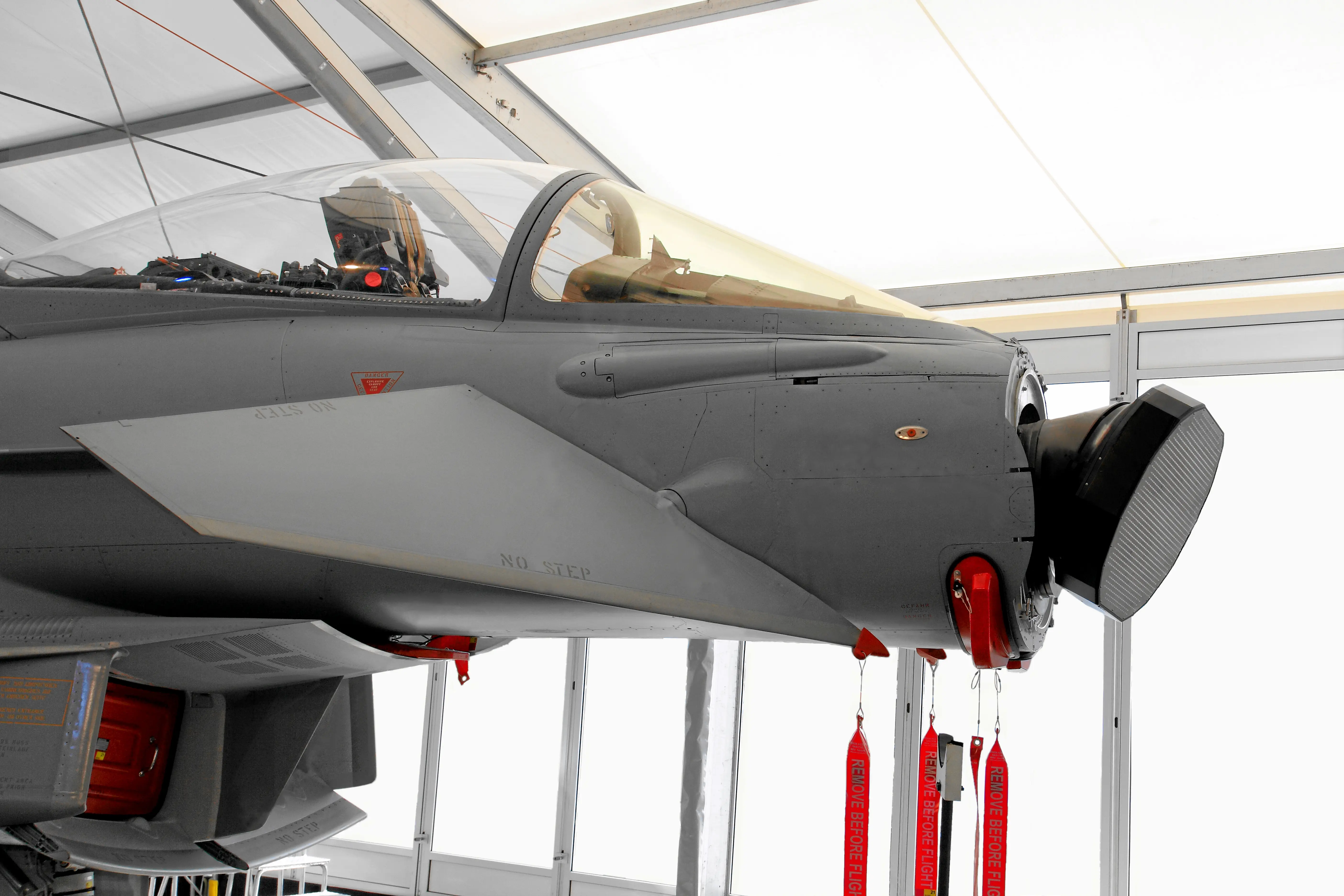
1. Active Electronically Scanned Array (AESA) Radar
AESA radars electronically steer radar beams without mechanical rotation, enabling rapid target tracking and simultaneous multi-target engagement. These phased array systems detect targets at ranges exceeding 200 kilometres and provide guidance for multiple missiles simultaneously with enhanced jamming resistance and faster beam switching than traditional radars.
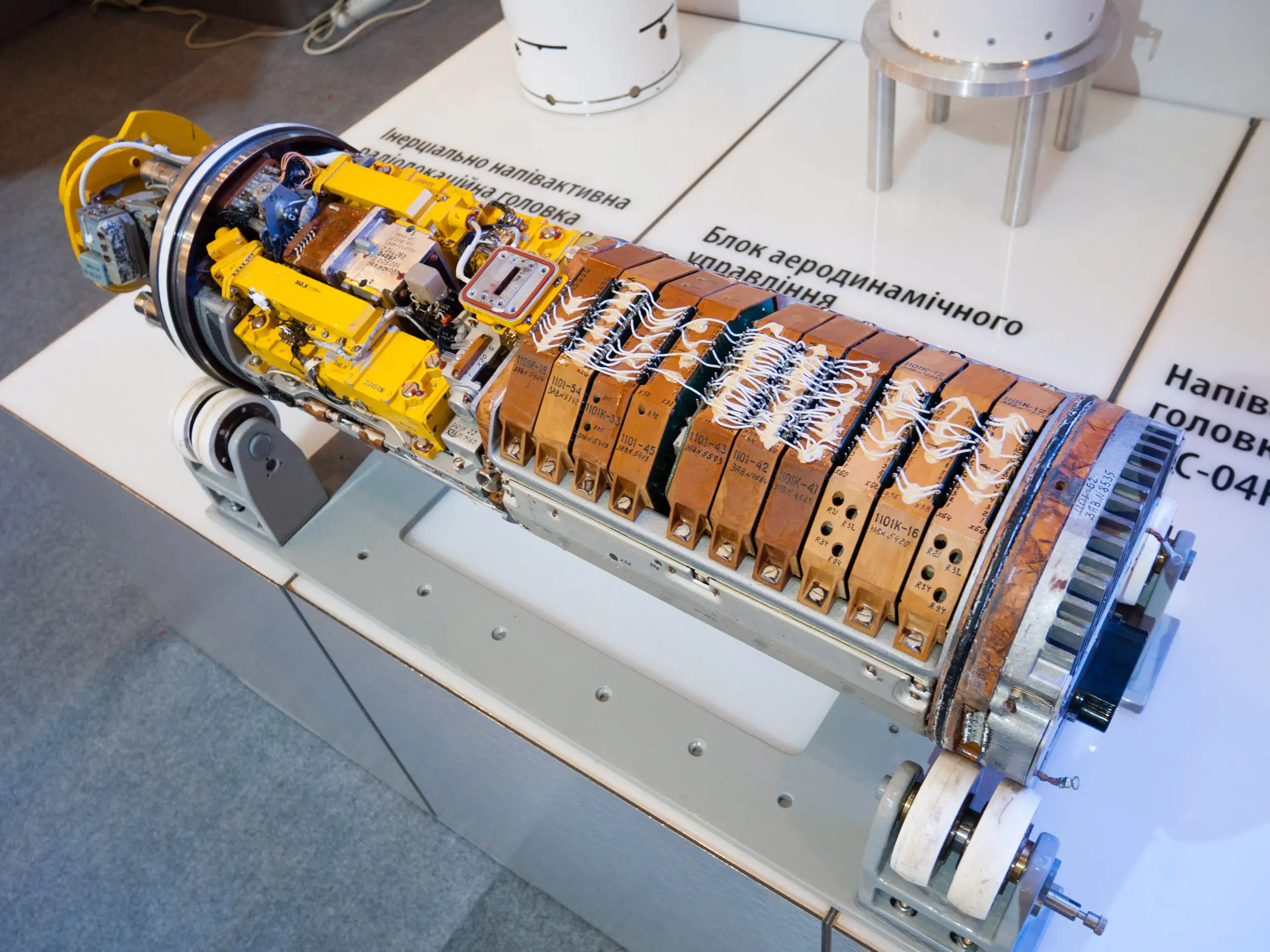
2. Semi-Active Radar Homing (SARH) Seeker
SARH seekers receive radar energy reflected from targets illuminated by ground-based or airborne radar systems. Monopulse SARH receivers achieve precise angle measurements and offer superior jamming rejection compared to older conical scan designs, maintaining locks on targets even in cluttered radar environments and detecting targets as low as 100 metres altitude.
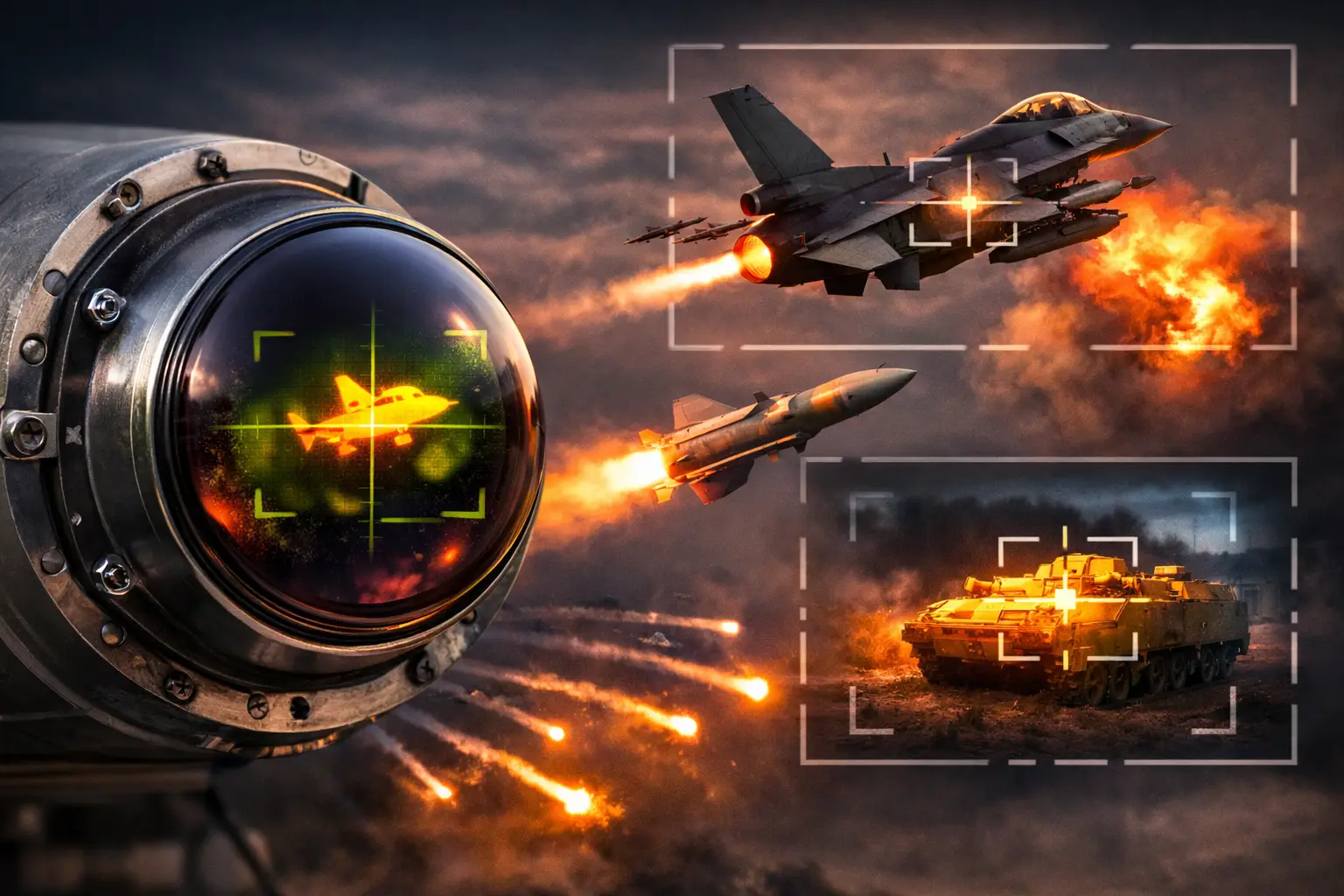
3. Infrared (Heat-Seeking) Sensors
Infrared seekers detect thermal radiation emitted by aircraft engines, missile exhausts and surface targets without requiring external illumination. Modern imaging infrared sensors identify targets based on heat signature patterns, recognise multiple potential targets and maintain tracking even against decoys, making them effective autonomous guidance systems for air-to-air and air-to-ground missiles.
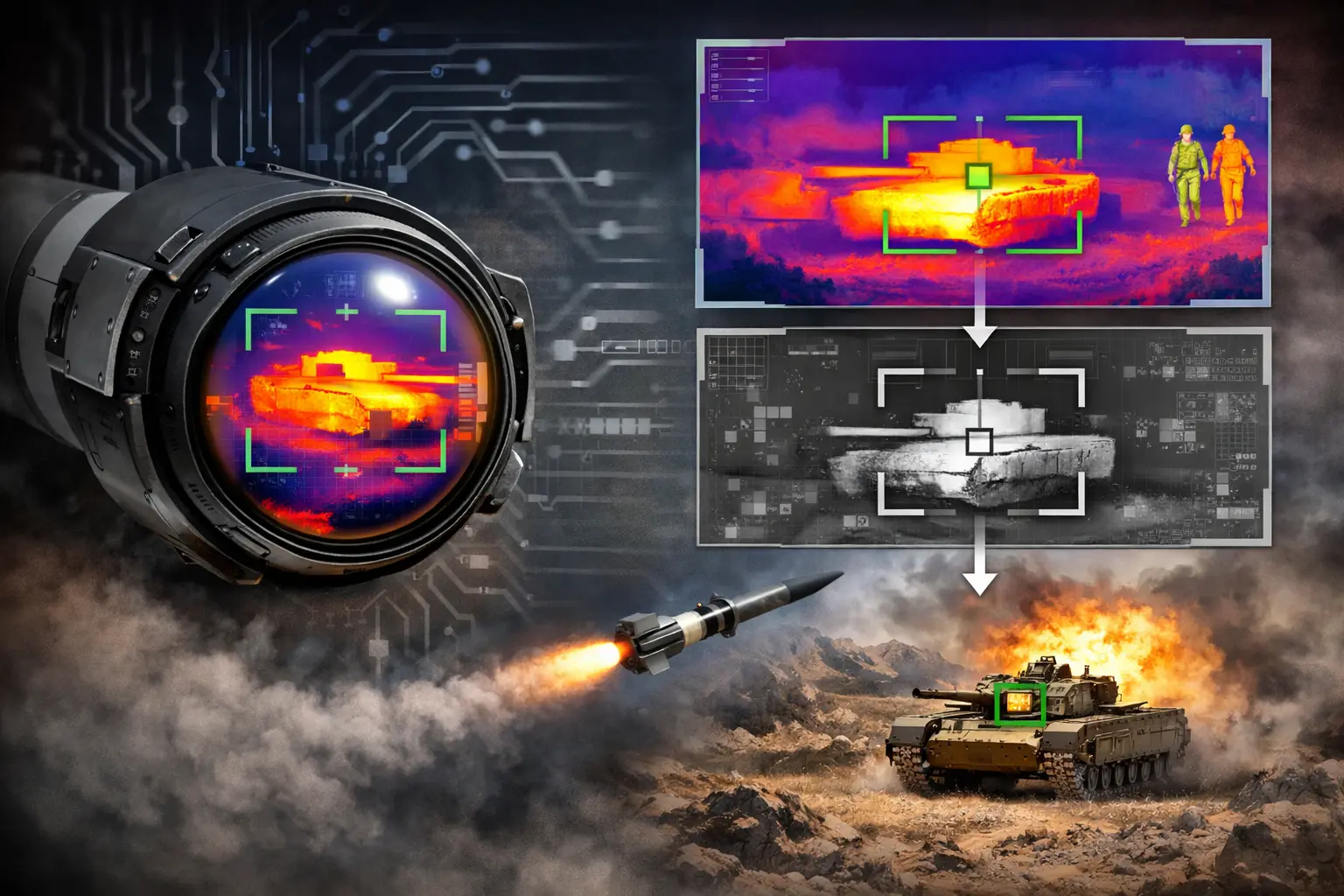
4. Imaging Infrared Seekers (IIR)
Imaging infrared seekers combine thermal imaging cameras with advanced image processing to detect targets based on heat signature recognition. These systems process captured thermal patterns through sophisticated algorithms, identify target shapes and characteristics, and maintain lock on targets smaller than traditional infrared sensors can track, offering superior performance in complex thermal environments.
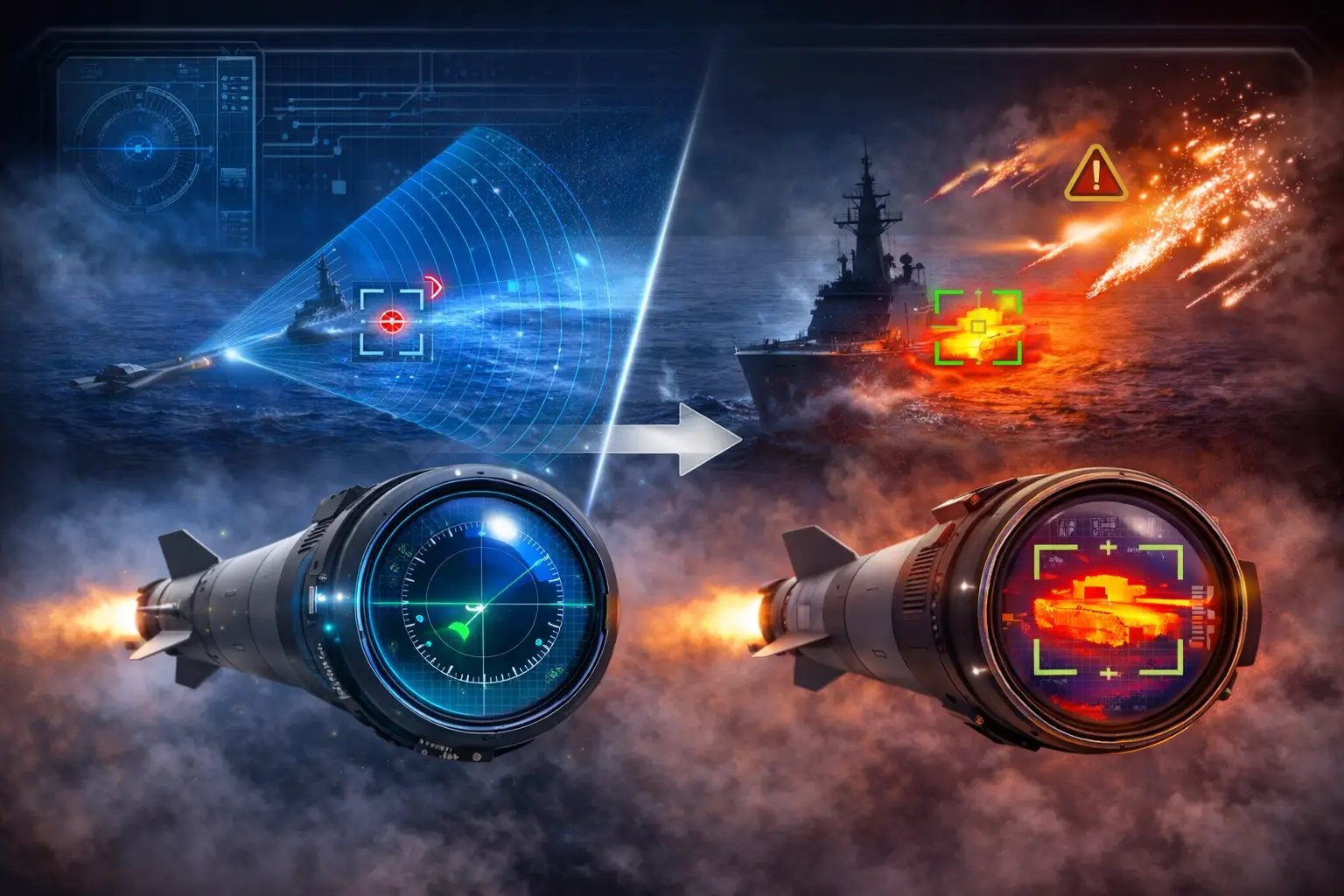
5. Dual-Mode Seekers (Radar and Infrared)
Dual-mode seekers switch between active radar and passive infrared guidance depending on mission phase or target conditions. These systems offer flexibility by using radar for midcourse guidance and initial target acquisition, then switching to infrared for terminal phase engagement, providing enhanced reliability through redundancy and improved performance against electronic countermeasures.
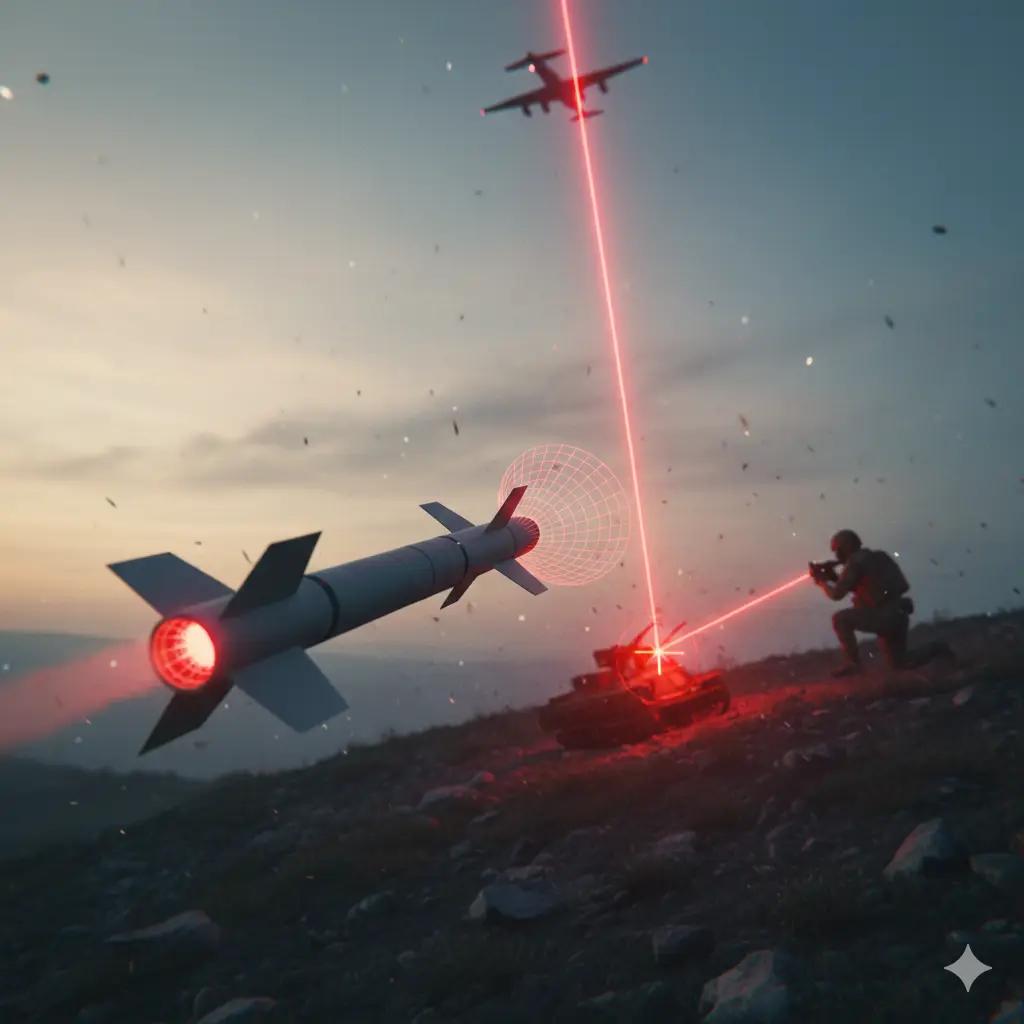
6. Semi-Active Laser (SAL) Seekers
SAL seekers detect laser radiation reflected from targets designated by ground or airborne laser designators. These sensors pinpoint laser-illuminated targets with centimetre-level accuracy, provide excellent jamming resistance, enable precision strikes on small targets, and require minimal power consumption for compact, lightweight missile applications requiring high targeting precision.
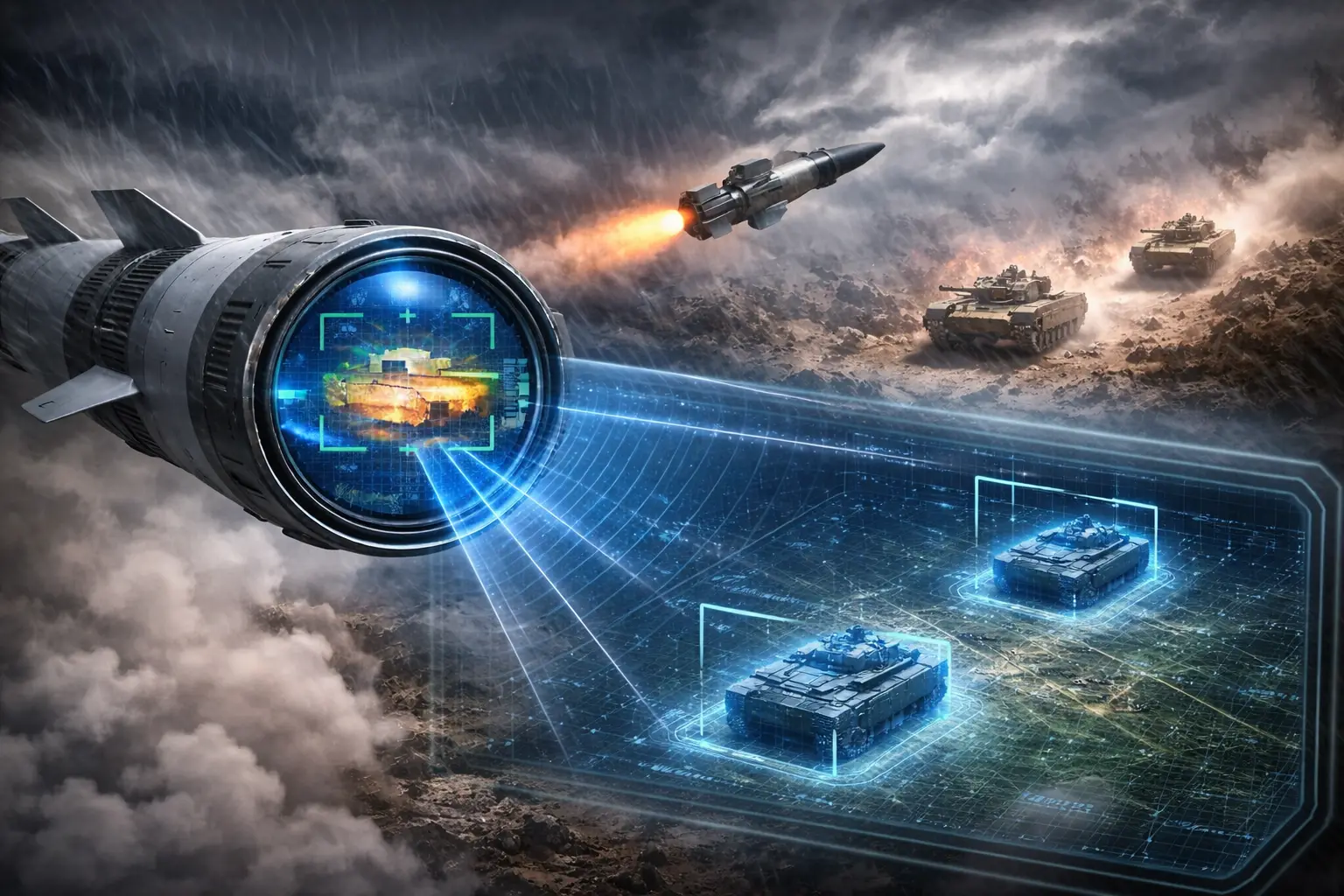
7. Millimeter-Wave (MMW) Radar Sensors
Millimeter-wave radar operating at 30 to 300 gigahertz frequency provides high-resolution imaging with narrow beamwidths and small antenna sizes. MMW sensors penetrate fog, clouds, dust and smoke, provide automatic target recognition capability, and enable all-weather guidance for air-to-ground and ground-to-ground missiles with imaging resolution comparable to visible-light systems.
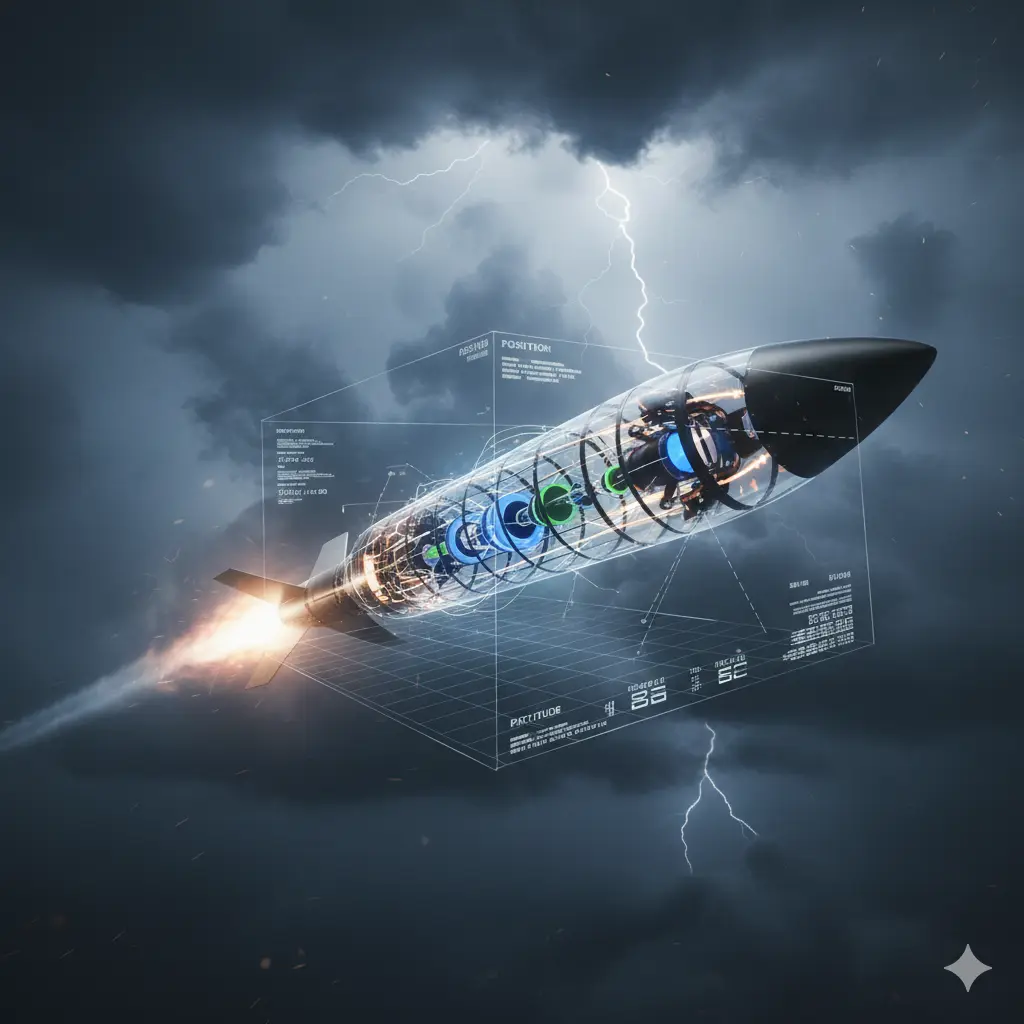
8. Inertial Measurement Units (IMU)
Inertial measurement units containing gyroscopes and accelerometers measure missile acceleration and rotation throughout flight. IMUs calculate position, velocity and attitude without external references, operate independently when satellite signals are unavailable, and maintain accuracy through sensor fusion with GPS or ground-based navigation updates, enabling reliable autonomous guidance capability.
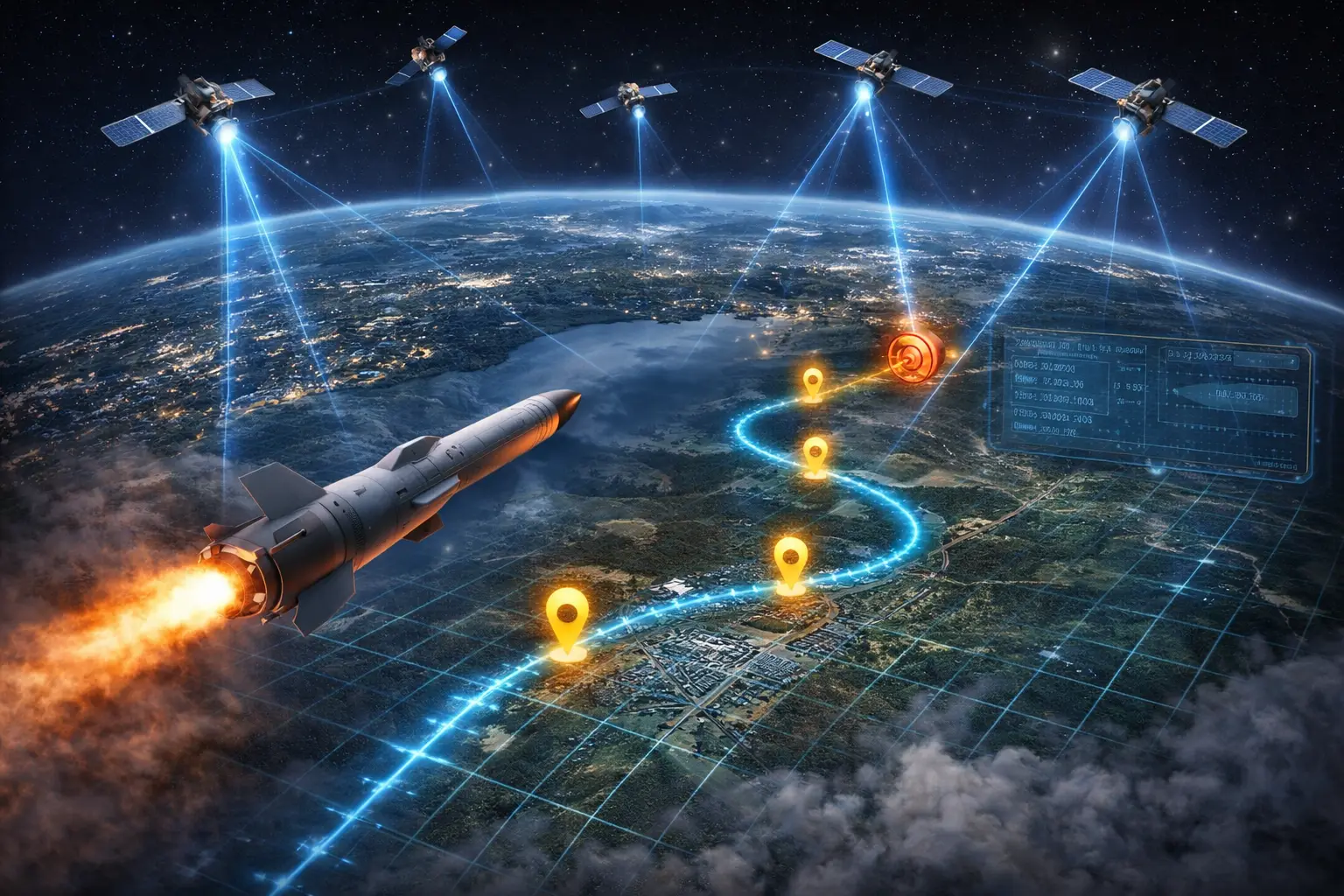
9. GPS/GNSS Navigation Systems
Global positioning and global navigation satellite systems provide precise three-dimensional coordinates, velocity measurements and timing updates to missile guidance computers. GNSS enables accurate trajectory calculations, pre-programmed waypoint navigation, and strike accuracy within metres when combined with inertial sensors, offering cost-effective guidance for cruise missiles and standoff weapons.
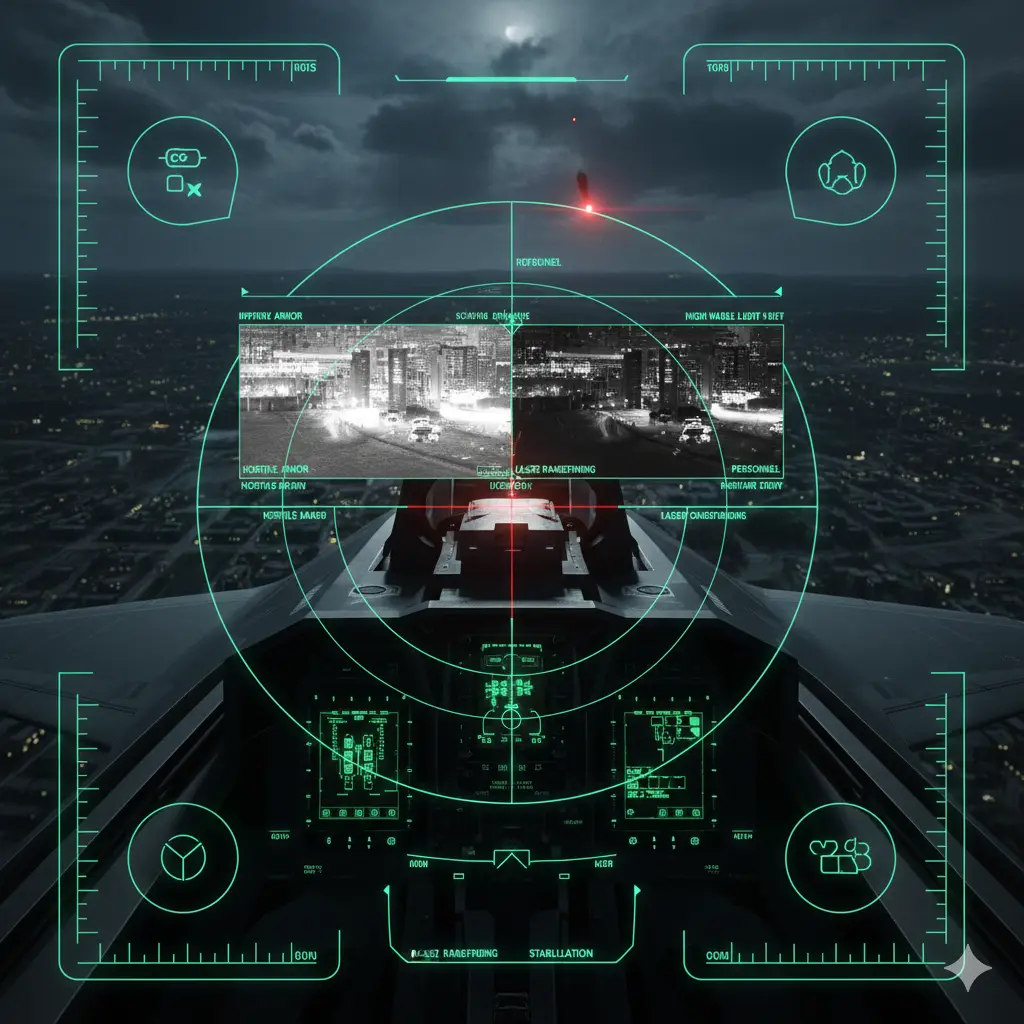
10. Electro-Optical Targeting Systems (EOTS)
Electro-optical targeting systems combine visible-light cameras with infrared sensors for day and night target acquisition and tracking. These systems provide laser rangefinding, laser designation capabilities and stabilised aiming references, enable operators to identify areas of interest, perform long-range reconnaissance, and deliver precision-guided munitions with high accuracy across diverse environmental conditions.
)
)
)
)
)