Top 10 safest countries to live in with the lowest risk of natural disasters

As per the Disaster Risk Index data, these are the top 10 safest countries in the world without the possibility of any natural disaster. Check the details here.
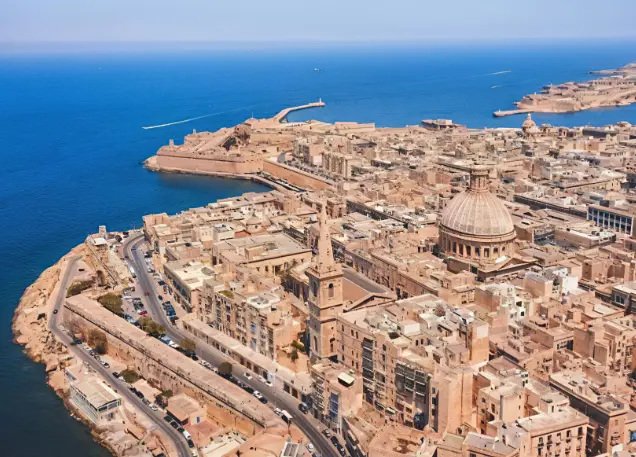
10. Malta
While the beautiful island country in the Mediterranean Sea lies in a significant seismic zone along the Maltese Archipelago, there is little to no history of earthquakes in the region. In terms of aquatic-related disasters, Malta can defend itself easily, as it has a strong water supply and developed infrastructure.
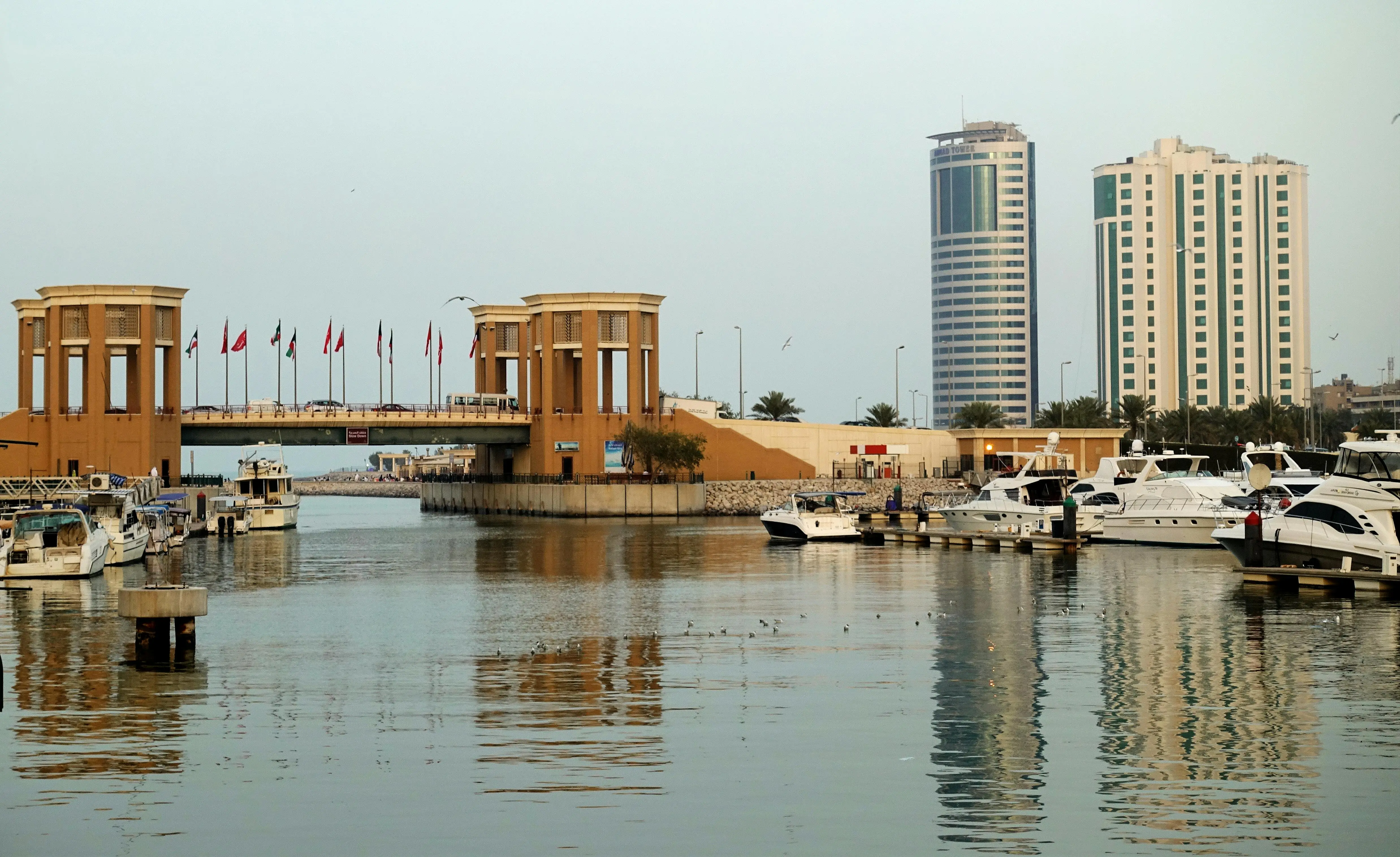
9. Bahrain
Bahrain is another tourist hotspot and island country, which is positioned at 9th on the list with the least natural disaster risk in the world. It is located in the Persian Gulf, bordered by the landmasses of Iran, Kuwait, Saudi Arabia, and the UAE that keep this land sheltered from ocean-related natural disaster risks like tsunamis.
Additionally, the island nation also lies on the geologically stable ‘Arabian tectonic plate,’ which has a low chance of earthquakes. Bahrain has experienced only one natural disaster in recent years, which was a drought caused by the region's extreme heat.

8. Belarus
Belarus also benefits from its location by securing the 8th spot when it comes to natural disasters. This land, also known as "the lungs of Europe," escapes from the disaster because the nearest body of water is the Baltic Sea; tsunamis and floods are a distant threat.
This country lies on the Eastern European Craton, an ancient part of the Eurasian Plate, which has a low to medium earthquake risk. Therefore, the country has experienced only one major earthquake in the past decade.
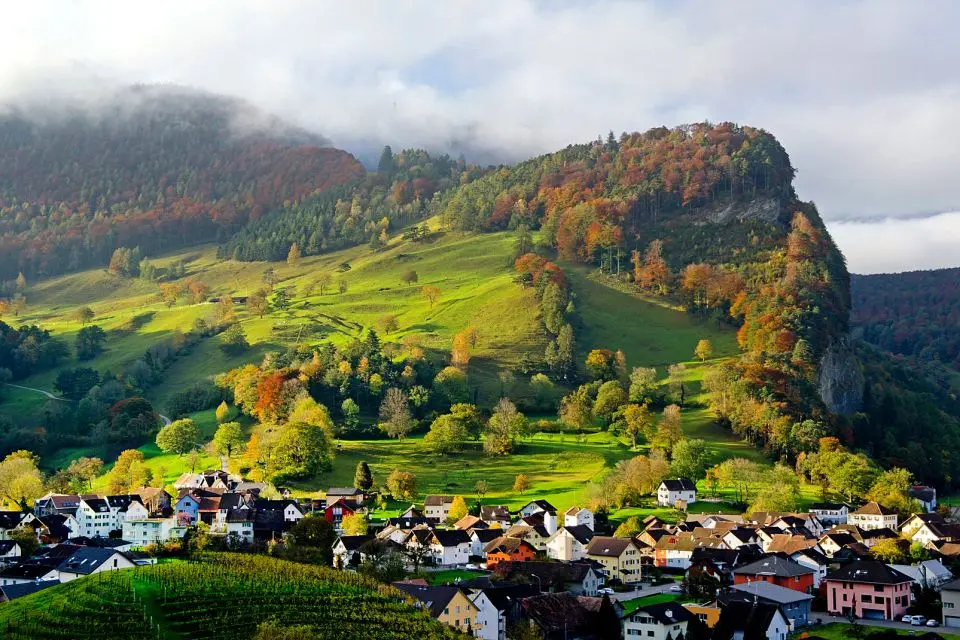
7. Liechtenstein
Situated between Austria and Switzerland in Europe, Liechtenstein is one of the wealthiest countries in the world. This land is surrounded by several landlocked countries, which protect it from water-based disasters, as they are too far away to cause major damage. However, the European land does experience earthquakes up to magnitude 5 every few months.

6. Sao Tome And Principe
It is the sixth country on this list, as Sao Tome and Principe's location keeps it safe from earthquakes. This is because the island nation nestled in the Gulf of Guinea lies on the African tectonic plate, which is marked to be a stable seismicity region.

5. Luxembourg
Luxembourg is Europe's financial powerhouse, which holds the top spot for GDP per capita in the world. This nation is safe from all natural disasters because there are no major fault lines nearby. In addition, Luxembourg is landlocked, so a tsunami disaster can hardly affect this land.

4. Singapore
This nation is a hub of tourism, which receives more than six million visitors a year, as it contains plenty of attractive sites like Gardens by the Bay and Marina Bay Sands. The natural disasters that occur here are rare. It has felt small tremors from other seismic events. Singapore is also shielded from open waters due to Malaysia in the north and Batam Island in the south, which act as buffers.
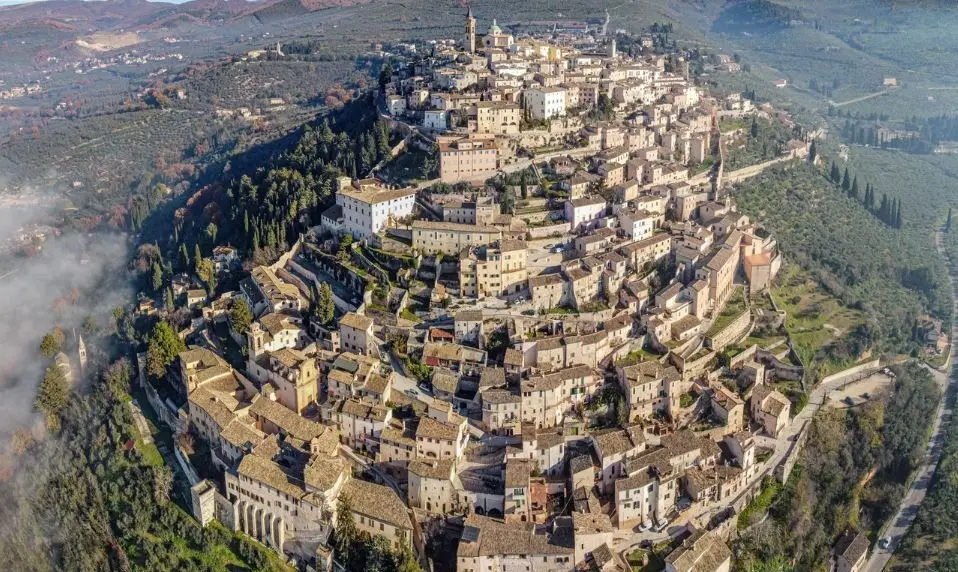
3. San Marino
This nation is a mountainous microstate surrounded by north-central Italy, which lies along the northeast side of the Apennine Mountains and is also the fifth-smallest country in the world. In terms of natural disasters, this nation is on the safer end of the world, as the Adriatic Sea and Italy encircle the nation, reducing the major tsunami or flood risk. Earthquakes are also infrequent; however, this region experiences more seismic activity due to tremors from nearby events.

2. Monaco
The microstate holds the second spot in terms of natural disaster-free areas, as it is bordered by France on three sides and is not located near tectonic plate boundaries or volcanoes. However, if a disaster hits this area, then it can quickly cope and adapt due to the country's strong economy and immense wealth.
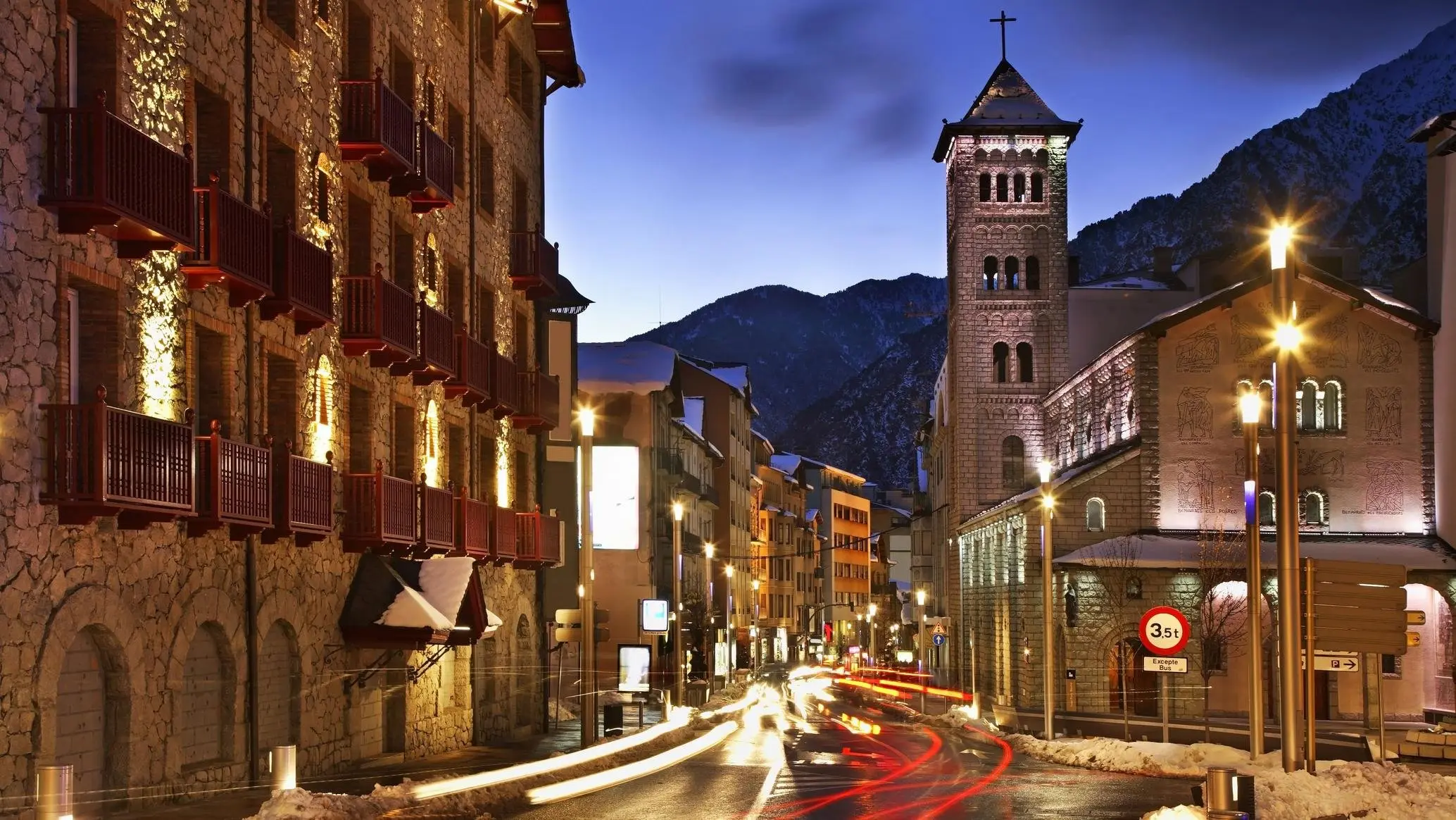
1. Andorra
Andorra has secured the top spot as the safest country in the world against natural disasters. With minimal to no threat from major hazards, it enjoys remarkable safety. The nation has no history of destructive earthquakes and lies far from open waters, making disasters extremely rare. Reflecting its strong safety profile, Andorra holds a Disaster Risk Index (WRI) score of just 0.22, excelling in exposure, coping capacity, and overall resilience.
)
)
)
)
)