Top 10 most polluted rivers in the world

Citarum Indonesia 21 tonnes daily plastic, Ganges 1,200M litres sewage, Yamuna Delhi 10,000 MPN fecal coliform, Yellow River heavy metals, Yangtze 330,000 tonnes plastic, Tigris radioactive, Mekong chemicals, Mississippi POPs, Rhine industrial, Danube transboundary.
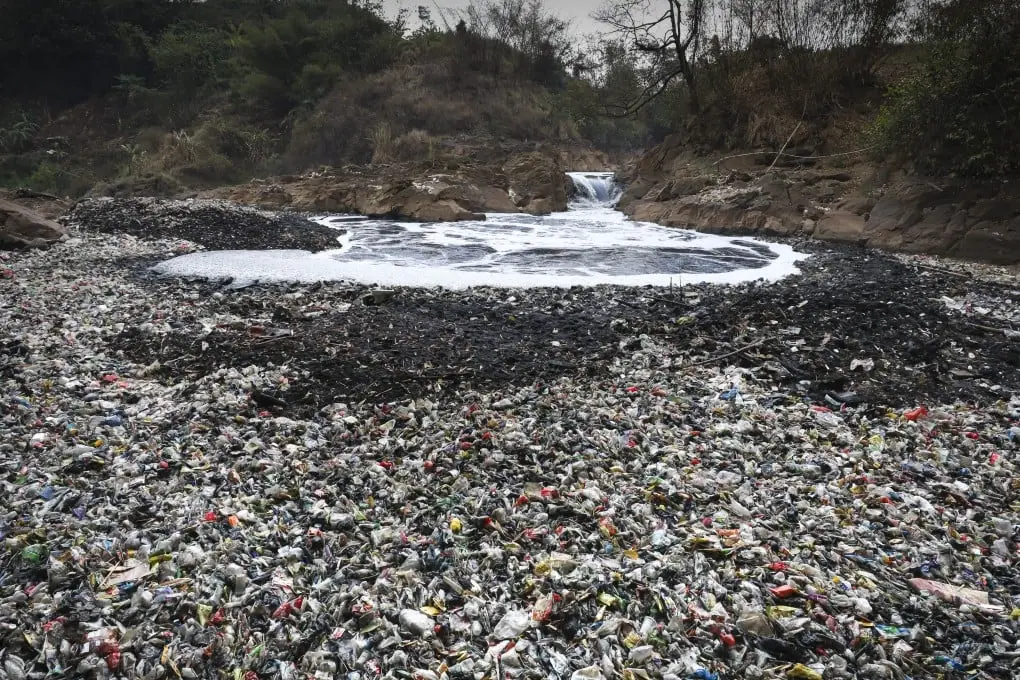
Citarum River Indonesia - 21 Tonnes Daily Plastic Discharge
Citarum River Indonesia discharges approximately 21 tonnes of plastic waste into the Java Sea daily. The river flows through Jakarta affecting over 2 million residents directly depending on water supply. Textile factories and manufacturing plants discharge untreated industrial waste continuously. Heavy metal contamination from factories includes lead cadmium and mercury at dangerous levels. Microplastics have penetrated food chains affecting fish and human consumers. Annual plastic influx reaches 7,660 tonnes creating massive accumulation zones downstream. Local fishing communities report 60 percent catch decline due to water contamination toxicity.
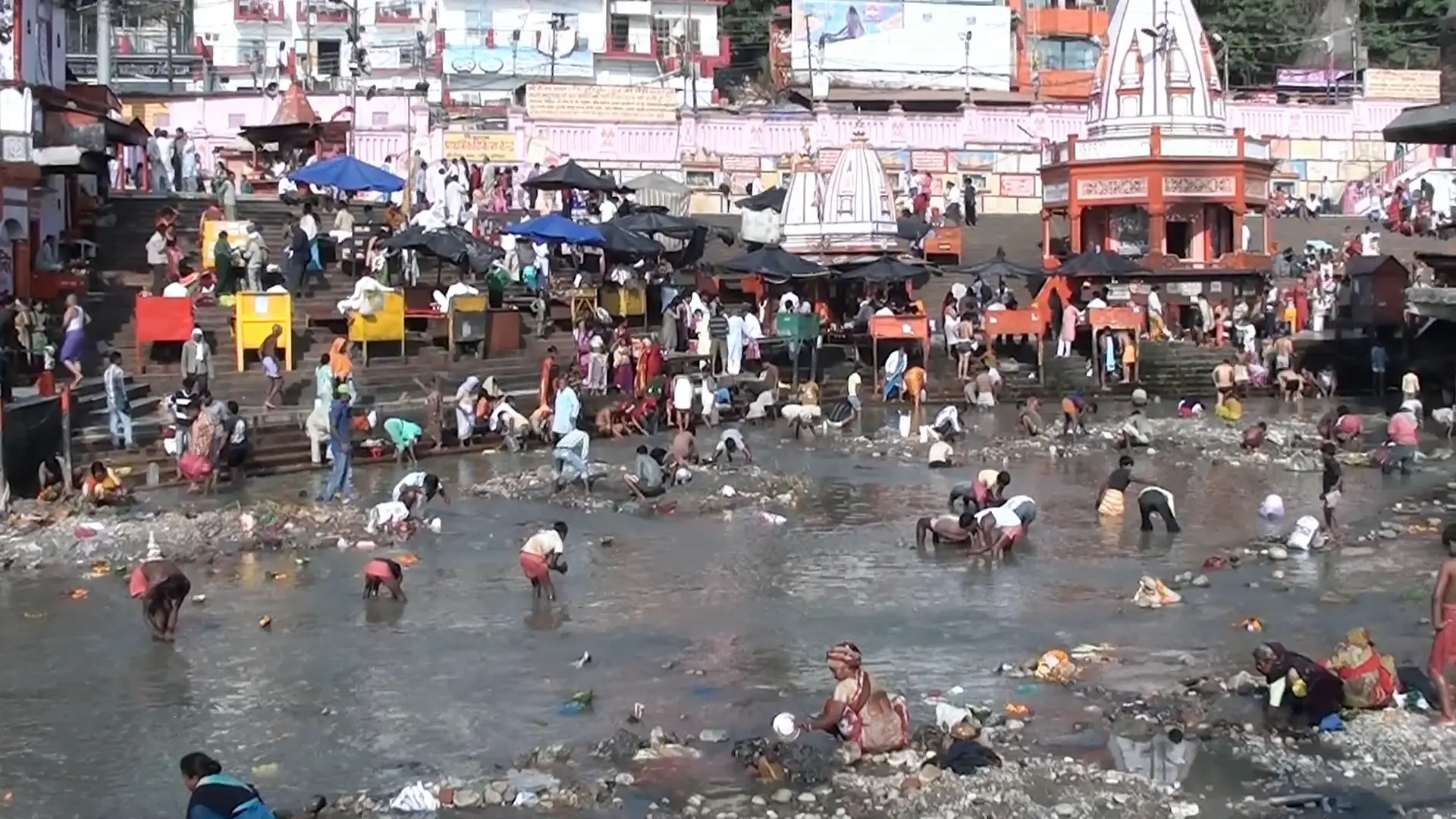
Ganges River India - 1,200 Million Litres Sewage Daily
Ganges River India discharges 1,200 million litres of untreated sewage daily into the river system. Over 400 million people depend on Ganges water for drinking bathing and agricultural irrigation. Colaba Beach downstream tests fecal coliform levels 2,400 MPN/100ml exceeding WHO safe limits 240 times. Cremated human remains and industrial waste dump directly into sacred river annually. Pharmaceutical waste antibiotics and hormones contaminate water affecting marine ecosystems downstream. Fish populations declined 80 percent over past decade due pollution toxic exposure. Dolphin species face extinction threats from river water pollution contamination.
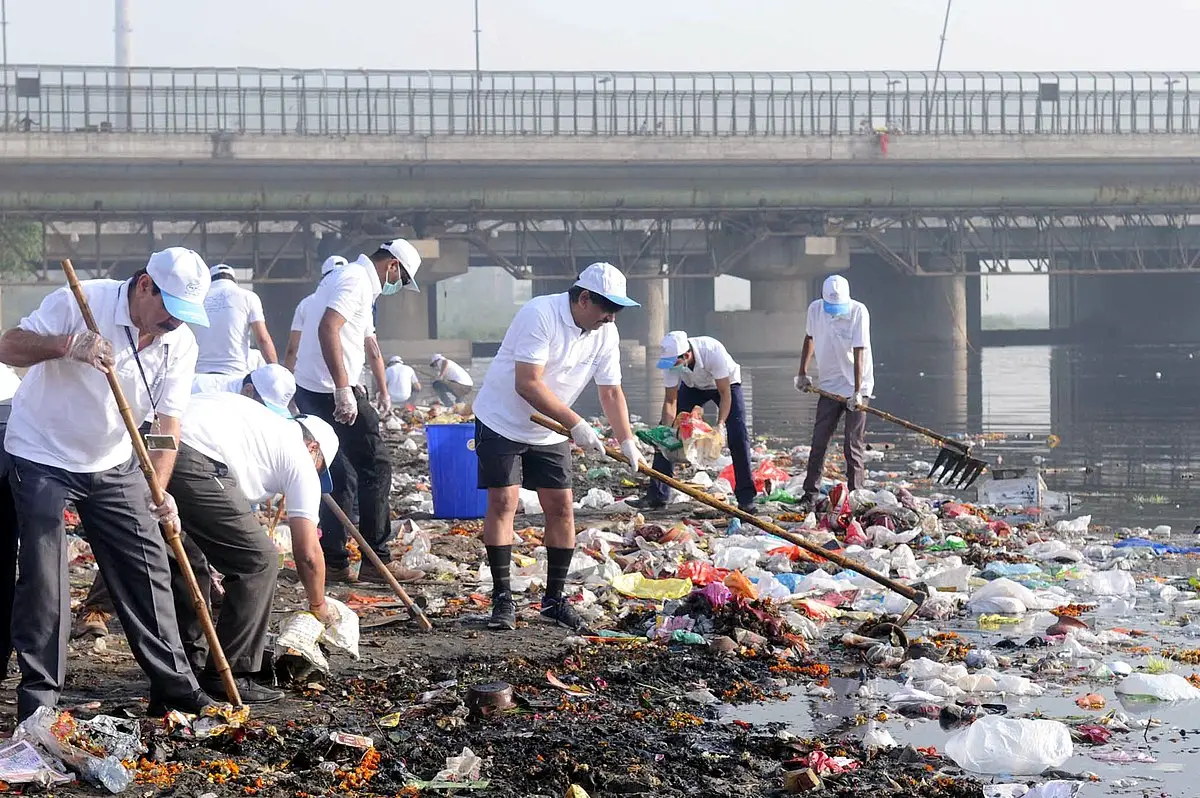
Yamuna River Delhi - 10,000 MPN Fecal Coliform Contamination
Yamuna River Delhi tributary suffers severe fecal coliform contamination reaching 10,000 MPN/100ml level. WHO safe limit stands 100 MPN/100ml making Yamuna 100 times more contaminated than safe standards. Delhi's 30 million residents face drinking water crisis from Yamuna pollution. Untreated sewage from 400 sewage outfalls discharges directly into river daily. Industrial waste from leather tanneries dye factories creates toxic sediment layers. Dead fish floating visible evidence river biological collapse near city sections. Swimming prohibition enforced 200 days annually during peak monsoon pollution seasons.
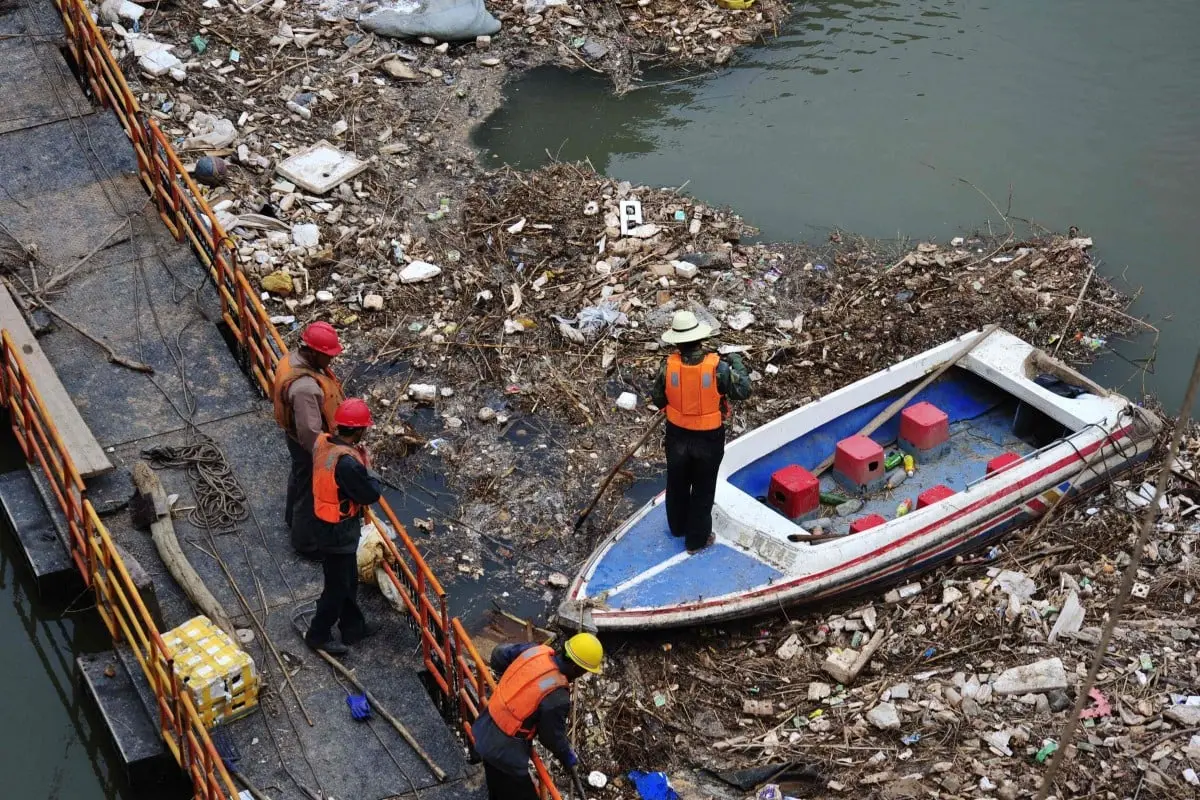
Yellow River China - Heavy Metal Cadmium Lead Pollution
Yellow River China suffers severe heavy metal contamination particularly cadmium and lead from mining. Industrial discharge from 3,000 factories releases toxic chemicals directly into river water. Drinking water standards exceeded 40 times in some sections near industrial zones. Agricultural contamination affects 50 million farmers depending on river irrigation systems. Fish consumption warnings issued frequently due bioaccumulation in aquatic species. Sludge deposits contain 100 times safe lead levels harming bottom-dwelling organisms. Water treatment infrastructure inadequate handling 40 billion tonnes annual runoff carrying pollutants.
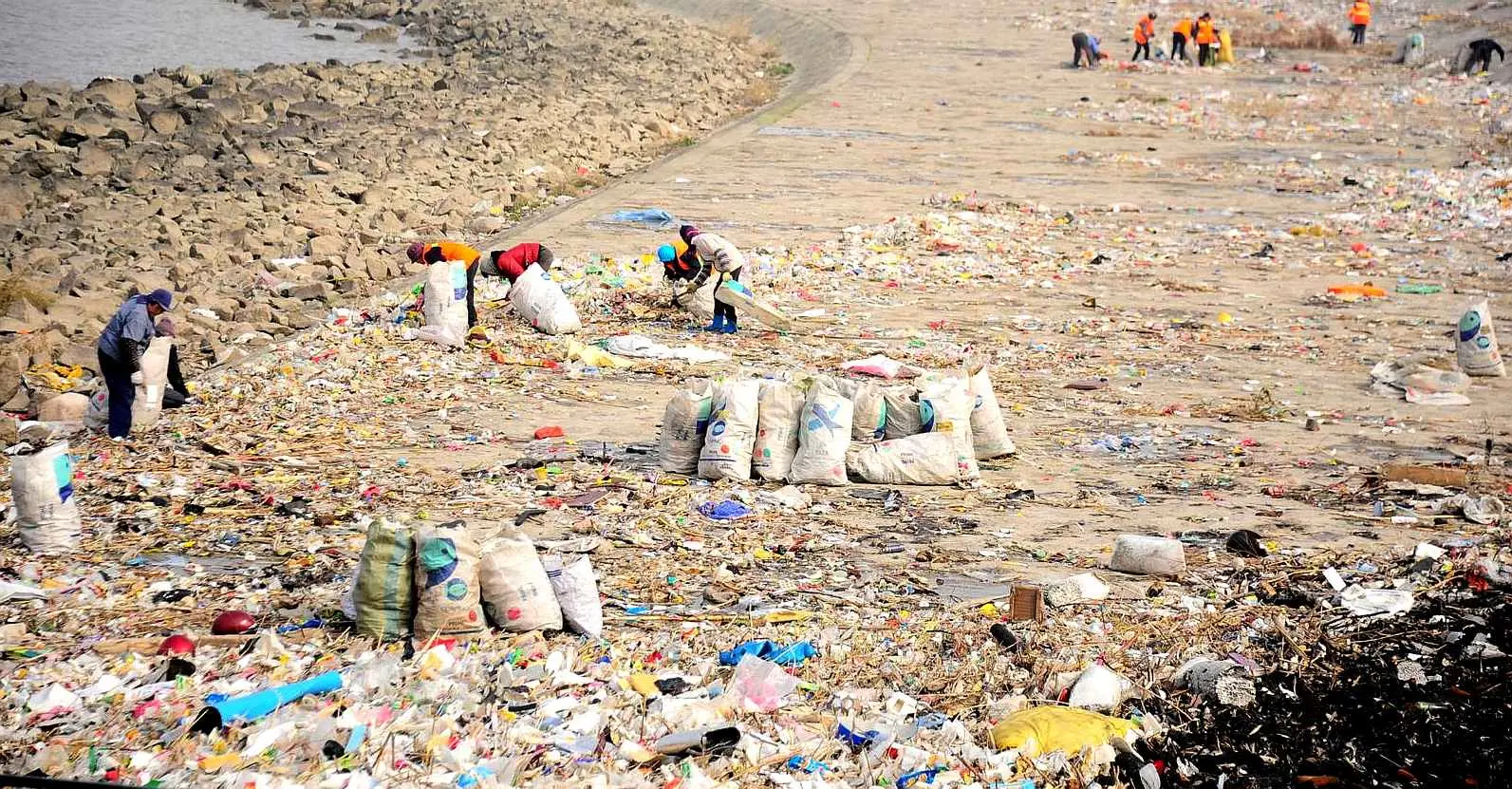
Yangtze River China - 330,000 Tonnes Annual Plastic Influx
Yangtze River receives 330,000 tonnes of plastic waste annually creating downstream ocean pollution. Microplastic concentration reaches 1,600 particles per kilogramme of sediment analysed. Fishing communities report 50 percent catch decline attributed to water contamination. River dolphins population decreased 90 percent past 20 years from pollution habitat destruction. Dam construction altered water flow patterns worsening pollutant concentration problems. Industrial zones discharge 15 billion tonnes wastewater annually into river system. Remediation projects target 50 percent plastic reduction by 2030 with government support.
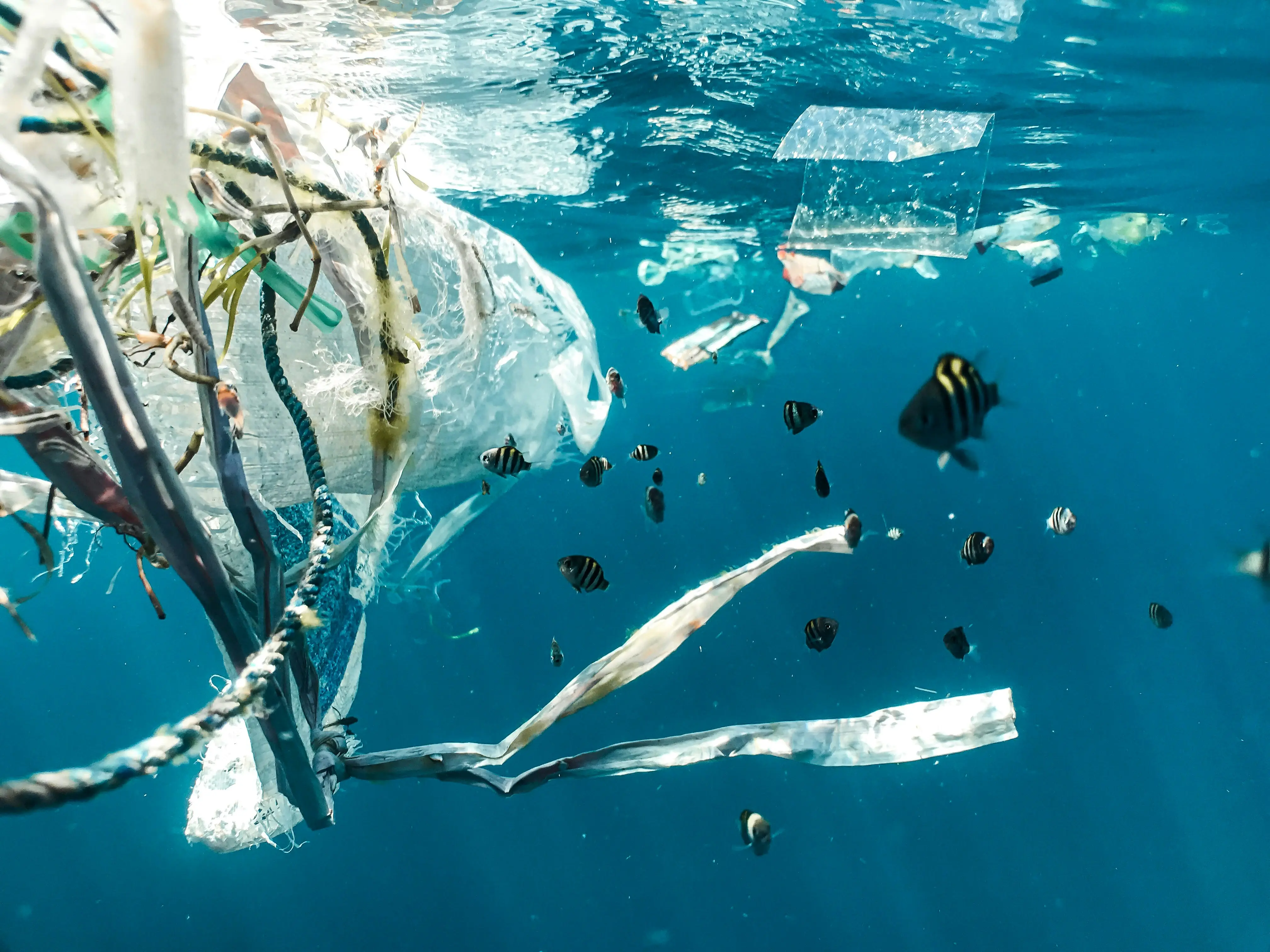
Tigris River Iraq - Radioactive Contamination War Legacy
Tigris River Iraq faces severe radioactive contamination legacy from conflict zones and weapons. Depleted uranium ammunition residues remain in river sediment affecting water safety. Heavy metal accumulation lead cadmium and mercury exceed international standards significantly. Sewage treatment capacity destroyed during conflicts remains non-functional affecting 20 million residents. Oil contamination from industrial activities creates health hazards throughout river course. Drinking water from Tigris supplies causes gastrointestinal diseases in populations downstream. International humanitarian organisations document health crisis affecting vulnerable communities continuously.
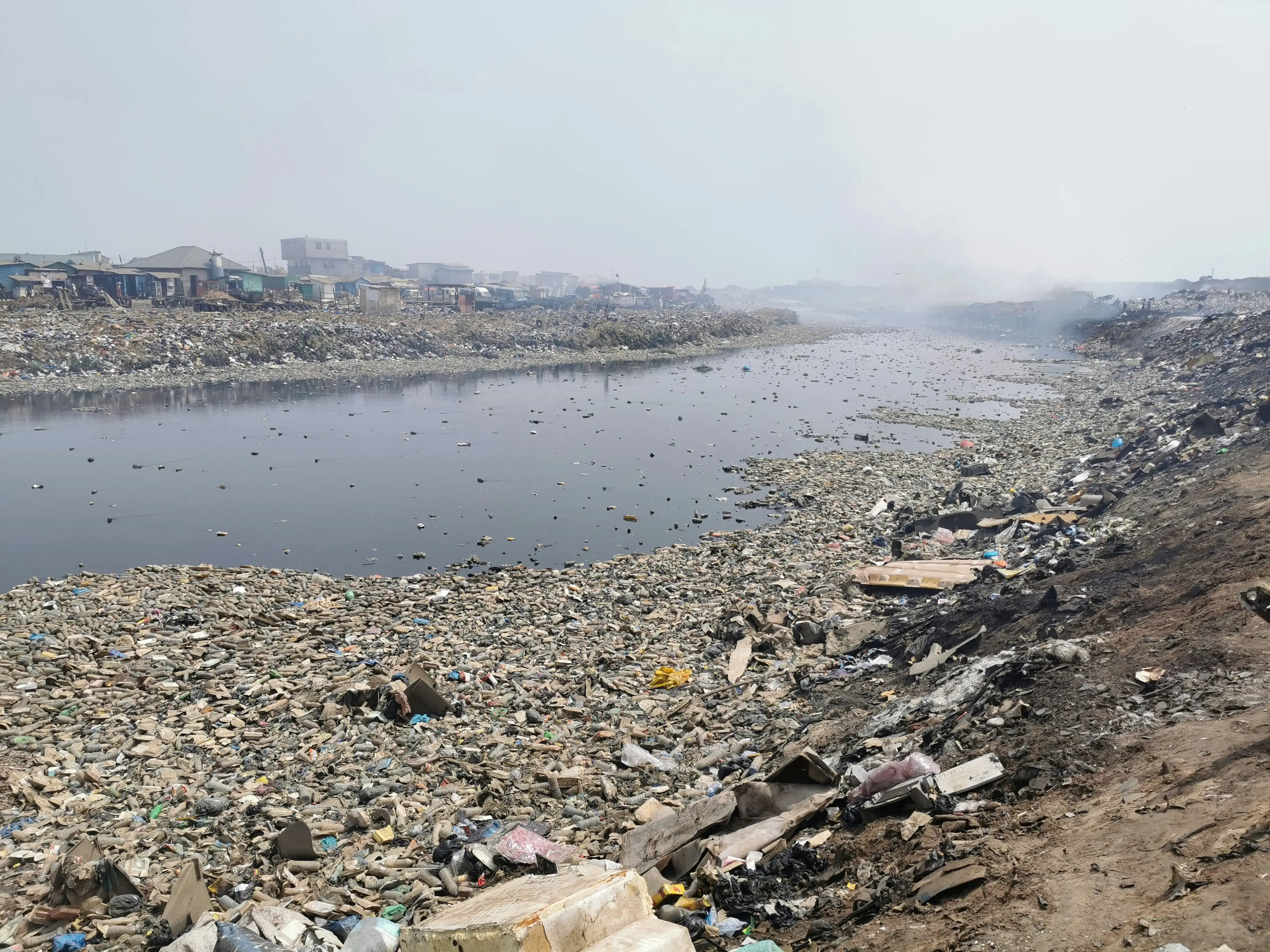
Mekong River Southeast Asia - Agricultural Chemical Pollution
Mekong River Southeast Asia suffers severe agricultural chemical pollution from intensive farming. Pesticide levels exceed safety standards by 50 times in water samples analysed. Fertiliser runoff causes massive algal blooms covering 15,000 square kilometres during rainy seasons. Fish deformities and reproductive problems documented in populations downstream. Fishing communities report declining yields affecting 60 million people economically. Water salinity increases threatening rice paddies and drinking water supplies. Climate change exacerbates pollution through altered precipitation and flooding patterns annually.
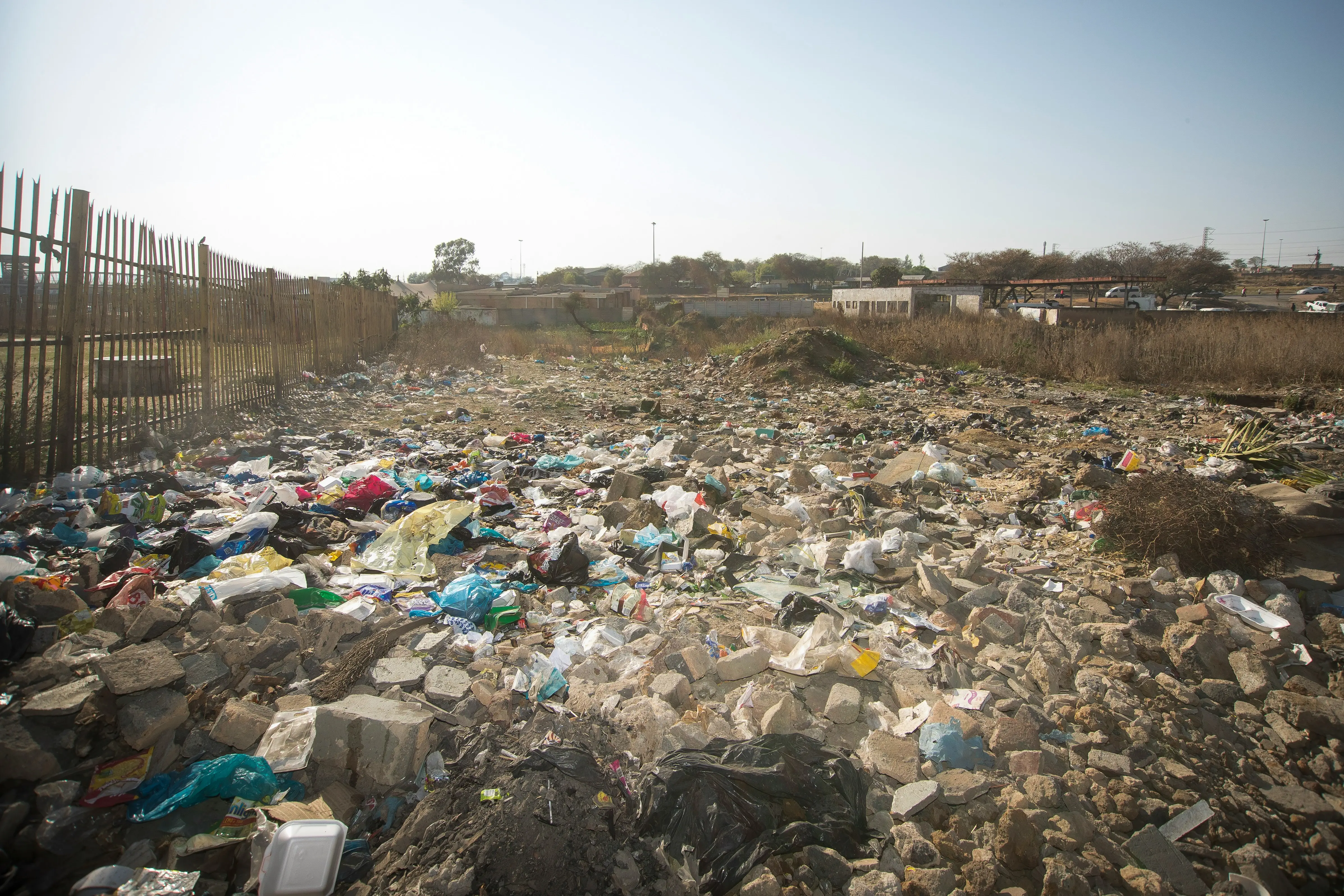
Mississippi River USA - Persistent Organic Pollutants Legacy
Mississippi River USA contains persistent organic pollutants banned decades ago but remaining in sediment. PCB contamination documented 100 times above safe levels in fish tissue samples. Coal ash storage failures release mercury arsenic into river affecting 18 million water users. Dead zone created by nutrient runoff covers 8,000 square kilometres annually. Microplastics detected in sediment samples throughout 3,710 kilometre river length. Agricultural chemical residues persist despite reduced usage implementation. Fishing advisories issued warning consumption limits for certain species groups.
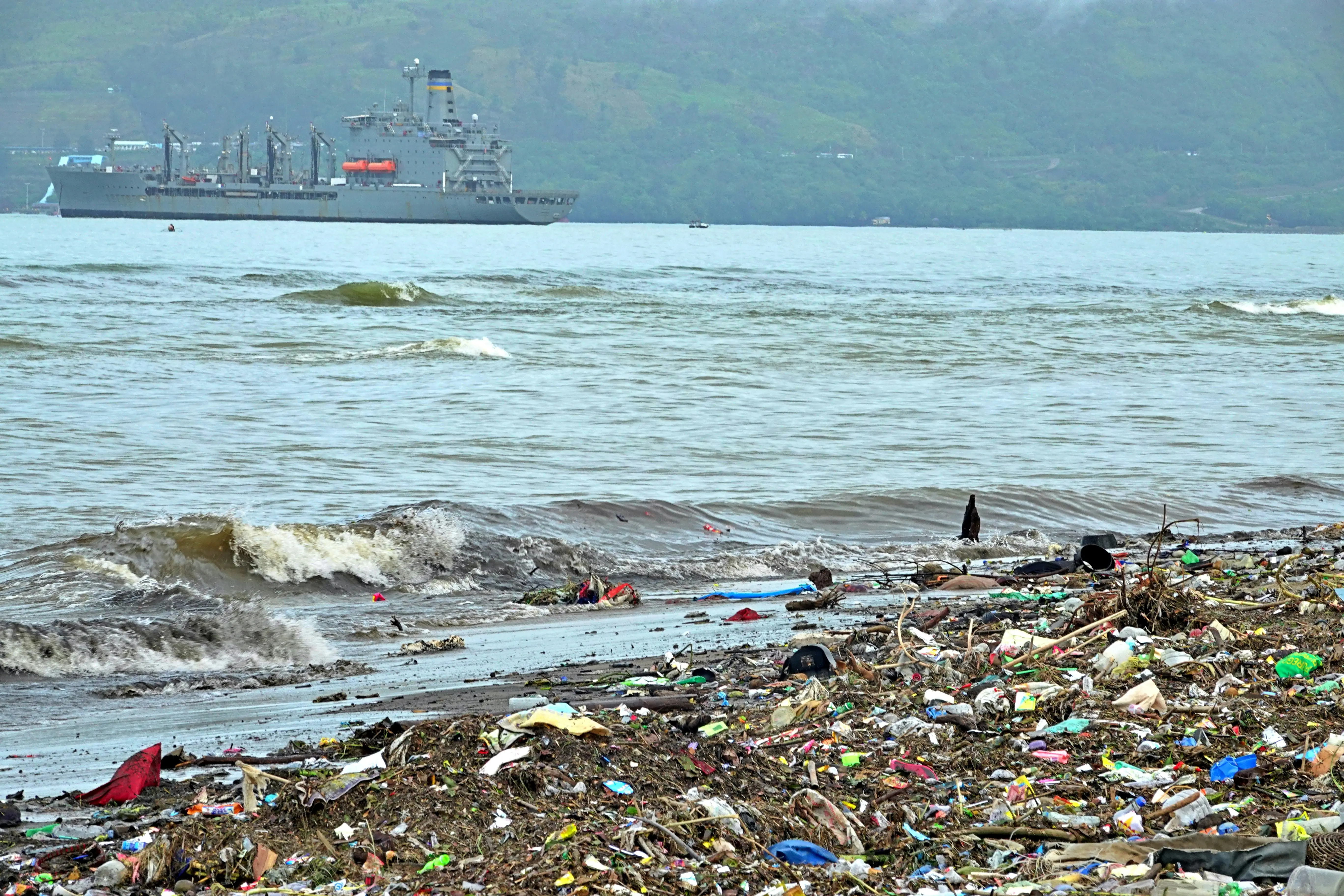
Rhine River Europe - Industrial Contamination Improvements Slow
Rhine River Europe shows improvement from historical pollution but industrial contaminants remain present. Heavy metal concentrations declined 80 percent over past 30 years from regulations. Pharmaceutical residues detected in water samples affecting aquatic wildlife reproduction. Sludge disposal in riverbeds contains historical pollution requiring dredging operations. Navigation channel maintenance releases contaminated sediments into water column annually. Transboundary pollution from upstream countries complicates management efforts. Water quality remains unsuitable for direct human consumption requiring treatment.
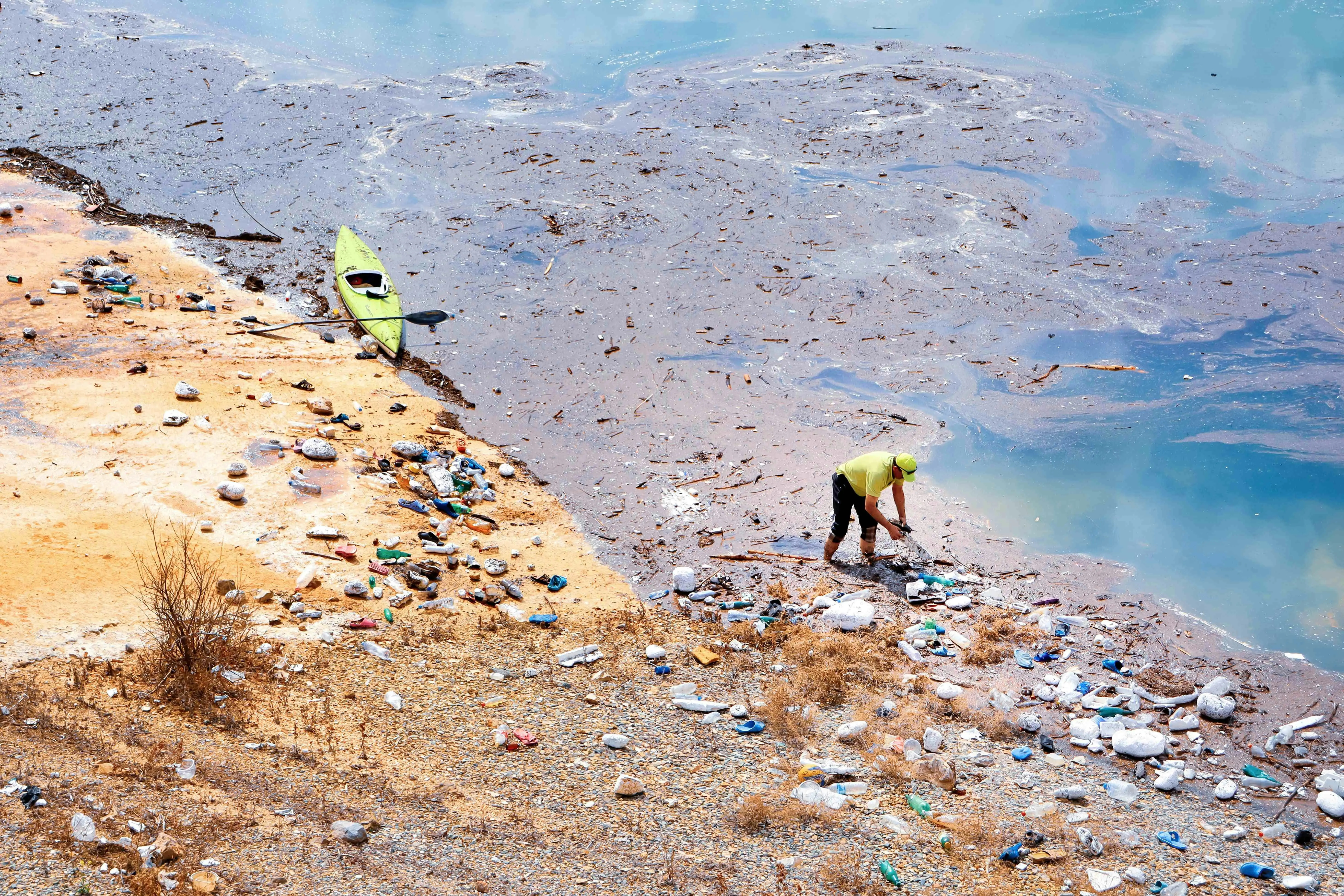
Danube River Eastern Europe - Transboundary Pollution Challenges
Danube River Eastern Europe faces transboundary pollution from 10 countries sharing river system. Industrial discharge from Romania Serbia and Hungary releases untreated wastewater. Bacterial contamination fecal coliform levels exceed safe limits 50 times in sections. Agricultural runoff from intensively farmed areas creates nutrient pollution zones. Fishing communities report health problems from consuming contaminated freshwater fish. Coordinated management efforts hampered by economic constraints in developing nations. Water quality monitoring systems inadequate across entire 2,857 kilometre river course.
)
)
)
)
)