Top 10 most advance weapon systems that rely more on software than firepower

Modern weapon systems increasingly rely on artificial intelligence and autonomous software rather than firepower. From drone swarms to hypersonic missiles, machine learning now guides military strategy and battlefield decisions globally.
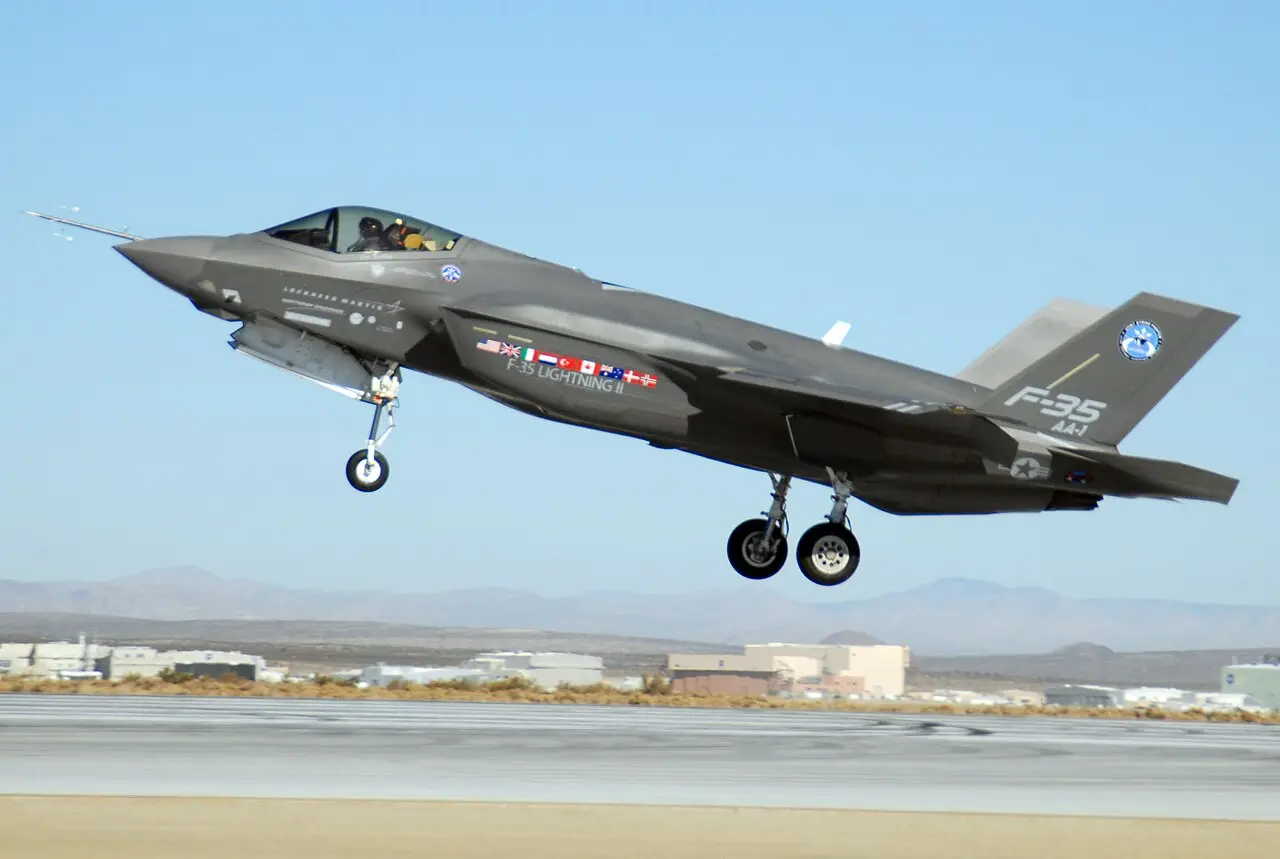
F-35 Lightning II: The World's Most Connected Fighter
The F-35 transforms raw sensor data into unified battlefield awareness through advanced fusion software. All pilots see the same integrated picture, sharing real-time intelligence across networks without manual input.
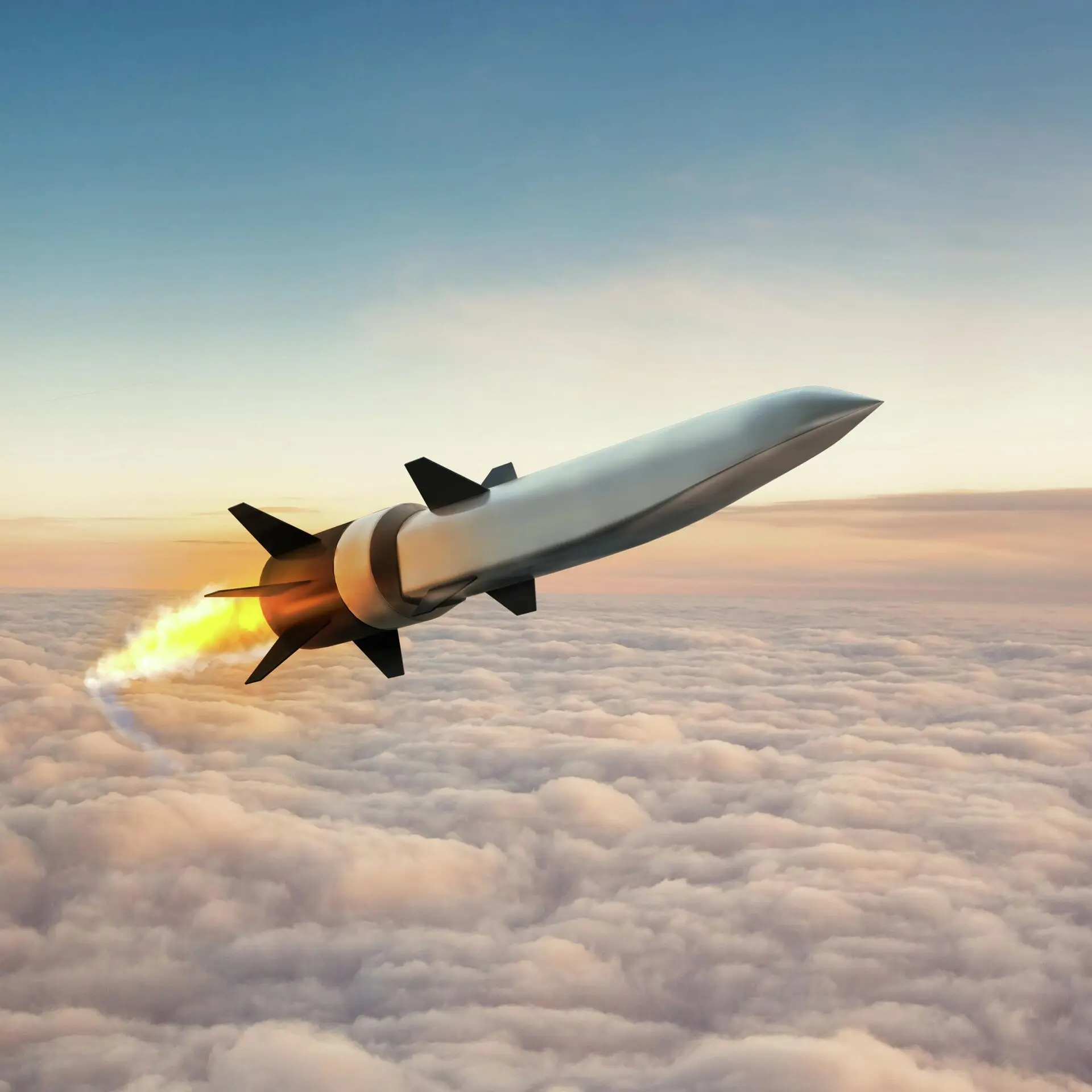
Hypersonic Missiles That Think
Modern hypersonic systems use machine learning to adjust flight paths mid-course, avoiding defences and accounting for wind shear. AI analyses target data from satellites and radar simultaneously for precision guidance.
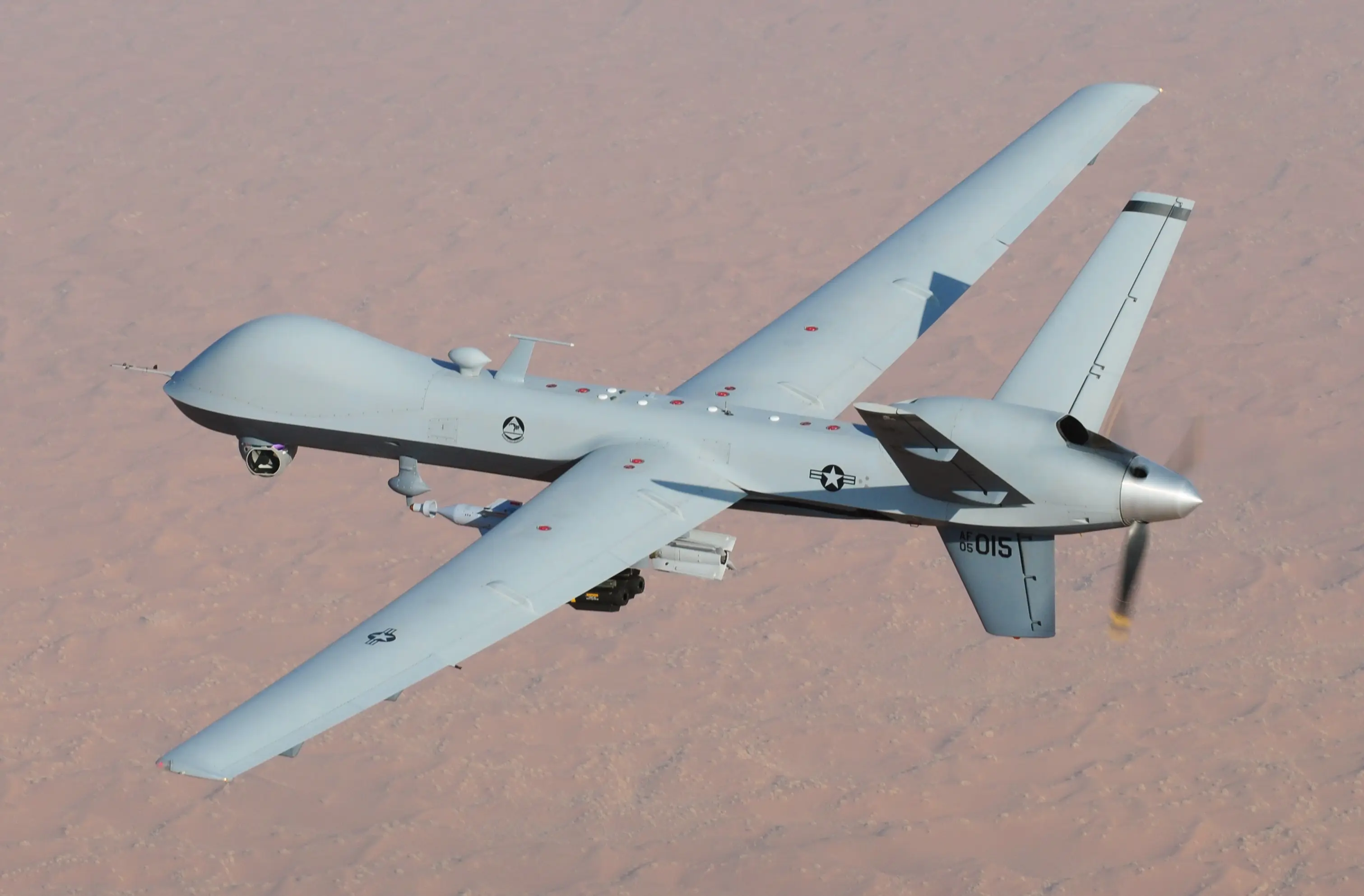
Reaper Drones: AI Handles Targeting
The MQ-9 Reaper uses artificial intelligence for target identification and tracking without constant operator control. Machine learning algorithms process sensor data in real time to make autonomous tactical decisions.
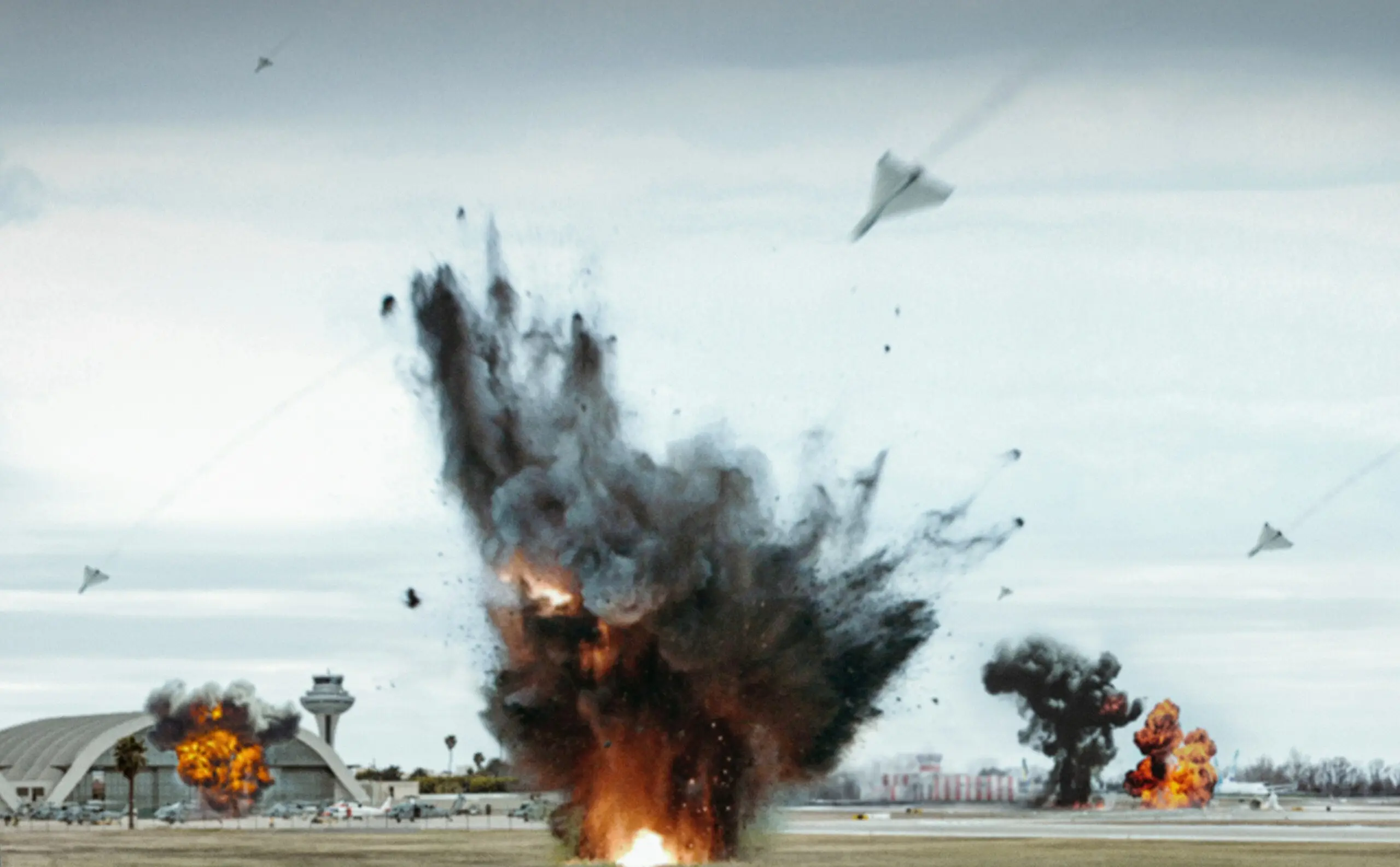
Autonomous Drone Swarms Coordinate Without Humans
Military drone swarms use AI to coordinate hundreds of aircraft simultaneously, adapting formations and tactics instantly. Self-healing algorithms reassign missions when drones are lost, maintaining operation continuity.
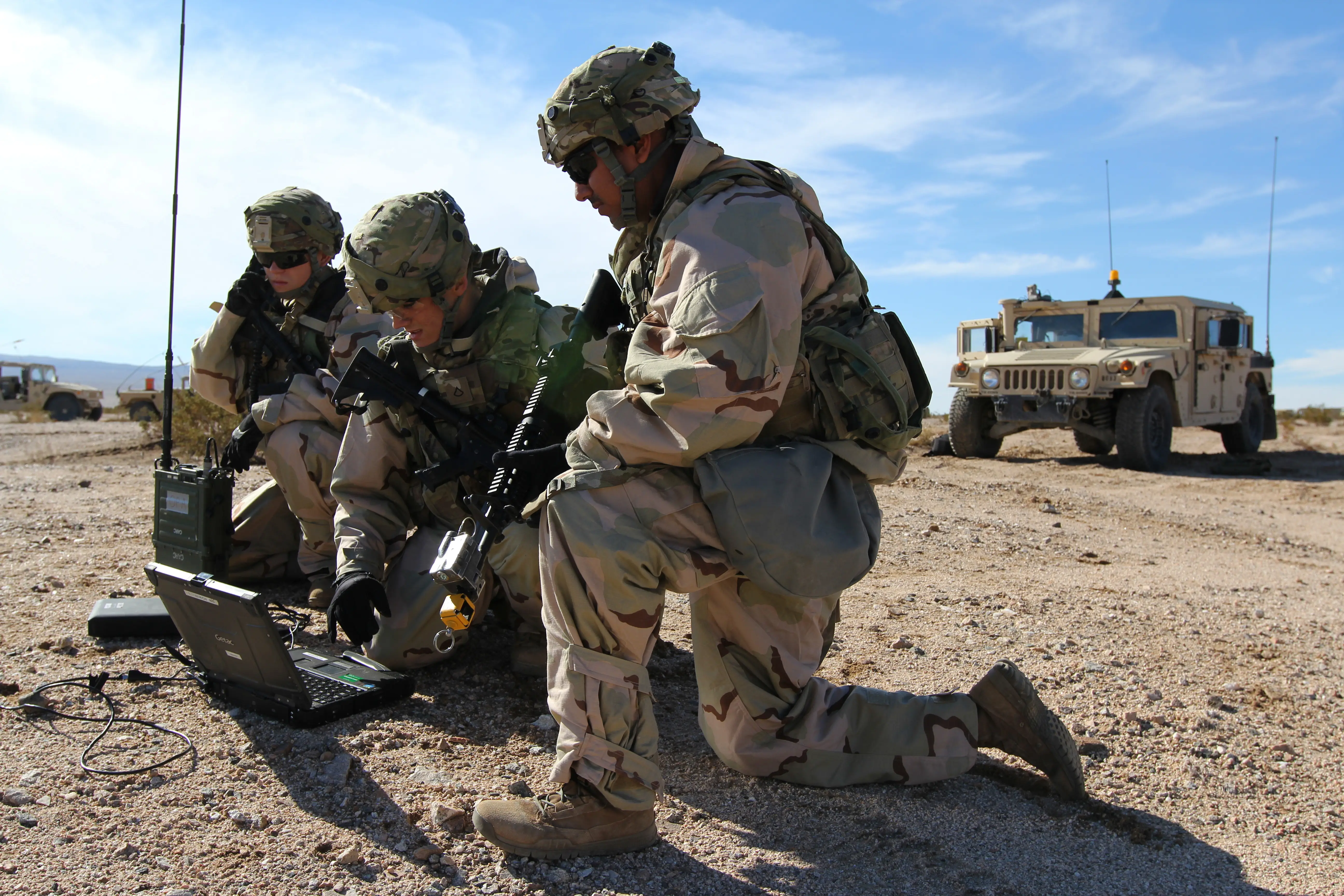
Autonomous Cyber Defence That Adapts Instantly
AI-driven cyber defence systems analyse threats and deploy countermeasures in real time without human intervention. The US Department of Defence allocated over £10 billion in 2025 for AI-enhanced cybersecurity across military networks.
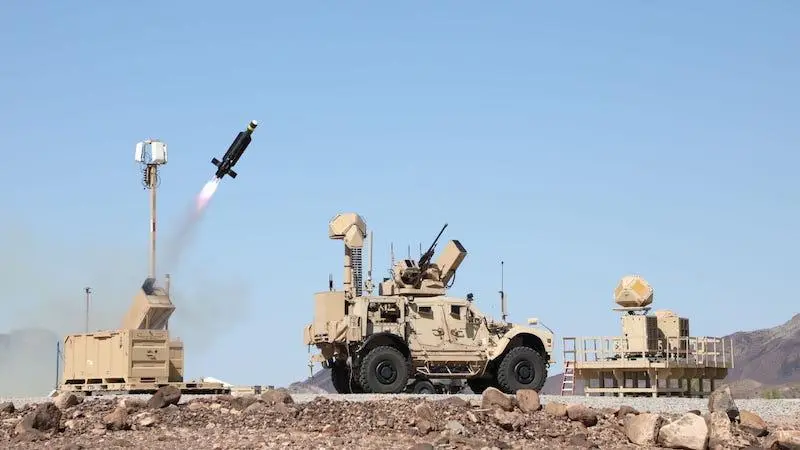
Artificial Intelligence Shoots Down Enemy Drones
Systems like Germany's Skynex and the US Coyote C-UAS use AI to spot, track, and eliminate enemy drones in swarms. AI algorithms identify and target threats faster than human operators could manage manually.
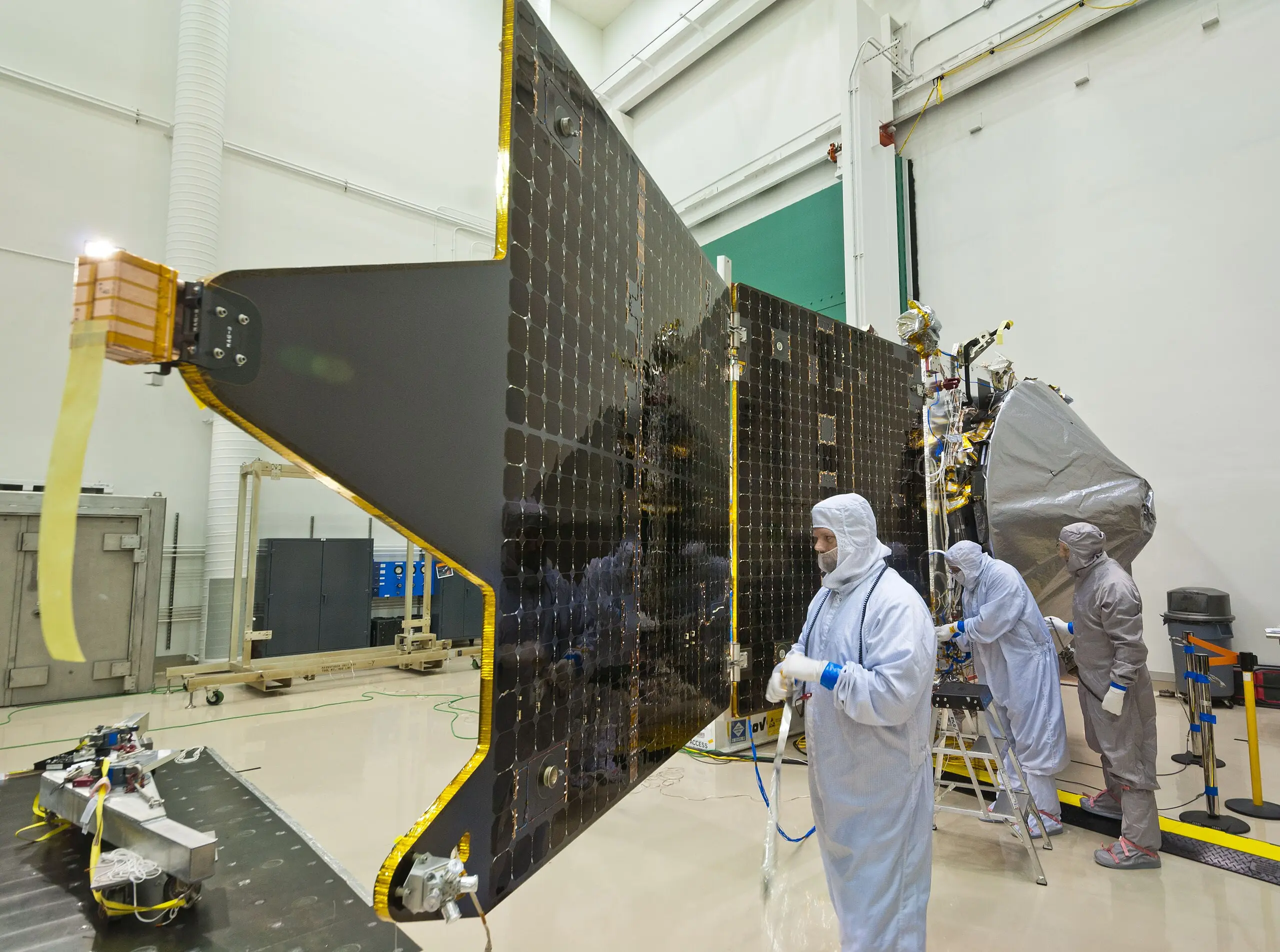
Project Maven: AI Processes Military Intelligence
The US military's Project Maven uses machine learning to analyse vast amounts of surveillance and reconnaissance data. Software identifies patterns and threats that human analysts would miss in hundreds of hours of footage.
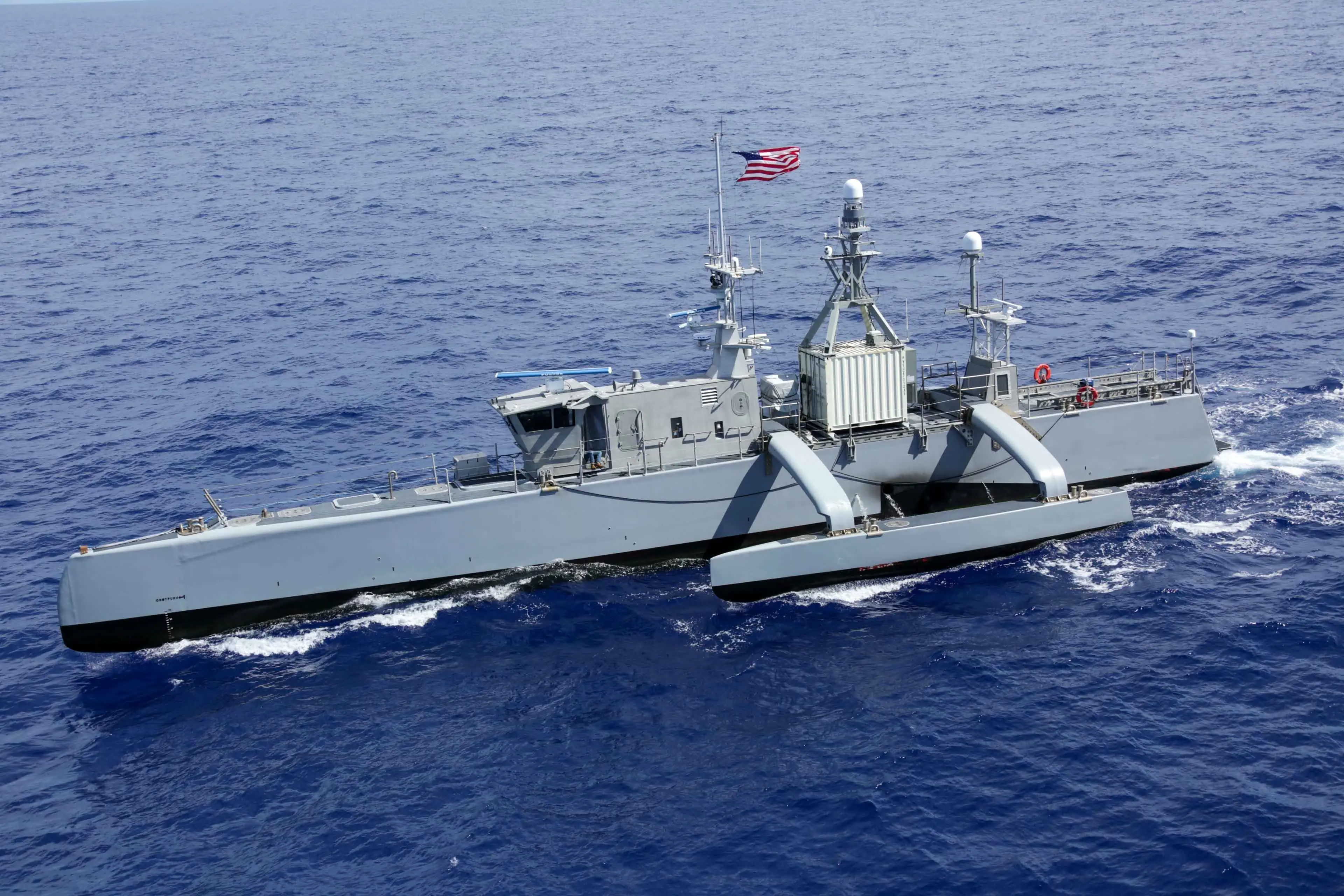
Sea Hunter: Robot Ships That Hunt Submarines
The Sea Hunter operates autonomously for anti-submarine warfare using AI navigation and threat detection. The vessel makes tactical decisions independently in open ocean environments without continuous human command.
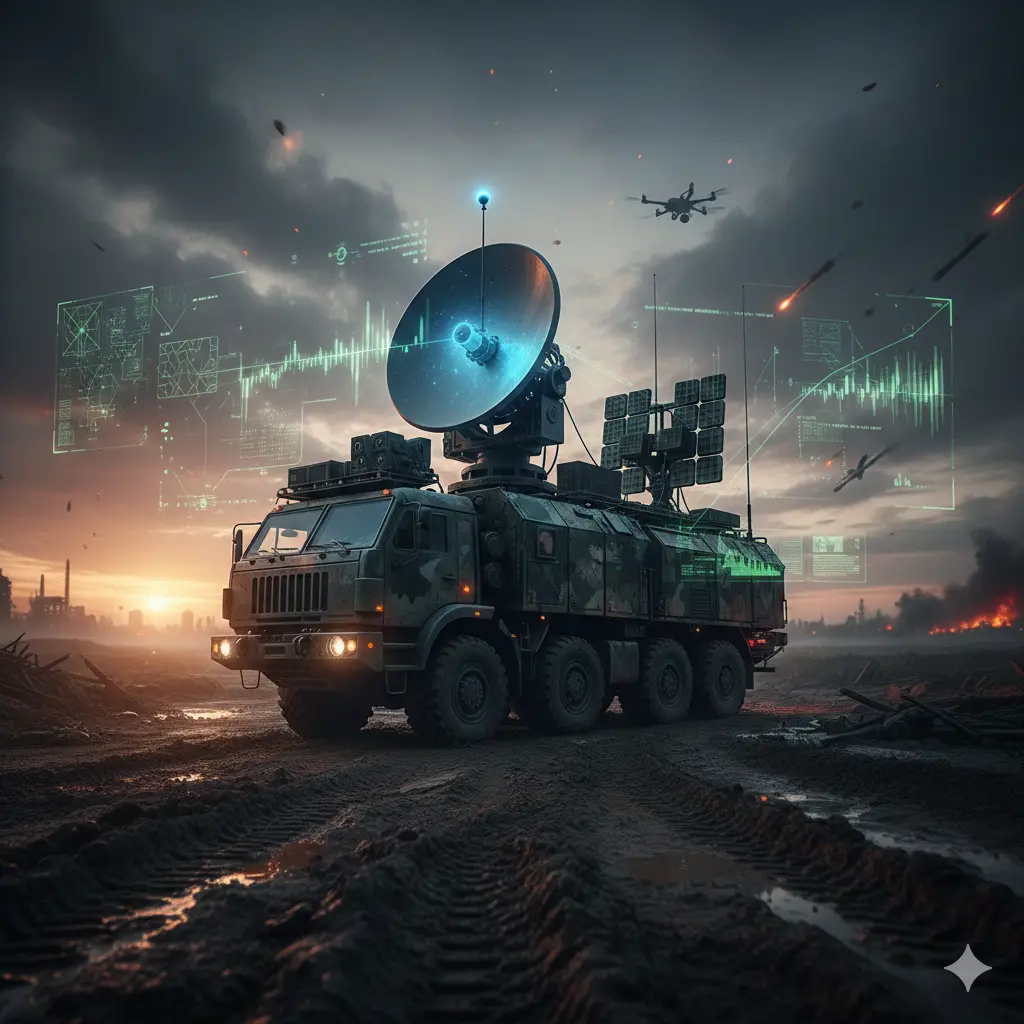
AI Jamming Systems That Learn Enemy Tactics
Russian and Ukrainian forces deploy AI-powered jamming systems that scan the spectrum, identify hostile signals, and apply countermeasures automatically. Software adapts faster than human operators can respond to changing enemy tactics.
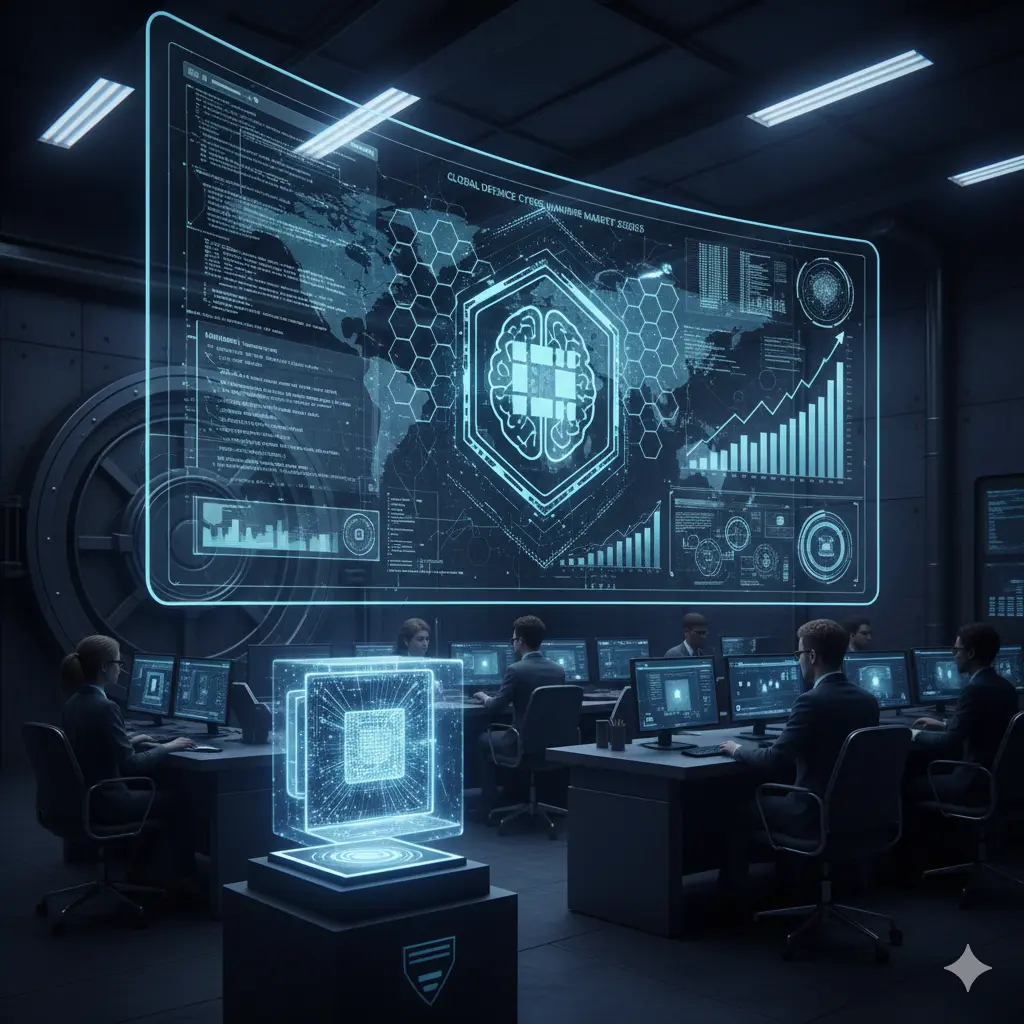
Next-Generation Defence: AI Meets Quantum Computing
Emerging defence systems combine artificial intelligence with quantum computing for encryption and vulnerability detection. The global defence cyber warfare market reached £163 billion in 2025 and continues expanding rapidly.
)
)
)
)
)