Top 10 defence deals between India-Russia since the fall of Soviet Union

The BrahMos missile, developed under a joint India–Russia venture has been one of the central pillars of modern bilateral defence cooperation.
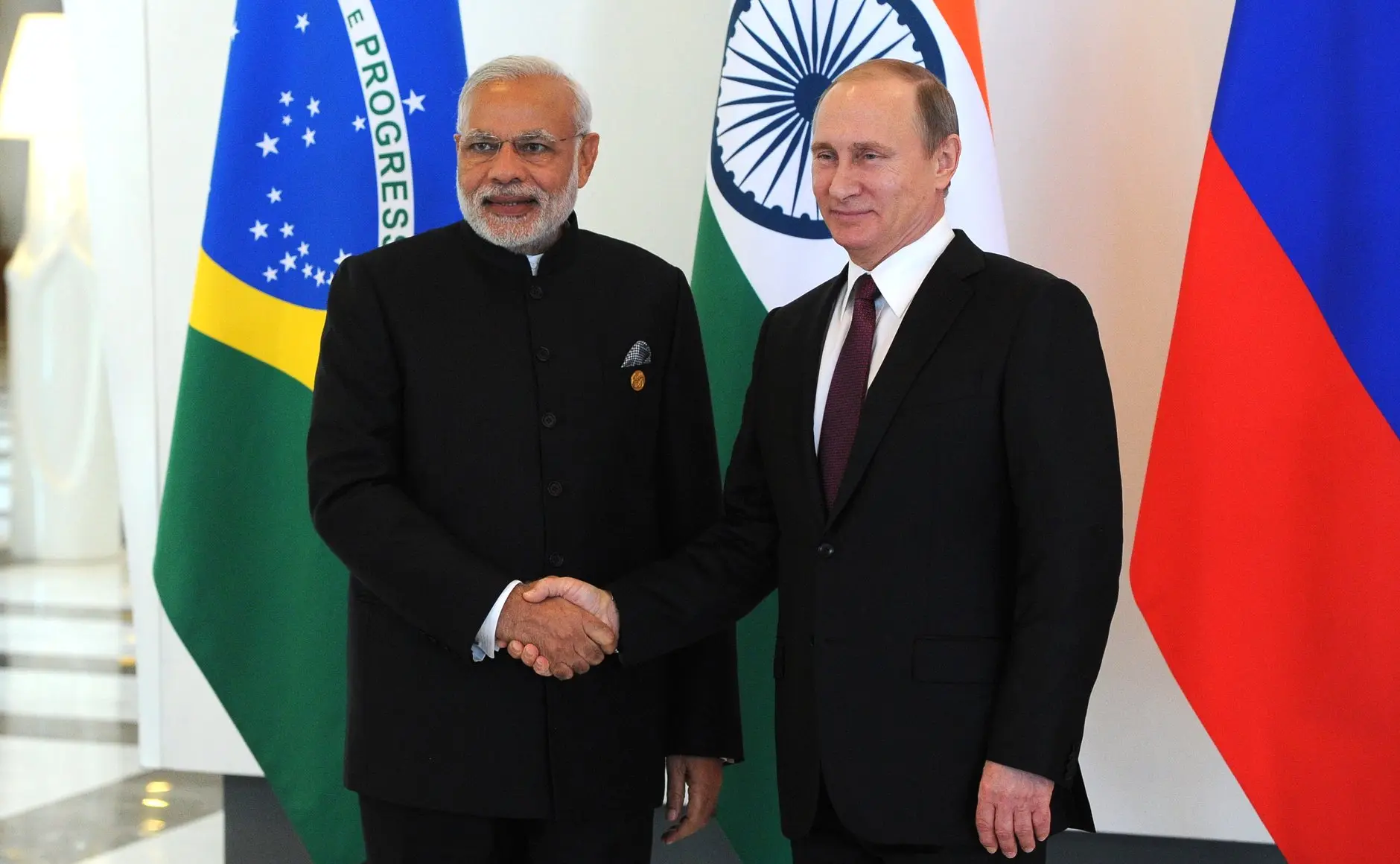
1. Sukhoi Su-30MKI agreement — multirole fighter fleet build-up
In 1996, India signed a deal with Russia for 50 Su-30MKI fighters, leading to delivery of the first batch by 1997. Later, a deal was framed for licensed production of 140 additional Su-30MKI jets at India’s Hindustan Aeronautics Limited (HAL), ensuring a sustained supply and domestic manufacturing base.
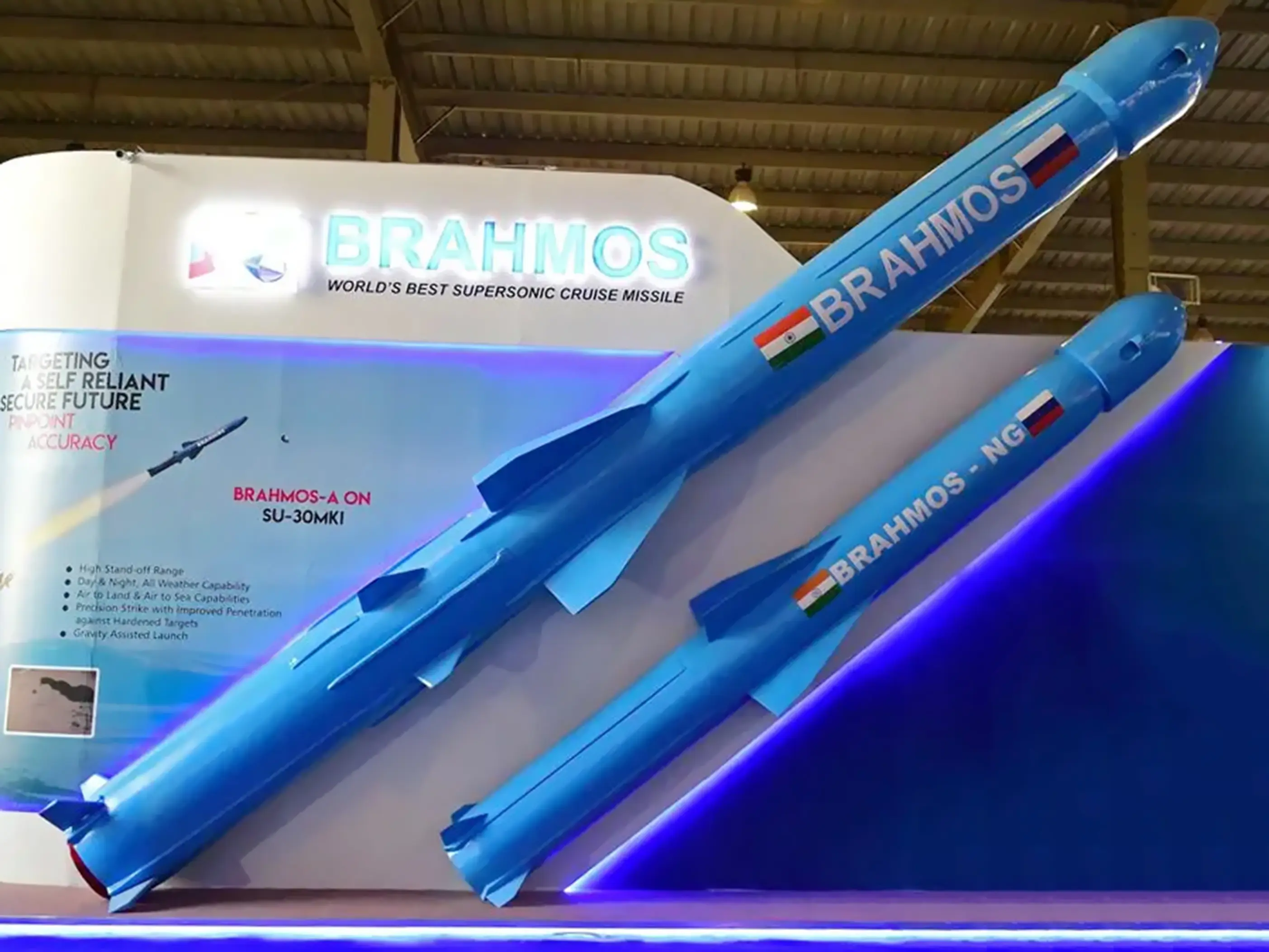
2. BrahMos supersonic cruise missile joint venture and supply pact
The BrahMos missile, developed under a joint India–Russia venture has been one of the central pillars of modern bilateral defence cooperation. Over time, increasing levels of indigenisation have been introduced: as of 2018, roughly 65% of components were being domestically manufactured, with plans for higher localisation.
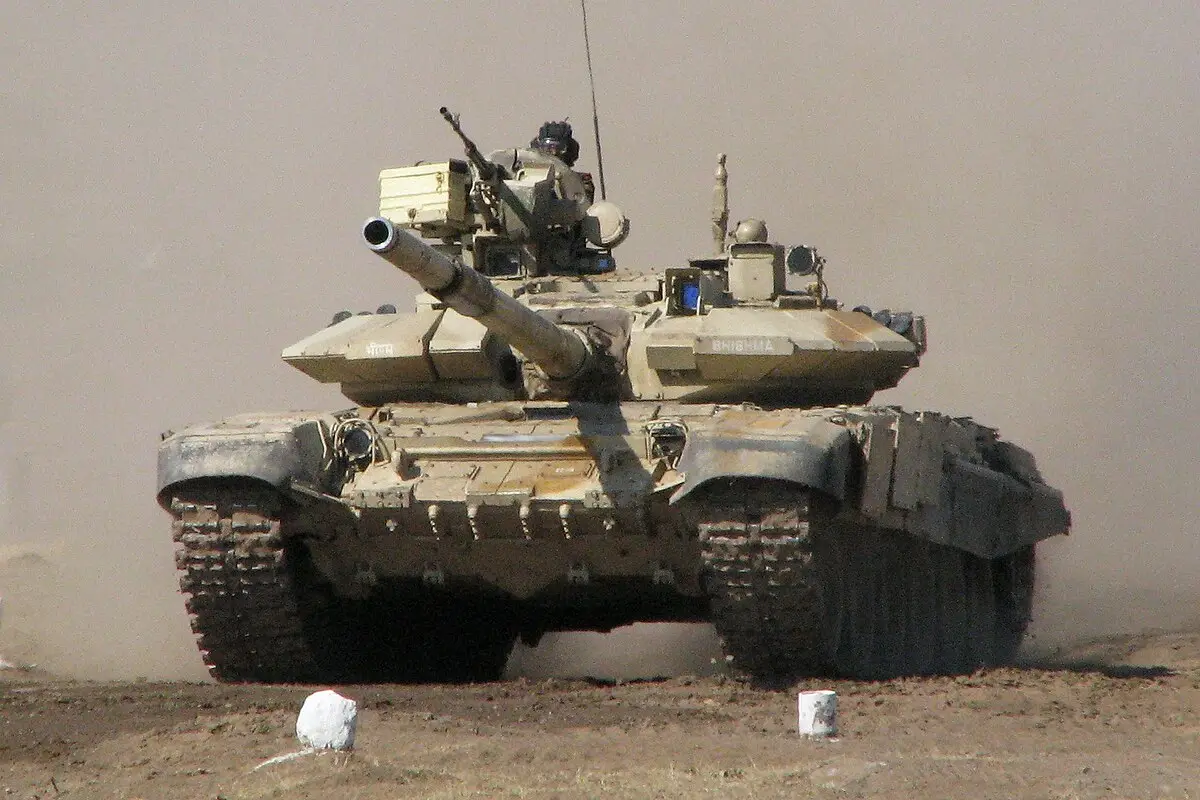
3. T-90 Bhishma tank deal — modernising India’s armoured corps
India acquired Russian-origin T-90 main battle tanks under major deals, significantly boosting land warfare capabilities. These tanks, along with legacy T-72s, have formed the backbone of India’s armoured regiments, especially along critical frontier zones.
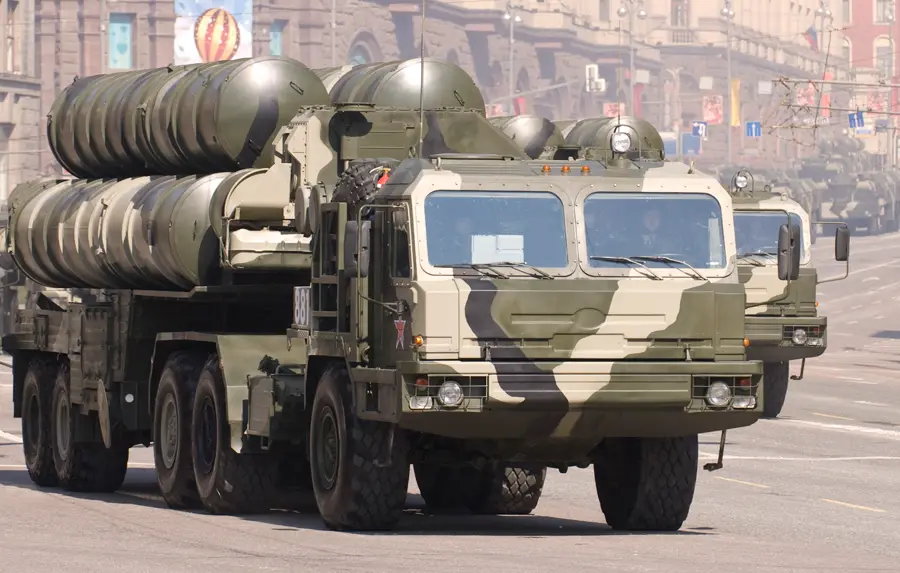
4. S‑400 Triumf missile defence system agreement — long-range air-defence upgrade
In October 2018, India signed a $5.43 billion deal for five S-400 surface-to-air missile systems from Russia. This deal is widely regarded as one of India’s largest post-Cold War defence procurements and aims to strengthen India’s air-defence architecture significantly.
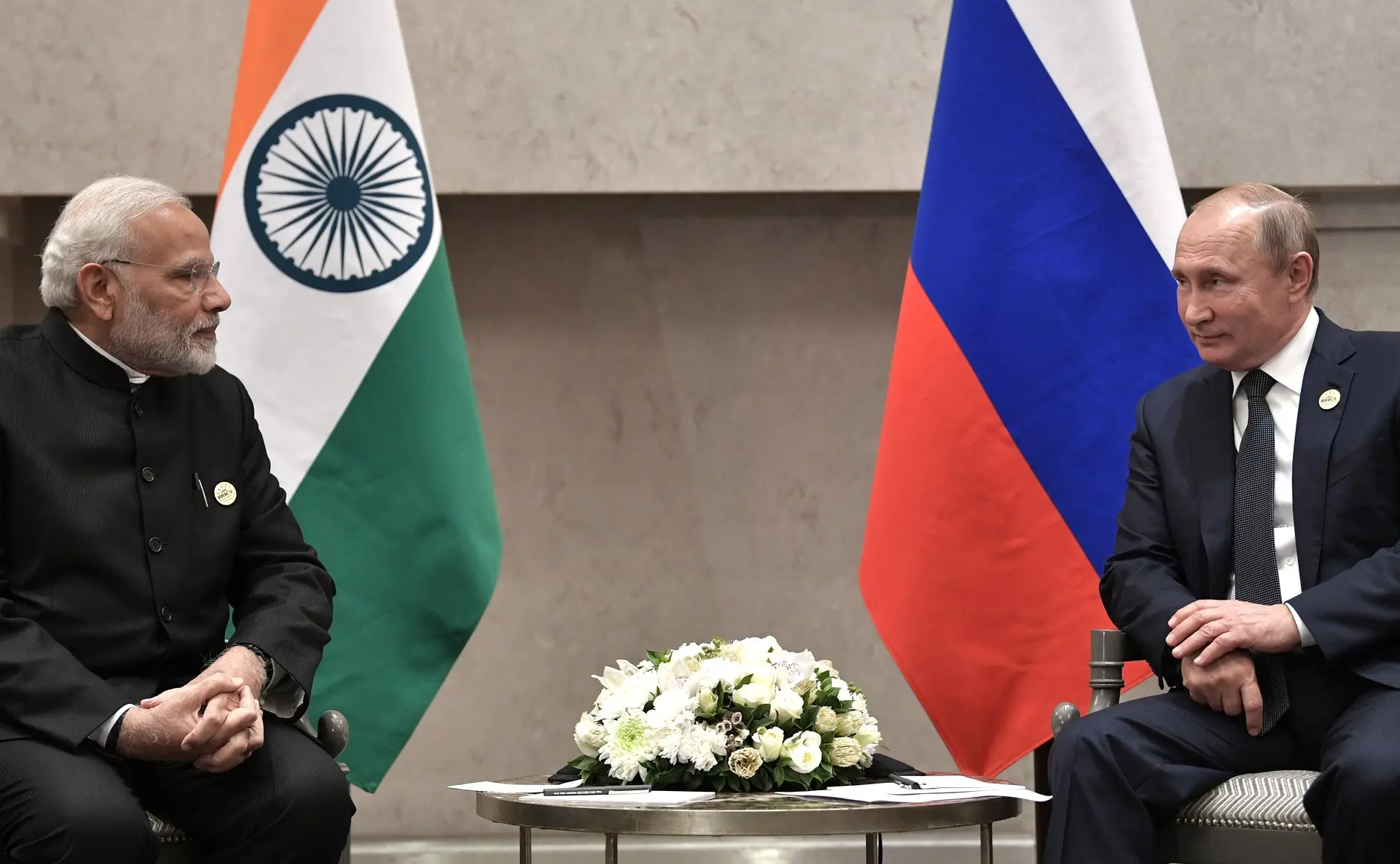
5. Supply of Submarines, Naval Platforms and Fleet Modernisation
Over decades since 1991, Indian Navy has acquired Russian-origin submarines, warships, and naval hardware, helping sustain its blue-water capabilities. This naval dimension of India–Russia defence ties has ensured that maritime threats and strategic deterrence remain covered across sea, land and air domains.
6. Mixed Weapons and Ground Equipment Imports (Artillery, Small Arms, Helicopters)
Russia has supplied India with a range of ground equipment, including helicopters, infantry weapons and artillery, forming a large part of India’s conventional defence inventory. The diversification beyond just aircraft and missiles has allowed Indian forces to maintain balanced capabilities across varied terrains and conflict scenarios.
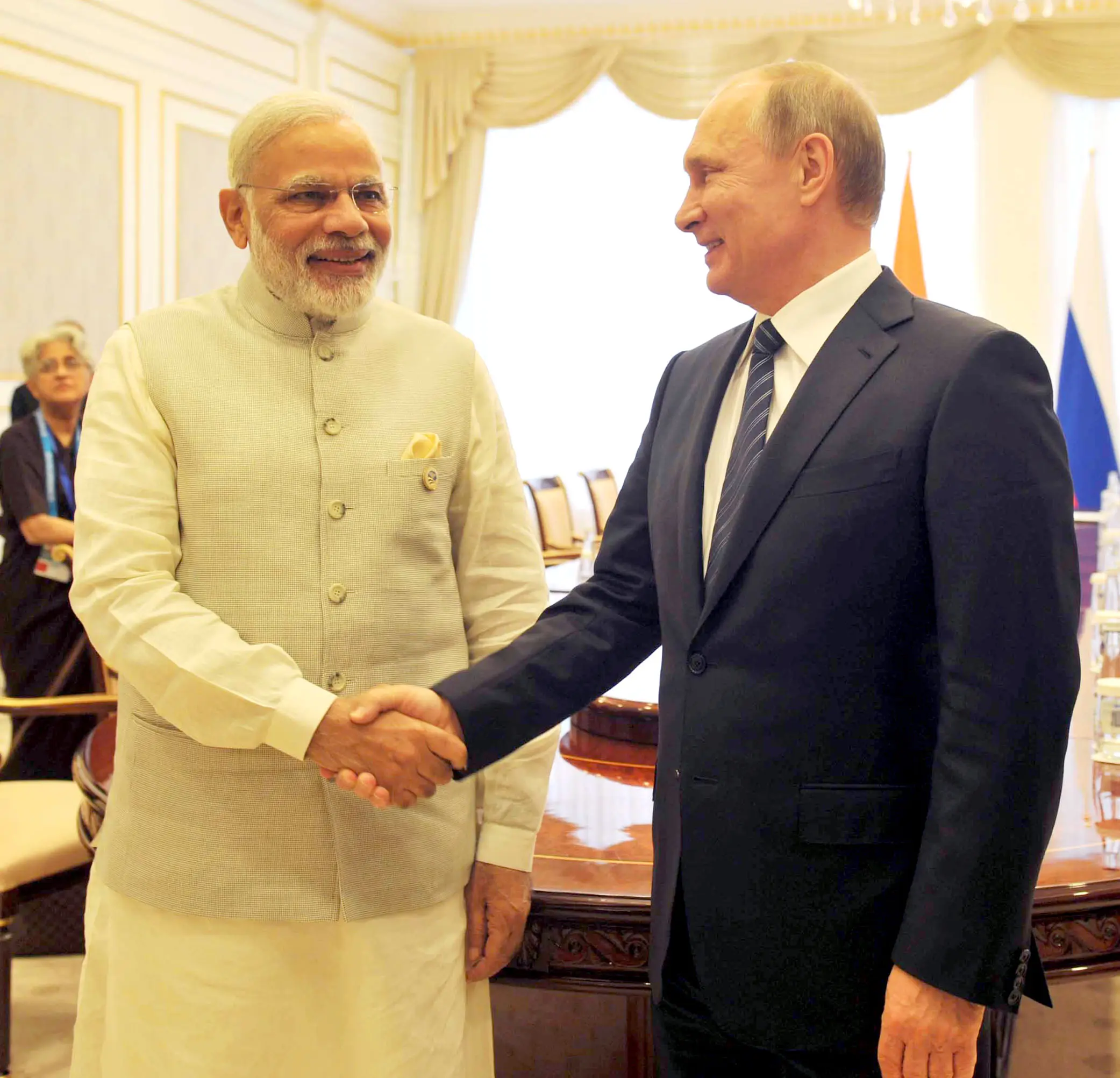
7. Long-term Military-Technical Cooperation Framework (IRIGC-MTC & 2021-31 Agreement)
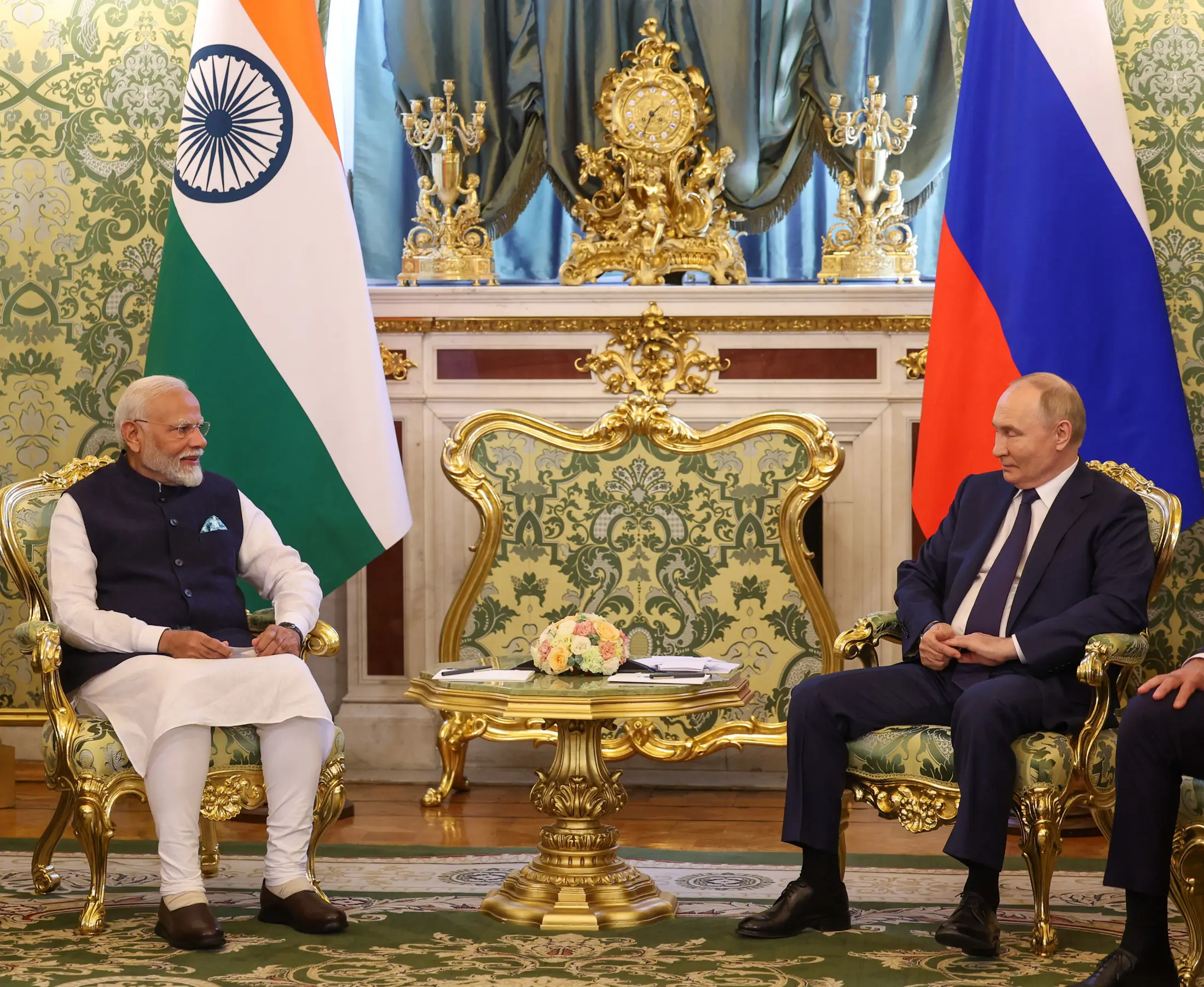
Defence cooperation between India and Russia is institutionalised under the Inter‑Governmental Commission on Military Technical Cooperation (IRIGC-MTC), established in 2000. In 2021, both countries renewed the framework with a 2021–2031 agreement to continue supply, co-development, repairs, and after-sales support, underlining long-term commitment.
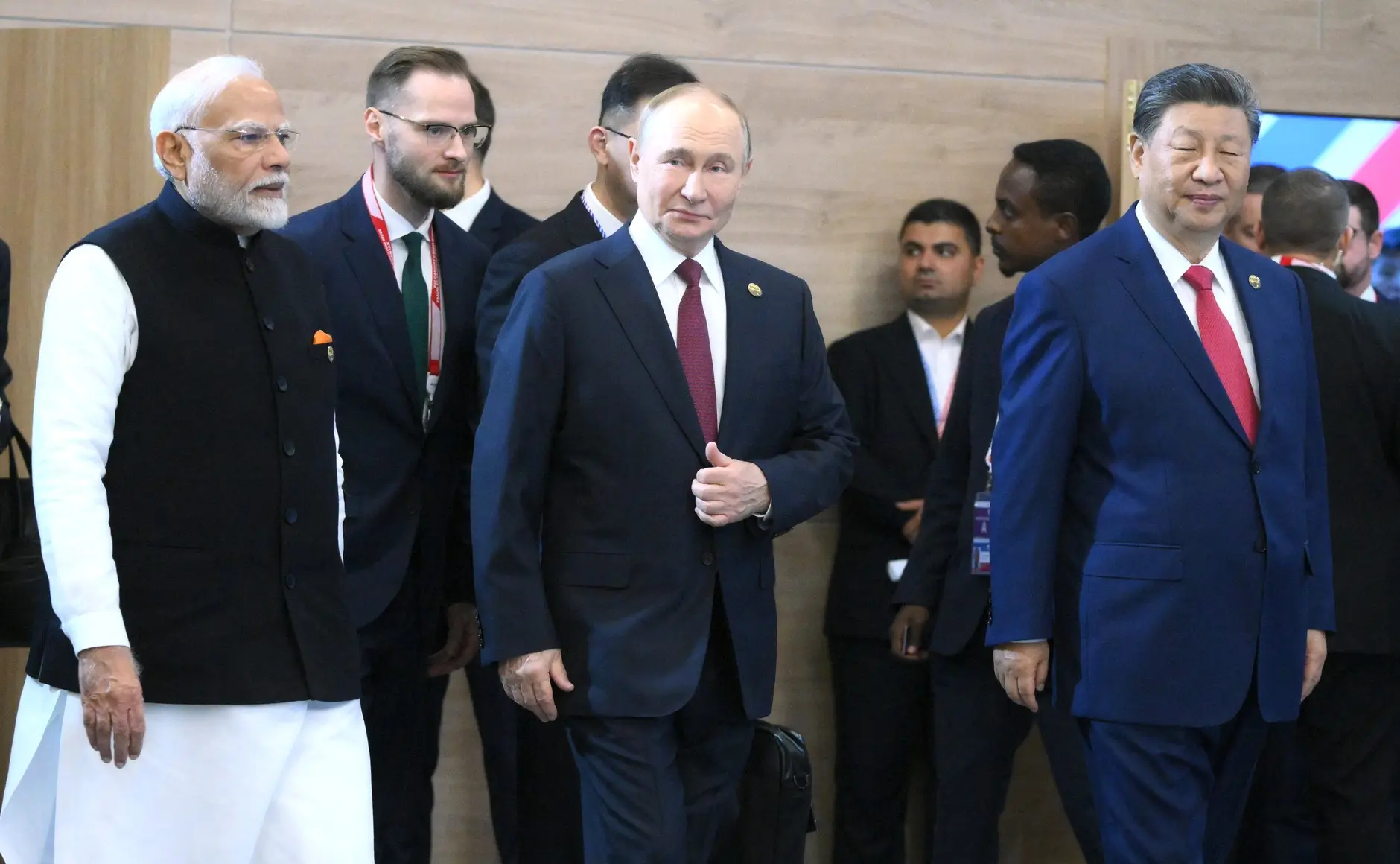
8. Quantity & Volume: Russia as India’s Dominant Arms Supplier (2000–2020)
Between 2000 and 2020, Russia accounted for about 66.5 per cent of India’s arms imports. This dominance reflects not just sporadic deals, but continuous dependence, across air, land, sea domains, highlighting the depth and breadth of strategic supply ties.
9. Sustained Supply During 2011–2021: Arms Imports Surge
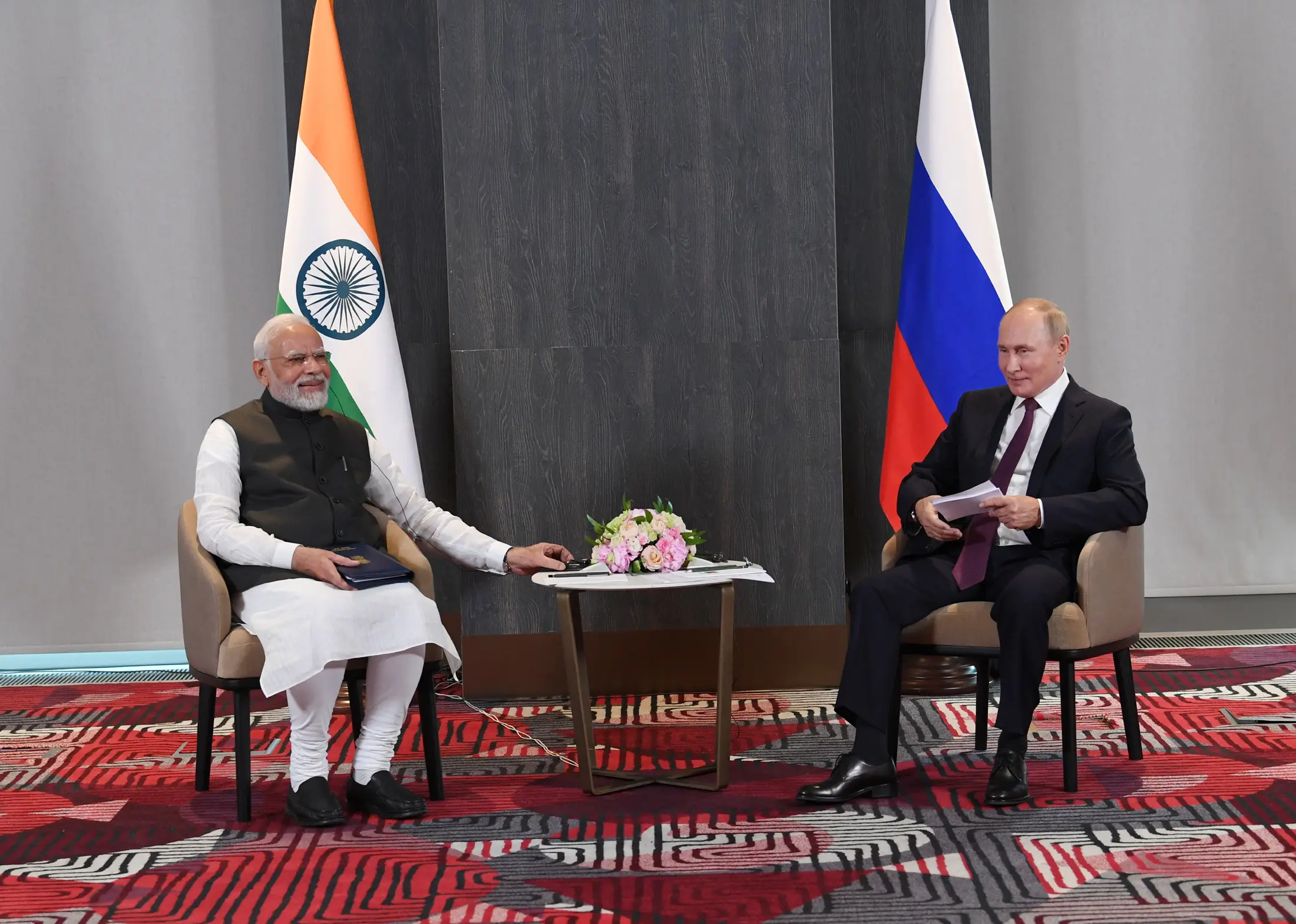
In the decade 2011–2021, Russia’s arms transfers to India reached $22.8 billion, a marked increase from earlier decades. This surge includes not just major headline deals, but a broad gamut of equipment: aircraft, missiles, tanks, naval assets, and support systems — guaranteeing steady modernisation.
10. Joint Projects and Co-Production: From Licence Production to Indigenous Manufacturing
Several deals have included licensed production or joint ventures: Su-30MKI manufacture at HAL, co-development and domestic production of BrahMos missiles, and licensed T-90 tank manufacture in India. This shift from pure import to co-production supports India’s long-term domestic defence manufacturing ambitions while retaining Russian technology and support.
)
)
)
)
)