National Youth Day 2026: These 7 countries have the youngest populations on Earth

National Youth Day in India is celebrated on the Swami Vivekananda Jayanti annually on January 12. This day highlights youth empowerment, character-building and self-belief. On the eve of the National Youth Day, we will explore the top 7 nations with the highest young population in the world.
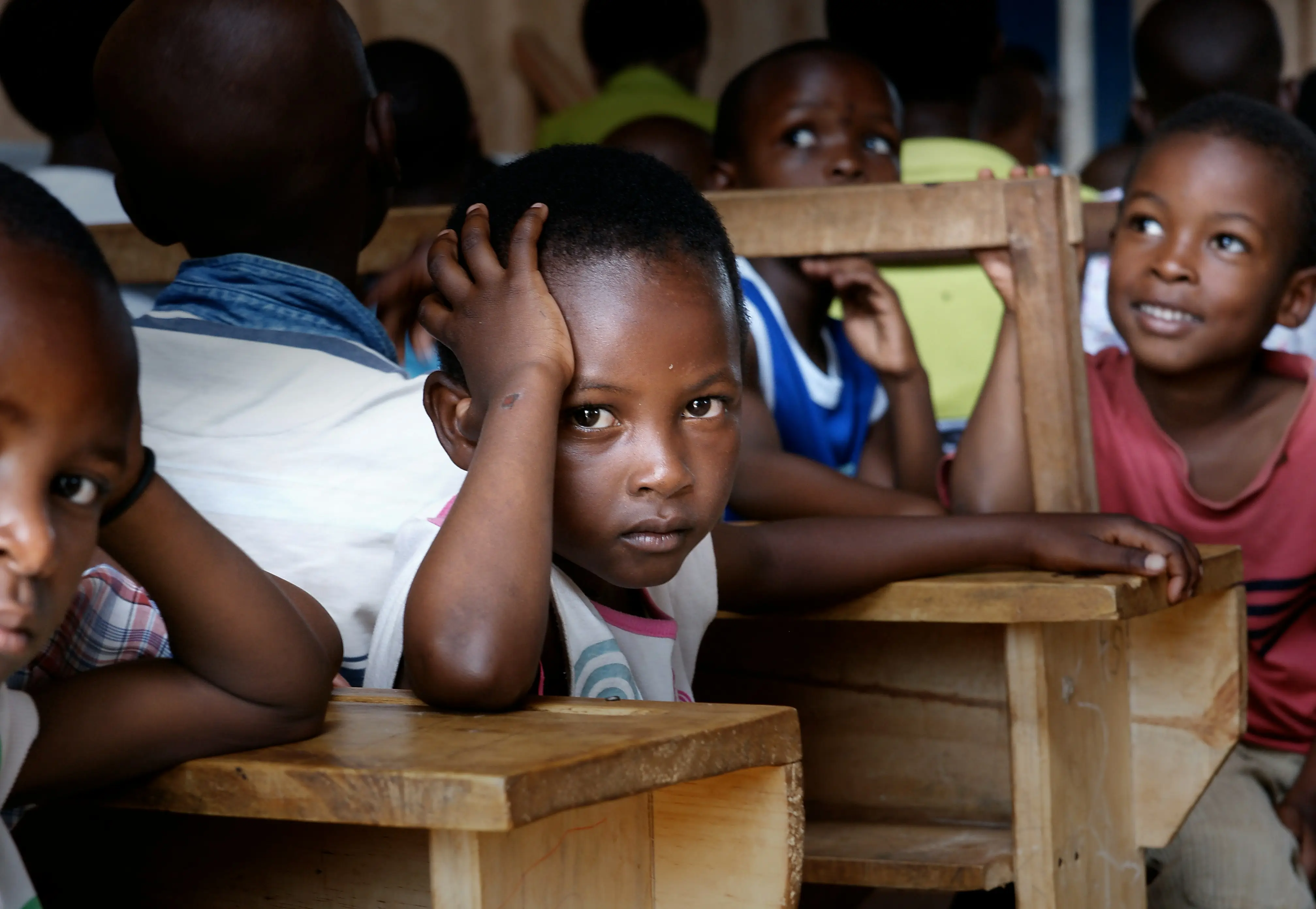
1. Niger: 56.9 %
Niger has the youngest population in the world, with most citizens under 18. This youthful demographic reflects high birth rates and evolving education systems. Despite challenges in healthcare and employment, the young population offers potential for future growth. According to a report in the Economy Middle East, Niger topped the position in the category of the youngest population globally.
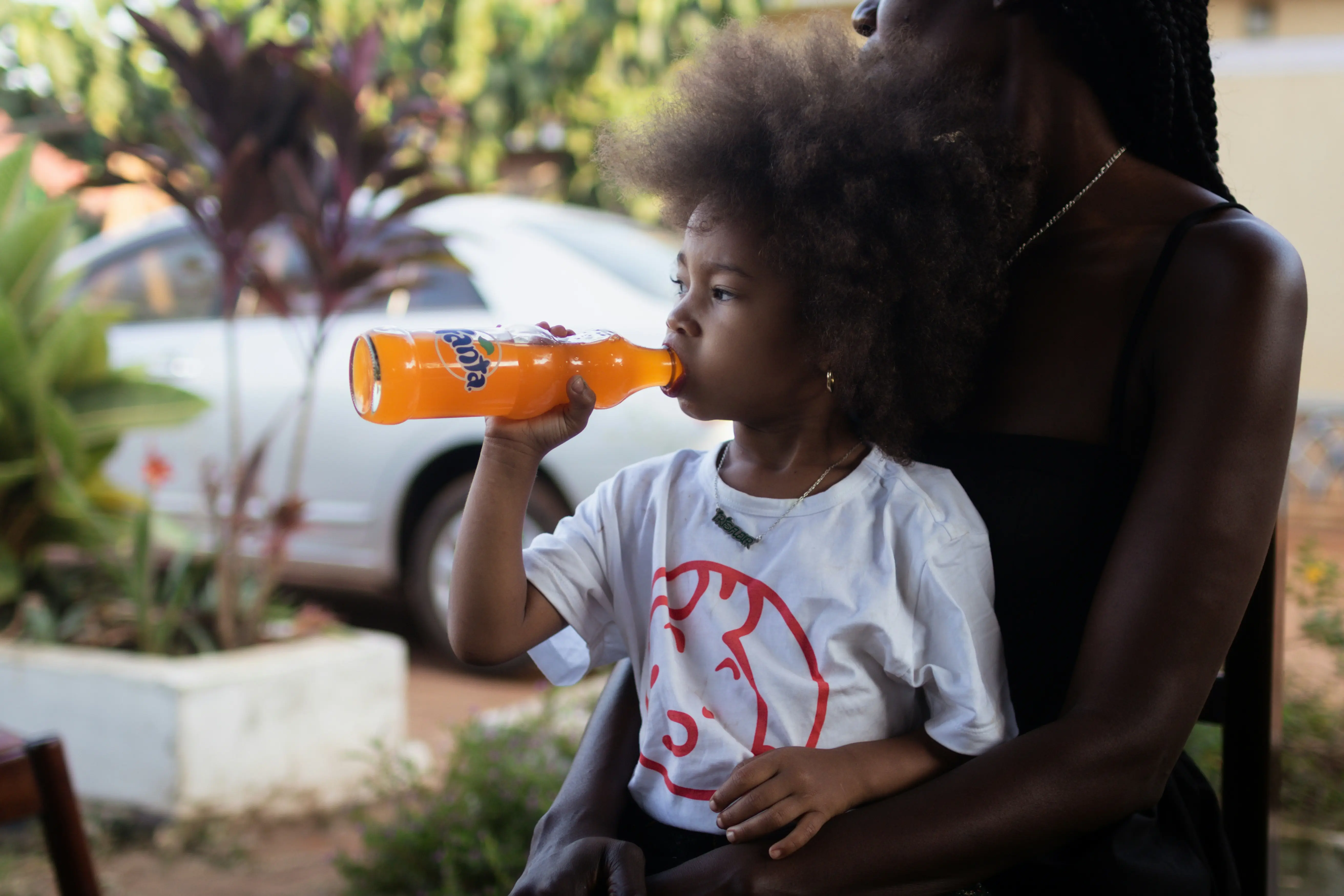
2. Uganda: 55.0 %
Uganda’s youthful population forms a vital segment of its society, driving cultural vibrancy and labour potential. It is the 2nd youngest population in the world. Its high fertility rates and improving childhood survival have produced a large under‑18 group. The nation focuses on expanding education, innovation, and skill training to harness its demographic advantage for sustainable economic progress.
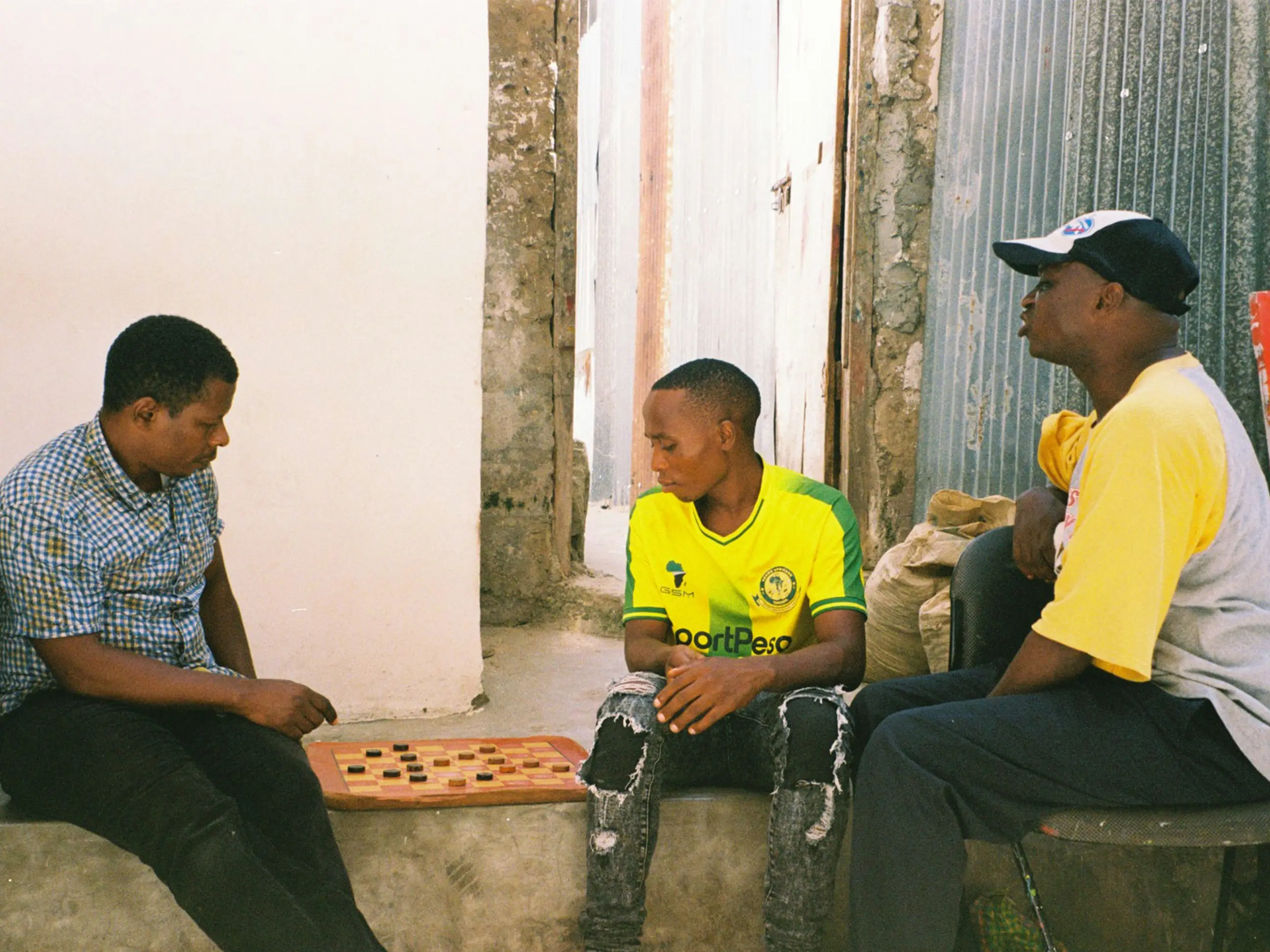
3. Chad: 54.6 %
The population of Chad is dominated by children and adolescents, reflecting strong family structures and high fertility rates. It holds third position globally. This demographic profile presents opportunities and pressures on education, food, and healthcare systems. Strengthening youth empowerment and economic inclusion is crucial for Chad to turn its growing youth base into a productive asset.
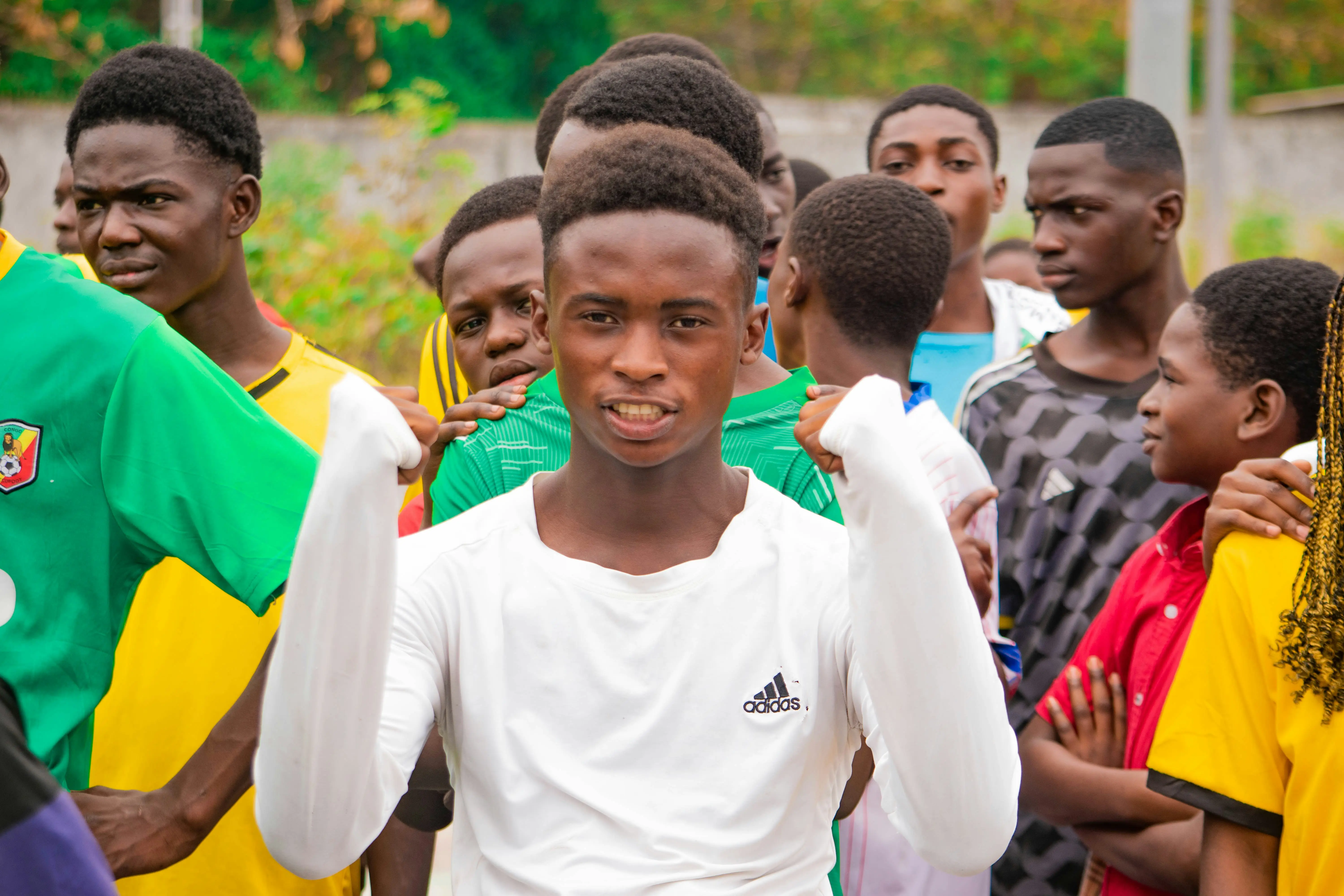
4. Angola: 54.3 %
With 54.3 % of youth in Angola, it secured the 4th spot in the world. The dynamic youth population of Angola represents both promise and challenge. Decades after the civil conflict, the country began prioritising education, employment, and health reforms to uplift its younger citizens. With over half the population under 18, Angola’s economic diversification and policy focus on youth development are key to its future prosperity.
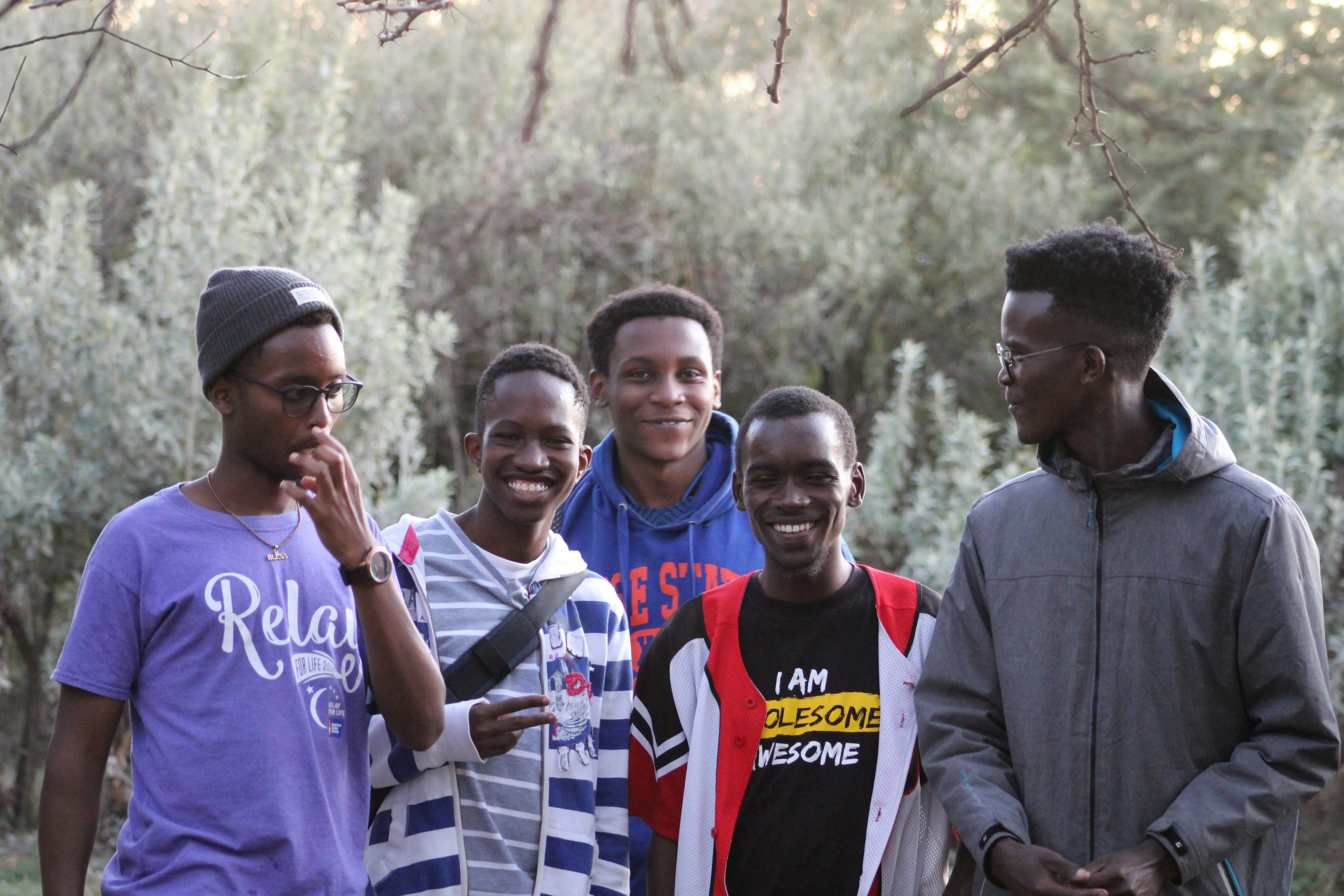
5. Mali: 54.1 %
Its youthful population is central to its society, reflecting the nation’s high fertility and strong family values. Children play a significant role in rural livelihoods and traditions. Expanding educational access, nutrition, and job opportunities for youth remains essential for transforming population growth into long‑term national progress.
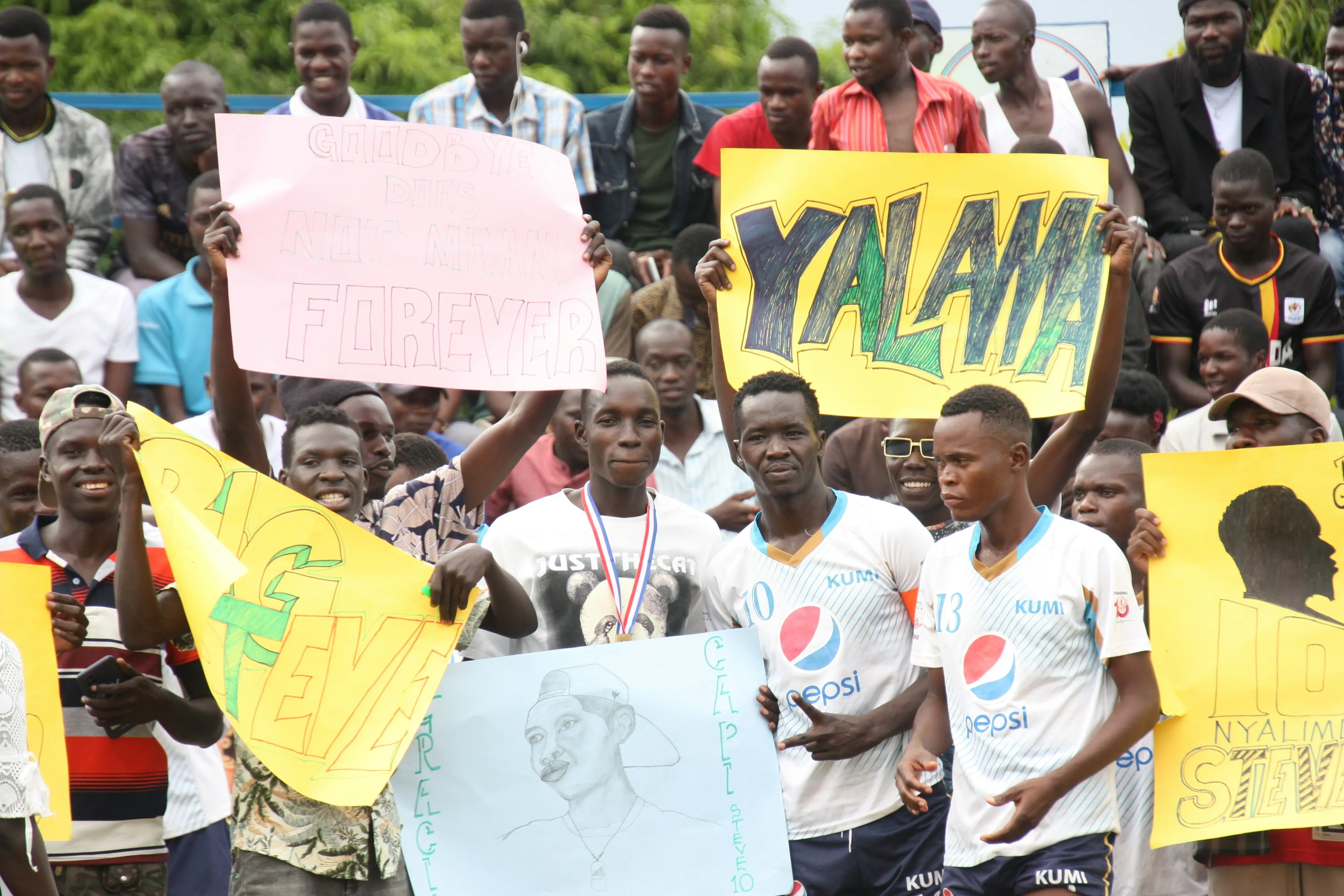
6. Somalia: 53.6 %
The young population of Somalia shapes much of its cultural identity and recovery potential. Despite facing insecurity and economic hardship, many young Somalis are resilient and entrepreneurial. Expanding schooling, vocational training, and stability could empower this generation to build a stronger, more self‑sufficient society in the years ahead.
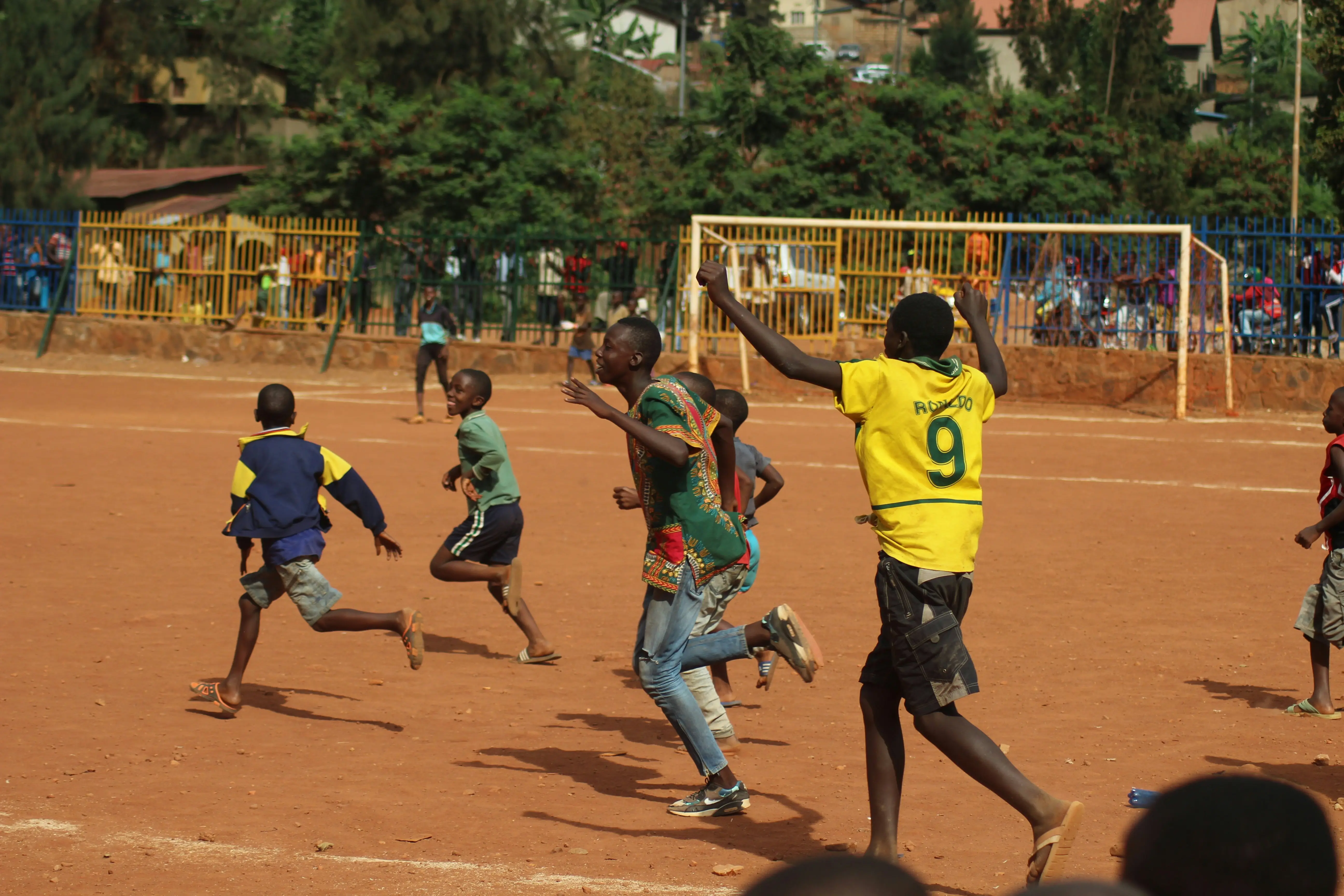
7. Gambia: 52.8 %
Gambia, with 52.8%, brings a youth population to vibrancy and hope to its evolving economy. With more than half the citizens under 18, the government emphasises education, child welfare, and job readiness. Enhancing opportunities for young Gambians will be critical for sustainable growth and the nation’s long‑term social stability.
)
)
)
)
)