Global Uranium reserves: Top 10 countries with the largest Uranium reserves

Uranium is a critical resource for nuclear energy with strategic and economic importance. According to data from the World Nuclear Association's 2023 Nuclear Fuel Report and the IAEA's 2024 Red Book, the top 10 countries with uranium resources recoverable up to $130/kg U are as follows.
Australia
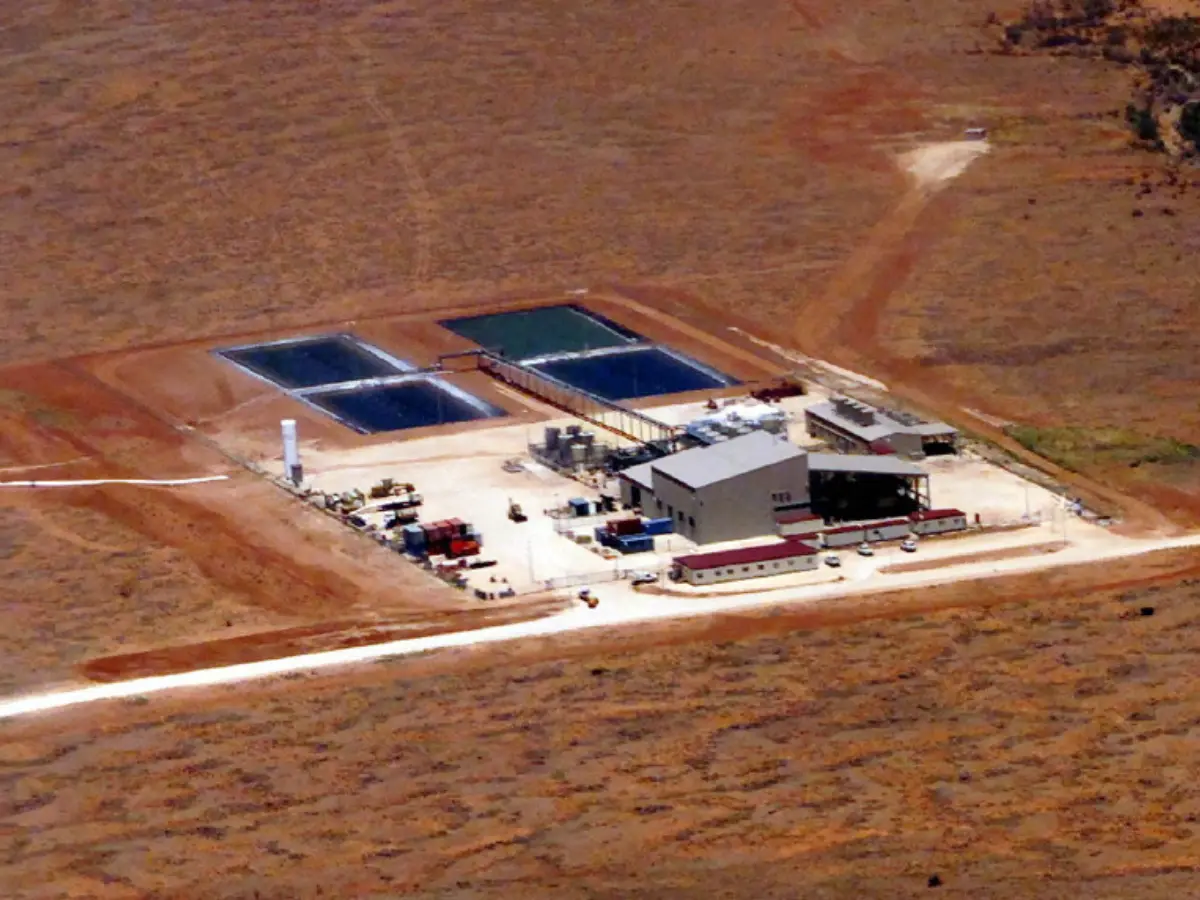
Australia has the world's largest uranium reserves, approximately 1.67 million tons accounting for nearly 28 per cent of the global reserves. These reserves are concentrated in areas like Olympic Dam, Ranger, and Beverley. Even though it possesses the largest uranium reserve, it does not have its own nuclear energy programme,
Kazakhstan
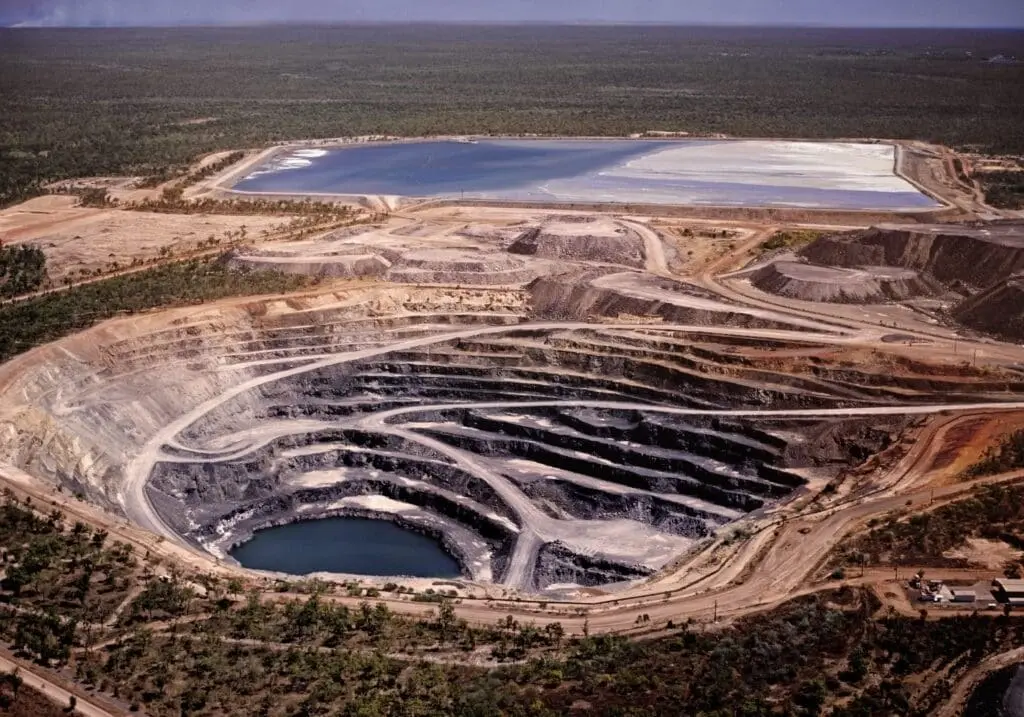
It has the second-largest uranium reserves, and it has been the world's largest uranium producer for over a decade. Kazatomprom is a state-owned nuclear power company that dominates global uranium production and export. Kazakhstan accounts for 813,900 tons, which is 14 per cent of the global uranium reserve.
Canada
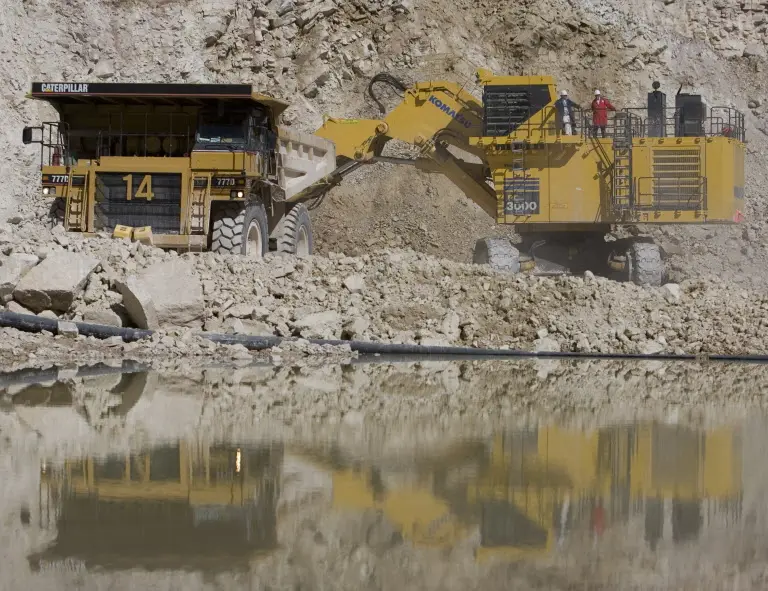
Canada’s 582,000 tons of uranium reserves place it third globally, concentrated in the rich Athabasca Basin in Saskatchewan. The region has some of the highest-grade uranium ores in the world, which makes Canadian uranium highly valuable. Canada is also a leading supplier of nuclear power utilities across Europe and Asia.
Namibia
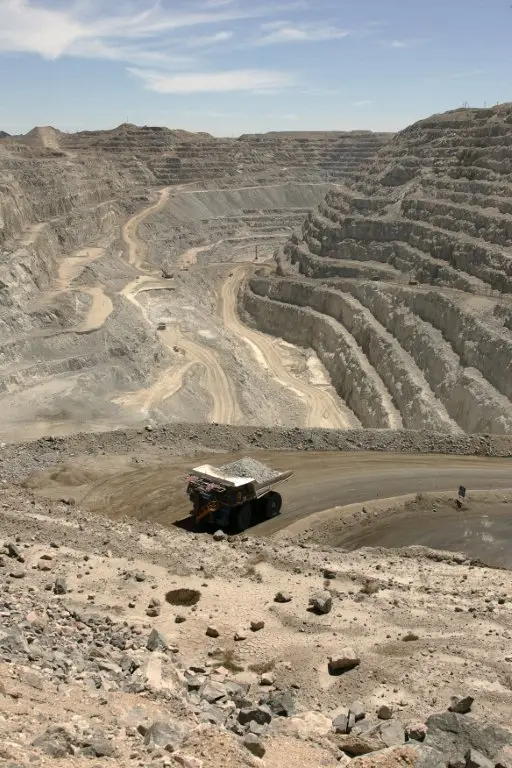
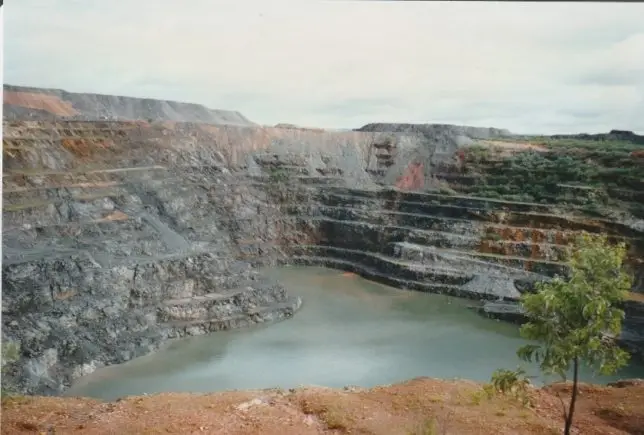
This is Africa's uranium powerhouse with 497,900 tonnes of uranium. Namibia possesses roughly 8 per cent of the global reserve. The Namib Desert is home to several large-scale mines. Uranium and diamond mining contribute significantly to Namibia's GDP and are considered the ‘Two Crown Jewels’ of Namibia.
Russia
Russia holds 476,600 tons of uranium reserves, ranking fifth worldwide. While not the largest producer, Russia’s uranium sector is closely tied to its nuclear power industry and state-run nuclear export projects. Russia also controls reserves abroad through joint ventures.
Niger
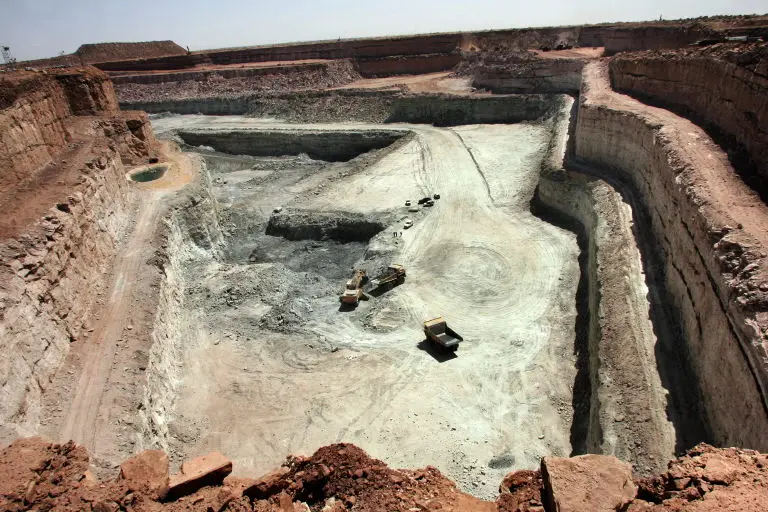
Despite political instability, Niger has around 336,000 tons of uranium reserves, which contribute significantly to its economy. It had been the primary supplier of French power plants. French multinational Orano, formerly known as Areva, had long been accused of environmental damage, health and safety negligence, financial corruption, and an unequal distribution of profits in Niger. The recent seizure of power by the Junta had given mileage to these allegations. In June 2025, Niger's military government Junta nationalised Somaïr mine, stripping Orano of its 63.4% stake.
South Africa
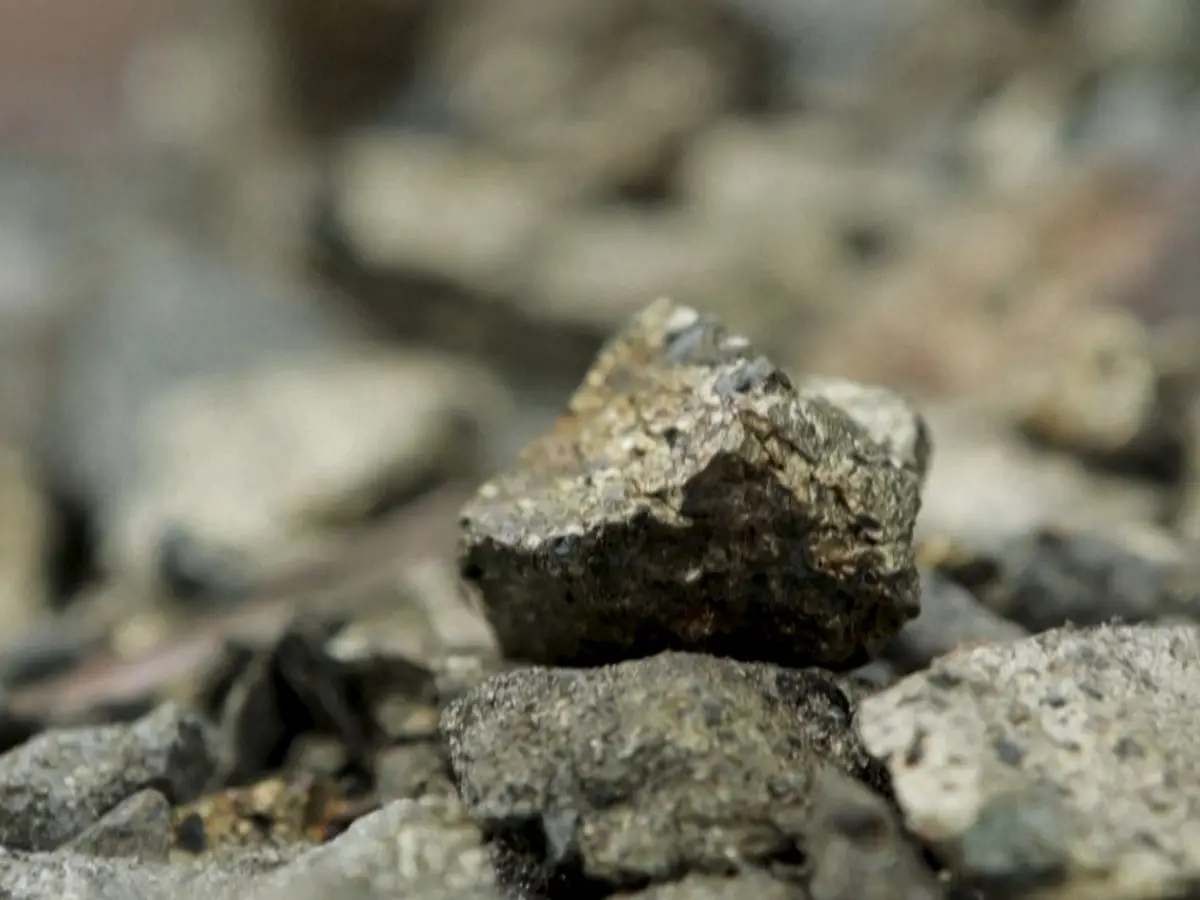
South Africa possesses 320,900 tons of reserves, mostly as a byproduct of gold mining in the Witwatersrand Basin. Though not a leading producer today, the country has a legacy of uranium extraction and nuclear development.
China
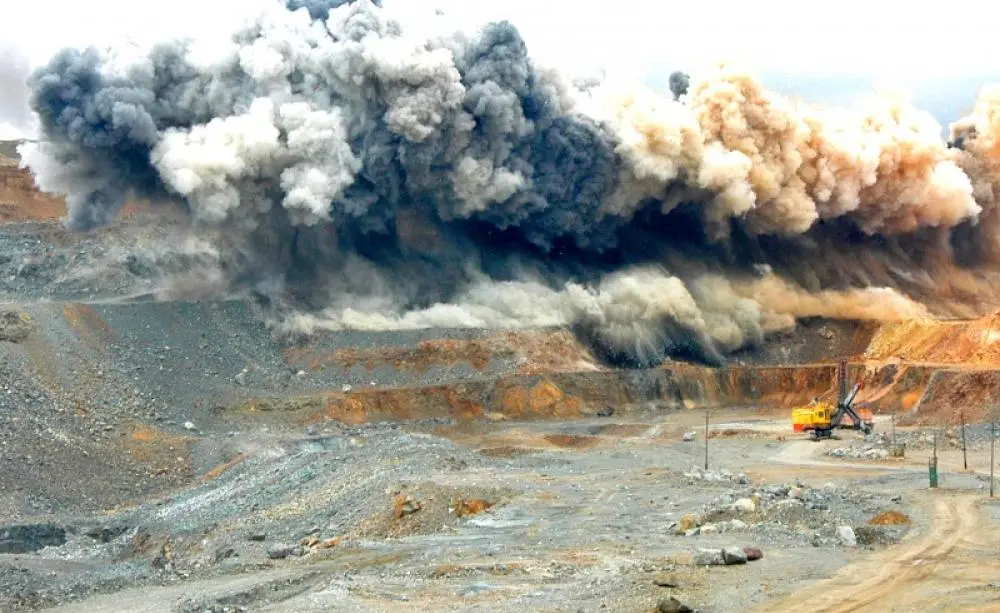
China’s uranium reserves are around 270,500 tons, serving its nuclear power industry, but it still needs to secure uranium supplies from abroad to fulfil its rapidly expanding nuclear energy appetite.
Brazil
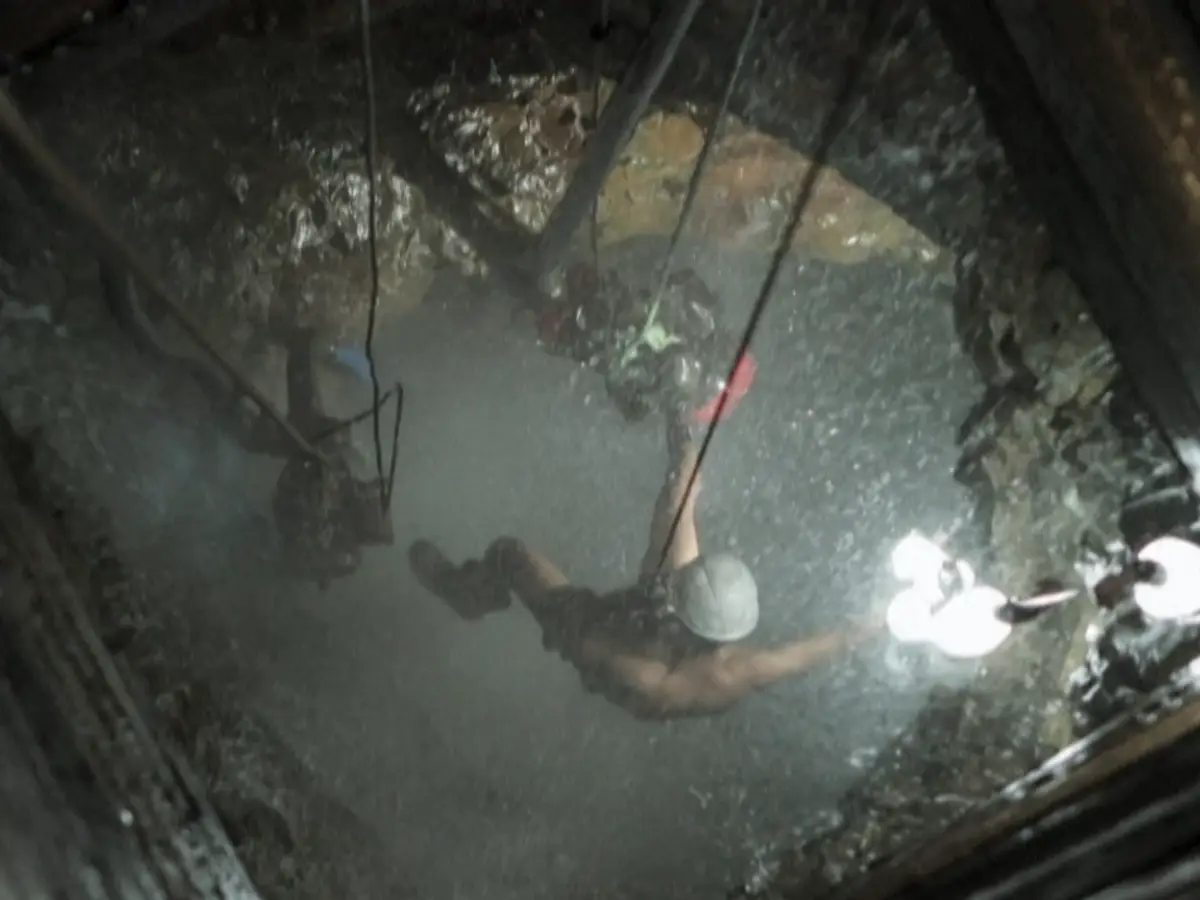
Brazil has 167,800 tons of reserves, concentrated in the Caetité mine in Bahia. While Brazil’s uranium reserves are significant, production levels are relatively low due to regulatory and infrastructure challenges.
Mongolia
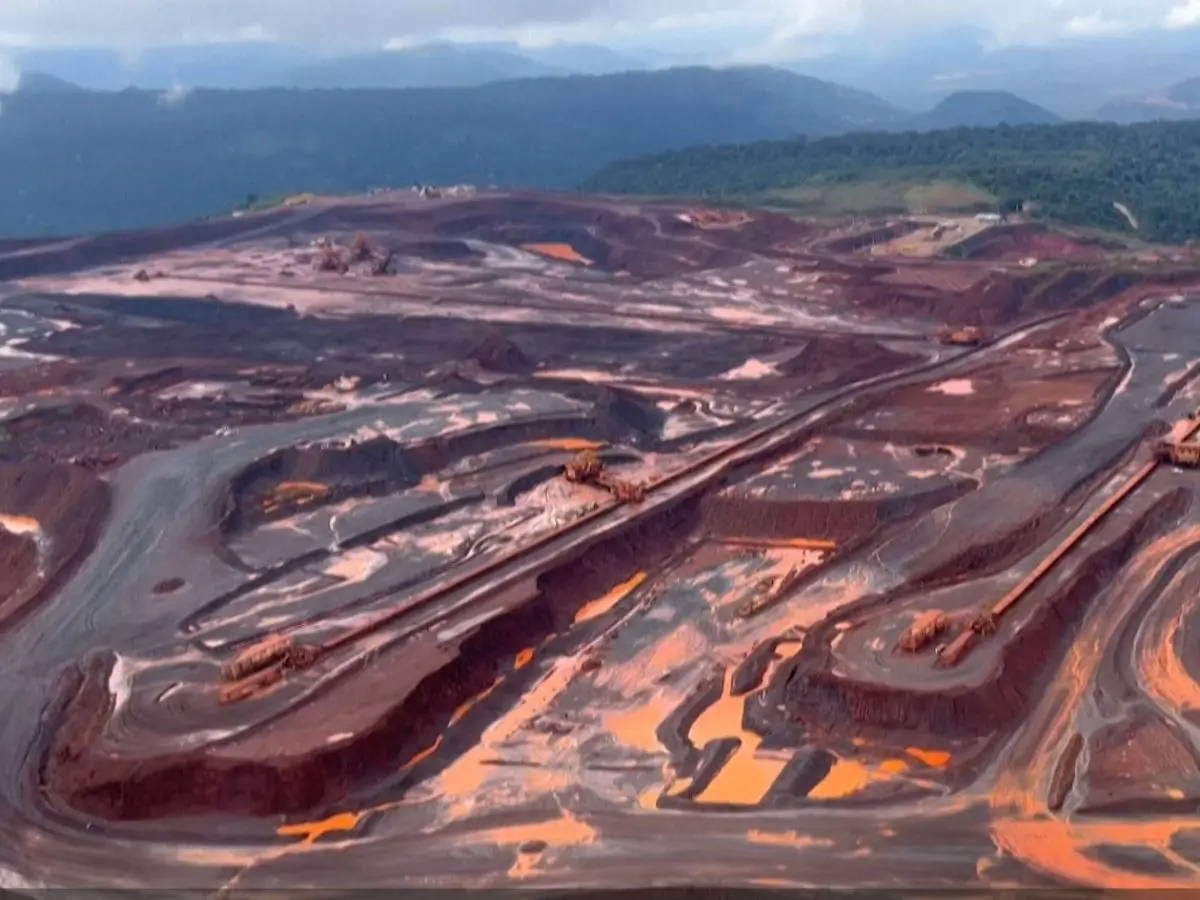
Mongolia holds 144,600 tons of reserves, mostly undeveloped but drawing increasing attention due to its strategic location between Russia and China. Exploration projects have attracted global companies seeking new supply sources.
)
)
)
)
)