Top 10 countries producing the most solar power in 2025

China, the US, and India dominate solar power in 2025, producing most of the world’s clean electricity from sunlight. These ten nations collectively account for more than two-thirds of global solar production. Know more below.
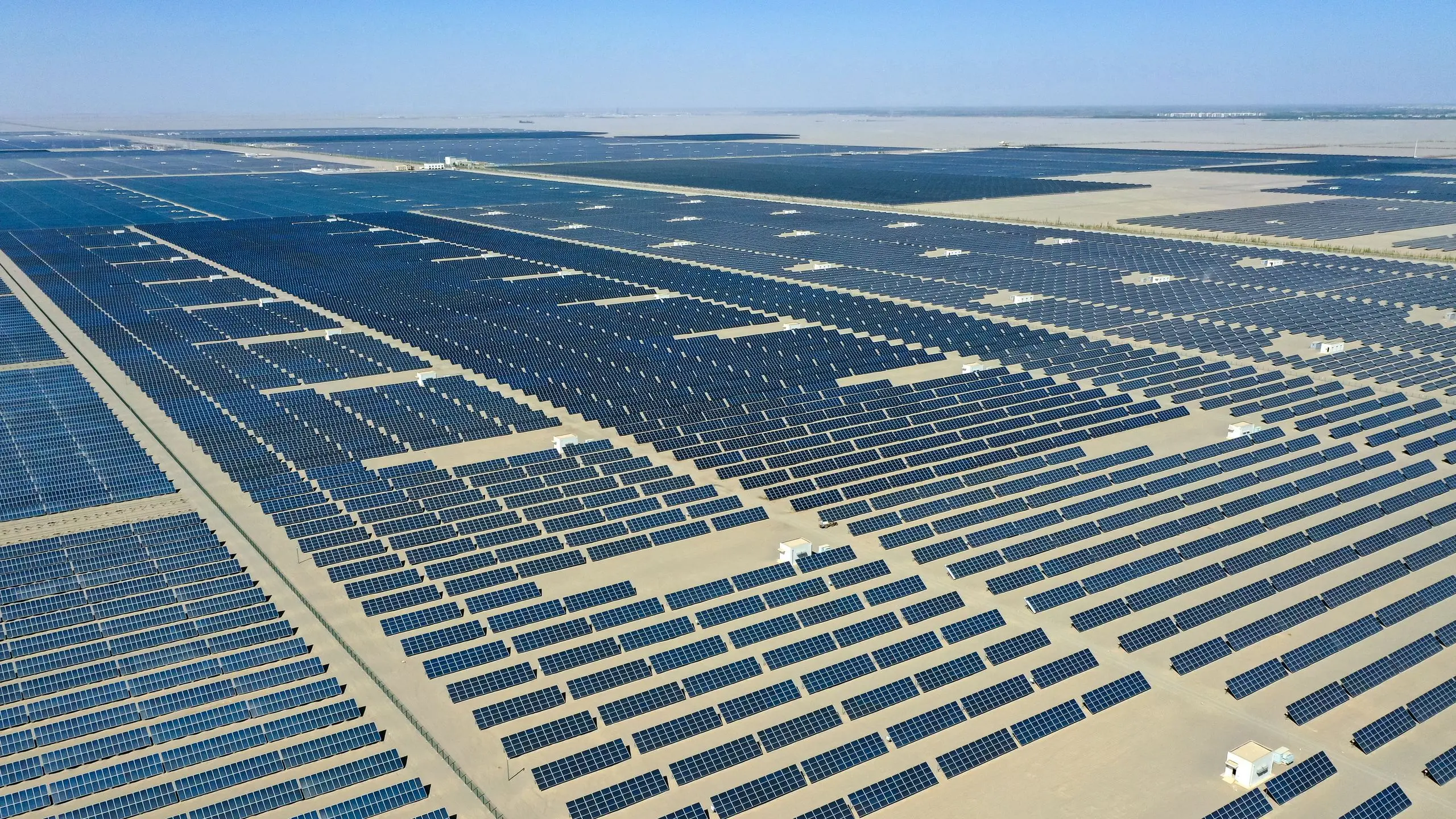
China - Installed Capacity: 887,930 MW
China remains the undisputed leader, producing nearly 400 billion kWh of solar energy in 2025. It holds more than one-third of the world’s solar capacity, expanding by 45 per cent over the past year. Major solar bases in Inner Mongolia and the Gobi Desert help China maintain its global lead.
China added more solar capacity in 2024 than the total capacity of any other country.
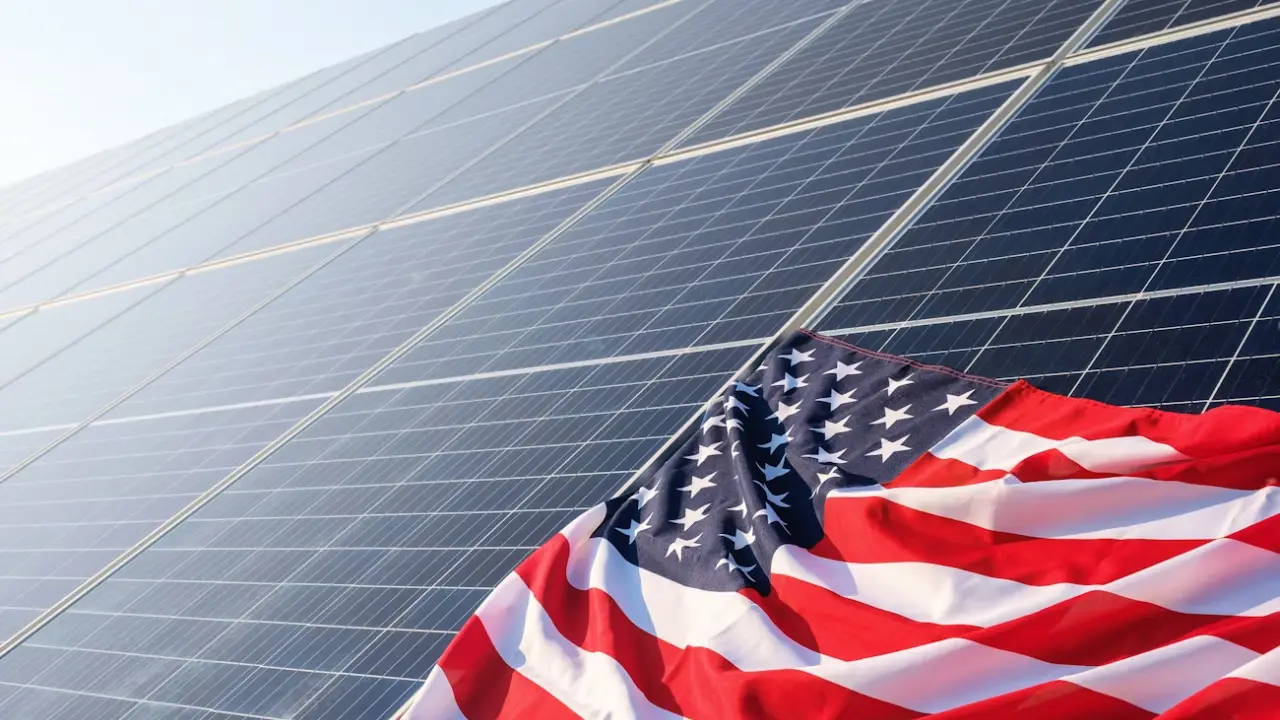
United States - Installed Capacity: 177,470 MW
The US ranks second with nearly 182 billion kWh of solar generation in 2025. Growth continues due to federal incentives under the Inflation Reduction Act. California, Texas, and Florida contribute the most to US solar output.
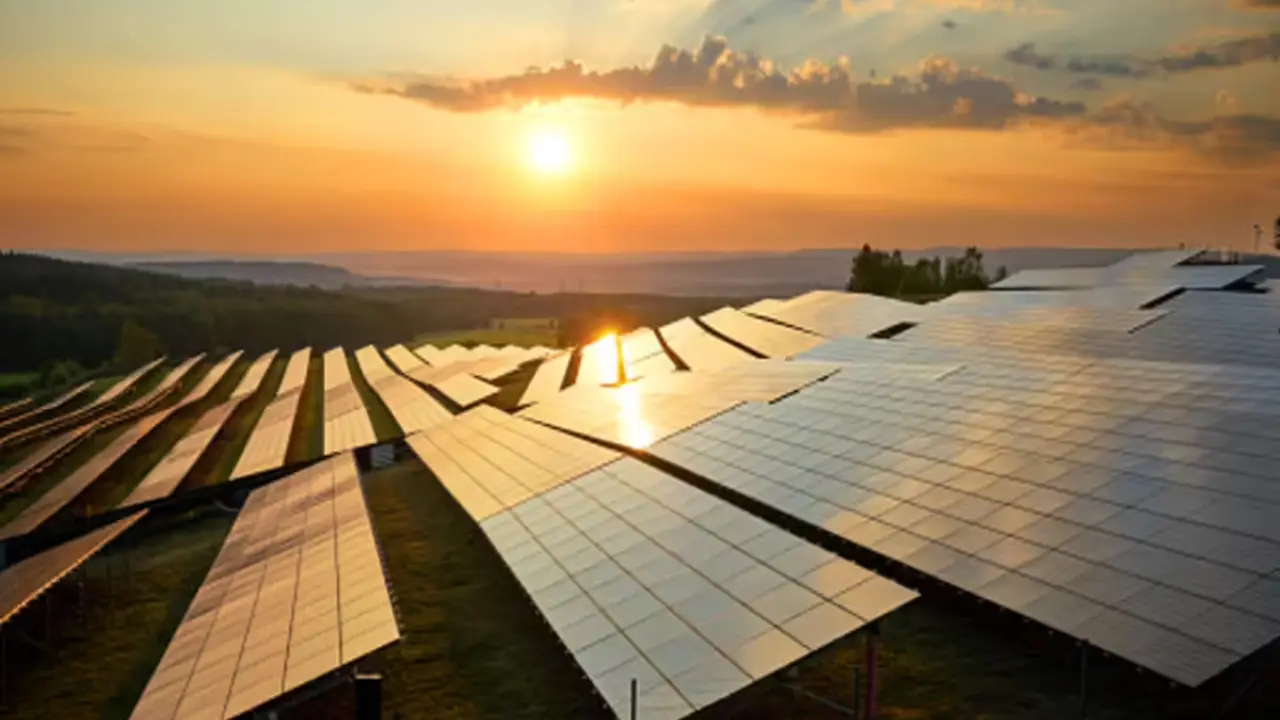
India - Installed Capacity: 97,384 MW
India ranks third globally, generating about 104 billion kWh of solar power this year. Rapid growth of rooftop and rural projects drives expansion. Key solar parks include Bhadla (Rajasthan) and Pavagada (Karnataka). India plans to reach 280 GW of solar by 2030 under its Renewable Energy Mission.
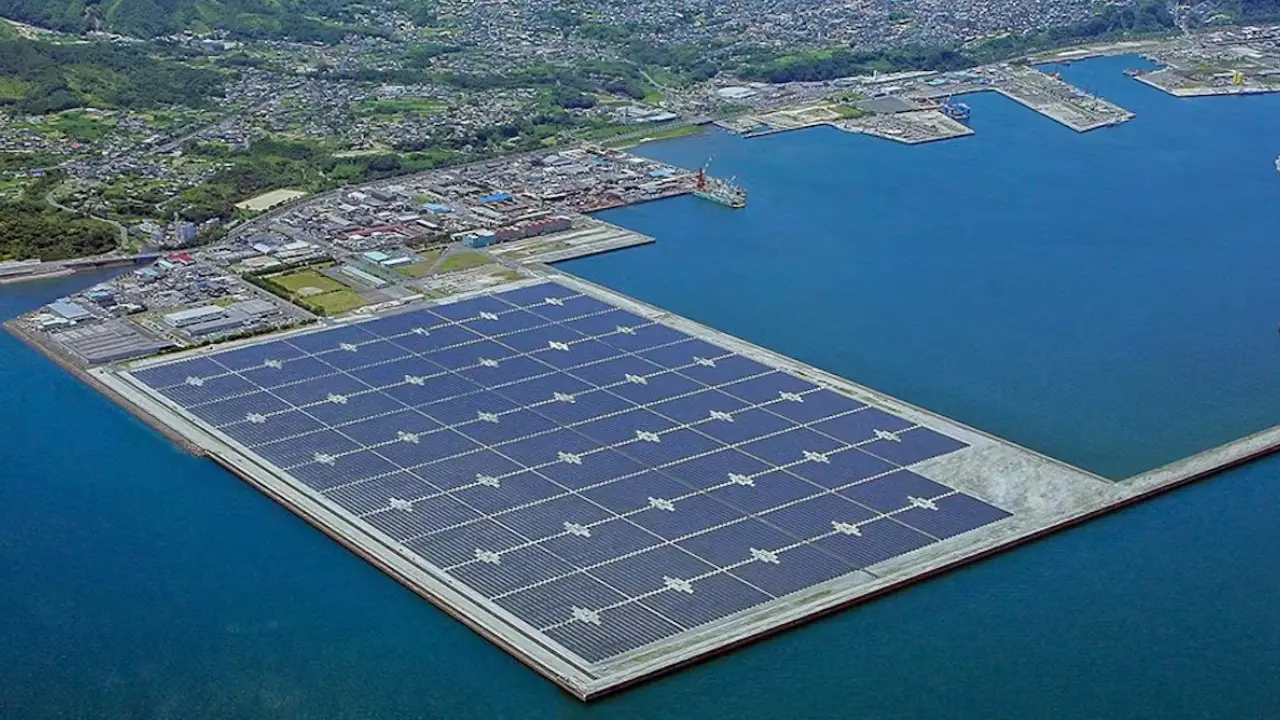
Japan - Installed Capacity: 91,610 MW
Japan maintains its lead in Asia with more than 113 billion kWh of solar generation. Despite limited land area, the country adopts rooftop solar widely and is investing in floating solar projects to meet energy goals.

Germany - Installed Capacity: 89,943 MW
Germany continues to lead in Europe with about 72 billion kWh of output. Strong feed-in tariffs and high public awareness make solar a key part of its energy transition. The country’s annual capacity grew 20 per cent last year, supported by advanced solar storage and community-based power grids.
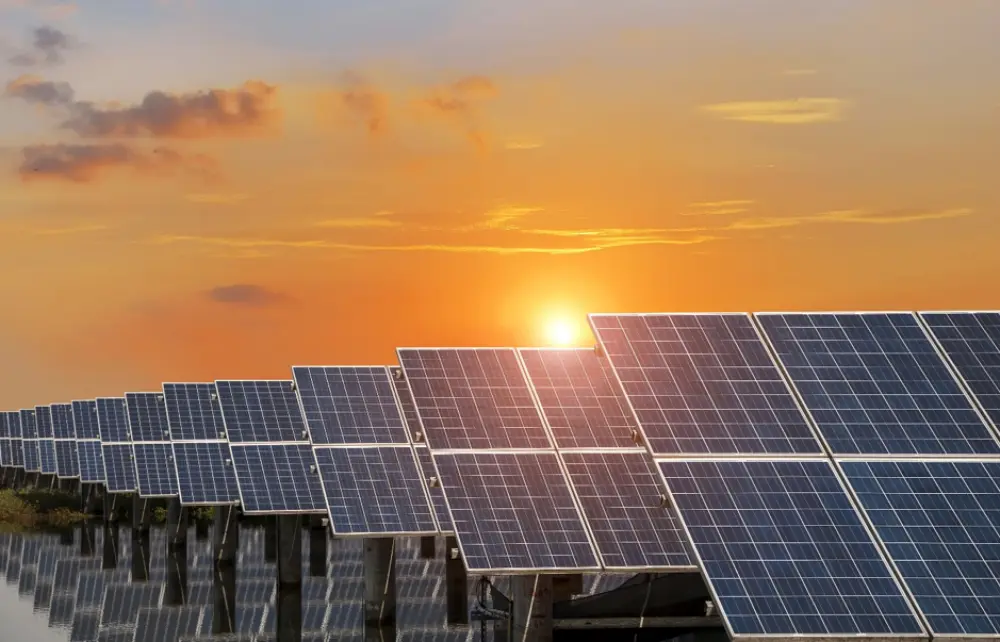
Brazil - Installed Capacity: 53,113 MW
Brazil’s solar production now exceeds 46 billion kWh in 2025. It is Latin America’s top solar generator thanks to favourable sunlight and national incentives. The government supports distributed energy generation to reach rural populations.
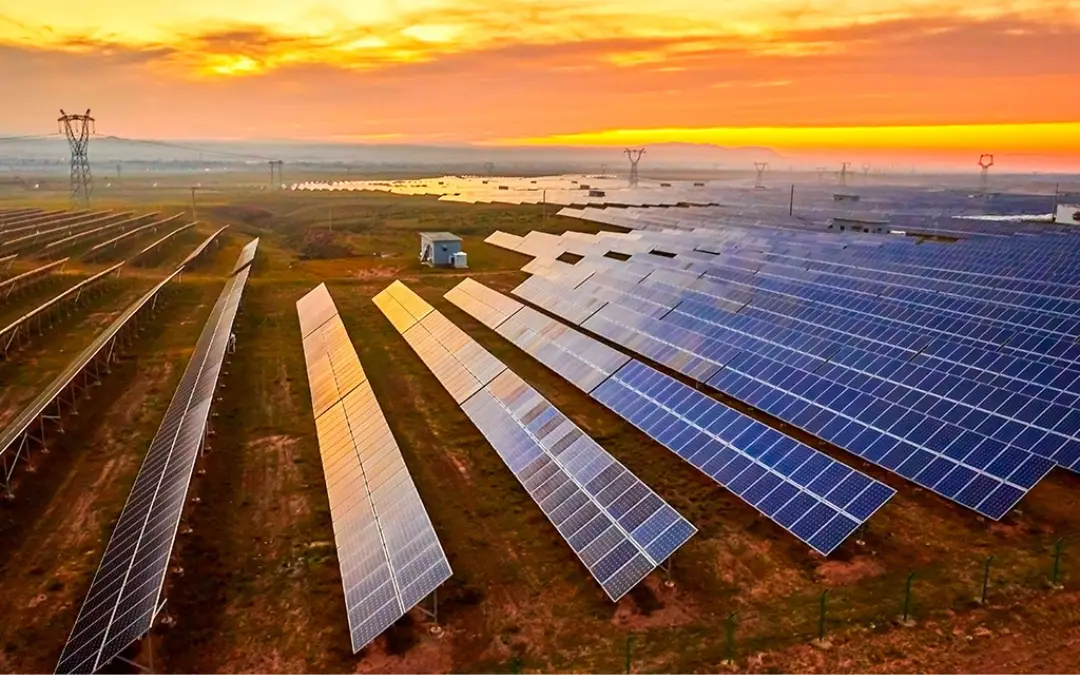
Spain - Installed Capacity: 38,587 MW
Spain generates nearly 63 billion kWh annually. High solar potential, declining technology costs, and EU policy support strengthen its position. Large-scale projects in Andalusia and Castilla-La Mancha contribute most of its capacity.
Spain has some of Europe’s largest concentrated solar power facilities.
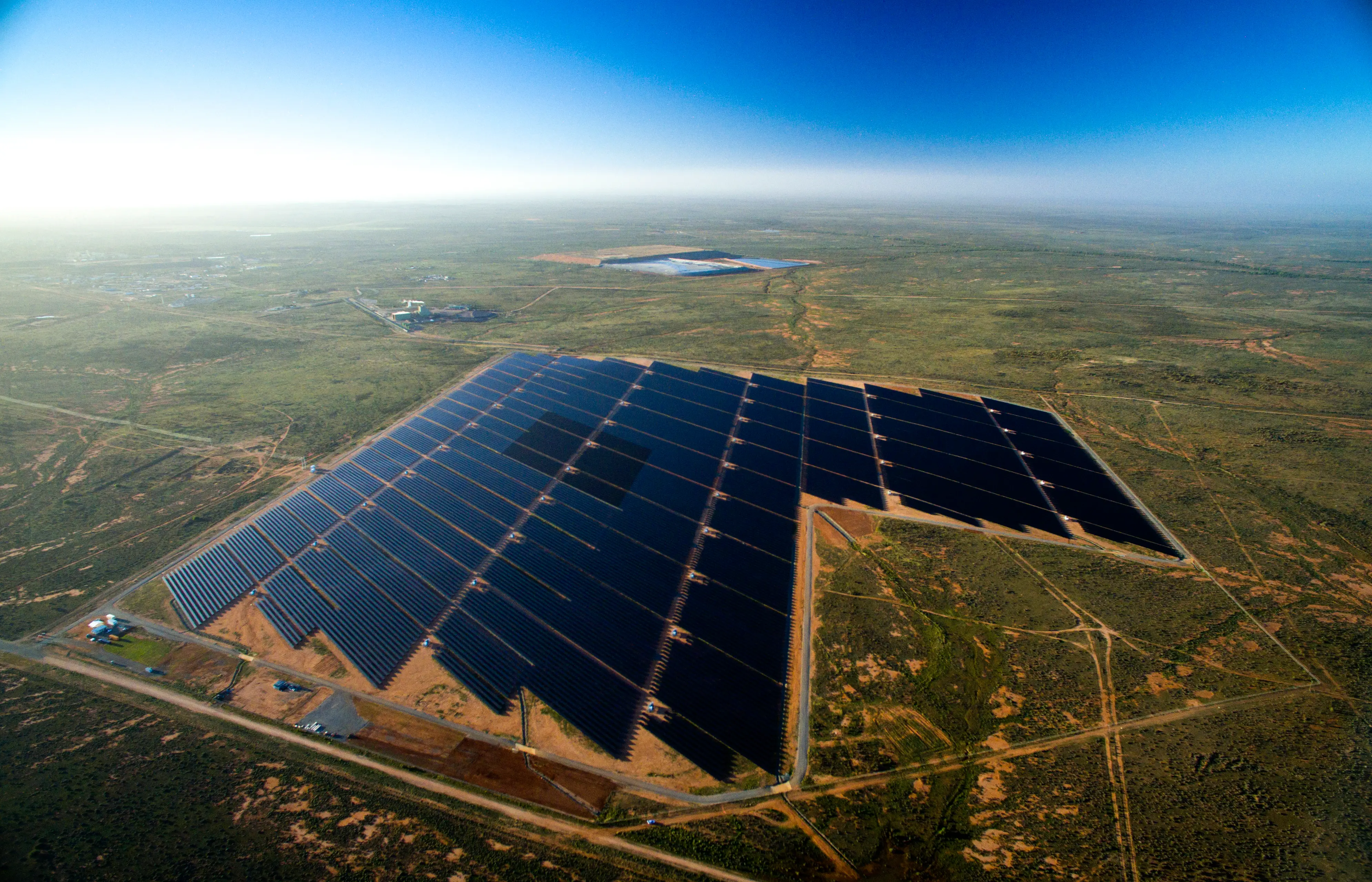
Australia - Installed Capacity: 38,472 MW
Australia produces around 35 billion kWh of solar energy yearly. With one of the highest per-capita solar capacities, over 30 per cent of households have rooftop panels. Continued innovation in battery technology boosts its energy independence.
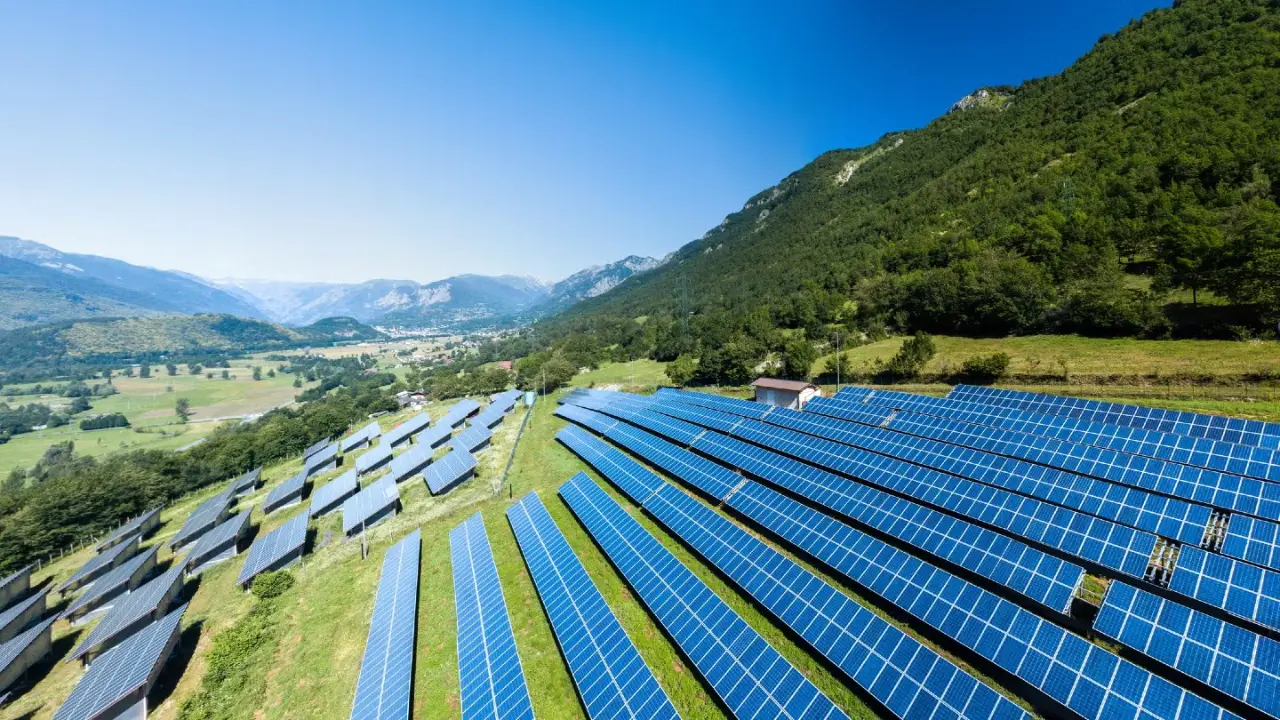
Italy - Installed Capacity: 36,013 MW
Italy records more than 36 billion kWh of solar power annually. Government policies and cheap installation costs have made solar popular among small businesses and residential users nationwide.
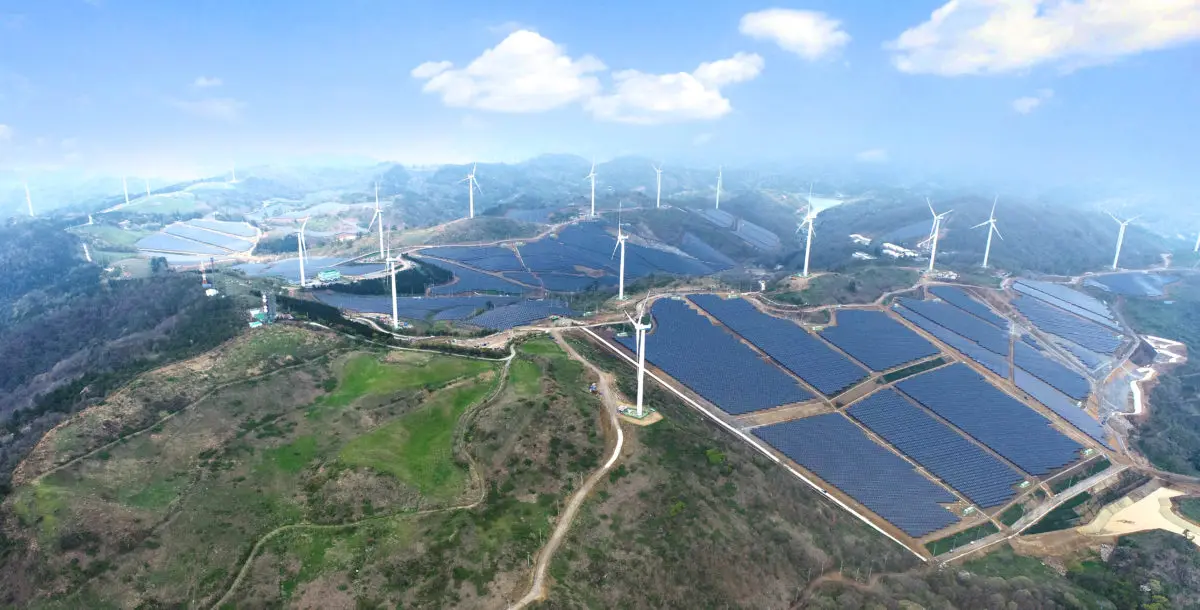
South Korea - Installed Capacity: 26,645 MW
South Korea generates nearly 23 billion kWh in 2025, focusing on hybrid solar and storage systems. The government’s Green New Deal aims to achieve carbon neutrality by 2050, with solar as a key driver.
)
)
)
)
)