Top 7 countries leading global salt production – Check the full list

China, the US, and India lead global salt production with millions of metric tons annually. Germany, Canada, Australia, and Chile also rank among top producers. Salt production relies on geography, infrastructure, and industrial demand worldwide.
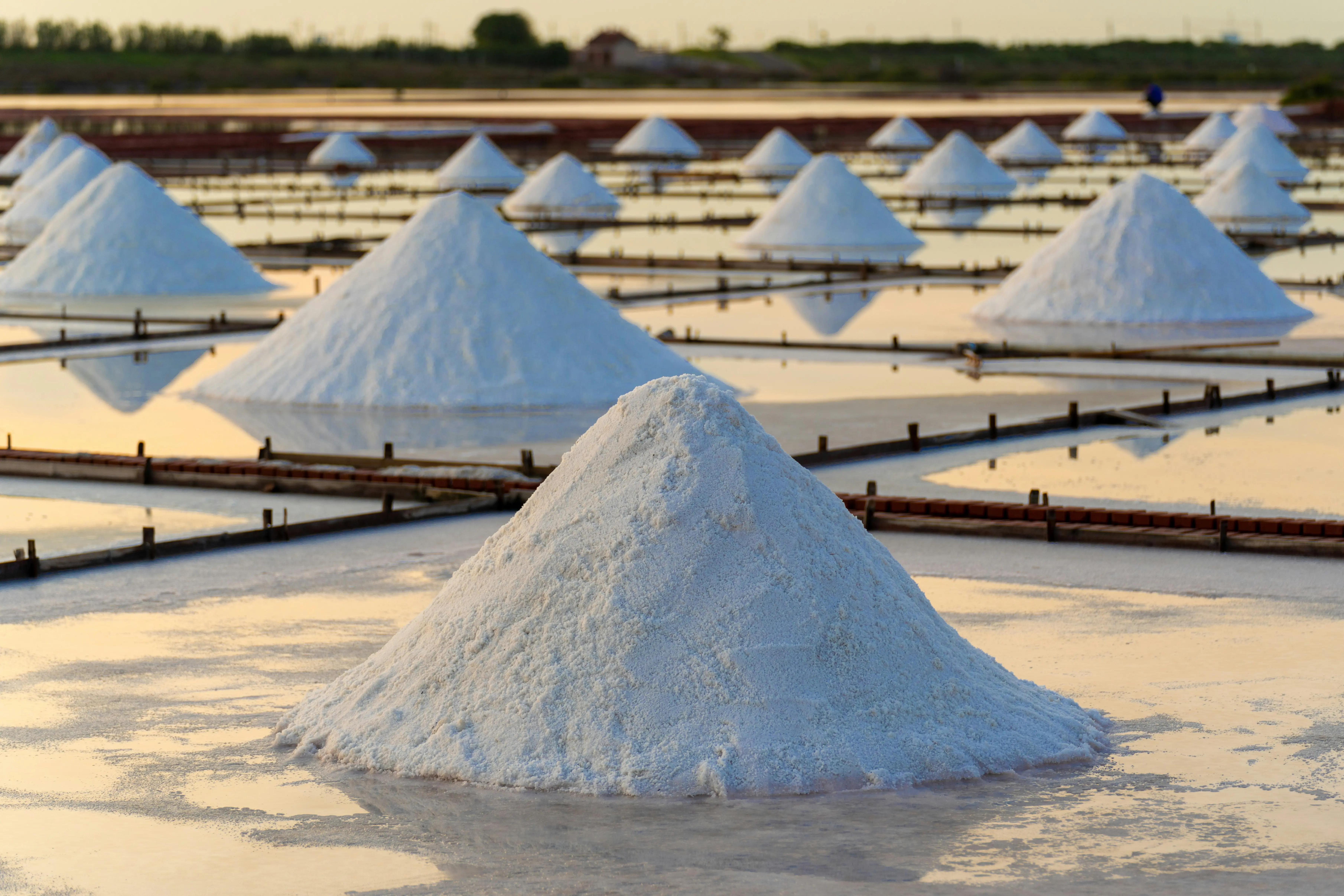
China: World’s Top Salt Producer
China leads salt production with around 64 million metric tons annually. Its enormous landmass, including vast salt flats, makes it the dominant supplier worldwide. Production methods include evaporation and brine extraction.
United States: Significant Industrial Producer
The US produces about 42 million metric tons of salt annually, focusing on both food-grade and industrial salt. Key states like Ohio, Texas, and Michigan contribute to this large output.
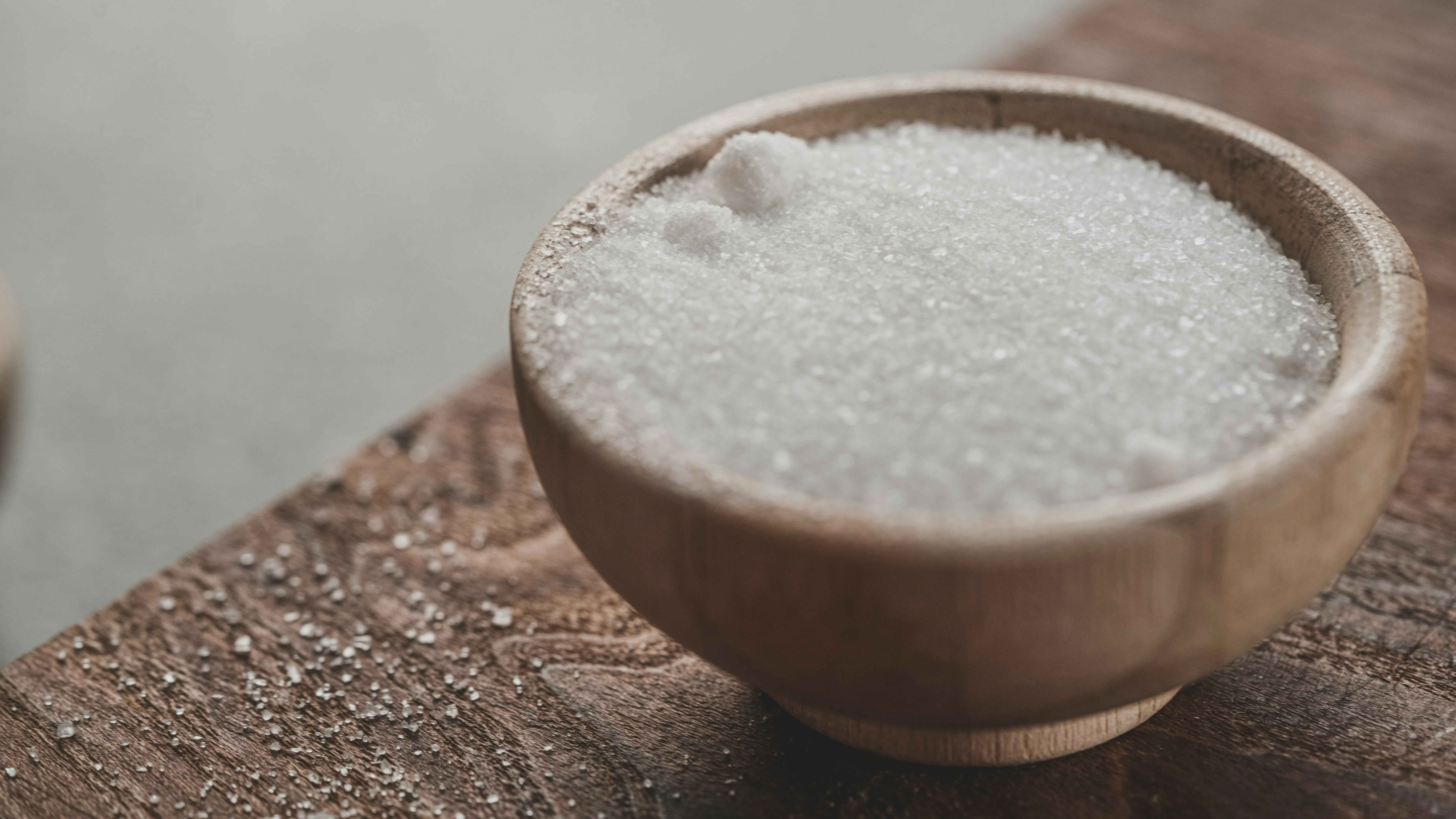
India: Third Largest Salt Producer
India produces over 30 million metric tons of salt yearly, making it the third-largest global producer. Coastal states such as Gujarat and Tamil Nadu are major production hubs. India exports significant quantities, mainly to Asia and Africa.
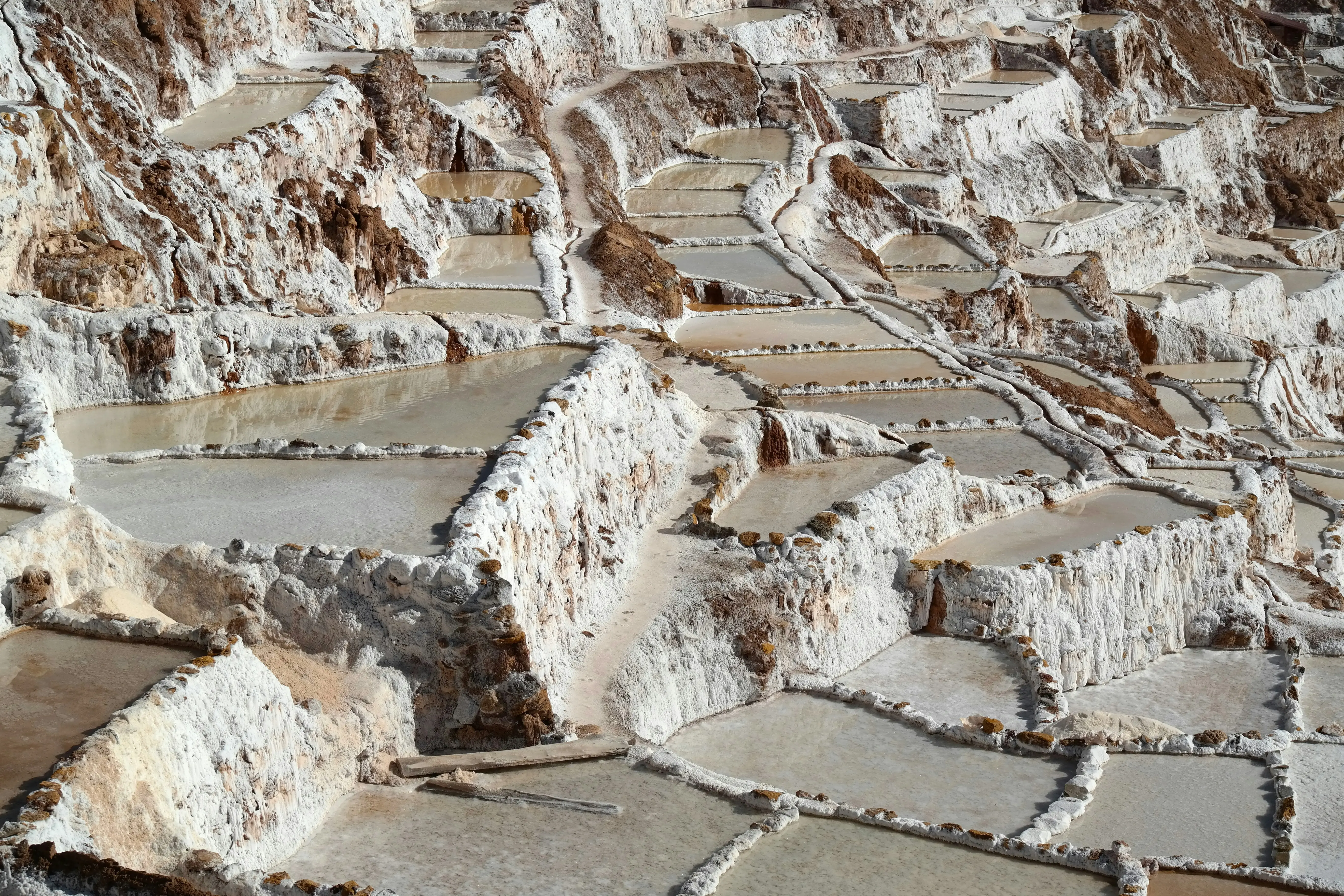
Germany: A Leading European Producer
Germany produces about 12 million metric tons of salt annually, used extensively for road de-icing and chemical industries. The country has a well-developed salt mining infrastructure.
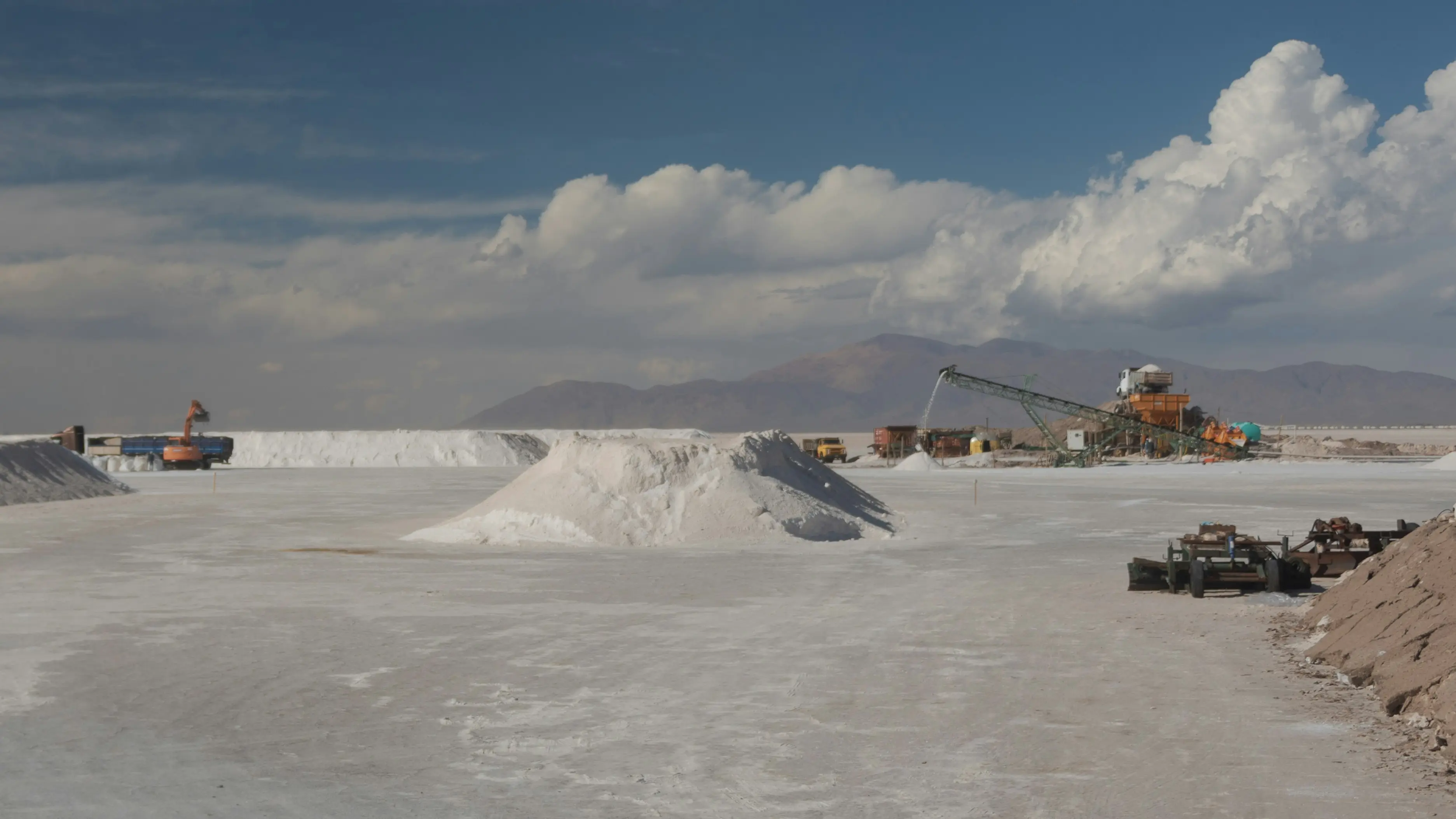
Canada: Key Salt Exporter
Canada is among the top producers with around 14 million metric tons yearly. Salt mining and sustainable practices make Canada a notable player in the global salt market.
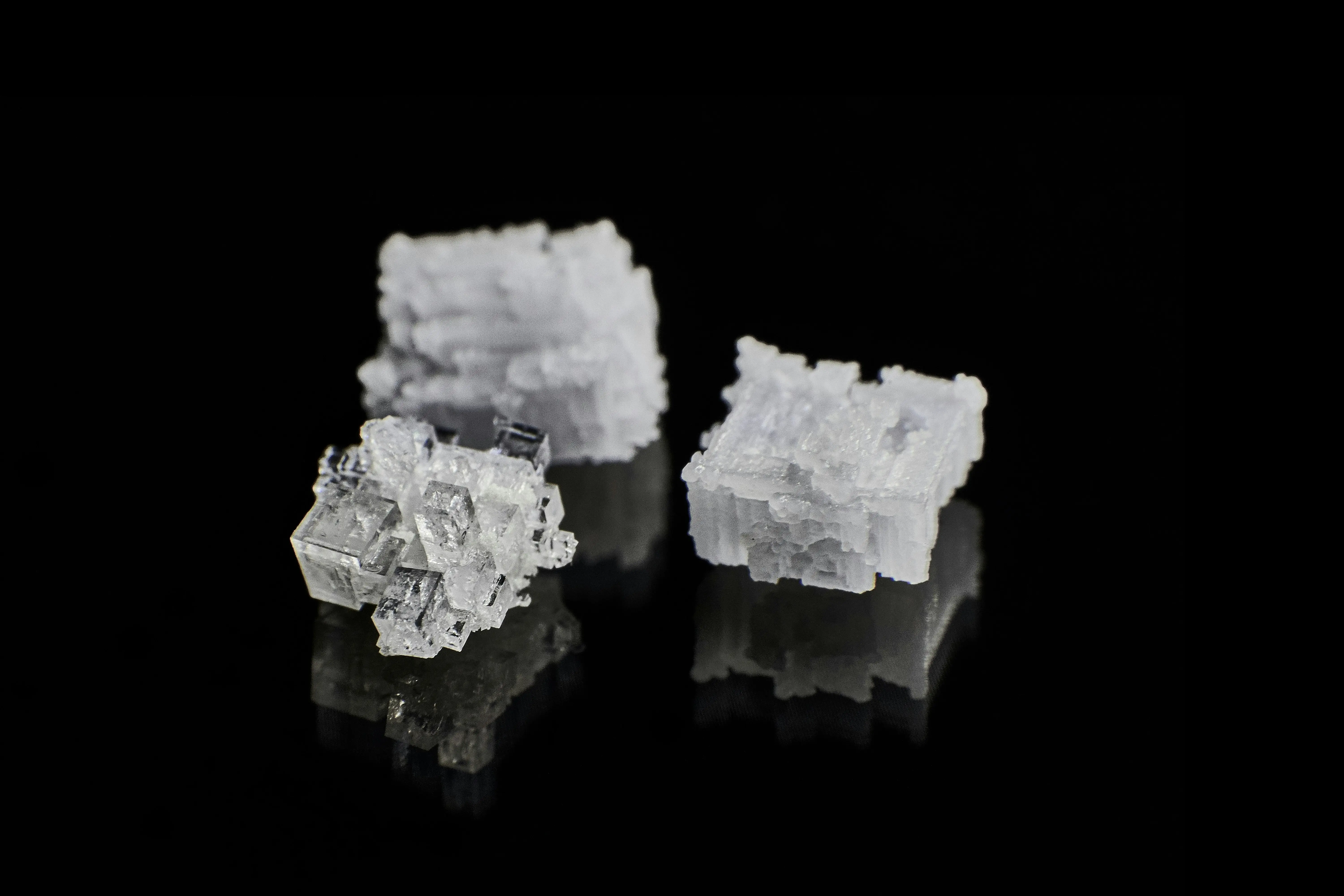
Australia: Large Scale Production
Australia produces roughly 11 million metric tons, benefiting from its natural salt flats and advanced extraction techniques. Salt from Australia is used domestically and exported.
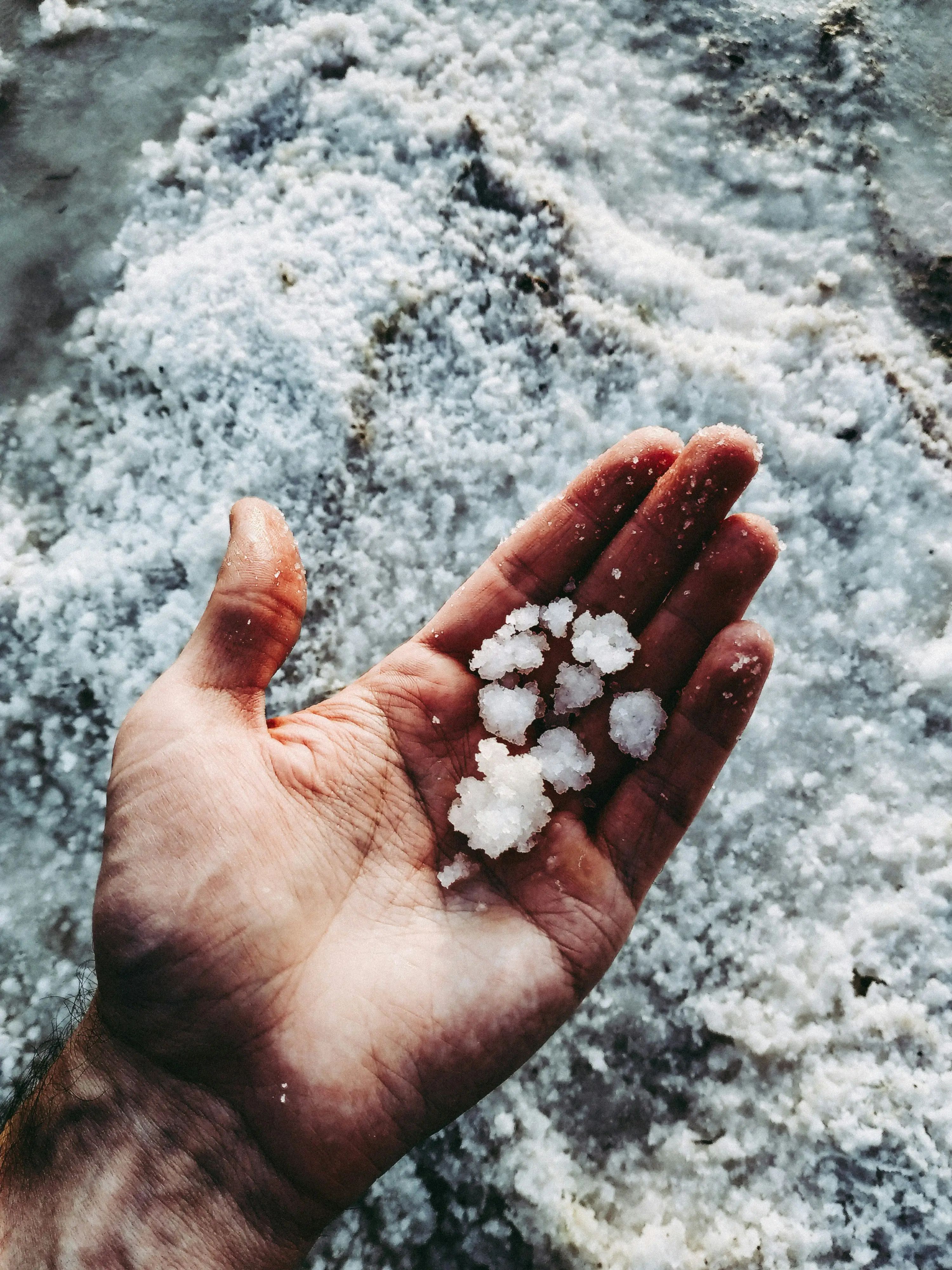
Chile: Benefiting from Natural Deposits
Chile produces about 15 million metric tons of salt yearly, leveraging abundant natural salt flats in arid regions. The salt is mainly used in food and industry, with exports to multiple continents.
)
)
)
)
)