Global electricity consumption: Top 10 countries with highest electricity consumption

Global energy consumption continues to rise at a faster pace as compared to the rise in global population. This growth in energy consumption is due to the growth in economic activity. Here are the top 10 countries with the highest electricity consumption.
China
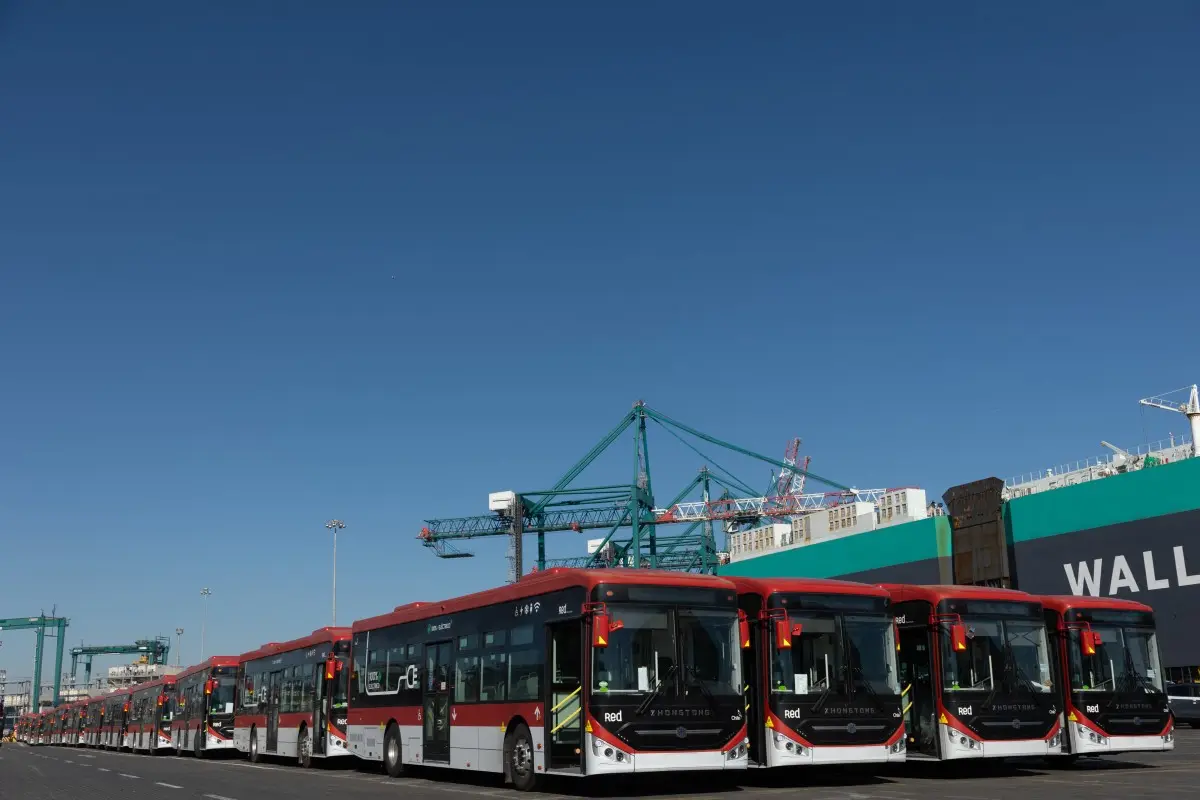
China consumes the most electricity in the world. As of 2024, it consumes 8990 terawatt per hour and accounts for nearly one-third of the World's total energy consumption. Coal is the most commonly used source for generating electricity, but the country has significantly shifted towards natural gas and other renewable energy sources.
United States
As of 2024, the United States consumes 4145 terawatt-hours. The Annual Energy Outlook 2025 is forecasting total electricity consumption of 4,187 billion kilowatt-hours. The majority of the usage is for commercial and industrial purposes.
India
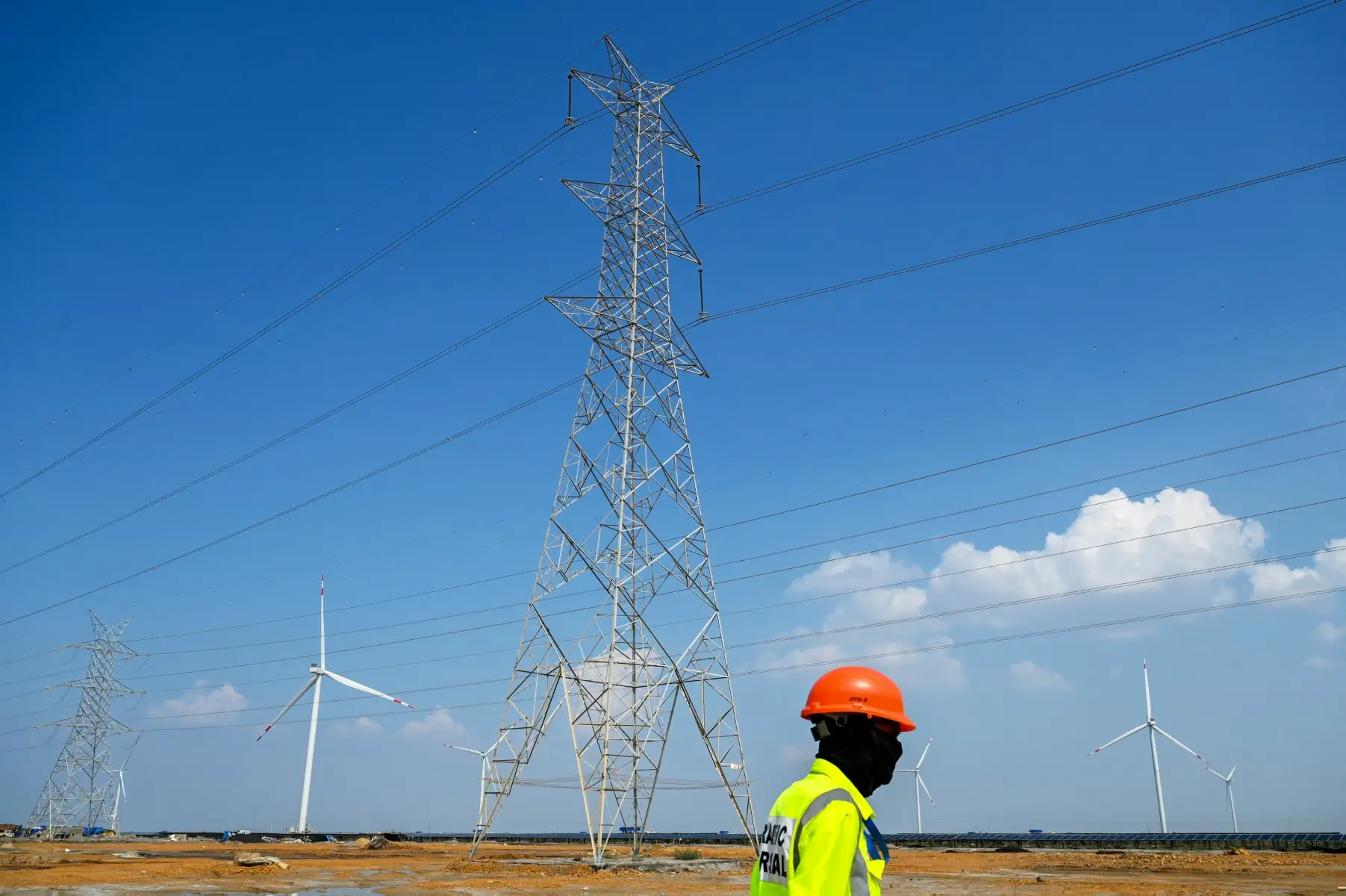
India consumes 1532 terawatt-hours (TWh). The total electricity requirement for the 2024-25 is expected to be 1694 billion units (BU), among which nearly 42 per cent are in industrial use.
Russia
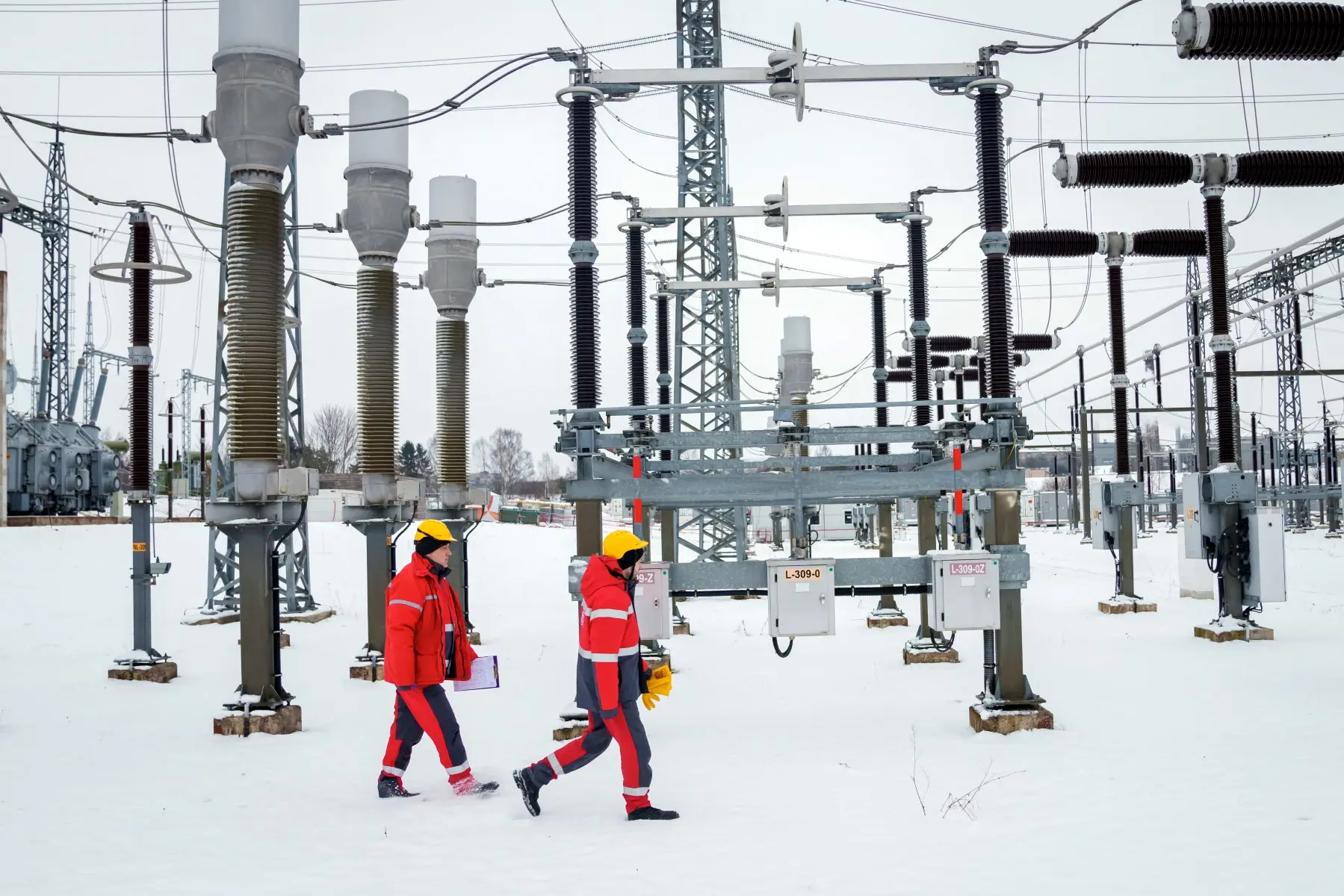
Russia's electricity consumption was measured at 1024 TWh, with approximately 3 per cent consumption growth since 2023. The majority of the electricity is produced using Thermal plants, nearly 60 per cent.
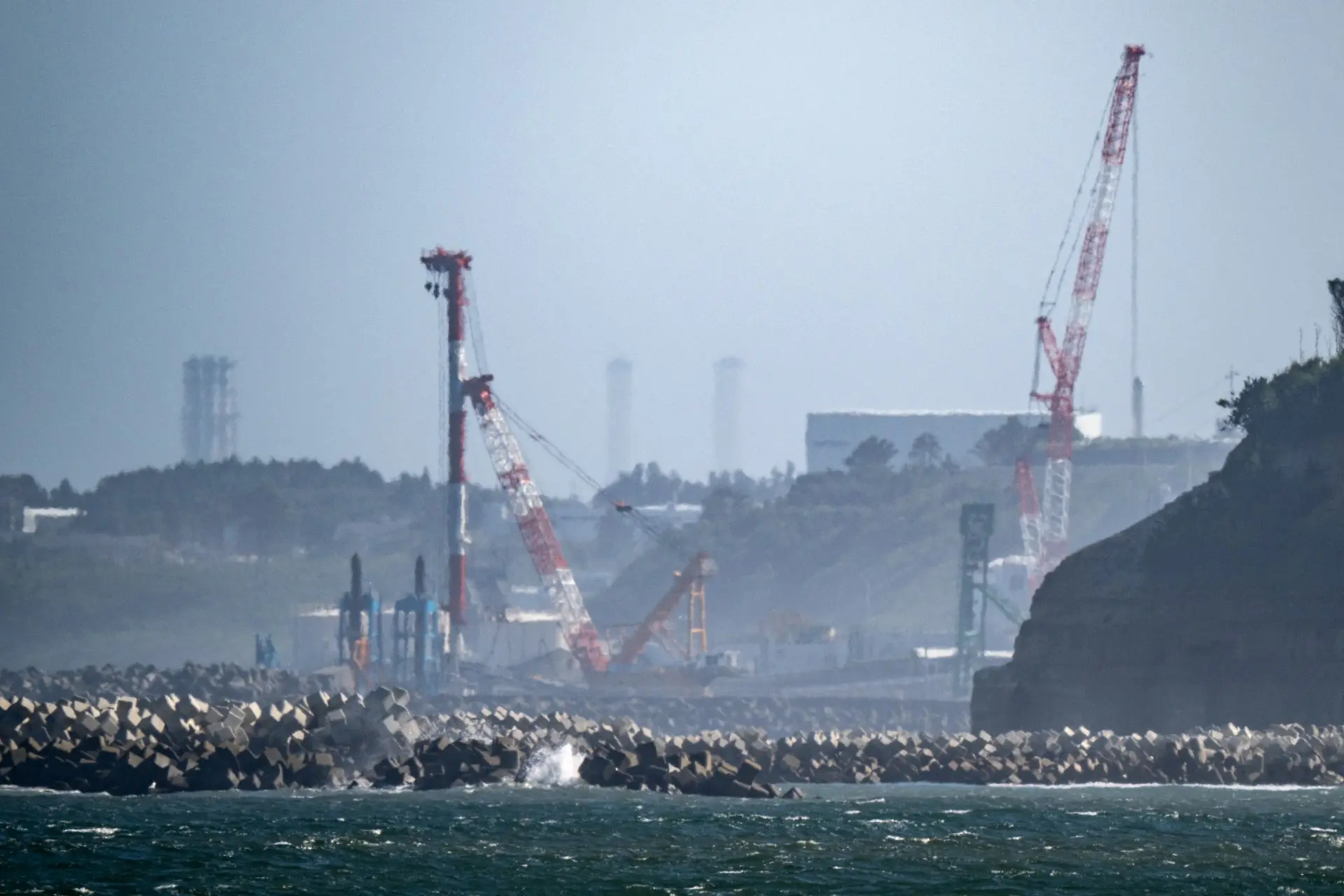
Japan
In 2024, Japan's electricity consumption was 913 TWh. The electricity consumption is distributed between three sectors, industry, commercial and residential at 33-34 per cent, 34-35 per cent, 29 per cent respectively.
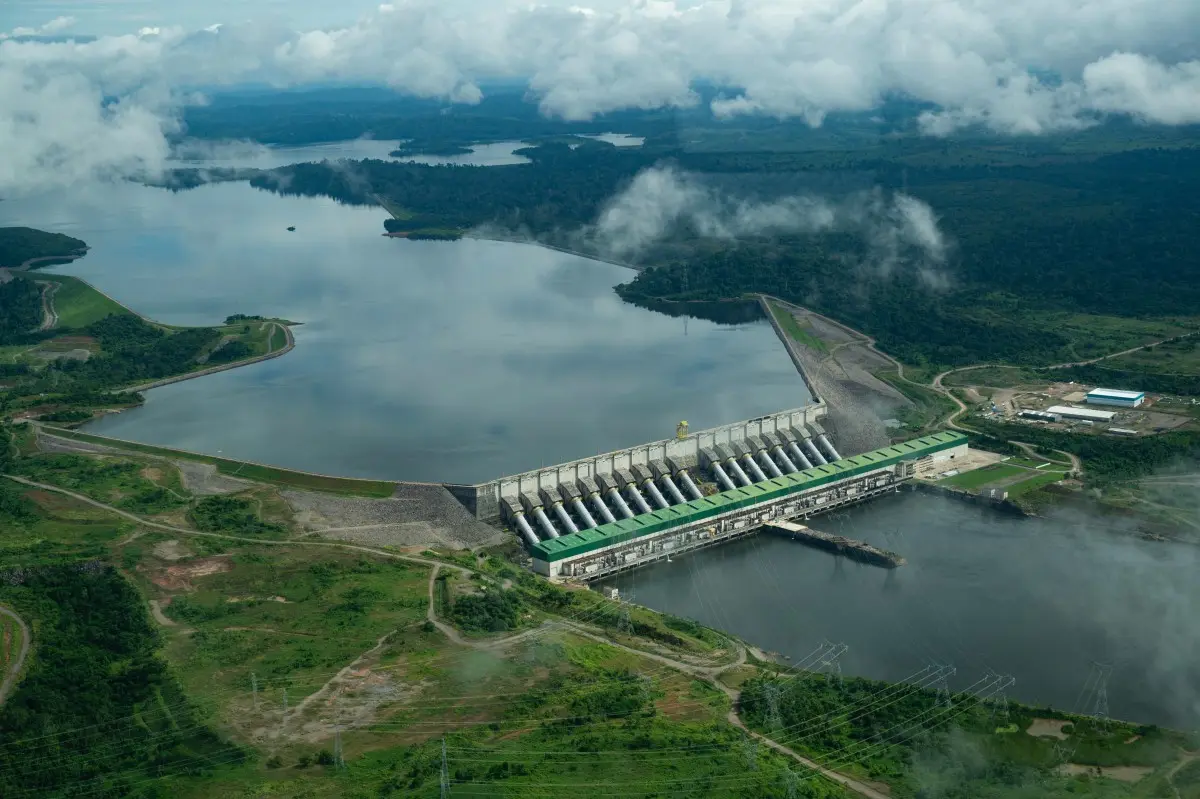
Brazil
Brazil annually consumes nearly 2 per cent of the global electricity. It used 645 TWh of electricity in 2024. The demand is projected to grow by 3.6 per cent per year due to strong economic development.
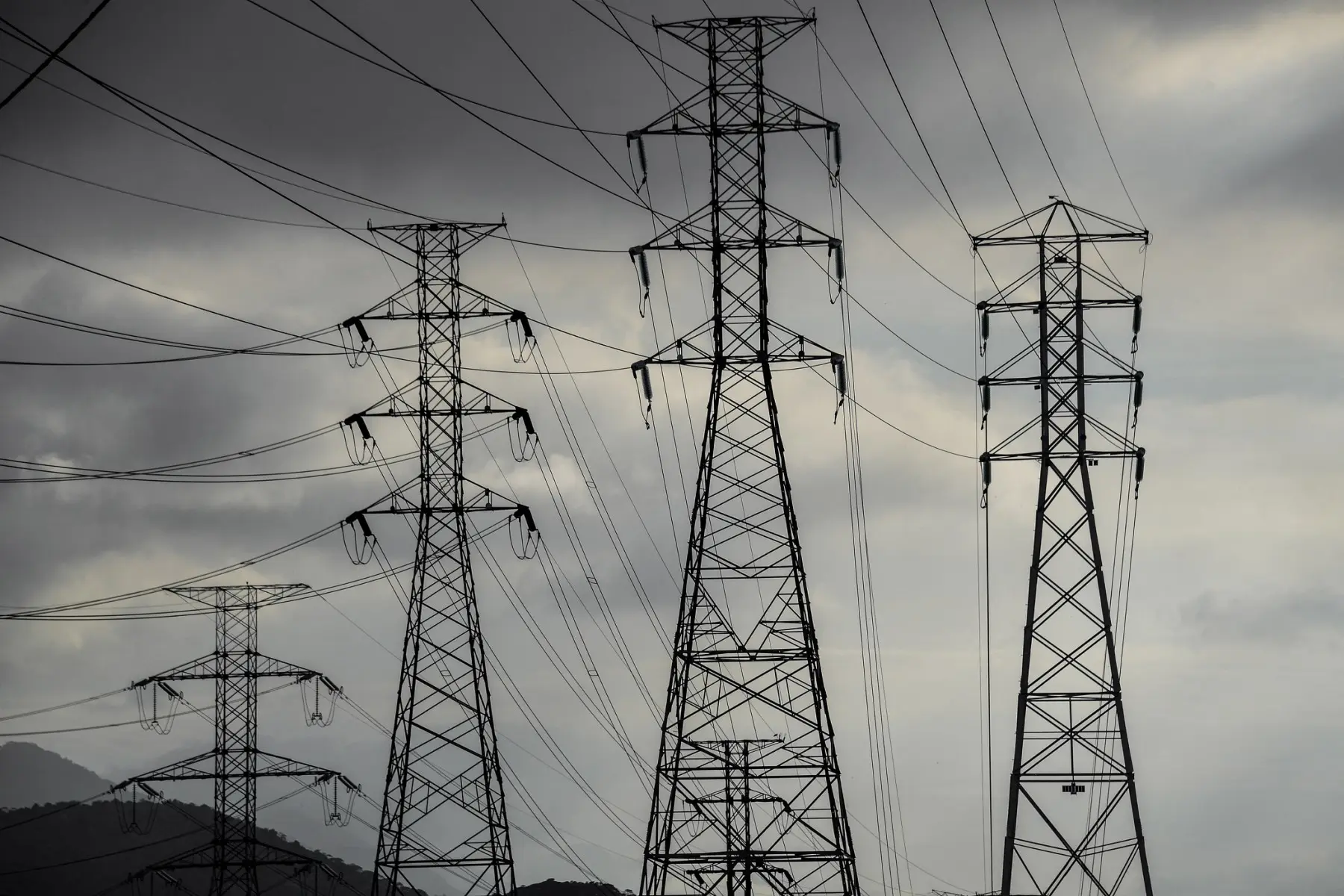
Canada
Canada consumes approximately 564 TWh electricity. Canada is one of the largest producers of hydroelectricity. Fossil fuel generates only 18 per cent of Canada's electricity.
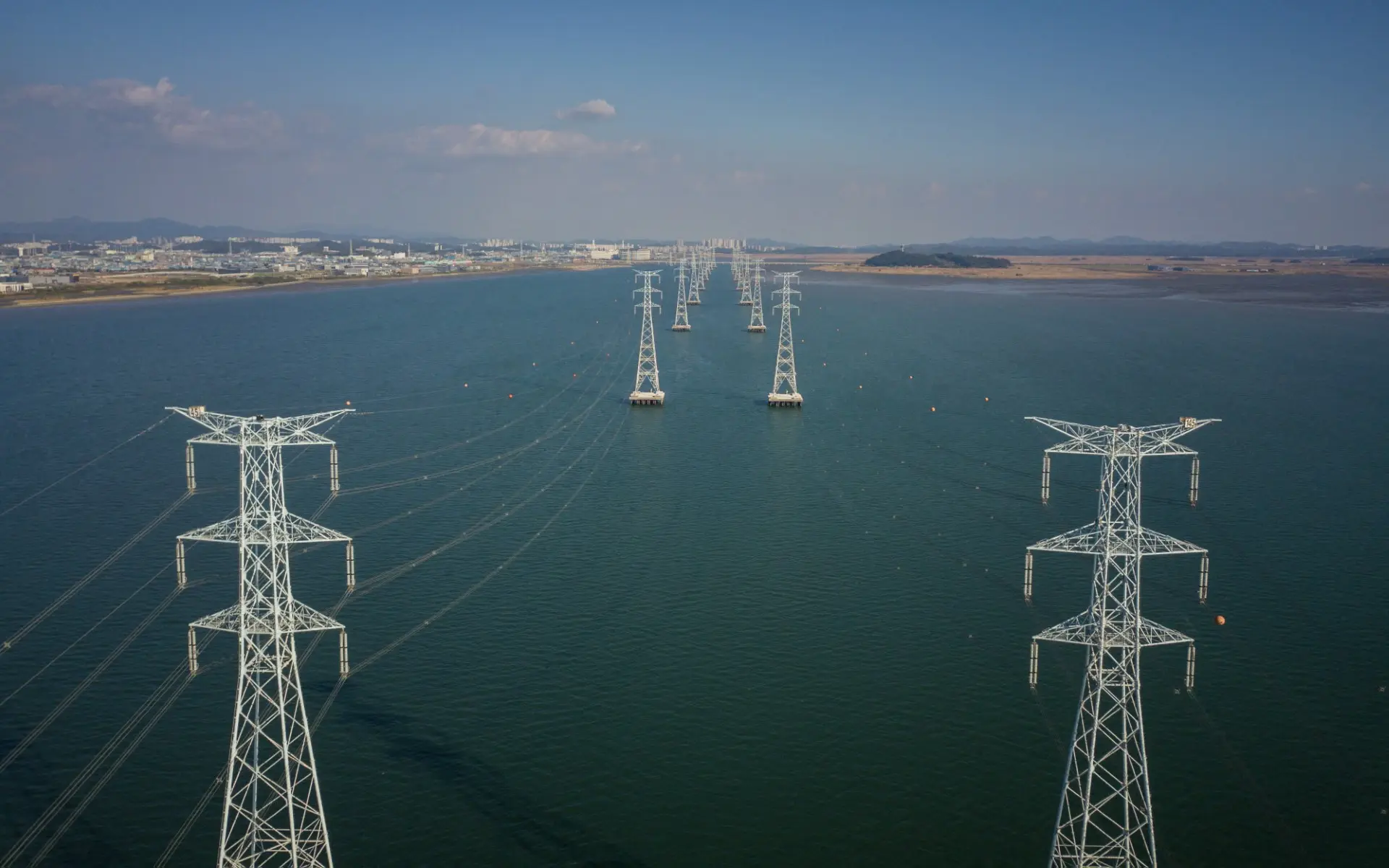
South Korea
In 2024, South Korea consumed 558 TWh of electricity. South Korea's electricity generation is massively dominated by fossil fuels, approximately 55 per cent; coal and natural gas both account for 27 per cent each. Low-carbon electricity is 43 per cent and includes hydropower, wind, geothermal, biofuels, etc.
Germany
In 2024, Germany's electricity grid load was 464 TWh, increasing from 458 TWh in 2023. The general trend has been one of long-term decline since 2008, but a minor turnaround was observed in 2024
France
In 2024, France's electricity grid load was 410 TWh. France's consumption has decreased since 2023, but it still has a higher-than-average per capita electricity consuption compared to EU.
)
)
)
)
)