Top 10 coldest winters ever recorded in history

From the 1816 "Year Without a Summer" to the 1963 Big Freeze, history’s coldest winters have caused global famines and reshaped wars. Temperatures reached as low as -89.2°C in extreme records.
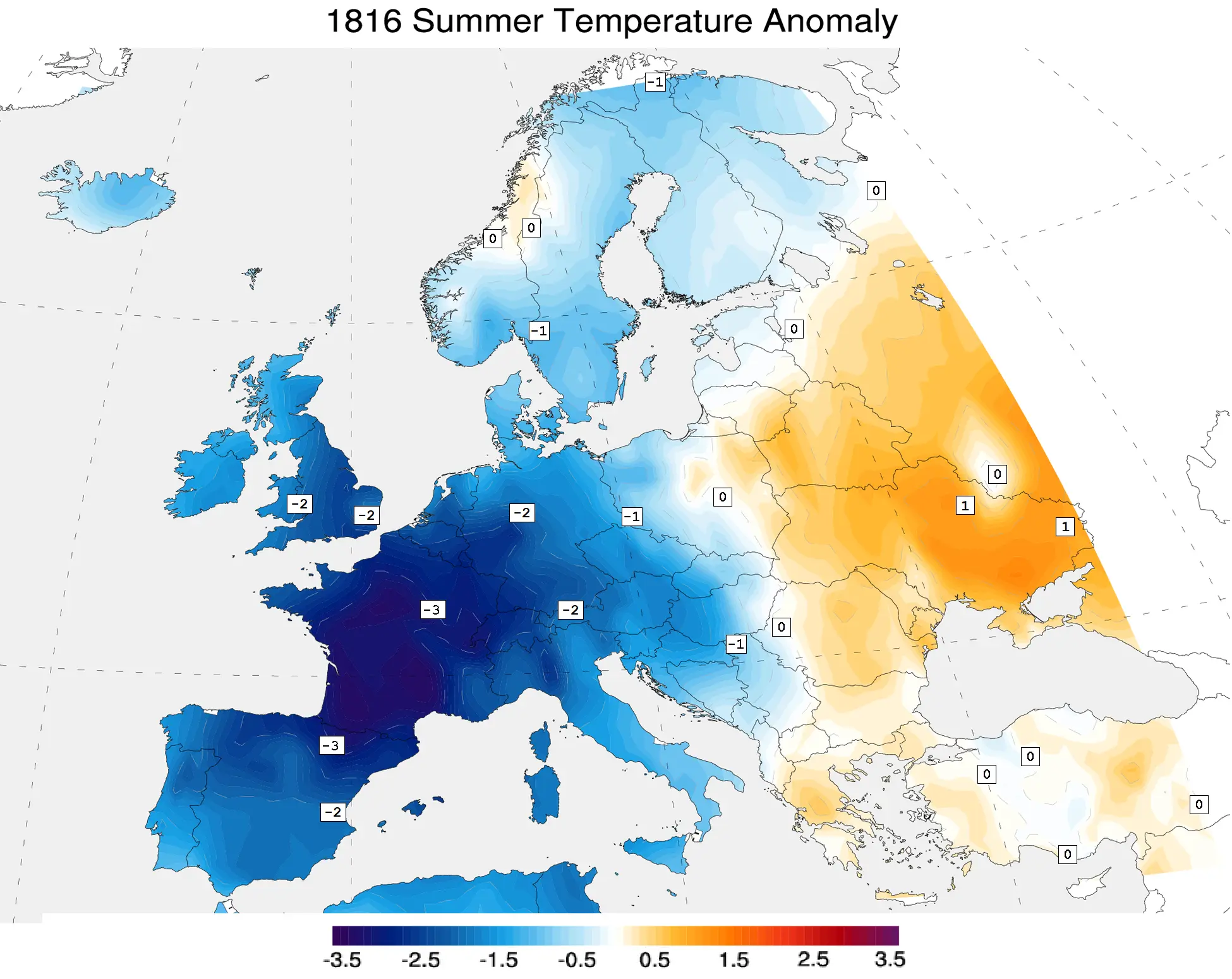
1816 Year Without Summer
Mount Tambora eruption reduced global temperatures by 0.4 to 0.7 degrees Celsius The 1815 Indonesian eruption expelled 100 cubic kilometres of ash, blocking sunlight for months. This caused widespread crop failures and famine across Europe and North America during the freezing summer of 1816.
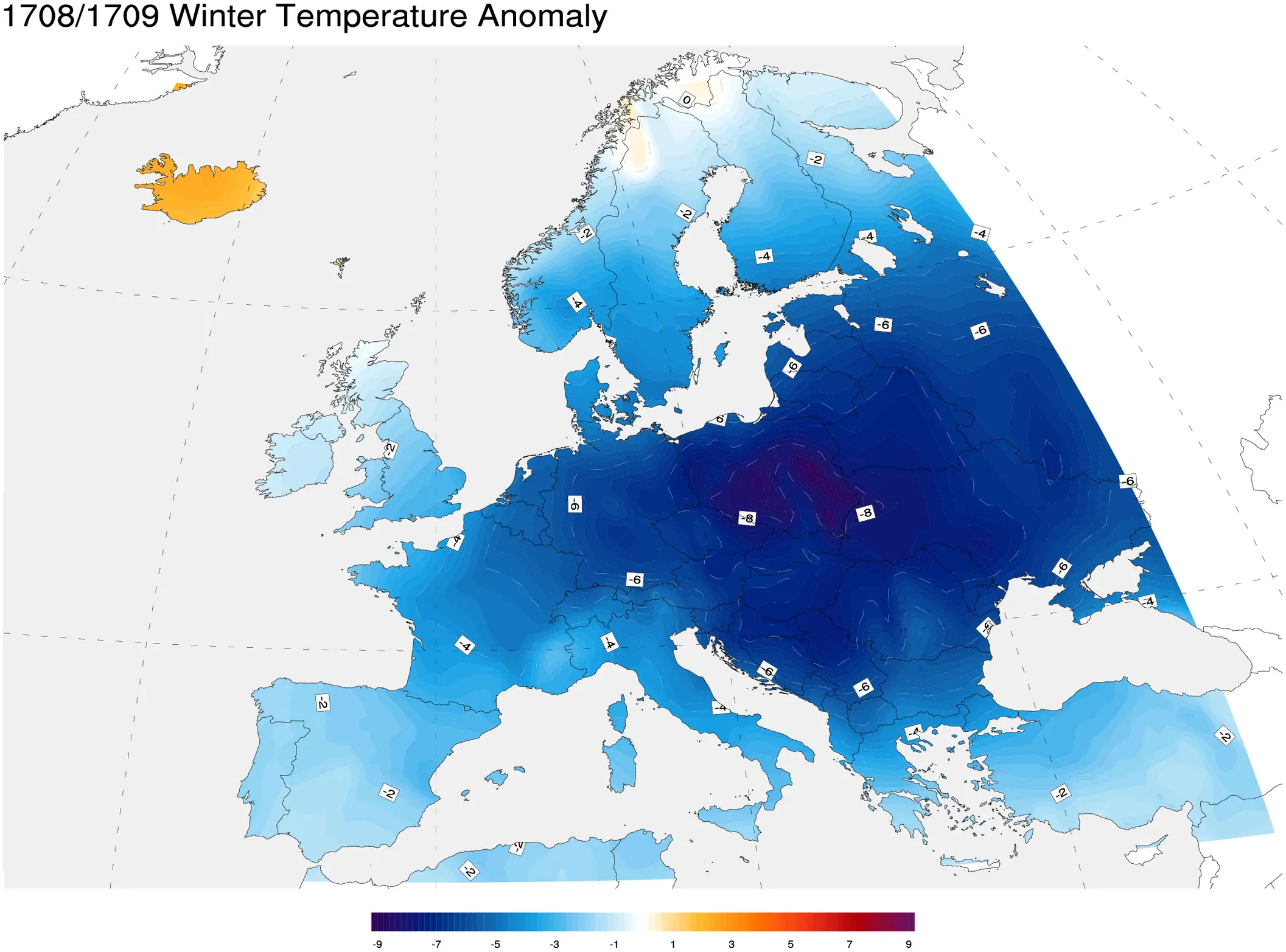
The Great Frost of 1709
Extraordinarily cold European winter froze the Thames River completely solid The 1708-1709 season remains the coldest European winter in the past 500 years. Temperatures near London hit -12 degrees Celsius, enabling "Frost Fairs" to operate directly on the river ice.
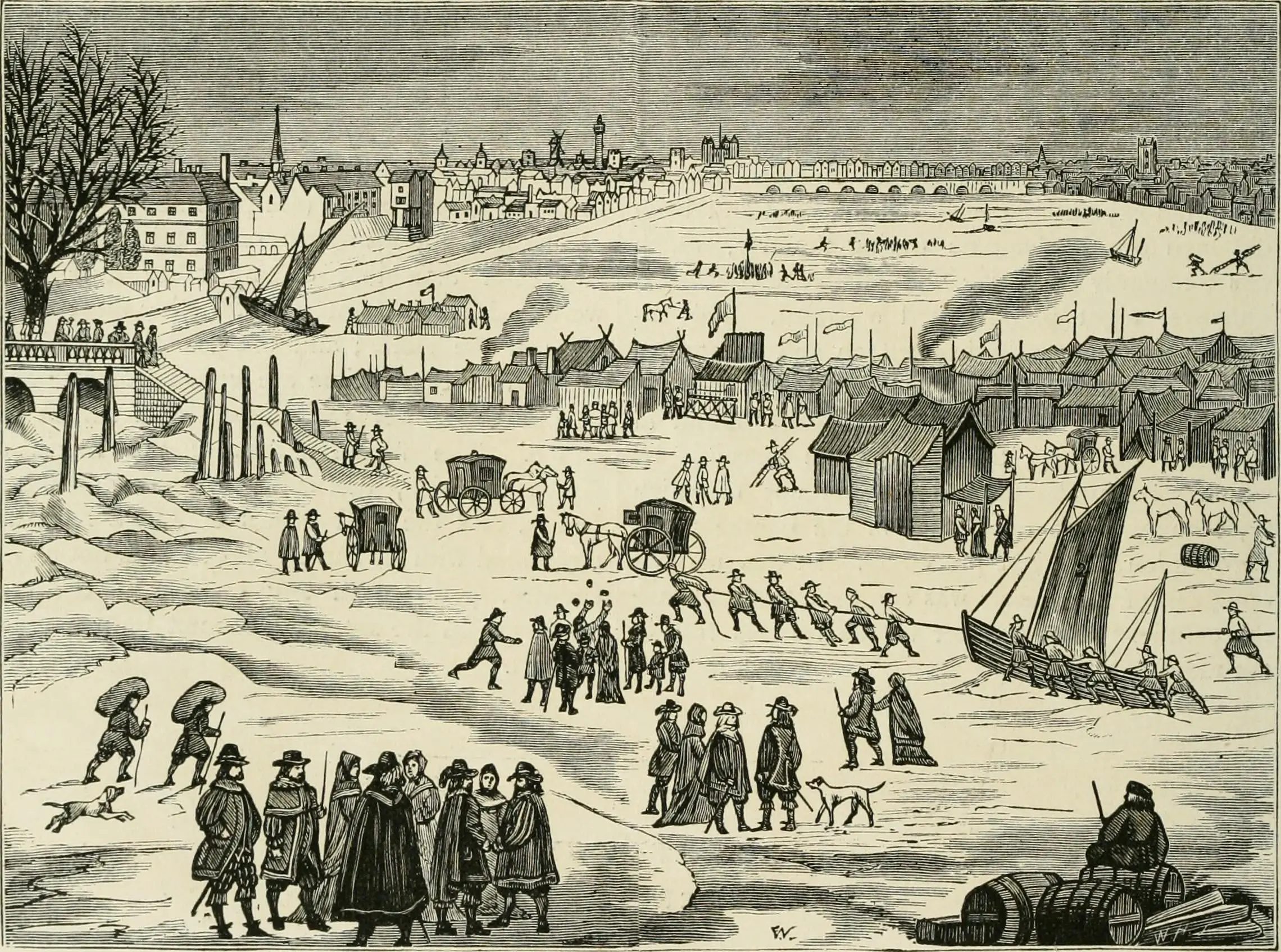
Great Frost of 1683-84
River Thames remained completely frozen for two months with ice 11 inches thick The winter of 1683-84 is ranked as the most severe freeze recorded in England with the Thames frozen solid. Reports from the time indicate that ice thickness reached 11 inches in London, causing severe shipping blockages.
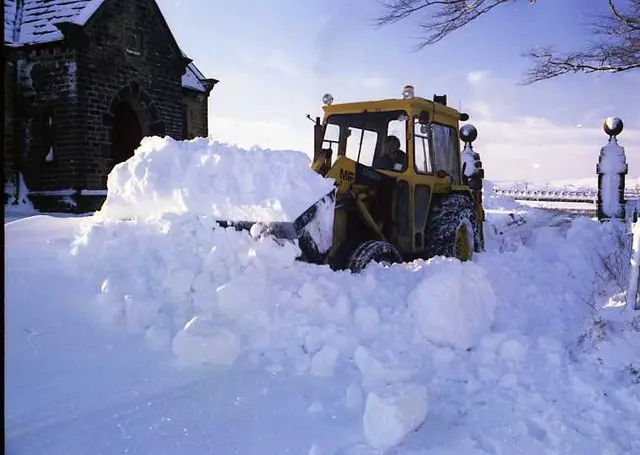
Winter 1962-63 Big Freeze
January 1963 averaged -2.1 degrees Celsius, coldest month since January 1814 Frigid conditions began on Boxing Day 1962 and persisted until early March 1963 across the United Kingdom. Rivers and some parts of the sea froze solid, while snowdrifts were measured at a record 20 feet deep.
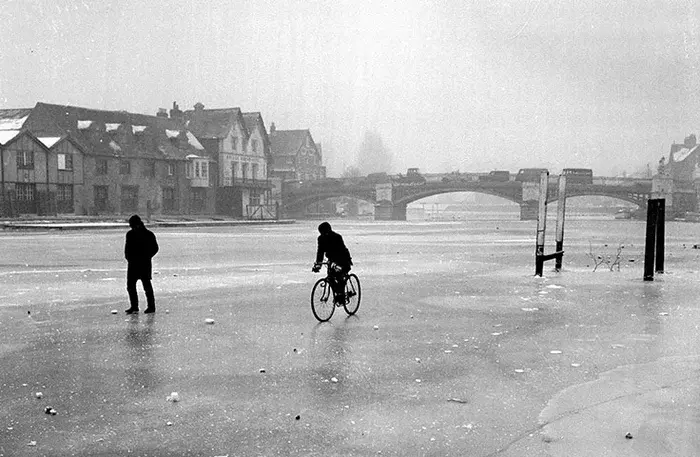
1941-1942 Eastern Front Winter
Eastern Front winter temperatures dropped below -45 degrees Celsius The European winter of 1941-42 was the coldest of the 20th century, reaching -45 degrees Celsius by late November. German troops suffered massive casualties from frostbite, while Soviet forces used the extreme cold to gain a strategic edge.
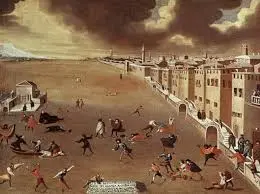
Great Frost of 1740
Winter 1740 brought severe freezing across Europe causing widespread famine Known as the "Forgotten Famine," this winter was likely the coldest in central Europe in 600 years. Food shortages were catastrophic as frozen waterways blocked shipping ports and destroyed essential grain harvests.
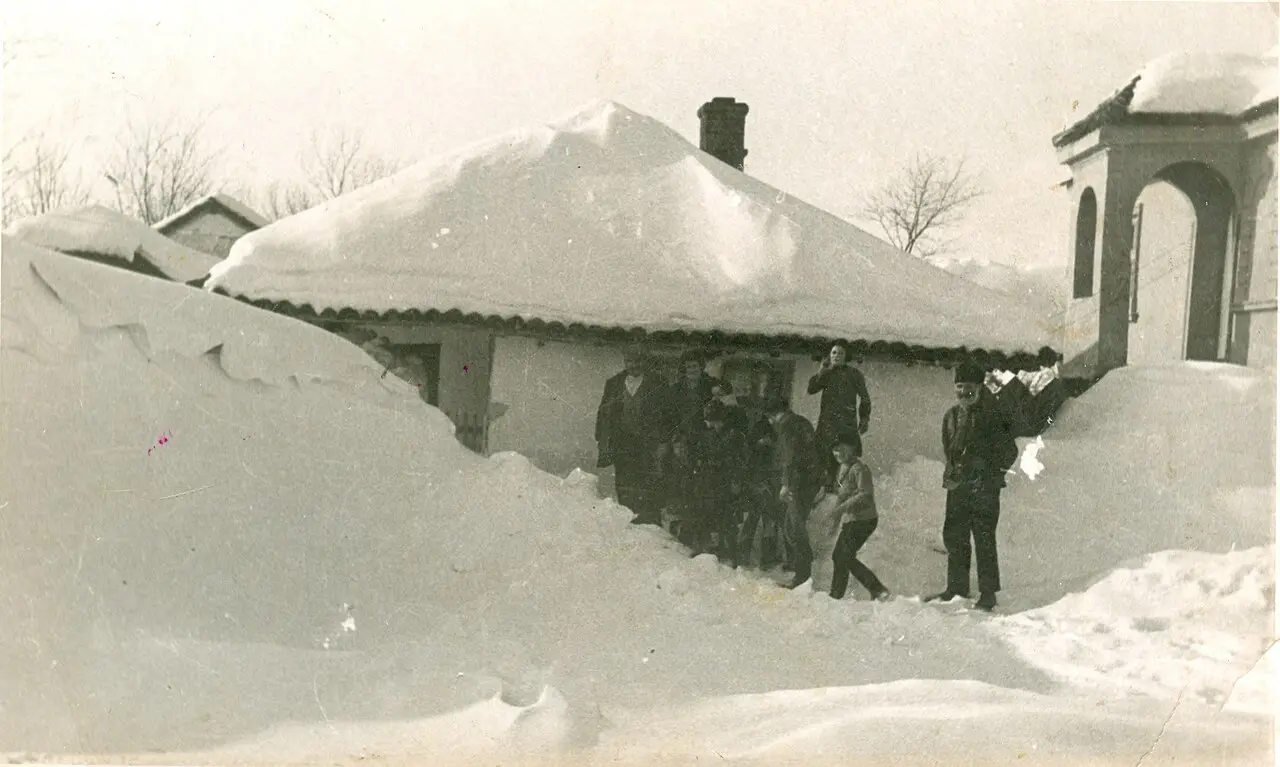
Winter 2023-2024 Mongolia Dzud
Temperatures plummeted below -40 degrees Celsius killing 7.1 to 8.1 million animals Mongolia experienced its harshest "dzud" in 50 years, with blizzards affecting 90 per cent of the country. Over 8.1 million livestock animals perished, devastating the primary source of income for a third of the population.
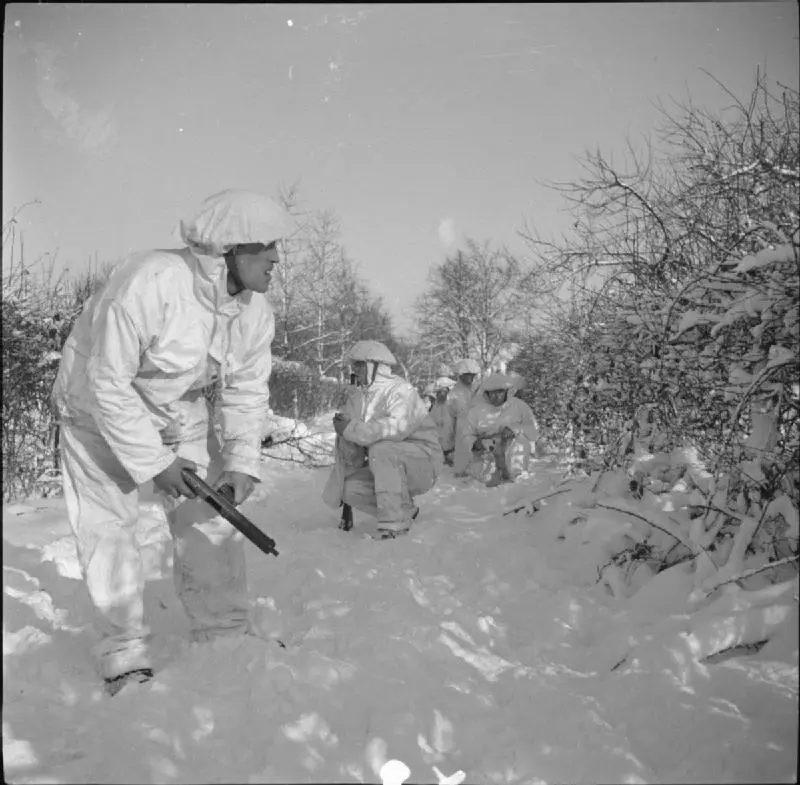
1883 Krakatoa Eruption Winter
Volcanic ash reduced global temperatures by about 0.5 degrees Celsius The massive Krakatoa eruption discharged 21 cubic kilometres of material, cooling the Earth for several following years. The resulting haze led to unseasonably cold winters and Spectacular red sunsets observed globally throughout 1884.
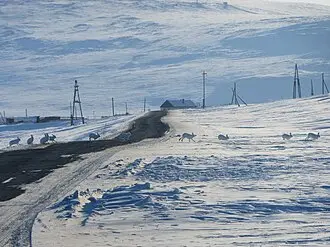
Winter 2009-2010 Arctic Invasion
Extreme cold brought documented temperatures reaching -44.3 degrees Celsius Record-breaking cold swept through Europe and Russia, with Norway hitting -42.4 degrees Celsius at Tynset. Massive snowfall caused chaos in the UK and Netherlands, trapping thousands of passengers in the Channel Tunnel.
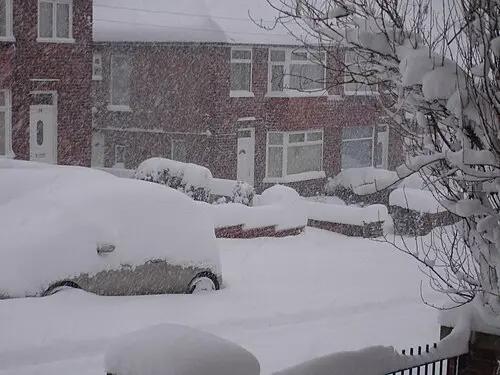
Winter 1946-1947 European Freeze
This season remains one of Europe’s coldest post-war winters, with February 1947 marking one of the harshest months on record. Widespread fuel shortages and record low temperatures created a humanitarian crisis, leading to thousands of deaths from hypothermia across the continent.
)
)
)
)
)