TMC, BJP make West Bengal Election campaign a 'fishy' affair: Phase 1 ends with a bit of 'jhalmuri', Phase 2 relies on 'revri'

West Bengal Phase 1 elections highlight a fierce Modi vs Mamata contest, blending welfare politics, identity narratives, temple outreach, and celebrity campaigning. BJP shifts from attacks to welfare promises, while TMC defends its schemes, making Bengal a symbolic ideological battleground.
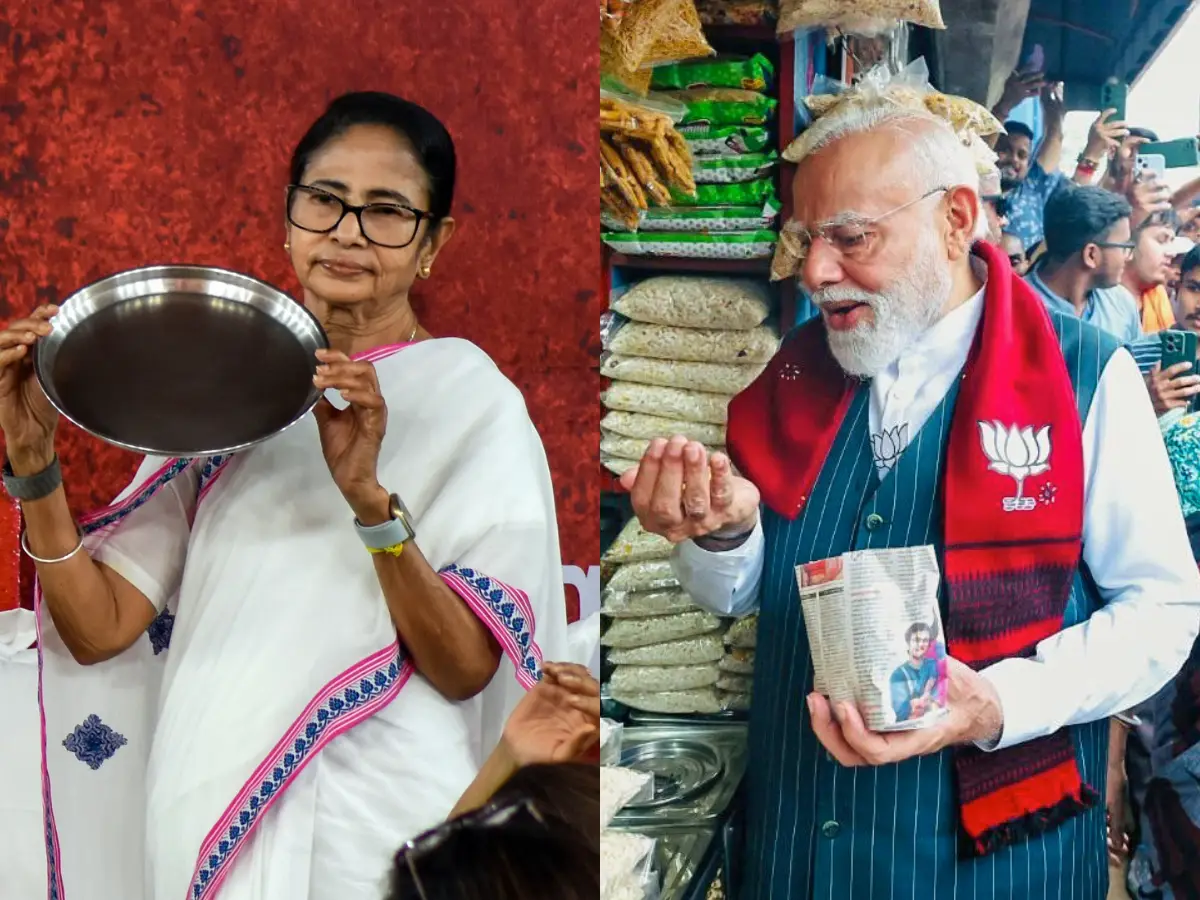
West Bengal Assembly Elections - Mamata vs Modi
The phase 1 of West Bengal Assembly Elections is on April 23. As the two prime contenders BJP and TMC wrapped up their campaigning in the poll-bound state, the fight is undoubtedly between Modi and Mamata. One - the CM Mamata Banerjee - who has her roots in Bengal’s political culture, while the other - the PM Narendra Modi - is a nationally influential force who is ruling the country since 12 years now. The polls are a direct and symbolic clash of leadership and ideology, thus making it one of the most keenly watched elections in the country. Here's a look at how the campaigning phase went by:
A 'FISHy' campaign
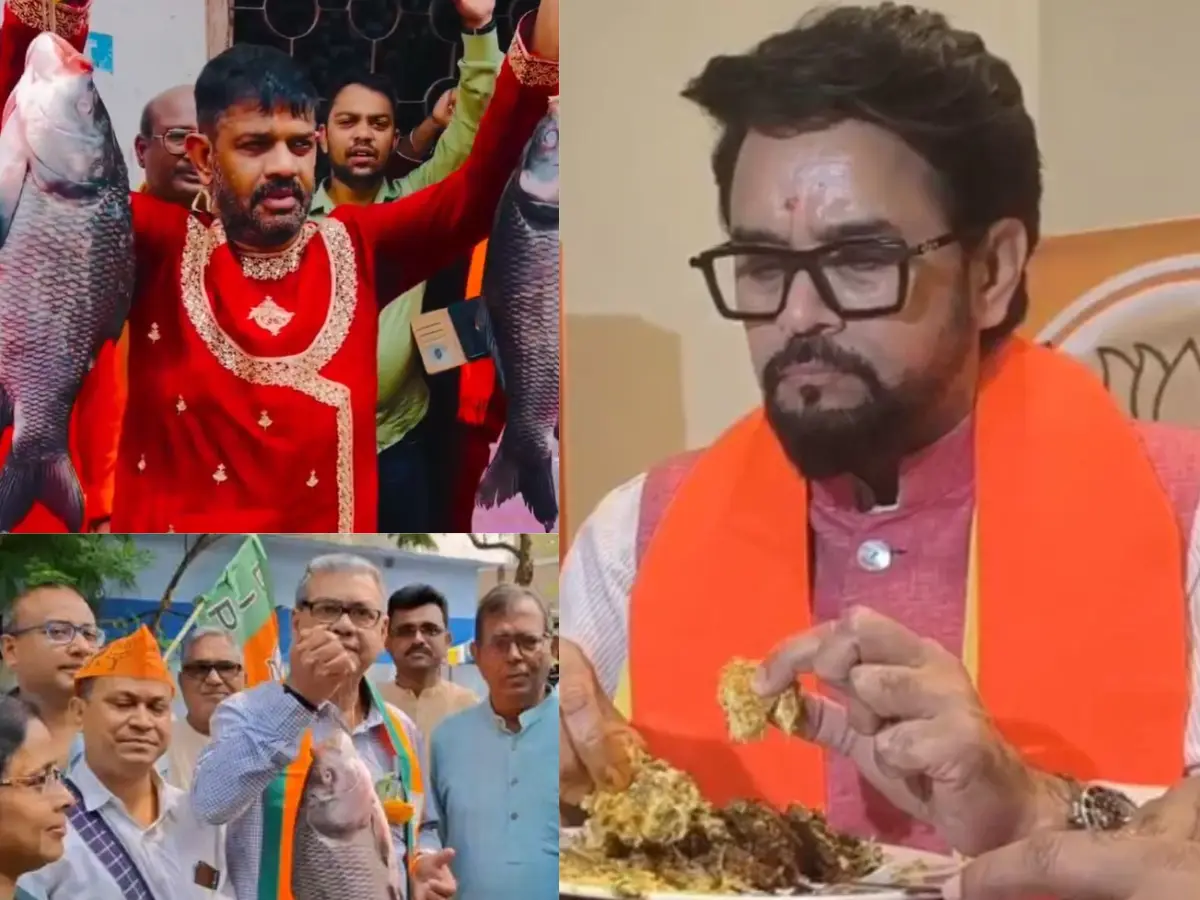
The outsider vs insider narrative boiled down to the nitty-gritty of what is served on a dinner plate — the TMC claimed the staple Bengali maach bhaat would be banned, while BJP leaders countered it by publicly eating sorshe maach to prove otherwise. It all started after TMC took the ‘outsider’ tag a bit too far with Chief Minister Mamata Banerjee claiming that the BJP, if voted to power in the state, would “stop the consumption of fish and eggs.” The kerfuffle caused by Didi prompted BJP to start, what is now being called “fish politics.” BJP state unit chief Samik Bhattacharya was seen carrying fish in hand during his campaign. BJP candidate Sharadwat Mukhopadhyay was also seen campaigning with a fish dangling from his hand. Another candidate Rakesh Singh went door-to-door carrying a fish. The visual spectacle got a final act by Union Minister Anurag Thakur when the saffron-clad BJP leader ate Bengalis much devoured ‘sorshe maach’ on camera, claiming it to be an answer to TMC's fake news.
Temple run vs secular image
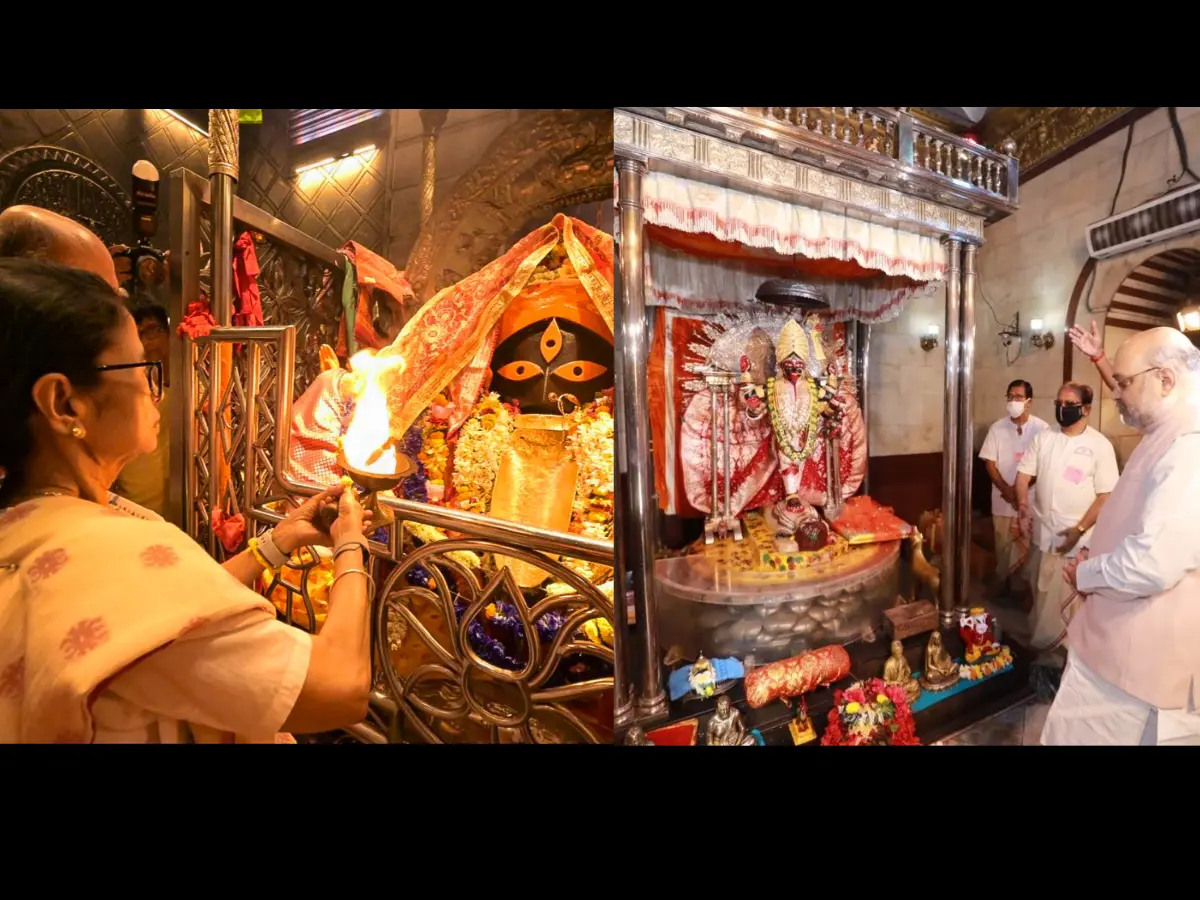
For a party that prides itself when called ‘Rambhakts" did not over-emphasize on “Jai Shri Ram” in Bengal and invoked deities such as Kali and Durga, and even local forms like “Maa Hantakali" in this year’s campaign. PM Narendra Modi held a huge rally in Kolkata’s Brigade Parade Ground, wherein the stage was designed to resemble the iconic Dakshineswar Kali. Home Minister Amit Shah went to many notable temples across the state including Thanthania Kali Bari, North Kolkata, ISKCON Mayapur, Mayapur, Nadia, Jalpesh Temple, Jalpaiguri and PM Modi visited Bishnupur Temples, Bankura and Matua related temples in North 24 Parganas. Interestingly, the BJP strategically did not visit newly made Jagannath Temple in Digha. While temple run did play a large role in BJP's high-profile campaign, TMC focussed on secular positioning, despite pro-Muslim accusations on it.
On the other side, Mamata Banerjee visited Dakshineswar Temple to offer prayers on Poila Boisakh. She also visited the newly inaugurated replica Jagannath Temple, Digha. She visited St Lucy Church, Jalpaiguri. She also held a “Sanhati Rally” (Rally for Harmony) and visited to all Radha Krishna temples along the route, alongside churches and mosques.
'Revdi' politics but make it the Bengal way
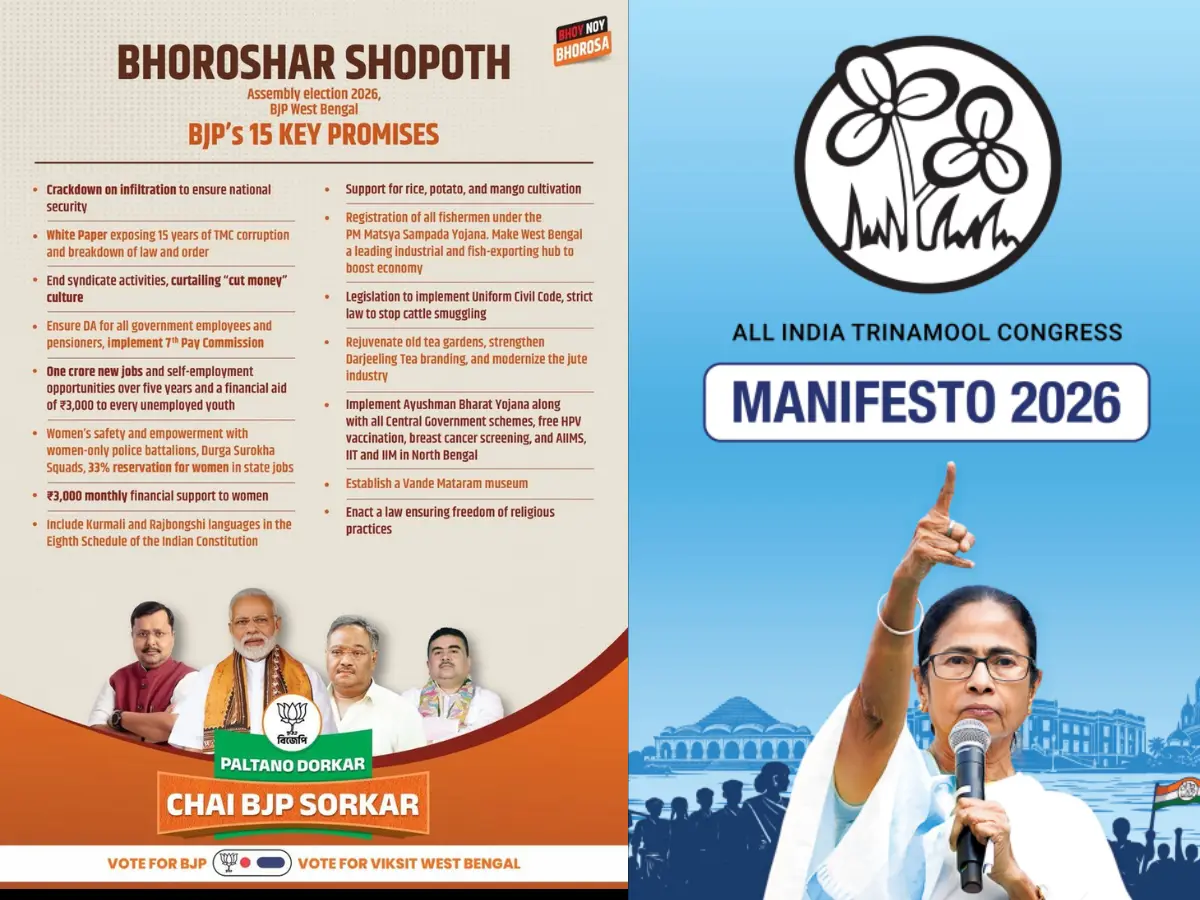
PM Modi has often criticised the "Revdi politics" but here in Bengal his party manifesto promising freebies. Learning from 2021, the BJP, this time did not attack Banerjee government's popular welfare programmes. Banerjee has gathered a formidable women support that leads to her party's electoral success because of schemes like 'Lakhir Bhandar' and ‘Yuva Sathi’. Instead of questioning the intent of the TMC government’s schemes, the BJP has shifted strategy to outbid them. The BJP has pledged to offer beneficiaries double or more than what is currently provided under Lakshmir Bhandar. State BJP president Samik Bhattacharya said that, if elected, the party would provide Rs 3,000 per month to women under an “Annapurna Yojana”, planned as a replacement. Yuva Sathi scheme will get a BJP transformation in form of “Yuva Shakti” scheme with significantly higher financial assistance. The TMC said that BJP's U turn proves their welfare model is good and cautions voters against being swayed by what it described as the BJP’s “false promises.”
'Didi-o-Didi' makes a comeback in the form of ‘Ei Didi’
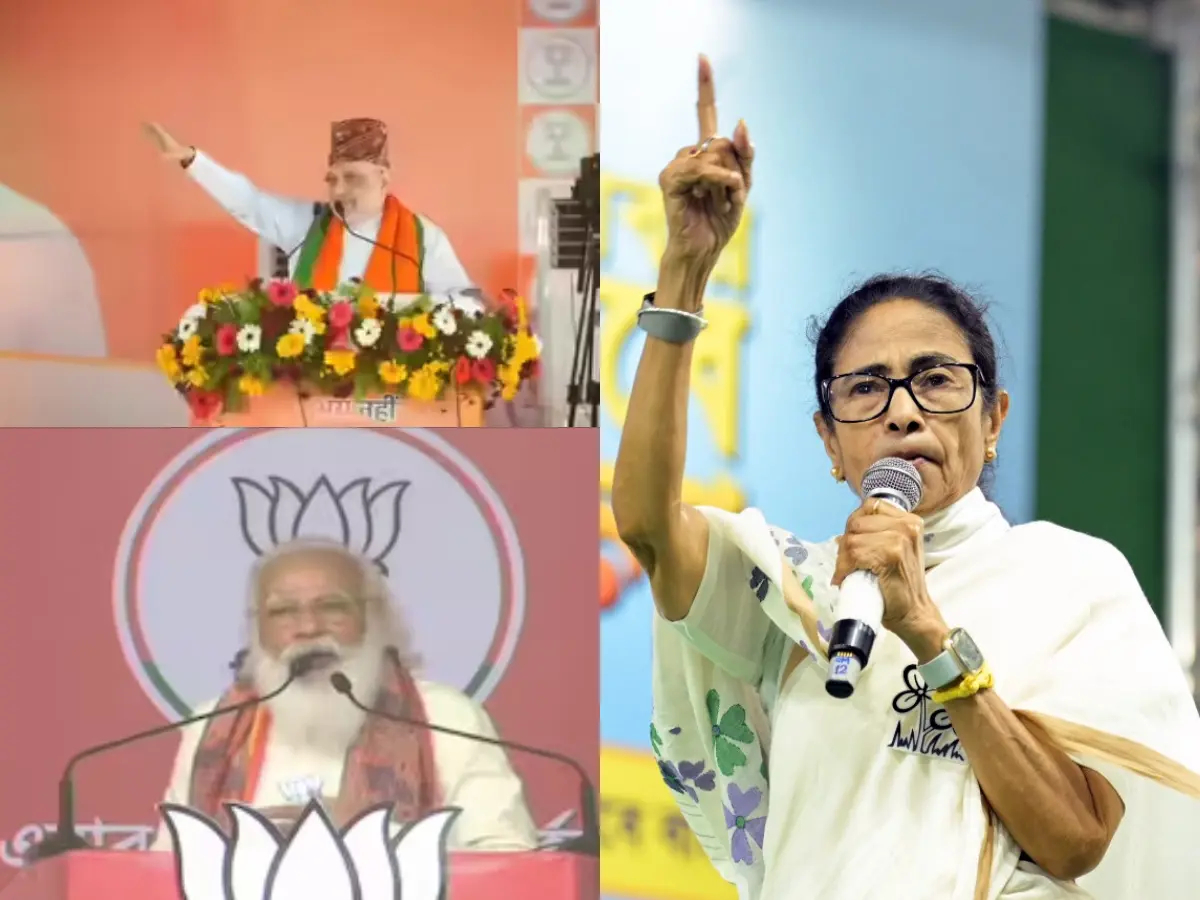
While the BJP largely avoided sustained direct personal attacks on the chief minister, shifting its focus instead toward Abhishek Banerjee in this year's elections, Union Home Minister Amit Shah's remark in Salboni has prompted TMC to bring back memories of ‘Didi-o-Didi’. In 2021, PM Modi used the term as a taunt to attack the alleged corrupt ways of TMC under Mamata Banerjee. However, critics pointed out that it was read by voters as personal attacks on the state's CM. BJP might have surely learnt its lesson and directed its attack on Abhishek Banerjee claiming in several rallies that vote for TMC is a vote for “bhaipo (nephew) raj”. However, TMC got its opportunity after Shah said: “Ei Didi, listen carefully, Bengal is in India. We will not let any Kabir or Akbar build a Babri Masjid here.” TMC termed it as “catcalling” and prophesized BJP's defeat because of "insult to a woman."
Celebrity star campaigners: From TMC's Dev to BJP's Kangana
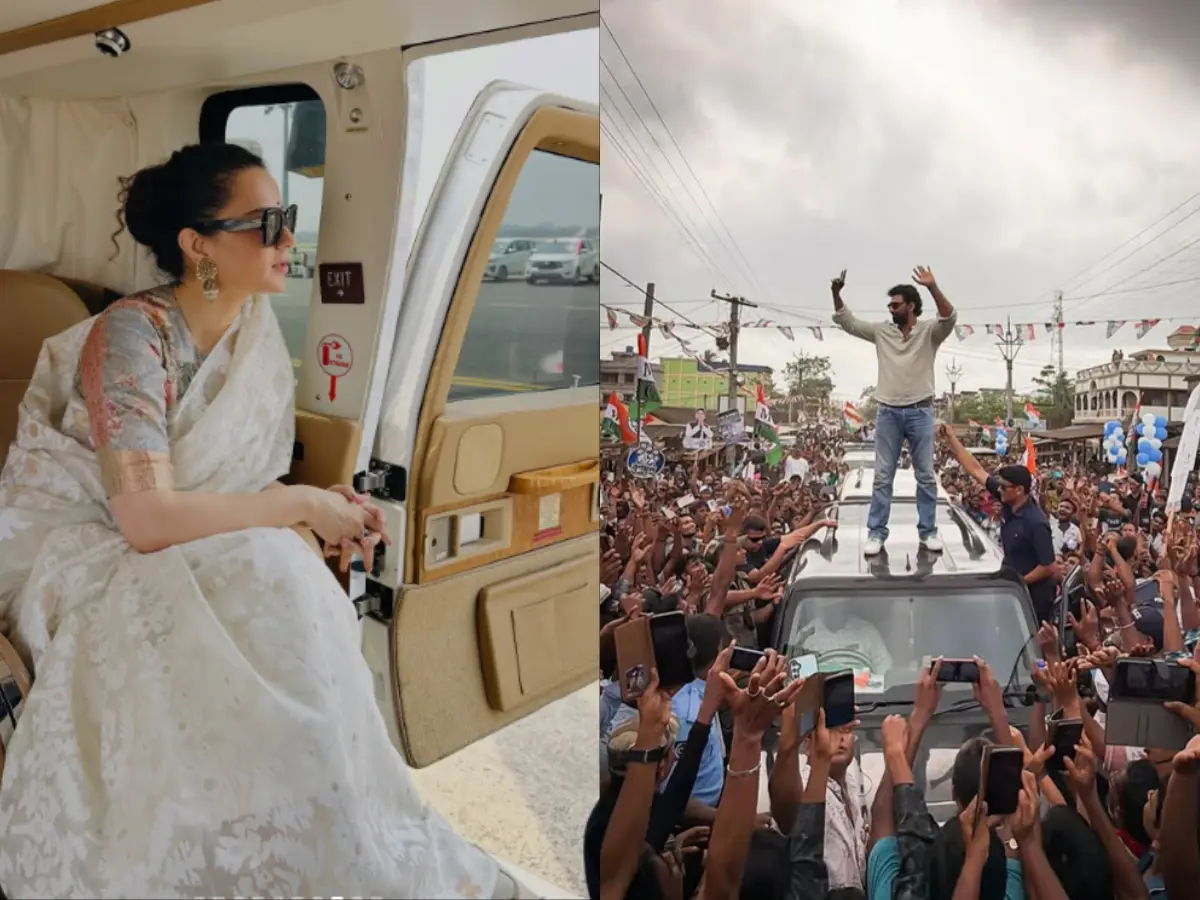
Celebrity campaigners have emerged as high-visibility amplifiers in West Bengal’s electoral battle, with both sides leveraging star power to shape public perception. TMC already has a pool of actors who have turned politicians. BJP sky-dropped a few in Bengal to sway the Bengalis. TMC's Dev aka MP Deepak Adhikari is known to attract thousands in his rallies and he quite effortlessly did so while touring the poll-bound constituemcies. BJP relied on women-power Kangana Ranaut and Smriti Irani to energise supporters and drive media attention. Kangana sent a subtle message drapped in Jamdani, while Irani spoke Bengali to woo the voters.
Silent period: Liquor ban extension to ban on motorcycles
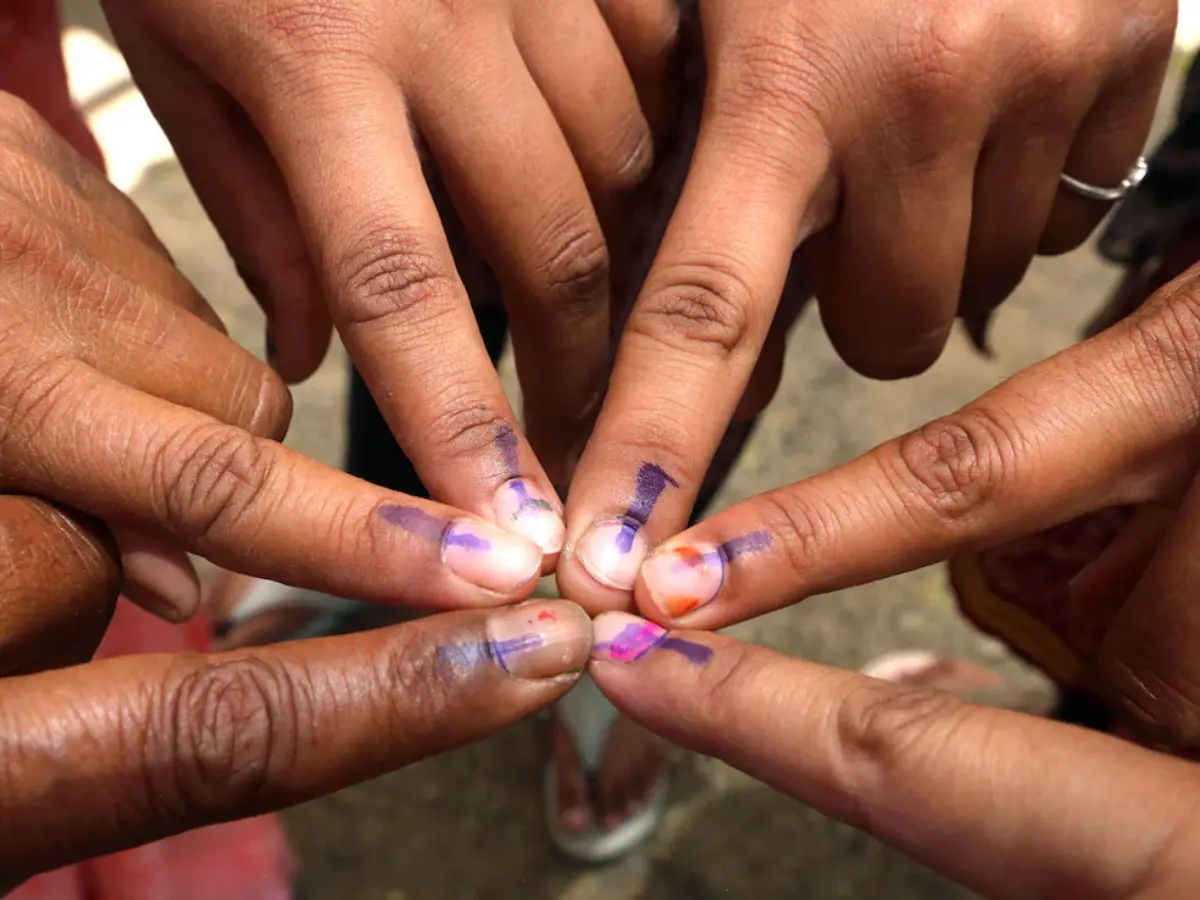
As the state gears up for the first phase of elections, the Election Commission has taken some unusual steps. Acting on reports of an “unusual spurt” in liquor sales during the Model Code of Conduct period, authorities have extended the mandatory closure of liquor shops from 48 hours to 96 hours ahead of polling. District administrations, including South and North 24 Parganas, have enforced this—April 20–23 for Phase I (April 23) and April 25–29 for Phase II (April 29). Counting day on May 4 has also been declared a dry day. The state Chief Electoral Officer has imposed strict restrictions on motorcycle use to prevent intimidation and disruption. Motorcycle rallies are completely banned, while night riding (6pm–6am) is prohibited except for emergencies or essential needs. Pillion riding is restricted during the day (6am–6pm), with limited exemptions for medical needs, family functions, and essential activities like school transport. On polling day, family pillion riding is allowed for voting and necessary travel.
For now, the Bengal voters have decided and are ready to cast their votes in the first phase of the polls. The parties have already started campaigning for the second phase. It remains to be seen what Bengal, the land of art and literature, chooses: a flower grown in grass or a flower grown in mud!
)
)
)
)
)