Tit-for-tat? What are the eight Gulf bridges on Iran’s retaliation list after US blows up Tehran’s largest bridge

Regarded as one of Iran’s tallest structures, the bridge served as a vital transport artery linking Tehran with to the northern regions, carrying both civilian and commercial traffic.
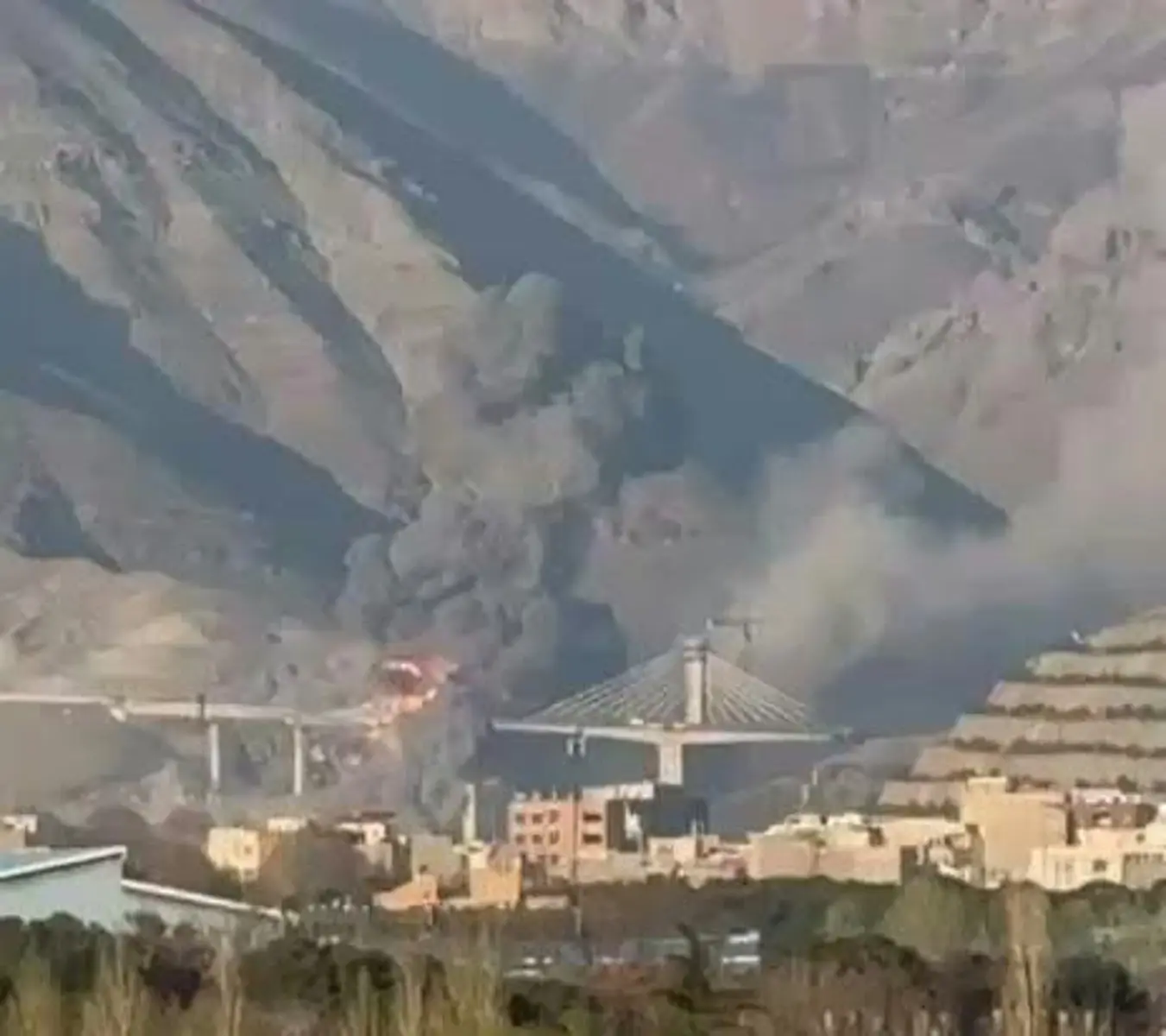
Strike on Karaj’s B1 bridge
Iran has released a list of eight major bridges across the Middle East, signalling a possible ‘tit-for-tat’ response after a US-Israeli strike on key infrastructure in the northern city of Karaj. The move follows a significant escalation triggered by the United States’ airstrike on the B1 bridge in Alborz province. Regarded as one of Iran’s tallest structures, the bridge served as a vital transport artery linking Tehran with to the northern regions, carrying both civilian and commercial traffic. Tehran condemned the attack as a direct strike on civilian infrastructure and warned that similar assets across the region could now be at risk. Shortly afterwards, Iran’s semi-official Fars News Agency published what it described as a list of eight major bridges in the Gulf and neighbouring areas, indicating they could be potential targets in any retaliatory action by the Islamic Revolutionary Guard Corps.
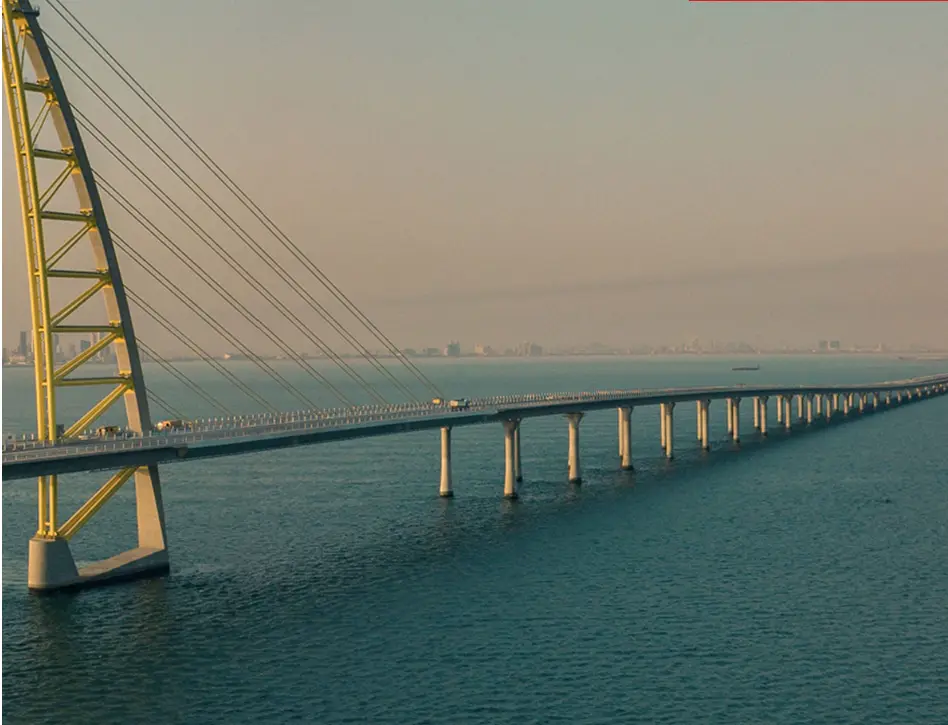
Sheikh Jaber Al-Ahmad Al-Sabah Bridge
The Sheikh Jaber Al-Ahmad Al-Sabah Bridge in Kuwait is among the most prominent structures listed. Stretching roughly 36 kilometres across Kuwait Bay, it significantly reduces travel time between Kuwait City and the northern regions. Its scale and economic importance make it a critical national asset.
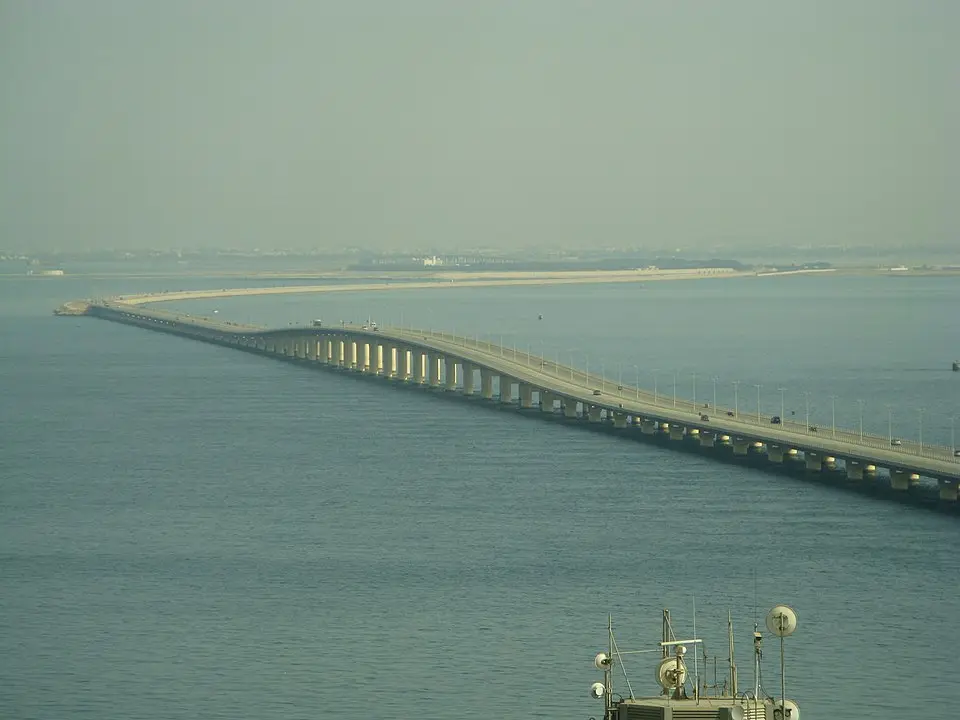
King Fahd Bridge
The King Fahd Causeway, a 25-kilometre network of bridges and embankments, links Saudi Arabia with Bahrain and serves as a crucial cross-border route in the Gulf. Opened in 1986, it supports heavy daily commuter traffic and trade flows between the two countries. Comprising multiple bridges and artificial islands, it remains one of the region’s busiest and most strategically important transport corridors.
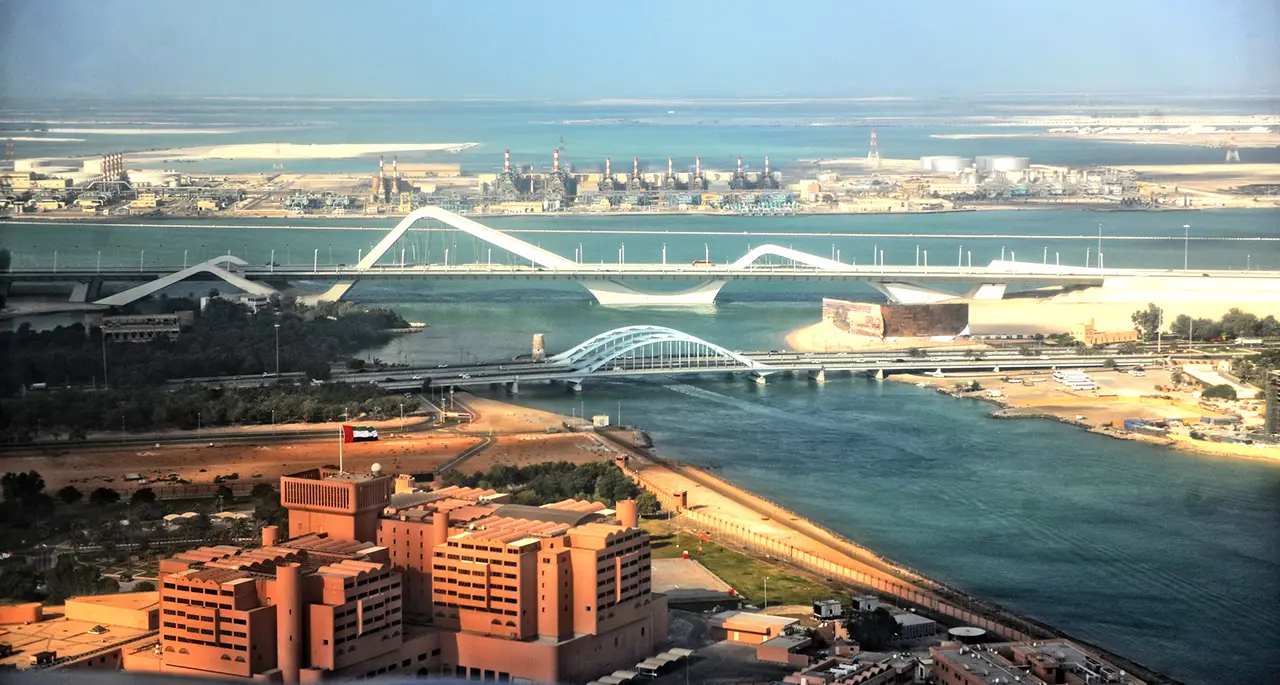
Sheikh Zayed Bridge
The Sheikh Zayed Bridge in Abu Dhabi is a major gateway to the capital, connecting the mainland to the island city. Spanning about 842 metres, it is known for its distinctive wave-like design inspired by desert dunes. The bridge carries heavy daily traffic and plays a key role in easing congestion while linking key residential, commercial and cultural districts.
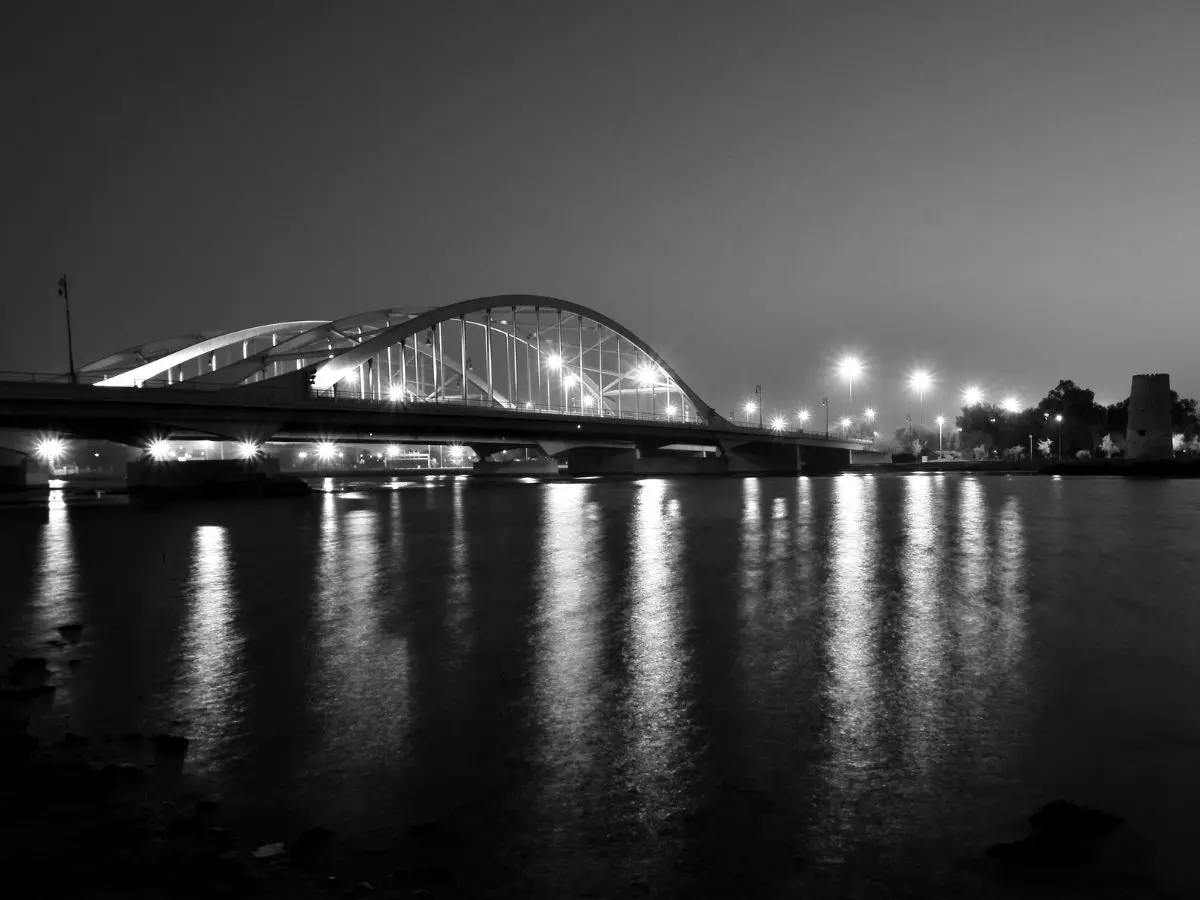
Al-Maqta Bridge
The Al-Maqta Bridge in Abu Dhabi is one of the city’s oldest and most important crossings, linking the mainland to Abu Dhabi island. Spanning around 300 metres, it carries steady commuter and commercial traffic. Despite newer bridges, it remains a key route due to its location near the historic Maqta area and its role in daily connectivity.
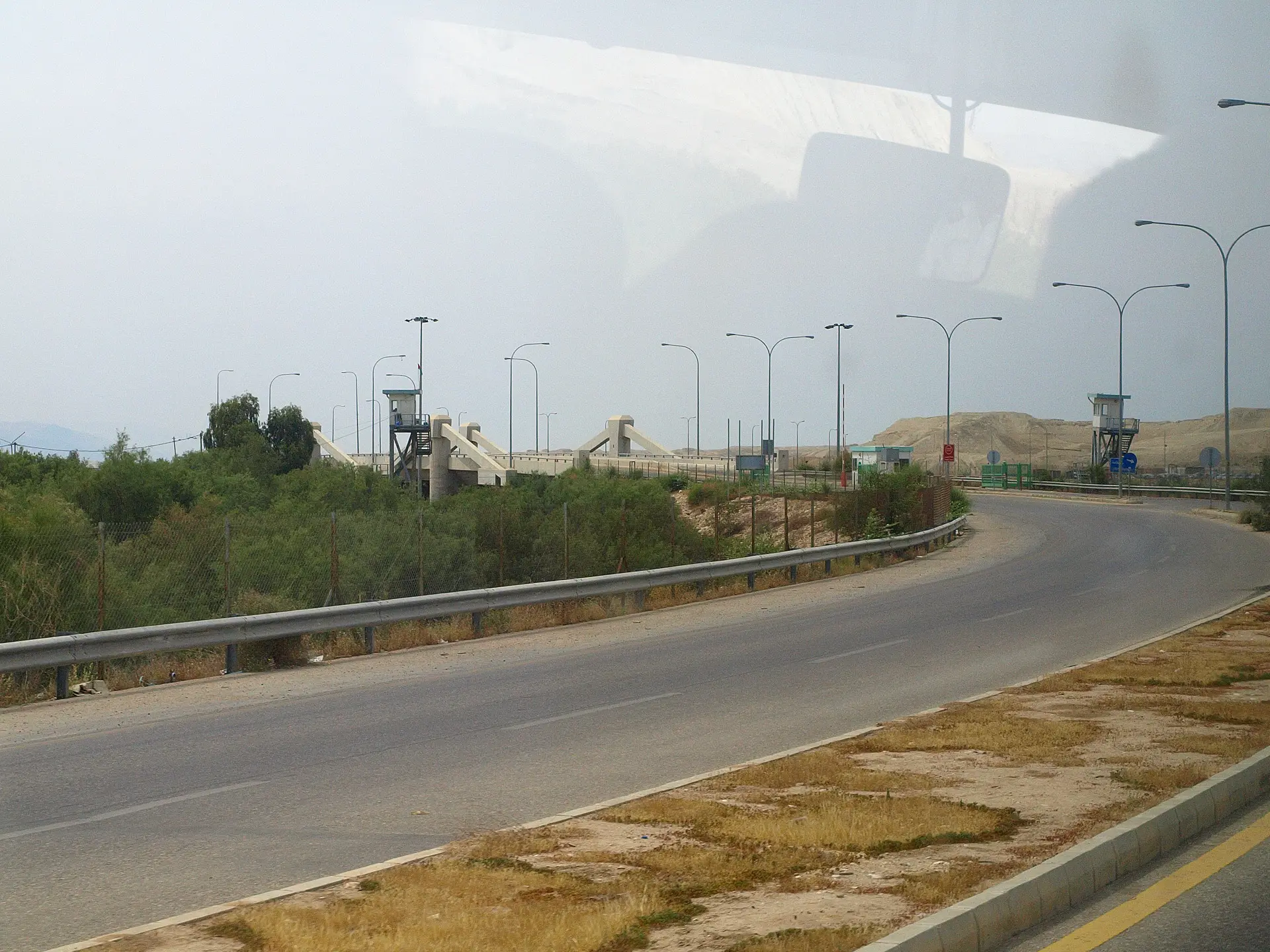
Al-Nabi King Hussein Bridge
The King Hussein Bridge, also known as the Allenby Bridge, is a key crossing over the Jordan River linking Jordan with the West Bank. Spanning about 80 metres, it is one of the most important transit points in the region, handling civilian movement, trade and humanitarian travel under tightly controlled conditions.
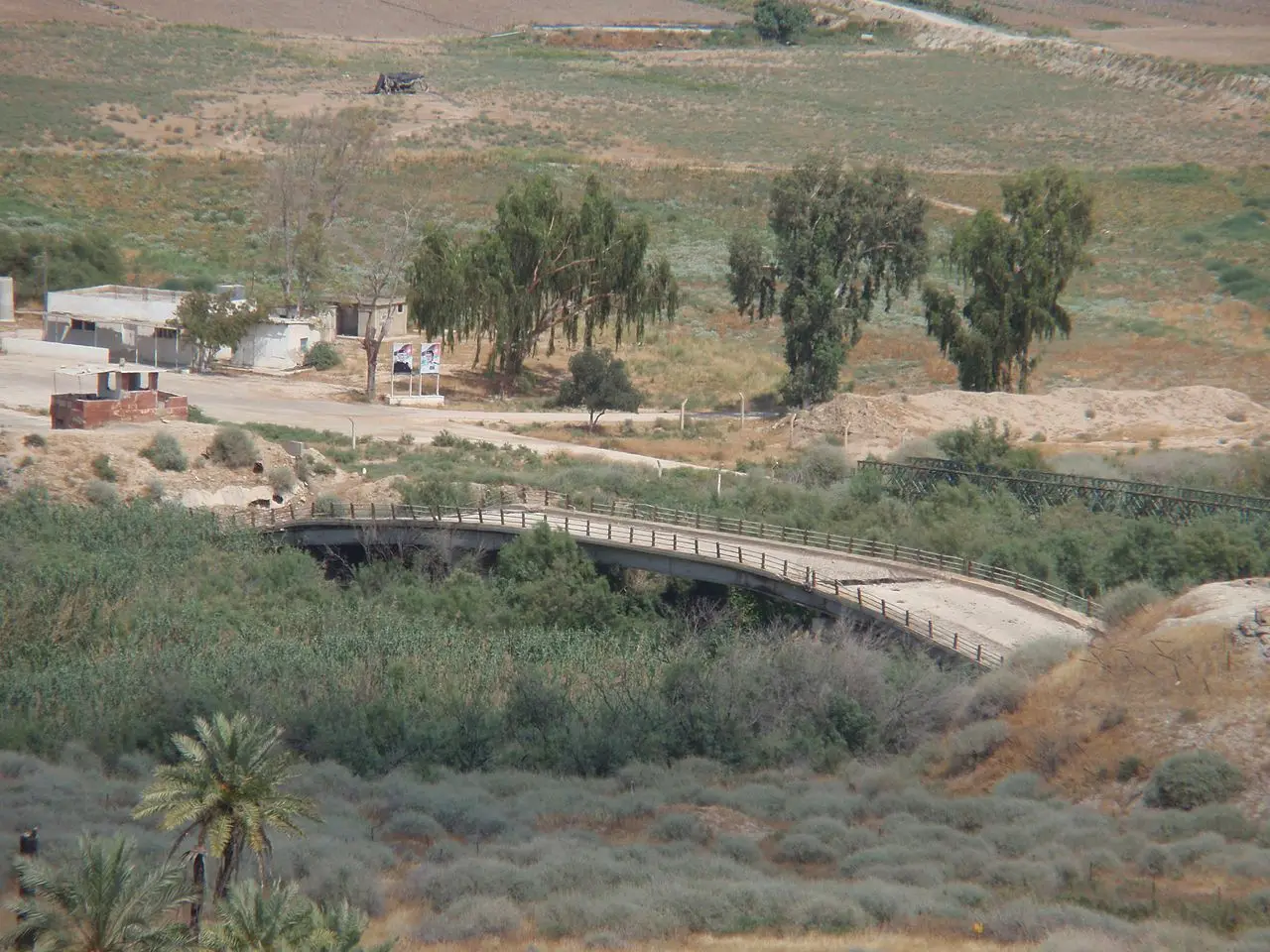
Damiya Adam Bridge
The Damiya (Adam) Bridge is a crossing over the Jordan River linking Jordan with the West Bank. Stretching around 120 metres, it has historically served as an important route for movement and trade. Though less prominent than the King Hussein Bridge, it retains strategic and logistical significance in the region.
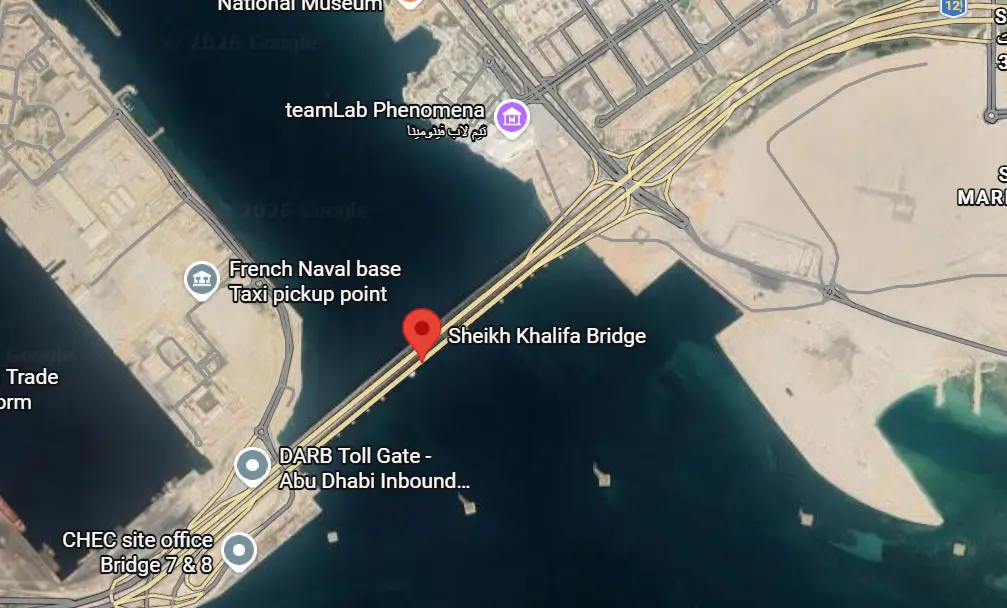
Sheikh Khalifa Bridge
The Sheikh Khalifa Bridge in Abu Dhabi spans around 1,400 metres and connects the mainland to key areas including Saadiyat Island. It is a vital route for both residential and commercial traffic, supporting access to cultural districts and new developments, and plays an important role in the emirate’s urban expansion.
Jesser Abdoun Bridge
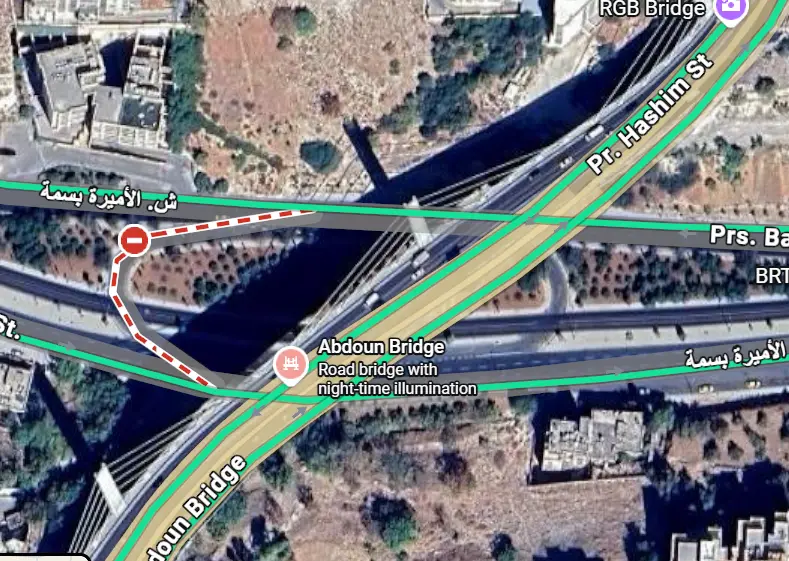
The Abdoun Bridge in Amman, also known as the Wadi Abdoun Bridge, spans about 425 metres and links the eastern and western parts of the city. Opened in 2006, it is one of Jordan’s most prominent urban crossings, helping ease traffic congestion while serving as a key route for daily commuters.
What did Trump say?
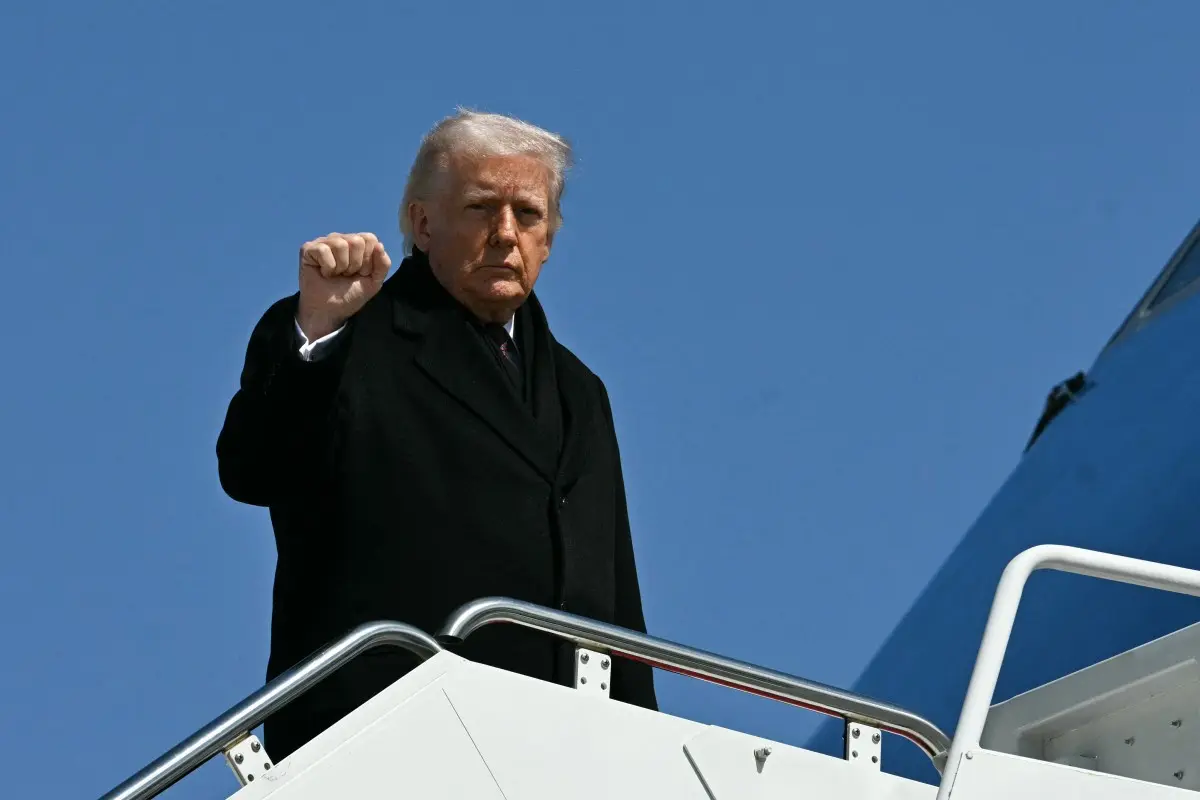
US President Donald Trump took to Truth Social to praise the strike, indicating that further attacks could be imminent. “The biggest bridge in Iran comes tumbling down, never to be used again. Much more to follow!” he wrote. The B1 bridge, regarded as one of Iran’s most advanced infrastructure projects, stretches close to 1,000 metres. Regional tensions have intensified sharply since the United States and Israel launched a joint offensive on February 28. The campaign has reportedly resulted in more than 1,340 deaths, including Iran’s Supreme Leader Ali Khamenei.
)
)
)
)
)