Tiny space suit flaws that could kill in seconds

Even the tiniest flaw in a space suit like a small crack or faulty seal can be deadly in space. Discover how astronauts stay safe, what goes wrong, and why constant improvements are still needed.
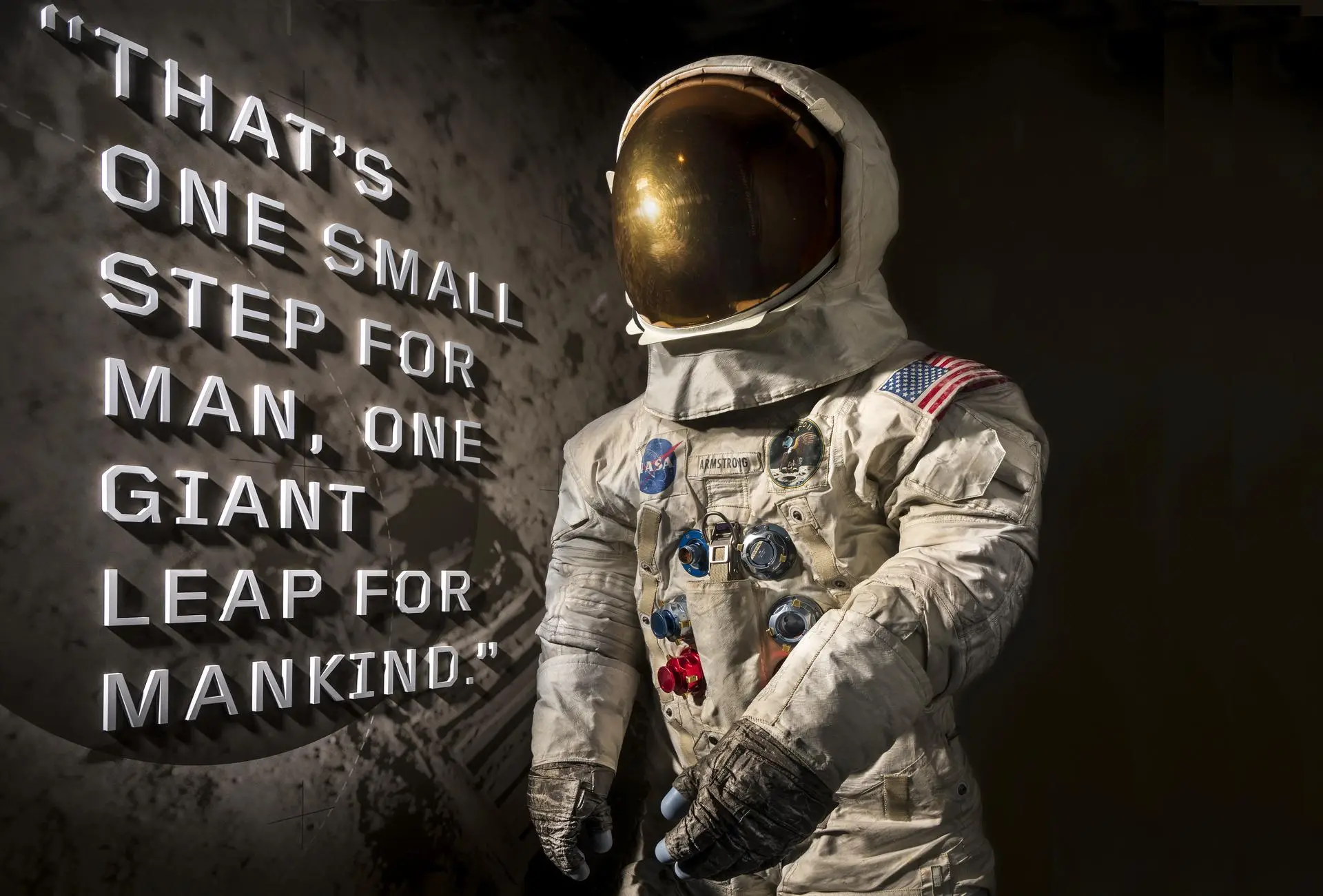
Space suits protect astronauts
Space suits protect astronauts from the harsh environment of space, but tiny flaws can quickly become life-threatening. A small crack in the visor or a simple tear in a glove could let in the vacuum of space, causing severe dangers.
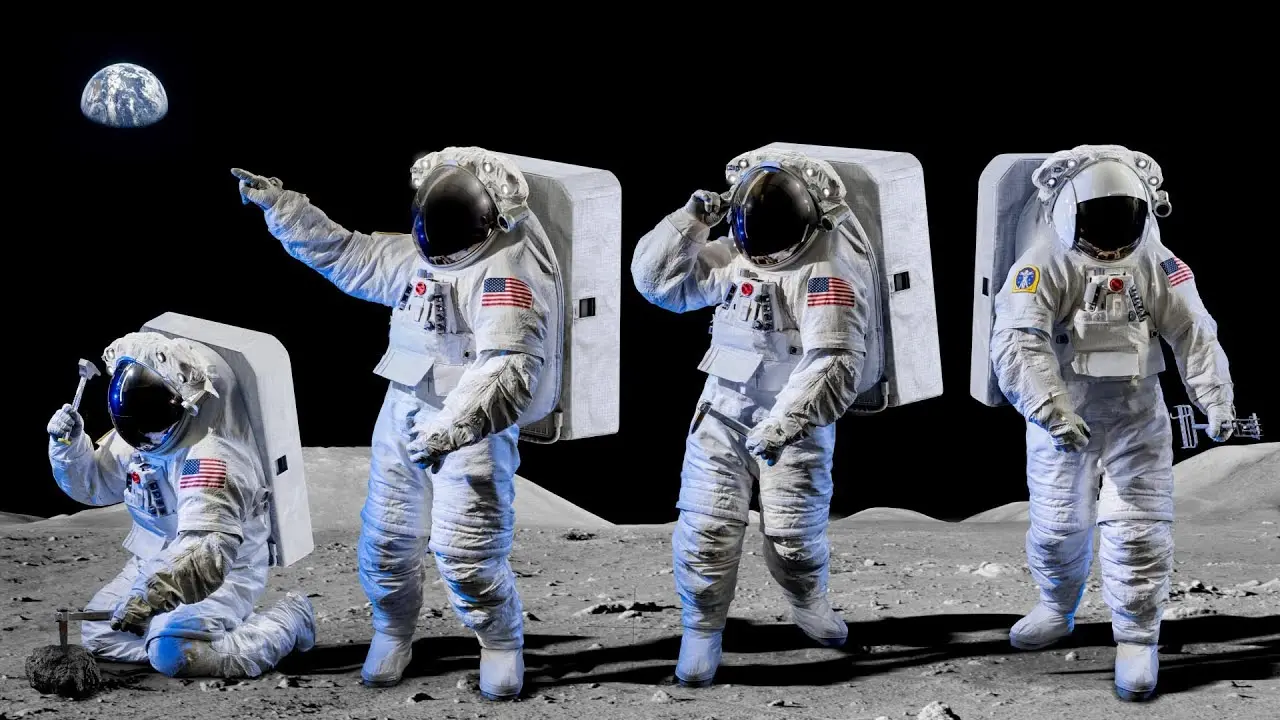
NASA trains astronauts
If the visor cracks, the sudden loss of pressure can cause decompression sickness, where blood gases form bubbles causing pain, unconsciousness or death within seconds. NASA trains astronauts to react immediately to prevent disaster.
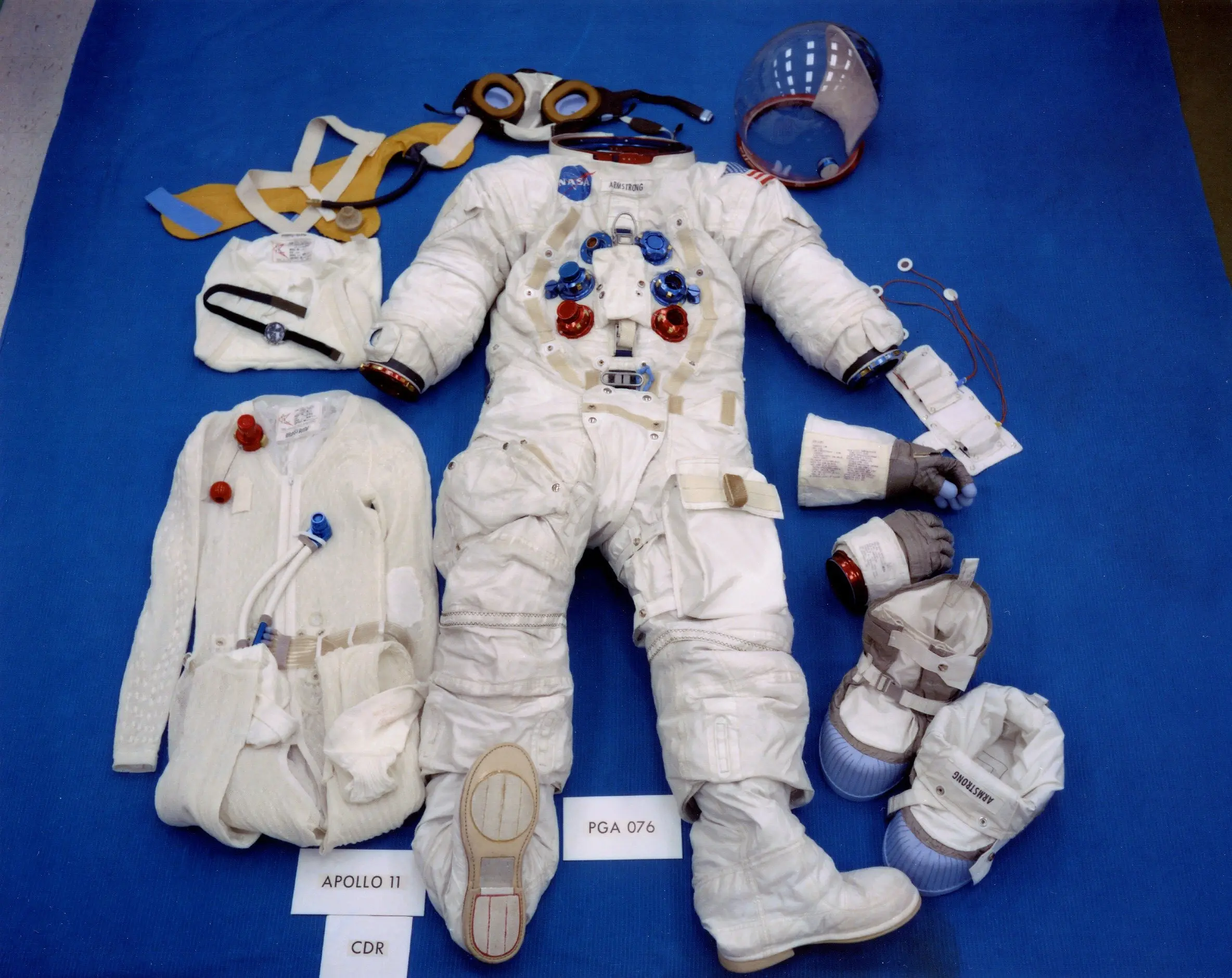
Gloves are one of the most vulnerable parts
Gloves are one of the most vulnerable parts. They face constant wear and tear from sharp edges and micrometeoroids. Even minor cuts can lead to rapid depressurisation, forcing early end to spacewalks or worse.
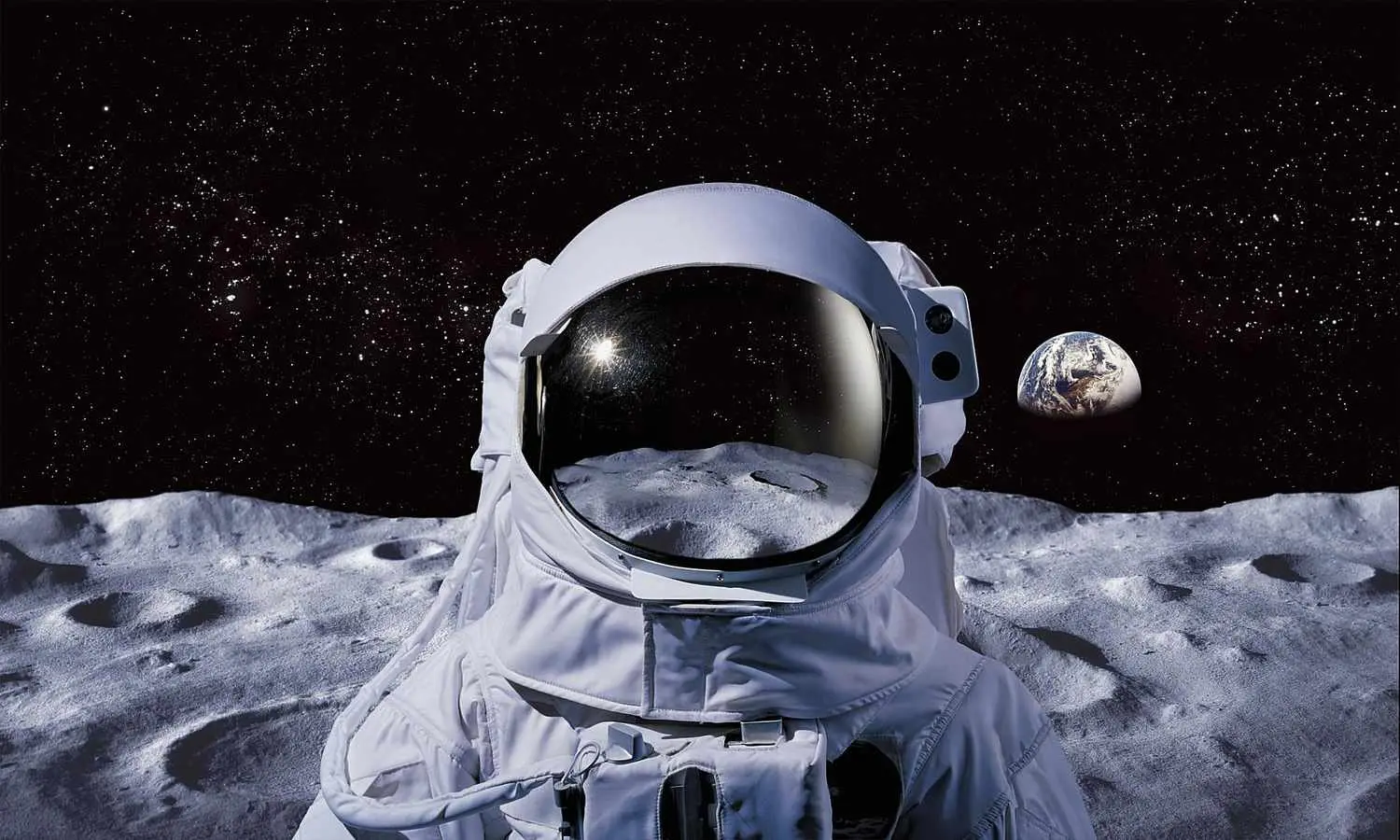
Faulty seals or malfunctioning joints
Faulty seals or malfunctioning joints can cause slow leaks that are even harder to detect. Over time, oxygen loss leads to hypoxia when the brain lacks oxygen which can quickly incapacitate a person in space.
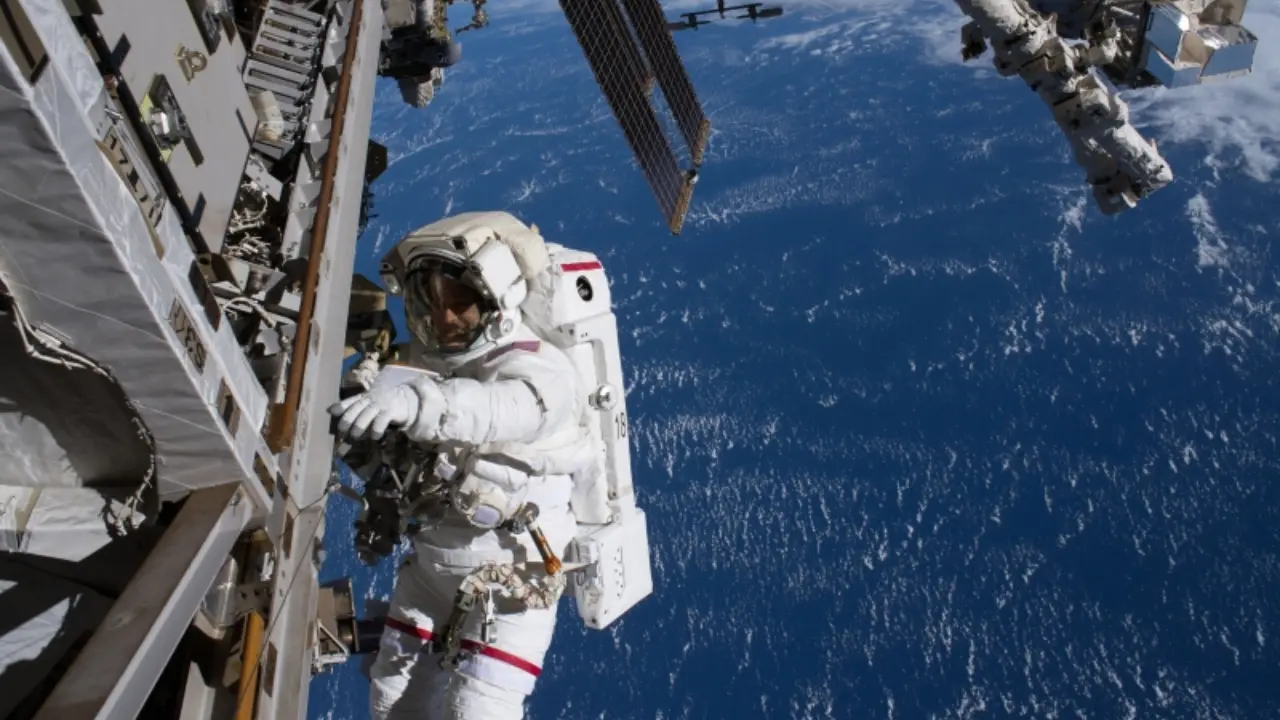
Spacesuit failures
NASA has had close calls due to spacesuit failures. In 2013, astronaut Luca Parmitano encountered a water leak inside his helmet, forcing an emergency return. Such incidents show even the best suits can encounter problems.

Spacesuits include backup systems
Spacesuits include backup systems like oxygen tanks and propulsion to return to the spacecraft but safety depends on early detection and astronaut response. Teams on Earth monitor suit status and advise in emergencies.
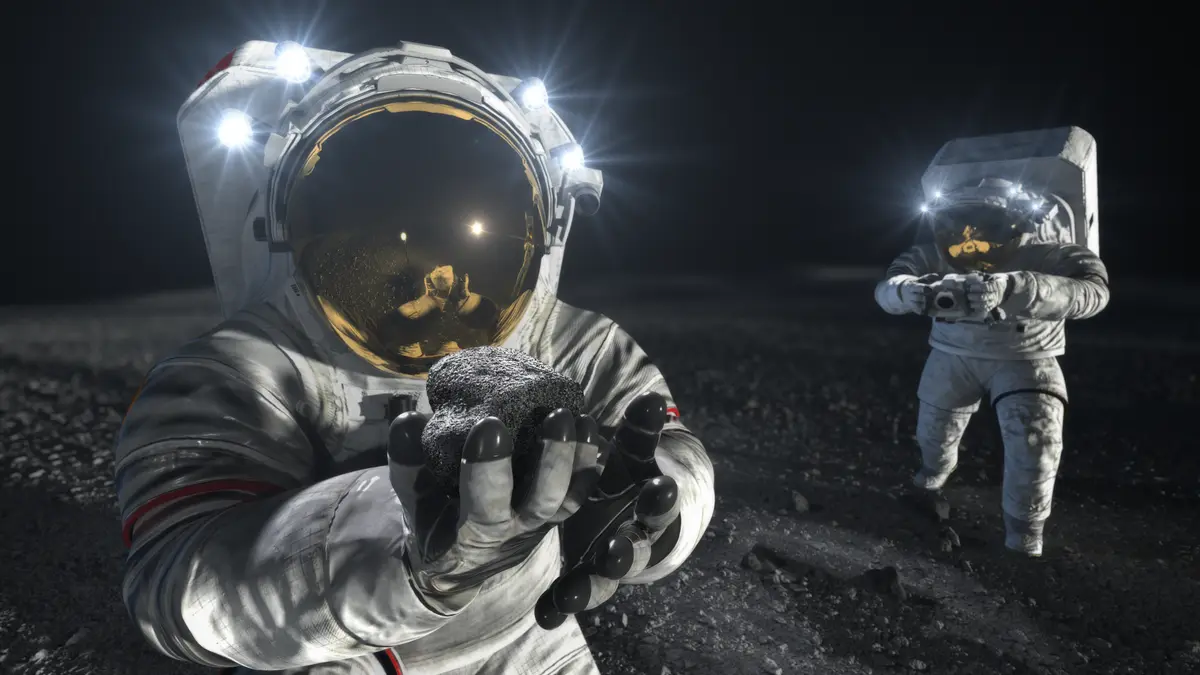
Design
Despite expert design and costly materials, space suit flaws remain a serious risk. Continual improvements and strict checks are vital to keep astronauts safe.
)
)
)
)
)