Tibet animal poop containing 'unknown microbes' could be China's new bioweapon — How it can be used and misused

Chinese scientists have discovered thousands of unknown microbes in animal faeces from the Qinghai-Tibet Plateau, with 88% never recorded before. The microbes may help gene editing, cellulose breakdown and methane reduction, raising both biotech opportunity and dual-use concerns.
Previously unknown microbes found in Tibet
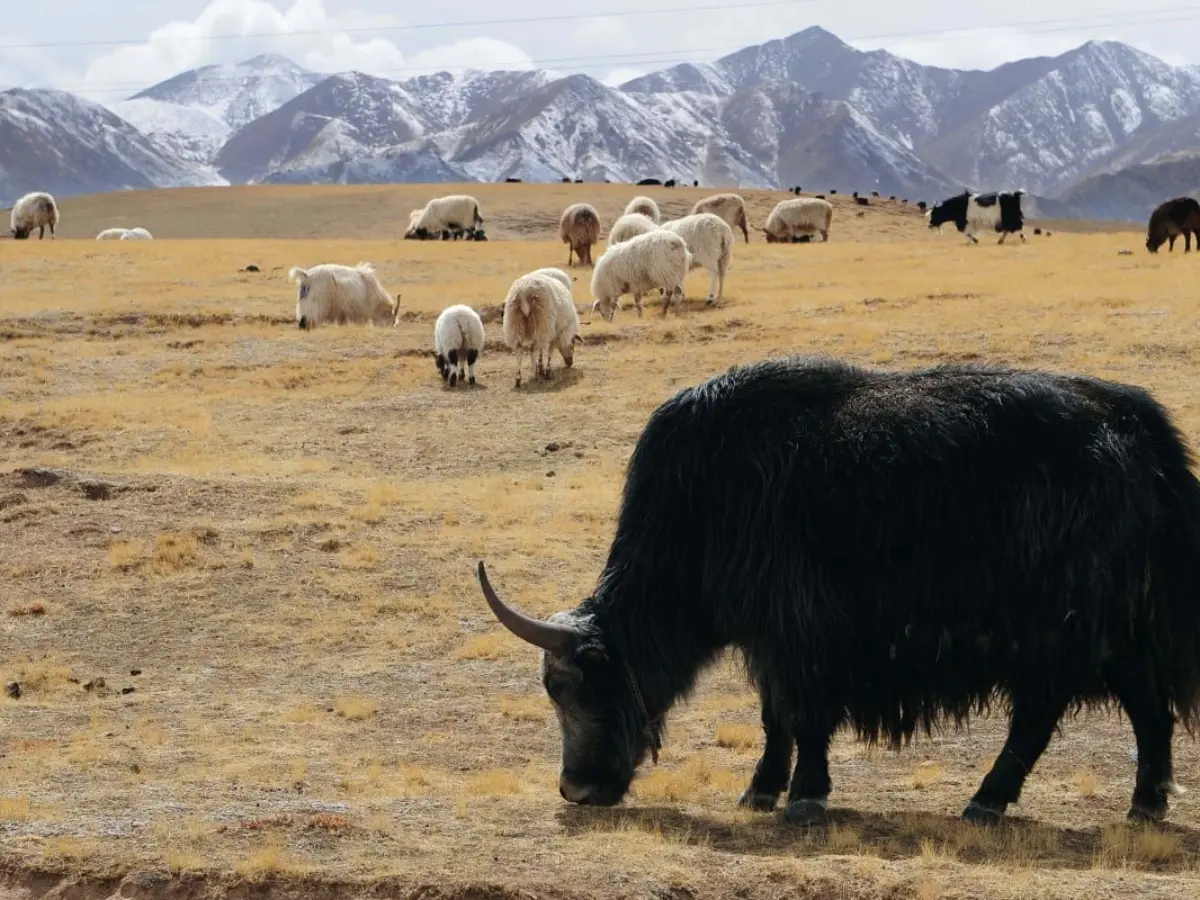
In the icy expanse of the Qinghai-Tibet Plateau, researchers have found animal faeces filled with previously unknown microbes.
What the researchers found about these microbes?
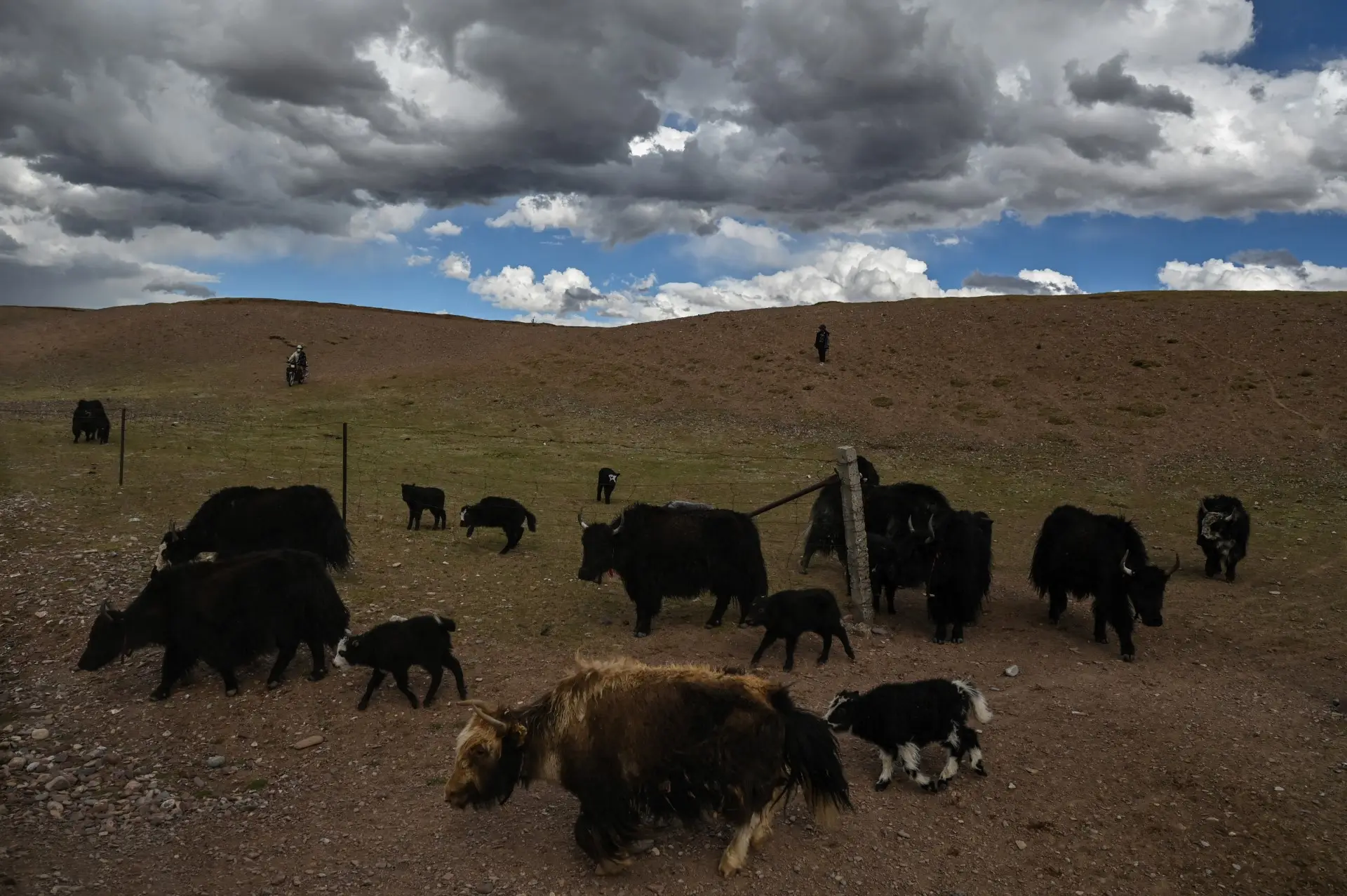
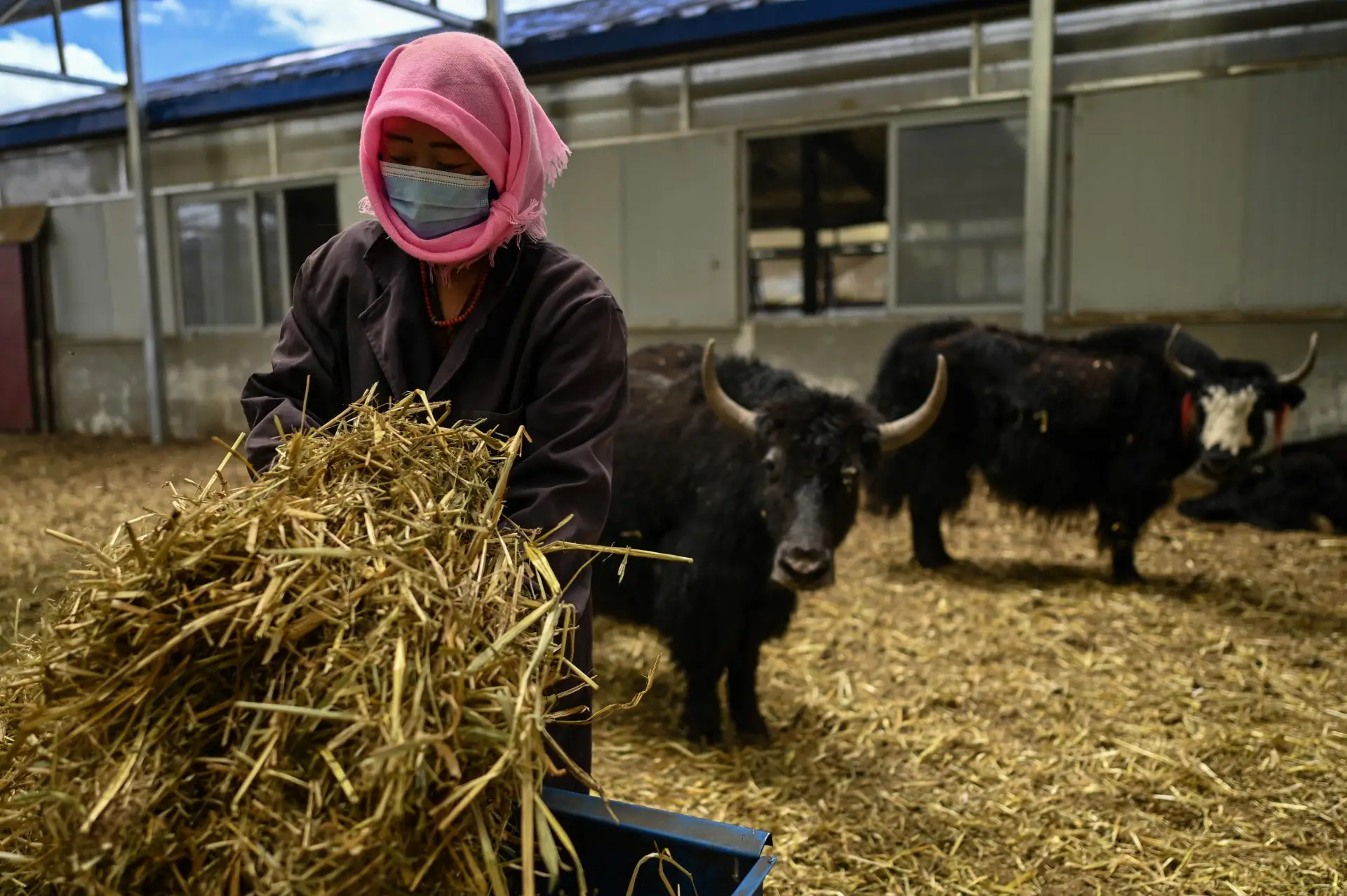
A five-year study found that poop from yaks, Tibetan sheep, antelope, cattle, wild asses (kiangs) and horses contains thousands of microbial species never identified before. The findings were published in the peer-reviewed journal Microbiome. “Animals living in harsh environments are promising sources for the discovery of novel biological functions of gut-residing microbes,” the research team wrote.
88% of microbes found were unknown
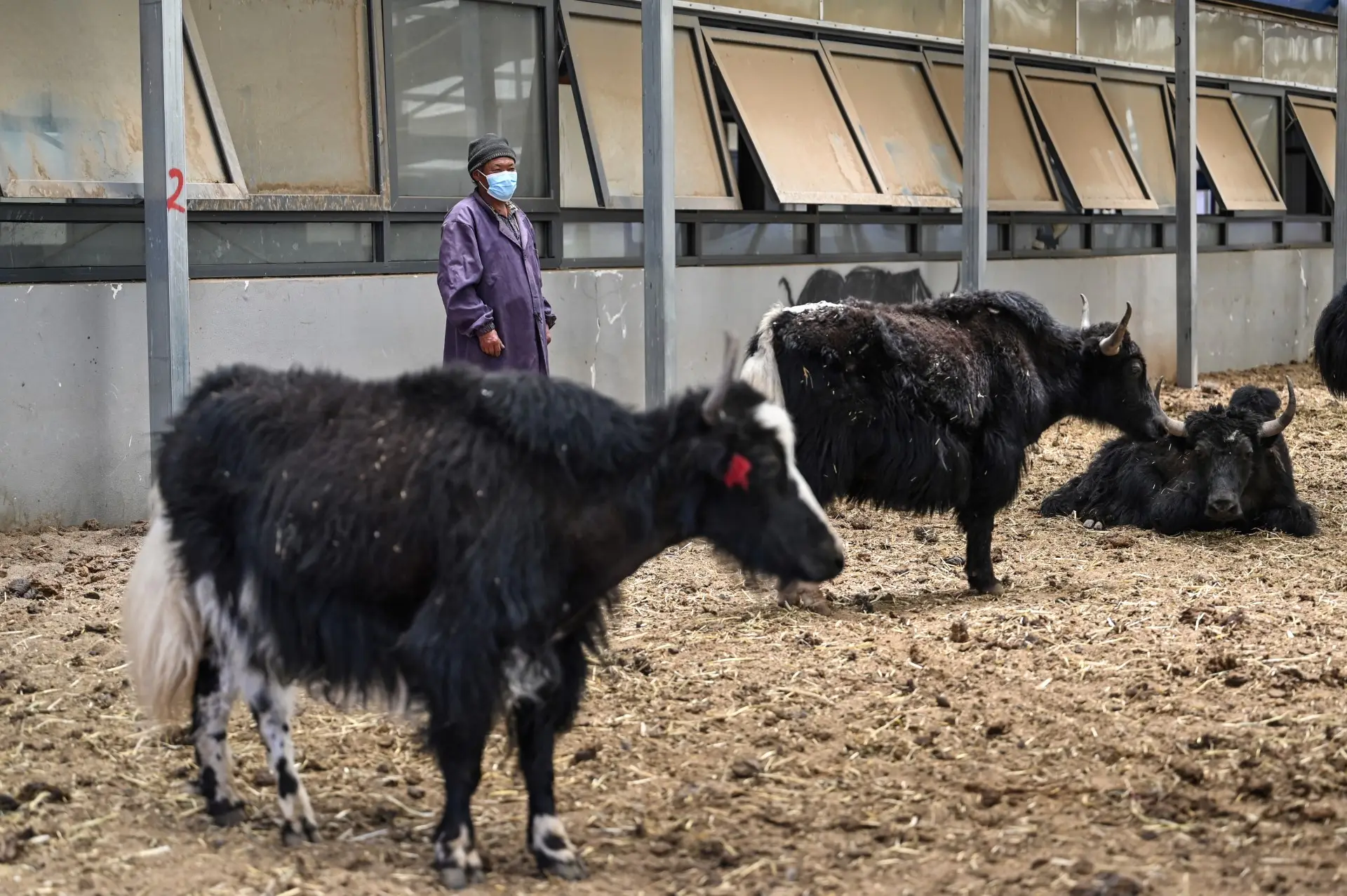
Scientists from Yunnan University and BGI-Research collected more than 5,000 fresh samples and analysed 1,412 so far. The results were staggering: 88% of microbial species had never been documented. The study marks the first comprehensive map of native mammal gut microbiomes from the plateau.
Importance of these microbes
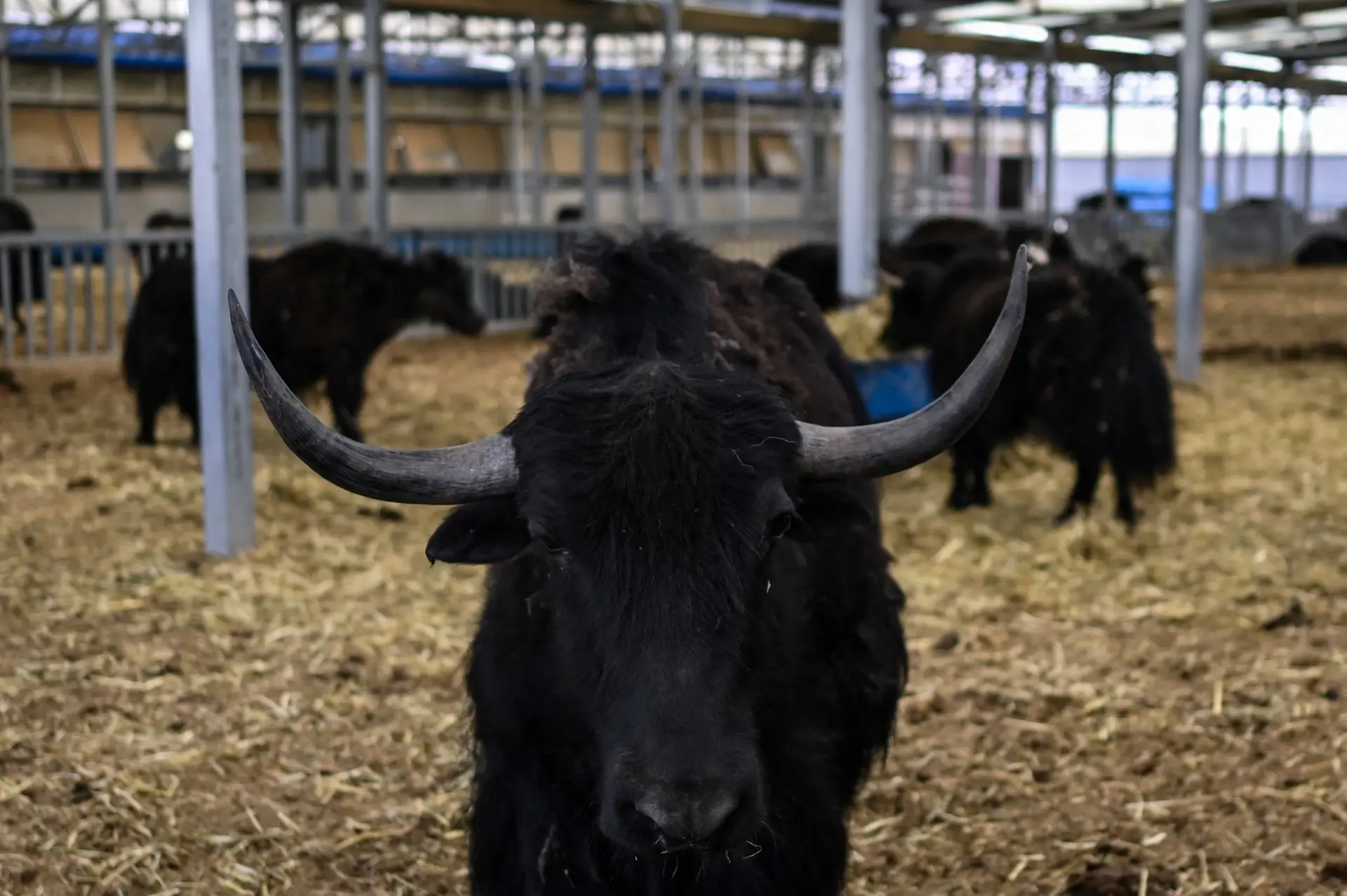
These microbes may be used for cellulose breakdown to methane-reducing livestock supplements that could cut agricultural emissions. Some strains may even lead to new genetic engineering tools, gene editing (CRISPR-like enzymes), metabolic manipulation.
How it can be used as bioweapon?
While the study is framed as environmental biotechnology, the same microbial tools could have dual-use potential. Since the microbes are not previously known, in a worst-case misuse scenario, a pathogen built from such microbes may be harder to detect or defend against. China’s scientists say they are only at the beginning.
)
)
)
)
)