Thunderous roar: How loud is a B-52 bomber?

Powered by eight TF33 turbofan engines, the B-52 bomber produces a thunderous roar, with military jets hitting up to 130 decibels during takeoff. An upcoming upgrade will replace these ancient powerplants with quieter Rolls-Royce F130 engines.Untitled Summary
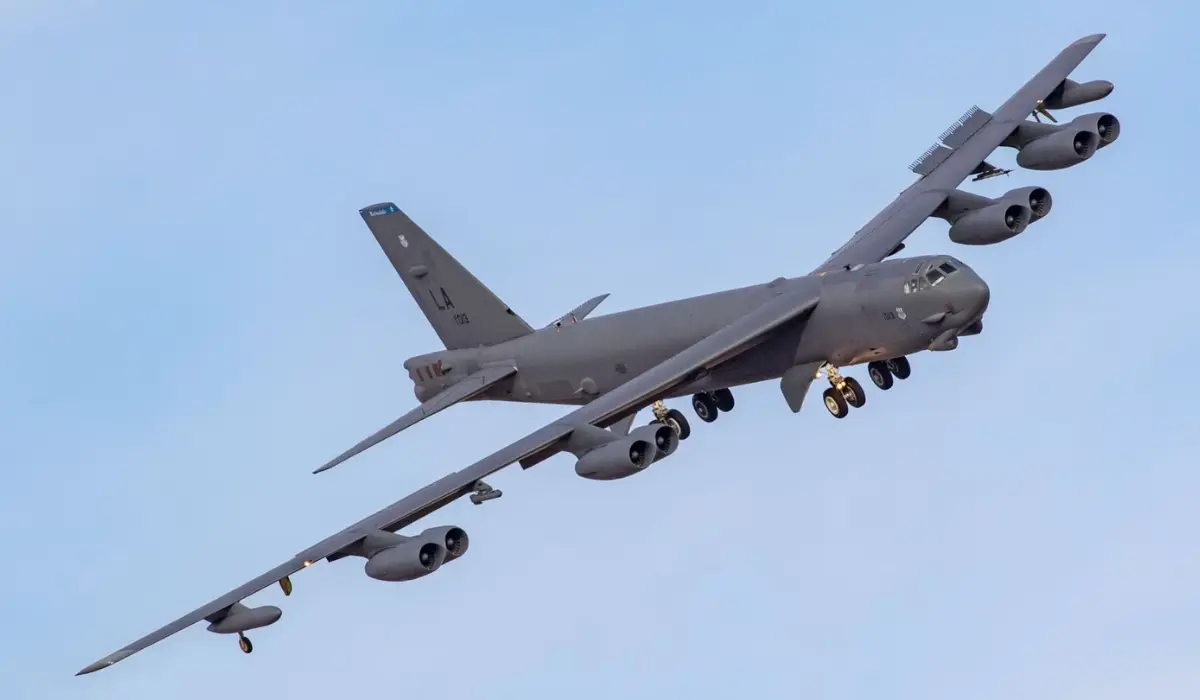
The Eight-Engine Symphony
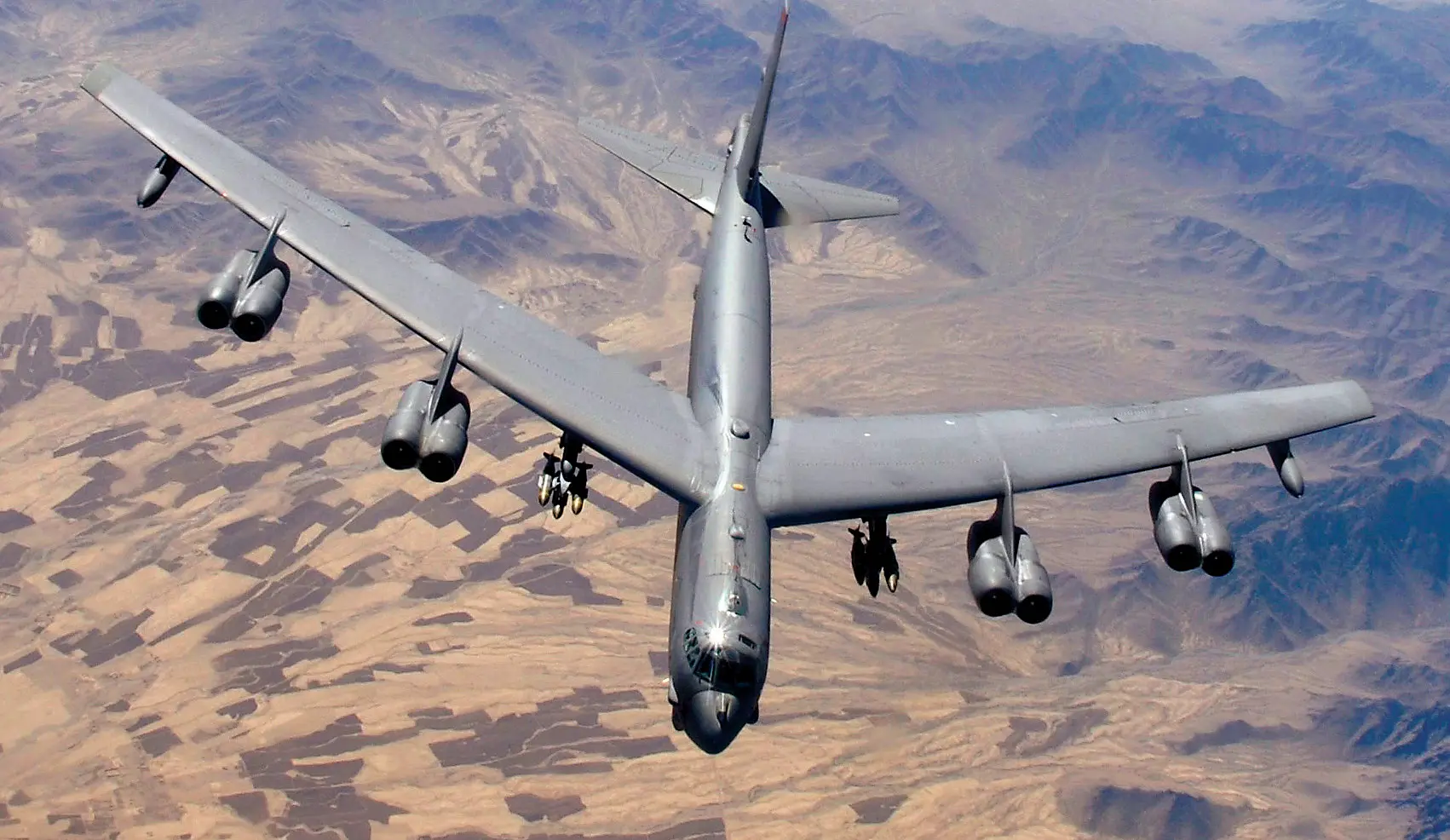
The Boeing B-52 Stratofortress is renowned for its deafening roar, primarily because the B-52H variant is powered by eight TF33-P-3 turbofan engines. When all eight ancient engines operate together, they produce an unmistakable noise that sounds absolutely daunting.
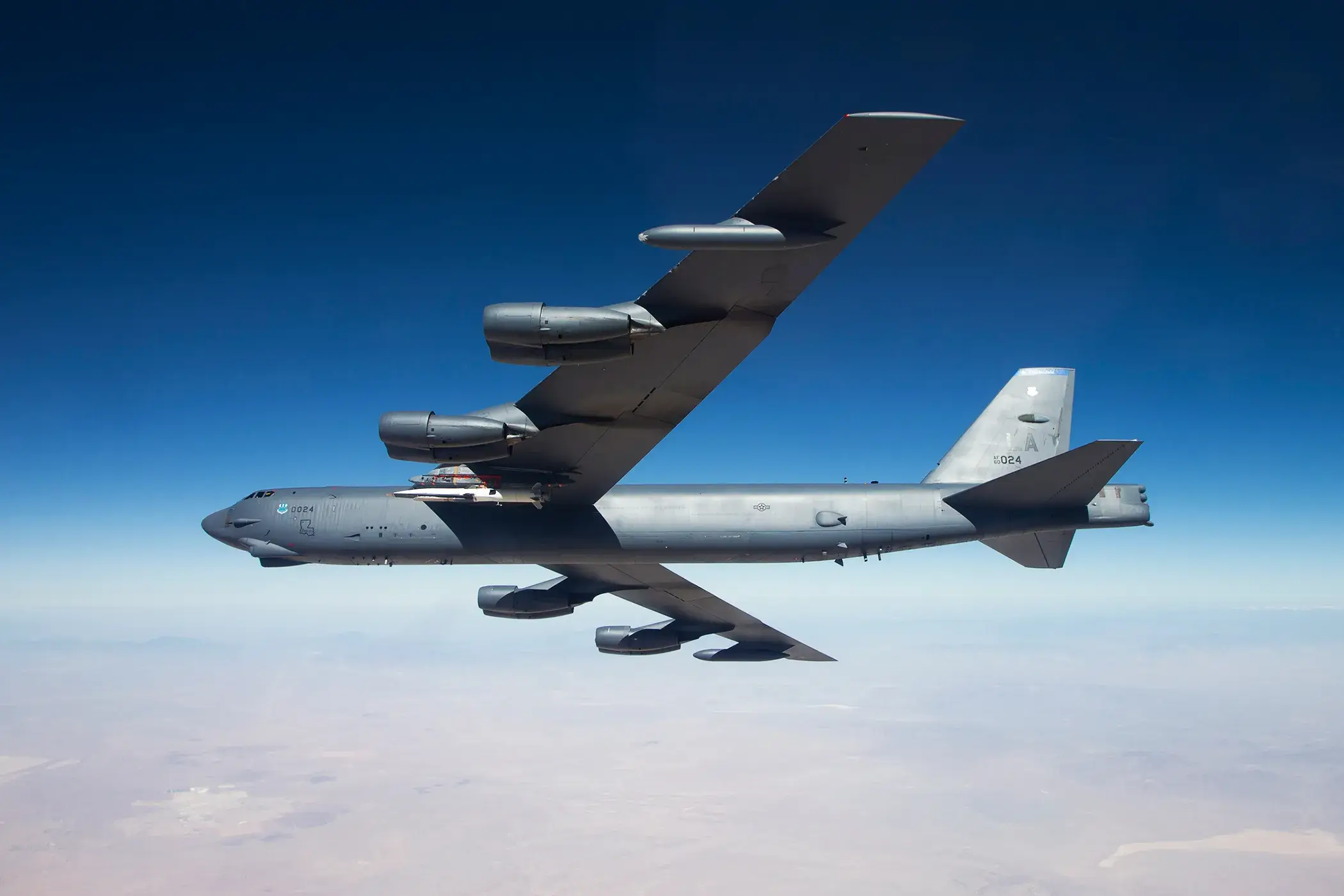
A Deafening Decibel Level
While precise measurements vary by payload and altitude, a military jet takeoff generally generates extreme noise levels, with some military jets hitting 130 decibels at 50 feet. At close range, this immense acoustic energy is physically painful to the human ear and equals the sound of a thunderclap.

Water Injection Roar
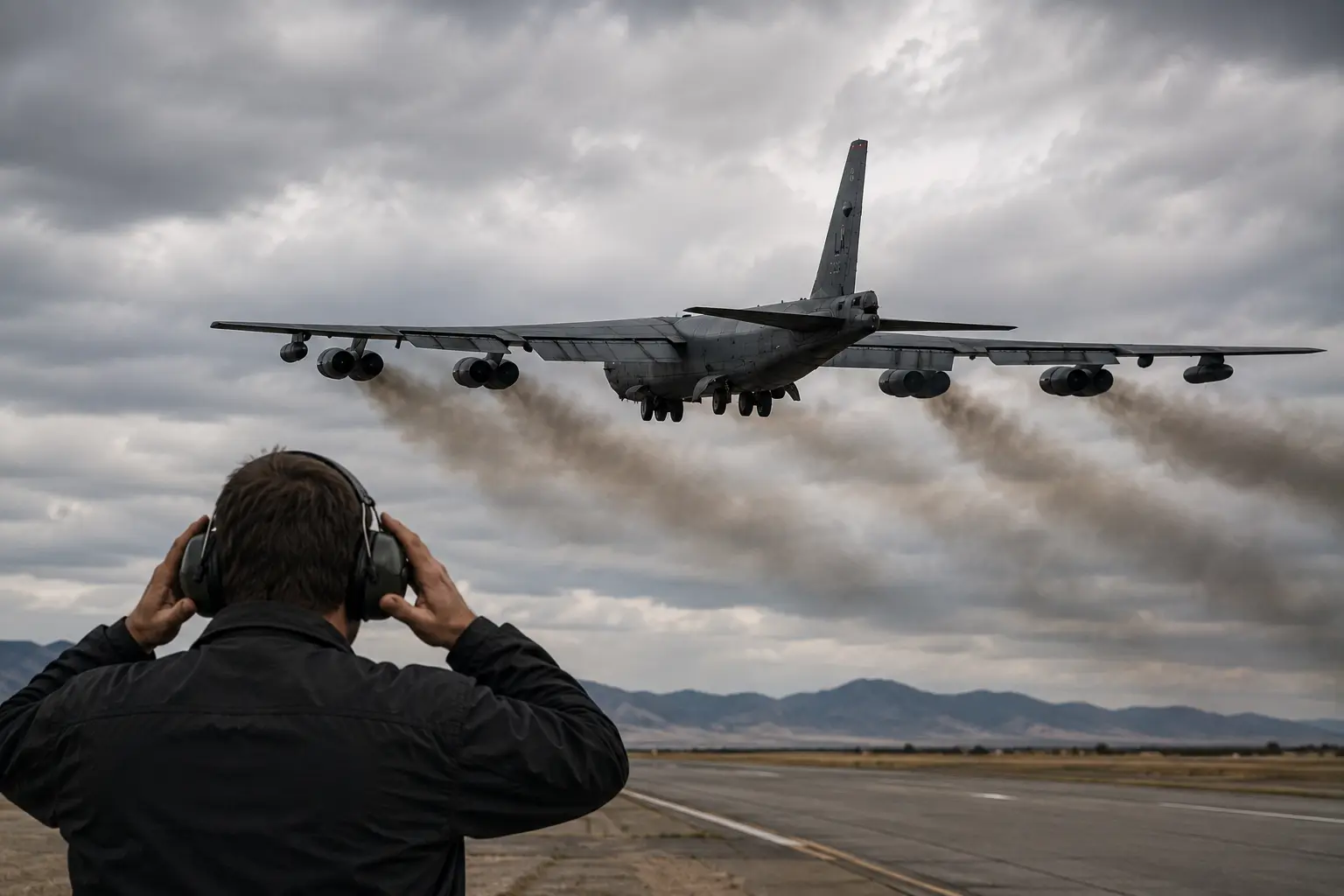
Early variants of the B-52 used water injection systems during takeoff to increase engine thrust, creating a thick cloud of black smoke and an even louder roar. Though modern H-models no longer use water injection, their eight TF33 engines still produce an incredibly loud and intimidating acoustic signature.
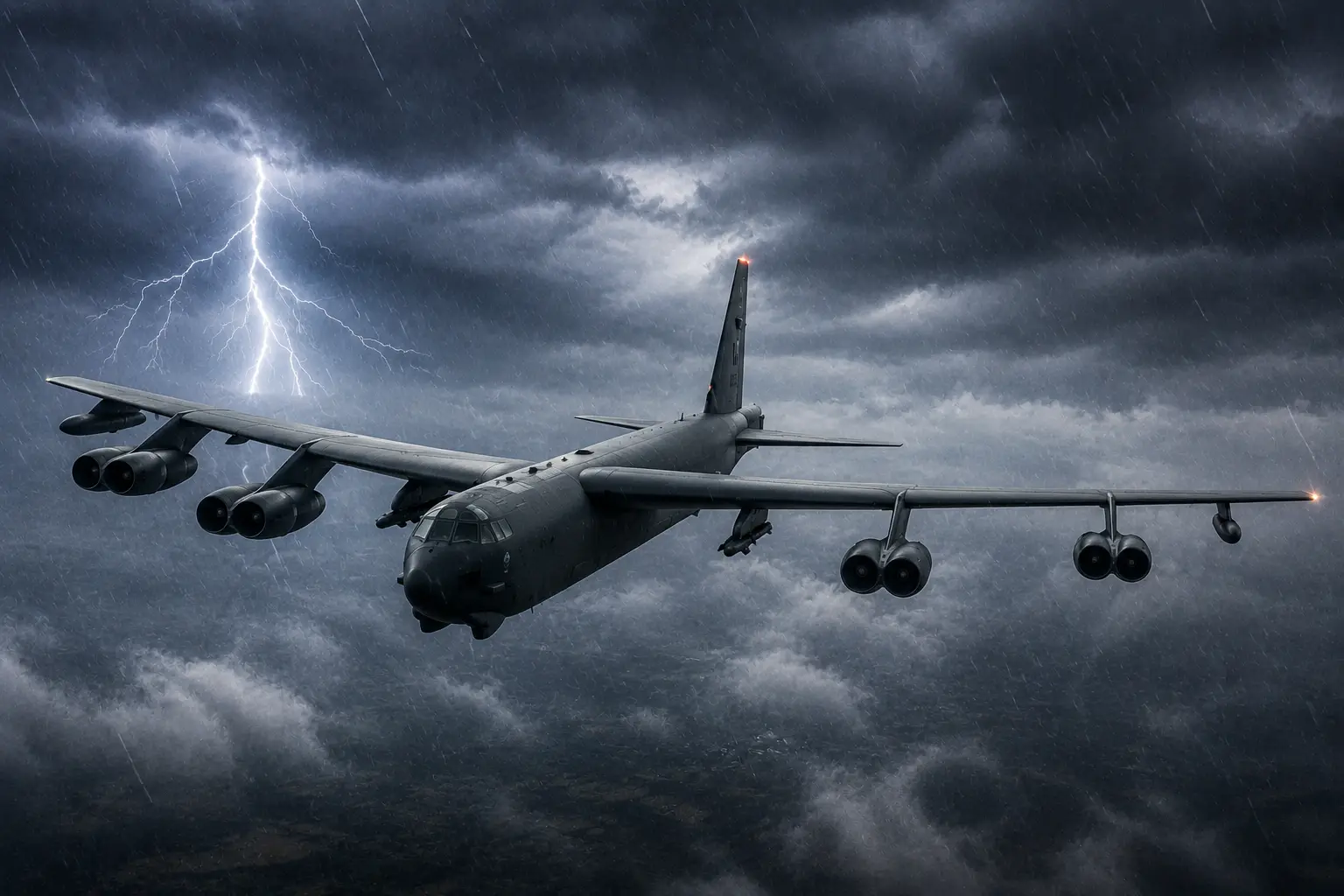
The Low-Altitude Rumble
When executing low-level flights beneath enemy radar, the immense size and raw acoustic power of the B-52 create a terrifying presence. Ground observers frequently report feeling the massive aircraft's low-frequency rumble in their chests long before the bomber passes directly overhead.
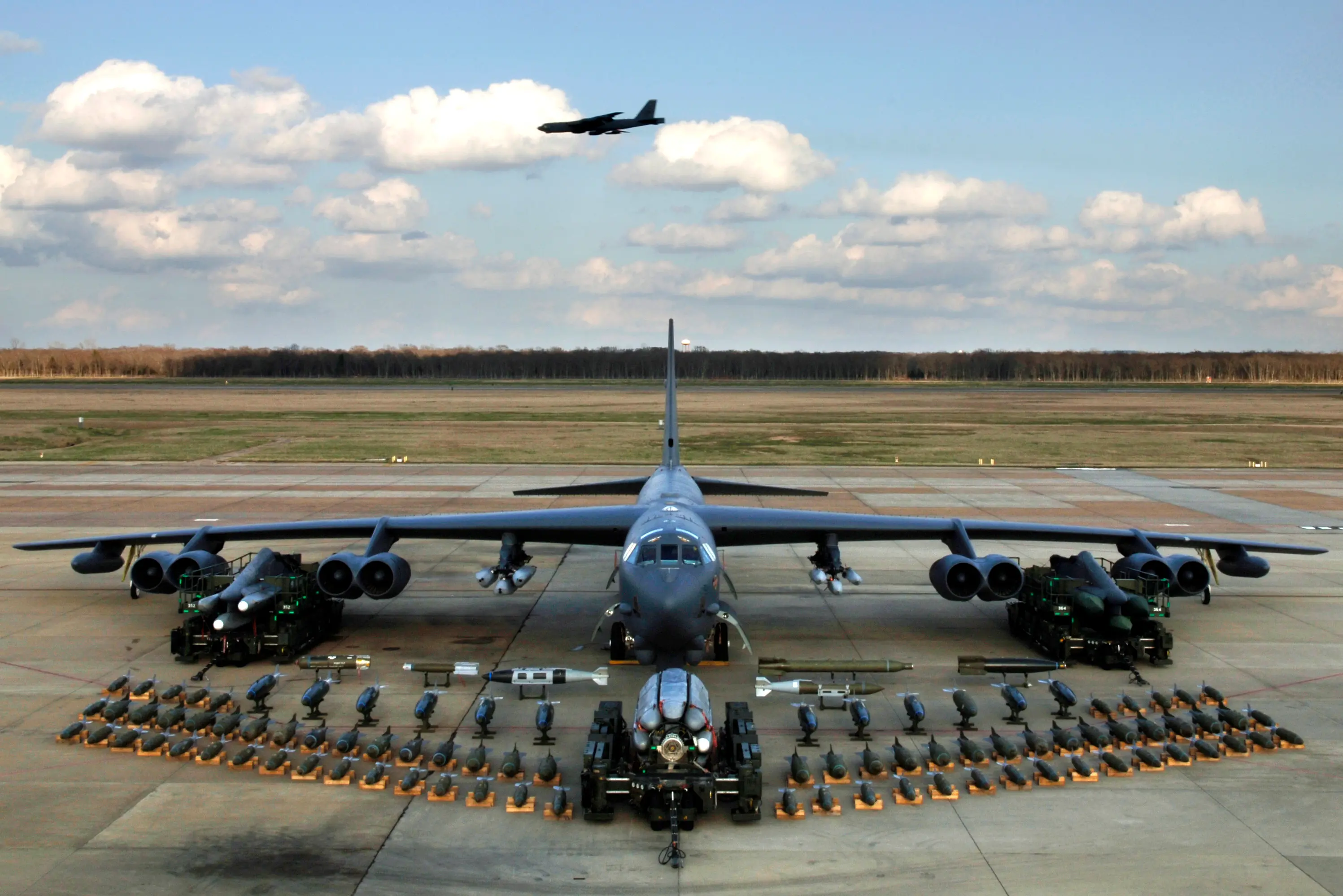
The Cabin Environment
Operating an aircraft with eight roaring engines requires heavy acoustic insulation for the crew members stationed inside. The crew must wear advanced noise-cancelling headsets to prevent severe hearing damage and communicate effectively during long-duration global strike missions.
The F130 Engine Upgrade
To keep the bomber flying into the 2050s, the US Air Force is executing a massive modernisation programme. By replacing the vintage powerplants with modern Rolls-Royce F130 commercial engines, the military is officially transitioning to the new B-52J variant.
A Quieter, Deadlier Future
The new Rolls-Royce F130 engines will dramatically reduce the aircraft's legendary acoustic footprint while vastly improving overall efficiency. This vital acoustic and fuel reduction allows the upgraded heavy bomber to execute lethal standoff missions with a lower acoustic signature.
)
)
)
)
)