'3 explosions & sunken Russian ship': Who attacked 'Ursa Major' off the coast of Spain?

It has all the hallmarks of an unsolved maritime assassination. As Spanish investigators point to an ‘external strike’ that brought down the Russian cargo ship Ursa Major, the world is left wondering: who blew up Putin's illicit cargo vessel?
The Assassination of the Ursa Major
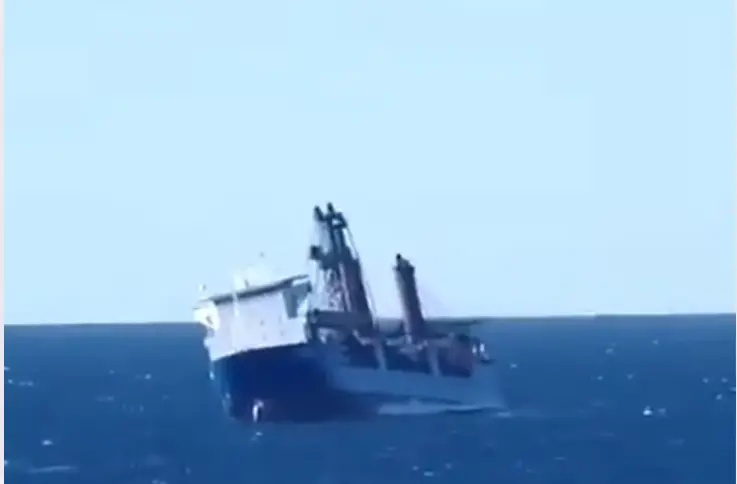
On December 23, 2024, the Russian cargo vessel Ursa Major met a violent and sudden end approximately 60 miles off the coast of Spain. Without warning, three massive explosions ripped through the ship's starboard side, plunging it to the bottom of the Mediterranean.
Evidence of an 'External Strike'
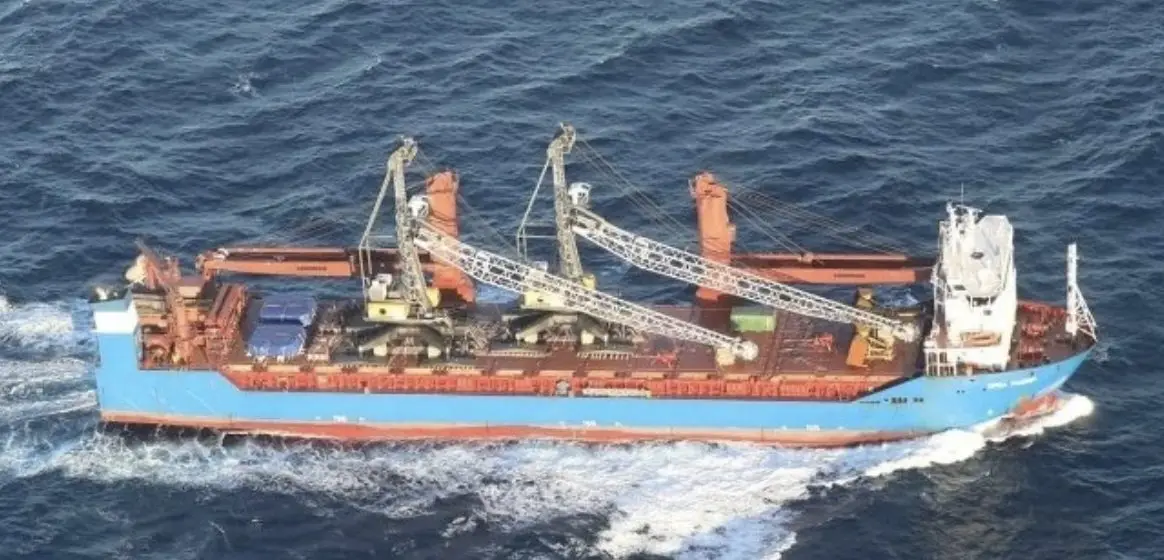
This was no accidental engine failure. Following a preliminary assessment of the sinking, Spanish maritime investigators quickly concluded that the catastrophic hull damage was entirely consistent with a deliberate ‘external strike.’ Someone, or some nation, wanted this ship sunk.
The Prime Suspects
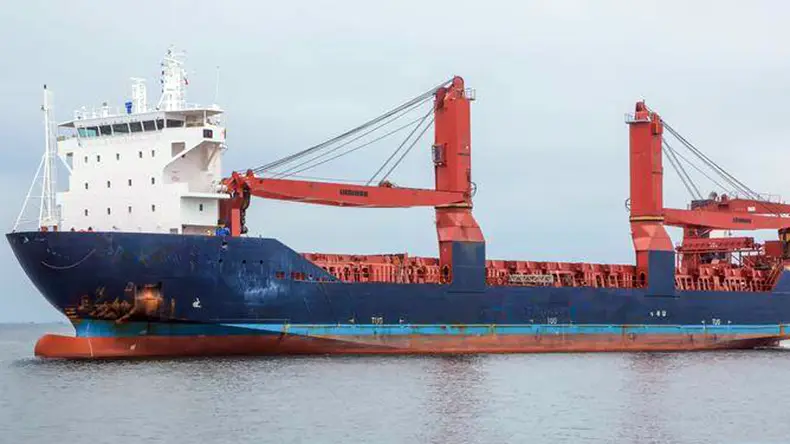
While no nation or intelligence agency has officially claimed responsibility for the strike, the incident occurred in a highly monitored NATO chokepoint. Naval analysts theorize the sabotage required highly sophisticated intelligence tracking and military-grade precision.
The Alleged Smuggling Plot
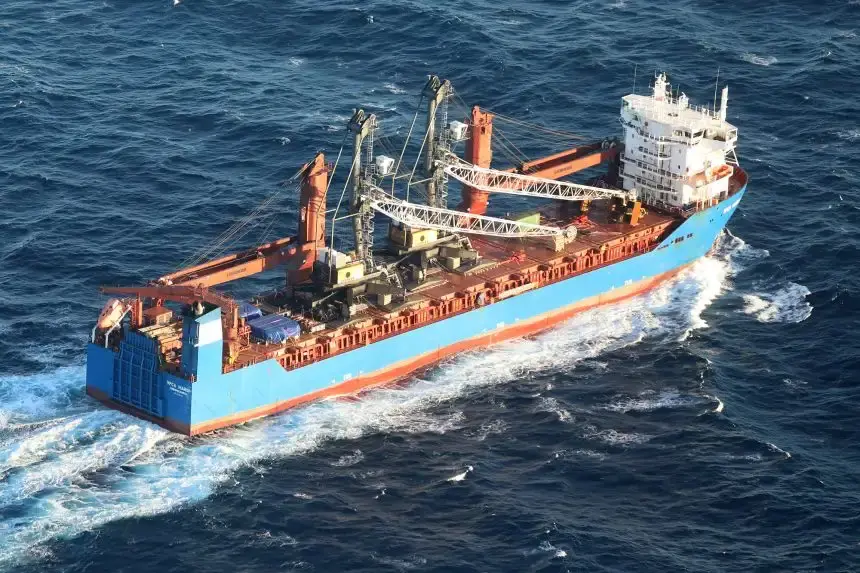
Why take out a seemingly mundane cargo ship? According to Spanish investigators, the Ursa Major was not carrying ‘manhole covers’ as its manifest claimed. They allege the ship was actually transporting highly sensitive VM-4SG nuclear submarine reactors.
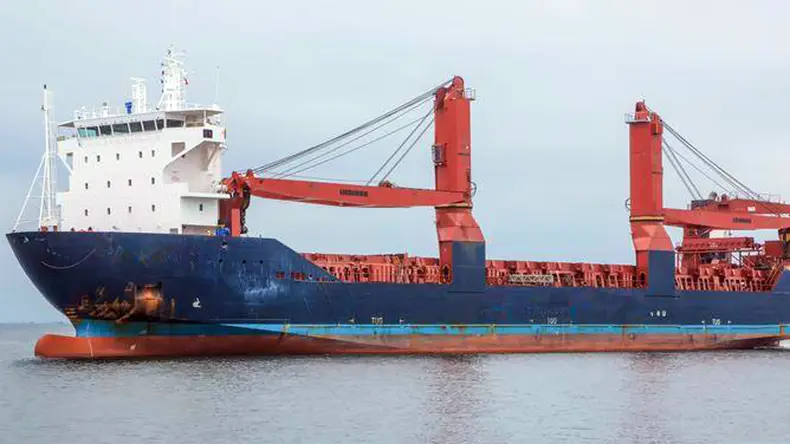
Destination: Pyongyang
The alleged smuggling plot gets even thicker. Intelligence reports suggest these nuclear submarine components were bound for North Korea. Taking out the ship effectively dismantled a major transfer of banned military technology between Moscow and Pyongyang.
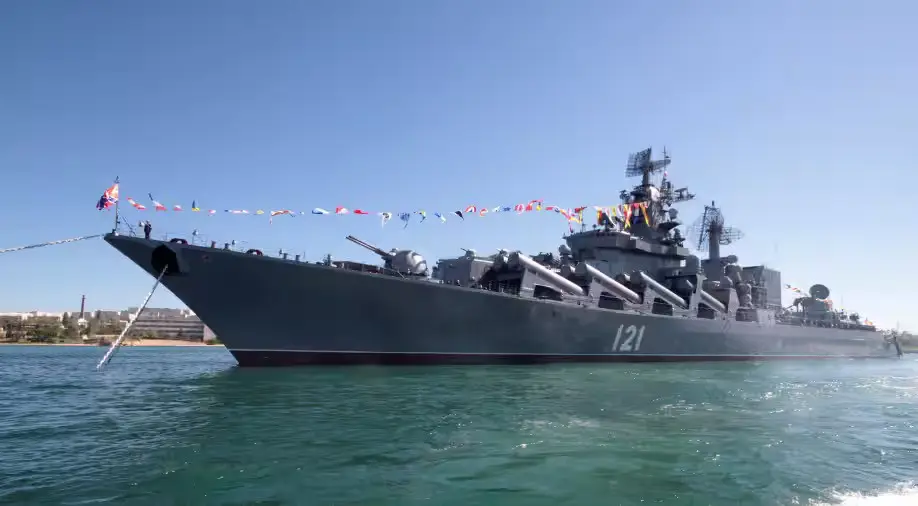
Russia's Furious Reaction
The Kremlin's immediate reaction only fueled the mystery. Rather than launching a transparent inquiry, Oboronlogistika—the Russian state-controlled operator of the vessel—furiously branded the incident a ‘terrorist attack’ without providing evidence of the perpetrators.
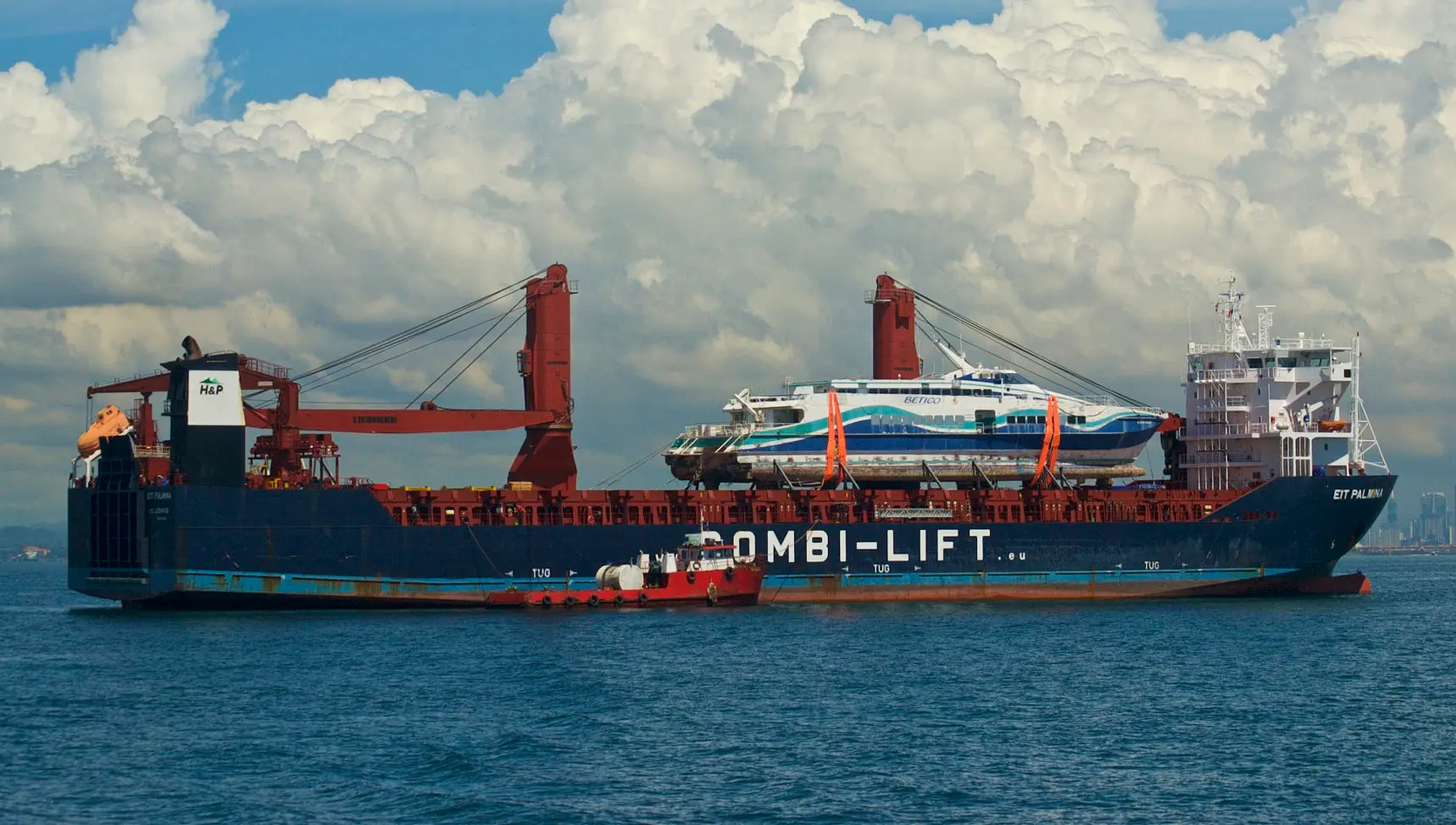
A Deep-Sea Standoff
Today, the identity of the attackers remains a ghost story of the high seas. Meanwhile, a tense standoff continues as Russia deploys its secretive espionage ship ‘Yantar’ to the wreckage site, scrambling to recover whatever survives in the sunken hull before European authorities do.
)
)
)
)
)