Thousands gather to mourn Lebanese journalist Amal Khalil killed in Israeli airstrike | In pics

Huge crowds gathered in Southern Lebanon for Lebanese journalist Amal Khalil's funeral. She was killed in an Israeli airstrike while covering ongoing hostilities. Her death has drawn strong condemnation with conflicting narratives emerging from Lebanon and Israel amid a strained ceasefire.
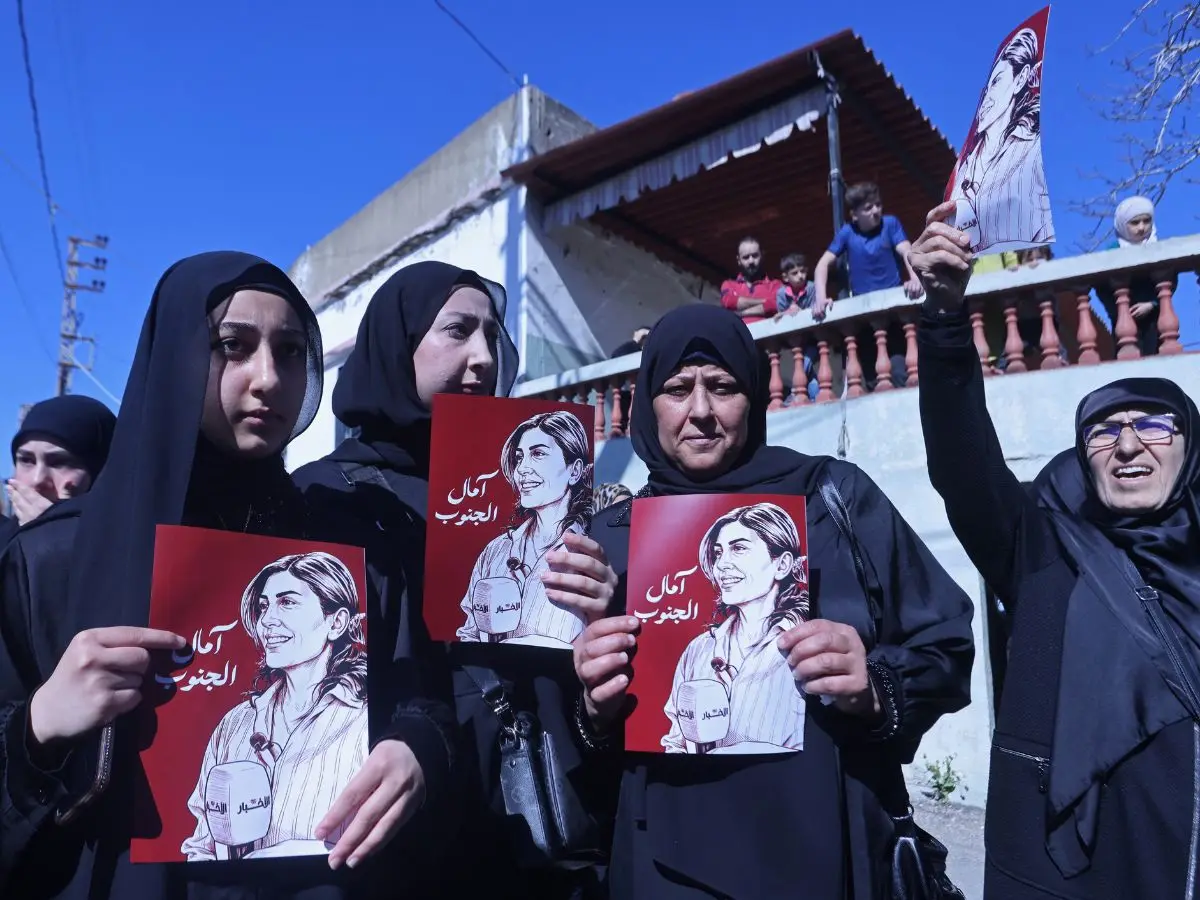
Thousands Bid Farewell
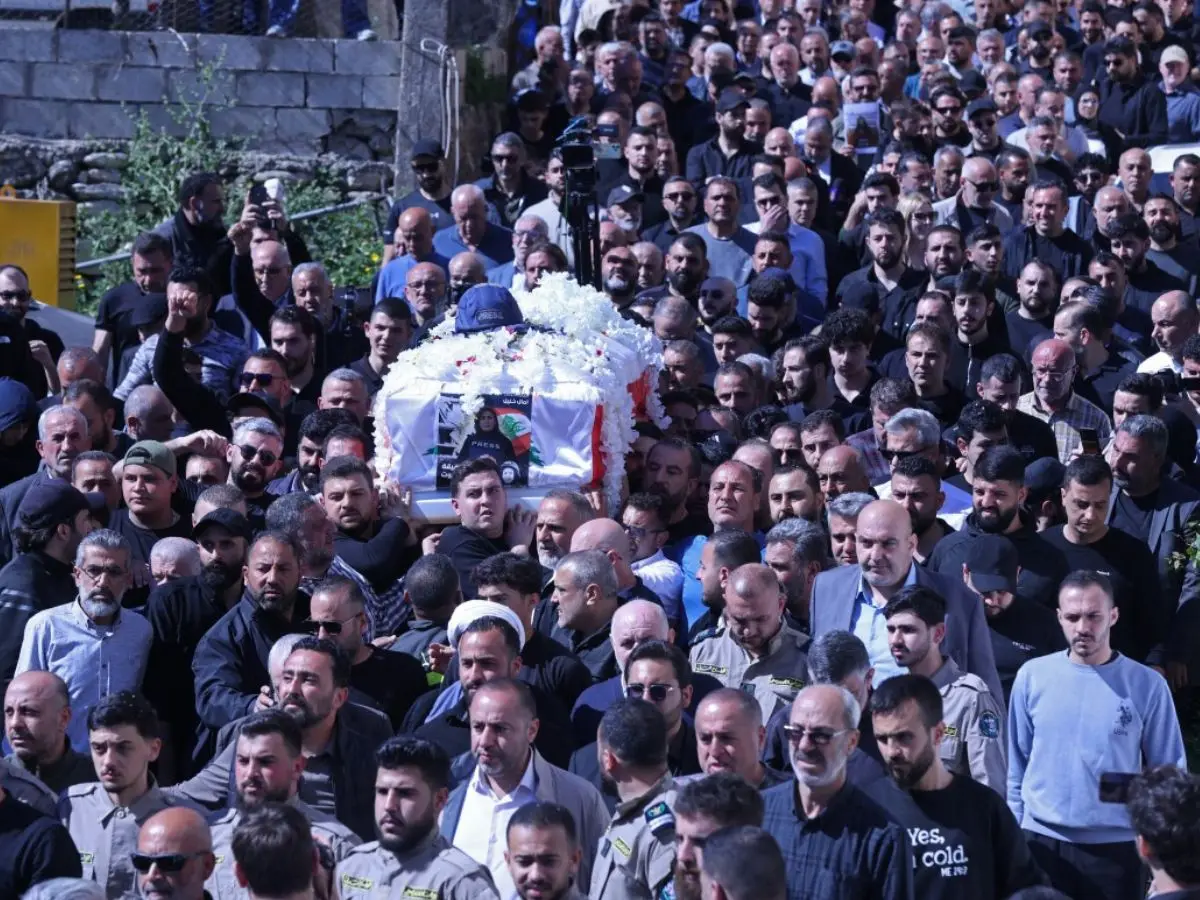
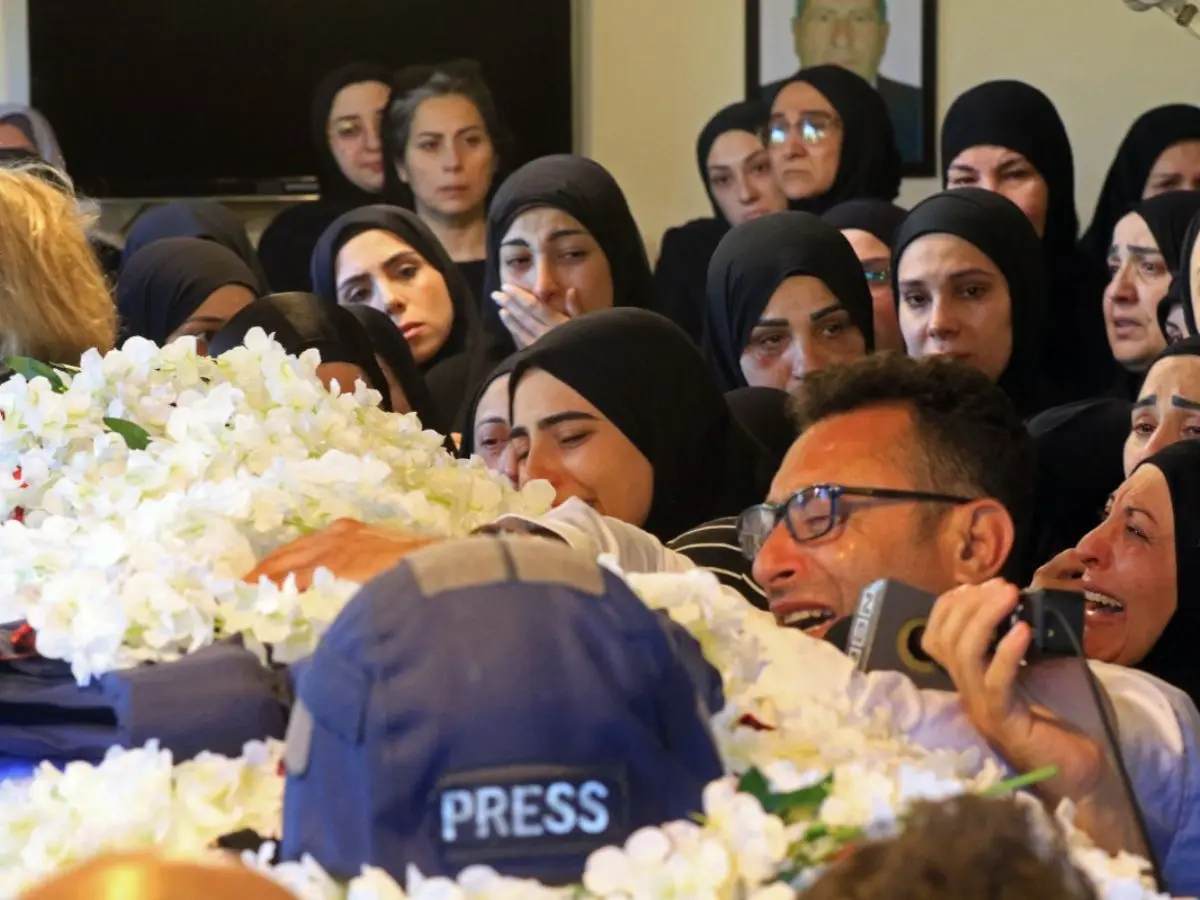
Thousands of people came together on April 23 2026, to mourn Lebanese journalist Amal Khalil, who was killed in an Israeli airstrike. Her funeral took place in her native town of Baissariyeh, Sidon. Khalil’s coffin could be seen draped in the colours of the Lebanese flag with her press vest and helmet balanced on top as it floated through large crowds of mourners, family, friends and fellow journalists.
How Did She Die?
Khalil was killed after the house she was seeking shelter in was hit by an Israeli airstrike in the village of al-Tiri in southern Lebanon on Wednesday (April 22). The journalist, along with her colleague Zeinab Faraj, had been covering the continued hostilities in the area linked to the Israel-Hezbollah conflict. The strike that killed her came after an initial strike in the area. Faraj, critically injured, was rescued from the site, but Khalil remained trapped under the debris before her remains were recovered by rescue teams more than six hours after the strike.
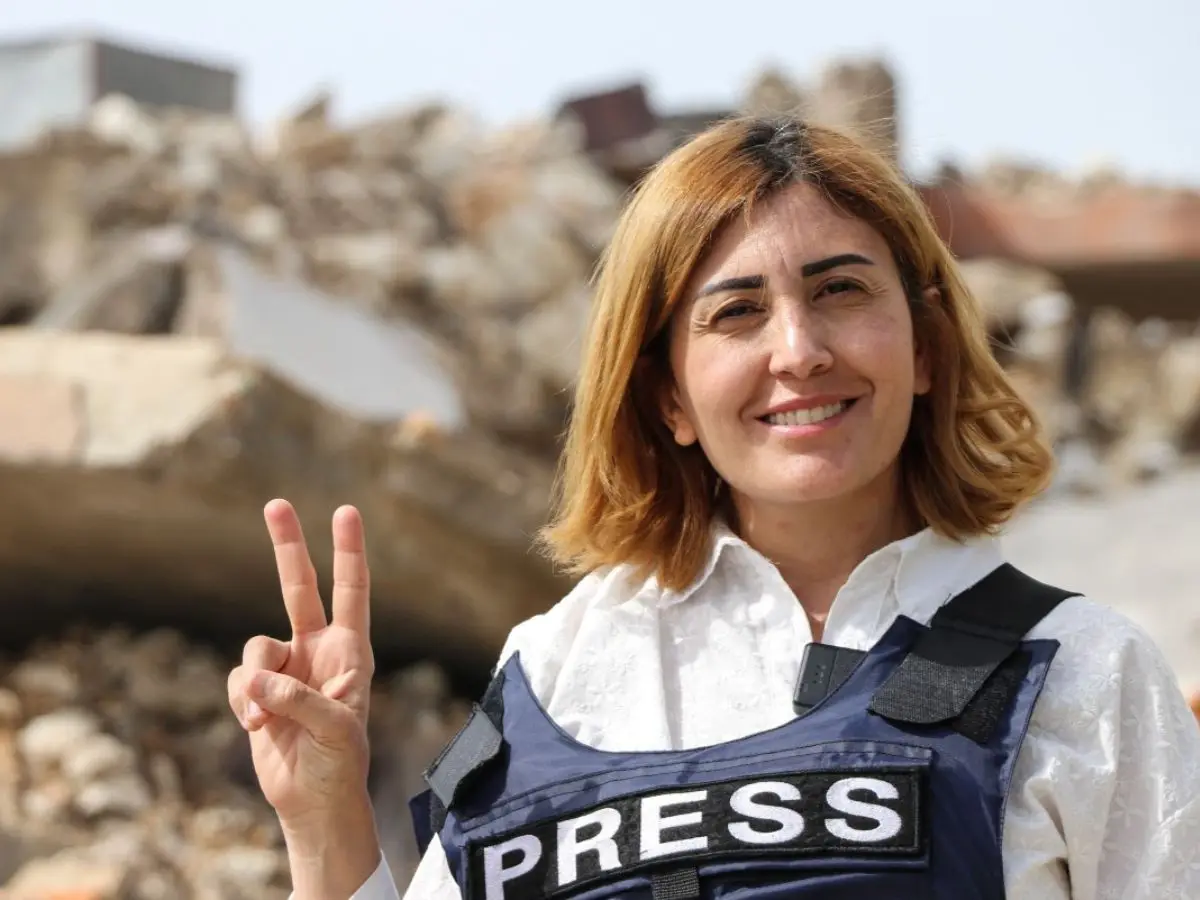
Who was Amal Khalil?
Amal Khalil, 43, was a renowned journalist at the Al-Akhbar newspaper and had been covering Lebanon's conflict with Israel since 2006. Her recent reporting focused on Israeli demolitions in villages where troops have established positions inside Lebanese territory, according to The Times of India. In an interview with the Public Source magazine in January, Khalil said that her reporting was shaped by the experience of growing up under Israeli occupation, “I have tried to be in solidarity with these people – the people of the land”, she added.
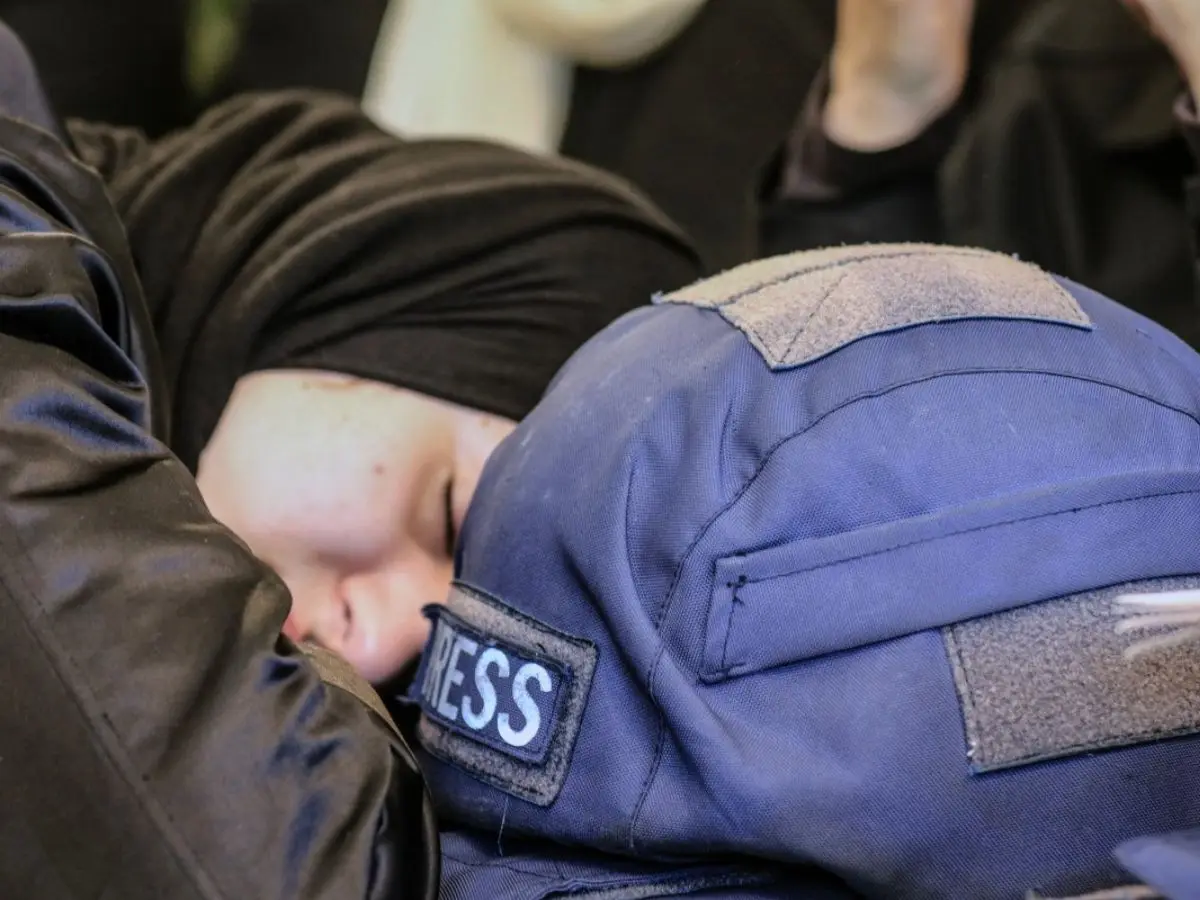
Crossfire Casualty or A Targeted Attack?
Rescue attempts were reportedly hindered by Israeli attacks. Lebanon’s health ministry said that the ambulances were hit with a warning strike, and emergency crews were forced to retreat because of the intensity of the strikes. After reaching the site several hours later, they were only able to rescue Faraj and had to come back with bulldozers because Khalil was trapped under the rubble.
Khalil had previously received threats from an Israeli WhatsApp number ordering her to stop reporting, according to The New Arab.
Press Freedom Groups Condemn The Killing
Khalil was the ninth journalist killed in Lebanon this year, according to The Guardian. International press freedom groups have strongly condemned the incident.
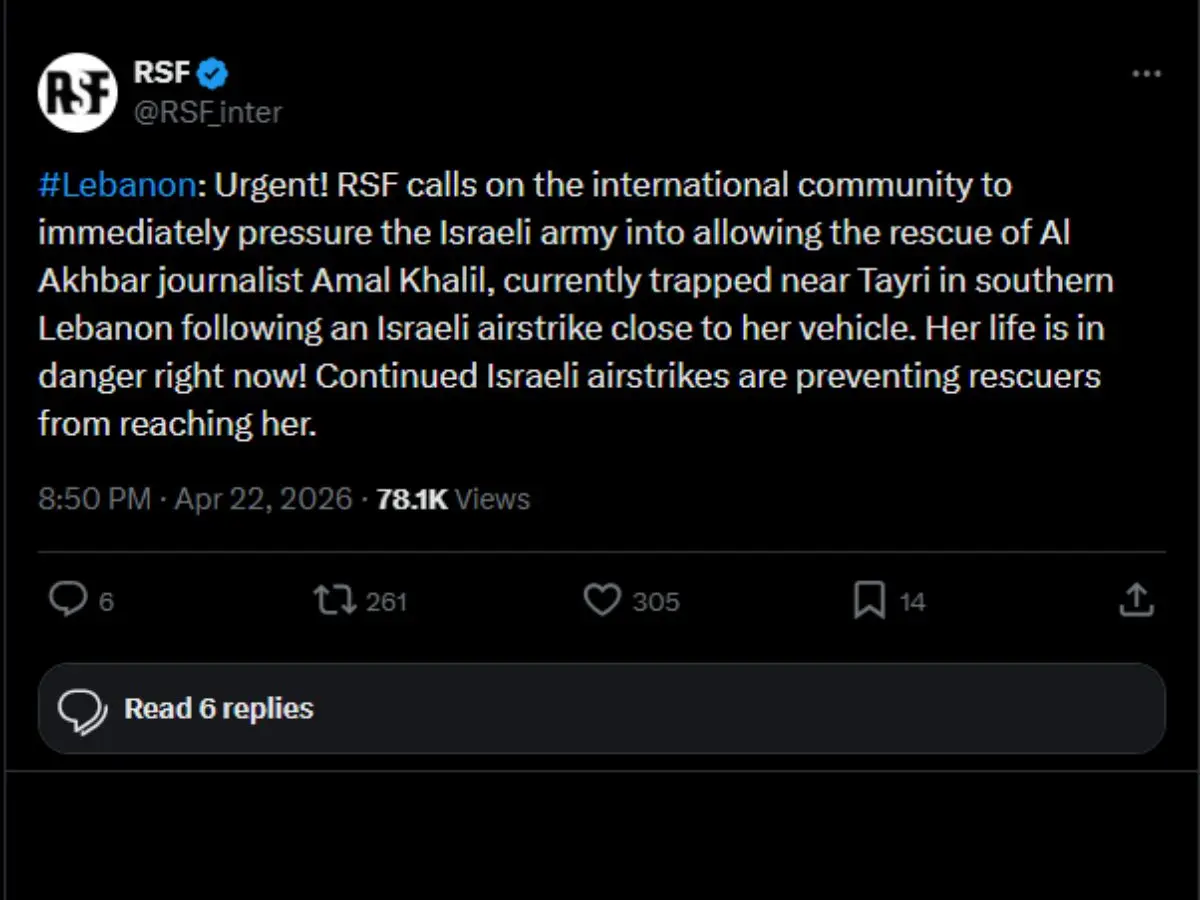
Reporters Without Borders has urged pressure on Israel to allow safe passage for respondents.
The Committee to Protect Journalists on X demanded an immediate investigation into the killing, saying that the targeting of journalists and obstruction of rescue efforts could constitute a war crime. “Israel’s failure to allow medical crews access in time to save her while she was injured may constitute a war crime,” read the statement.
Officials Respond
Lebanon’s Prime Minister Nawaf Salam condemned the killing of Khalil and other journalists, calling it a war crime in a post on X.
The Israeli military denied intentionally targeting the journalists and instead sought to label the individuals in the area ‘terrorists’ who crossed the forward defence line and violated the ceasefire. An Israeli spokesperson told AFP that the incident is “under review”.
)
)
)
)
)