This pilot stole an entire Soviet fighter jet and fled to another country!

Viktor Belenko stole a MiG-25 from Chuguyevka Air Base in the Soviet Union and landed it in Hakodate, Japan.

A Defection Like No Other
In September 1976, Soviet pilot Viktor Belenko risked everything in a single, extraordinary flight. Steering the USSR’s most secret fighter, the MiG-25 Foxbat, he broke from formation and fled to Japan, offering the West its first look at a jet once thought unstoppable. Nearly fifty years later, Belenko’s name returned to headlines after reports of his death in Illinois in 2023 at age 76. His daring escape remains one of the Cold War’s most remarkable acts of defiance, a lone pilot’s gamble that reshaped military intelligence forever. Belenko’s choice risked being shot down by Soviet, Japanese or even American forces.
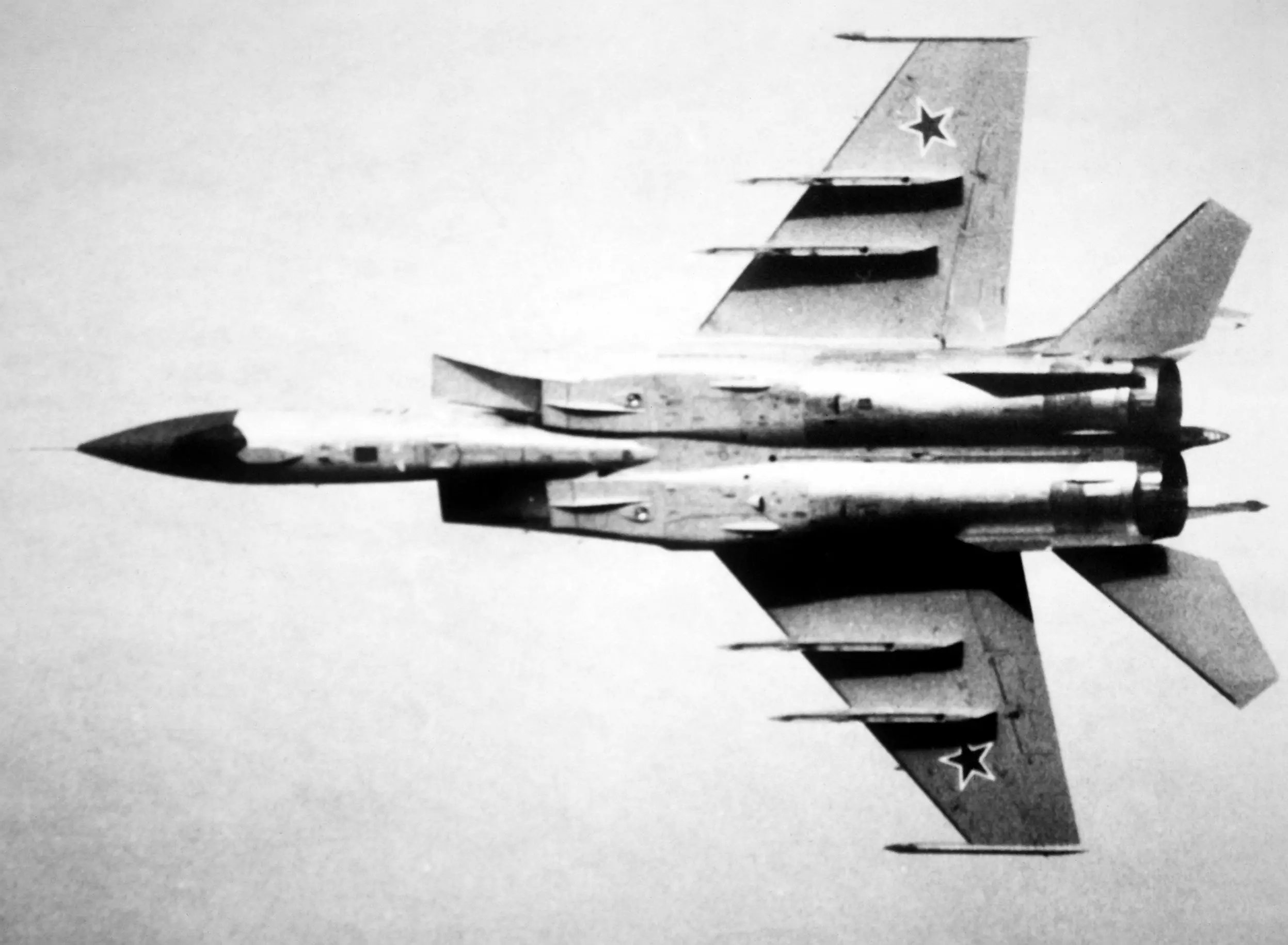
The Aircraft That Terrified the West
The MiG-25 Foxbat was first sighted by Western satellites in 1970. With twin engines and unusually large wings, it sparked concern across NATO. It could exceed Mach 3 and reach 63,000 feet, outpacing anything the US Air Force could field at the time. Western analysts feared it could intercept high-altitude bombers or spy planes. Its true purpose remained unknown until Belenko’s flight brought the West face to face with it.

A Risk Fueled by Freedom
Stationed with the Soviet Air Defence Forces, Belenko trained on the MiG-25 at Chuguyevka. Disillusioned with Soviet life, he risked everything to defect. His plan relied on speed, surprise, and the aircraft’s raw power, though its fuel consumption limited his range. Belenko decided on Japan because the Foxbat could not safely reach American bases. The choice was calculated but still left him exposed to capture or failure.

The Flight to Japan
On the morning of his defection, Belenko deviated from formation, diving to mask his radar signature. Nearing Japan, he introduced himself to local radar by climbing and descending, aiming to appear non-threatening while avoiding interception. He flew less than 400 miles but burned nearly all his fuel. Despite Soviet tracking attempts, he crossed into Japanese airspace undetected until almost the last moment.
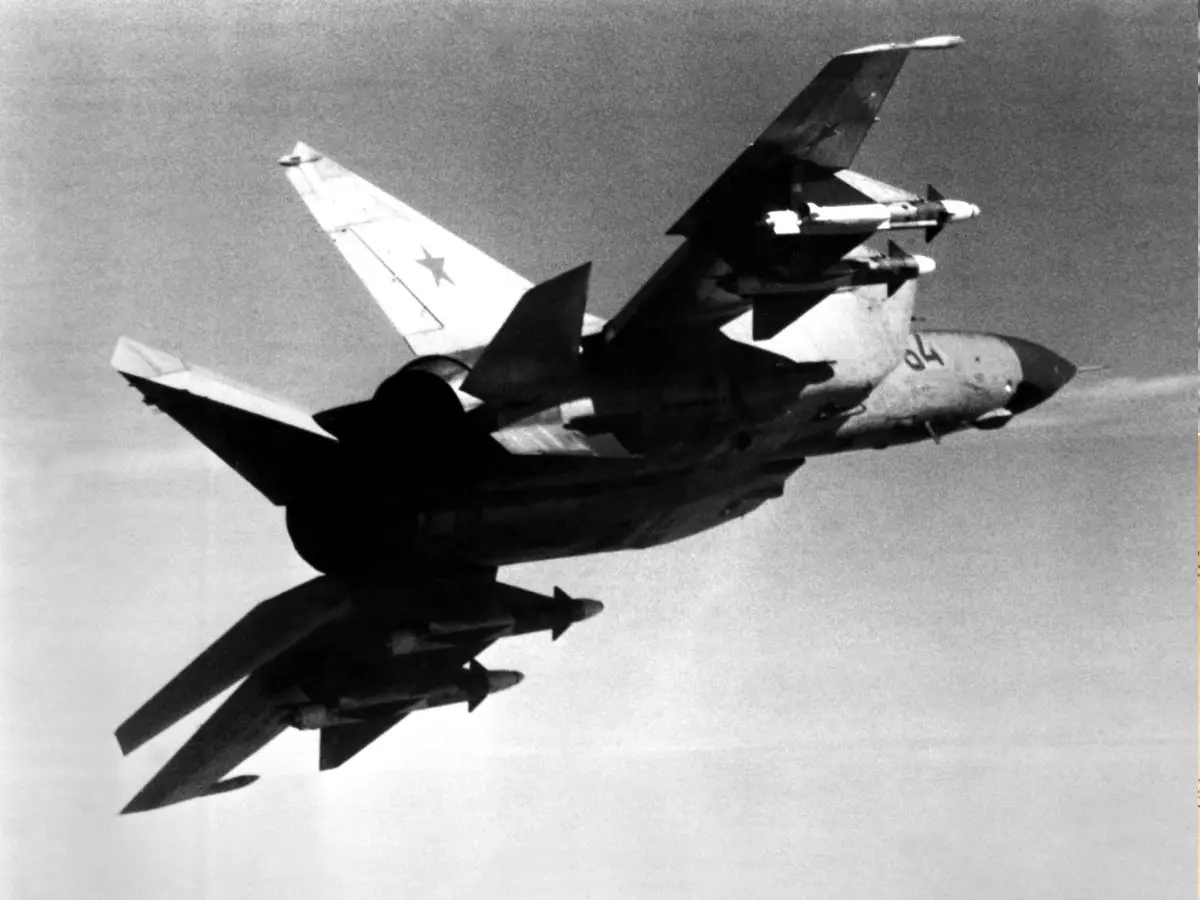
A Dangerous Landing
Fuel critically low, Belenko found Hakodate Airport. He narrowly avoided a civilian 727, landed at 220 knots, and overran the runway, stopping near an antenna. The aircraft suffered only minor damage. On the ground, he fired warning shots to keep onlookers back before surrendering. Japanese authorities soon realised they faced a Cold War crisis on home soil.

Western Access and Soviet Reaction
Japan dismantled the MiG-25 and returned it in 30 crates, but US intelligence had already examined its systems. The discovery that its speed came from powerful engines and heavy radar, rather than advanced avionics, reshaped Western defence assessments. The Soviet Union protested and demanded Belenko’s return, but Tokyo refused. The defection exposed real limits of Soviet technology despite the jet’s fearsome reputation.
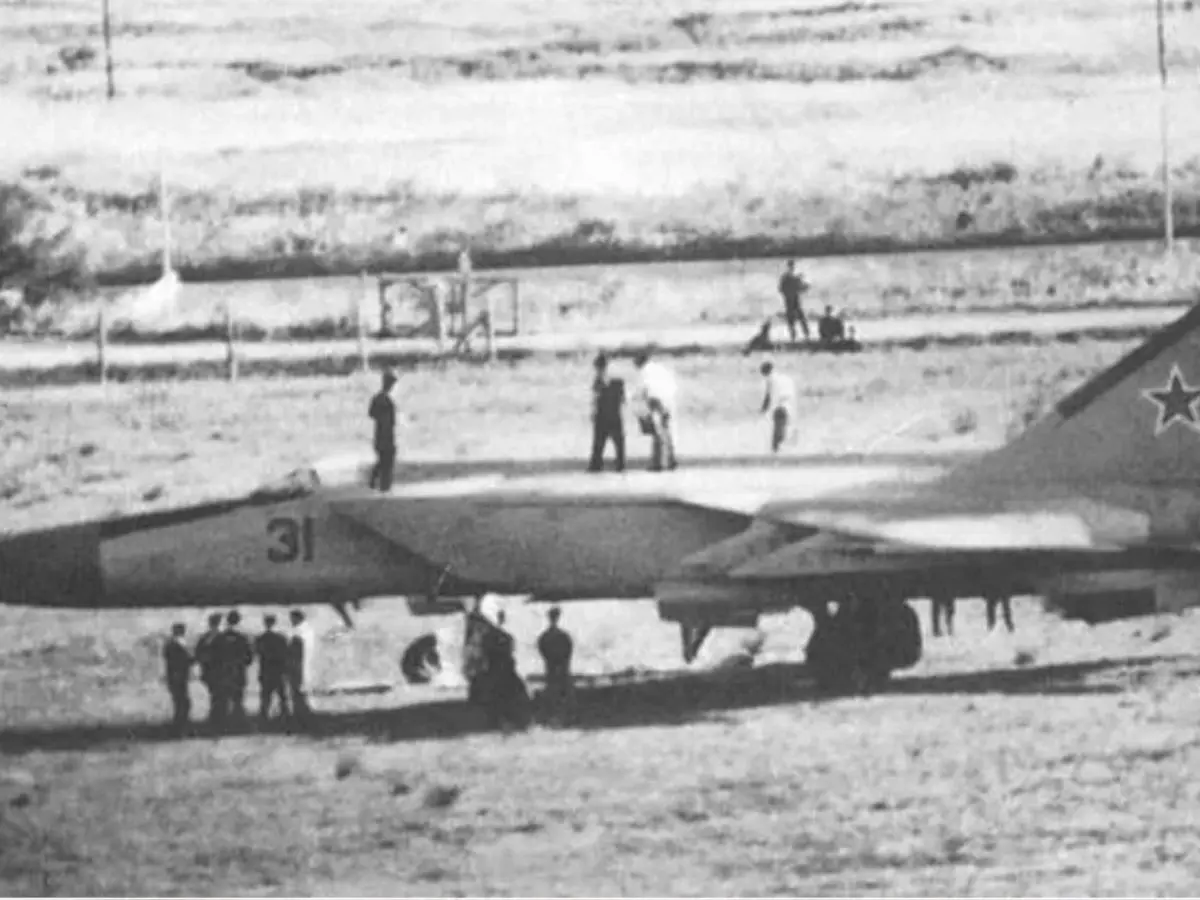
Life After Defection
Belenko gained US citizenship in 1980. His name resurfaced in 2023 when reports confirmed he died in Illinois in September that year, aged 76. His defection remains a rare Cold War case where a single flight unveiled an adversary’s guarded secrets. After months of debriefings, he started a new life in America, mostly out of the public eye. His story stands as a striking example of individual risk rewriting the history of military intelligence.
)
)
)
)
)