This part of the F-35 fighter jet that even pilots are not allowed to open

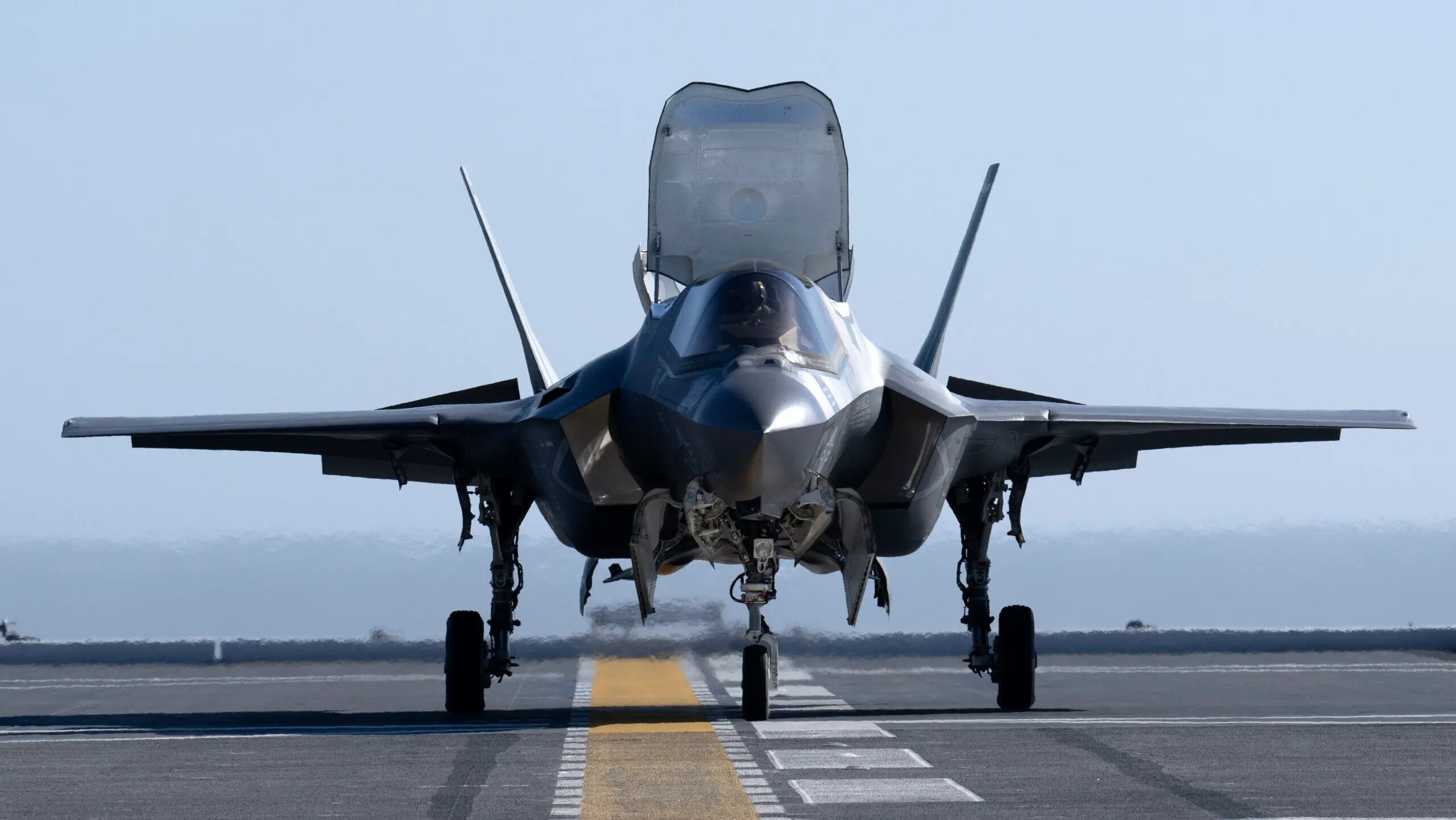
The F-35B’s lift fan cover hides a powerful 50-inch fan that provides the vertical thrust needed for hovering and short take-offs. Automatically opened only in STOVL mode, it works with the jet’s thrust-vectoring system to enable operations from ships and short runways.
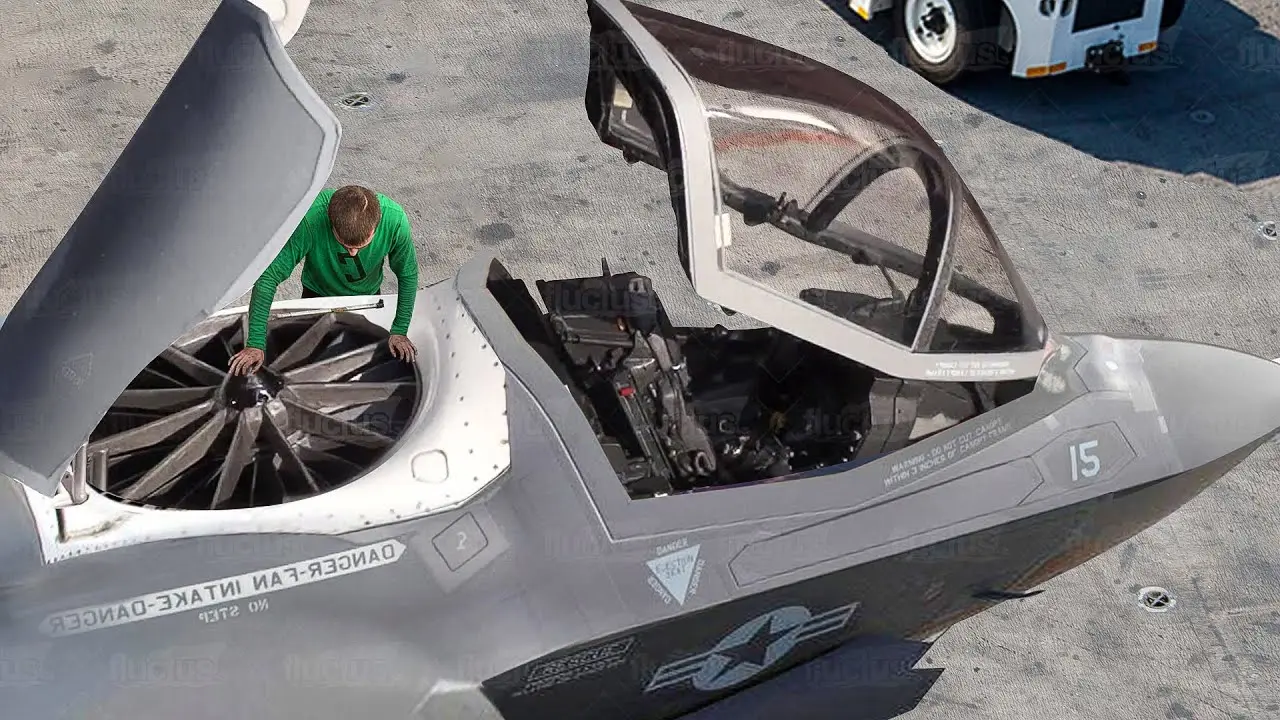
What Is the Lift Fan Cover?
The lift fan cover is located directly behind the F-35B cockpit. It conceals a massive 50-inch diameter fan that provides vertical thrust during short take-off and vertical landing (STOVL) operations.
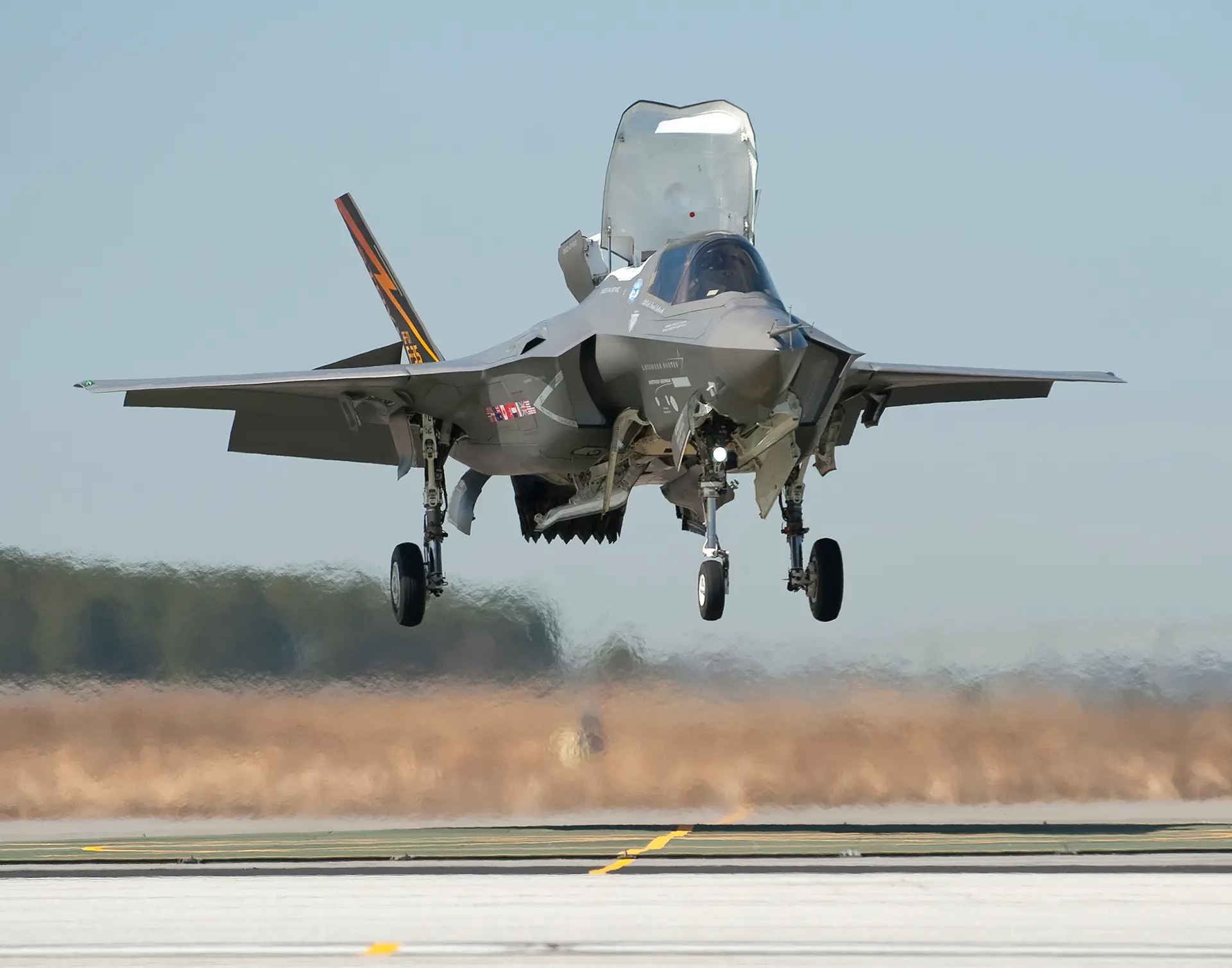
The Lift Fan Generates Over 20,000 Pounds of Thrust
When activated, the two-stage contra-rotating lift fan produces more than 20,000 pounds of downward thrust. This force prevents the aircraft from tipping forward during vertical landings and supports hovering.
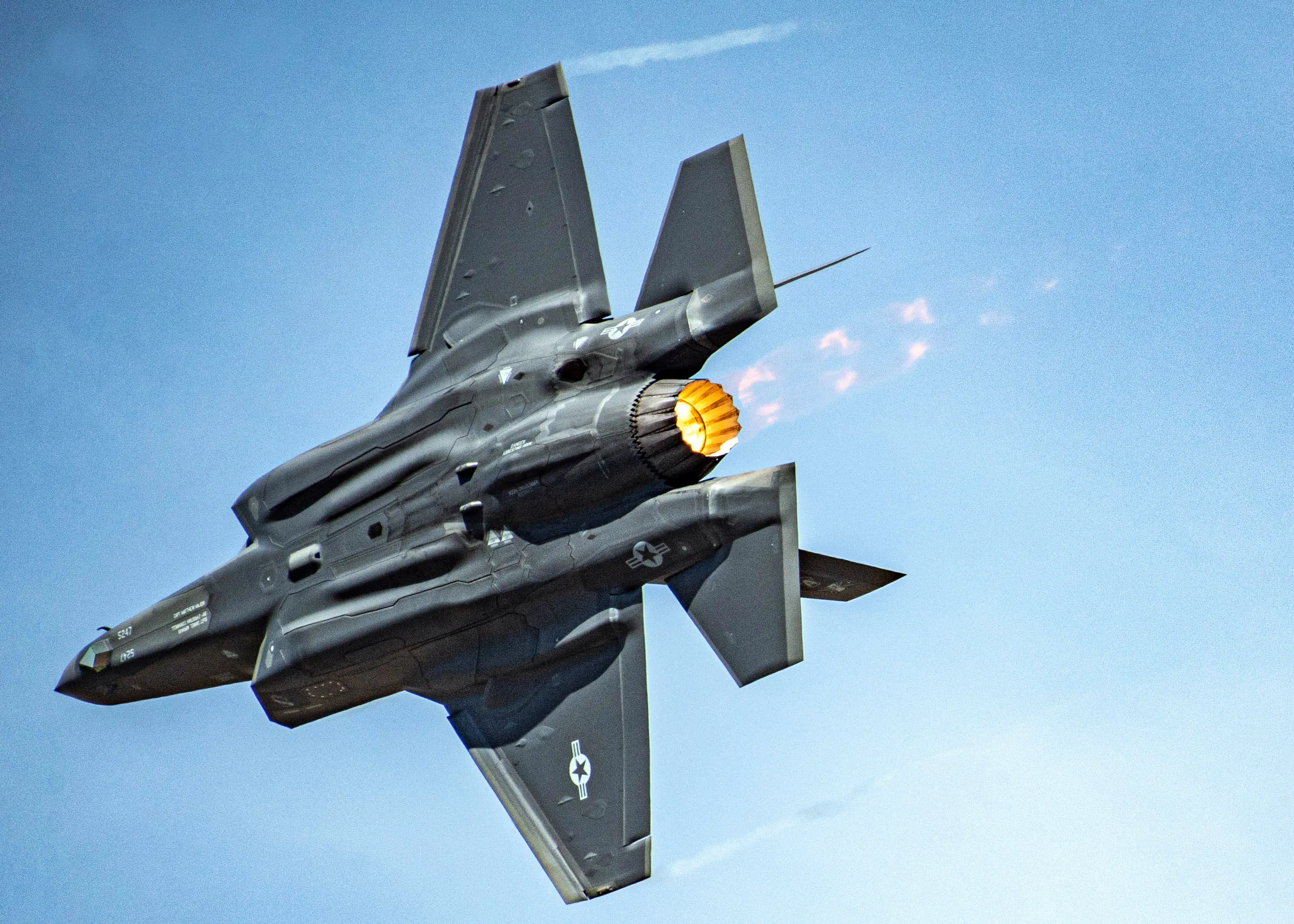
Automatic Door Operation During STOVL Mode
The lift fan cover opens automatically when the pilot activates STOVL mode with a single button press. Multiple doors including lift fan inlet and exhaust doors, roll nozzle doors, and auxiliary inlet doors open in a coordinated sequence.
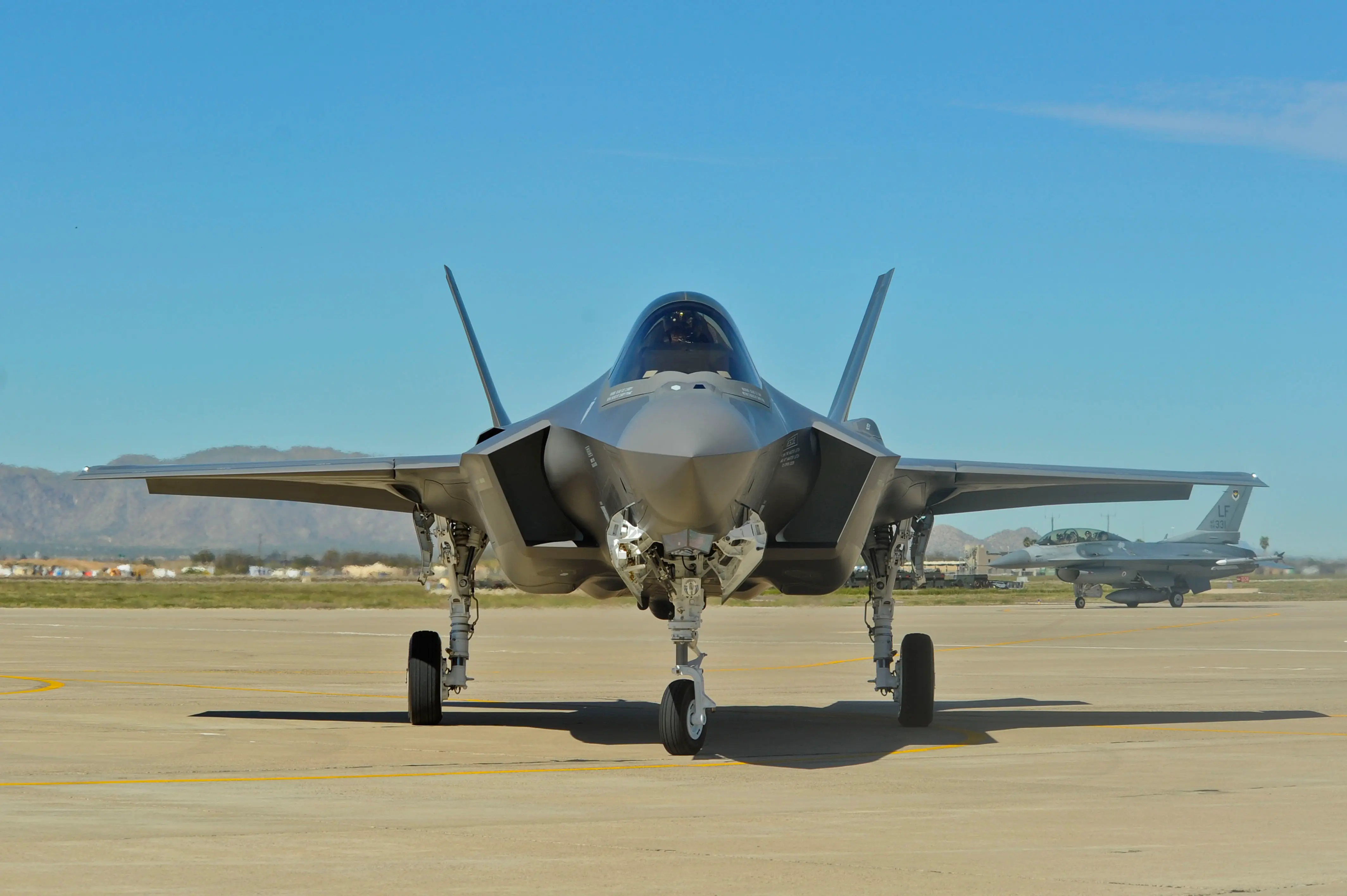
Why Pilots Cannot Manually Open It
The lift fan cover is part of the engine propulsion system, not a cockpit control. Opening it requires specific mechanical procedures and safety checks that only trained ground engineers can perform during maintenance.
Powered by a Drive Shaft from the Main Engine
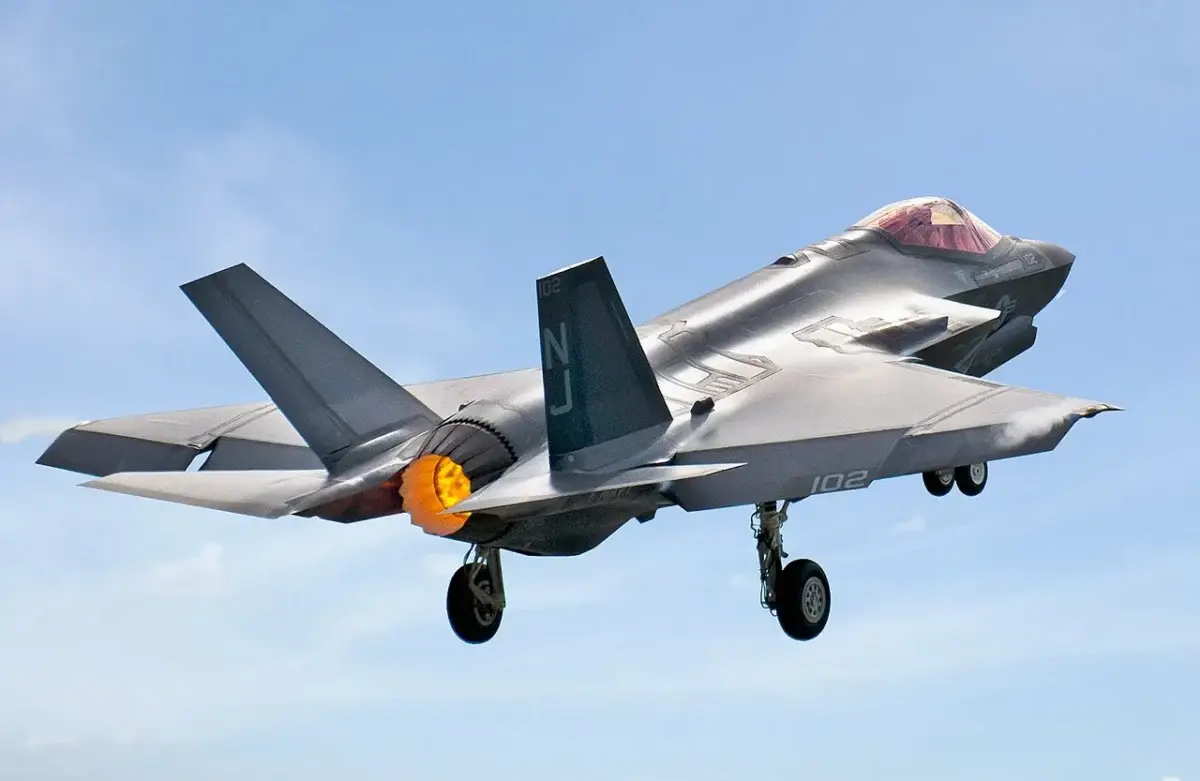
A drive shaft connects the F-35B's main engine to the lift fan through a clutch system. When engaged, the engine's low-pressure turbine spins the fan at high speed, delivering the necessary vertical thrust.
The System Works with Thrust Vectoring
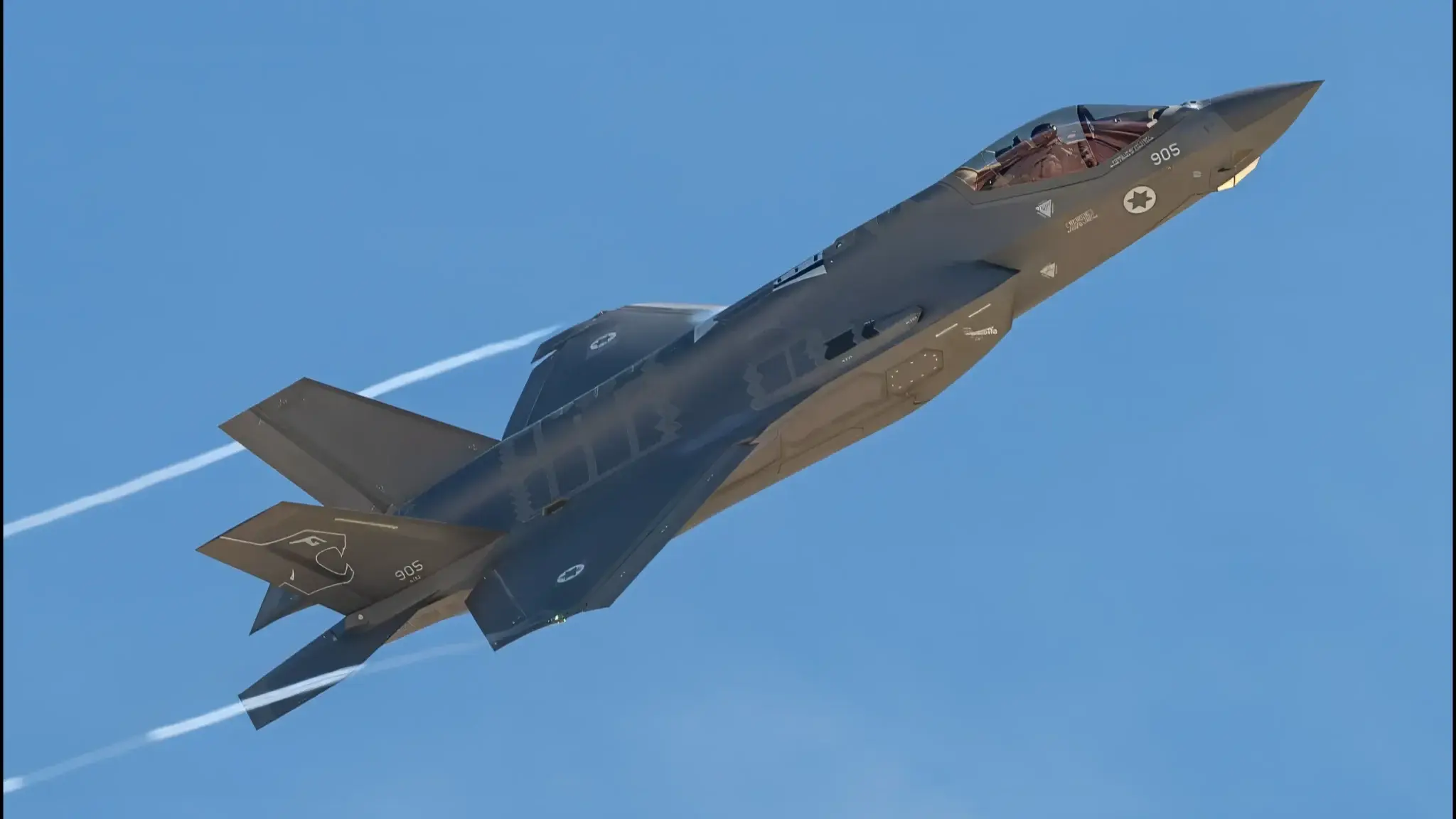
The lift fan works alongside a three-bearing swivel module at the rear, which redirects engine exhaust downward. Together with roll posts under the wings, this system provides 40,000 pounds of total vertical thrust for stable hovering.
Critical for Carrier and Short-Runway Operations
The lift fan allows the F-35B to operate from small aircraft carriers and forward bases with limited runway space. This capability makes it one of the most versatile fighter jets for amphibious and expeditionary missions.
)
)
)
)
)