This fighter jet would have dropped nuclear bombs while flying upside down! All about the TSR-2

The TSR-2 was designed with survivability and first-strike efficiency in mind. Its low-level, high-speed flight profile made it extremely difficult to detect on radar, and its supersonic speeds at low altitudes (Mach 1.2 or higher) made interception nearly impossible.
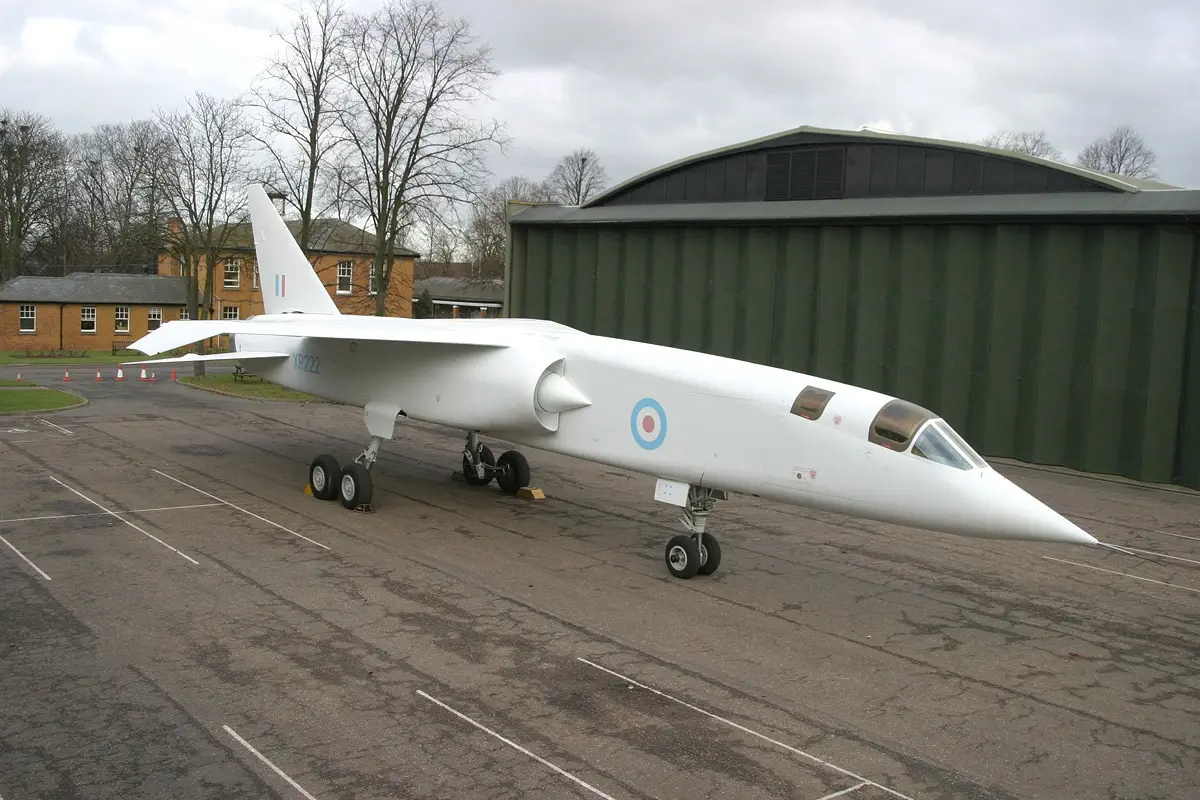
What Was the TSR-2?
The BAC TSR-2 (Tactical Strike and Reconnaissance) was a supersonic, twin-engine strike aircraft developed by the British Aircraft Corporation in the early 1960s. Designed during the height of the Cold War, the TSR-2 was intended to fly long-range missions at low altitudes, penetrating deep into enemy territory to deliver either conventional or nuclear payloads. It featured state-of-the-art avionics, terrain-following radar, and high-speed performance that made it one of the most advanced strike platforms of its time. Its mission was clear: hit hard, fly low, and escape fast — ideally before enemy defences could react.
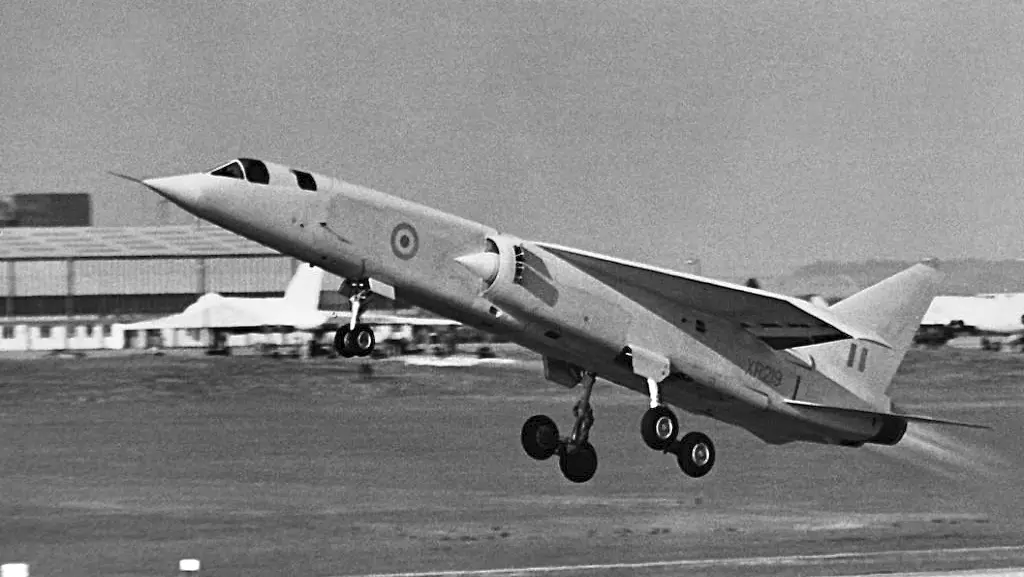
The Nuclear Bomb Drop — Even While Inverted
Among the TSR-2’s many jaw-dropping capabilities was its ability to drop bombs while flying upside down, a feature unheard of at the time. Thanks to its sophisticated bomb bay design and cutting-edge onboard computers, the aircraft could calculate precise targeting even in complex flight positions, including inverted loops and barrel rolls. This meant the TSR-2 could evade detection, perform evasive manoeuvres, and still complete its mission with pinpoint accuracy. The ability to deploy a nuclear payload while inverted was more than a gimmick, it was a combat survival strategy.
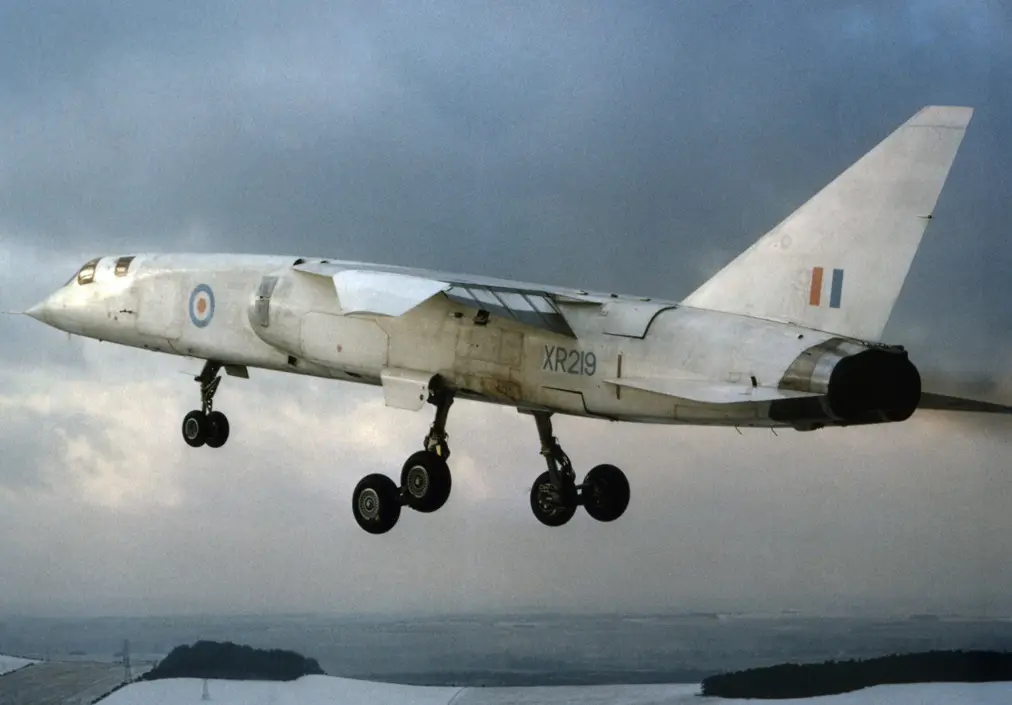
Why It Was So Dangerous
The TSR-2 was designed with survivability and first-strike efficiency in mind. Its low-level, high-speed flight profile made it extremely difficult to detect on radar, and its supersonic speeds at low altitudes (Mach 1.2 or higher) made interception nearly impossible. The aircraft could fly just above the terrain, hugging hills and valleys using its terrain-following radar, delivering weapons with deadly precision. In Cold War simulations, it proved capable of breaching the most heavily defended enemy zones. It was a single-pilot jet with the effectiveness of a full bomber wing, offering unmatched tactical superiority for its era.
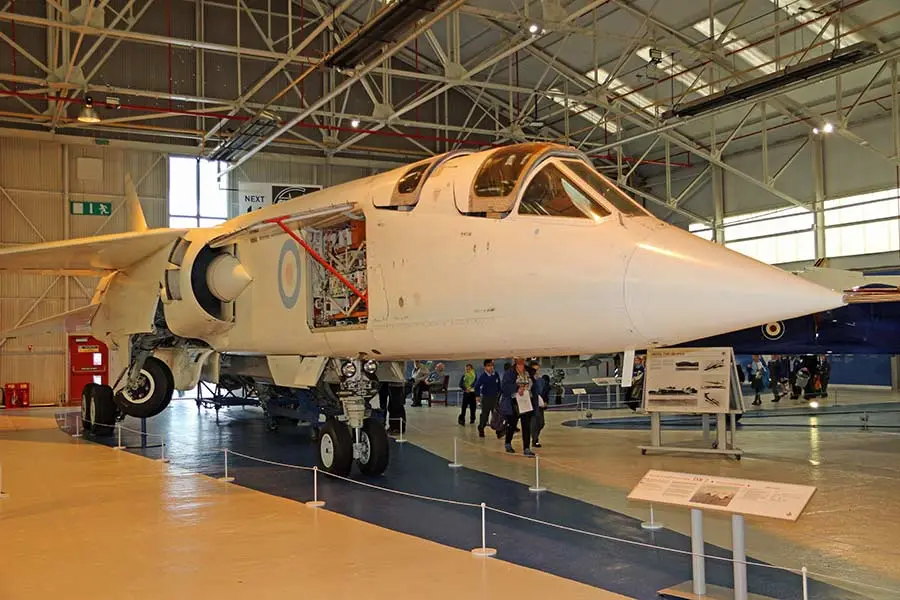
So Why Was It Cancelled?
Despite being decades ahead of its time, the TSR-2 programme was cancelled in 1965 after just one prototype flew. The reasons were complex, political infighting, rapidly escalating costs, and shifting alliances with the United States played a part. The UK government opted to purchase American F-111 aircraft instead, despite the TSR-2’s superior performance in many areas. There were also growing doubts within the RAF about the relevance of manned nuclear delivery in an age where ballistic missiles were becoming dominant. In the end, the project was shelved, and most of the aircraft and documentation were destroyed, ending what could have been a revolutionary leap in military aviation.
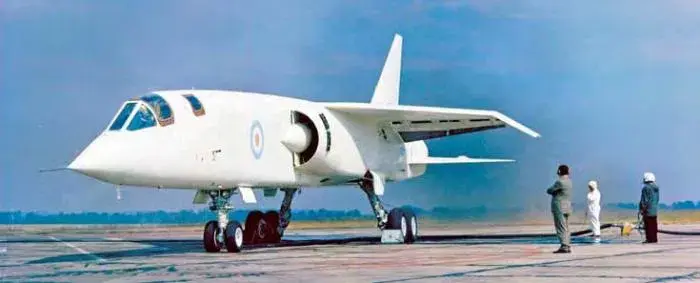
What We Lost With TSR-2
Cancelling the TSR-2 meant Britain gave up on what many aviation historians still call the most advanced tactical strike aircraft ever built during the Cold War. It was a symbol of British aerospace excellence, offering performance that even some modern jets would envy. The TSR-2 combined speed, stealth, and nuclear strike capabilities in ways no other Western aircraft did at the time. Its cancellation not only dealt a blow to the UK's defence industry but also marked a turning point where strategic decisions began favouring imported platforms over homegrown innovation.
)
)
)
)
)