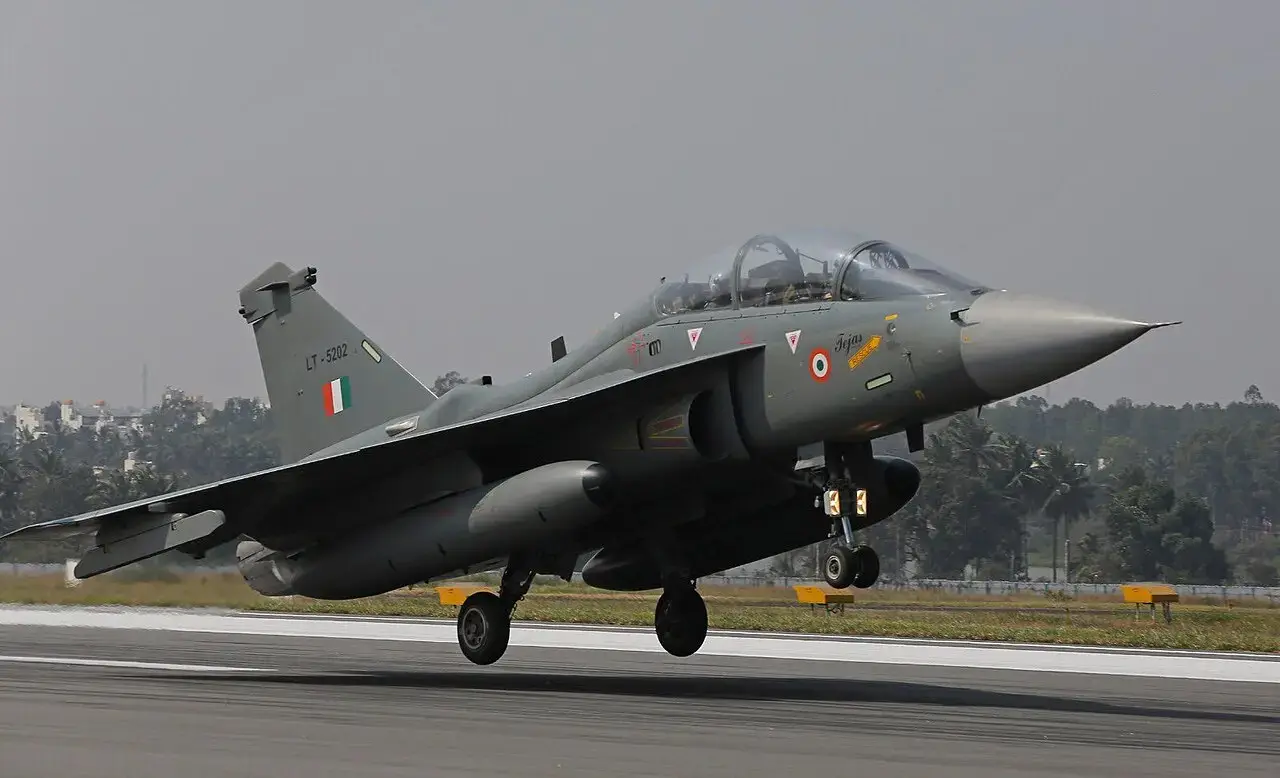
This fighter jet is nearly invisible to enemy radar: Tejas Mk2 can ghost detection systems

Tejas Mk2 cuts its radar signature by 75 per cent over Tejas Mk1A with composites, S-ducts, canards, and RAM coatings. Learn more about India’s stealth breakthrough below.
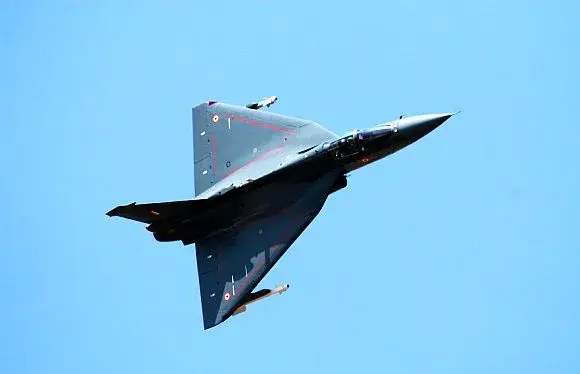
What is Stealth and Why Does It Matter?
In modern air combat, Stealth fighter jets are built to dodge radar detection, allowing pilots to attack or escape before the enemy even realises. Tejas Mk2 brings big advances in stealth over the Mk1A, cutting its radar signature by 75 per cent.
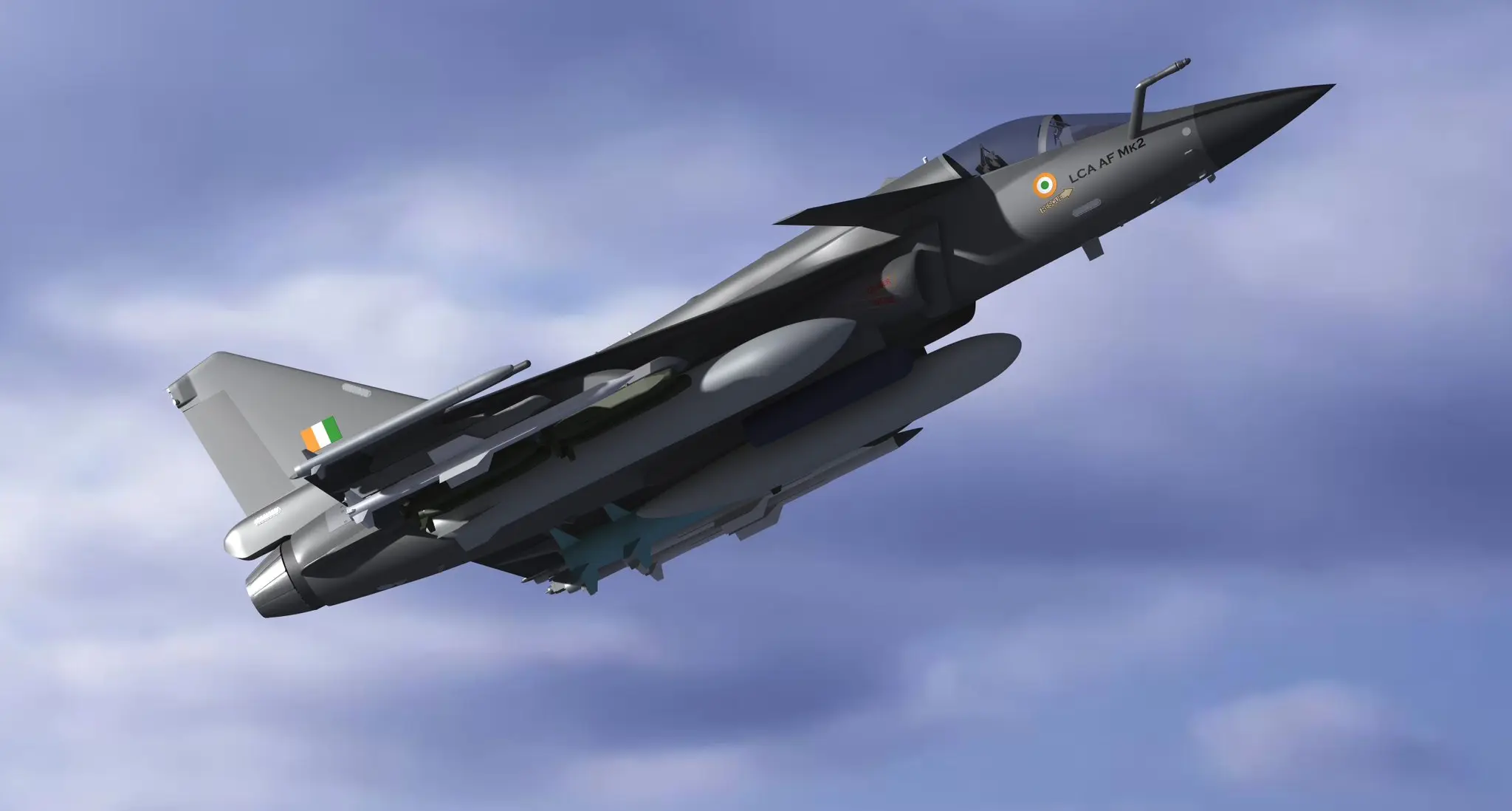
Composite Construction Stealth from Nose to Tail
Tejas Mk2 uses composite materials for 90 per cent of its frame. These special materials soak up radar waves rather than bouncing them back. HAL engineers say this is a major factor behind the large drop in radar cross-section.
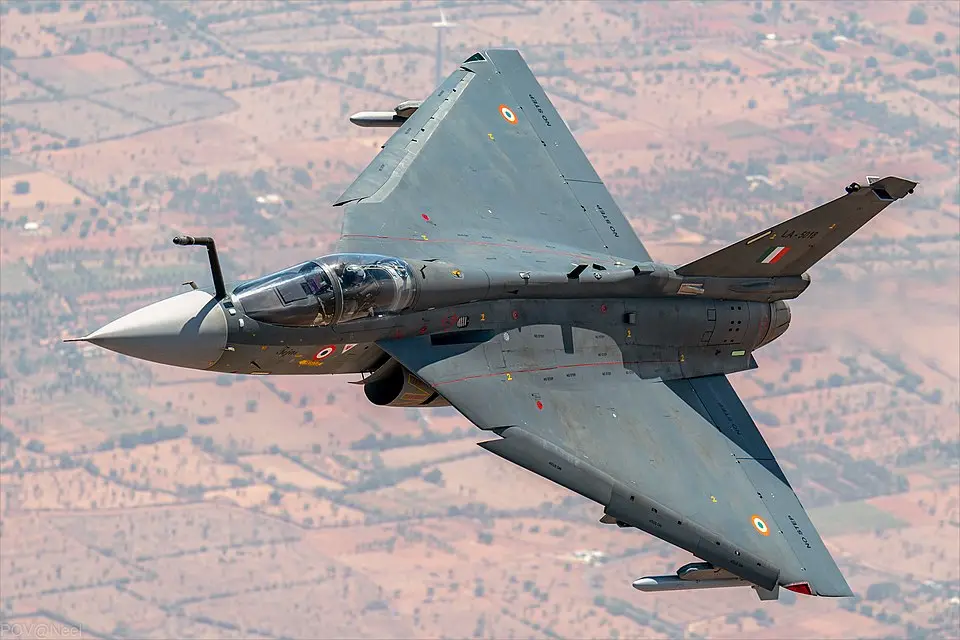
S-Shaped Air Intakes Hiding the Engine
The engine fan is usually a big giveaway to radar. Tejas Mk2 has twisted S-shaped air intakes that block radar waves from reaching the engine. The jet stays powerful, but its engine is better hidden from the radars than on older fighters.
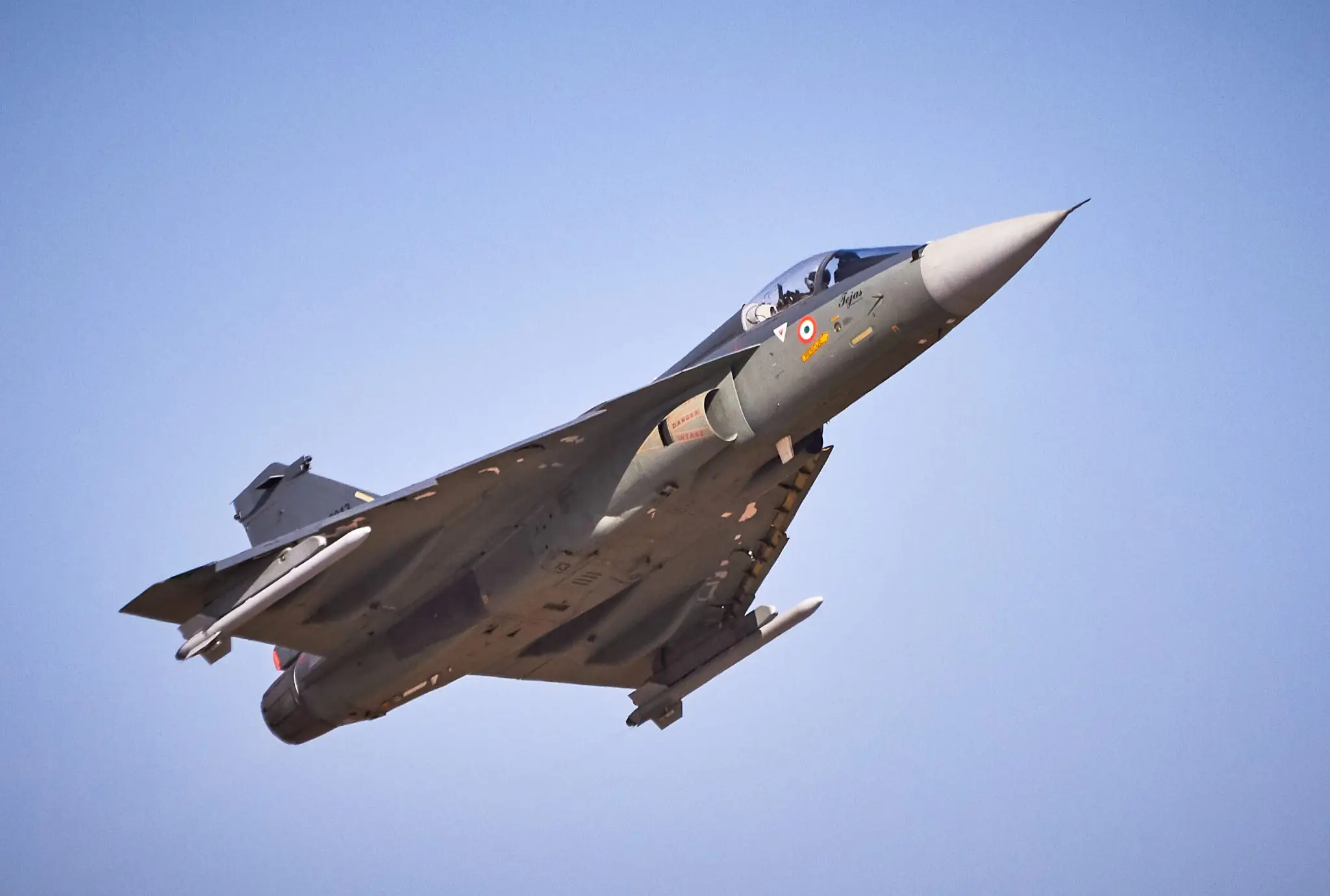
Canards and Shaping Deflect, Not Reflect
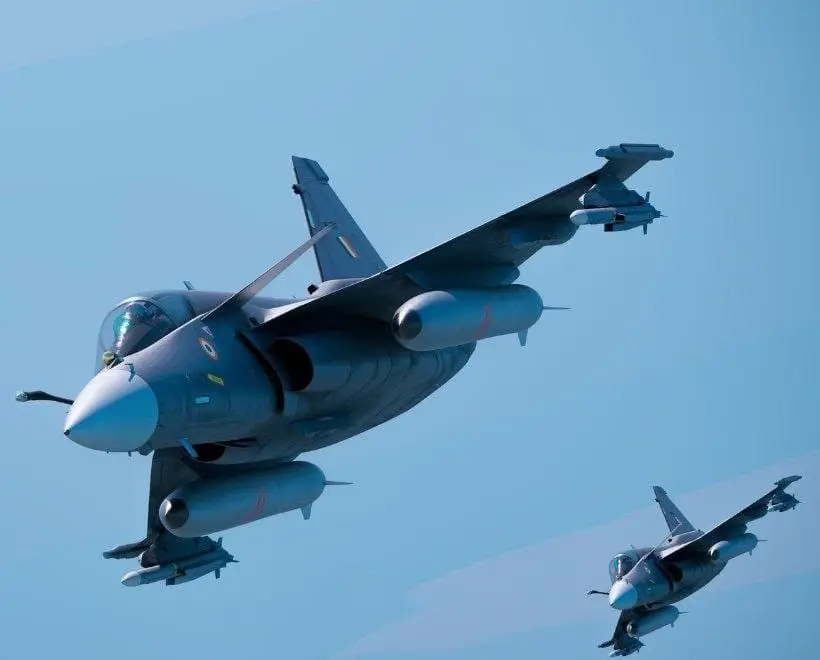
Tejas Mk2 has close-coupled canards, small extra wings near the cockpit, designed to deflect radar waves away. Careful shaping of the wings and nose also helps scatter radar signals, making the jet harder to spot and almost invisible.
RAM Coatings Absorbing Radar Energy
Tejas Mk2 gains extra stealth with advanced radar-absorbing material (RAM) coatings. These special paints soak up radar signals instead of reflecting them. The coatings are similar to those found on top European and US stealth jets.;lkjhgfdsa
Combat Impact Seeing First, Shooting First
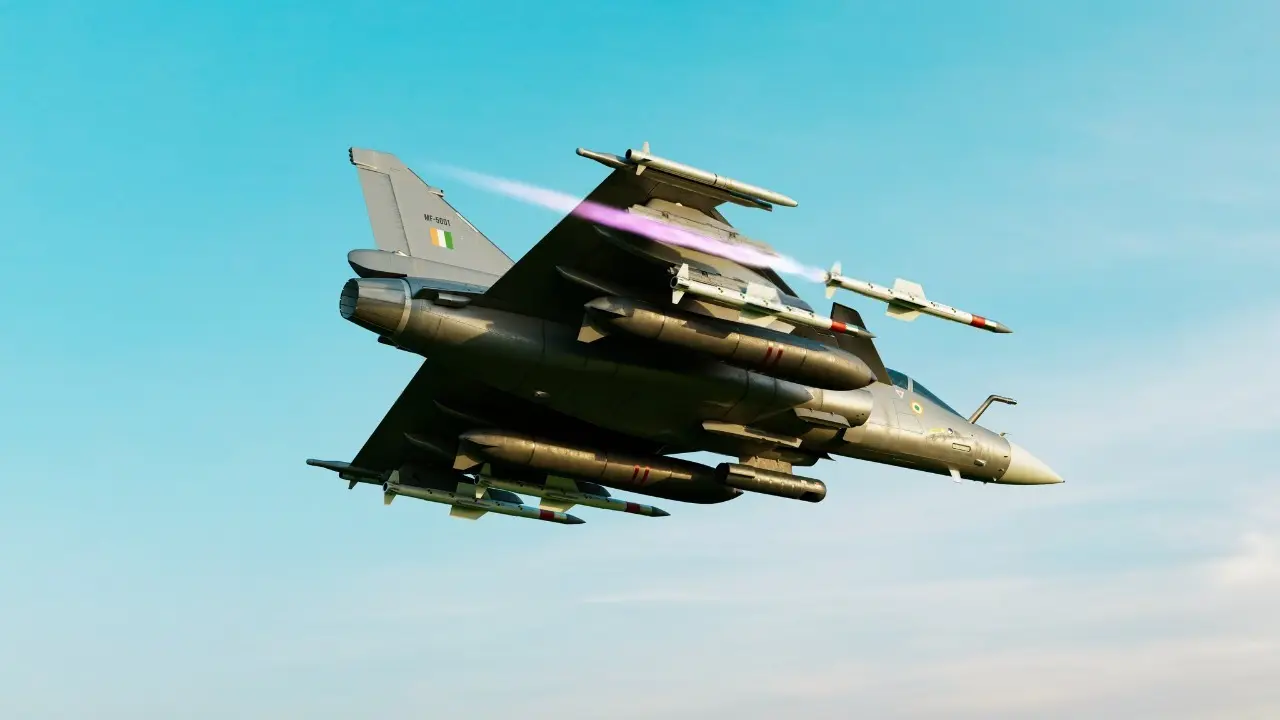
With these upgrades, enemy radars will pick up Tejas Mk2 at just a quarter of the distance they see the Mk1A. Indian pilots get a better “first shot” able to detect and fire before being found. Survival in hostile airspace rises by 60 per cent, according to recent defence studies.
Fifth-Generation Features without Fifth-Generation Costs
Tejas Mk2 has one of the smallest radar signatures. With clever shaping, special coatings, and modern systems, it offers next-gen stealth at a much lower cost as with other stealth fighter jets.
)
)
)
)
)