This fighter jet flies so fast, people call it a rocket with wings, reaching a top speed of Mach 6.72

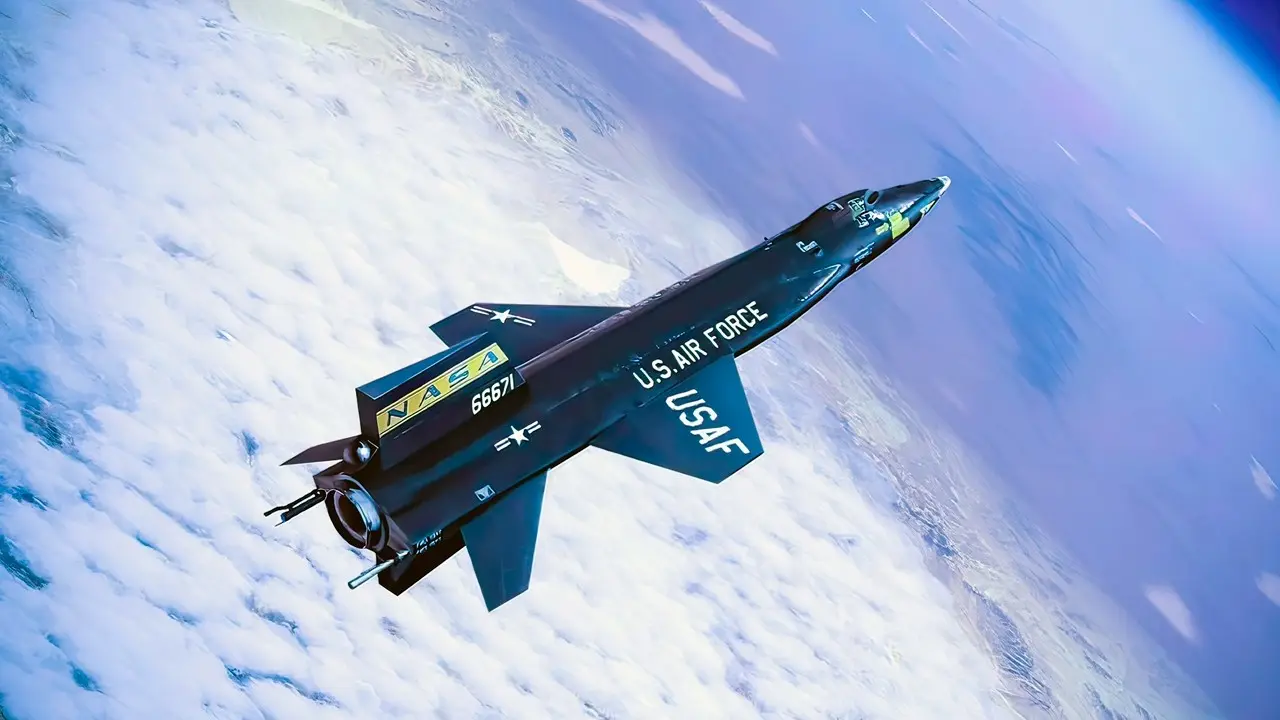
The North American X-15, a U.S. Air Force and NASA rocket plane, reached record speeds of Mach 6.7 and altitudes above 67 miles. With 199 flights and astronaut pilots, it bridged earth flight and space travel.
Introduction to the X-15 Rocket Plane
The North American X-15 was a rocket-powered research aircraft, developed by the US Air Force and NASA in the late 1950s and 1960s. It was designed to reach extreme speeds and altitudes, flying at the edge of space. The X-15 helped scientists learn more about hypersonic flight, which is flying faster than Mach 6, that is, five times the speed of sound.
Record-Breaking Speed and Altitude
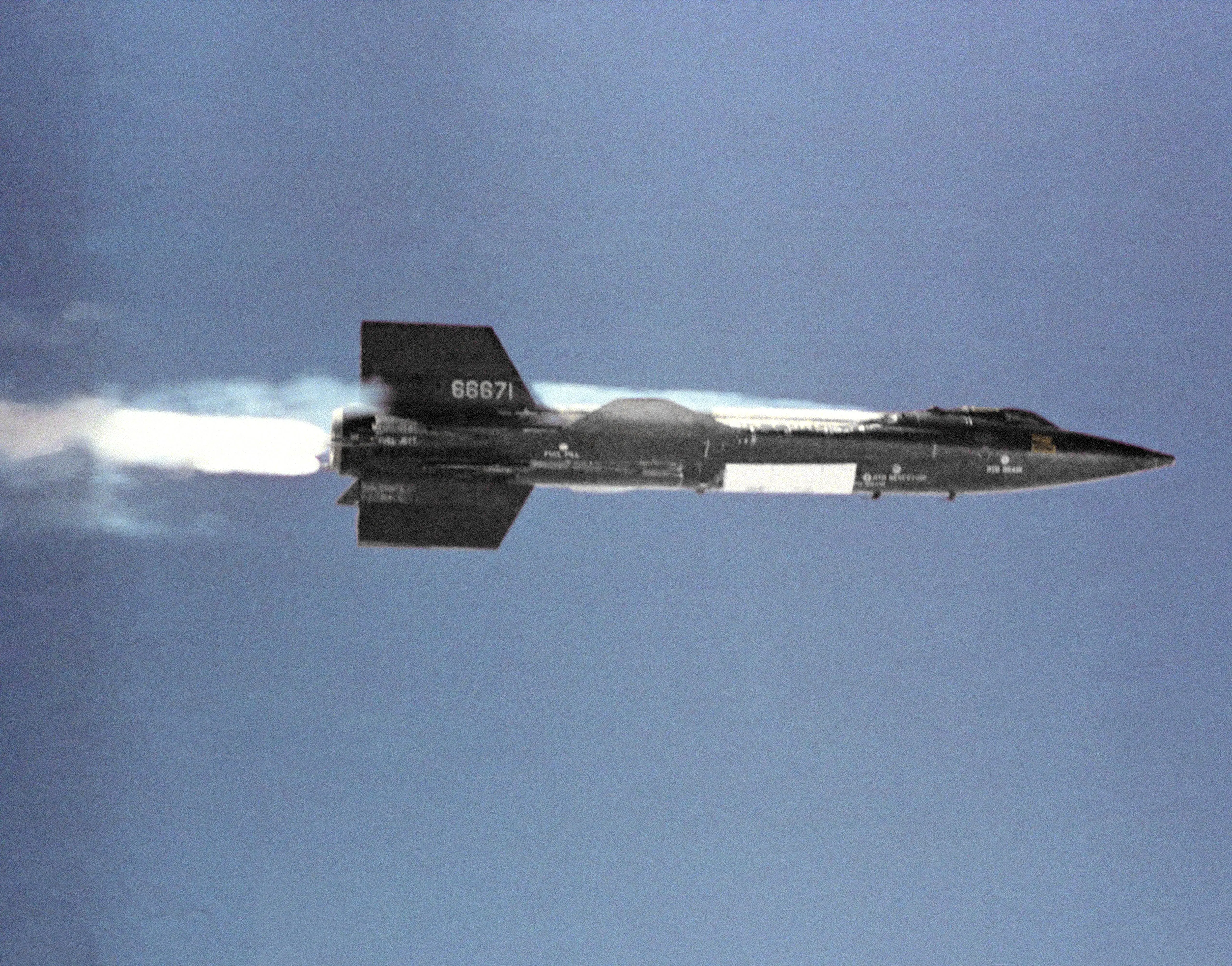
On October 3, 1967, pilot William J. Knight flew the X-15 at 4,520 mph (Mach 6.7). This is the fastest speed ever recorded by a crewed plane. The aircraft reached heights of 354,200 feet (about 67 miles). These records still stand today. The plane was designed to handle extremely high temperatures caused by flying so fast, using special heat-resistant materials.
How the X-15 Flew and Was Controlled
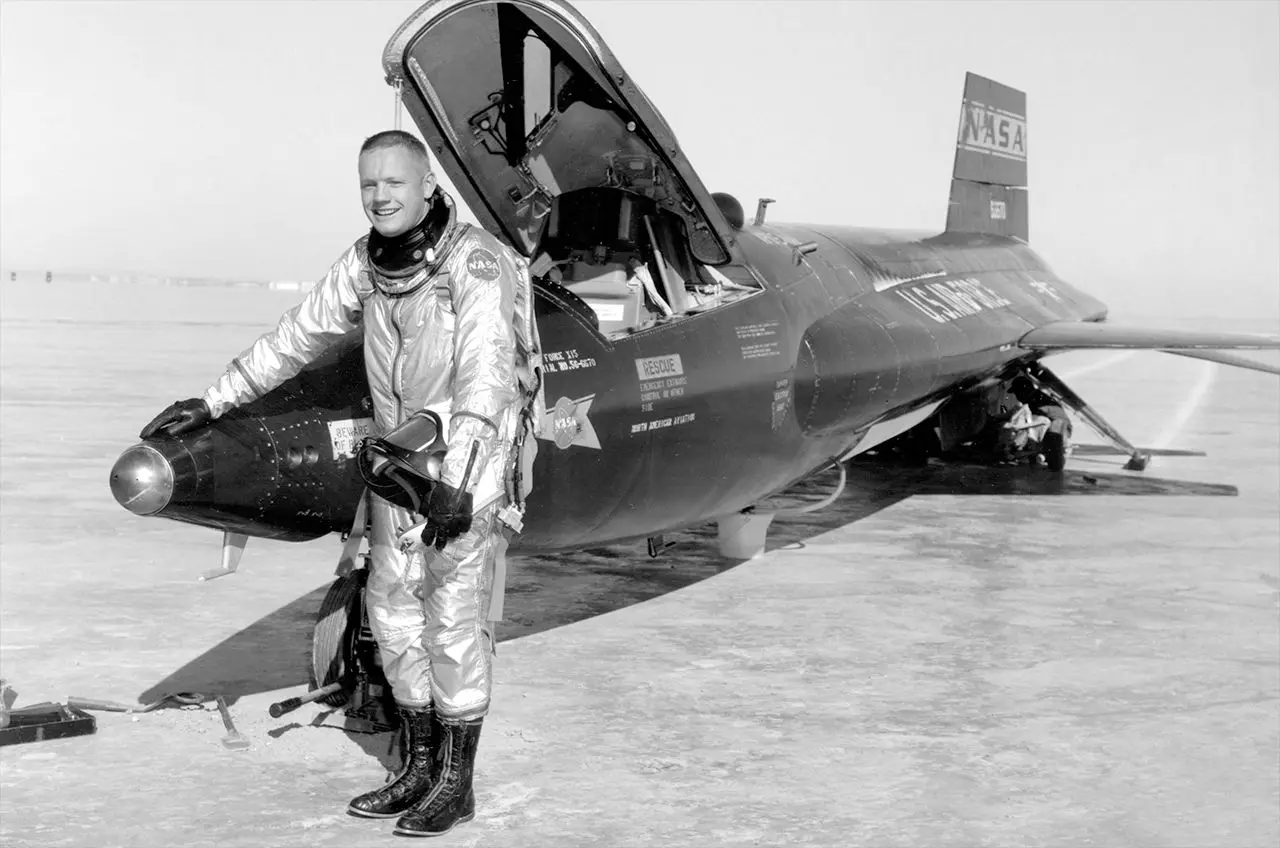
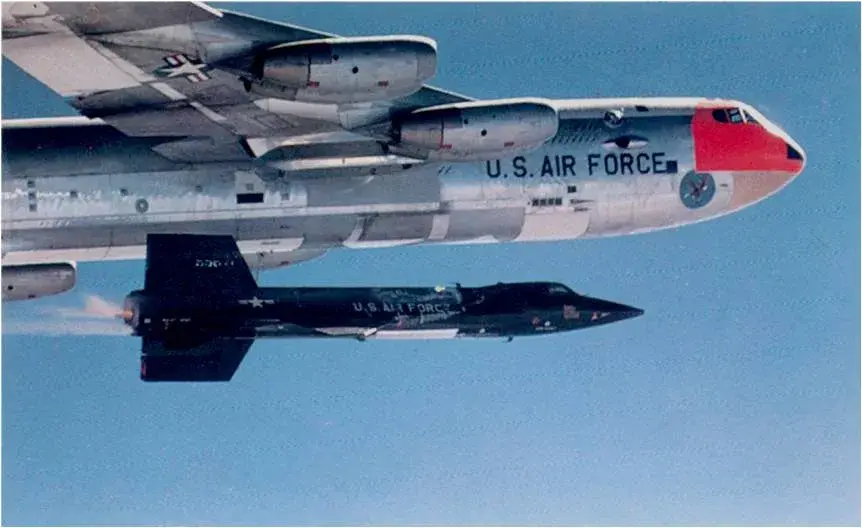
The X-15 was launched from a B-52 bomber at high altitude before firing its rocket engine. Flying so close to space meant pilots needed special control systems. The X-15 had thrusters on its nose and wings to help steer when there was little air. Pilots also wore full-pressure suits to survive in near-space conditions.
Flights and Pilots
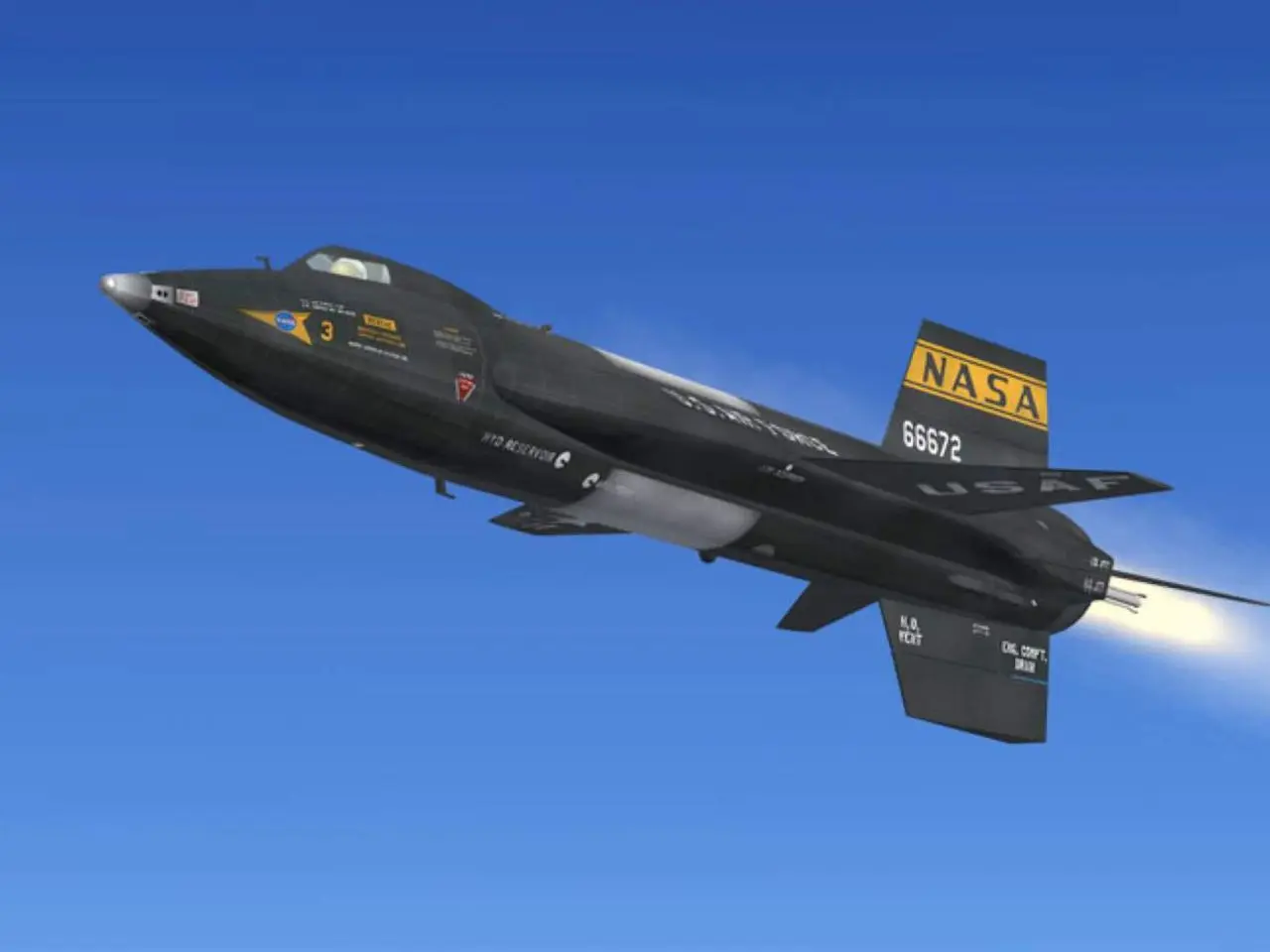
From 1959 to 1968, 12 pilots flew a total of 199 X-15 flights. Eight pilots flew missions that reached astronaut-level altitudes, earning them astronaut wings. The flights tested new technology, helping future spacecraft and the space shuttle programme. The X-15 was more than a plane; it was a bridge to space exploration.
Impact on Aviation and Spaceflight
The X-15 mission produced around 700 technical reports. These studies helped improve thermal protection, navigation, and controls for high-speed flight and space missions. It showed pilots could operate at hypersonic speeds and near space. This information was vital for the success of Gemini, Apollo, and the space shuttle.
The Technology and Design
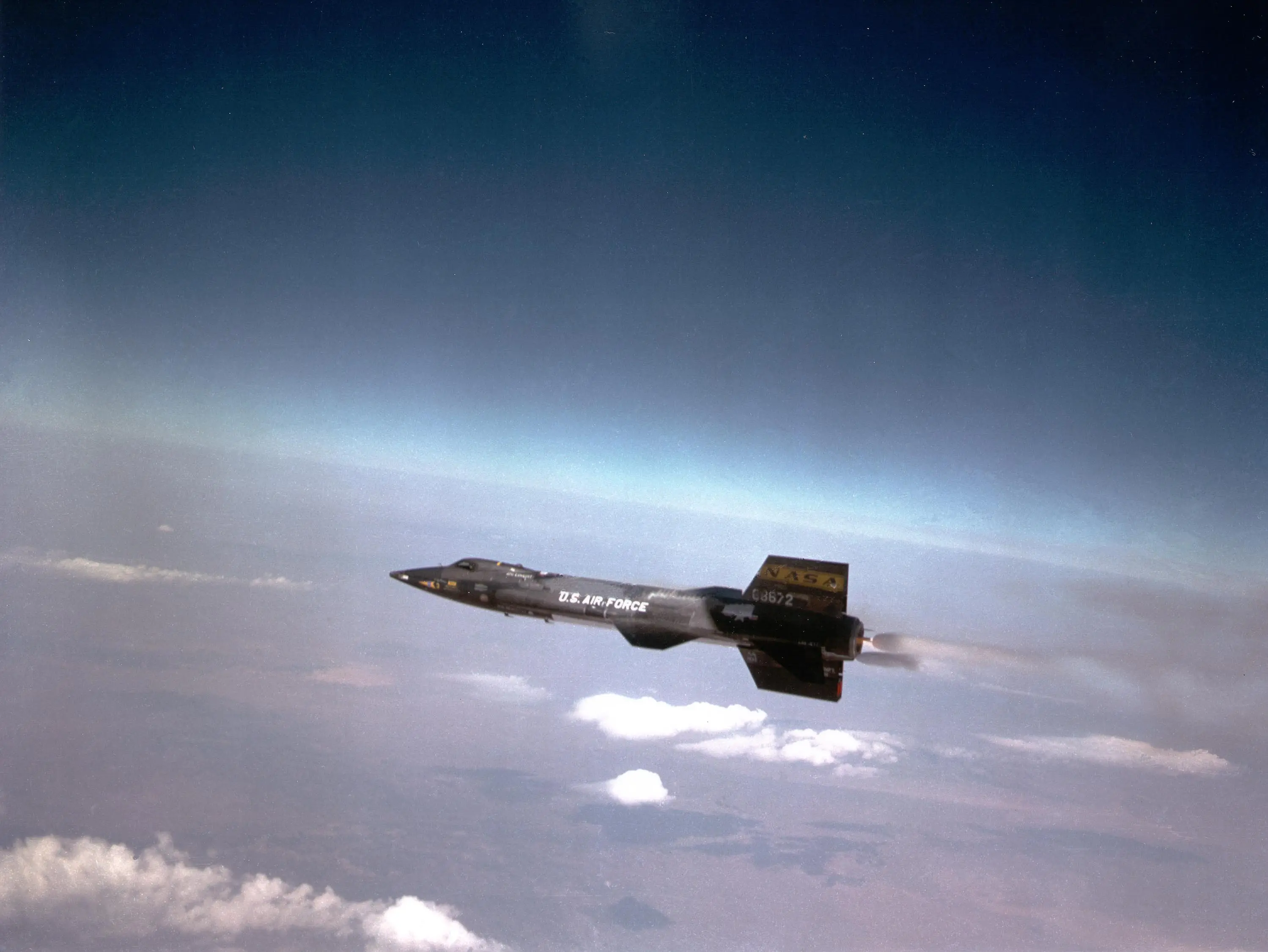
The X-15 was made from a special nickel alloy called Inconel X to survive extreme heat. It was about 52 feet long with a wingspan of 22 feet. Its rocket engine produced over 70,000 pounds of thrust, around 600,000 horsepower. The design influenced later aircraft like the SR-71 Blackbird and even NASA’s early space capsules.
)
)
)
)
)