This fighter jet can fold its wings in mid-air flight and was used in Tom Cruise' 'Top Gun'

It was a game-changing technology called variable-sweep wing design that made the jet a beast in both dogfights and long-range missions.
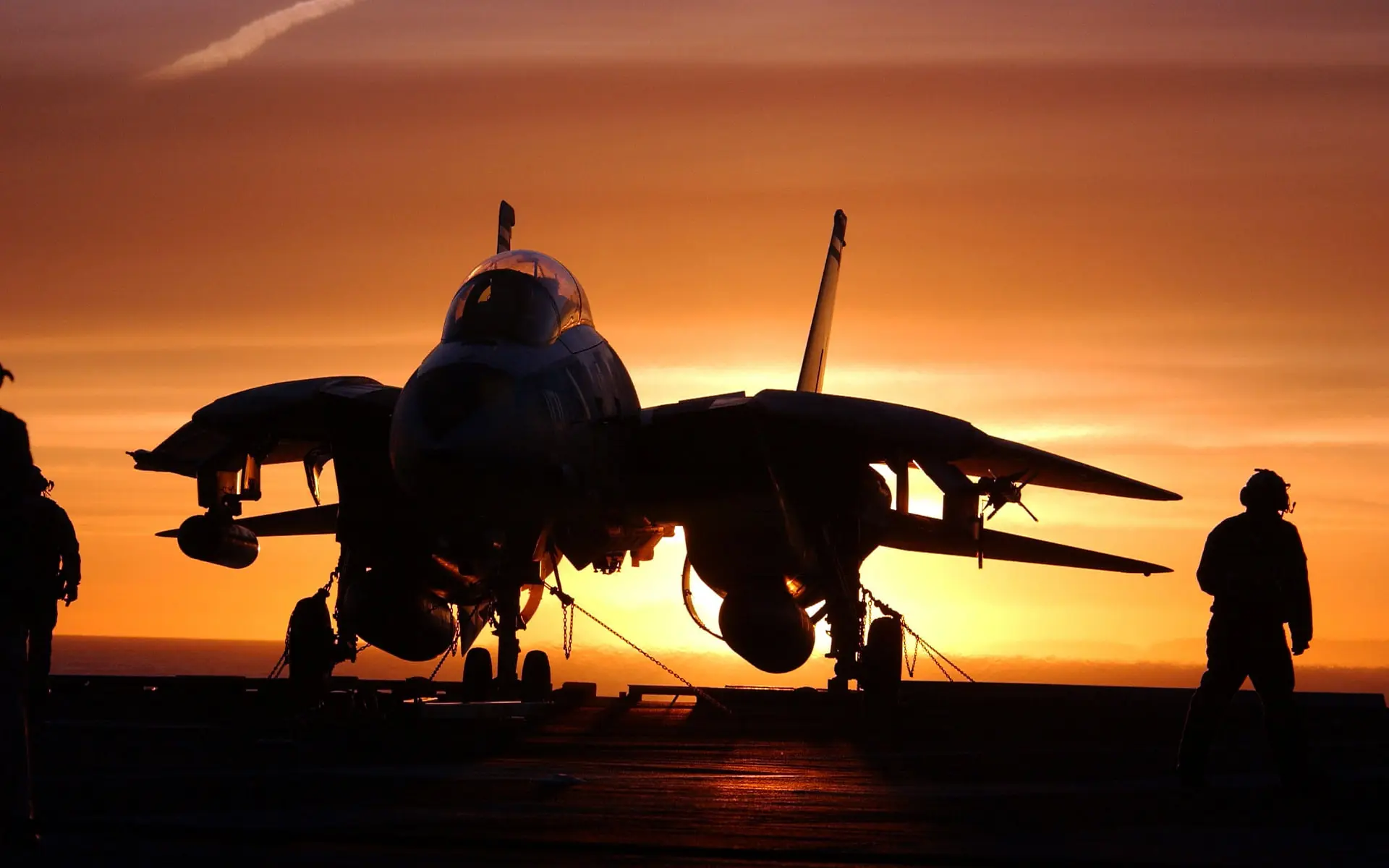
F-14 Tomcat
Not all fighter jets are built the same and some are built to literally transform. The F-14 Tomcat, one of the most iconic jets in aviation history, had the insane ability to fold its wings while flying at supersonic speeds. This wasn’t for show — it was a game-changing technology called variable-sweep wing design that made the jet a beast in both dogfights and long-range missions.
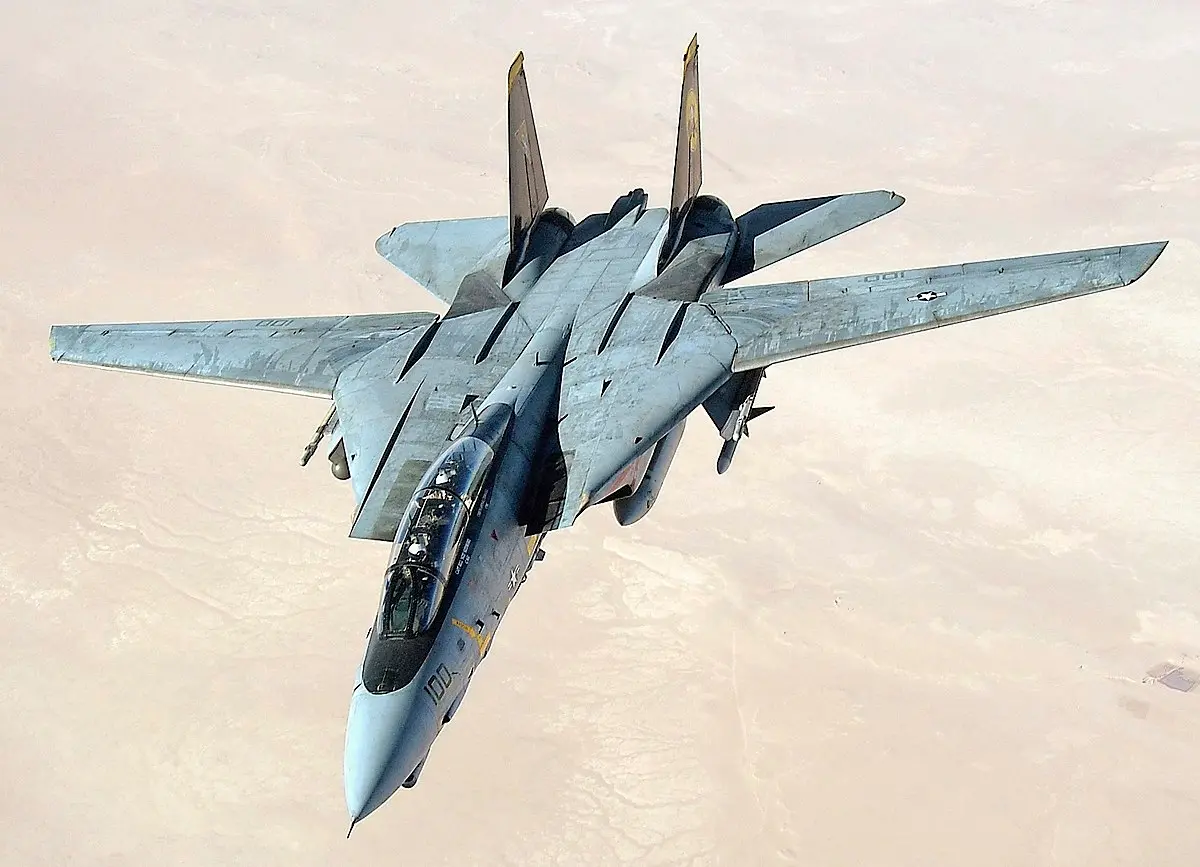
What Are Swing Wings?
Swing wings, or variable-sweep wings, allow a fighter jet to change the angle of its wings during flight. When extended outward, the wings give the plane more lift and better manoeuvrability, perfect for takeoff, landing, or tight turns. But when the jet needs to go fast, really fast, the wings sweep back to cut through the air with less drag. It’s like having two jets in one: a nimble dogfighter and a supersonic interceptor.
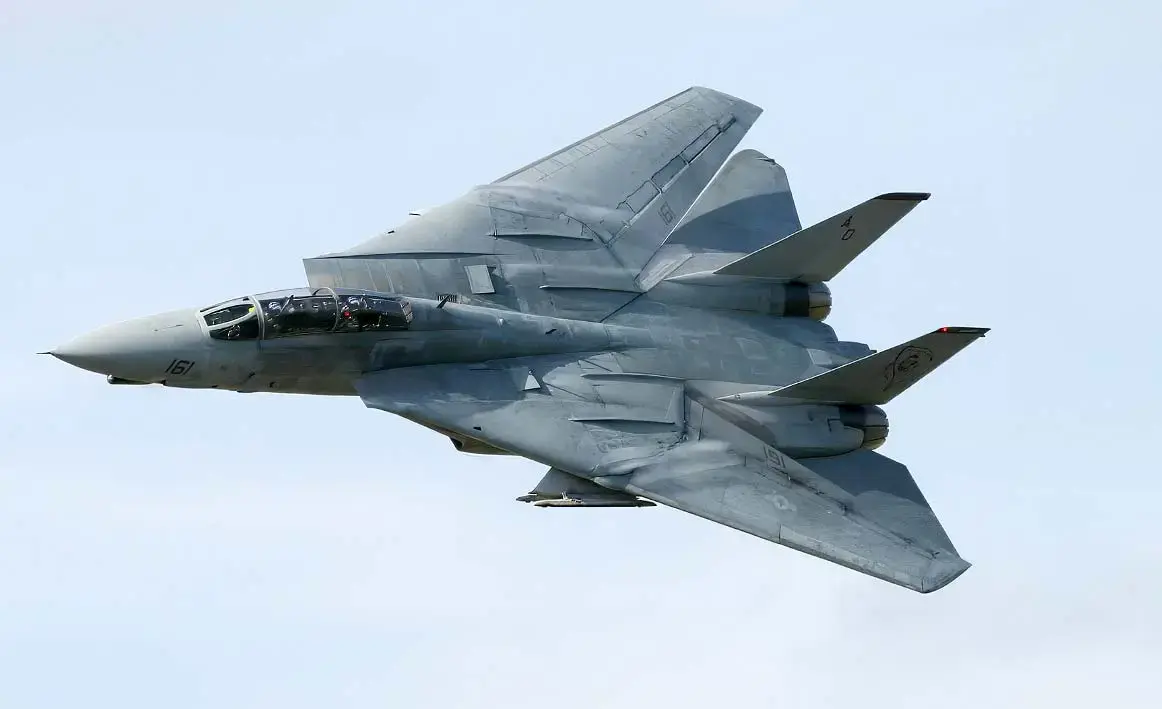
The F-14 Could Do It Automatically
The F-14 Tomcat wasn’t just folding its wings on a button press, it had an automated flight control system that adjusted wing position based on speed and flight conditions. At low speeds, the wings spread wide like an eagle. At high speeds, they tucked back like a missile. The pilot didn’t need to think about it, the jet adapted its own shape in real time.
Why Was This Needed?
The US Navy needed a fighter that could do it all: land on aircraft carriers, dominate close-range dogfights, and chase down bombers at supersonic speed. But those missions have conflicting aerodynamic needs. Variable-sweep wings solved the problem. Extended wings gave stability for carrier landings and tight manoeuvres. Swept wings turned the Tomcat into a long-range, high-speed hunter, especially useful during Cold War standoffs with Soviet bombers.
Engineering the Impossible
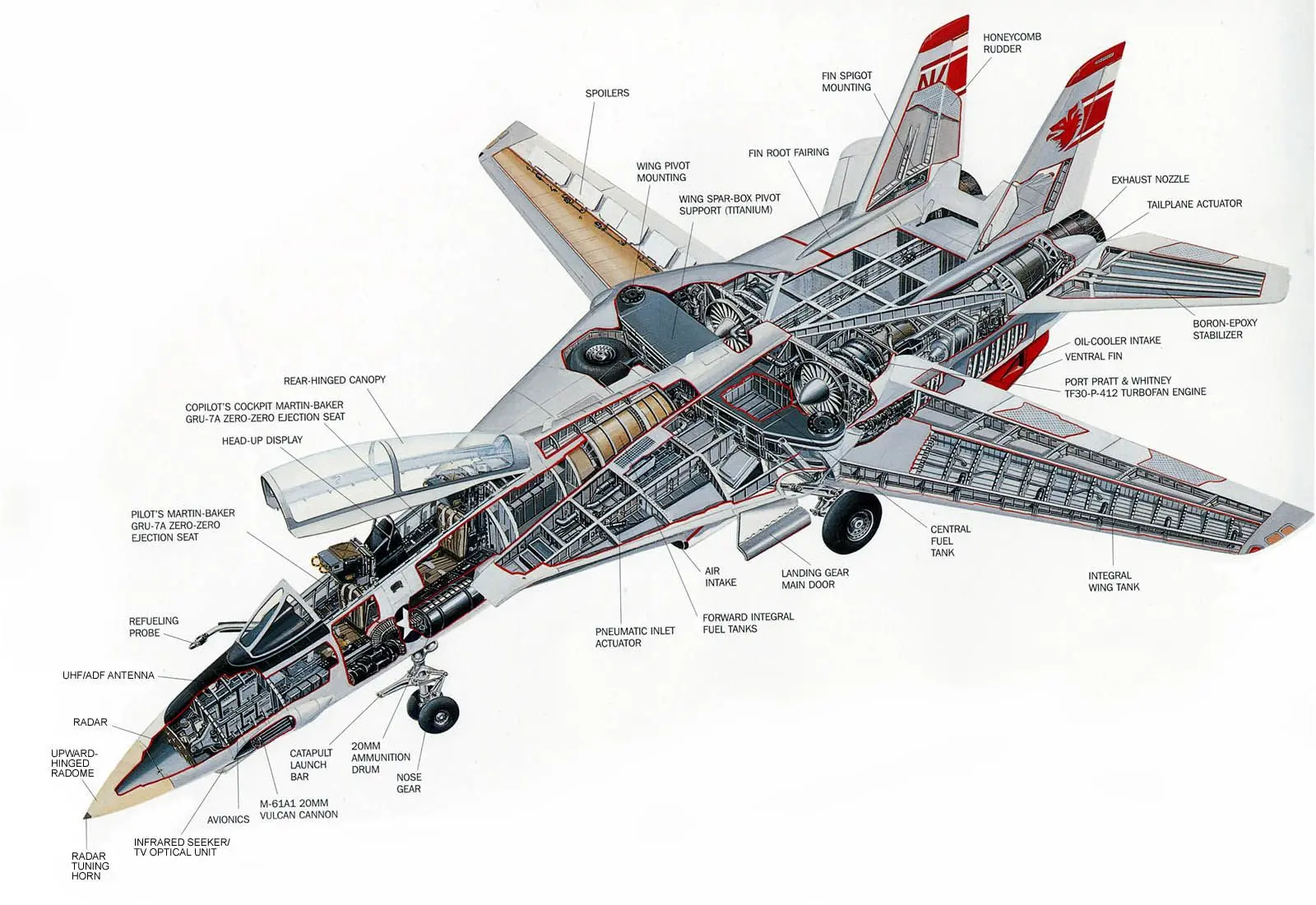
The mechanism that allowed the F-14 to fold its wings mid-air was no joke. It involved complex hydraulics, strong actuators, and heavy-duty pivot points that could withstand the stress of high-speed flight. All of this had to work perfectly while pulling G-forces and dodging missiles. It wasn’t just cool, it was a feat of aviation engineering that pushed the limits of what fighter jets could do.
Legendary in Combat and Hollywood
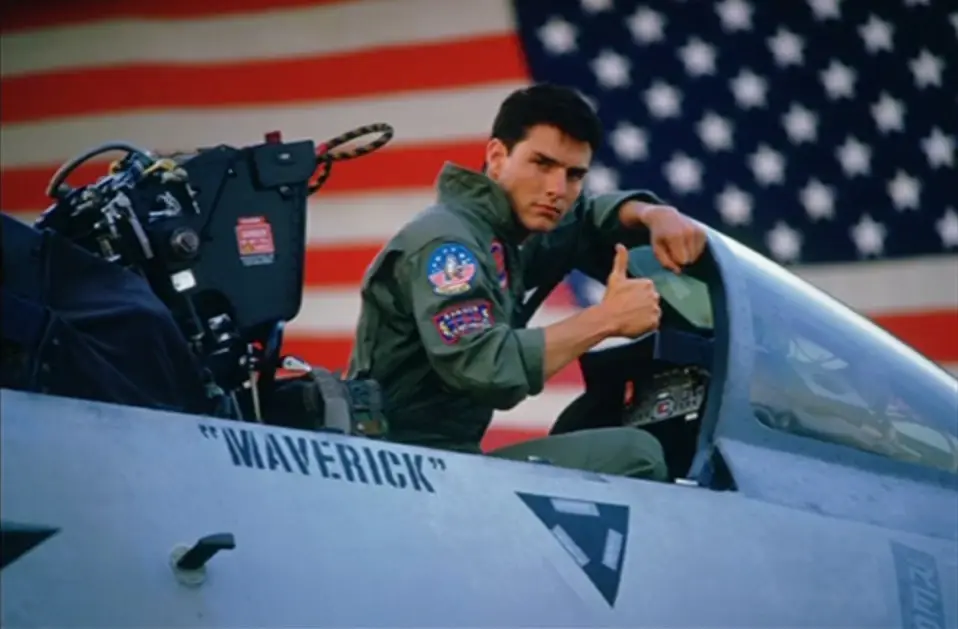
The F-14 wasn’t just a mechanical marvel; it was also a star. From its missions over Iraq and Afghanistan to its unforgettable appearance in “Top Gun”, the folding-wing fighter earned legendary status. That dramatic moment when Maverick hits full throttle and the wings sweep back? That actually happens and it's part of what made the Tomcat one of the most recognisable and versatile fighters in the sky.
)
)
)
)
)