This European country went cashless and embraced a digital economy!

The nation introduced banknotes in 1661 and installed Europe’s first automatic teller machine in 1967. It was the first European country to issue banknotes.

Introduction
In recent years, Sweden has gained recognition as the first country to effectively become cashless, a transformation that has reshaped how citizens pay, how banks operate and how society handles money. With physical banknotes and coins largely replaced by mobile apps, cards and digital transfers, Sweden’s shift from traditional cash to near-total digital transactions offers a compelling case study in financial innovation.

Why Sweden led the way
It had already built key pieces of infrastructure long before it became fully cash‑free. The nation introduced banknotes in 1661 and installed Europe’s first automatic teller machine in 1967. It was the first European country to issue banknotes. Ironically, it looks to be one of the first to get rid of them. Over the last decade, the rise of a nationwide mobile payment system (“Swish”), the proliferation of contactless card payments and banks phasing out cash-handling in branches helped accelerate the shift. By 2022, cash transactions accounted for under 8 per cent of retail payments, according to the central bank.
How the change works in daily life
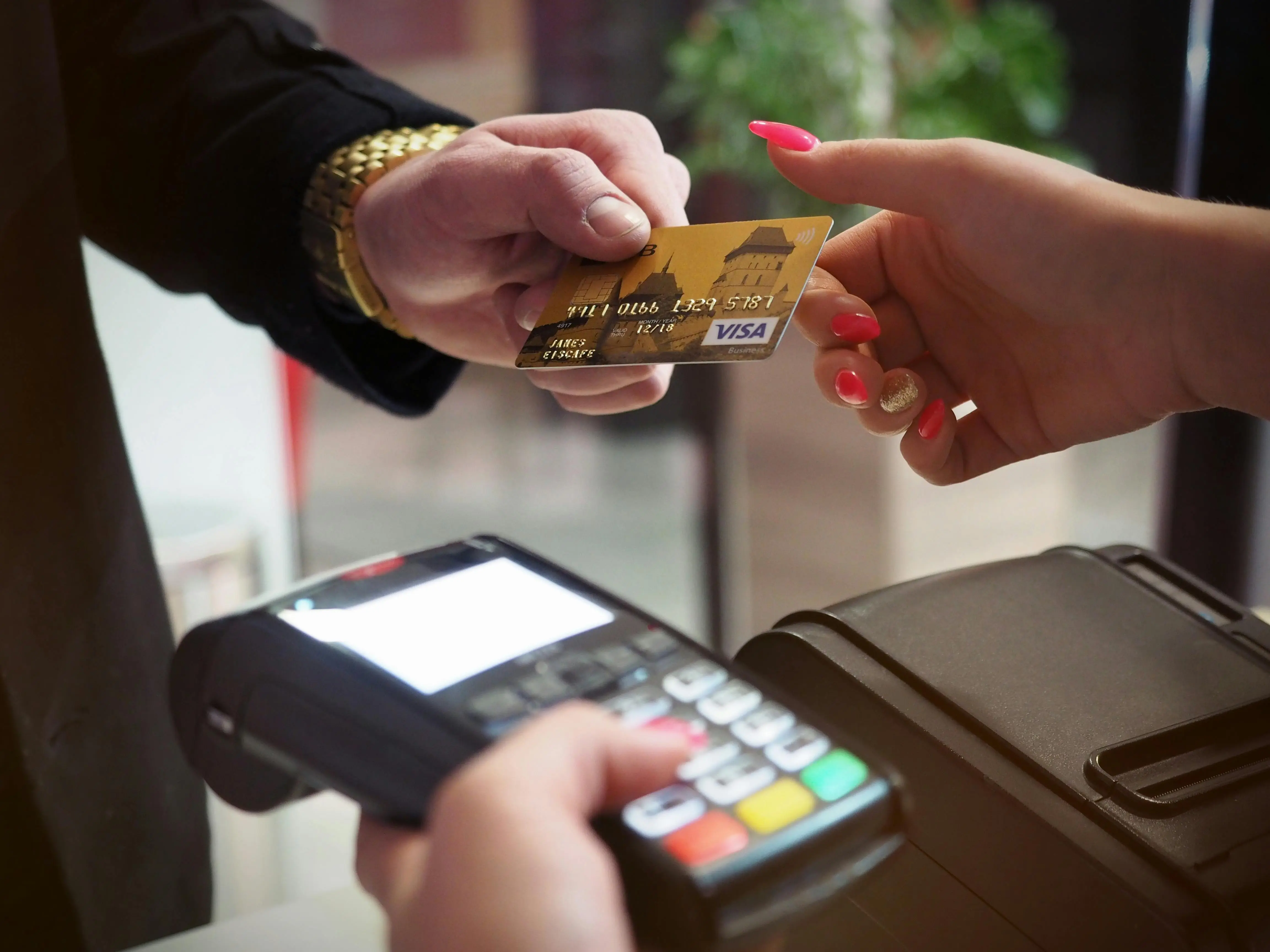
In towns and cities across Sweden, it is increasingly difficult to find a shop or café that accepts coins or notes. Many banks no longer accept cash over the counter. Instead, payments are made via mobile apps, QR codes and contactless cards. The expectation of digital payments is so widespread that visitors are advised to ensure they have accepted non‑cash methods.

What drove the decision
Several factors contributed to Sweden’s transition: widespread smartphone and internet penetration, strong trust in financial institutions, a regulatory environment that supported digital payments and an economic calculation that handling cash had become cost‑inefficient. One study found that when cash transactions fall below around 7 per cent of total payments, it becomes costlier for shops to handle cash than to exclude it.

The pros of a cashless economy
Moving toward a cash‑free model has offered Sweden several advantages: reduced costs in handling cash for banks and retailers, faster payment processes, fewer bank robberies and improved traceability of transactions. The efficiency of the system and its integration into everyday life have enabled seamless payments across services and sectors.
The challenges and warnings
Nevertheless, Sweden’s cashless experiment is not without issues. Critics warn of increased vulnerability to cyber‑attacks, potential exclusion of older citizens or those without digital access and reliance on a digital infrastructure that may fail in a crisis. Amid these concerns, Swedish authorities have recently urged citizens to keep a small cash reserve just in case.

Conclusion
In many countries, the use of cash has been declining for years, India offers a modern example of this trend, with its digital payment revolution gaining momentum through initiatives like UPI, mobile wallets and QR-based payments. While still largely reliant on cash, India’s efforts demonstrate how rapidly economies can embrace digital solutions to their problems.
)
)
)
)
)