This country that runs on faith and finance! Inside Holy See’s billion-dollar empire

Vatican City may be the world’s smallest independent state, but beneath its spiritual significance lies a financial empire worth billions. From real estate and investments to tourism and donations, the Holy See operates a complex economy while maintaining its religious mission.
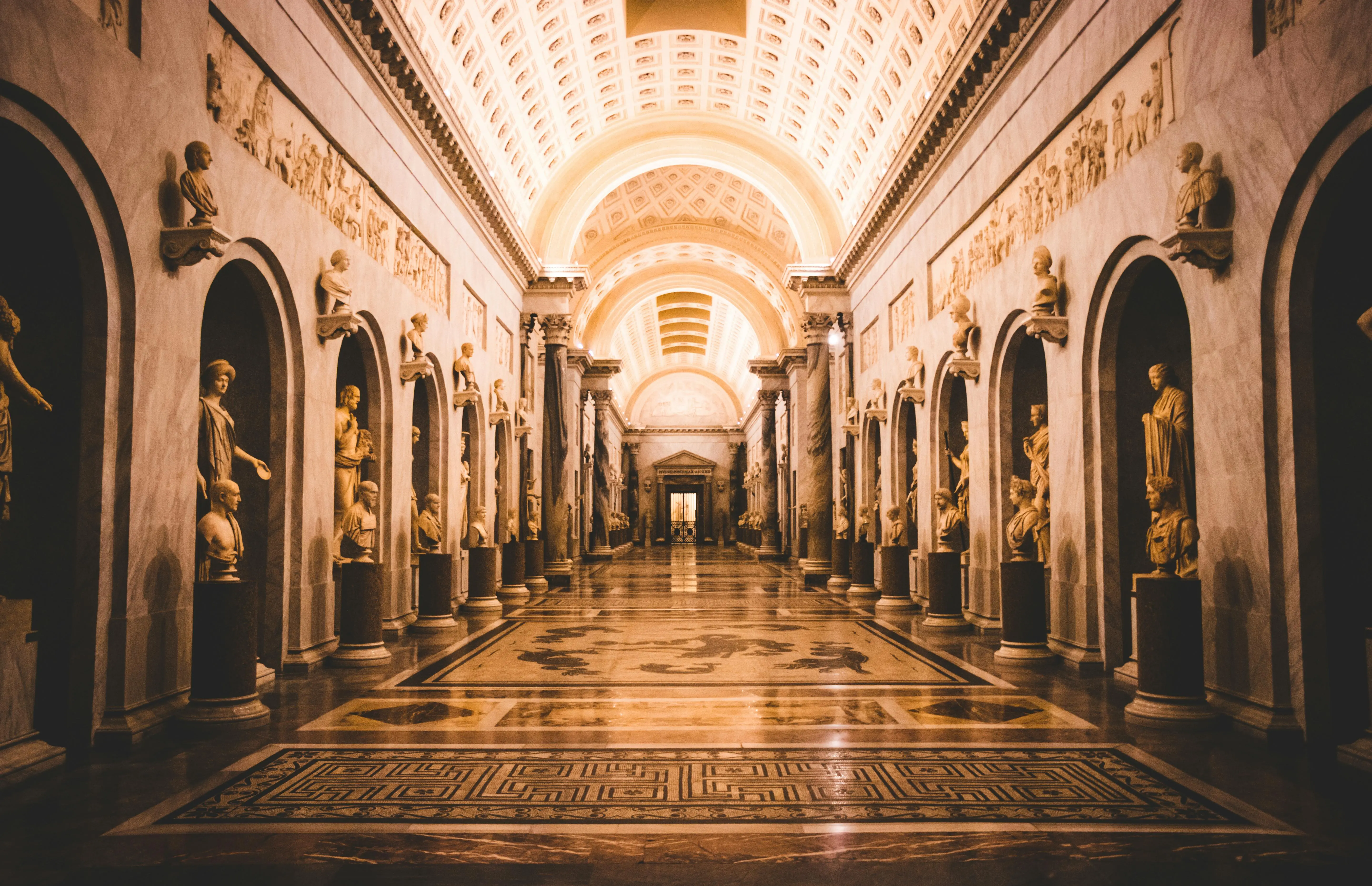
1. A Sovereign State with Unique Economy
Despite covering just 110 acres, Vatican City is a fully sovereign entity with its own governance and financial system. Its economy is a mix of religious revenue and modern finance. Key income sources include donations from the global Catholic community, notably the Peter’s Pence collection, as well as museum admissions, and the sale of stamps, coins, and souvenirs. Entities such as the Administration of the Patrimony of the Apostolic See (APSA) and the Institute for the Works of Religion (IOR) manage day-to-day financial operations, investments, and assets for the Holy See.
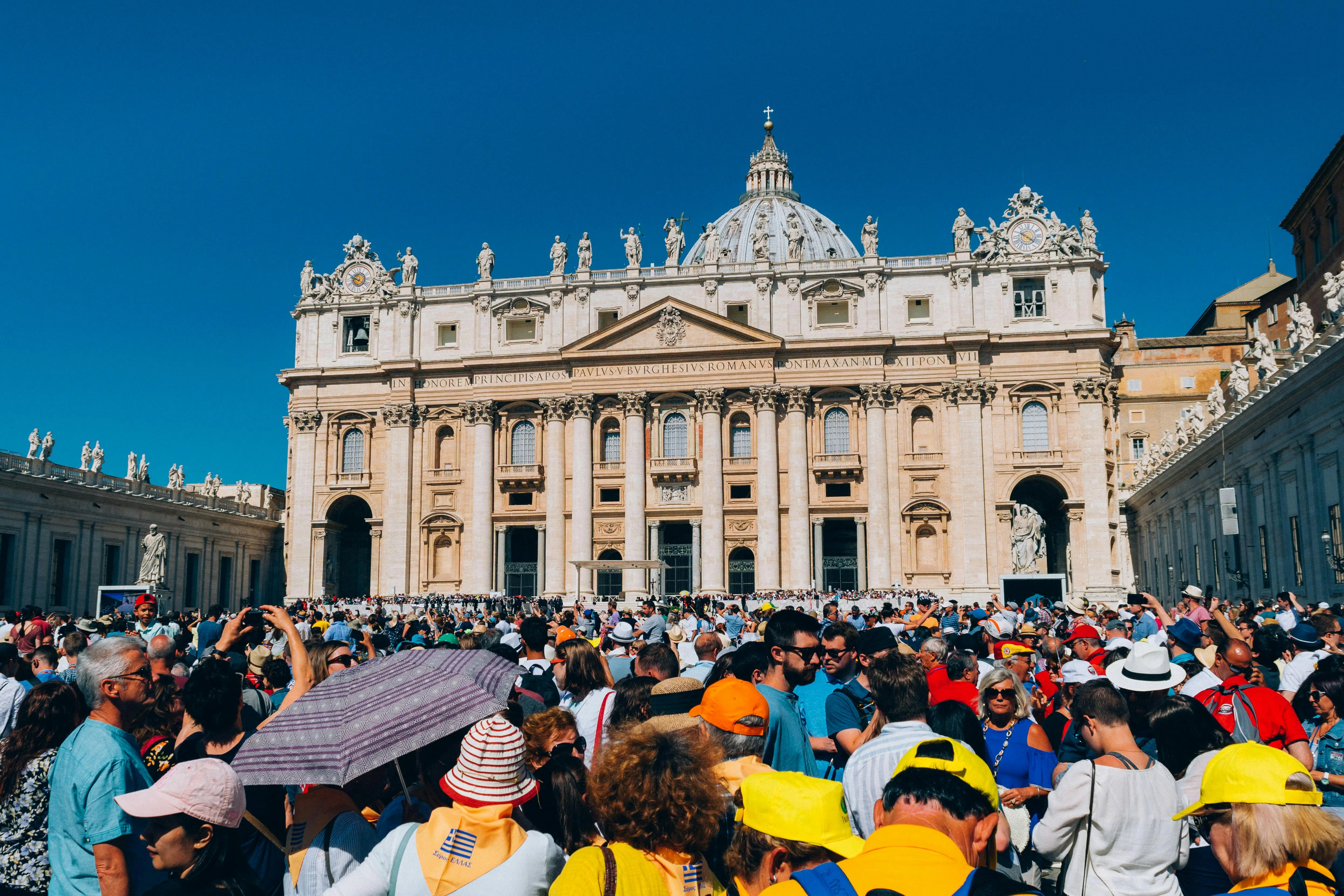
2. Extensive Real Estate Holdings
Vatican City owns over 5,400 properties worldwide, including commercial spaces, apartments, and historical sites. The majority are located in Rome, and their combined value is estimated at around €2.6 billion. These holdings generate significant rental income and form the backbone of the Vatican’s financial strength, demonstrating that even the world’s smallest state wields considerable economic influence.
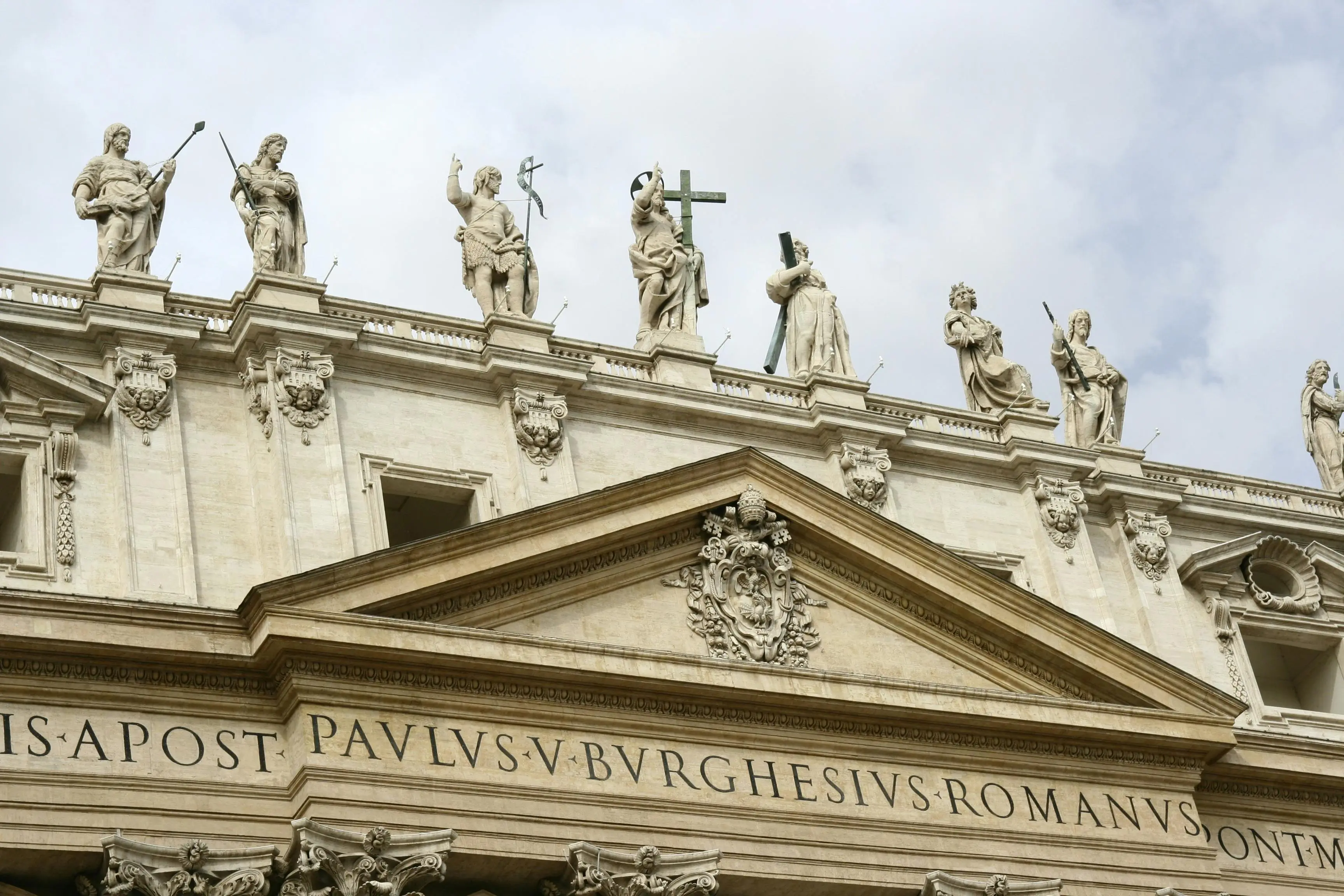
3. Diverse Investment Portfolio
Beyond real estate, the Vatican invests in global financial markets to maximise returns. In 2024, the Holy See reported a 35.5 per cent increase in profits from its holdings, totalling €62.2 million, with €38.1 million coming from investments. This diversified approach helps the Vatican maintain a stable revenue stream to fund both its spiritual and administrative activities.
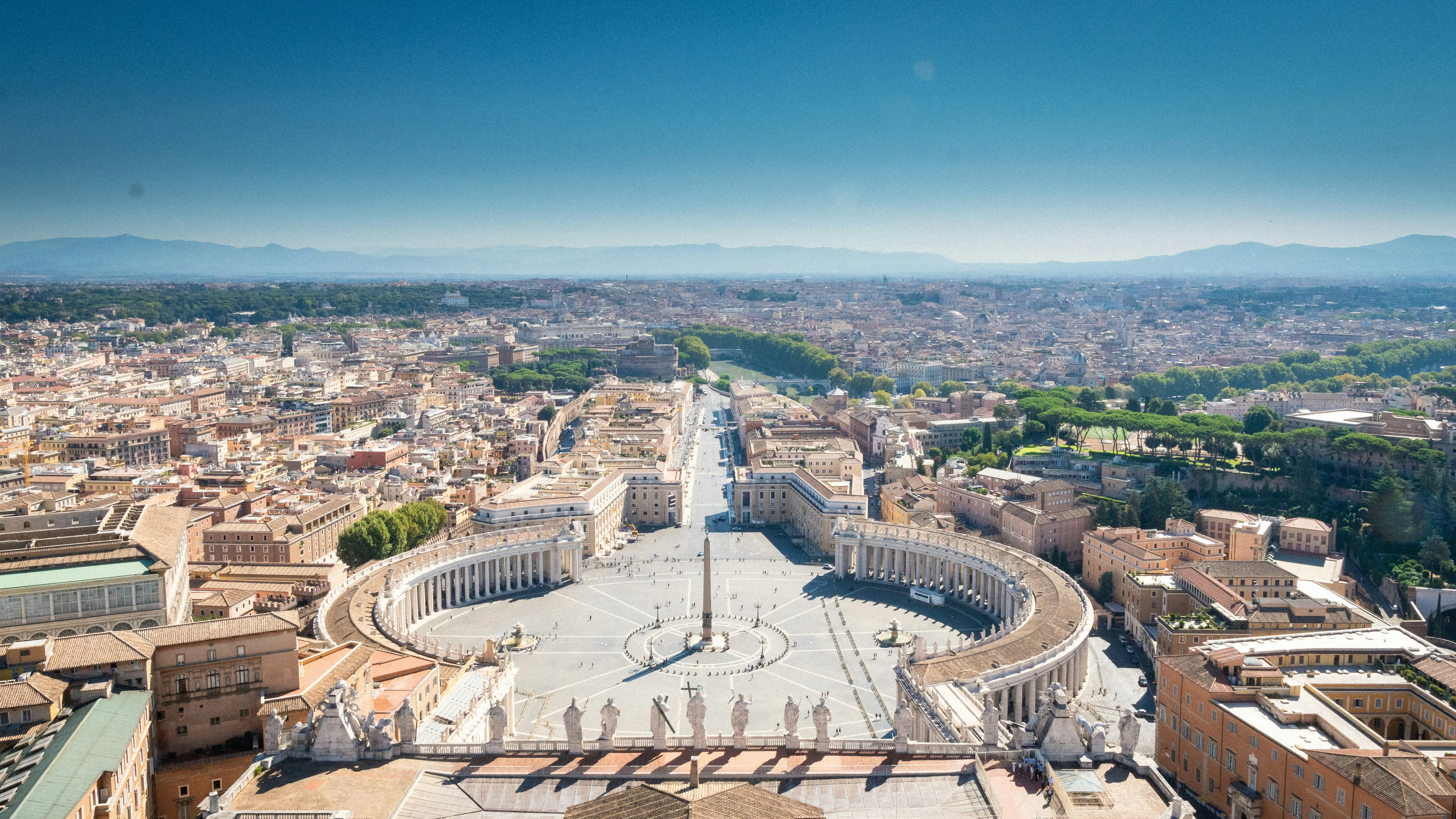
4. Revenue from Tourism and Cultural Assets
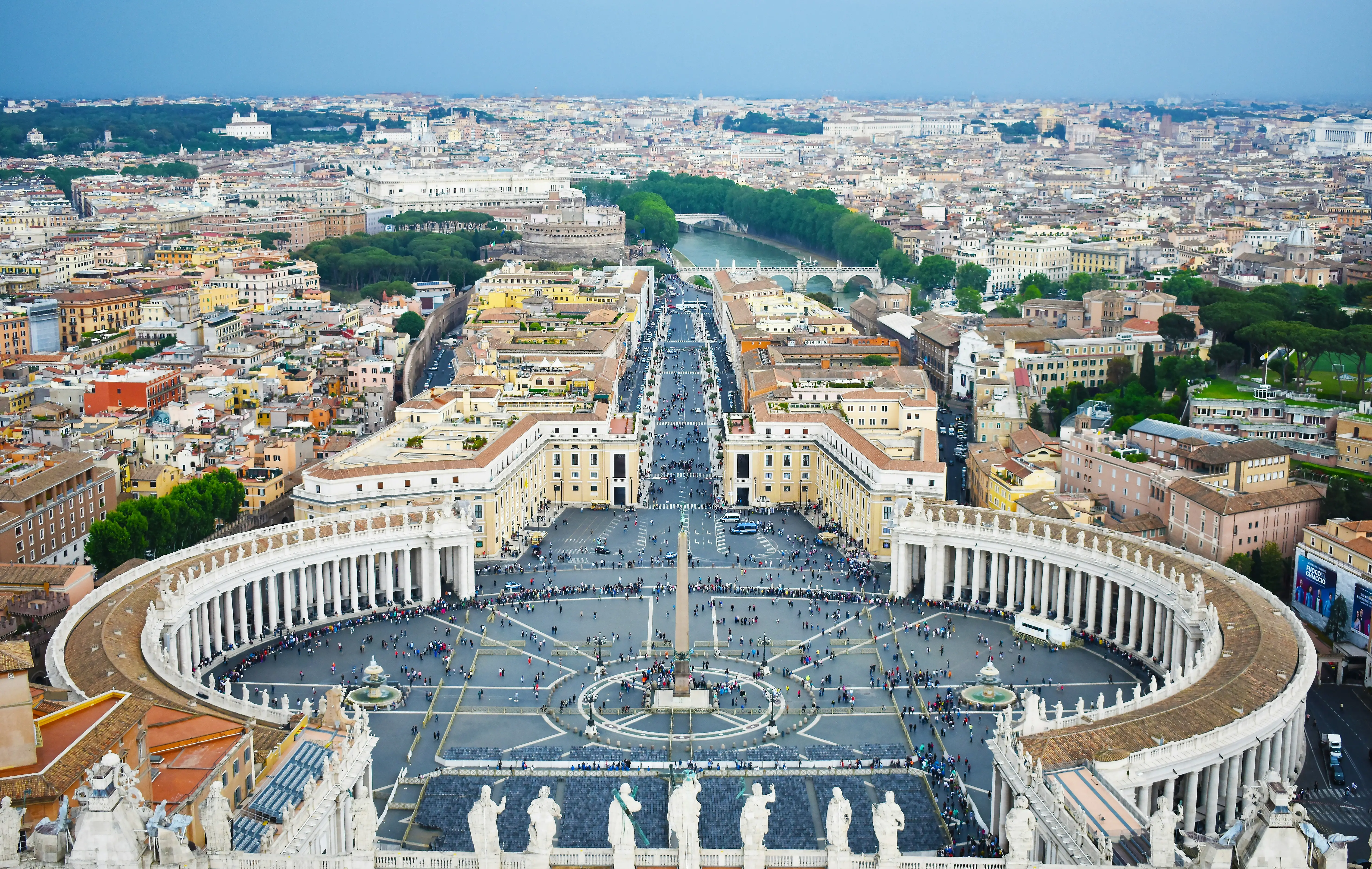
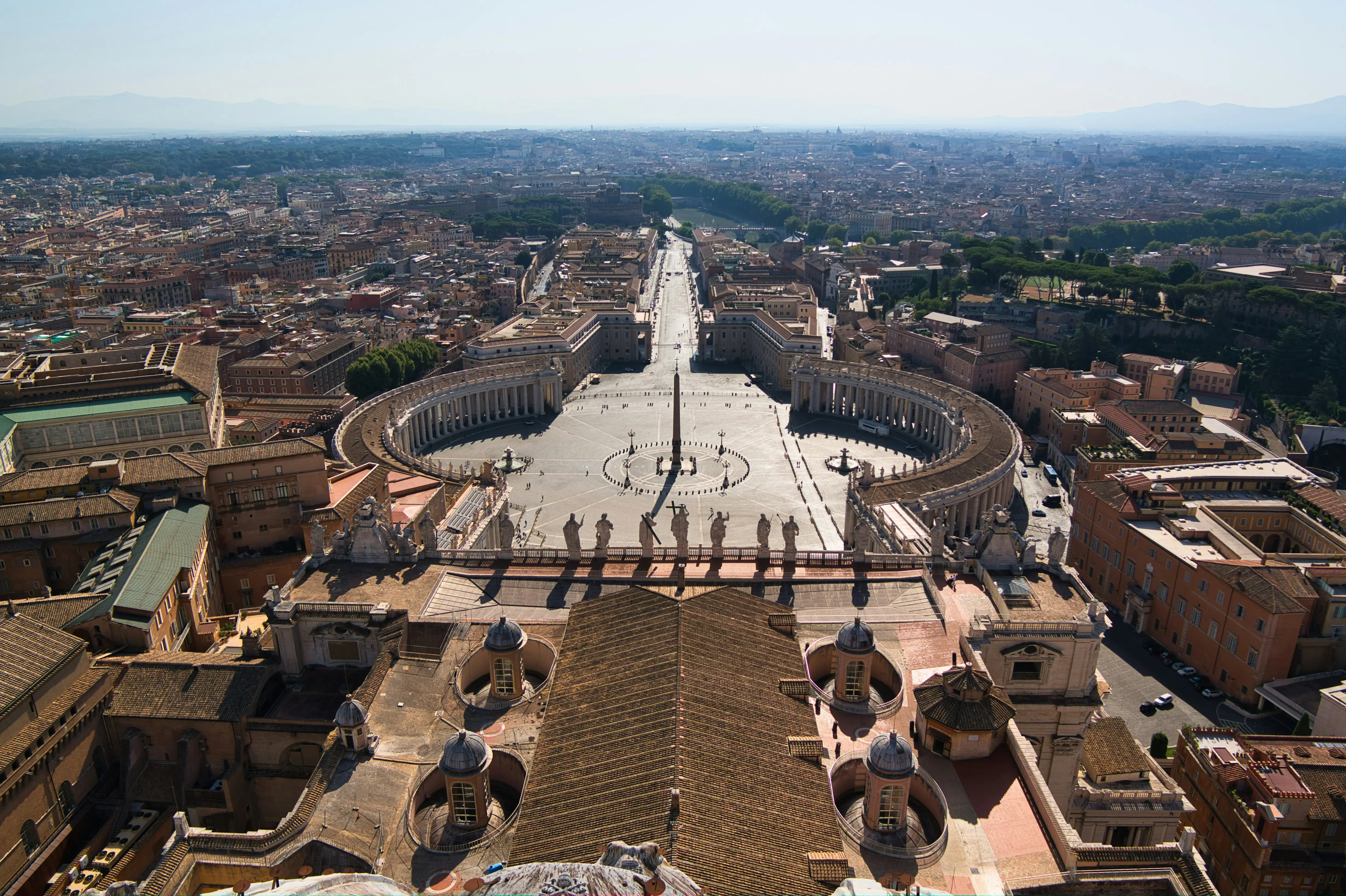
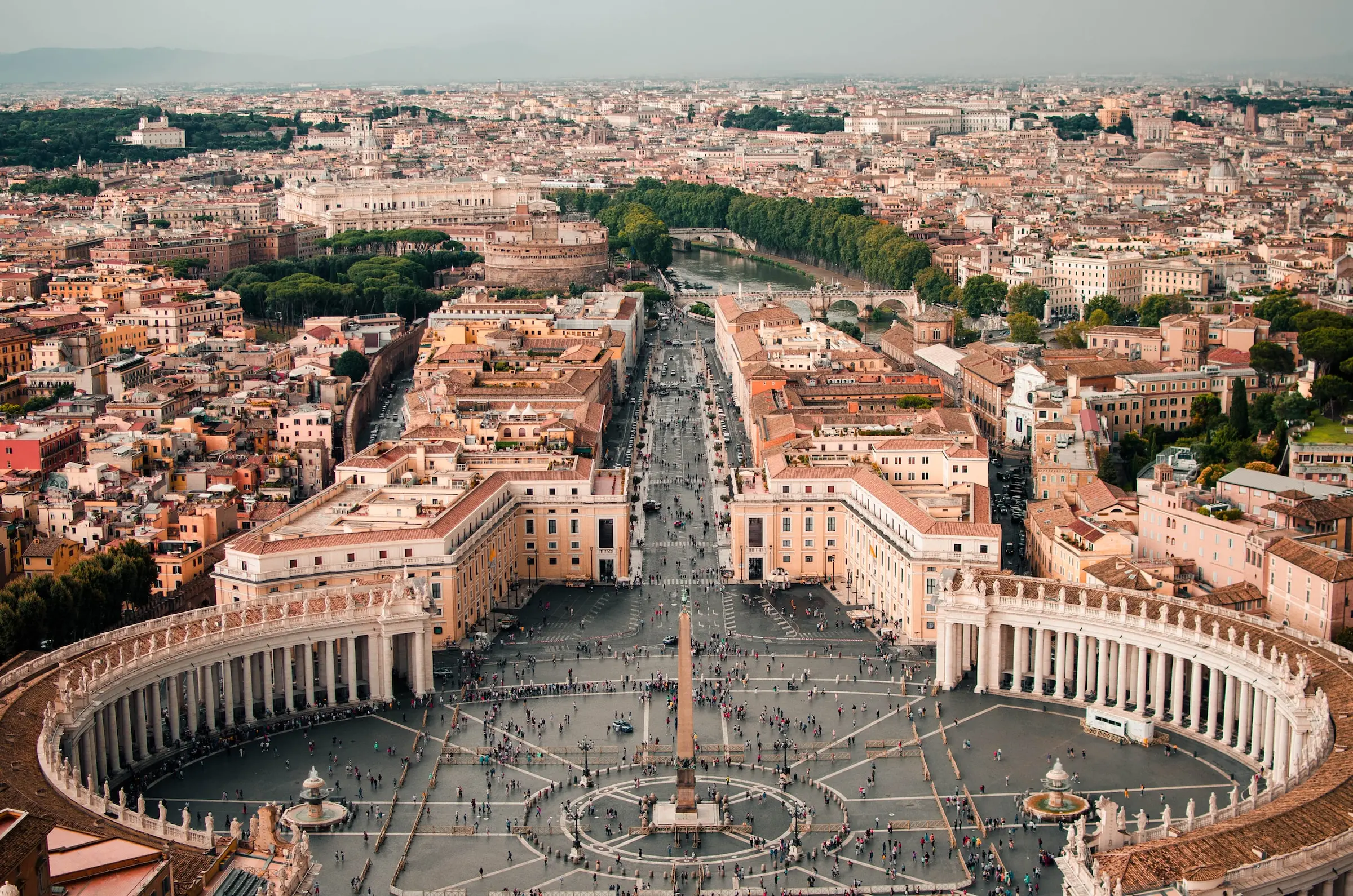
Vatican City attracts millions of visitors annually to sites such as St Peter’s Basilica and the Vatican Museums. Ticket sales, guided tours, and souvenir shops contribute a significant portion of the state’s income. Tourism not only boosts finances but also reinforces Vatican City’s global cultural and religious influence.
5. Financial Challenges and Budget Deficits
Despite its vast assets, Vatican City faces financial difficulties. The 2024 accounts revealed an €83 million budget deficit, while the pension fund deficit was estimated at €631 million in 2022 and has likely increased. These challenges underscore the need for ongoing financial reform and prudent management of both expenditures and liabilities.
6. Ongoing Reforms and Oversight
Recent reforms, led by Pope Leo XIV, aim to strengthen financial governance and correct controversial decisions made during Pope Francis’ tenure. Measures include stricter oversight, independent audits, and modernisation of financial procedures. These reforms are intended to ensure accountability while maintaining the Vatican’s operational efficiency and long-term sustainability.
7. Balancing Faith and Finance
The Vatican remains a rare example of a state where faith and finance intersect. Its wealth allows it to fund charitable, cultural, and religious initiatives worldwide, but careful management is essential to maintain stability. As the Vatican continues to implement reforms, it seeks to safeguard both its spiritual mission and financial integrity, demonstrating how even a tiny city-state can wield extraordinary global influence.
)
)
)
)
)