This country controls an ocean but doesn’t officially exist on world maps

Somaliland, an unrecognised nation in the Horn of Africa, controls a vital stretch of the Gulf of Aden—one of the world’s busiest trade routes. Yet it doesn’t officially exist on world maps. Here’s how a ghost nation rules an ocean.
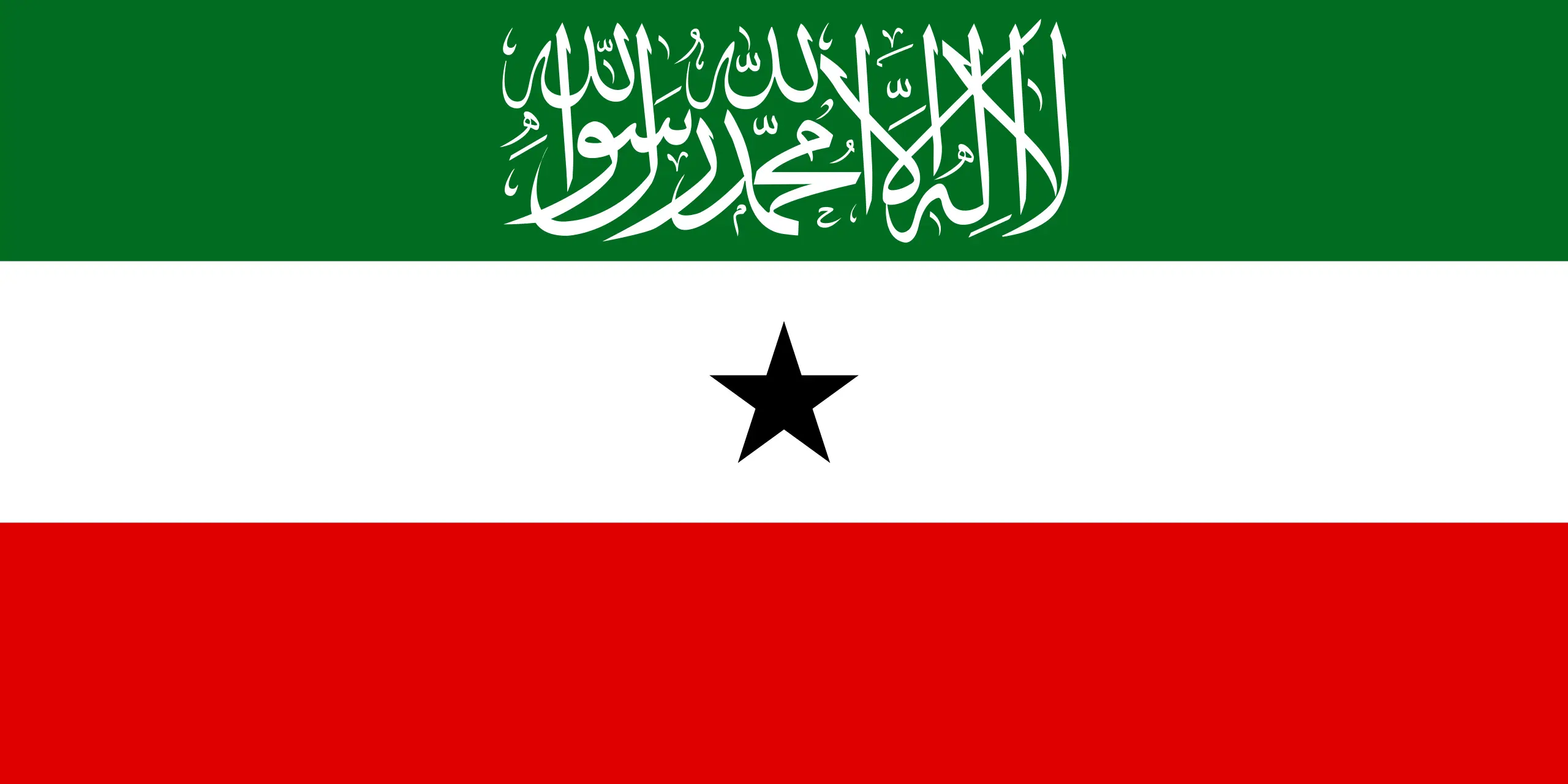
1. The Mystery Nation of Somaliland
Somaliland, a self-declared state in the Horn of Africa, controls a significant stretch of coastline along the Gulf of Aden, one of the busiest maritime routes in the world. Despite having its own government, currency, and military, Somaliland remains unrecognised by the United Nations and absent from official world maps.
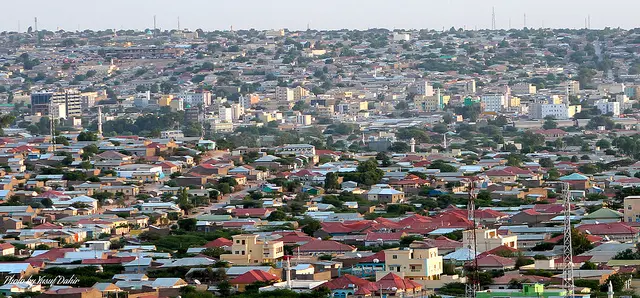
2. Strategic Control of the Gulf of Aden
Its location gives Somaliland de facto control over vital shipping lanes linking the Indian Ocean to the Suez Canal. Yet, on paper, it is still considered part of Somalia, leaving it in a geopolitical limbo.
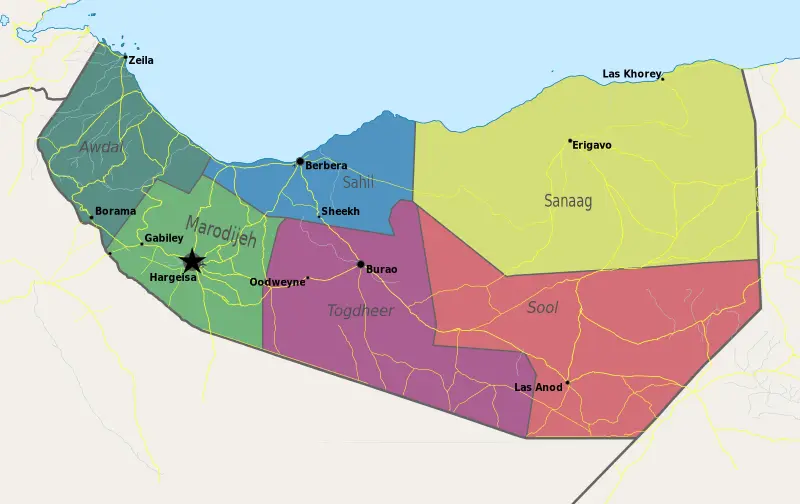
3. A Functioning Democracy Without Recognition
Unlike many conflict-ridden regions nearby, Somaliland has held peaceful elections and maintains stability, qualities rare in the area. It operates as a functioning democracy but continues to fight for international legitimacy.
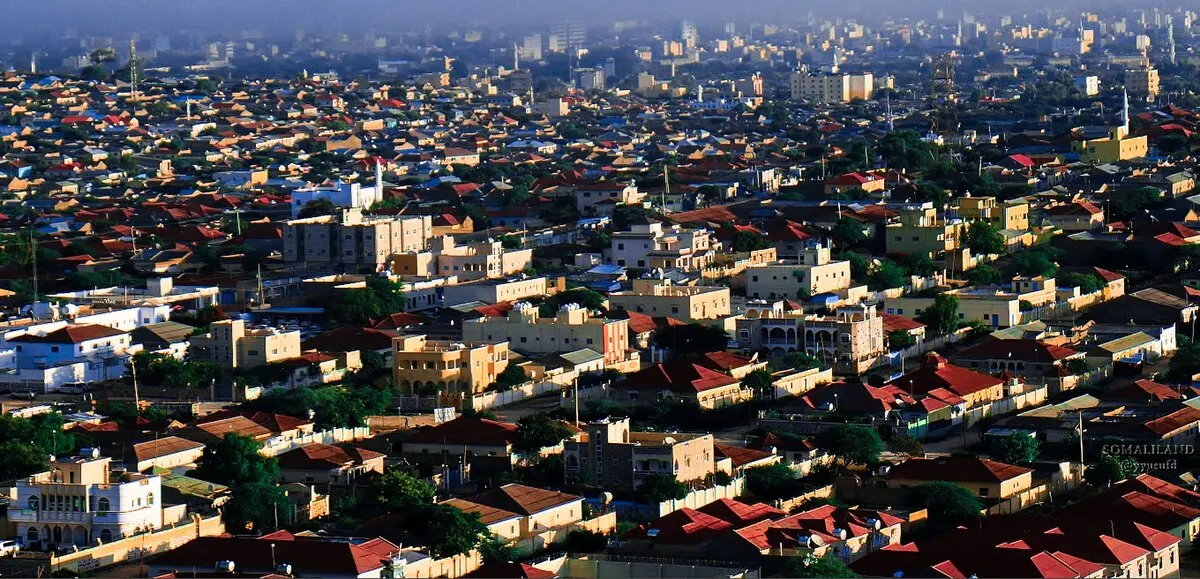
4. A Forgotten Coastline of Global Importance
With major powers like China and the US watching the Gulf of Aden for strategic control, Somaliland’s unrecognised claim to these waters makes it both geopolitically important and invisible at the same time.

5. Hidden Riches Beneath the Waves
Somaliland’s uncharted coast is believed to contain valuable oil and gas reserves, as well as rich fishing zones. However, without UN recognition, it cannot legally exploit or trade those resources under international law.

6. International Trade and Recognition Battles
While countries like Ethiopia have informal relations with Somaliland, global organisations continue to side with Somalia’s claim, leaving Somaliland’s ports and maritime rights in a diplomatic grey zone.

7. The Nation That Exists in Reality but Not on Maps
For all practical purposes, Somaliland exists, it collects taxes, maintains borders, and governs a population of over 5 million. Yet, until it gains official recognition, it will remain a ghost nation that rules an ocean unseen by the world.
)
)

)
)