This cosmic circle can bend light! Understanding the science behind 'Einstein Ring'

Einstein Rings act as powerful lenses, magnifying galaxies so distant that even our strongest telescopes couldn’t otherwise see them. This helps astronomers study the early universe and hidden cosmic structures.
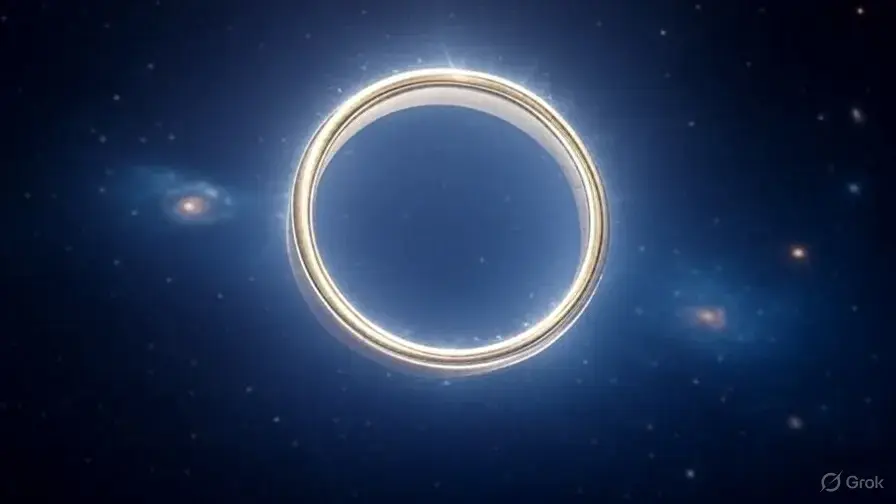
What is an Einstein Ring?
An Einstein Ring is a rare cosmic illusion where light from a distant galaxy or star gets bent into a perfect circle by the gravity of another massive object in its path. It’s one of the clearest demonstrations of Einstein’s theory of general relativity.
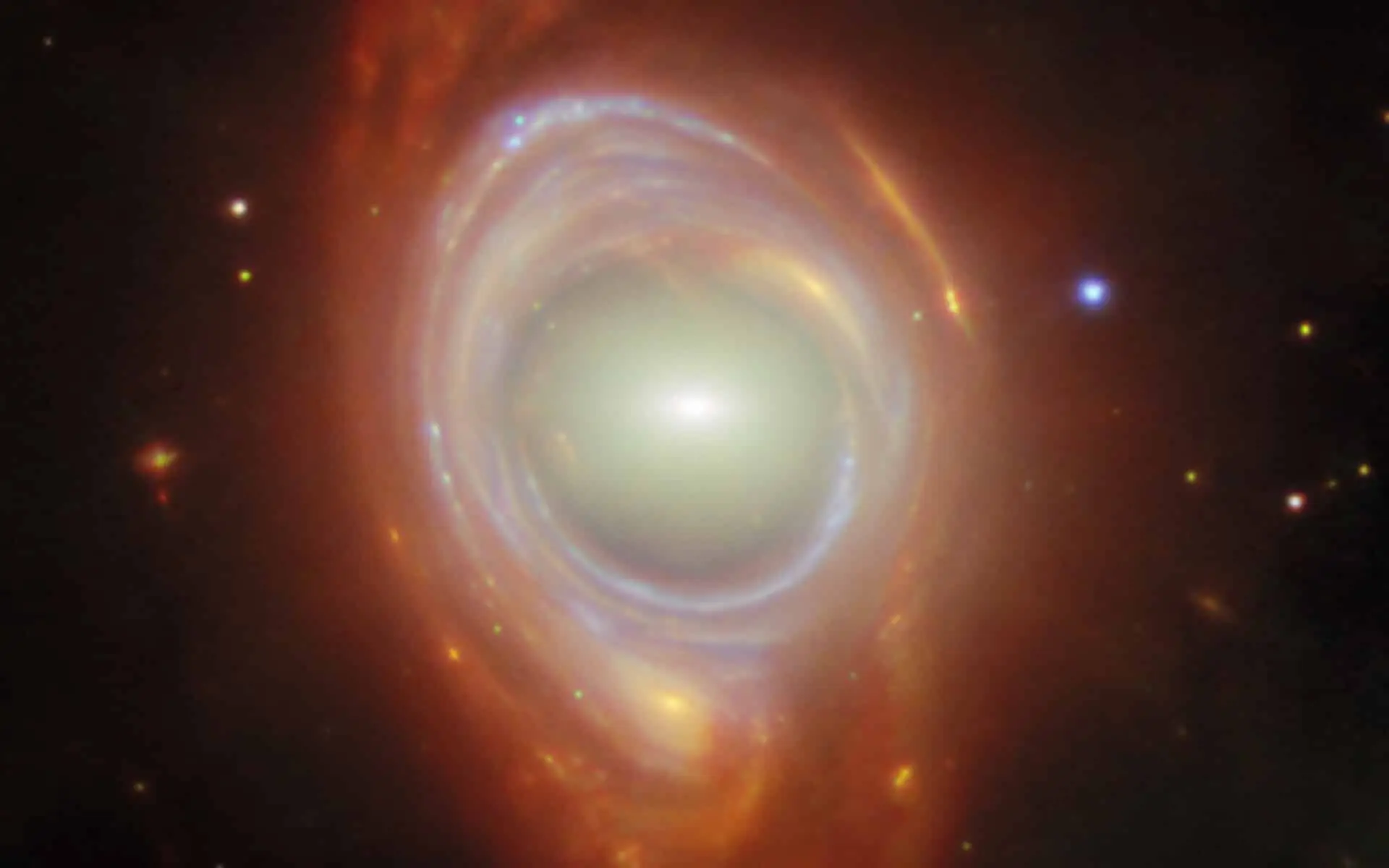
How does gravity bend light?
According to Einstein, gravity isn’t just a pull, it warps space-time itself. When light passes near a supermassive object like a galaxy or black hole, its path curves, creating what scientists call gravitational lensing.
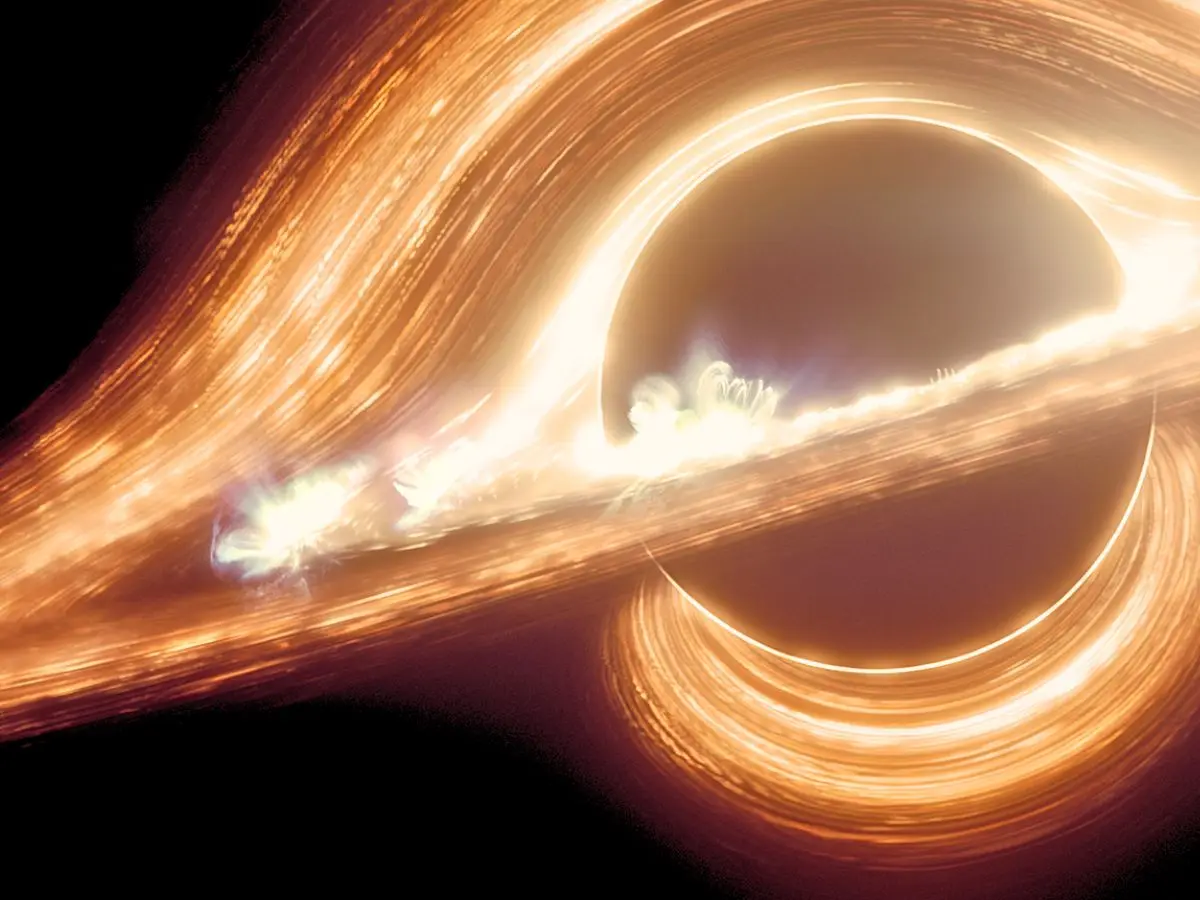
Why does it form a circle?
If the source (background galaxy), lens (massive object), and observer (us on Earth) are perfectly aligned, the bent light spreads evenly around, forming a complete glowing ring — the Einstein Ring.
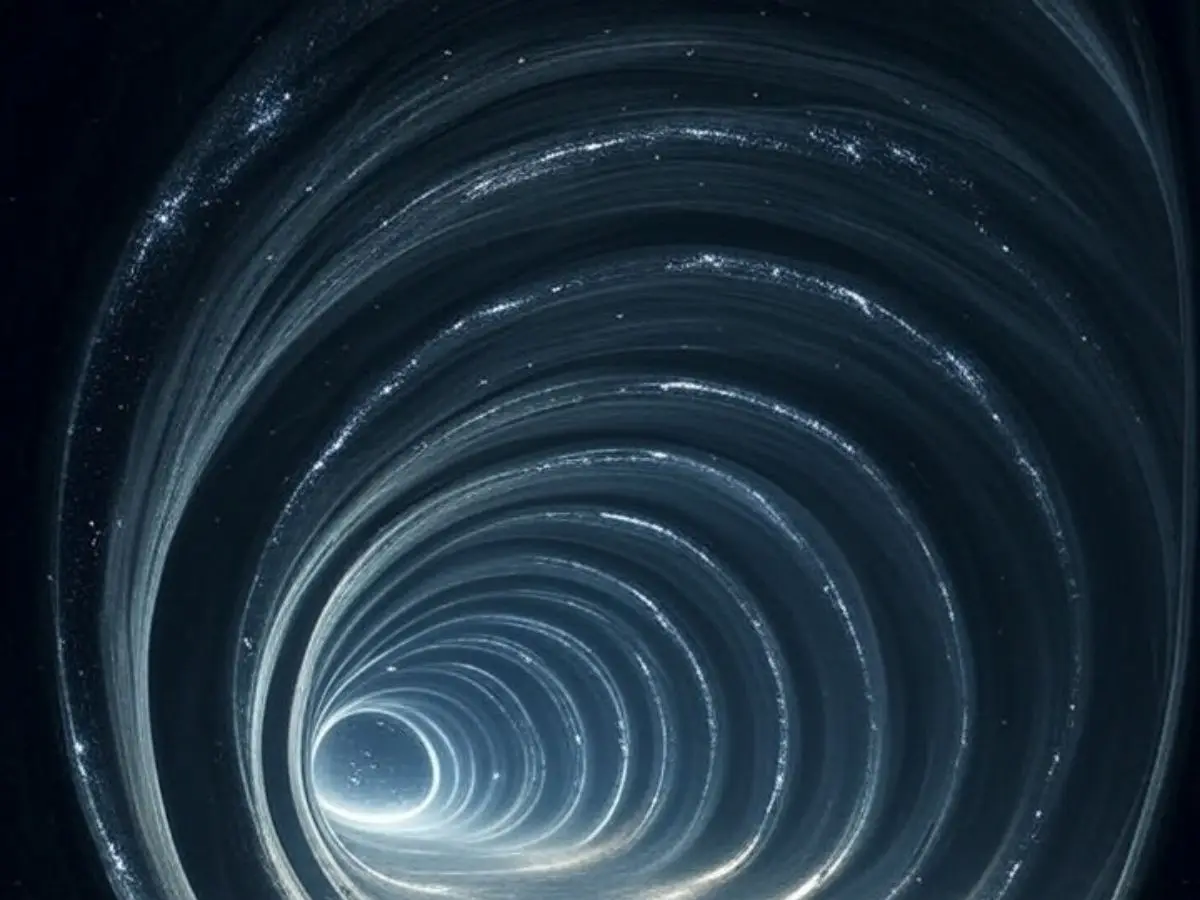
A natural cosmic magnifying glass
Einstein Rings act as powerful lenses, magnifying galaxies so distant that even our strongest telescopes couldn’t otherwise see them. This helps astronomers study the early universe and hidden cosmic structures.
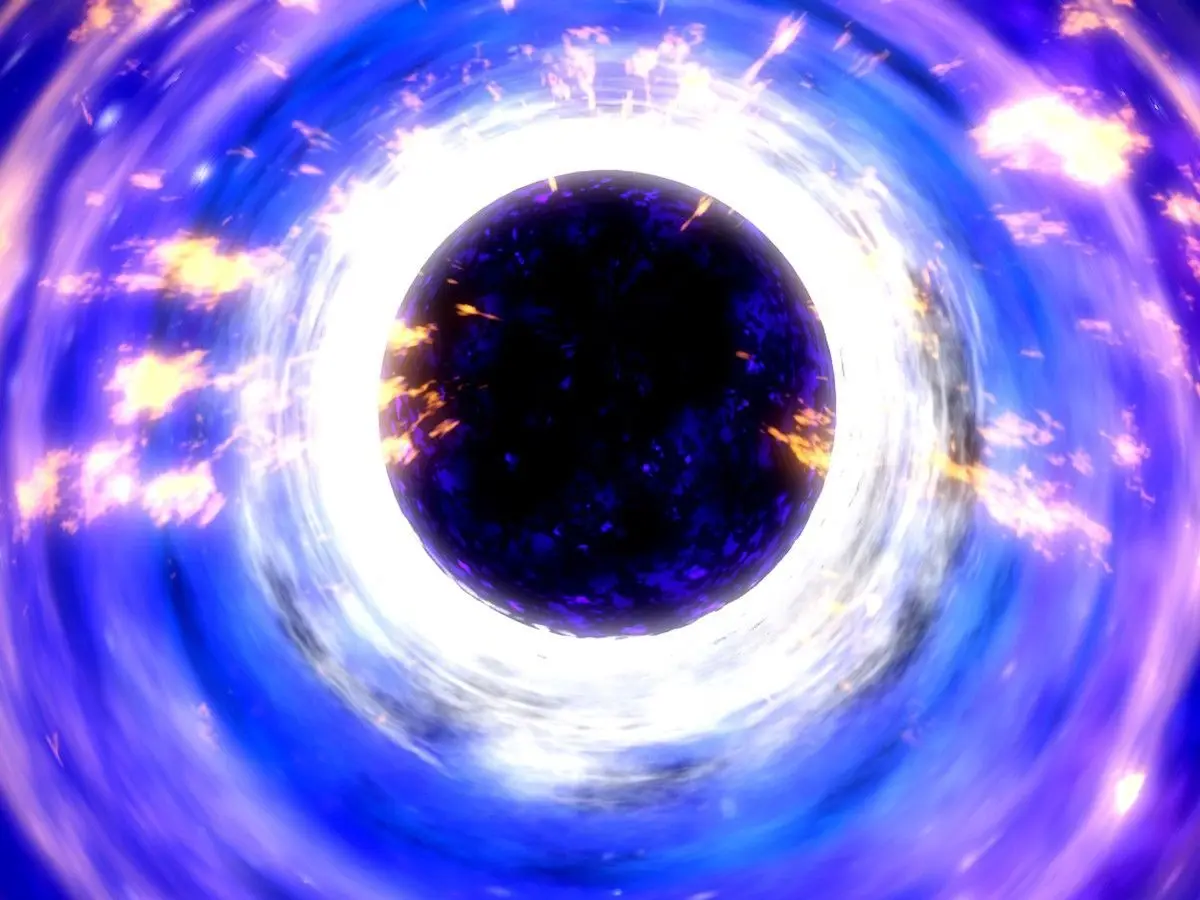
Einstein was right (again)
When Einstein predicted light bending around massive objects in 1915, even he doubted we’d ever observe it. Today, Einstein Rings are direct evidence that his theory of relativity still holds true across billions of light-years.
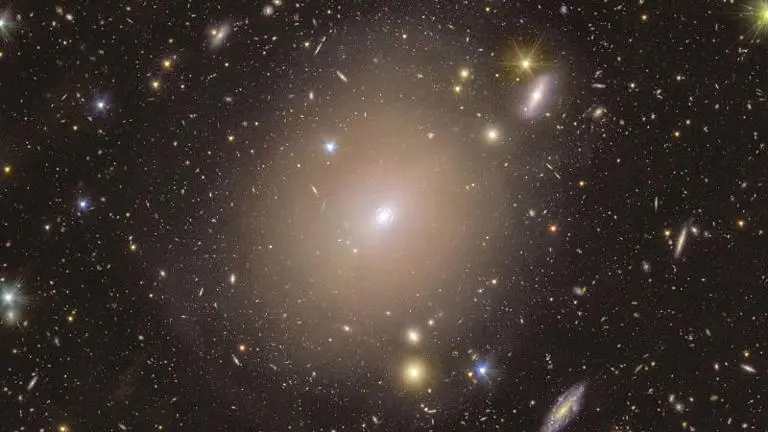
Rare but breathtaking
Einstein Rings are extremely rare because perfect alignment is needed. Astronomers often find them using powerful observatories like Hubble or the James Webb Space Telescope, and each discovery makes global headlines.
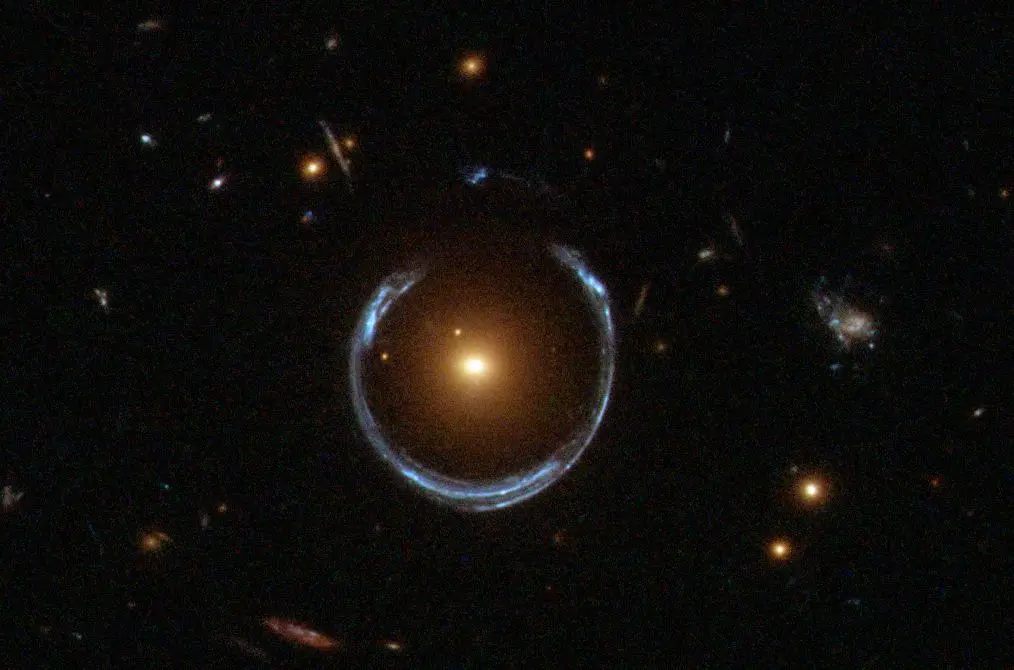
Beyond the beauty: What’s next?
These cosmic circles aren’t just pretty. Scientists use them to map dark matter, measure the expansion of the universe, and even search for exoplanets hiding in distant galaxies.
)
)
)
)
)