‘This can save your life’: 5 places in your home that are safest during an earthquake

Sheltering under sturdy desks, interior walls, or strong hallways shields you from falling debris during tremors. Authorities advise avoiding glass and heavy furniture to prevent severe injuries. Read more below.

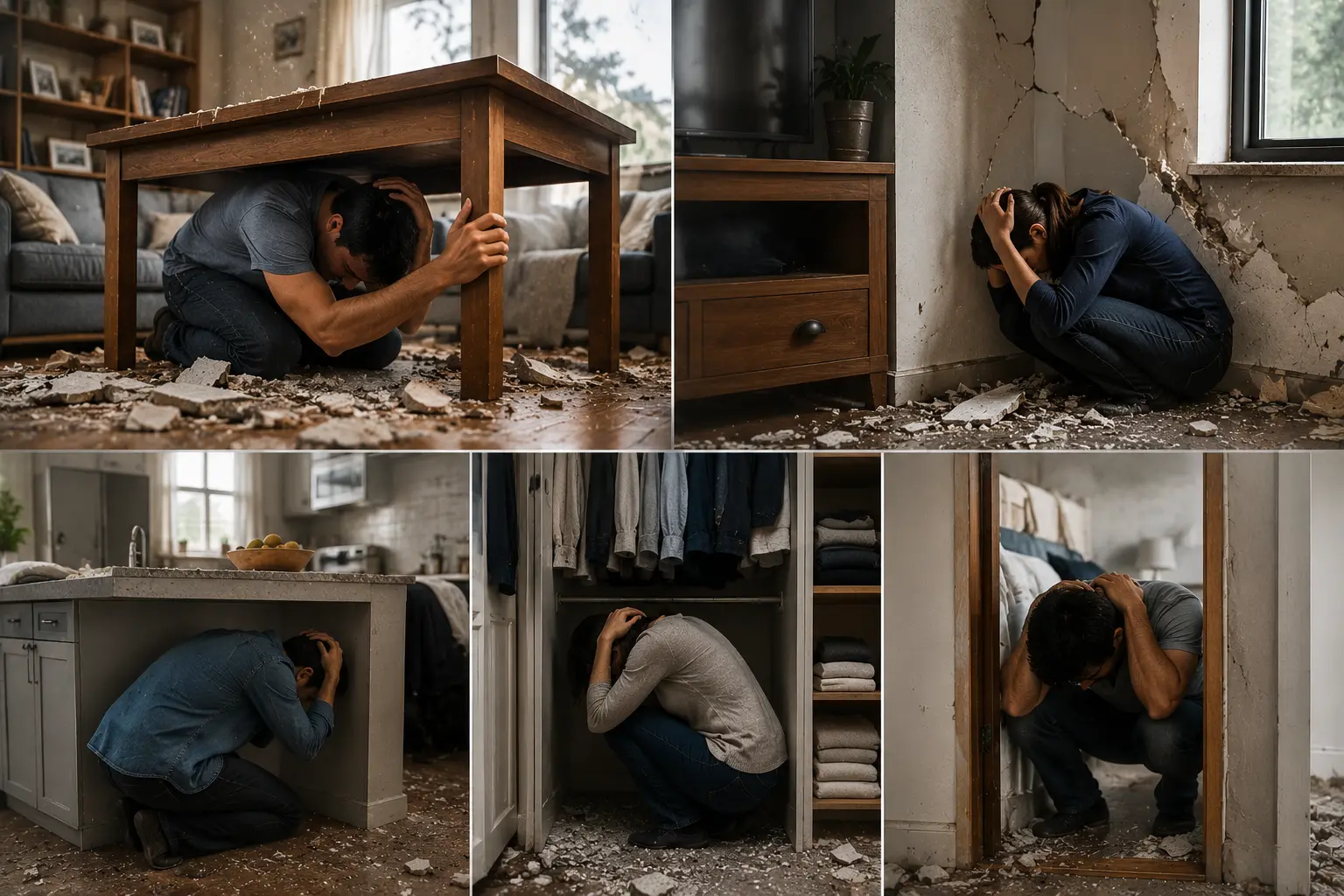
Under a heavy, sturdy desk
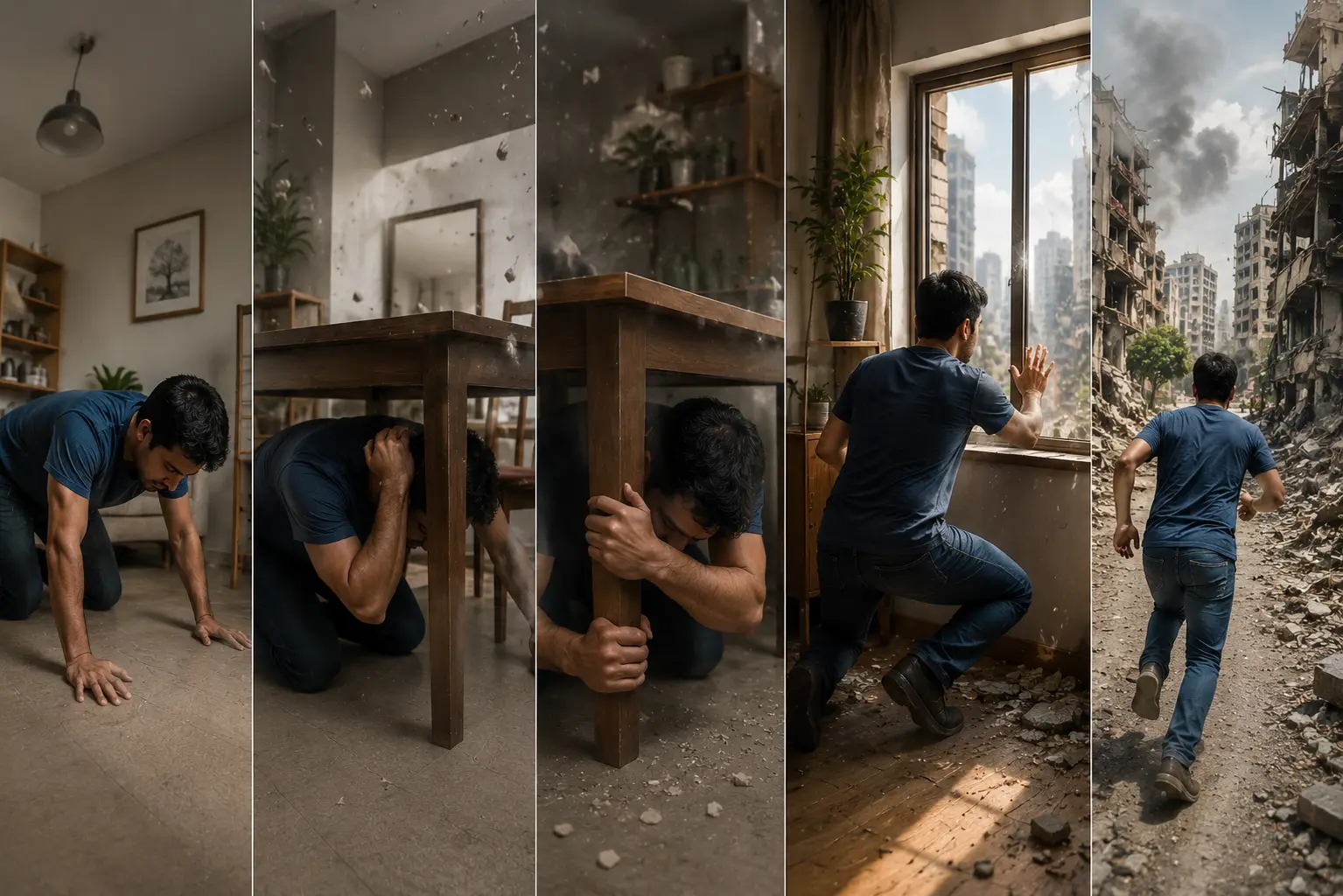
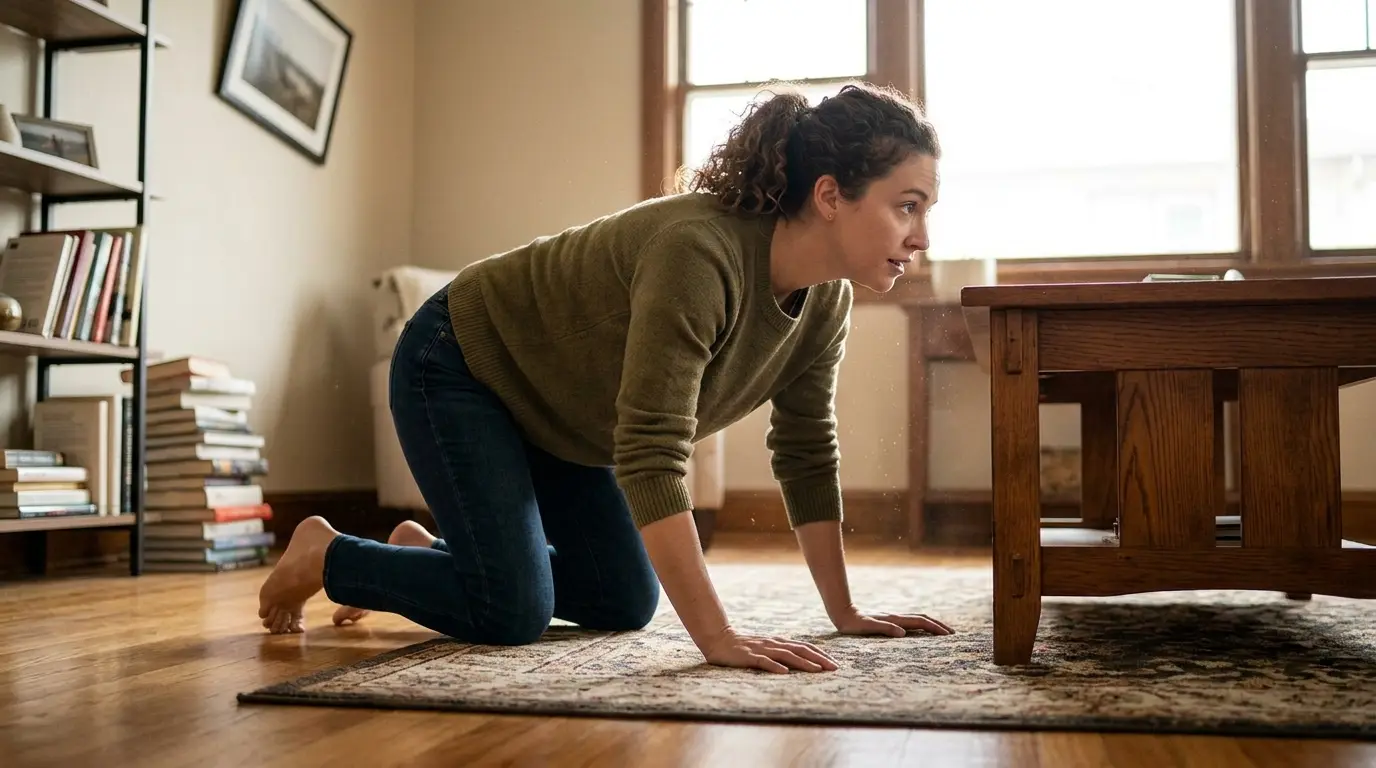
The Federal Emergency Management Agency states that sheltering under a solid dining table or heavy desk is the safest option. This furniture creates a protective void that physically shields your head and neck from falling ceiling plaster and collapsing light fixtures.
Against an interior windowless wall
If no sturdy furniture is available, the US Geological Survey recommends dropping to the floor next to an interior wall. Staying away from exterior walls drastically reduces the risk of being struck by shattering glass or collapsing architectural facades.
In bed with a pillow shield
If an earthquake strikes while you are sleeping, stay in bed and protect your head tightly with a pillow. Disaster management experts note that moving in the dark during tremors increases the chance of fatal falls and stepping on broken glass by over 40 per cent.
Hallways without heavy furniture
Narrow interior hallways often possess high structural integrity due to the close framing of the walls. The Earthquake Country Alliance advises sitting against a hallway wall, provided there are no tall, unanchored bookcases or mirrors that could topple over.

Corners of interior rooms
Room corners where two internal walls meet provide significant structural reinforcement during violent tremors. Architectural safety boards highlight that these specific junctions resist collapse much better than flat wall spans, offering a stable area to drop and cover.
)

)
)
)