This bacteria found at NASA may help future space missions!

Authored By Abhinav Yadav
Published: May 15, 2025, 11:45 IST | Updated: May 15, 2025, 11:45 IST
NASA’s cleanrooms, built to be ultra-sterile, have surprised scientists. A new study found 26 new species of bacteria inside them. These microbes could survive extreme conditions like space and may change how we think about life beyond Earth.
1 / 12
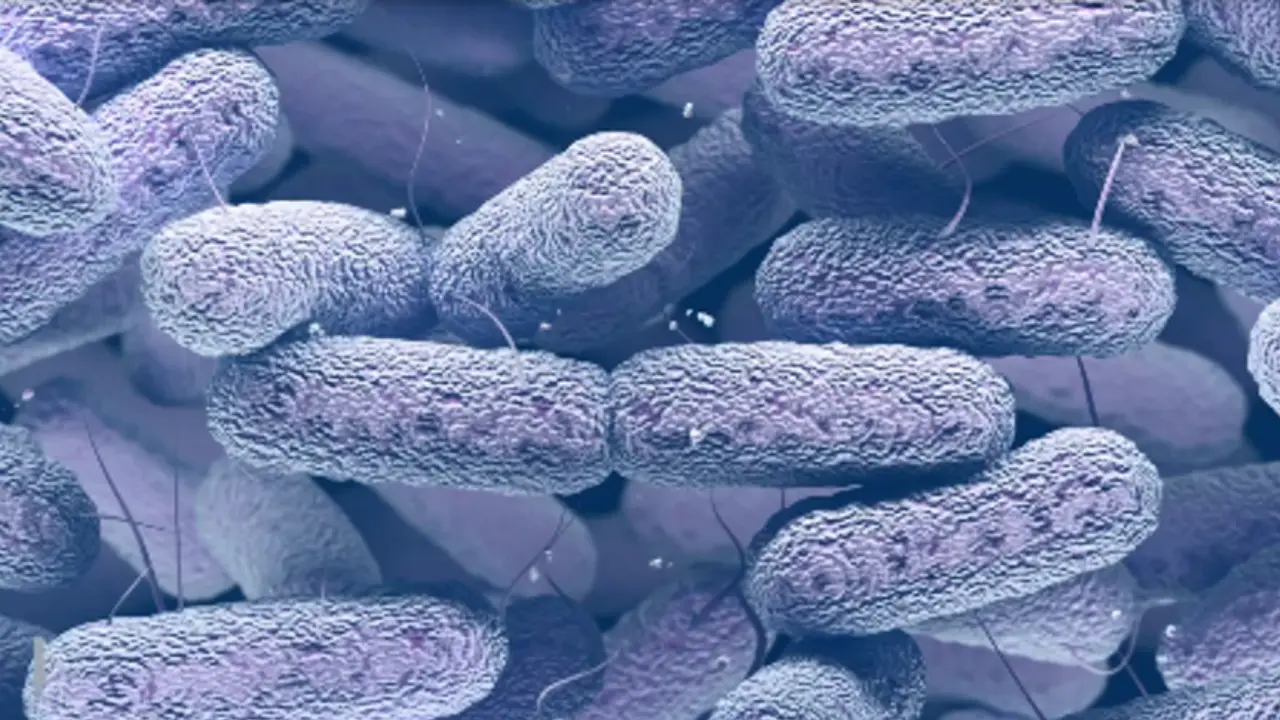
NASA’s Cleanroom Discovery
NASA’s cleanrooms, built to be ultra-sterile, have surprised scientists. A new study found 26 new species of bacteria inside them. These microbes could survive extreme conditions like space and may change how we think about life beyond Earth.
2 / 12
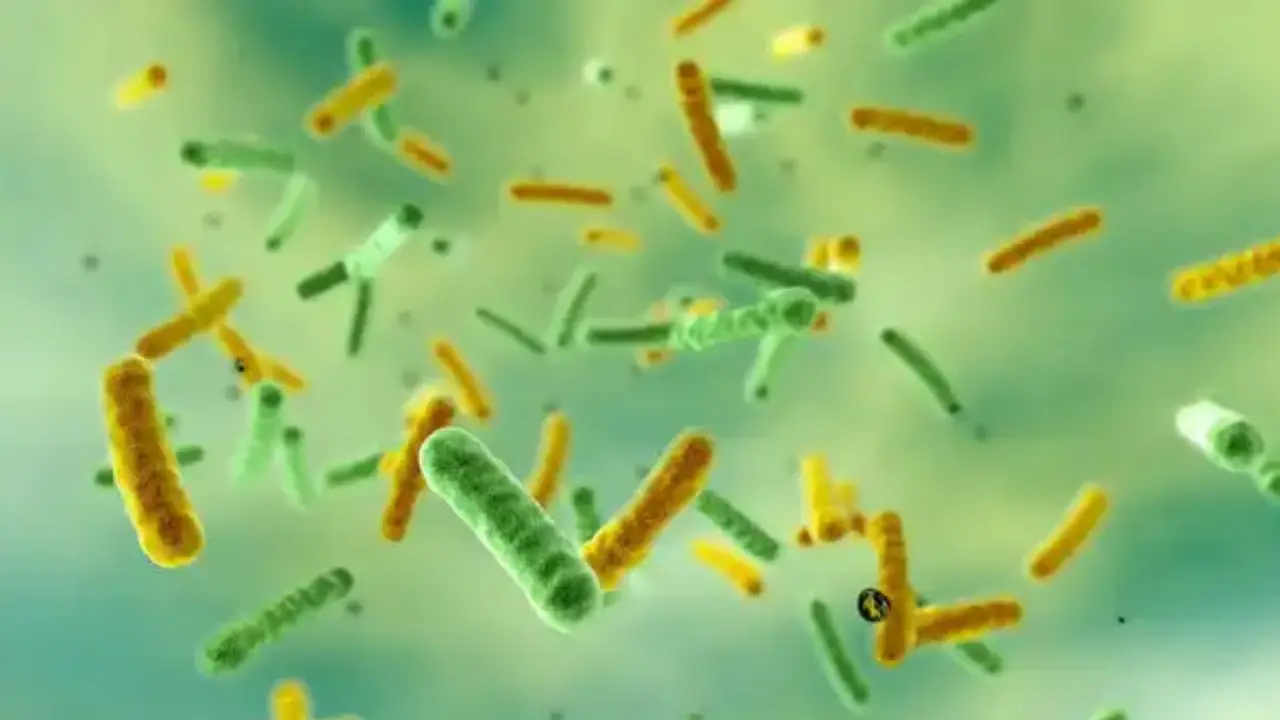
Microbes survive at NASA?
NASA’s cleanrooms are designed to block dust, heat and germs. However, these microbes found a way to live there. The bacteria were spotted by a team of scientists from India, Saudi Arabia and NASA’s Jet Propulsion Lab in high-tech facilities.
3 / 12
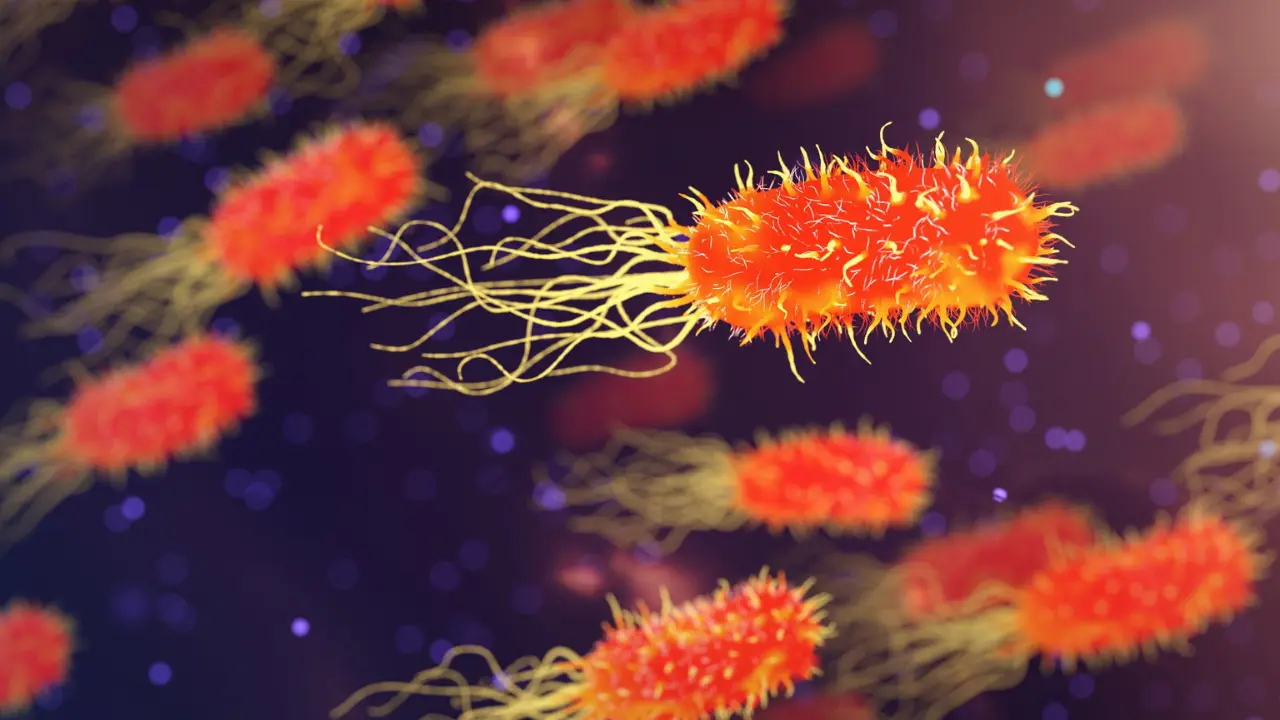
Space missions
According to KAUST Professor Alexandre Rosado, these bacteria could be carried into space during missions. Understanding their strength is key to avoiding unplanned contamination on other planets and protecting alien environments.
4 / 12
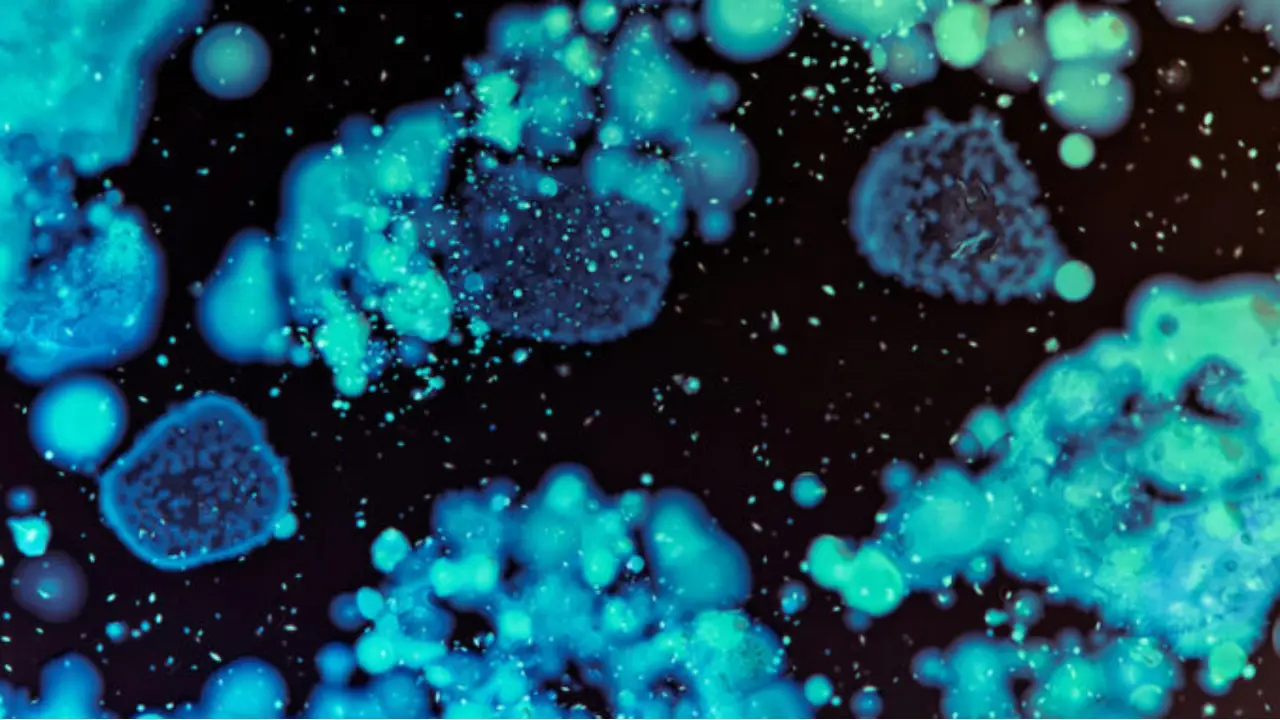
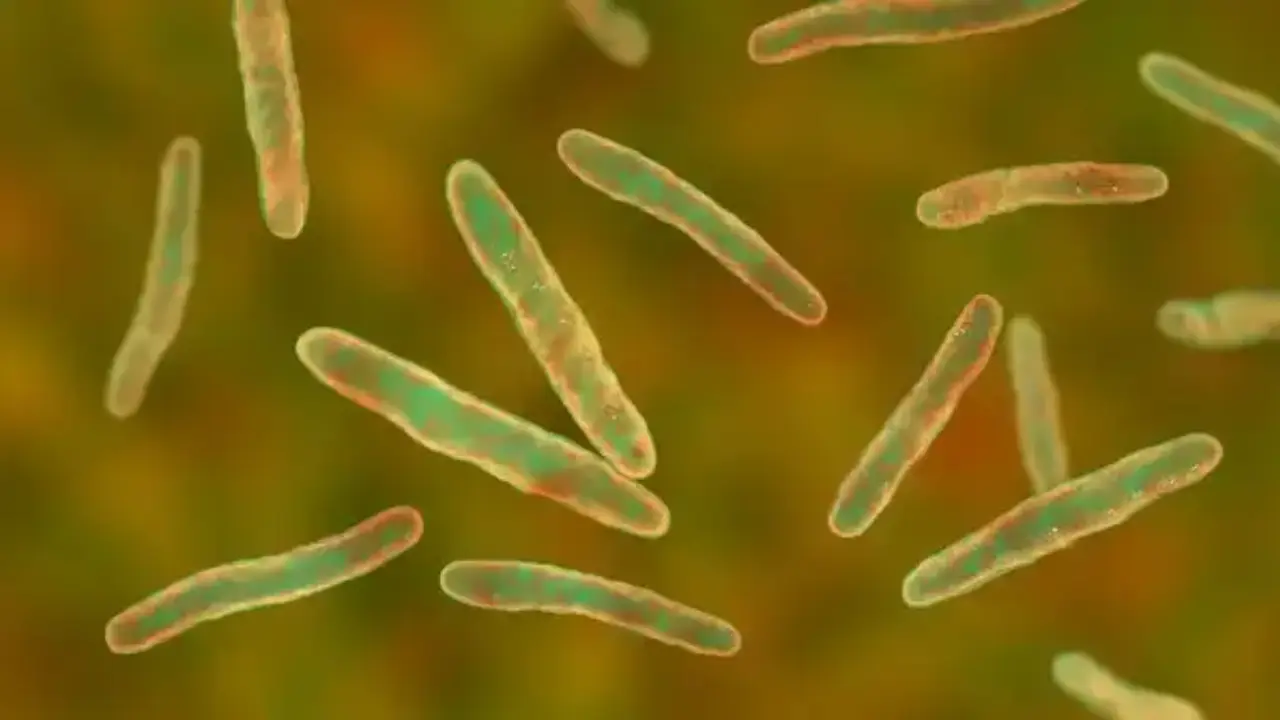
Strong bacteria
Scientists found genes that protect the bacteria from radiation, low pressure and harmful chemicals. These genes could help us build better tech for space travel, medicine, or even food storage in extreme environments.
5 / 12
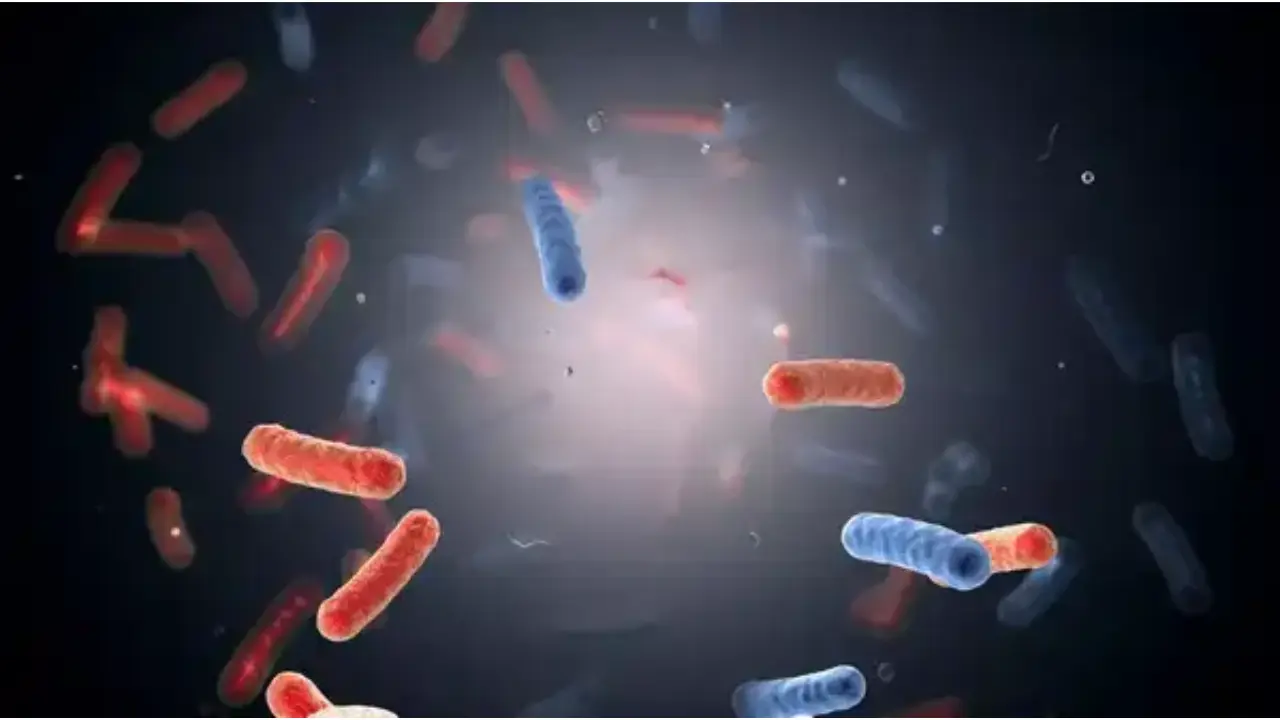
Big potential for biotech too
These bacteria are not just useful in space. Their special genes could lead to new ways to preserve food, make stronger medicines, and improve survival tech on Earth. NASA’s discovery could boost health, science and industry.
6 / 12
Space microbiology
NASA’s findings show how even cleanrooms can hide powerful lifeforms. As we explore planets like Mars, knowing how bacteria behave in space is vital. These microbes could shape the future of space science and biotechnology from Earth.
7 / 12
NASA’s Cleanroom Discovery
NASA’s cleanrooms, built to be ultra-sterile, have surprised scientists. A new study found 26 new species of bacteria inside them. These microbes could survive extreme conditions like space and may change how we think about life beyond Earth.
8 / 12
Microbes survive at NASA?
NASA’s cleanrooms are designed to block dust, heat and germs. However, these microbes found a way to live there. The bacteria were spotted by a team of scientists from India, Saudi Arabia and NASA’s Jet Propulsion Lab in high-tech facilities.
9 / 12
Space missions
According to KAUST Professor Alexandre Rosado, these bacteria could be carried into space during missions. Understanding their strength is key to avoiding unplanned contamination on other planets and protecting alien environments.
10 / 12
Strong bacteria
Scientists found genes that protect the bacteria from radiation, low pressure and harmful chemicals. These genes could help us build better tech for space travel, medicine, or even food storage in extreme environments.
11 / 12
Big potential for biotech too
These bacteria are not just useful in space. Their special genes could lead to new ways to preserve food, make stronger medicines, and improve survival tech on Earth. NASA’s discovery could boost health, science and industry.
12 / 12
Space microbiology
NASA’s findings show how even cleanrooms can hide powerful lifeforms. As we explore planets like Mars, knowing how bacteria behave in space is vital. These microbes could shape the future of space science and biotechnology from Earth.
)
)
)
)
)