This American bomber jet was used to drop nuclear bombs on Japan! Where is it now?

While celebrated for its technological achievements, the B-29’s legacy is inextricably linked to the enormous human toll of nuclear warfare.
A turning point in warfare
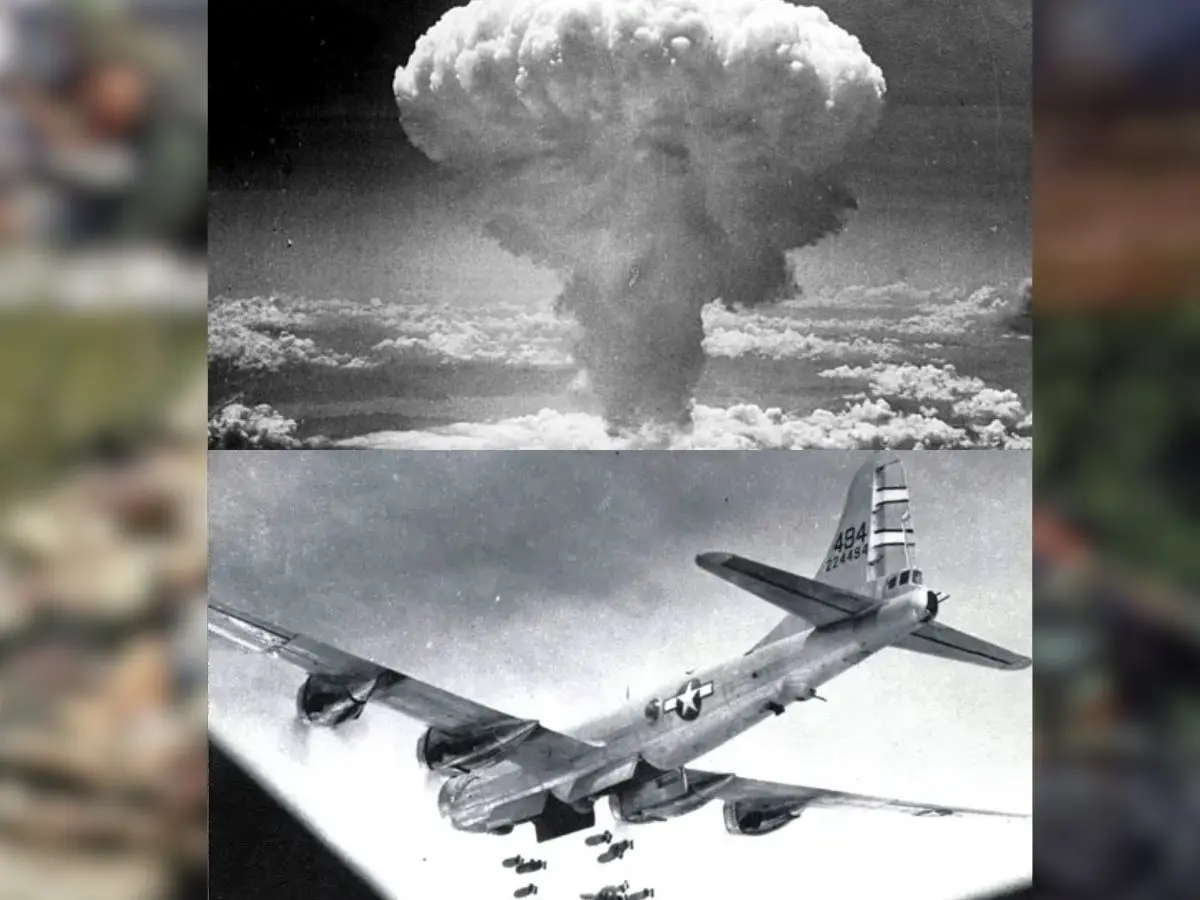
Few aircraft in history carry as heavy a legacy as the Boeing B-29 Superfortress. Once a marvel of wartime engineering, this American bomber etched its name into history books by dropping the world’s first nuclear bombs on Hiroshima and Nagasaki in August 1945. Those missions ended World War II but came at an immense human cost that still evokes reflection and sorrow. Boeing B-29 Superfortress was a long-range heavy bomber that became synonymous with the dawn of the nuclear age. Decades later, the question remains: what became of this bomber jet that forever changed the course of history?
The aircraft behind the devastation
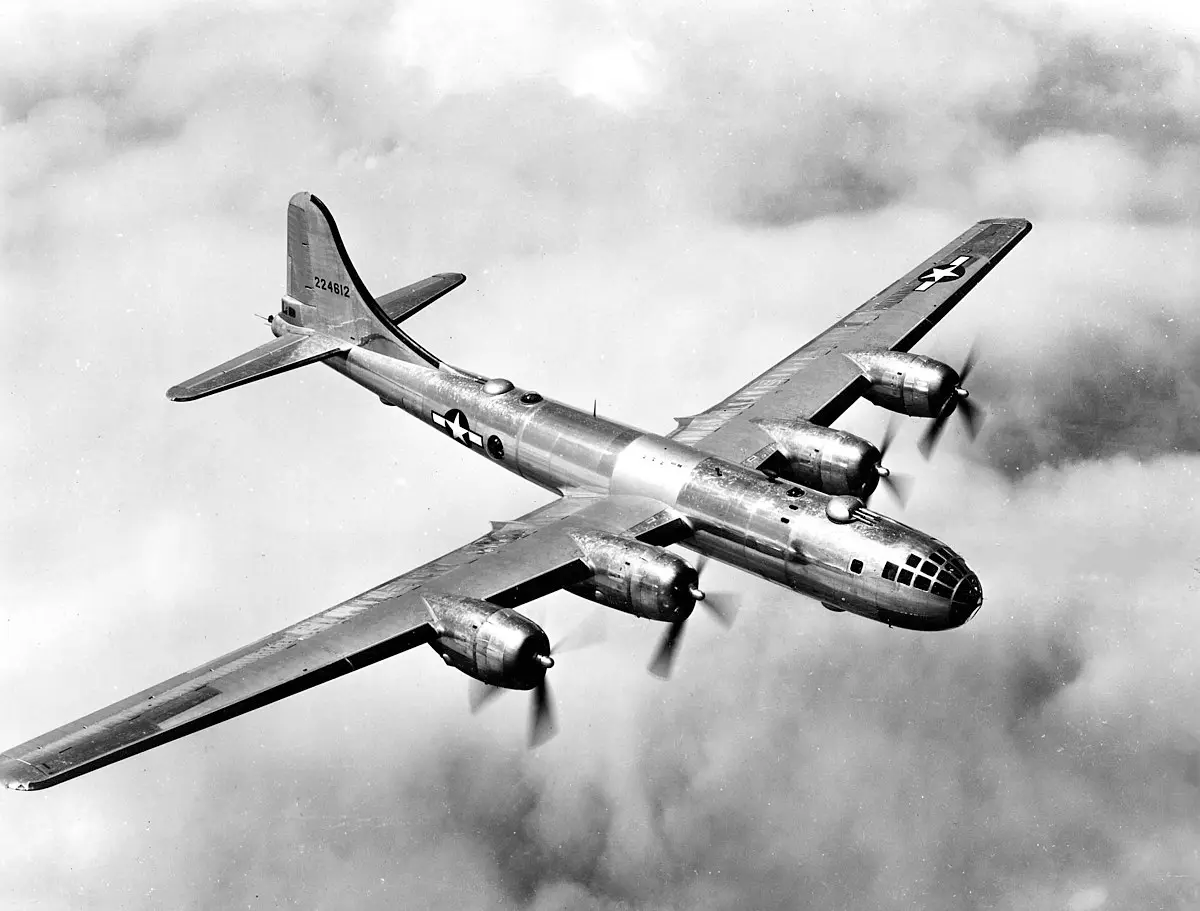
Developed by Boeing during the early 1940s, the B-29 was among the most advanced bombers ever built at that time. Its design included pressurised cabins, remotely controlled gun turrets and a maximum range of over 3,000 miles, allowing it to undertake missions deep into enemy territory. Most famously, two B-29 bombers named Enola Gay and Bockscar dropped the atomic bombs on Hiroshima on 6 August and Nagasaki on 9 August 1945, respectively. These missions resulted in devastating loss of life and played a critical role in Japan’s decision to surrender.
History and features of the bomber
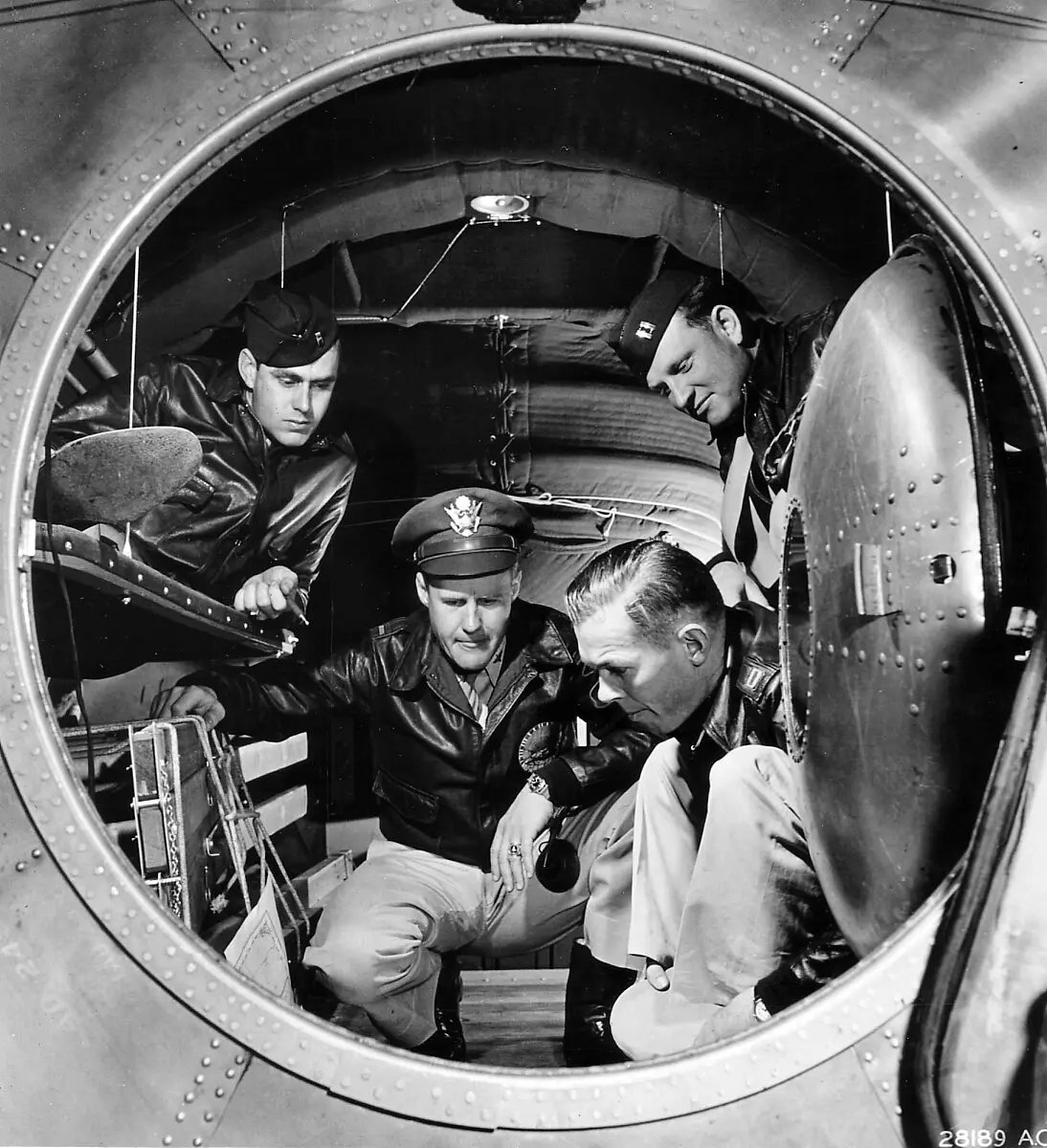
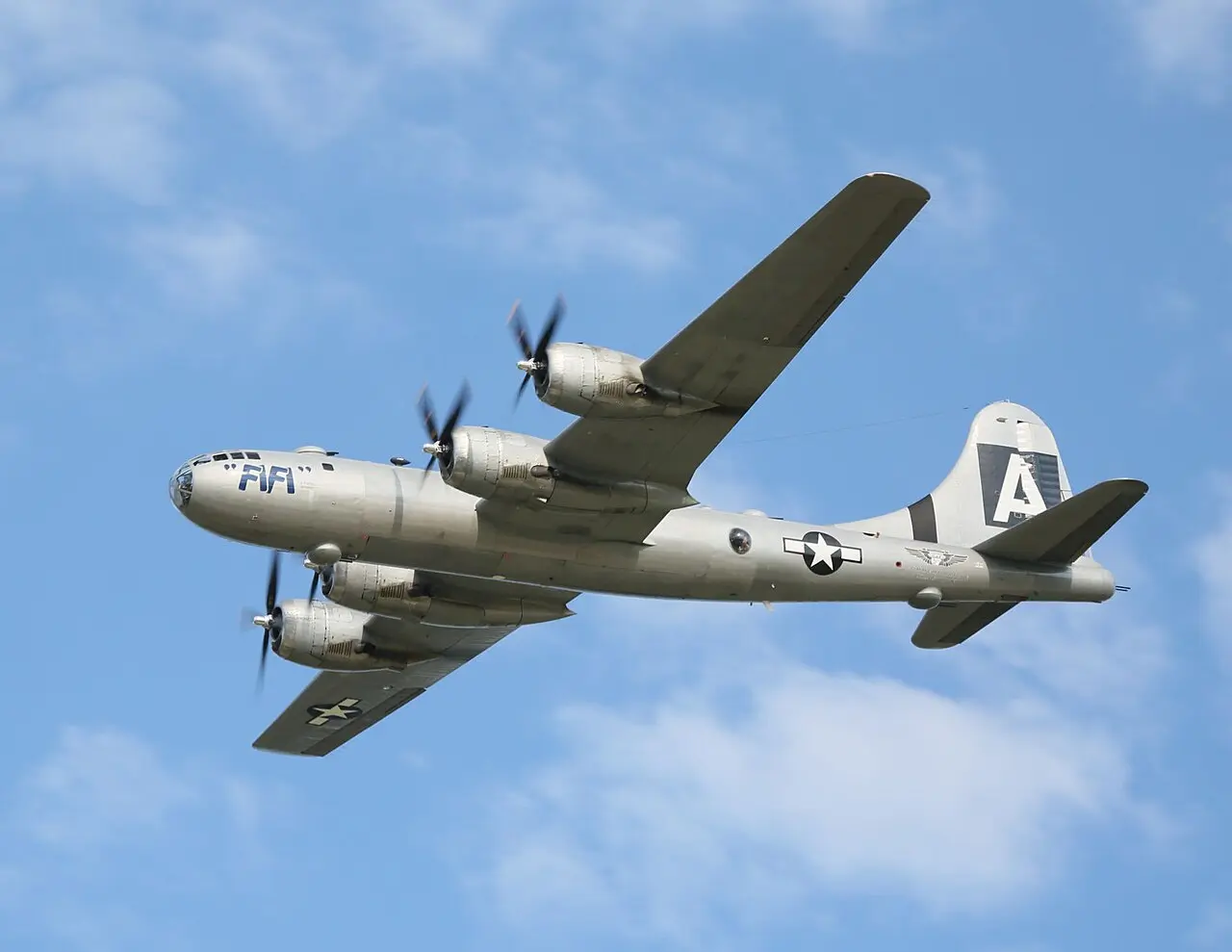
The B-29 Superfortress was conceived to meet the United States Army Air Forces’ need for a bomber capable of flying farther, faster and carrying heavier payloads than previous aircraft. First flown in 1942 and entering service in 1944, it featured pressurised compartments, central fire-control systems that let a single gunner manage several defensive turrets, and could reach speeds around 350 mph. Its bomb load capacity of up to 20,000 pounds made it a formidable presence in the skies.
Strategic significance and legacy
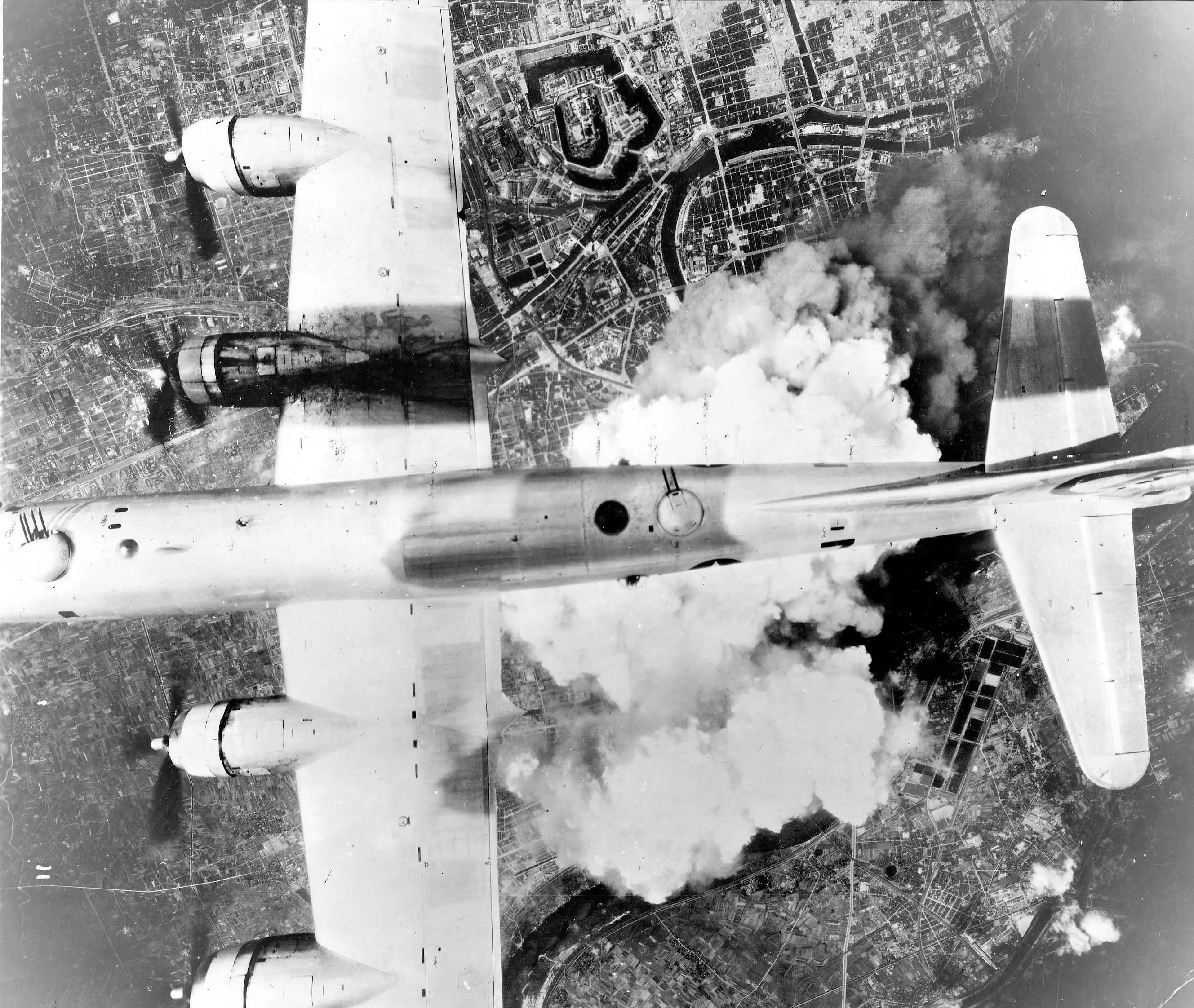
Beyond its nuclear missions, the B-29 saw extensive service in the Pacific theatre, carrying out large-scale incendiary raids on industrial and urban centres. Its operational success reshaped strategic bombing doctrine, showing how aerial campaigns could directly influence a war’s outcome. The aircraft continued to serve during the Korean War before being phased out in favour of faster, jet-powered bombers like the B-47 Stratojet.
History and features of the bomber
The B-29 Superfortress was conceived to meet the United States Army Air Forces’ need for a bomber capable of flying farther, faster and carrying heavier payloads than previous aircraft. First flown in 1942 and entering service in 1944, it featured pressurised compartments, central fire-control systems that let a single gunner manage several defensive turrets, and could reach speeds around 350 mph. Its bomb load capacity of up to 20,000 pounds made it a formidable presence in the skies.
Where are they now?
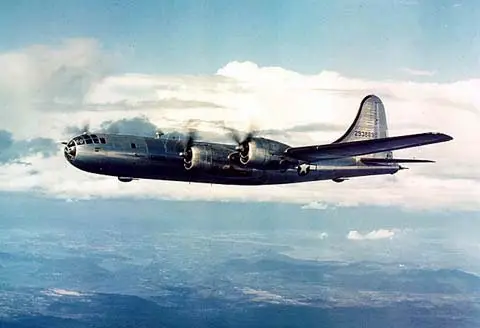
Only a handful of B-29 Superfortress bombers survive and they are not in active military service today. The Enola Gay has been fully restored and is on display at the Steven F. Udvar-Hazy Center of the Smithsonian National Air and Space Museum in Virginia, USA. The Bockscar can be seen at the National Museum of the United States Air Force in Dayton, Ohio. Other surviving B-29s are preserved in museums across America, each standing as a reminder of the aircraft’s pivotal role in history.
The technological marvel
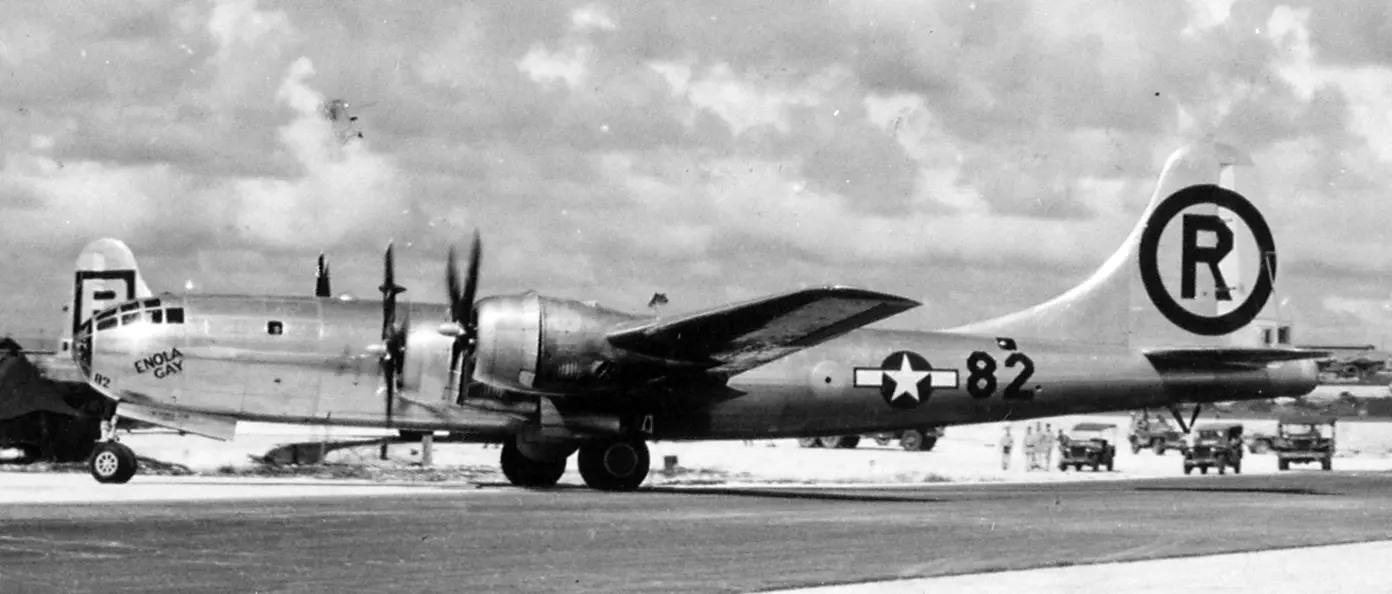
With four Wright R-3350 radial engines, the B-29 could operate at altitudes over 30,000 feet, placing it beyond the effective range of many anti-aircraft weapons of the era. Its remotely operated defensive turrets represented a significant advance in bomber design, allowing fewer crew to control multiple guns and improving overall efficiency.
Remembering the consequences
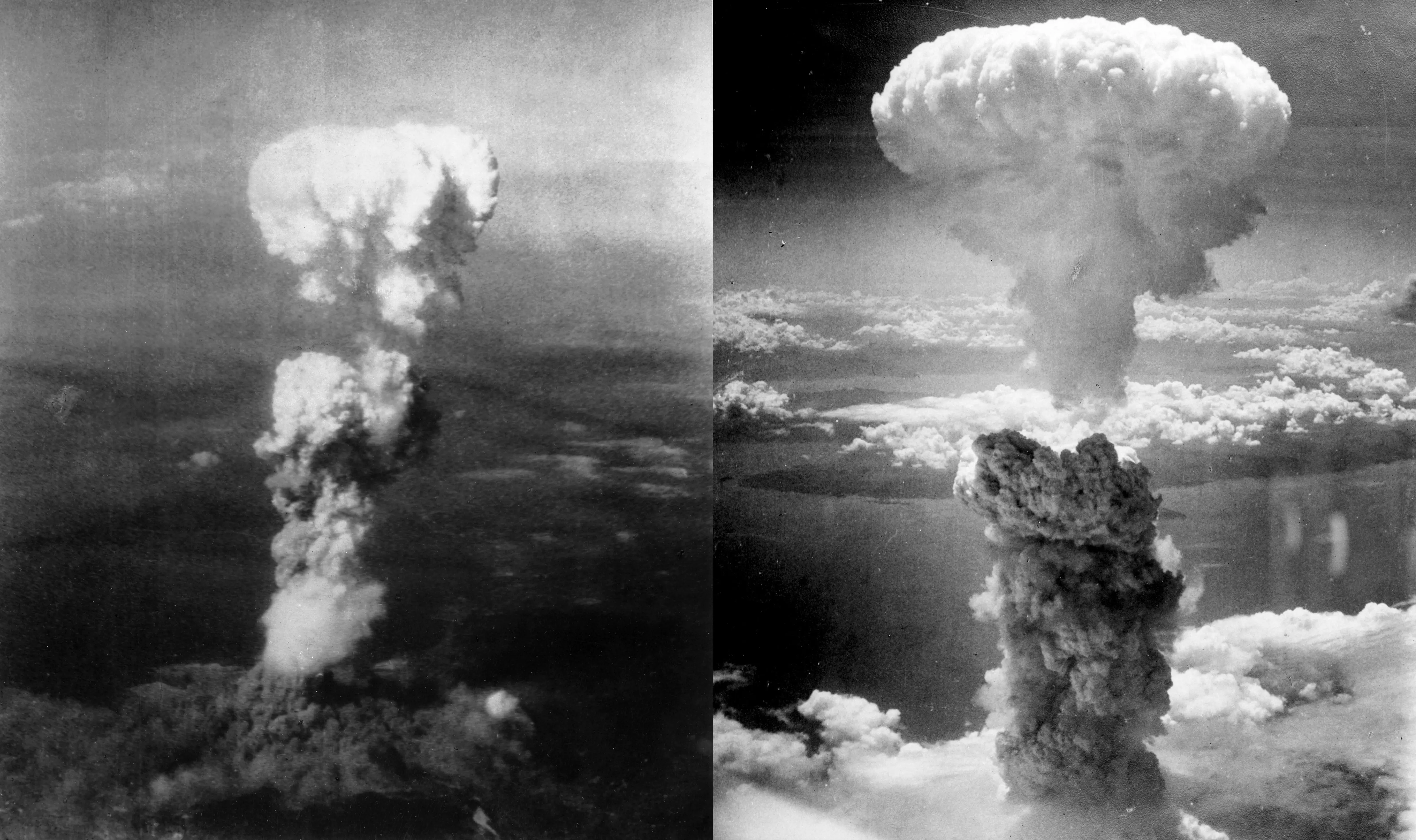
While celebrated for its technological achievements, the B-29’s legacy is inextricably linked to the enormous human toll of nuclear warfare. The destruction of Hiroshima and Nagasaki led to an estimated 200,000 deaths, including many who later succumbed to radiation-related illnesses. Today, the surviving aircraft stand not just as engineering artefacts but as solemn witnesses to a moment that forever changed the world.
)
)
)
)
)