This AI-enabled Israeli tech is helping Indian police solve cold cases faster

Delhi Police uses Israeli AI tech that can scan 1 million records in 200ms, solving cases like Kerala's 19-year triple murder through Facebook photos. Criminals arrested in North Delhi. 3,500 AI cameras launching in October 2025.
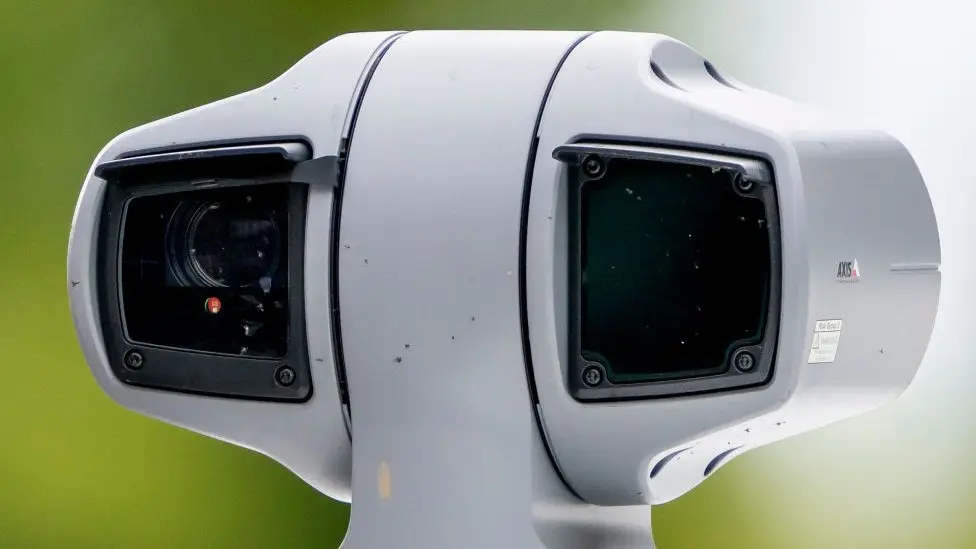
Delhi Police now uses Israeli-made facial recognition technology
Delhi Police now uses Israeli-made facial recognition technology that can scan one million criminal records in just 200 milliseconds. This system helped arrest 70 suspects in North Delhi between September and November 2024 as of now, no official data is available, but the system has been much improved now. The technology works by comparing live camera feeds with a massive database of known offenders and missing persons.
Kerala Police Example
Kerala Police made headlines in January 2025 by solving a 19-year-old triple murder case using AI. The technology aged old photographs of suspects to predict how they would look after two decades. A 90 per cent match with a wedding photo on Facebook led to the breakthrough arrest in Tamil Nadu.
AI helped
In Delhi, AI helped solve a blind murder case where a victim was found strangled without any identification. Police used AI to digitally reconstruct the victim's face. Over 400 posters were distributed across the city, leading to identification by the victim's brother.
The technology is not perfect
The technology is not perfect and has raised concerns about false matches. During the 2020 Delhi riots, facial recognition was used in over 750 cases, but more than 80 per cent of the cases heard so far resulted in acquittals or discharges, raising questions about reliability.
Delhi will activate 3,500 AI-enabled cameras
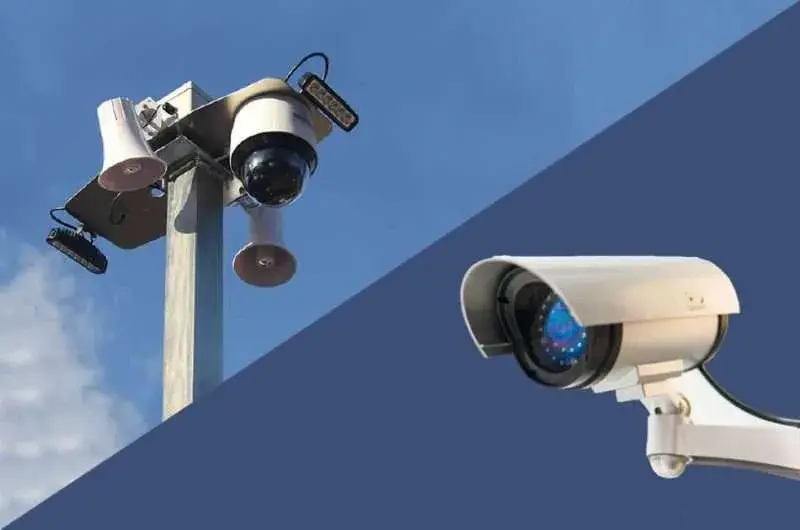
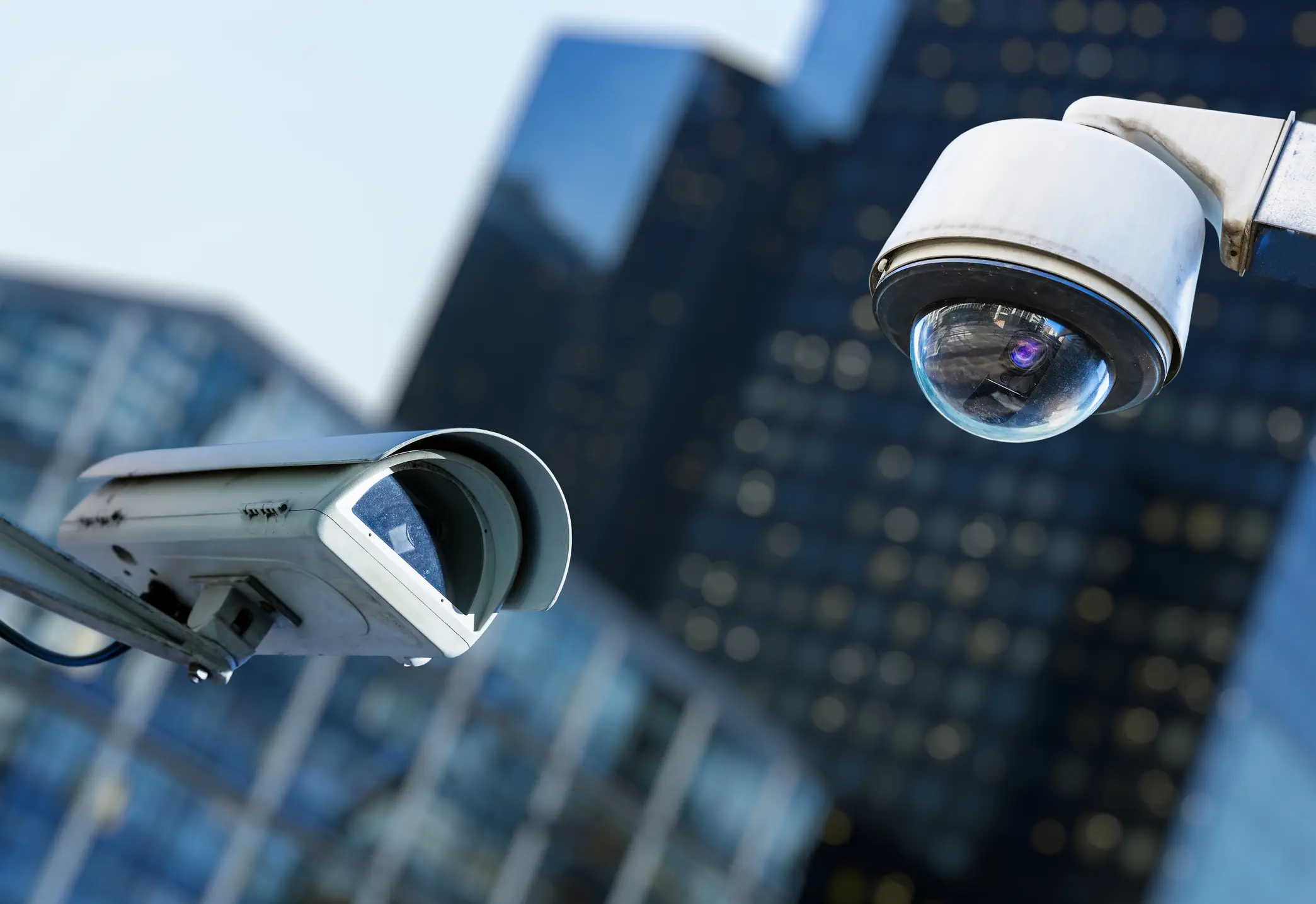
From October 2025, Delhi will activate 3,500 AI-enabled cameras under the Safe City project. These cameras include facial recognition, gunshot sensors, and real-time alerts. The system can identify over 20 faces in a crowd and detect gunshots within 500 metres to one kilometre radius.
AI success stories
AI success stories include a Rs 80 lakh robbery case solved in March 2025 when facial recognition identified masked robber Mohammad Ali from CCTV footage. Similar technology helped North Delhi police solve 16 cases in Sarai Rohilla and 13 cases in Bara Hindu Rao using mobile facial recognition vans.
AI continues to expand across Indian police forces
Despite concerns about privacy and false positives, AI continues to expand across Indian police forces. The technology requires continuous human verification and proper training. As databases grow and algorithms improve, police expect to solve more cold cases while balancing public safety with civil liberties.
)
)
)
)
)