This $30 billion fighter jet will heal itself in mid-air! Inside the UK’s 'Tempest' program

In the high-stakes world of aerial combat, stealth and survivability are everything. But what if the next-gen fighter jet didn’t just avoid damage, what if it could heal itself mid-air?
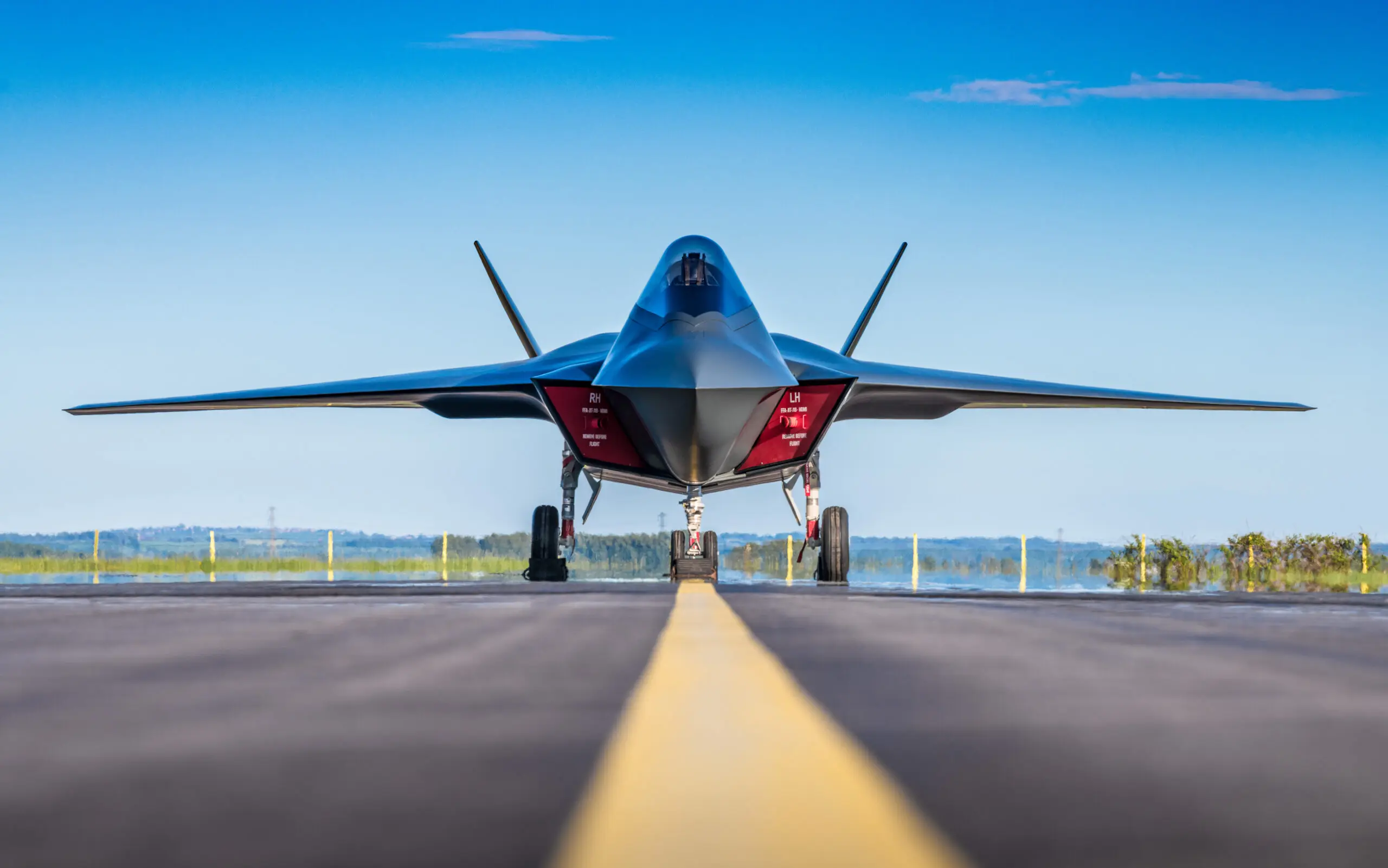
Global Combat Air Programme (GCAP)
Enter the Tempest fighter jet, the UK’s crown jewel in the Global Combat Air Programme (GCAP) with Japan and Italy. More than just a stealth aircraft, Tempest is being designed to feature self-healing skin, a futuristic tech that could completely change how wars are fought in the sky.
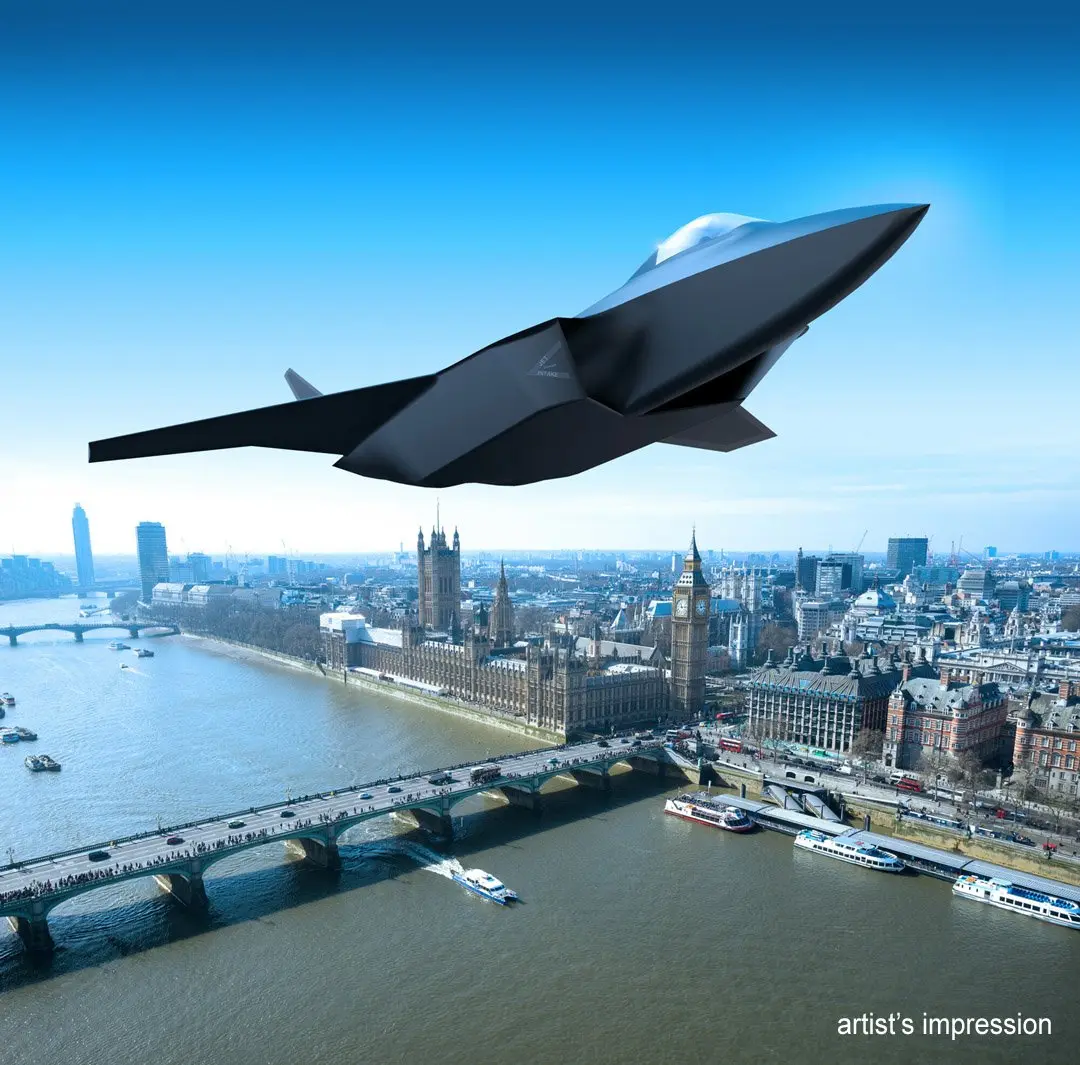
What Is Self-Healing Aircraft Skin?
Self-healing skin is a next-gen smart material that enables aircraft to detect, contain, and repair minor damage while still in flight. Inspired by biology and nanotechnology, this technology incorporates microcapsules filled with repair agents, shape-memory polymers, and self-sensing fiber composites. When a bullet grazes a wing or a panel cracks under stress, these materials react instantly, sealing the damage on their own. This not only preserves the aircraft’s stealth and aerodynamics but also keeps it mission-ready without needing immediate maintenance.
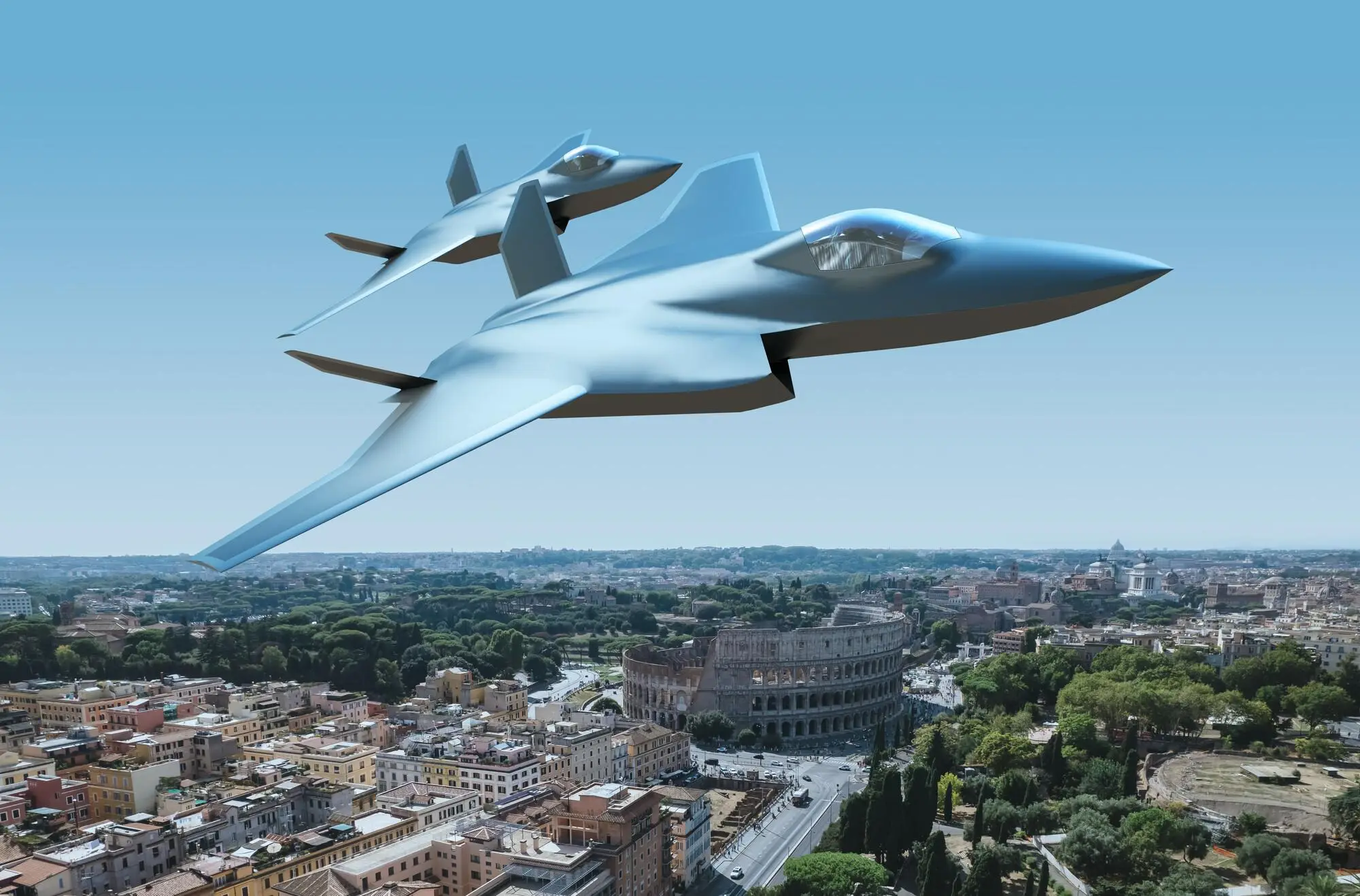
Tempest Will Think, Adapt, and Heal
At its core, the Tempest is being built as a "combat brain" in the sky. Thousands of sensors embedded across the airframe will feed real-time data to its onboard AI system. This AI, acting like a virtual co-pilot, will not only guide the pilot but detect structural damage on the fly.
Once detected, Tempest’s body can trigger repairs automatically using embedded smart materials that restore strength and stealth properties, no human input needed.
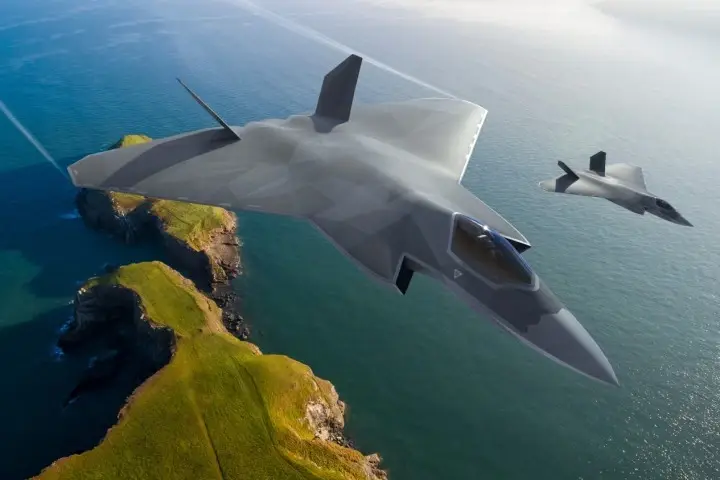
Why This Matters in Future Warfare
In the wars of tomorrow, fighter jets will operate deeper into enemy territory, often in GPS-denied or refuelling-scarce environments. The ability to survive, adapt, and continue a mission after damage will separate superior aircraft from expendable ones.
Traditional jets would need to land for inspection and repair. Tempest, in theory, can repair its skin mid-flight, finish its strike, and return home, making it twice as lethal and half as vulnerable.
Who’s Behind the Tech?
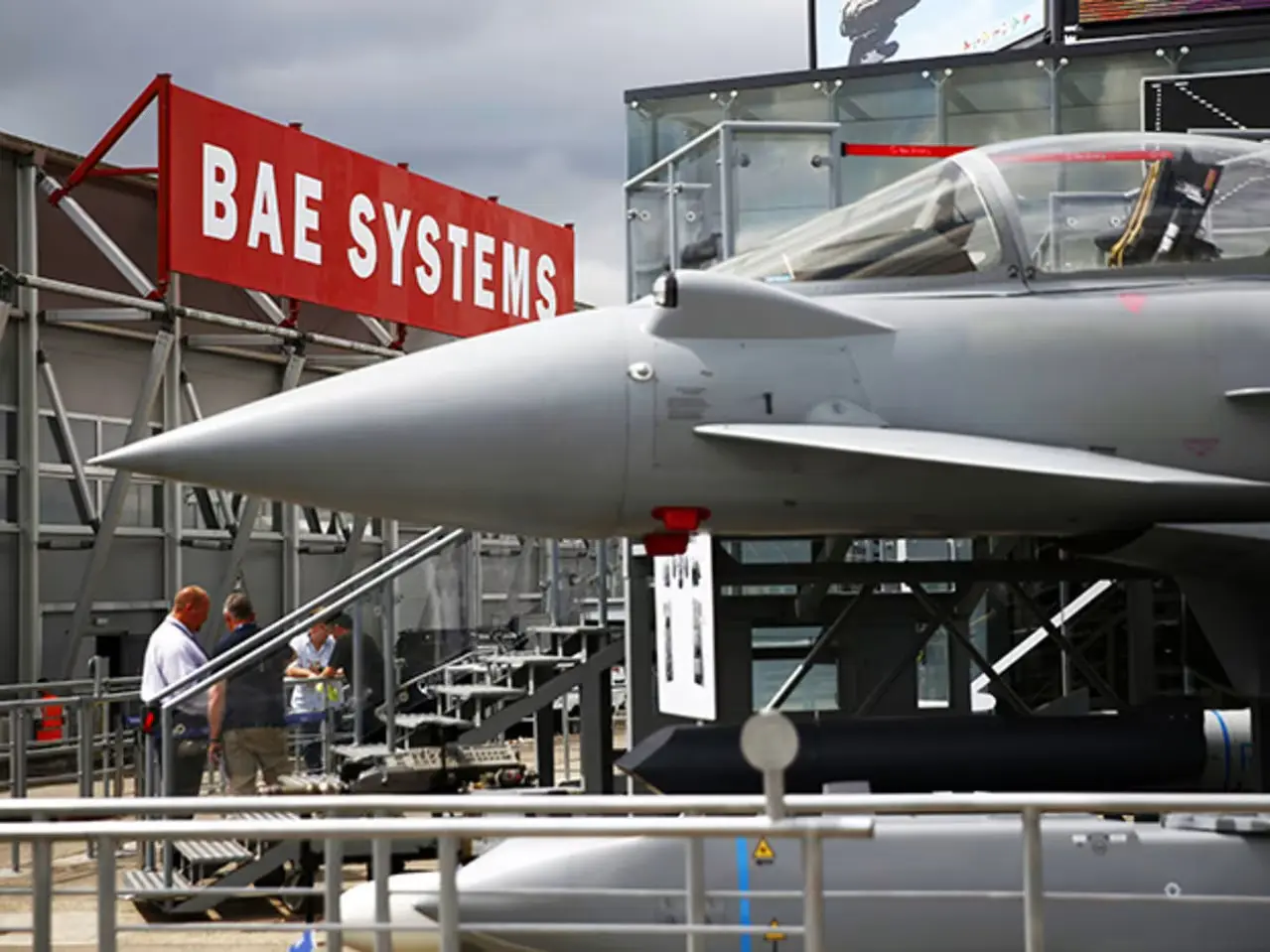
The self-healing materials in Tempest are being developed by the UK’s BAE Systems, alongside academic researchers and materials science labs across Europe. In early demos, BAE already showcased small drones using bio-inspired skin that could seal punctures in flight. Tempest will be the first manned fighter to integrate this technology at scale.
It’s Not Just Skin — It’s a Nervous System
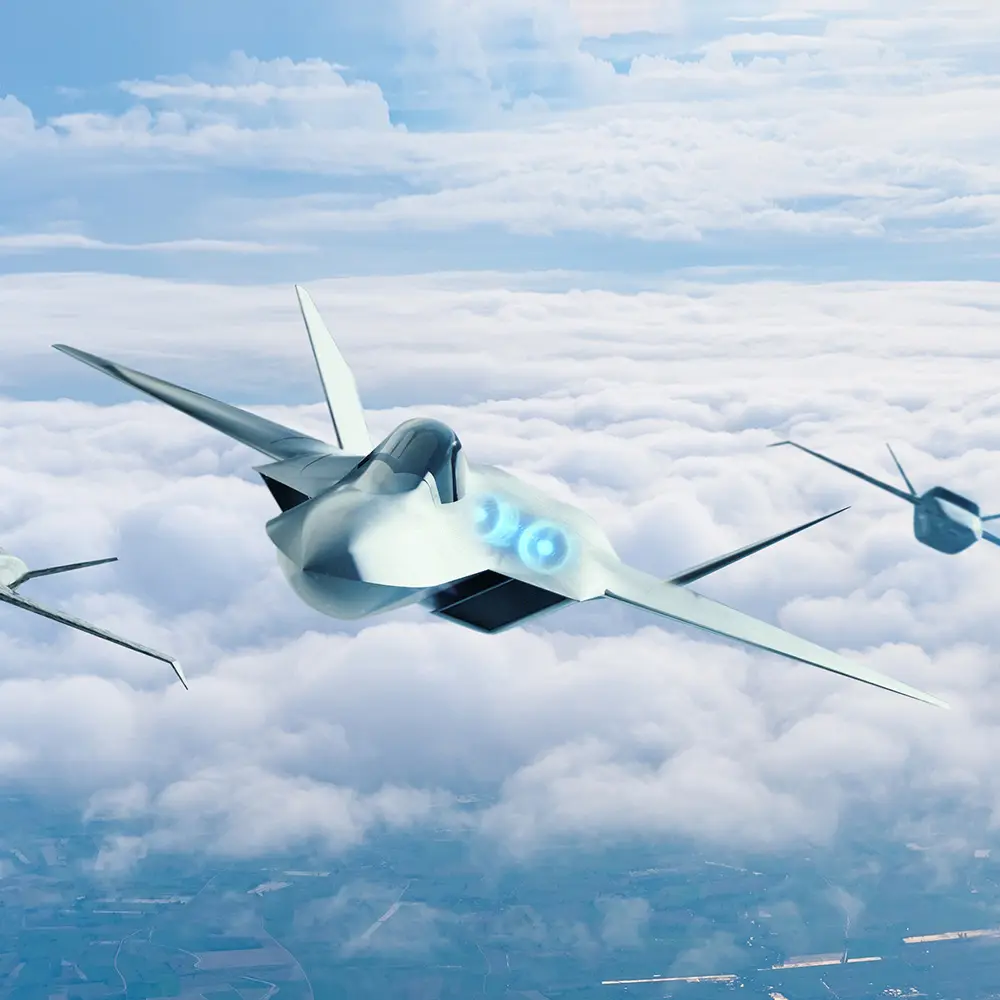
Beyond surface repairs, the UK team is exploring how fuel lines, electrical circuits, and antennas can also recover from minor damage using conductive healing gels and carbon fibre composites. Essentially, the jet becomes a living nervous system, sensing and regenerating like a biological organism.
This opens the door to longer missions, less ground maintenance, and real-time adaptability in the middle of combat.
A Flying Organism
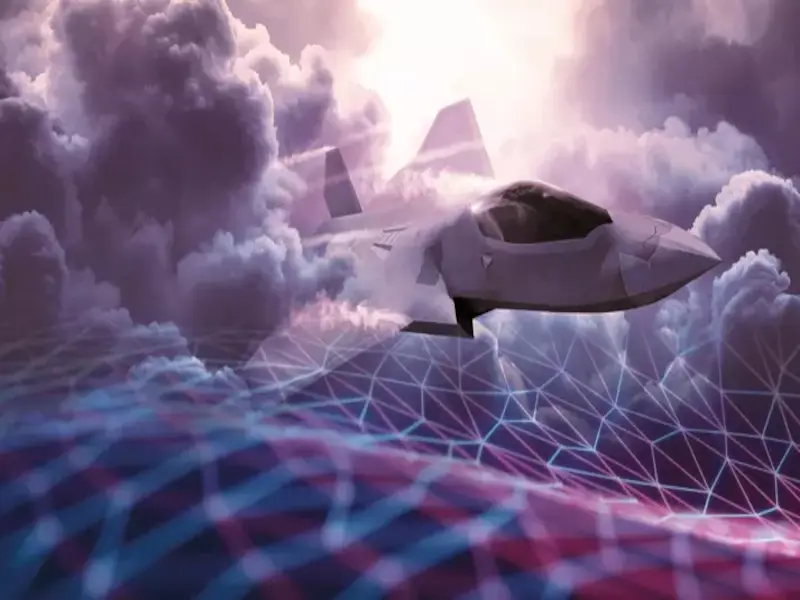
While other nations focus on firepower, the UK’s Tempest is being designed to survive smarter. It doesn’t just hide from radars, it can heal, adapt, and return before enemies even know what hit them.
With first flight expected before 2035, the Tempest may usher in a new era of regenerative war machines that think, fight, and fix themselves mid-air.
)
)
)
)
)