This $20 billion fighter jet will be built to win any war! Meet Boeing's F-47

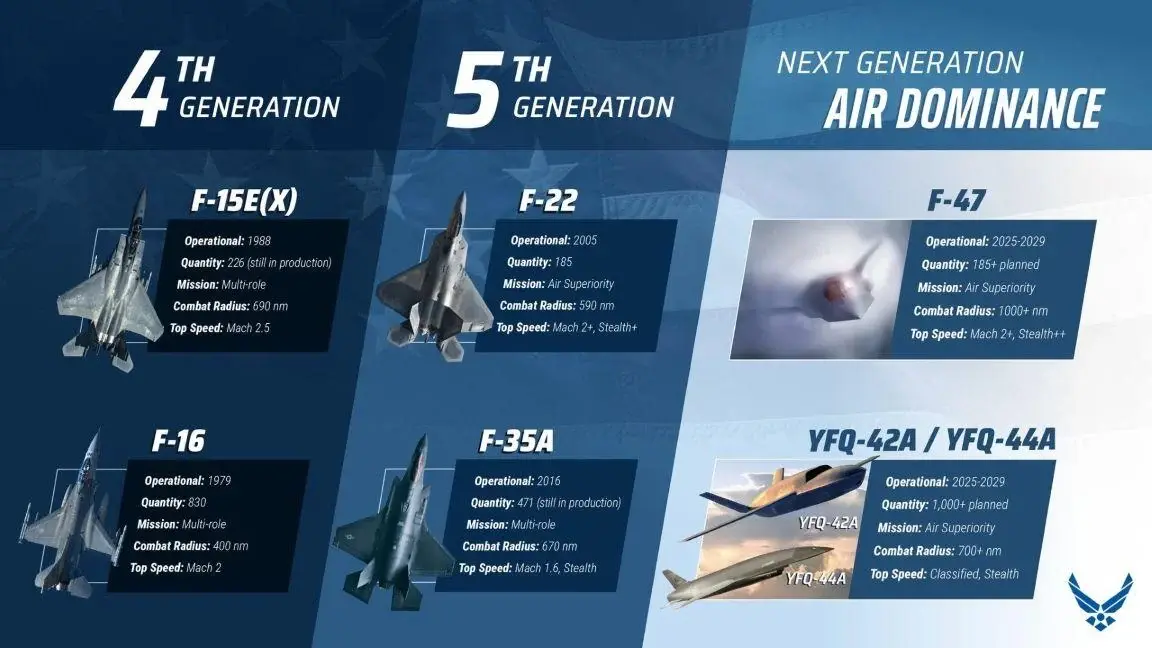
The next era of American air dominance is here and it has a name. In March 2025, the US Air Force officially awarded Boeing the contract to develop its sixth-generation fighter jet, designated the F-47, under the NGAD programme.
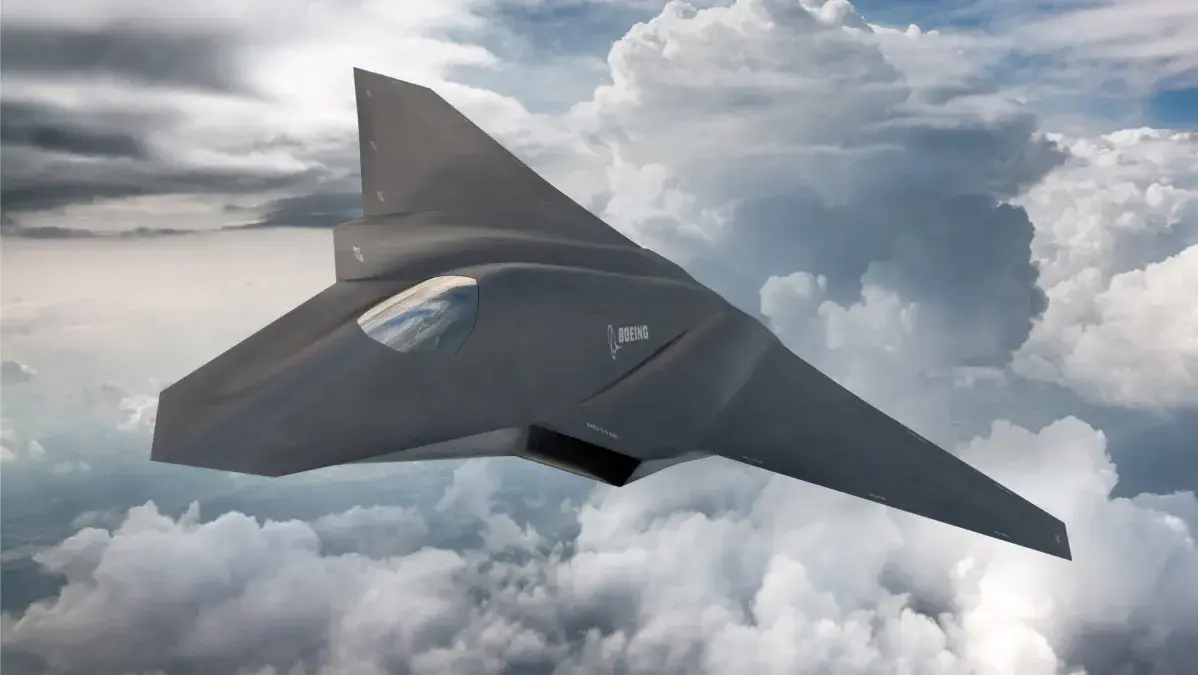
Boeing's leading
While Lockheed Martin was once the undisputed king of stealth with the F-22 and F-35, Boeing has now secured the largest fighter contract in decades signalling a bold shift in America’s aerial strategy. But what exactly is the F-47? And how will it reshape modern warfare? Here’s a deep dive into what we know, and what we can expect from Boeing’s most ambitious warplane yet.
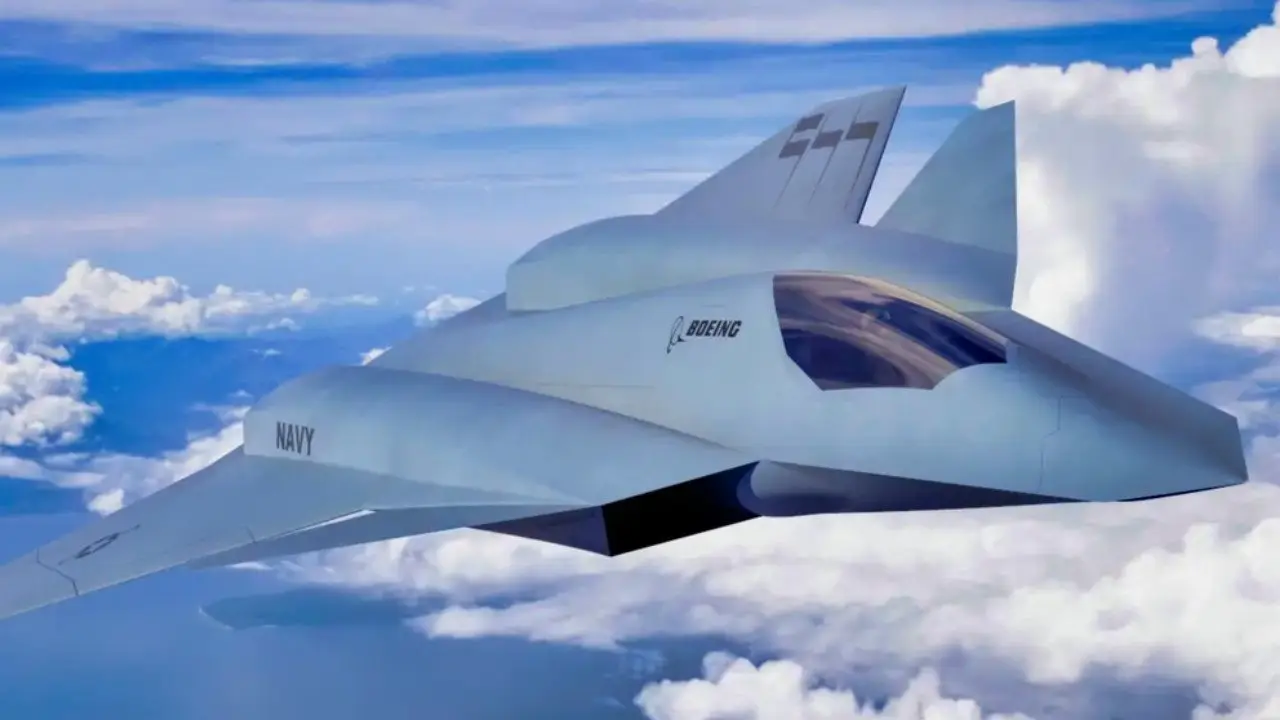
Boeing’s First Clean-Sheet Fighter
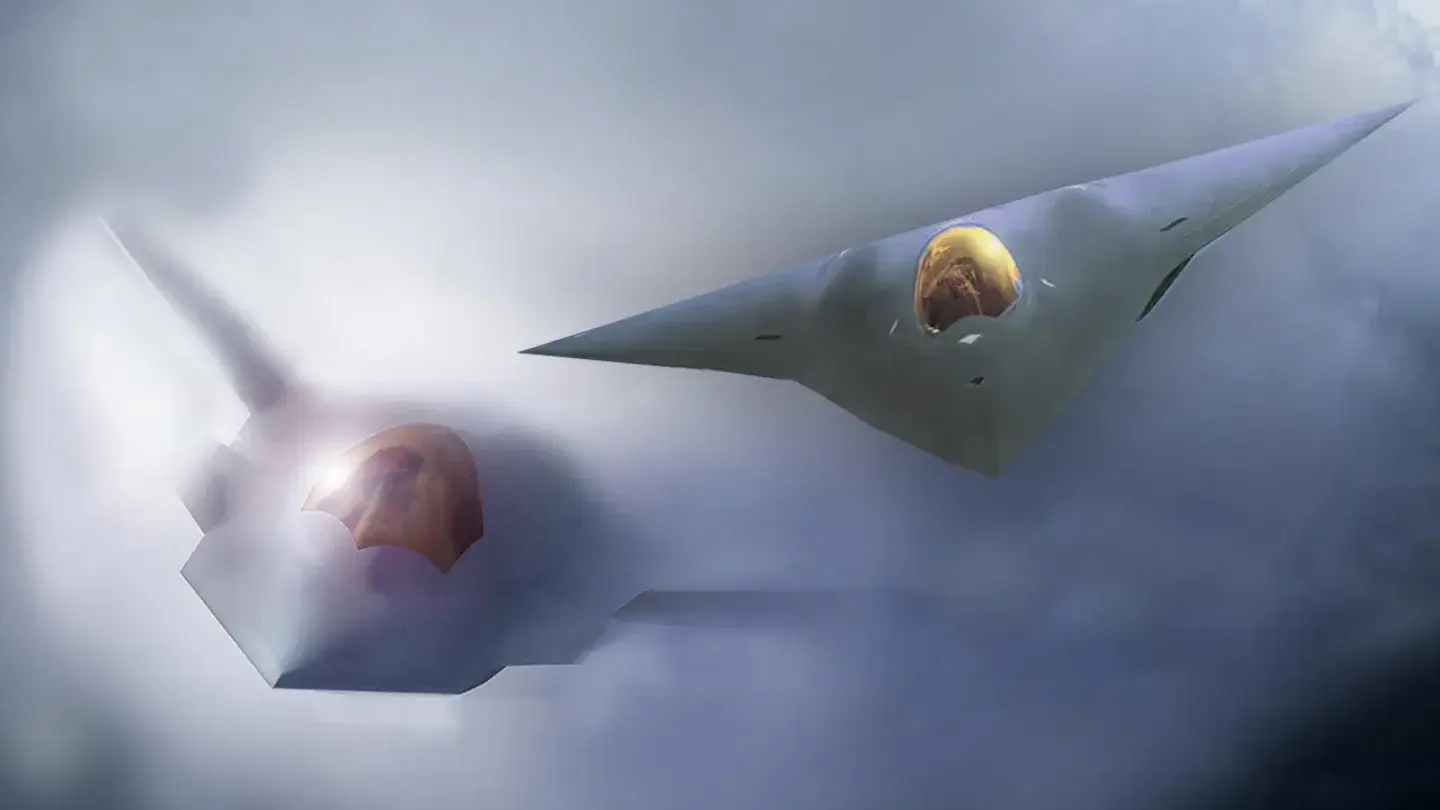
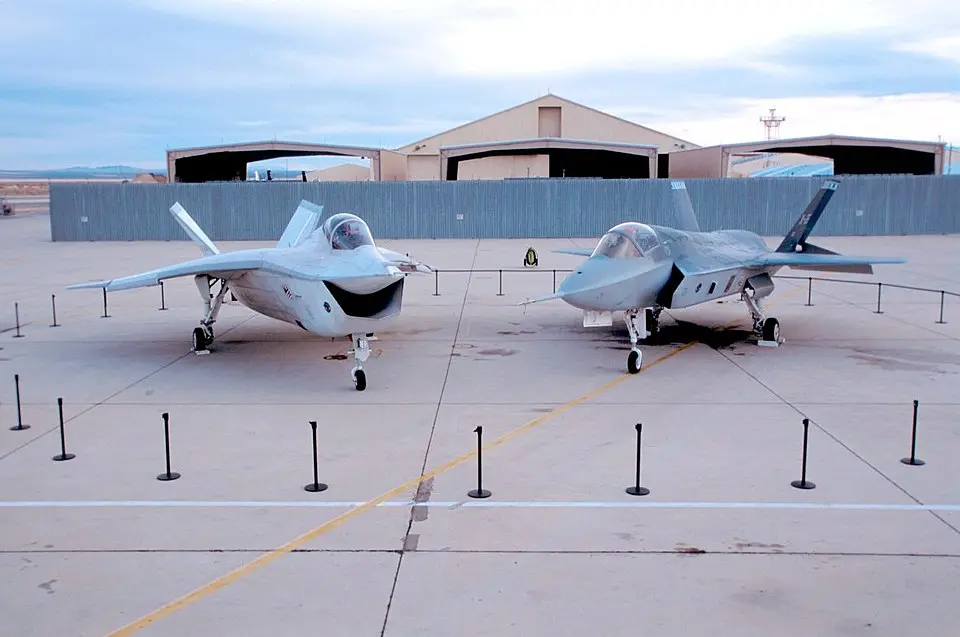
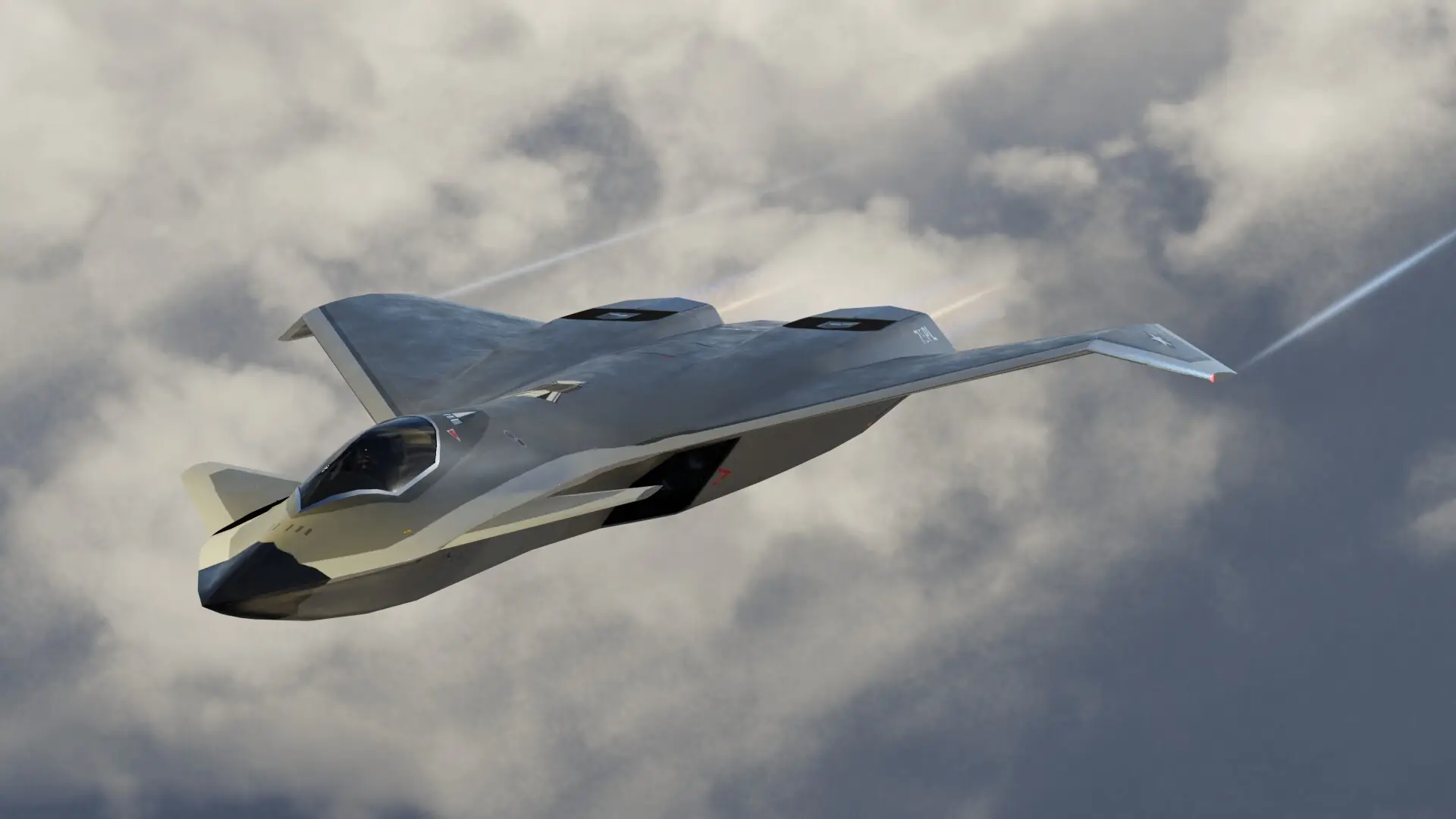
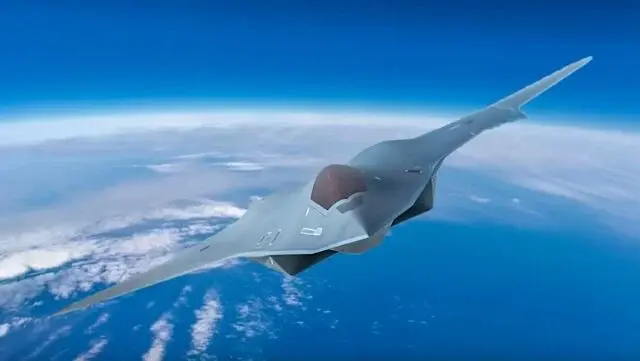
Unlike the F-15EX, which was an upgraded legacy aircraft, the F-47 is a completely new platform. It’s Boeing’s first clean-sheet fighter design, using lessons from its X-32 prototype, MQ-28 Ghost Bat drone, and B-21 Raider-like stealth technologies. While official images are classified, early design leaks and concept art suggest a tailless, blended-wing body with ultra-low observability and a flat, infrared-suppressing engine layout, similar to a manned stealth drone but with cockpit flexibility.
Speed Meets Stealth
The F-47 is expected to fly faster than Mach 2 and operate at ranges of over 1,000 nautical miles, making it one of the fastest and longest-reaching tactical aircraft ever built. Its adaptive-cycle engines, being developed by Pratt & Whitney and GE, will allow it to switch between fuel-efficient cruising and high-thrust combat modes.
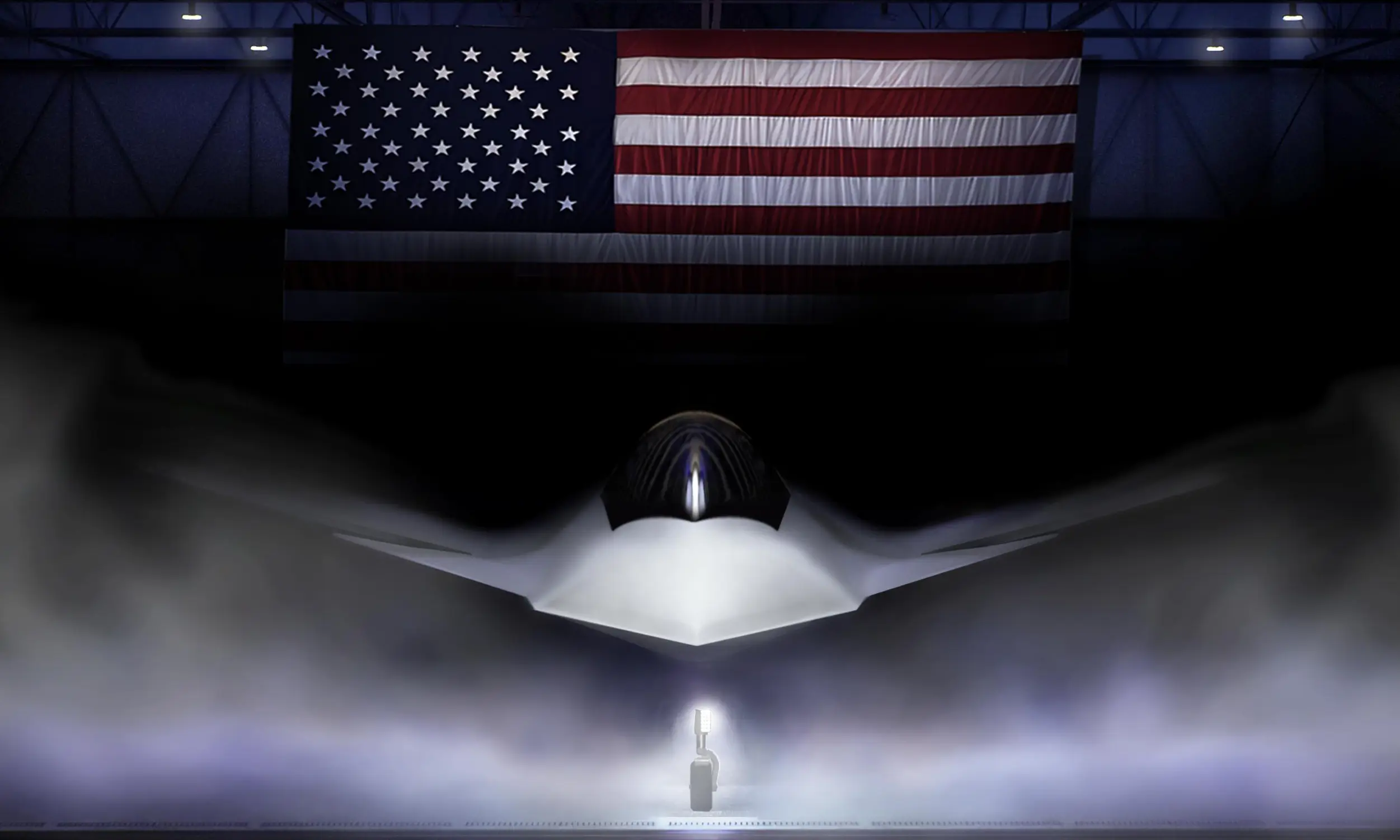
AI as Wingman
The F-47 won’t fly alone. It’s designed to function at the heart of a “family of systems,” controlling a fleet of autonomous drones like the Loyal Wingman, performing electronic warfare, surveillance, and even weapons delivery. Advanced AI will assist pilots with target identification, jamming, and even threat prediction in real-time.
Flying Supercomputer
The jet will be a node in the Pentagon’s future combat cloud, sharing intelligence instantly across ships, satellites, and ground units. Think of it as a stealth fighter + battlefield server rolled into one capable of directing other assets while engaging targets itself.
Hypersonic and Directed Energy Ready
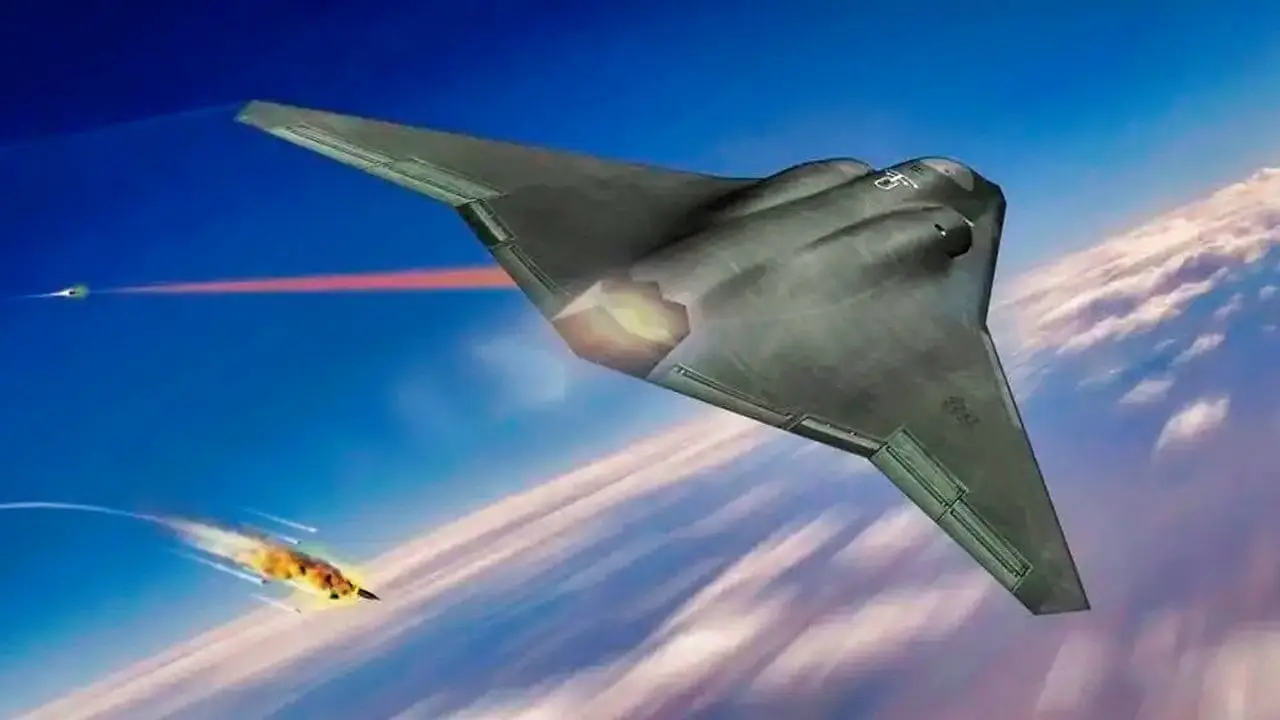
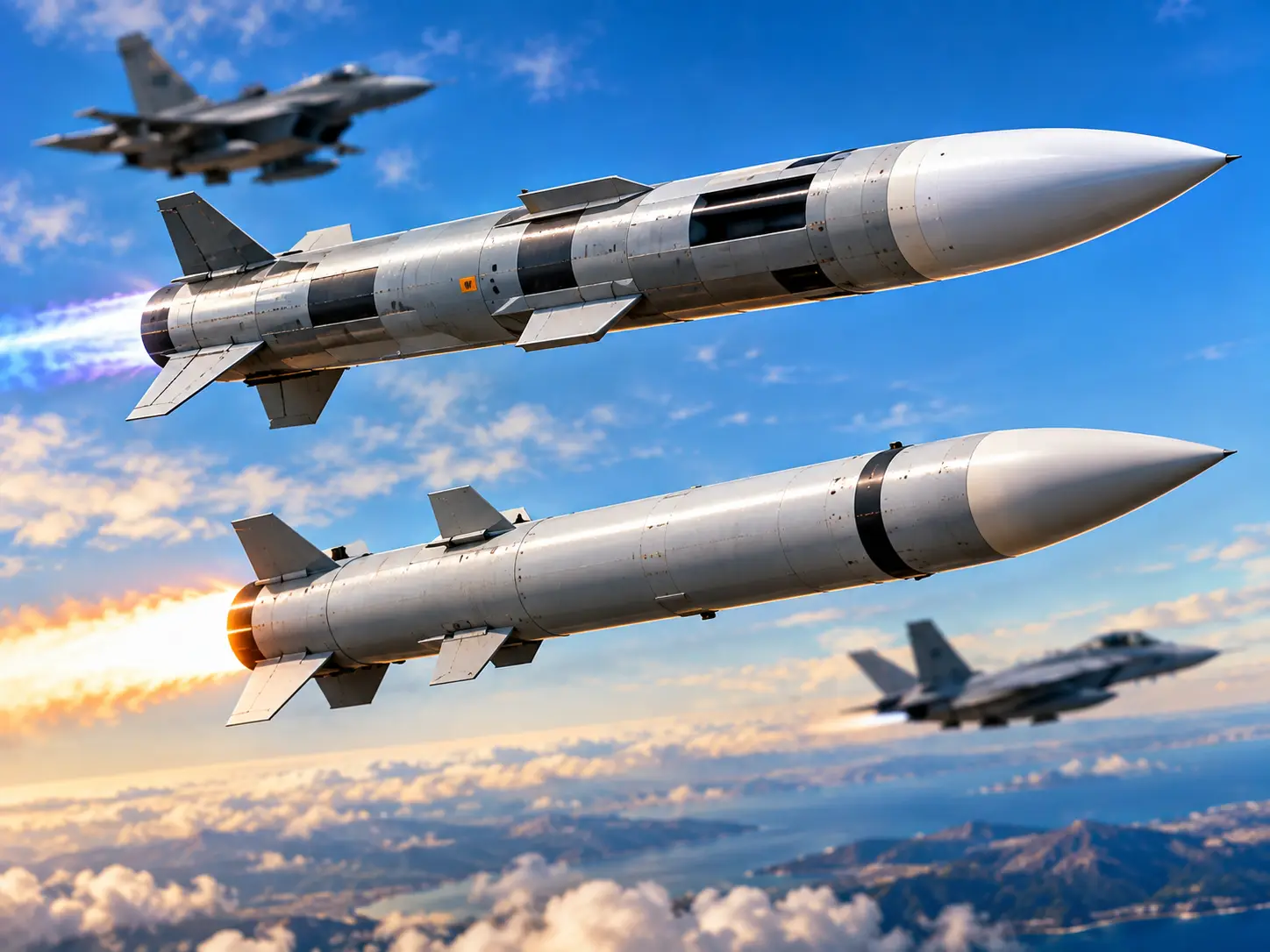
Internally stored hypersonic missiles, long-range air-to-air weapons, and even laser-based defence systems are expected to be integrated into the F-47. Its weapons bay is designed for modular payloads, making it ready for future munitions and high-power systems still under development.
Why Boeing, Not Lockheed, Won
Despite Lockheed Martin’s experience with stealth fighters, the Pentagon favoured Boeing’s aggressive digital engineering, autonomous capabilities, and its push for rapid prototyping. Reports suggest the decision was also partly strategic, to avoid over-reliance on a single defence contractor for all US air dominance platforms.
The F-47’s Bigger Role in Global Conflict
With rising tensions in the Indo-Pacific, particularly around China and Iran, the F-47 is expected to be the primary force in future air campaigns. Its long reach and survivability make it ideal for first-strike missions or penetrating heavily defended zones without being detected.
When Will It Fly?
Flight demonstrations began in secret as early as 2020. Boeing is now entering the Engineering & Manufacturing Development (EMD) phase, with limited production expected by 2030. The F-47 will eventually replace the aging F-22 Raptors, and possibly supplement or reshape the U.S. Navy’s F/A-XX carrier fighter plans.
)
)
)
)
)