Third anniversary of Galwan clash: Revisiting the deadly skirmish between Indian and Chinese troops


Escalating tensions between India and China
Tensions between the armies of the two nations had been escalating at the Line of Actual Control (LAC) for weeks. Troop deployments by both sides had also increased.
The Indian side had claimed that China had encroached upon its territory along the LAC.

Galwan Valley clash
On 6 June, 2020, talks between local military commanders had led to a mutually agreed-upon disengagement process. A buffer zone was also created, however, an Indian commander upon investigation discovered a Chinese camp in the buffer zone. The confrontation led to a violent clash — the Galwan Valley clash.

The impasse continues
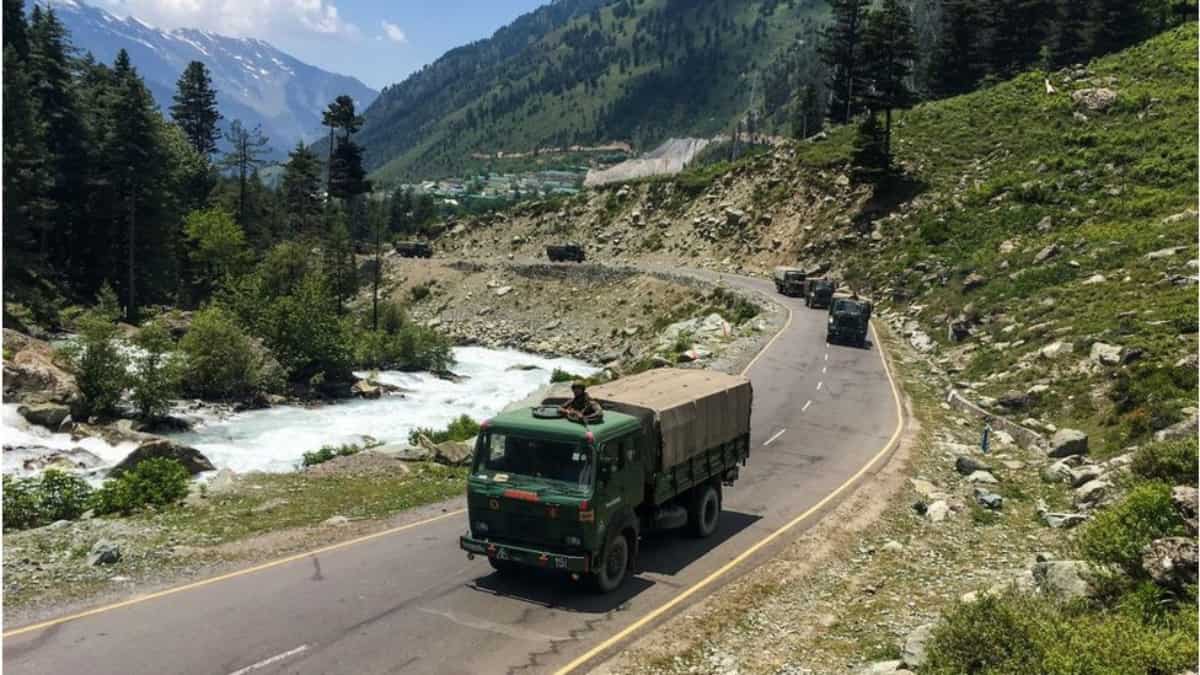
Following the clash, a meeting of Major Generals of both armies took place at Patrolling Point 14. The meeting helped stabilise the situation with both sides reaching a mutual consensus to disengage. However, no concrete plan was formulated, and subsequent meetings and diplomatic talks failed to break the impasse.
Troops disengagement
A series of meetings continued between the two sides throughout the year 2020 to reach a consensus. A breakthrough in resolving the nine-month-long military standoff was achieved in February 2021 when China’s Defence Ministry announced synchronised and organised disengagement of Chinese and Indian troops from the southern and northern shores of Pangong Tso.
Both sides suffered casualties
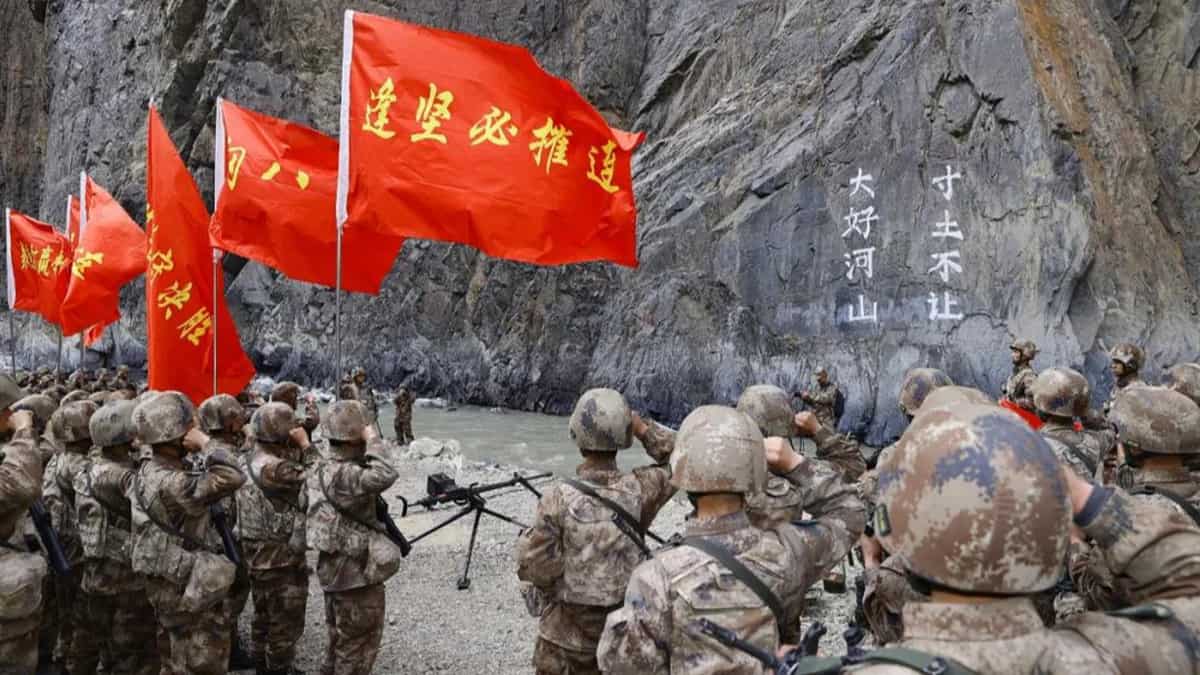
While 20 Indian soldiers lost their lives in the clash, the Chinese side did not reveal the number of casualties at first though the casualties were pegged higher than India's. However, in February 2021, China for the first time admitted that five of its soldiers were killed in the clash.

Use of unorthodox weapons
Although no gunfire occurred, a review by the Indian Defence Ministry in 2021 revealed that China employed “unorthodox weapons” during the Galwan clash.

Homage to the martyrs
On the third anniversary of the Galwan clash, India paid homage to the 20 soldiers who died in the deadly clash on 15 June, 2020.

More deployments by both sides after three years of clash
Three years after the deadly clash, China has added roads and bridges and has expanded airstrips for fighter jets and military bases. New dual-use villages have been set up by China close to the LAC on its side. The Indian side has also constructed more roads and deployed more military personnel in the region.
)
)
)
)
)