Think Voyager was alone? Humanity has sent more missions to the outer solar system than you think!

Since the 1970s, humanity has extended its reach into this distant region of the Solar System, sending robotic explorers to unlock the mysteries of these massive planets.
Introduction: Reaching Beyond the Asteroid Belt
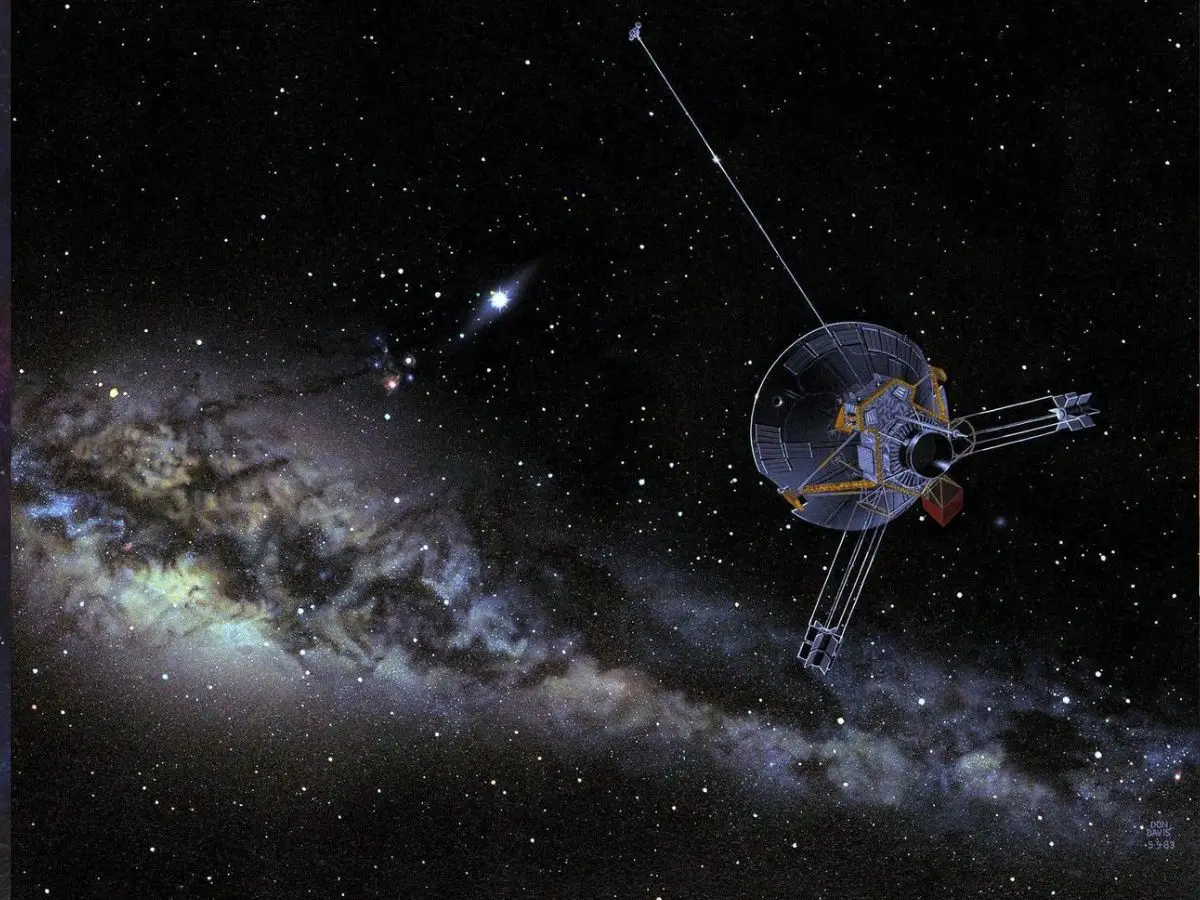
The outer planets: Jupiter, Saturn, Uranus, and Neptune, have long fascinated astronomers and the public alike. These gas and ice giants, orbiting far beyond the asteroid belt, were once invisible worlds, discernible only through telescopes. Since the 1970s, humanity has extended its reach into this distant region of the Solar System, sending robotic explorers to unlock the mysteries of these massive planets. The journey has been painstaking, requiring decades of planning, gravity assists, and innovative spacecraft engineering.
Pioneer Missions: The First Forays
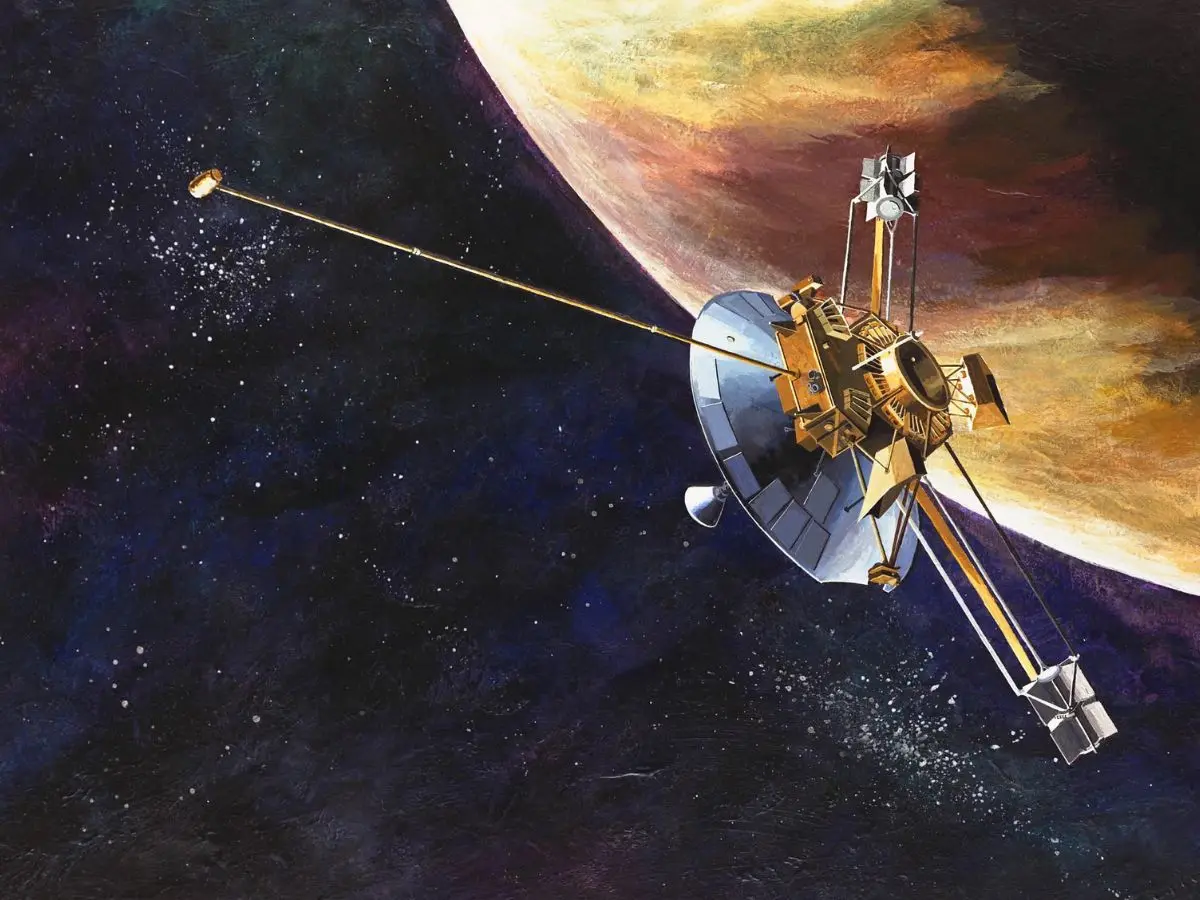
The first steps beyond Mars were taken by the Pioneer missions. Pioneer 10, launched in 1972, became the first spacecraft to traverse the asteroid belt and fly past Jupiter, providing humanity with its first close-up images of the gas giant. Its twin, Pioneer 11, followed in 1973, extending the mission to Saturn. These missions established the feasibility of long-duration planetary exploration and offered unprecedented data on planetary magnetospheres, atmospheres, and radiation belts.

Voyager: A Grand Tour of the Outer Planets
The twin Voyager spacecraft, launched in 1977, transformed our understanding of the outer Solar System. Voyager 1 flew past Jupiter and Saturn before heading into interstellar space, while Voyager 2 remains the only probe ever to visit Uranus and Neptune. These missions provided detailed imagery of planetary rings, moons, and atmospheric dynamics, revealing the complex and dynamic nature of these distant worlds.
Ulysses: A Solar Mission with a Planetary Twist
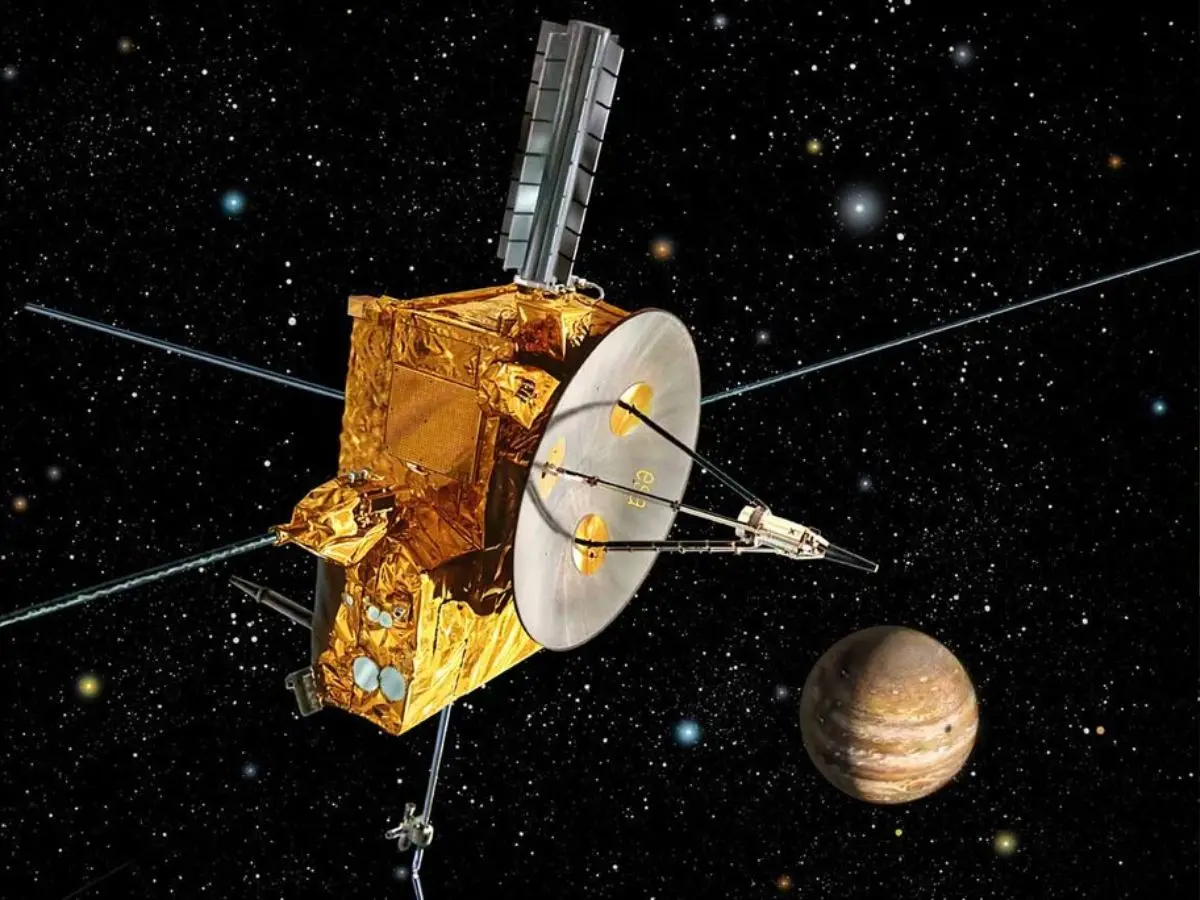
Primarily designed to study the Sun, Ulysses, launched in 1990, utilised Jupiter’s gravity for a slingshot manoeuvre to reach a unique orbit around the Sun’s poles. While not dedicated to the outer planets, this mission demonstrated the strategic use of planetary gravity assists to achieve ambitious scientific objectives.
Galileo: Orbiting Jupiter
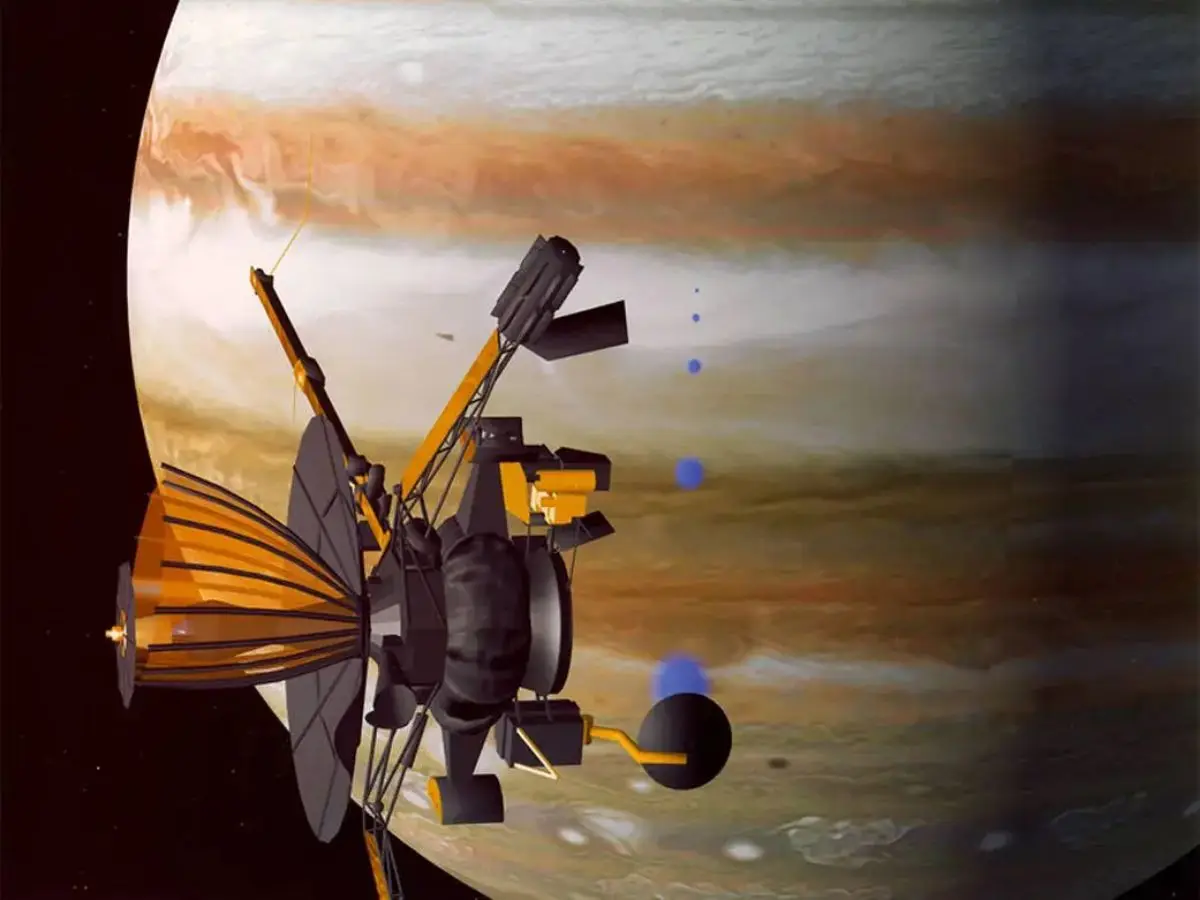
The Galileo spacecraft, launched in 1989, marked the first extended mission orbiting an outer planet. Galileo orbited Jupiter for eight years, studying its atmosphere, magnetic field, and moons. Its probe, which descended directly into Jupiter’s atmosphere, provided direct measurements that refined our models of giant planet composition and weather patterns.
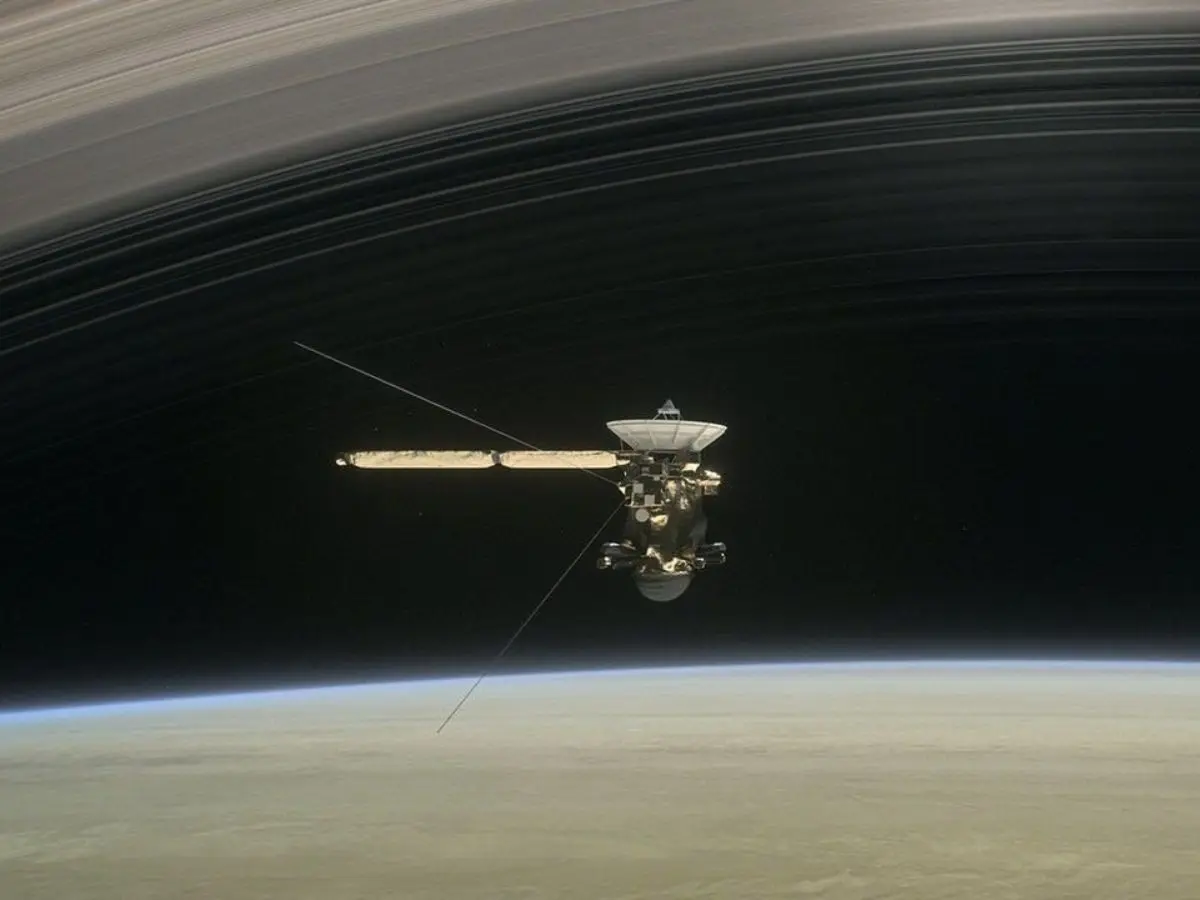
Cassini: Saturn’s Watchful Eye
Launched in 1997, Cassini reached Saturn in 2004 and remained in orbit for 13 years. Cassini delivered unprecedented insights into Saturn’s rings, moons, and magnetosphere, revealing active geology on moons such as Enceladus and Titan. Its extensive mission transformed our understanding of Saturn as a dynamic planetary system.
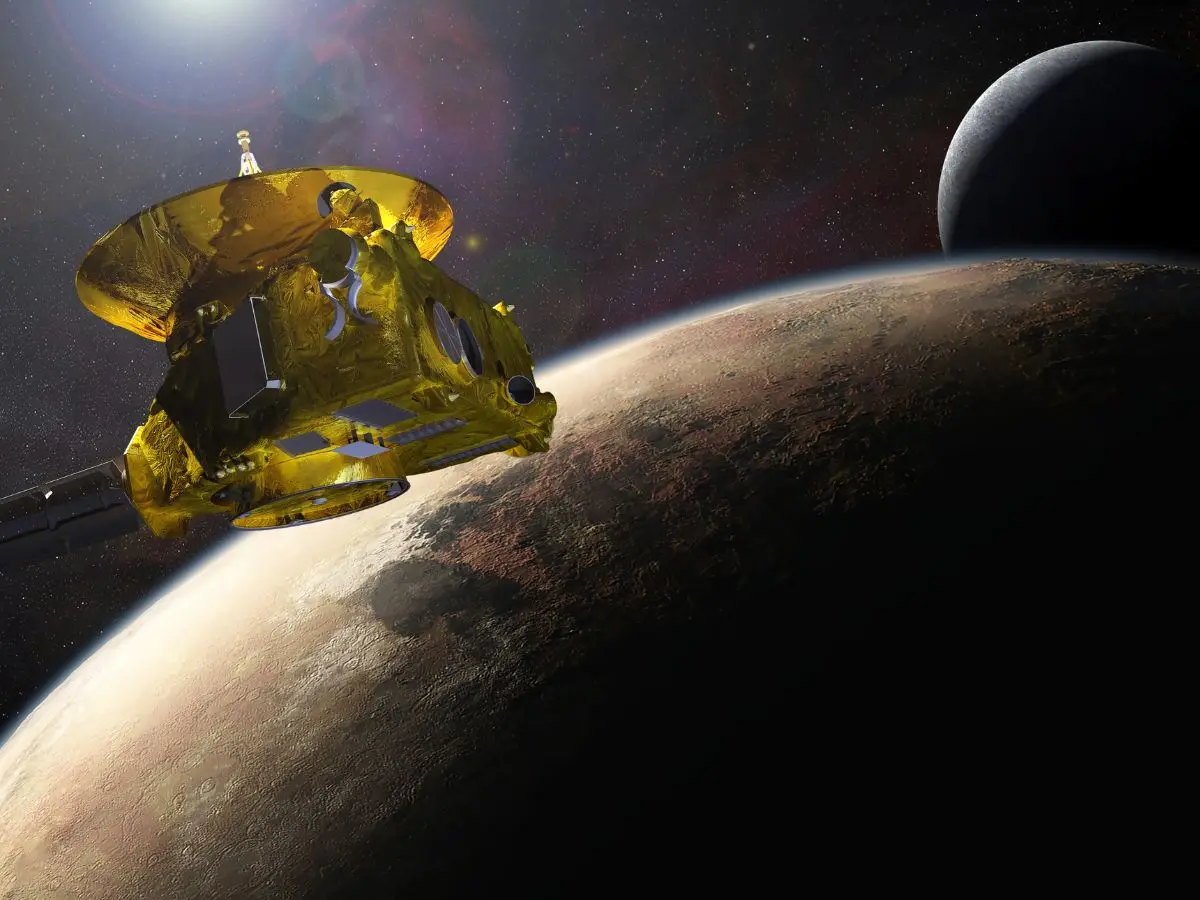
New Horizons: A Flyby with a Mission Beyond
New Horizons, launched in 2006, used Jupiter for a gravity assist on its journey to Pluto and the Kuiper Belt. The brief encounter with Jupiter accelerated its voyage while allowing valuable observations of the planet and its moons, illustrating the dual utility of planetary flybys for both science and navigation.
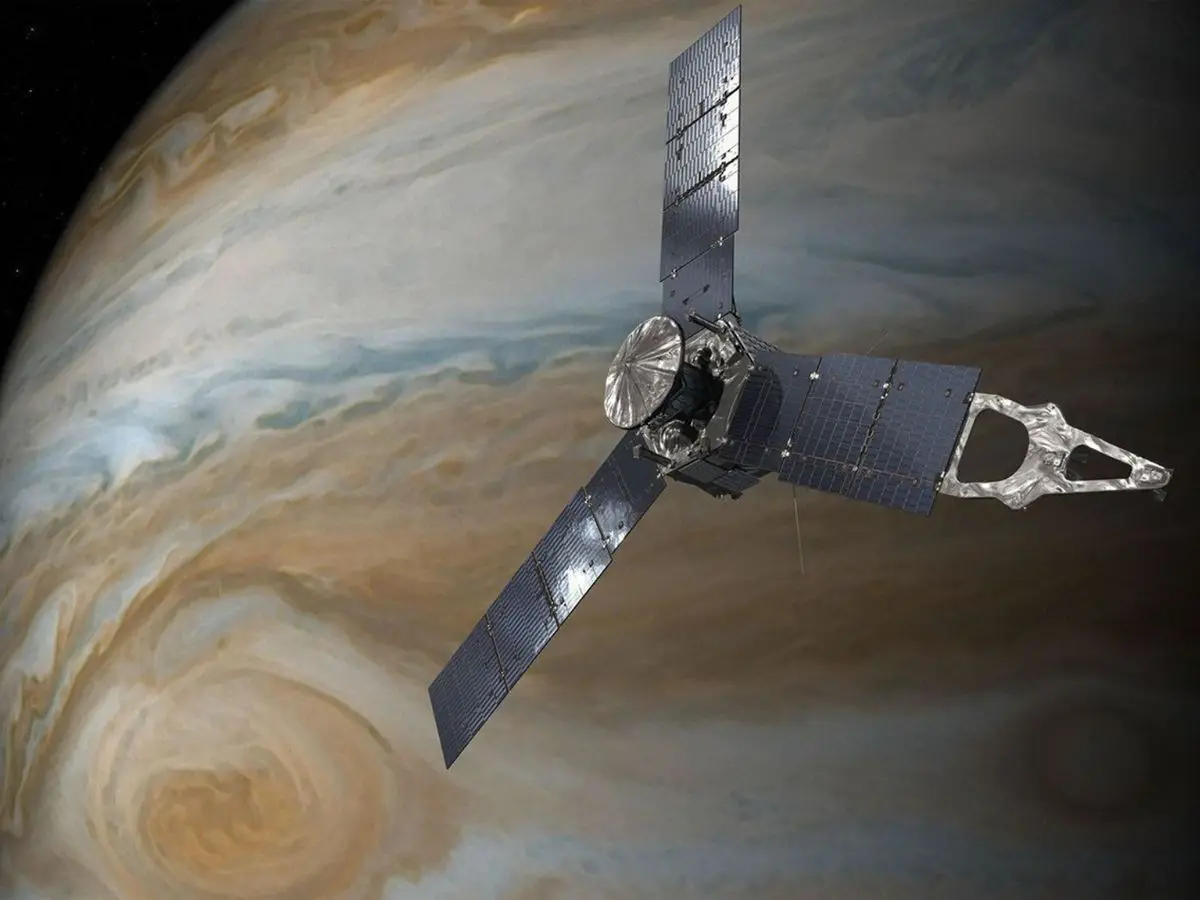
Juno: The Current Guardian of Jupiter
Currently, Juno, launched in 2011, orbits Jupiter with a mission focused on the planet’s atmosphere, gravity, and magnetic fields. This mission continues to expand our understanding of Jupiter’s internal structure and its role in shaping the Solar System.
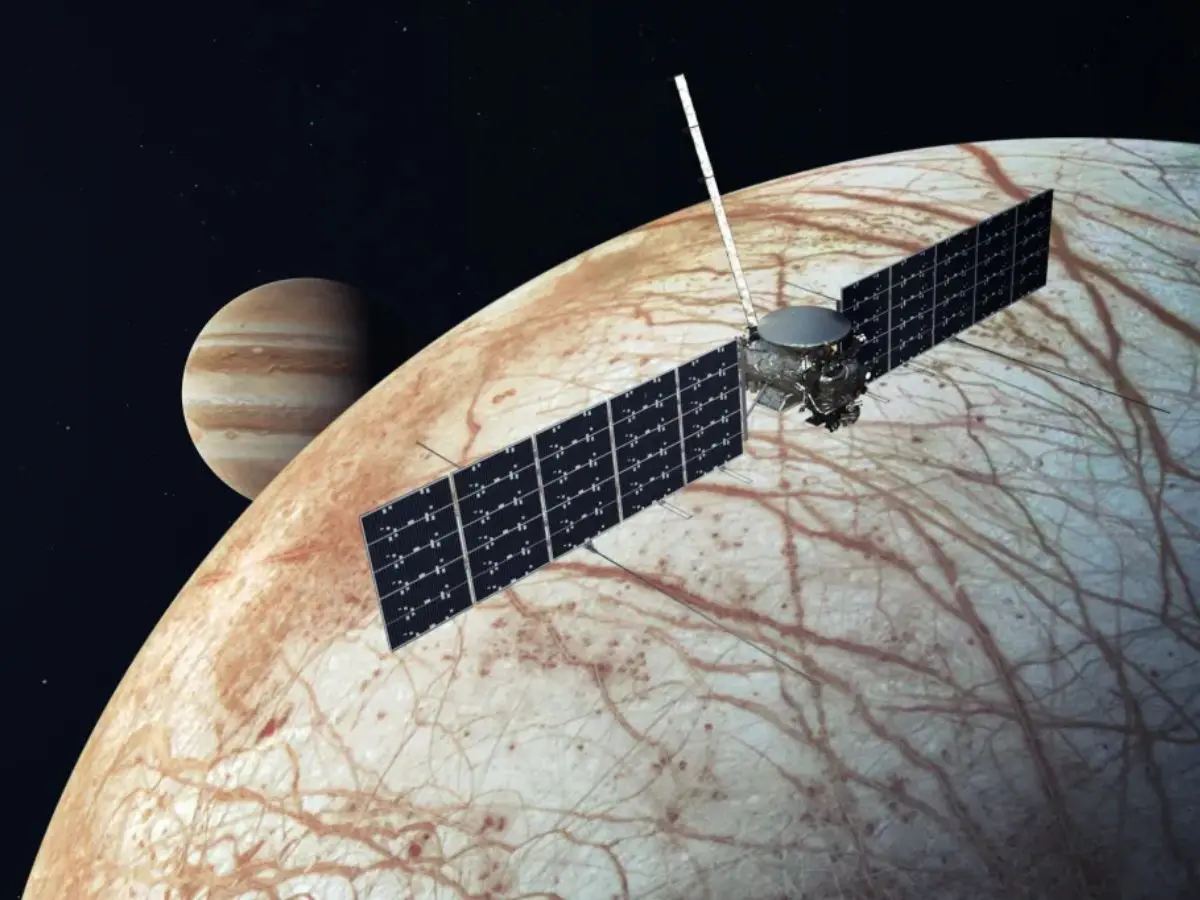
Future Prospects: Europa Clipper
Looking ahead, Europa Clipper, set to launch in 2024 and arrive at Jupiter in 2030, aims to study Europa’s subsurface ocean, assessing its potential for habitability. The continued focus on the outer planets highlights humanity’s enduring fascination with these distant worlds and the scientific value they hold.
)
)
)
)
)