Think Russia has longest coastline? The real ranking may surprise you: Check inside

Canada leads the world with a 202,080-km coastline, followed by Norway, Indonesia and more. These nations' vast coastlines support trade, fisheries, energy production, tourism, biodiversity and strategic maritime routes. Check the top 7 countries with the longest coastline in the world.
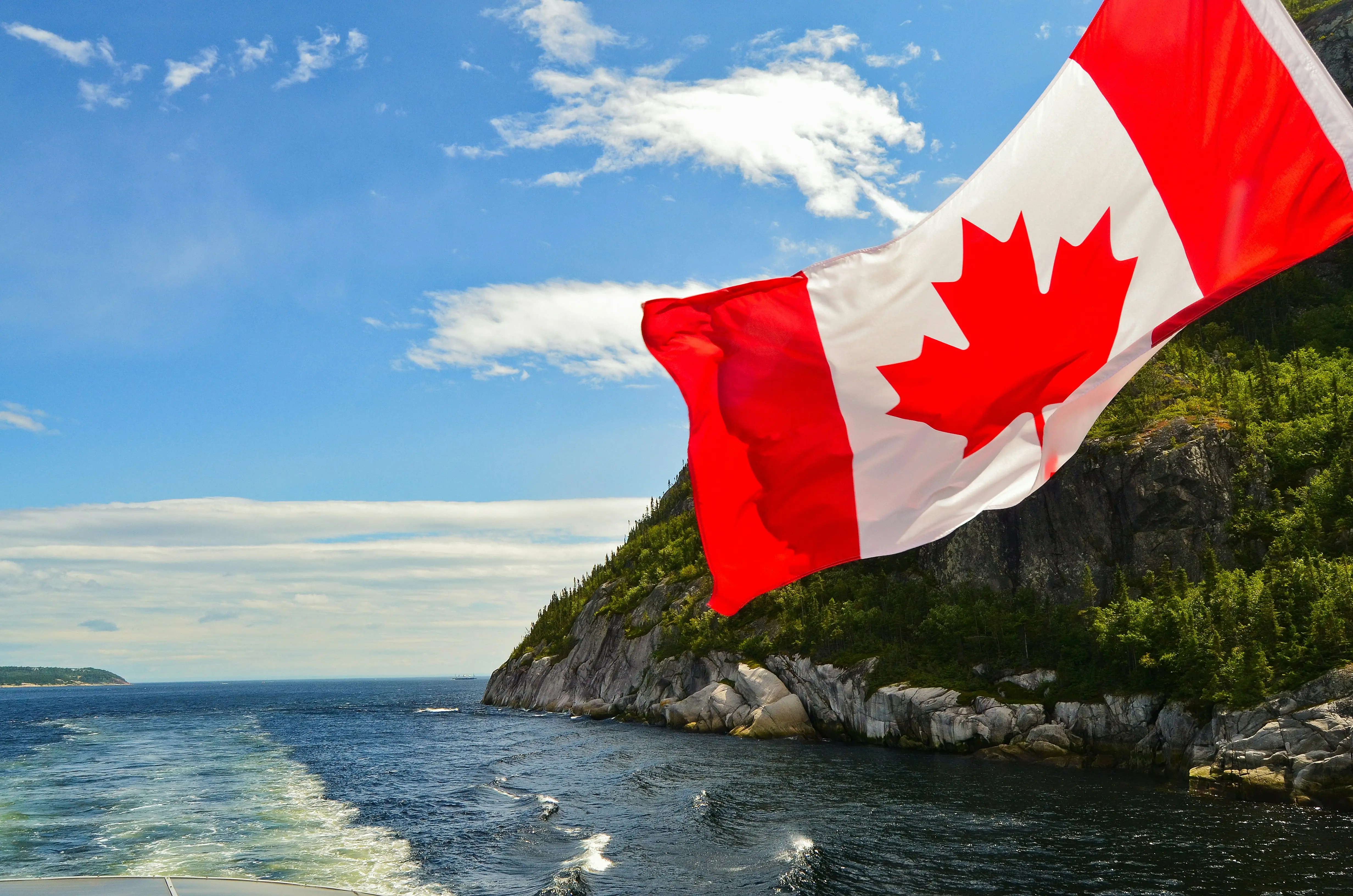
1. Canada: 202,080 km
Canada has the world's longest coastline, stretching 202,080 kilometres across the Atlantic, Pacific and Arctic oceans. The vast coastline reflects the country's enormous size and thousands of islands, including those in the Arctic Archipelago. Home to nearly 41 million people, Canada possesses extensive marine resources, major ports and rich biodiversity, making its coastline vital for trade, fisheries and environmental conservation.
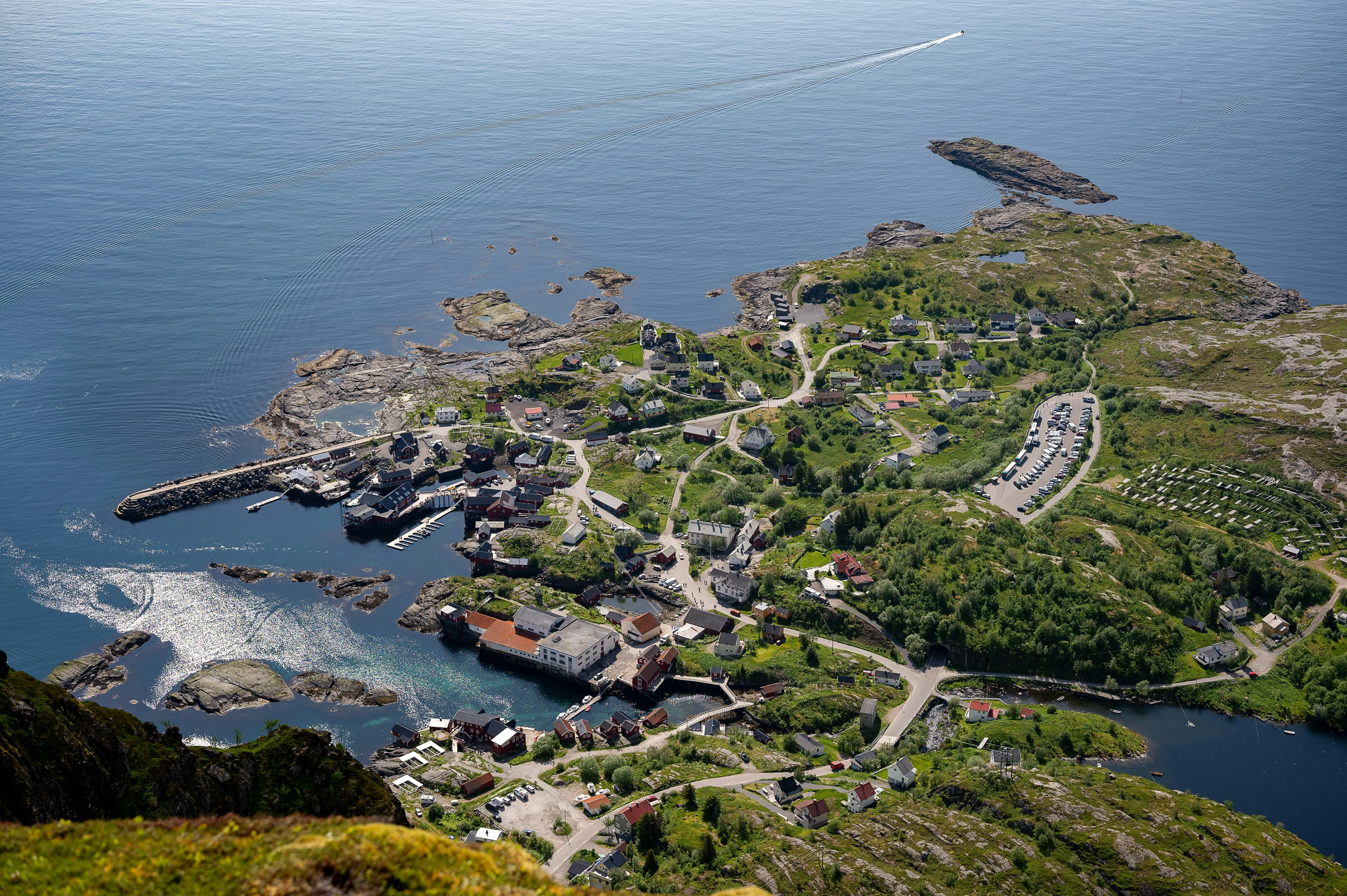
2. Norway: 83,281 km
Norway ranks second with an 83,281-kilometre coastline, famous for its dramatic fjords carved by glaciers over thousands of years. Located in Northern Europe, Norway's coast supports a thriving fishing and shipping industry. The country's maritime heritage is deeply rooted in Viking history. Its coastline also plays a key role in offshore oil and natural gas production, which drives much of its economy.
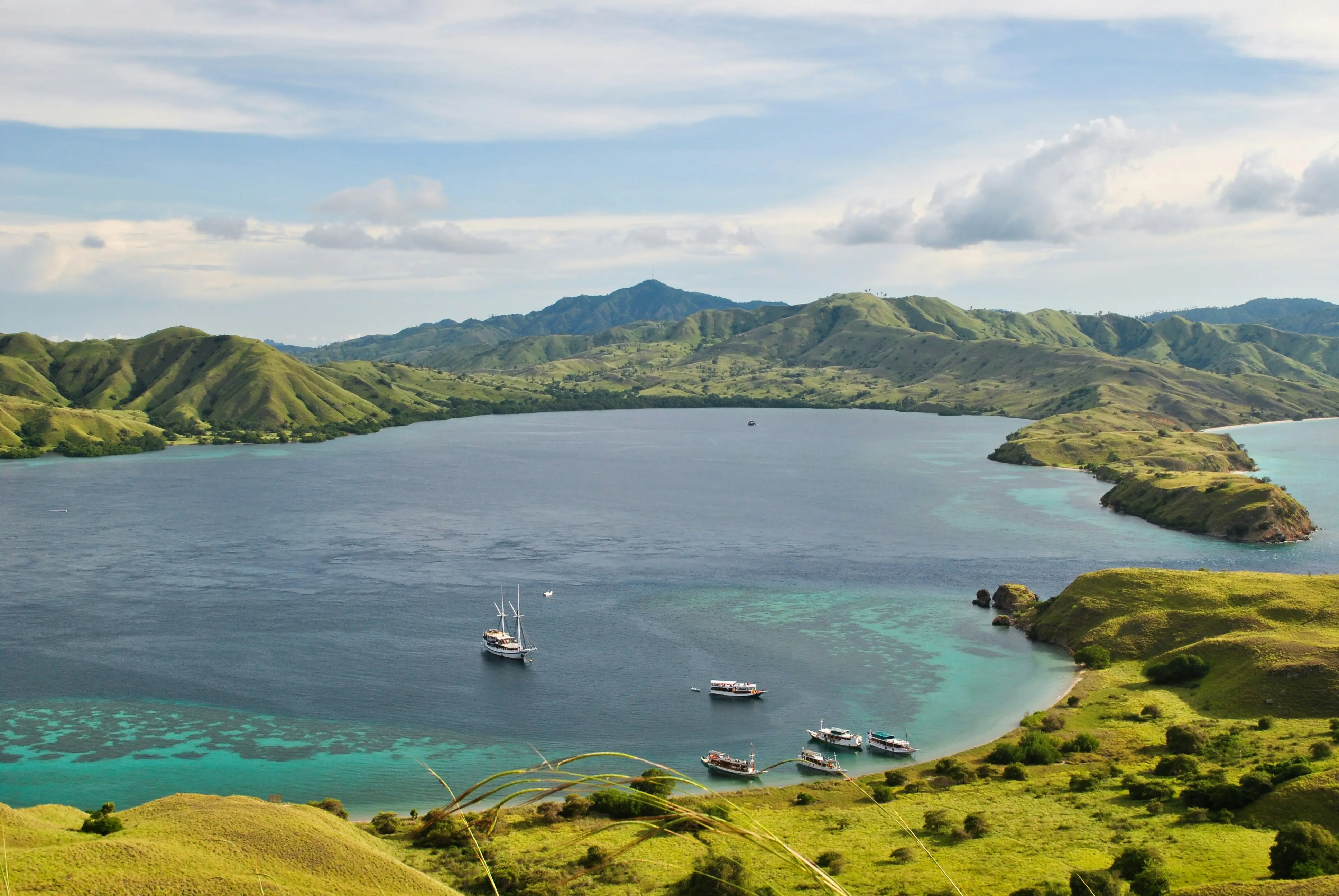
3. Indonesia: 54,716 km
Indonesia, the world's largest archipelagic nation, has a coastline of 54,716 kilometres spread across more than 17,000 islands. Situated between the Indian and Pacific oceans, it serves as a crucial maritime crossroads. Its coastal regions support rich marine biodiversity, including coral reefs and mangroves. Fisheries, tourism and international shipping contribute significantly to Indonesia's economic growth and regional influence.
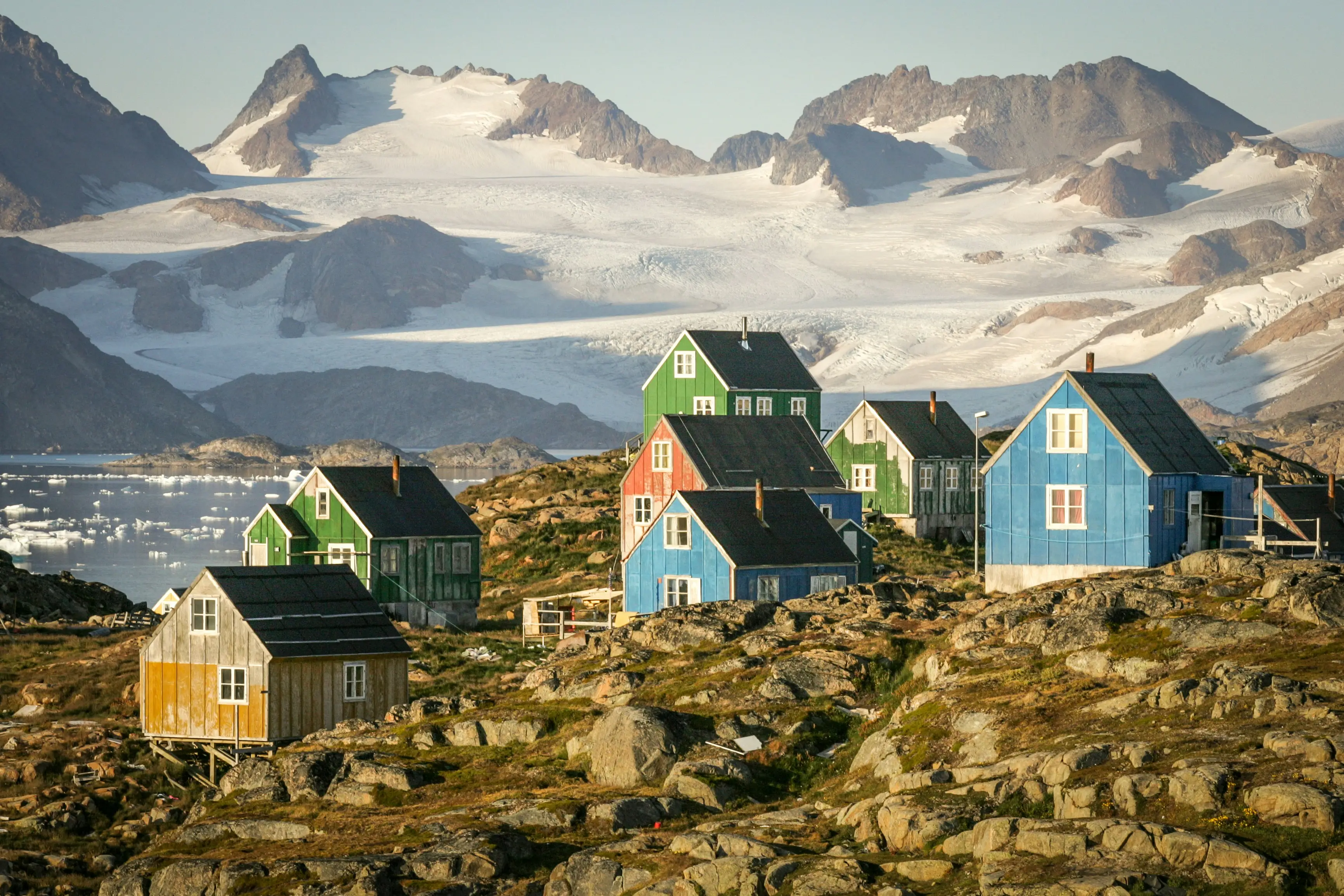
4. Greenland: 44,087 km
Greenland, the world's largest island, boasts a coastline of 44,087 kilometres. Although geographically part of North America, it is an autonomous territory within the Kingdom of Denmark. Much of its coastline is shaped by glaciers, icebergs and deep fjords. Despite a population of fewer than 60,000 people, Greenland holds strategic importance due to its Arctic location and untapped natural resources.
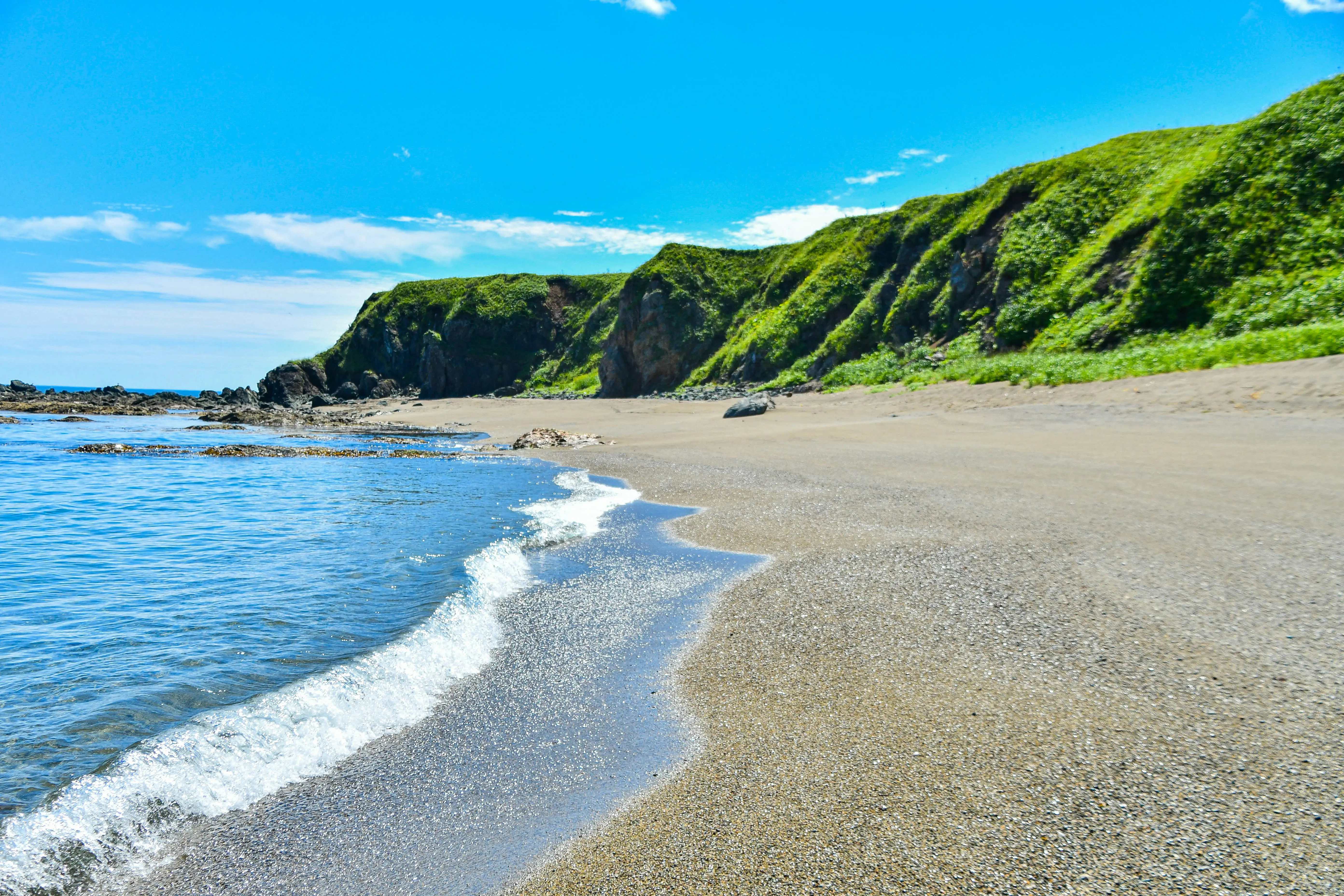
5. Russia: 37,653 km
Russia has a coastline measuring 37,653 kilometres, touching the Arctic and Pacific oceans as well as several seas. As the world's largest country by land area, Russia's extensive coast supports commercial shipping, naval operations and energy exports. The Northern Sea Route, increasingly accessible because of melting Arctic ice, has become strategically important for trade and geopolitical influence in the region.
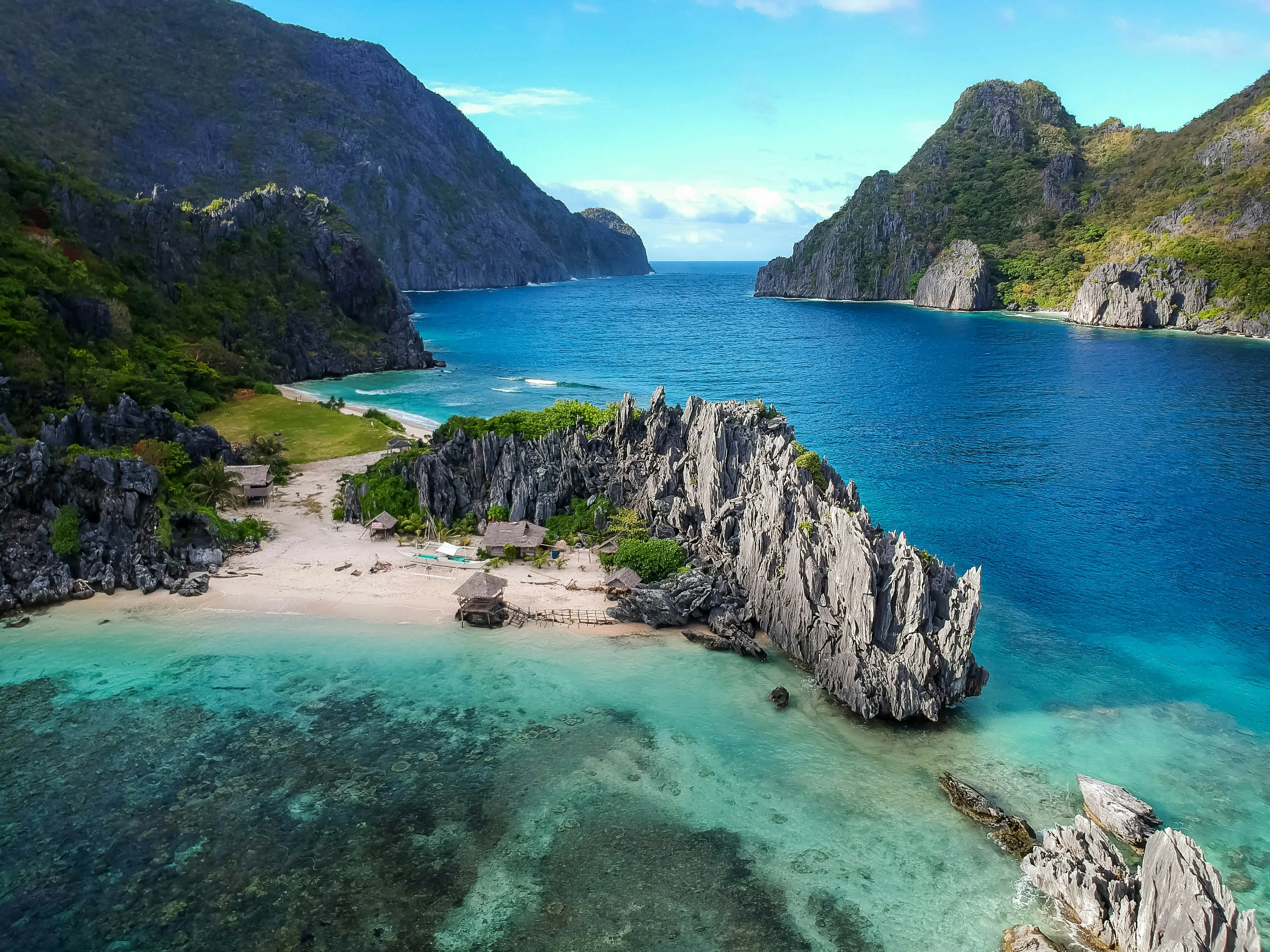
6. Philippines: 36,289 km
The Philippines has a coastline of 36,289 kilometres spread across more than 7,600 islands. Located in Southeast Asia, it is one of the world's most disaster-prone nations due to frequent typhoons and earthquakes. Its coastal waters contain some of the richest marine ecosystems on Earth. Fishing, tourism and overseas trade are central to the country's economy and livelihoods.
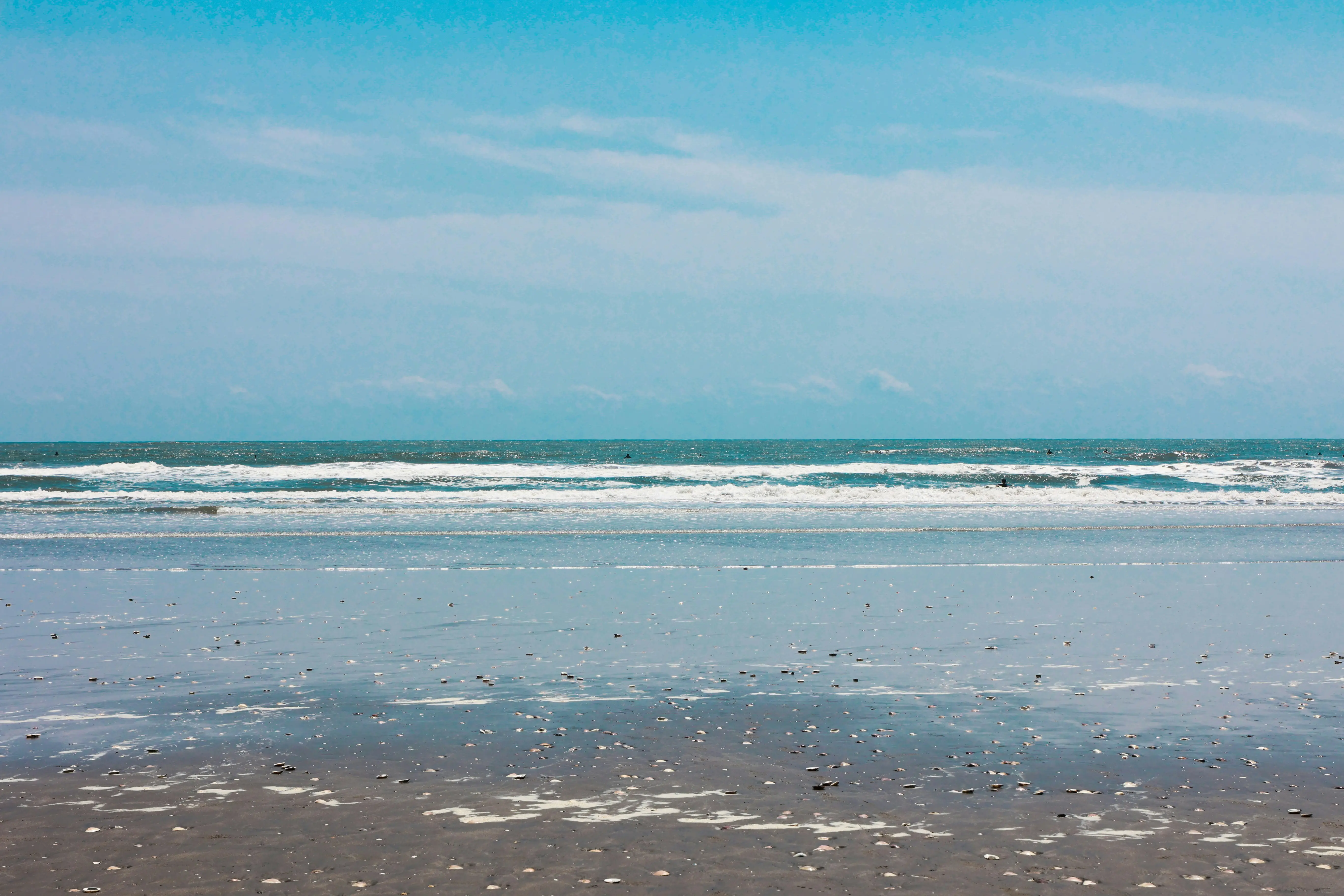
7. Japan: 29,751 km
Japan's coastline extends 29,751 kilometres across four main islands and thousands of smaller ones. Surrounded by the Pacific Ocean, the Sea of Japan and the East China Sea, the country has long relied on the sea for food, transportation and commerce. Japan's coastal cities, including Tokyo and Osaka, are major economic hubs, while its fishing industry remains globally significant.
)
)
)
)
)