They were once life-or-death tools: Do fighter jet pilots still wear pilot’s watches?

From the open‑cockpit biplanes of the First World War to modern supersonic fighters, pilot’s watches symbolised reliability, speed and survival.
Timekeepers of the Skies
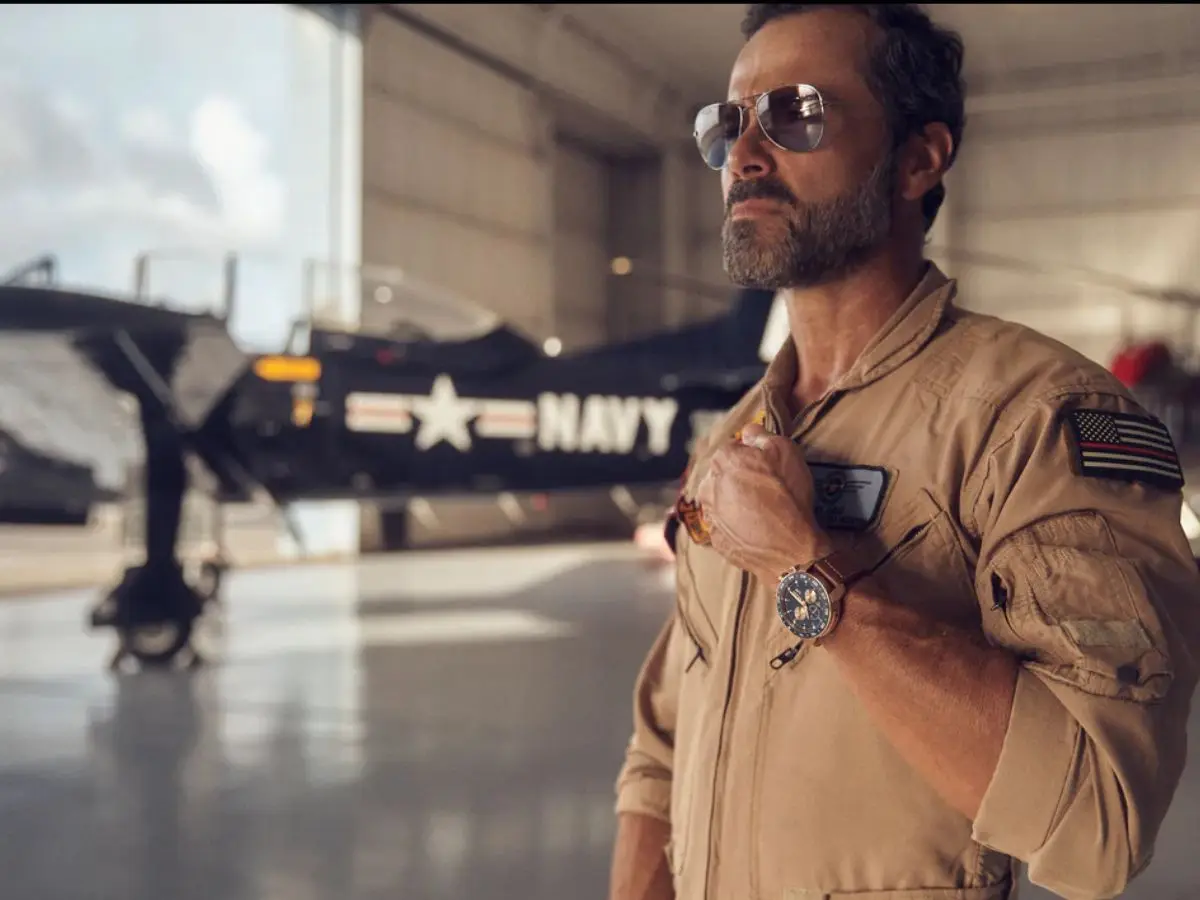
Pilot’s watches are woven into the fabric of aviation history, precision tools once essential when cockpits lacked digital displays. But do today’s fighter jet pilots, surrounded by cutting‑edge avionics and HUDs, still depend on these classic wristwatches? From the open‑cockpit biplanes of the First World War to modern supersonic fighters, pilot’s watches symbolised reliability, speed and survival. Now, with electronic navigation ruling the fighter jet cockpit, these timepieces remain, not out of need, but as symbols of heritage and identity. How did tools built for life‑or‑death decisions become collector icons, and why do some pilots still strap them on in an age of GPS and glass cockpits?
From Pocket Watches to Wrists
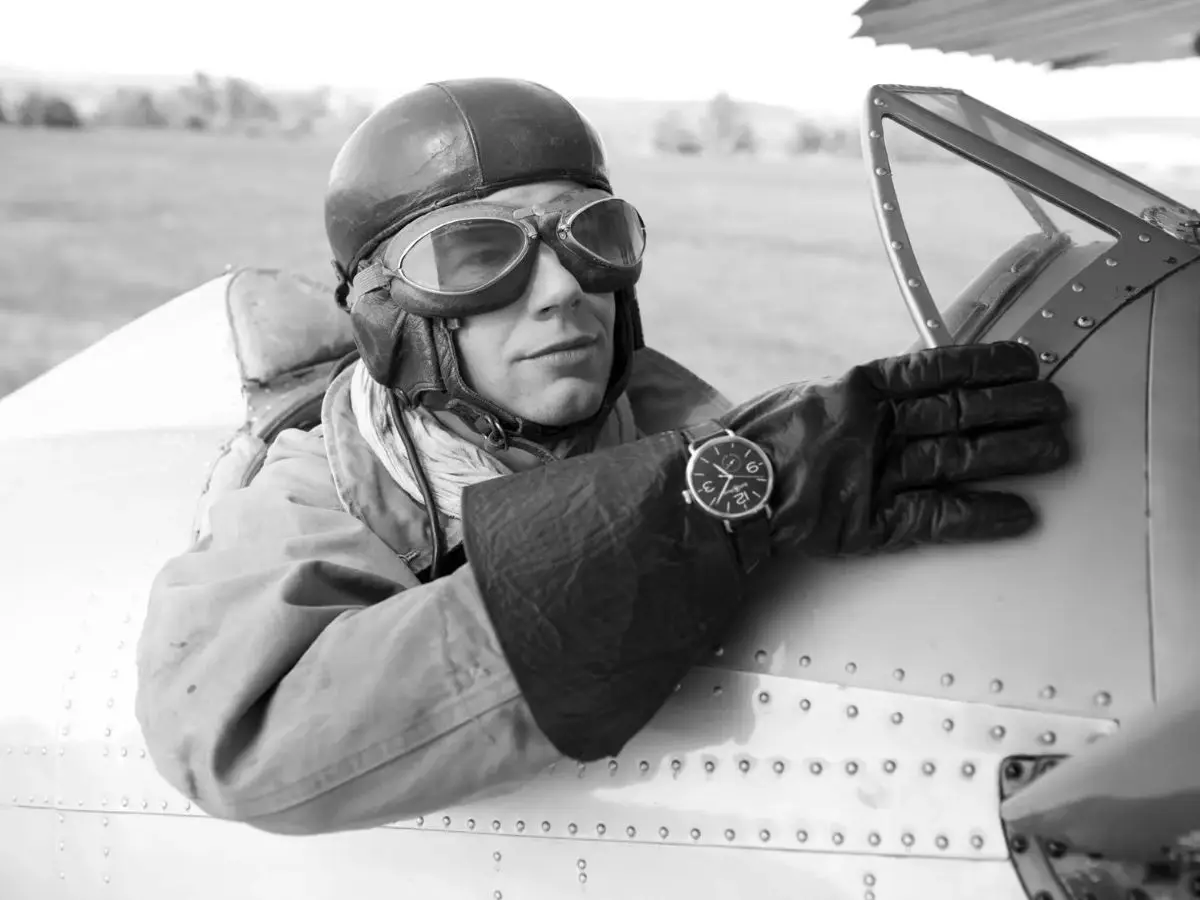
The Cartier Santos-Dumont, made in 1904 for aviation pioneer Alberto Santos Dumont, is considered the first men’s wristwatch. It allowed pilots to check time without removing hands from controls, a significant innovation when pocket watches dominated.
Tools of Navigation and Survival
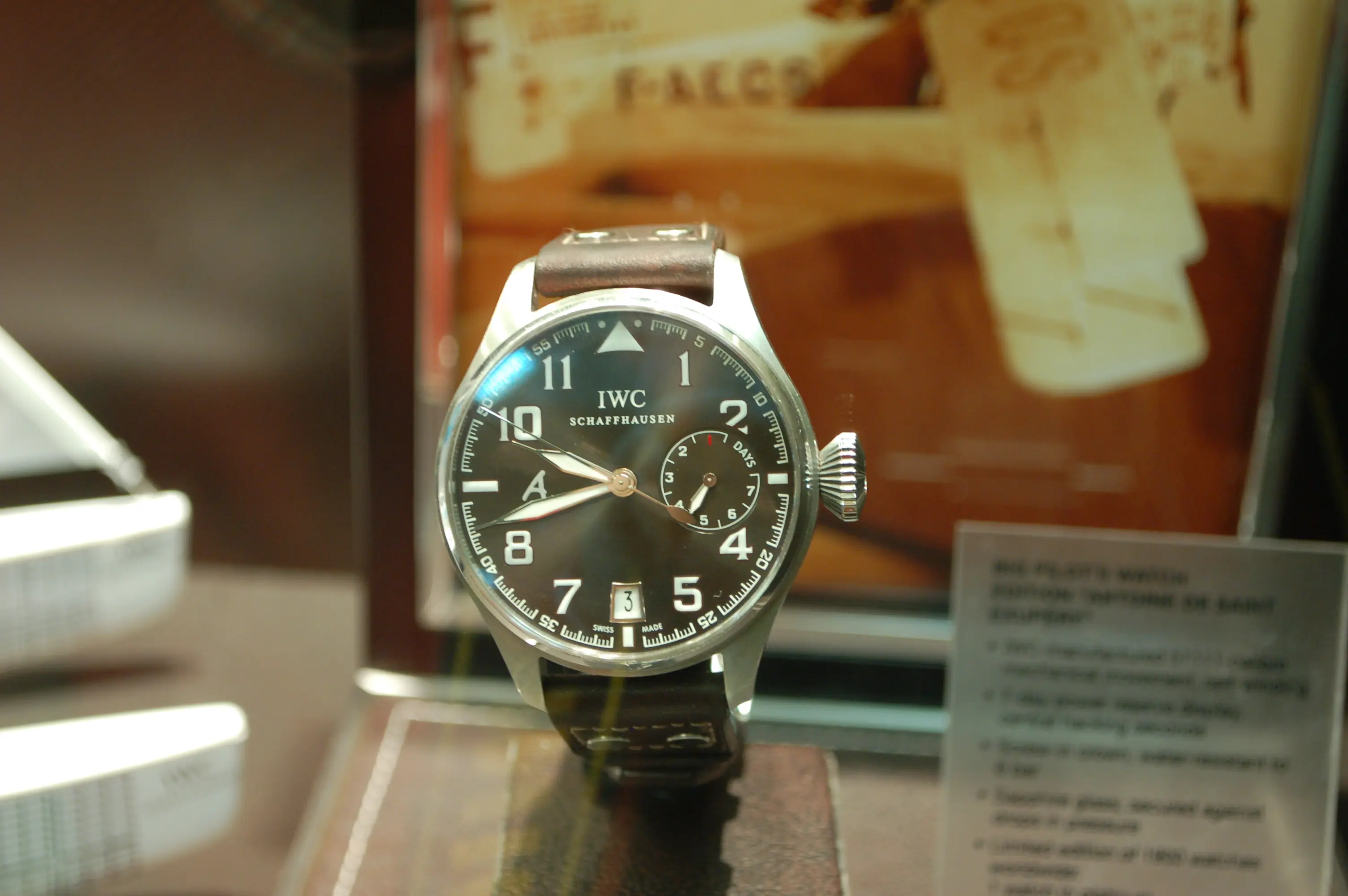
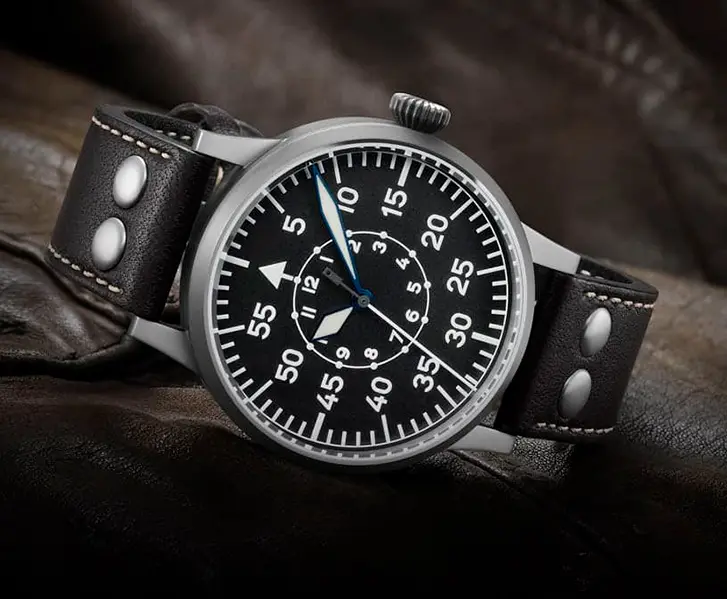
Early pilot’s watches like the Zenith worn by Louis Blériot during his 1909 English Channel crossing and the Longines Lindbergh from 1931 featured large, clear dials, rotating bezels and hacking seconds to enable precise navigation. During WWII, Germany’s B-Uhr watches by brands like IWC and Laco were 55mm for legibility, engraved with technical specs and built to military standards.
Beyond the World Wars
World War I and II cemePnted the wristwatch’s role in aviation. ilot’s watches became robust, precise and functional, helping pilots navigate without modern electronics. Brands like Longines and IWC formalised ‘Pilot’ collections, influencing civilian watch design.
The Jet Age Changes Everything
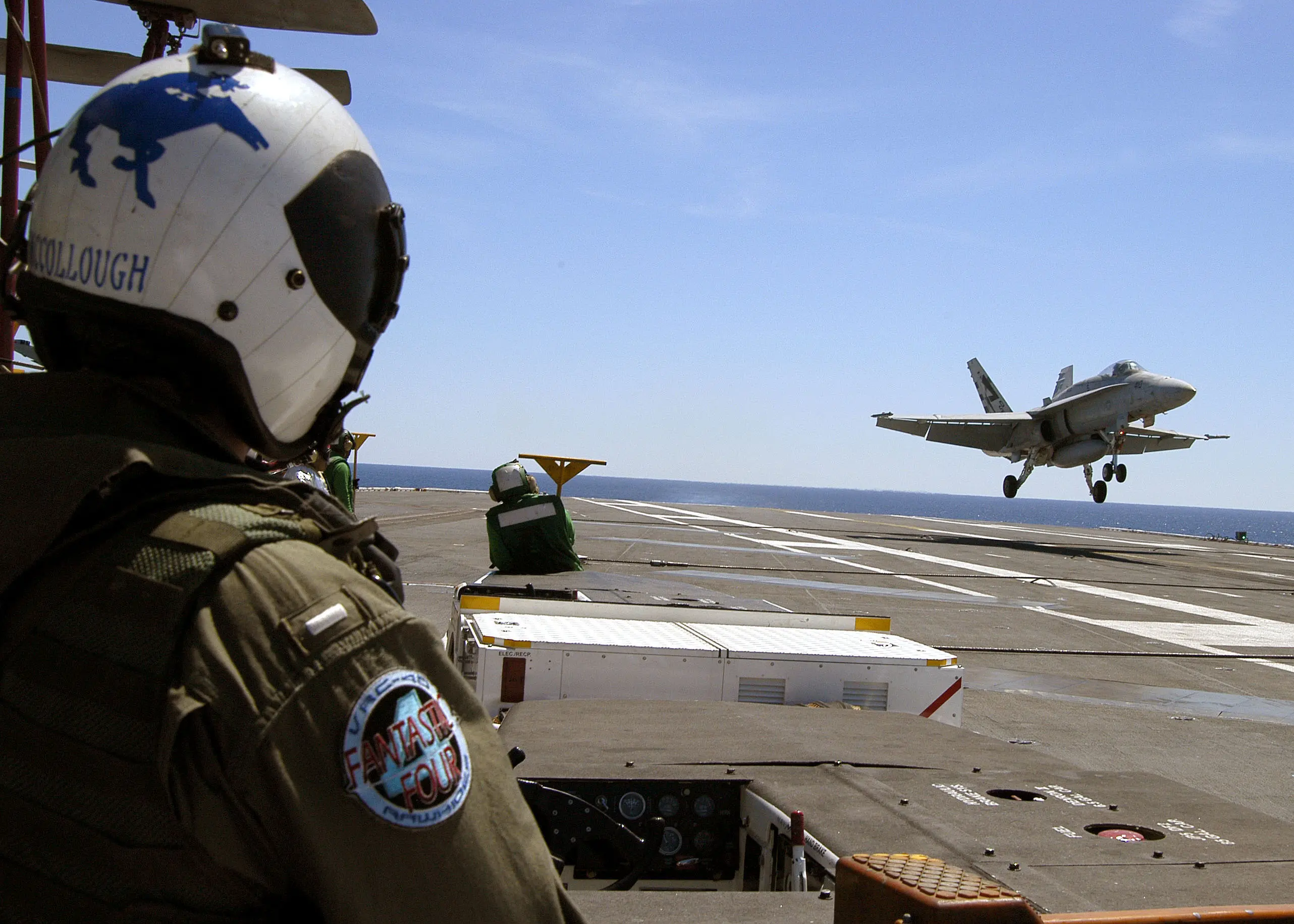
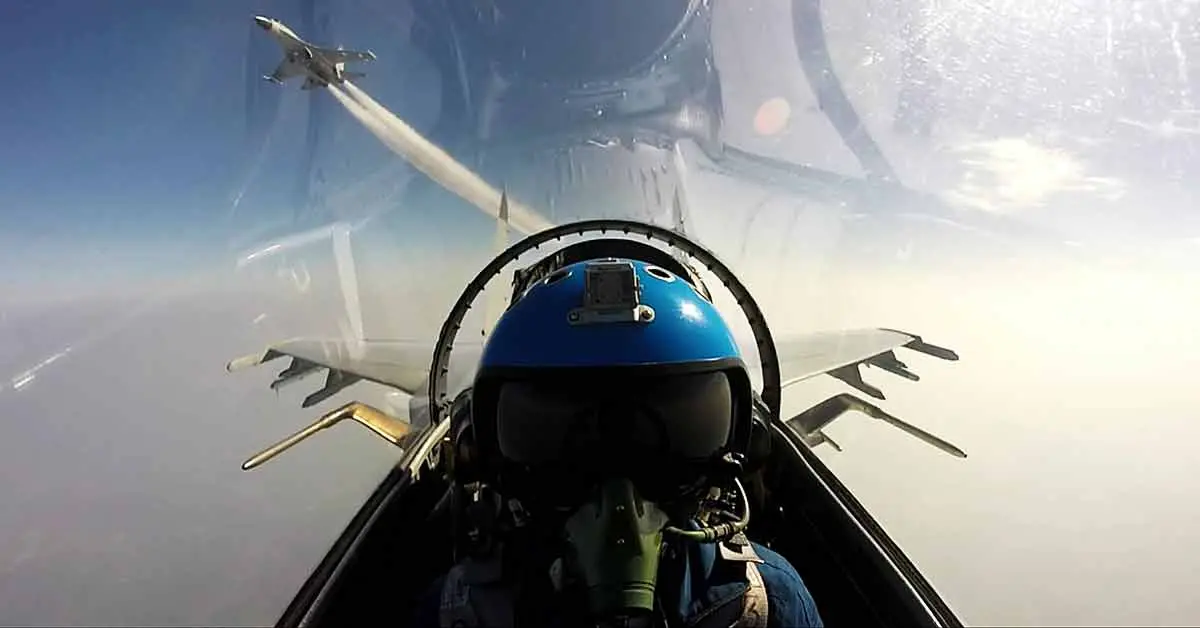
By the Cold War, technology transformed cockpits. Modern fighter jets now rely on electronic instruments, HUDs and digital mission timers. Wristwatches are no longer mission-critical, and no air force formally requires them. Yet many pilots still wear them out of tradition or personal preference.
Symbols of Heritage and Status
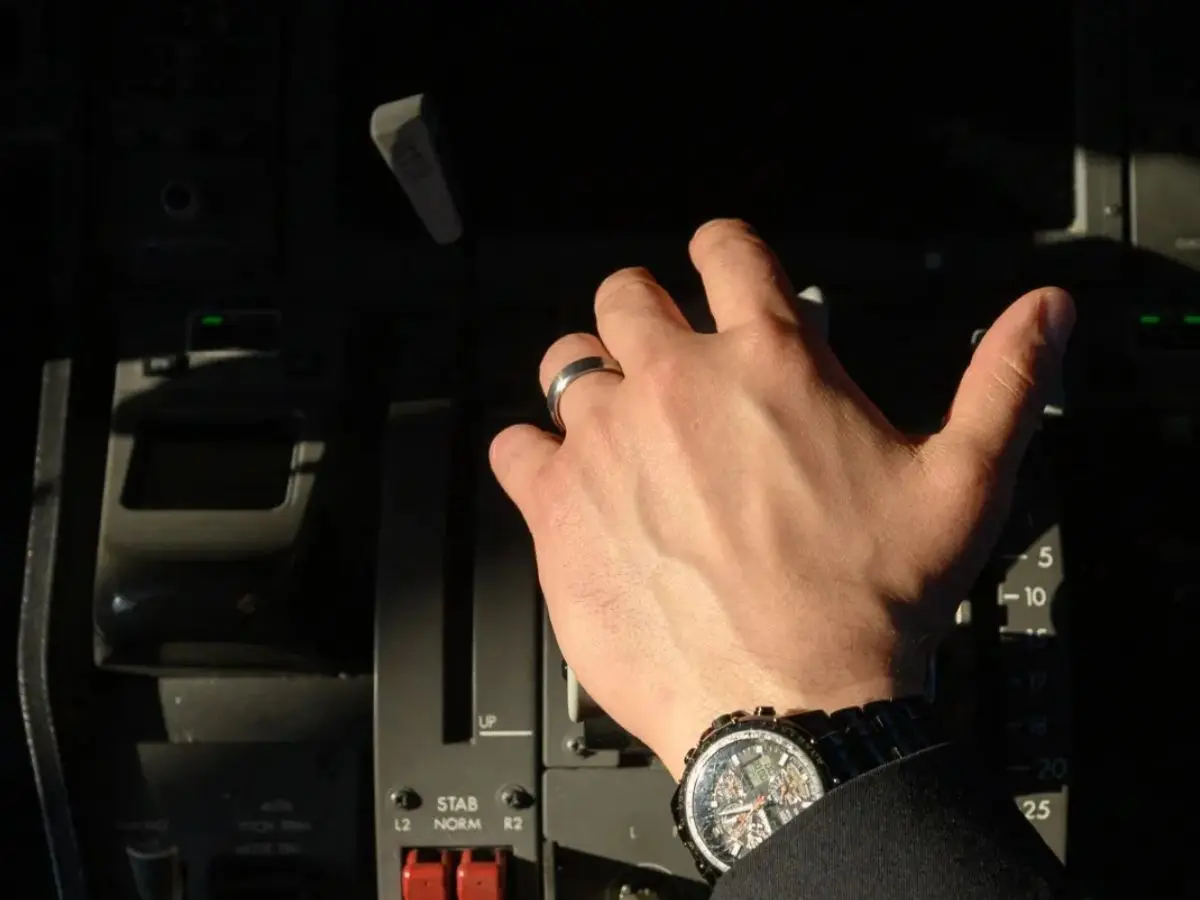
Today, pilot’s watches are more about heritage and symbolism. Brands like Bremont collaborate with Martin-Baker, ejector seat makers, to create watches tested to ejection forces. IWC and Longines produce reissues of historic models. The design language, bold numerals, luminous markers, large crowns, remains rooted in function.
Icons Endure
While fighter jet pilots don’t need watches to fly, pilot’s watches endure as icons of aviation history, engineering and adventure. From the Santos-Dumont to modern Bremont MB models, even Rolex, these timepieces keep alive the spirit of early aviators who navigated by wrist, sky and compass.
)
)
)
)
)