These plastic greenhouses are the only man-made structures visible from space! Know more about it

Authored By Subhadra Srivastava
Published: May 23, 2025, 18:47 IST | Updated: May 23, 2025, 18:50 IST
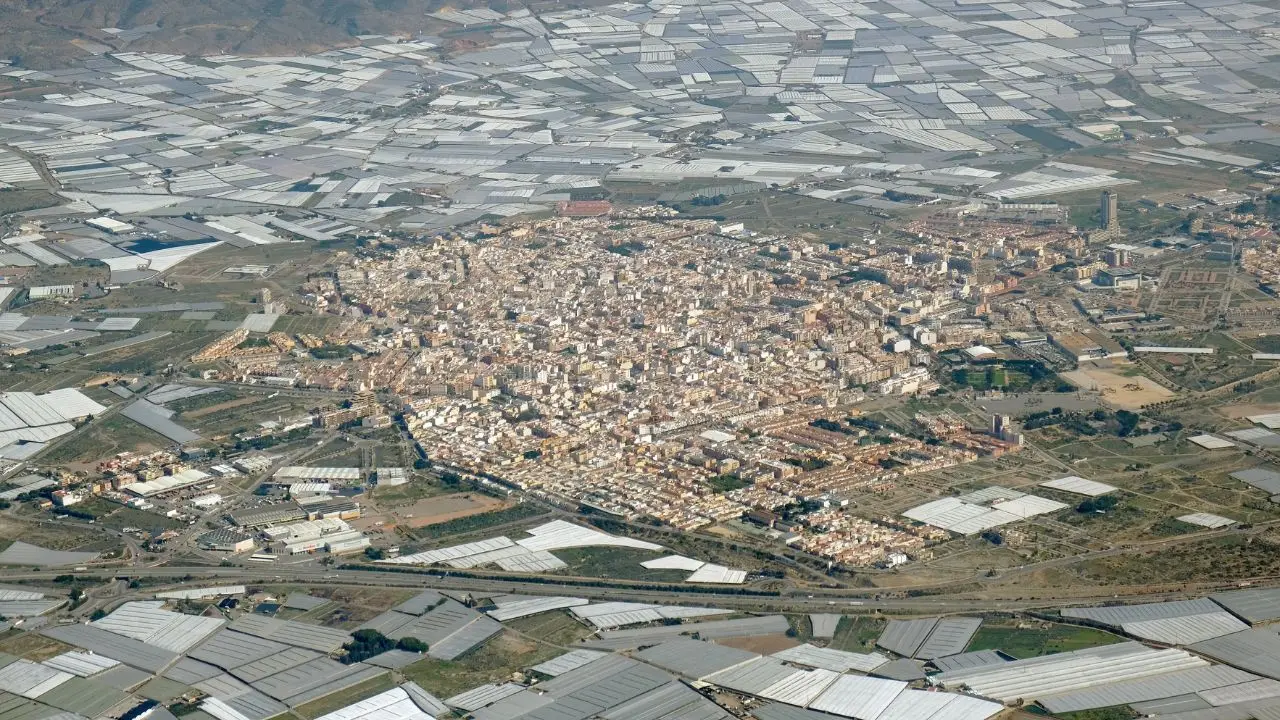
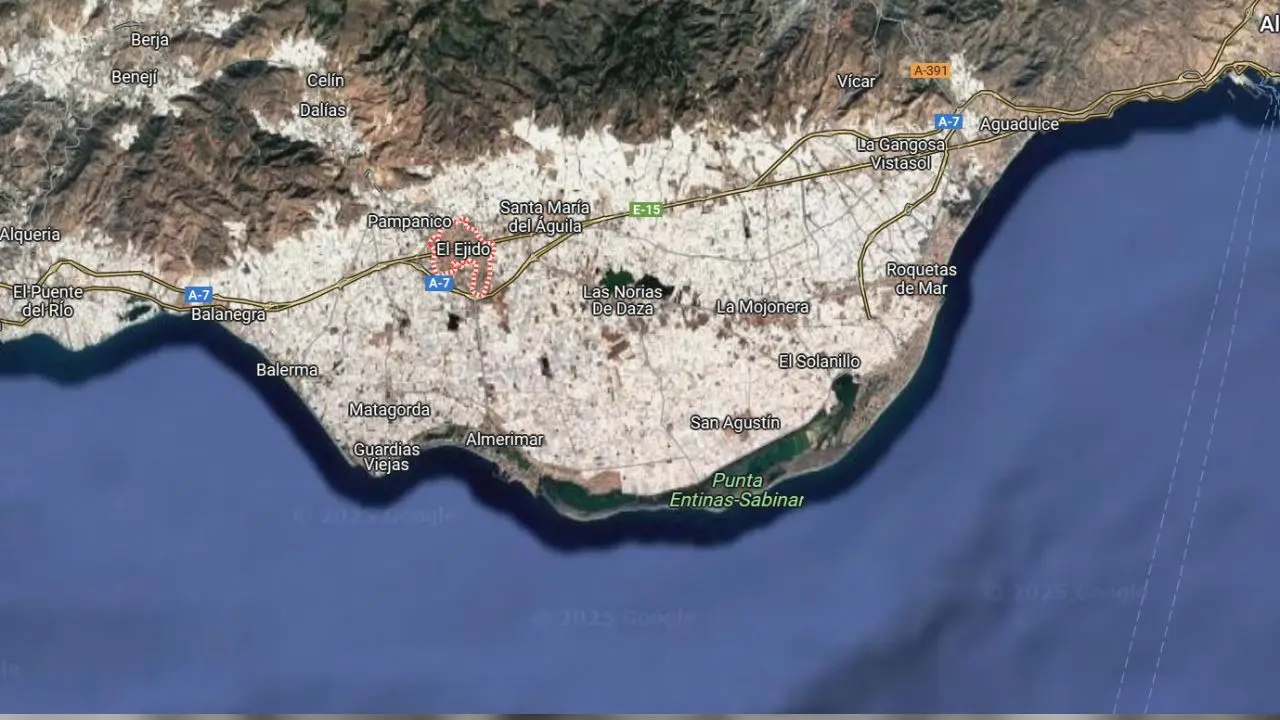
According to NASA and European space agencies, the only clearly visible human-made structure from space is not an ancient wonder, rather a modern agricultural complex, which is the greenhouse region near El Ejido, in Almería, southeastern Spain.
1 / 8
(Photograph: Wikimedia Commons)
A long-held myth debunked
For years, it was widely believed that structures like the Great Wall of China or the Pyramid of Giza could be seen from space. However, contrary to the beliefs, satellite imaging and astronaut observations have shown that these structures, although massive on the ground, blend into their natural surroundings from orbit.
2 / 8
(Photograph: Google Maps)
What Can Be Seen from Space?
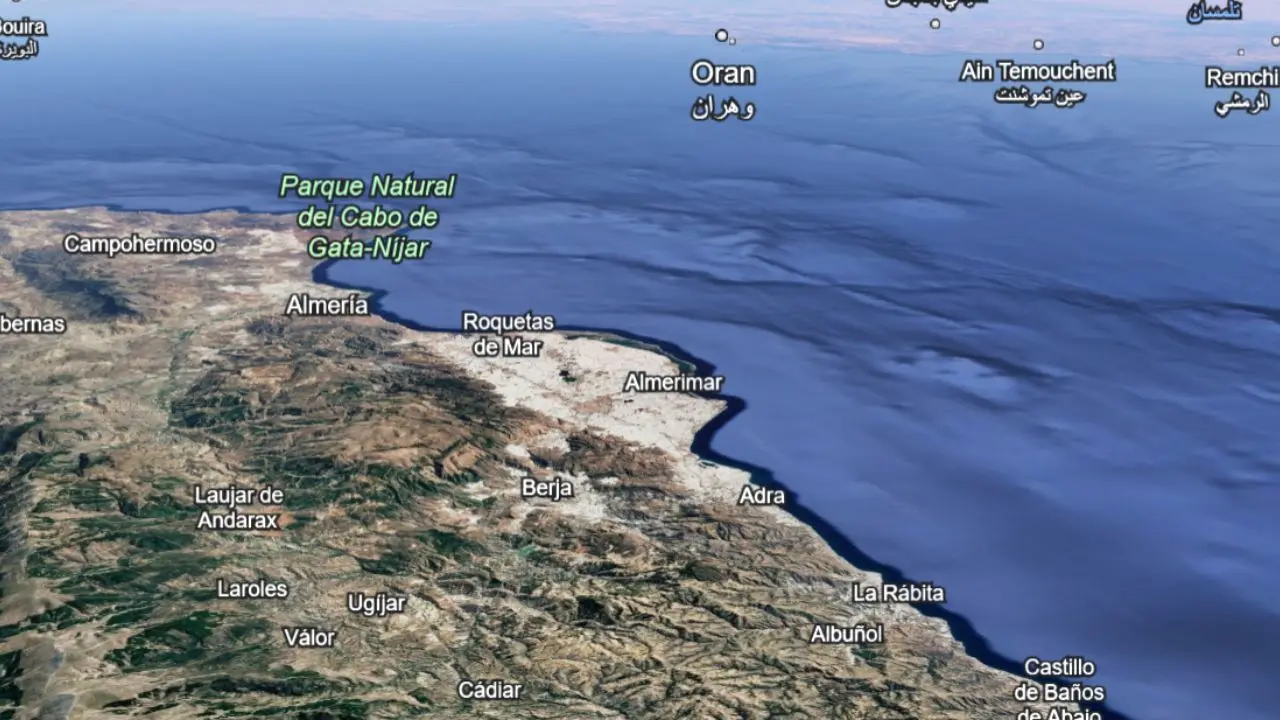
According to NASA and European space agencies, the only clearly visible human-made structure from space is not an ancient wonder, rather a modern agricultural complex, which is the greenhouse region near El Ejido, in Almería, southeastern Spain. According to the NASA Earth Observatory, these white plastic roofs reflect sunlight intensely, making the area shine like a mirror against the surrounding dry terrain.
3 / 8
(Photograph: Google Earth)
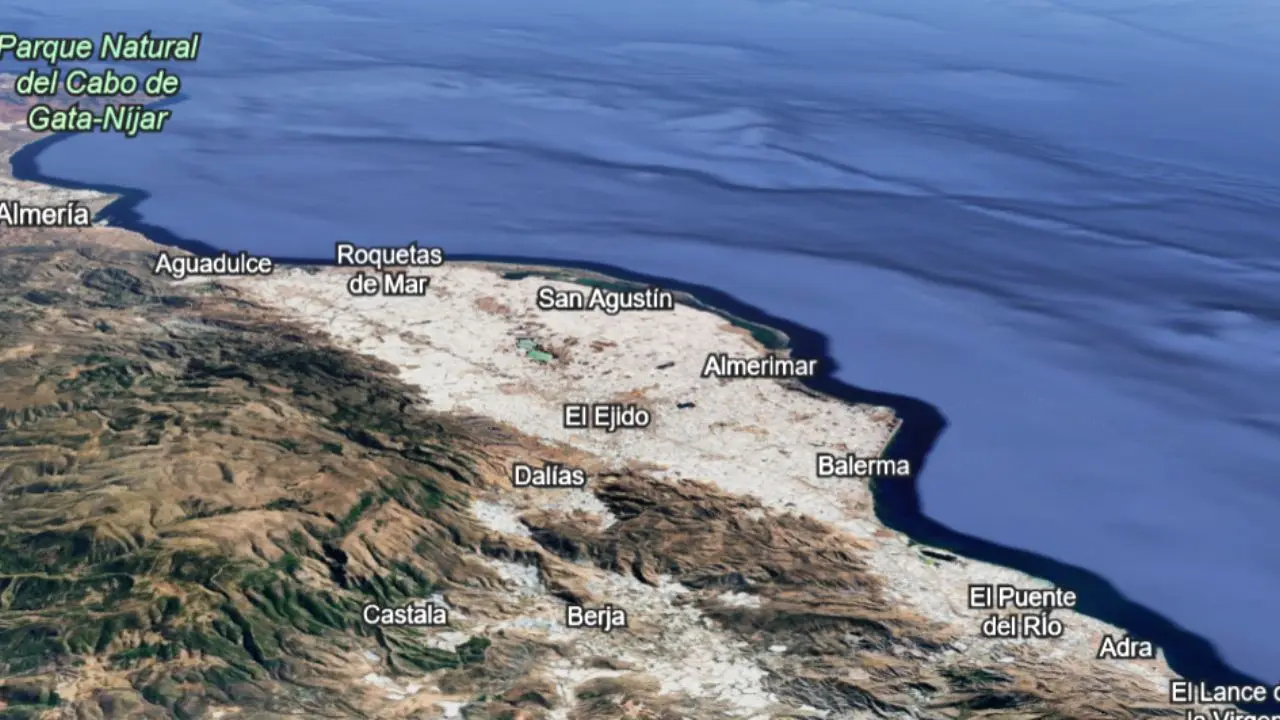
The 'Sea of Plastic' in El Ejido
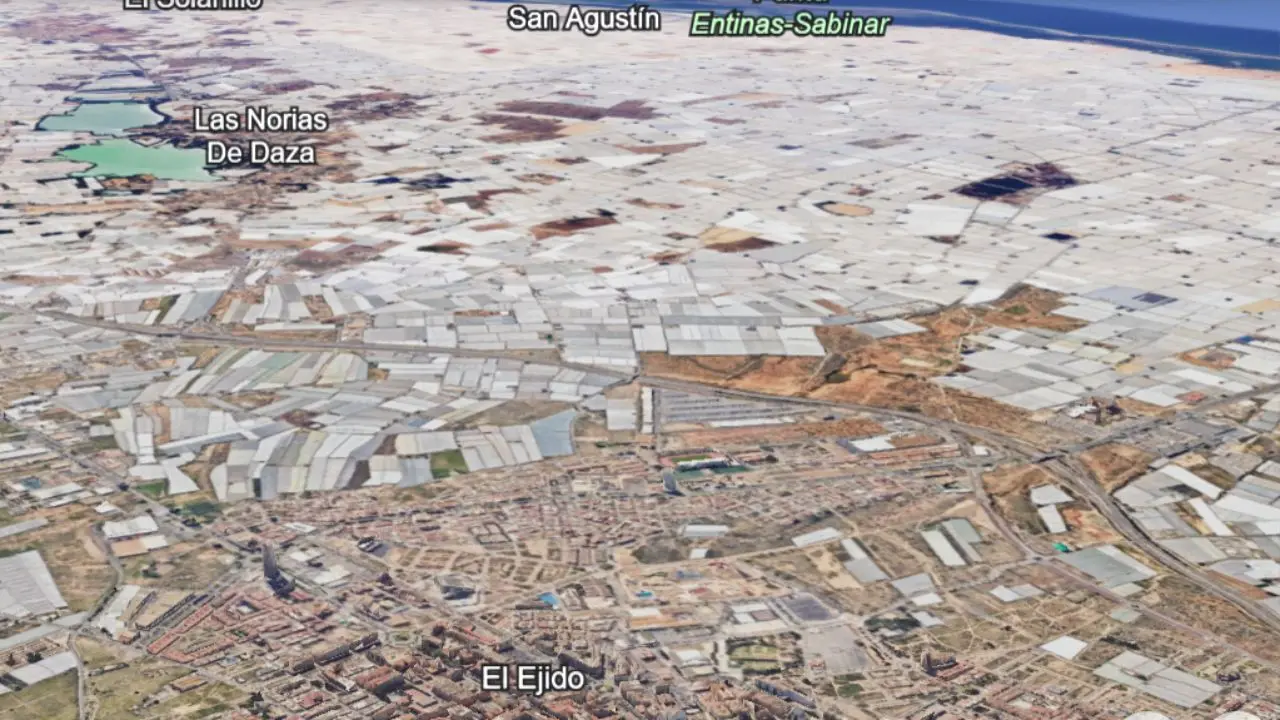
Known locally as Mar de Plástico, this area spans over 40,000 hectares in other words, 150+ square miles and is covered in white plastic greenhouses. These structures have the ability of reflecting sunlight so strongly that the entire area appears almost like a bright patch from low Earth orbit.
4 / 8
(Photograph: Google Earth)
A Space-Age Reflection
Pedro Duque, a spanish astronaut and former Minister of Science, confirmed in a 2007 interview “You can clearly see the greenhouses of Almería from the International Space Station. They shine like a mirror.” NASA satellite imagery also verifies this.
5 / 8
(Photograph: Google Earth)
From Desert to Farmland
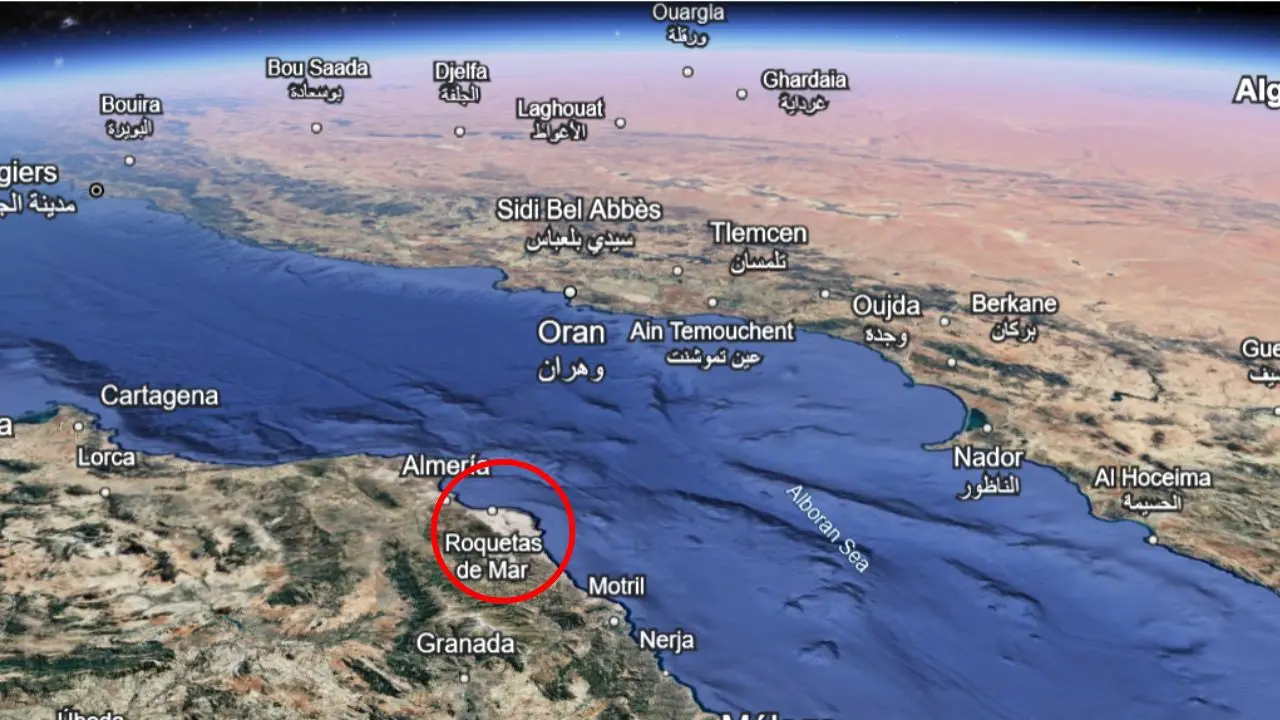
In the 1950s, the El Ejido region was arid and largely barren. Resultantly, farmers began using plastic to conserve moisture and protect their crops from wind. This later evolved into a vast system of greenhouses that now supply vegetables such as tomatoes and cucumbers across the European continent.
6 / 8
(Photograph: Google Earth)
A Cooling Anomaly
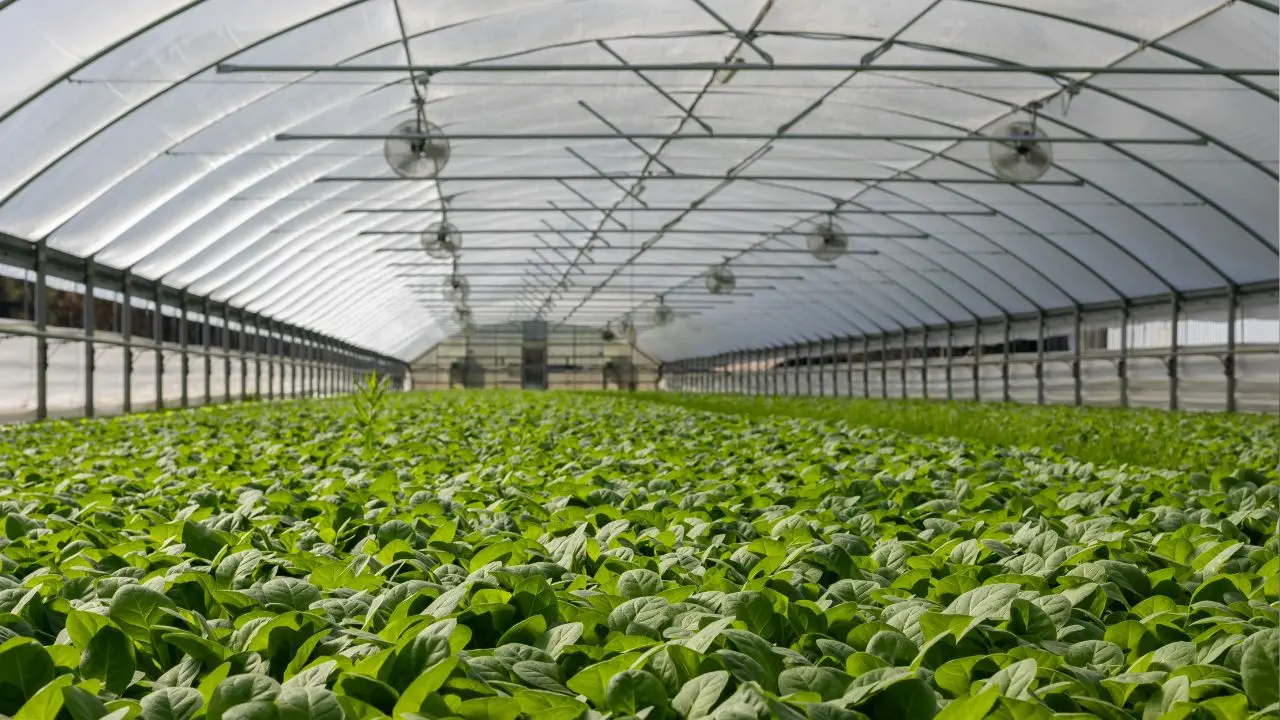
Data from NASA’s MODIS instruments shows that while the surrounding areas warmed between 1983 and 2006, the greenhouse-covered region cooled by 0.3°C per decade which is a rare reversal in global warming trends due to the sunlight-reflective plastic being used.
7 / 8
(Photograph: Pexels)
Environmental and Social Questions
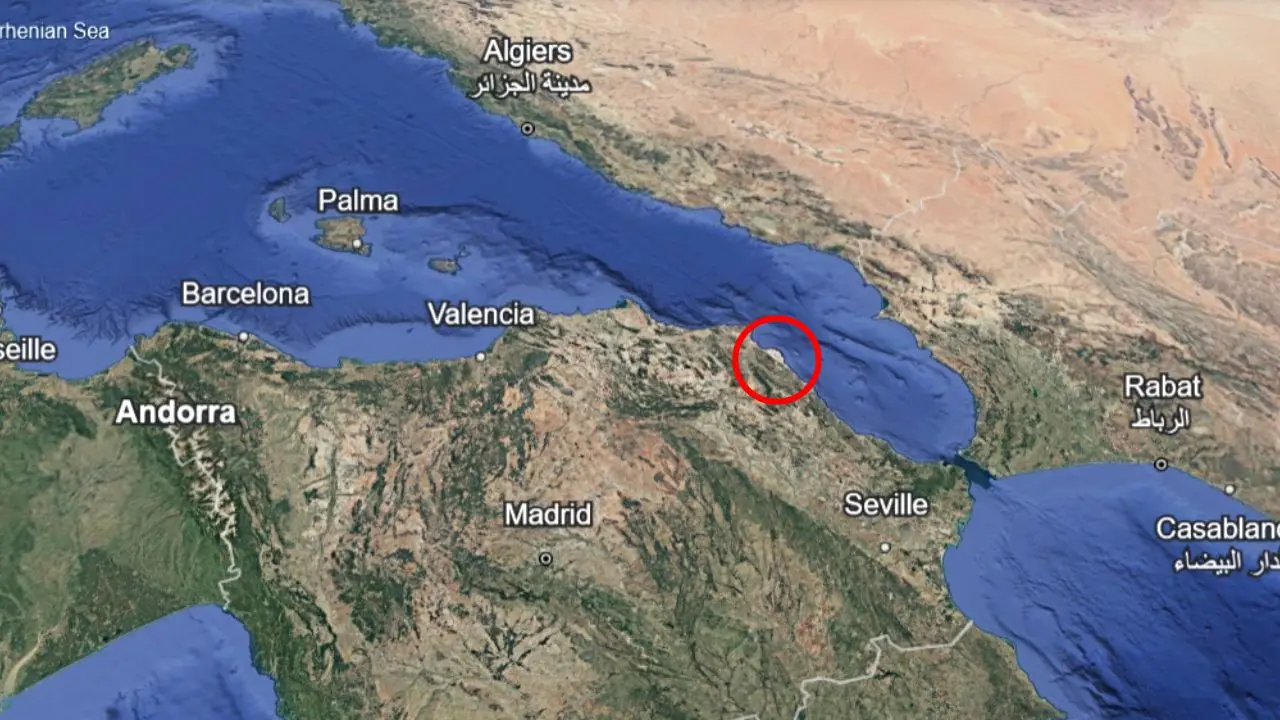
The success of the greenhouses has brought jobs and economic growth in the area. However, it has also raised concerns about topics like plastic waste, groundwater use, and labour conditions, the pressing issues that still remain under scrutiny.
8 / 8
(Photograph: Google Earth)
A real-world sci-fi scene
The El Ejido greenhouses were featured in the opening scene of Blade Runner 2049, which was chosen for their otherworldly appearance. The plastic landscape, despite looking like special effects, is entirely real, and one of Earth’s most visible man-made sights from space.
)
)
)
)
)