These nations didn’t exist before 1993: 7 youngest countries in world

These seven nations represent the continuing evolution of the modern world’s borders. Some, like the Czech Republic and Montenegro, achieved stability through negotiation; others, like Eritrea and South Sudan, paid a heavy price in blood and suffering.
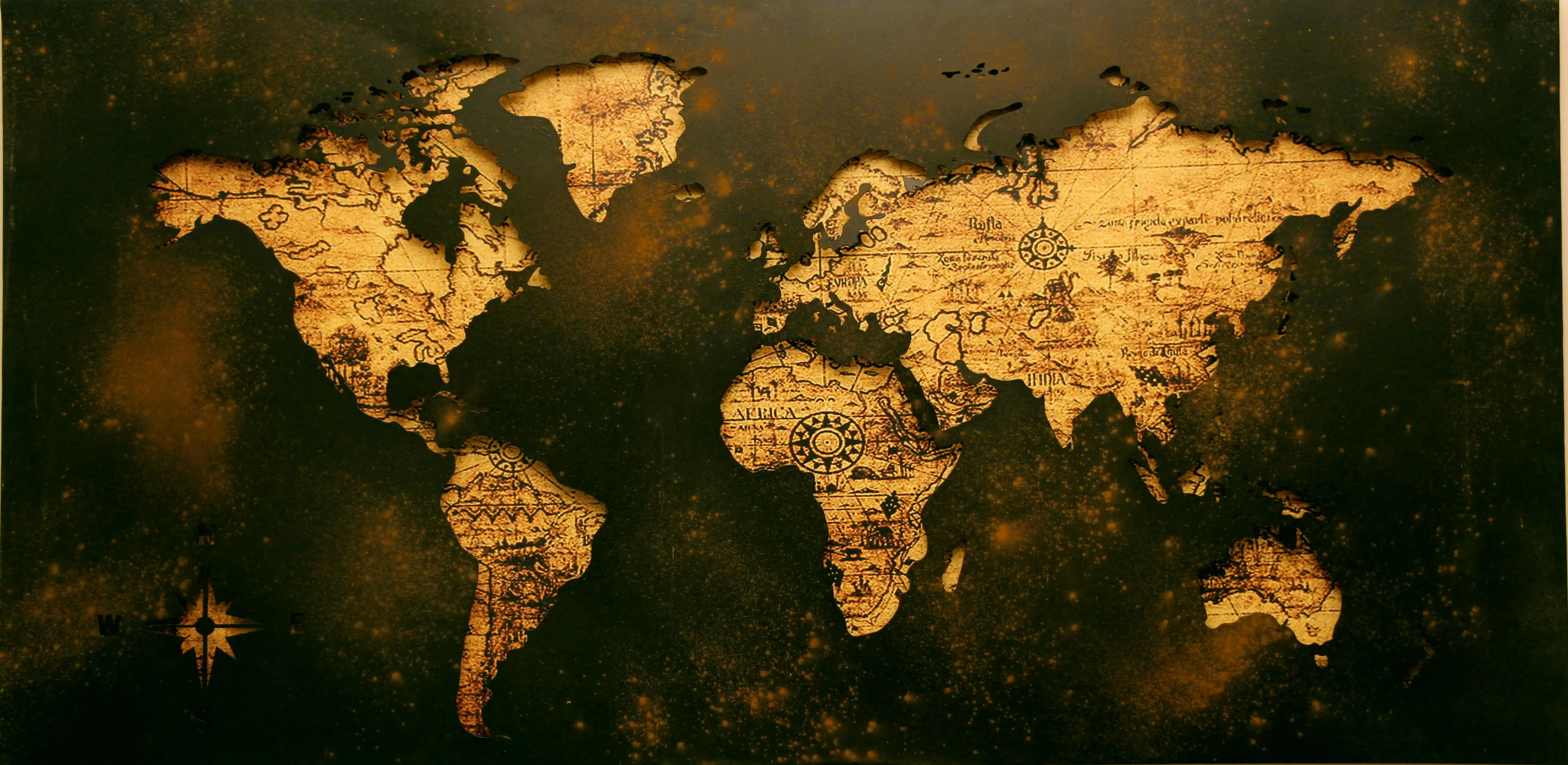
Introduction — the world’s newest borders
In the past three decades, the political map of the world has shifted dramatically. Empires have dissolved, federations have splintered, and new nations have emerged from decades of war, negotiation, or peaceful separation. The seven youngest countries on Earth — South Sudan, Serbia, Montenegro, East Timor (Timor-Leste), Eritrea, Palau, and the Czech Republic, were all born after 1993. Each arose from a unique set of struggles, from liberation movements to referendums, reflecting the modern world’s ongoing redefinition of nationhood and self-determination.
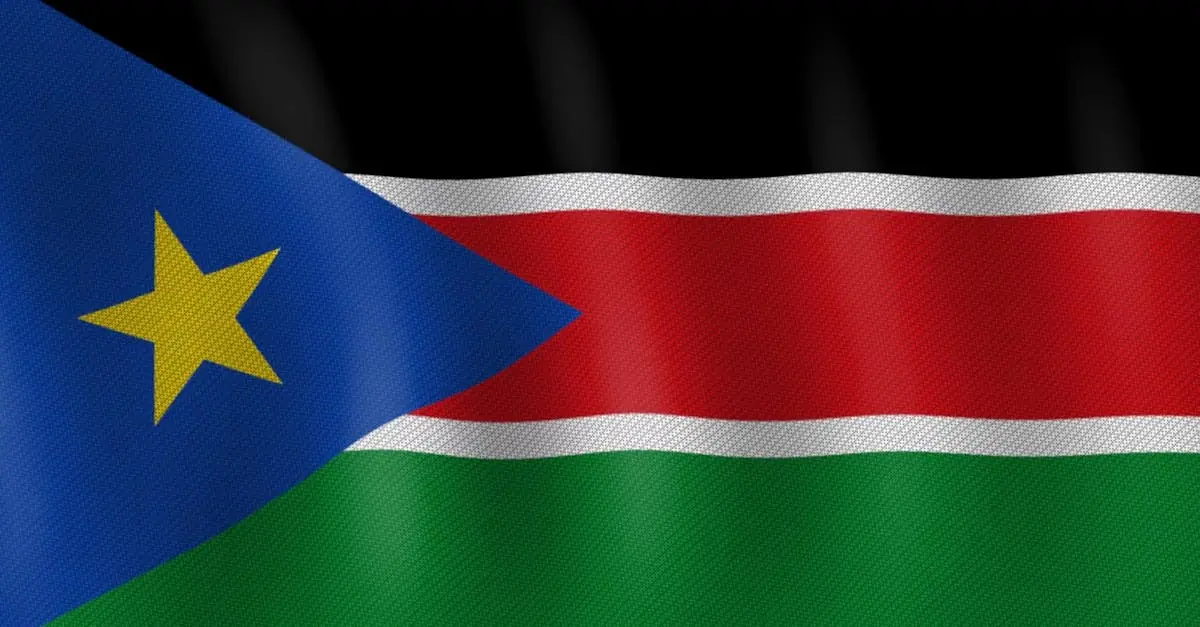
South Sudan — the world’s youngest nation
South Sudan became the world’s youngest country on July 9, 2011 after separating from Sudan following two of Africa’s longest and deadliest civil wars. The 2005 Comprehensive Peace Agreement ended decades of conflict and granted the south the right to vote on independence. In the 2011 referendum, nearly 99 per cent of voters supported secession. The new state began with optimism but soon descended into civil war in 2013, as political rivalry and ethnic divisions resurfaced. Today, South Sudan remains a fragile but symbolic outcome of Africa’s long struggle for self-rule.

Serbia and Montenegro — a peaceful parting
Serbia and Montenegro formally became independent in June 2006, bringing the final chapter of the former Yugoslavia’s breakup to a close. Montenegro’s referendum on June 3, narrowly passed with 55.5 per cent voting for independence, and Serbia declared sovereignty two days later. Their separation was peaceful, a contrast to the violent disintegration of Yugoslavia in the 1990s. Both countries have since built distinct political identities and continue to navigate their paths toward stability and integration with Europe.
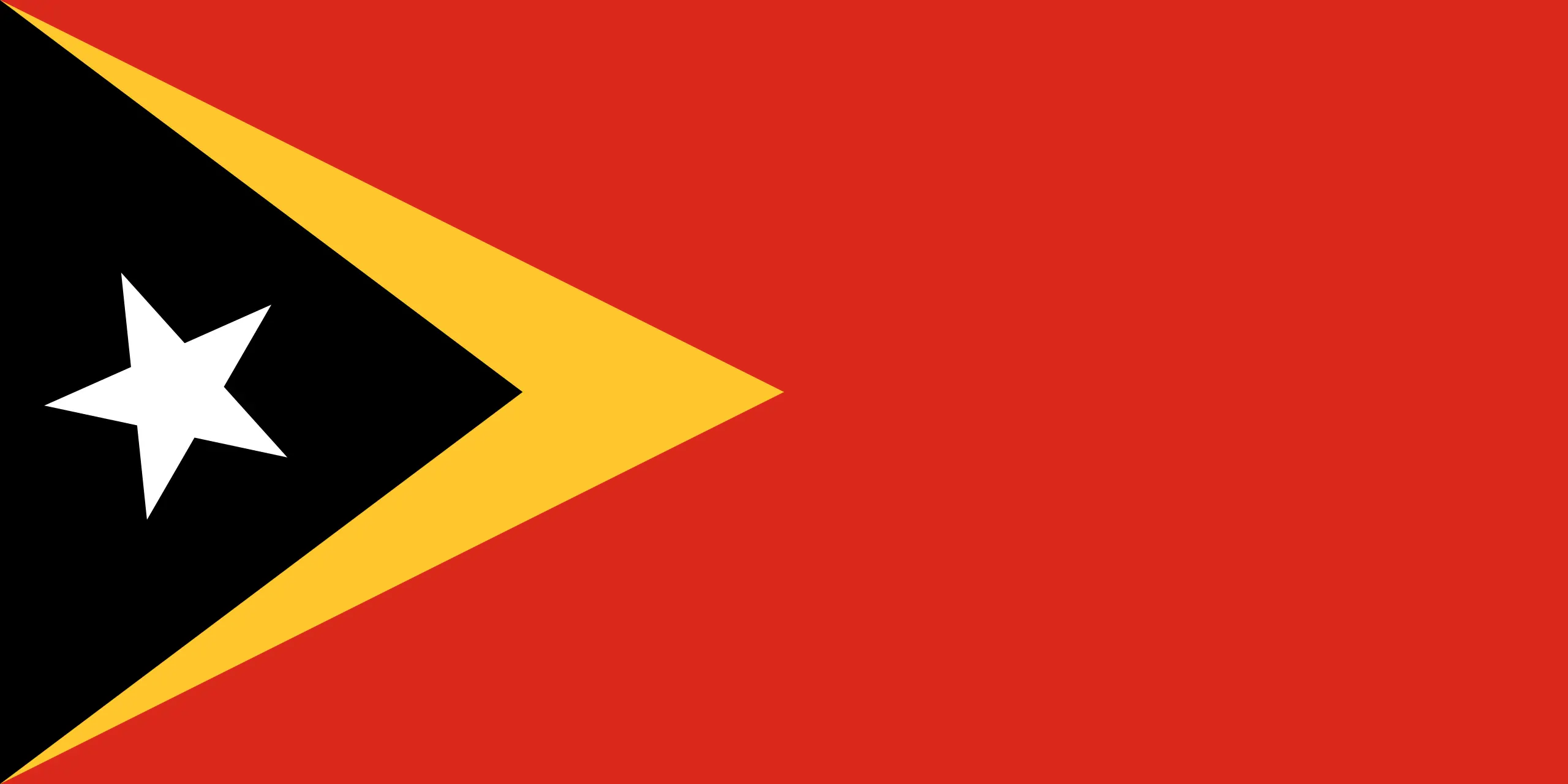
East Timor — Southeast Asia’s youngest democracy
East Timor, officially Timor-Leste, achieved full independence on May 20, 2002 after centuries of colonial rule and decades of conflict. A Portuguese colony until 1975, it was invaded and occupied by Indonesia shortly after declaring independence. A UN-sponsored referendum in 1999 saw overwhelming support for self-determination, followed by a period of violent unrest before peacekeeping forces intervened. Today, East Timor stands as Southeast Asia’s youngest nation, steadily developing its democracy and economy.
Eritrea — a hard-won freedom
Eritrea’s independence on May 24, 1993 came after one of Africa’s longest wars. Once federated with Ethiopia, it was annexed in 1962, triggering a 30-year armed struggle led by the Eritrean People’s Liberation Front. A UN-supervised referendum in 1993 confirmed near-total support for independence. Since then, Eritrea’s government has maintained strict military control and limited political freedoms, yet its emergence remains a landmark in Africa’s history of liberation movements.
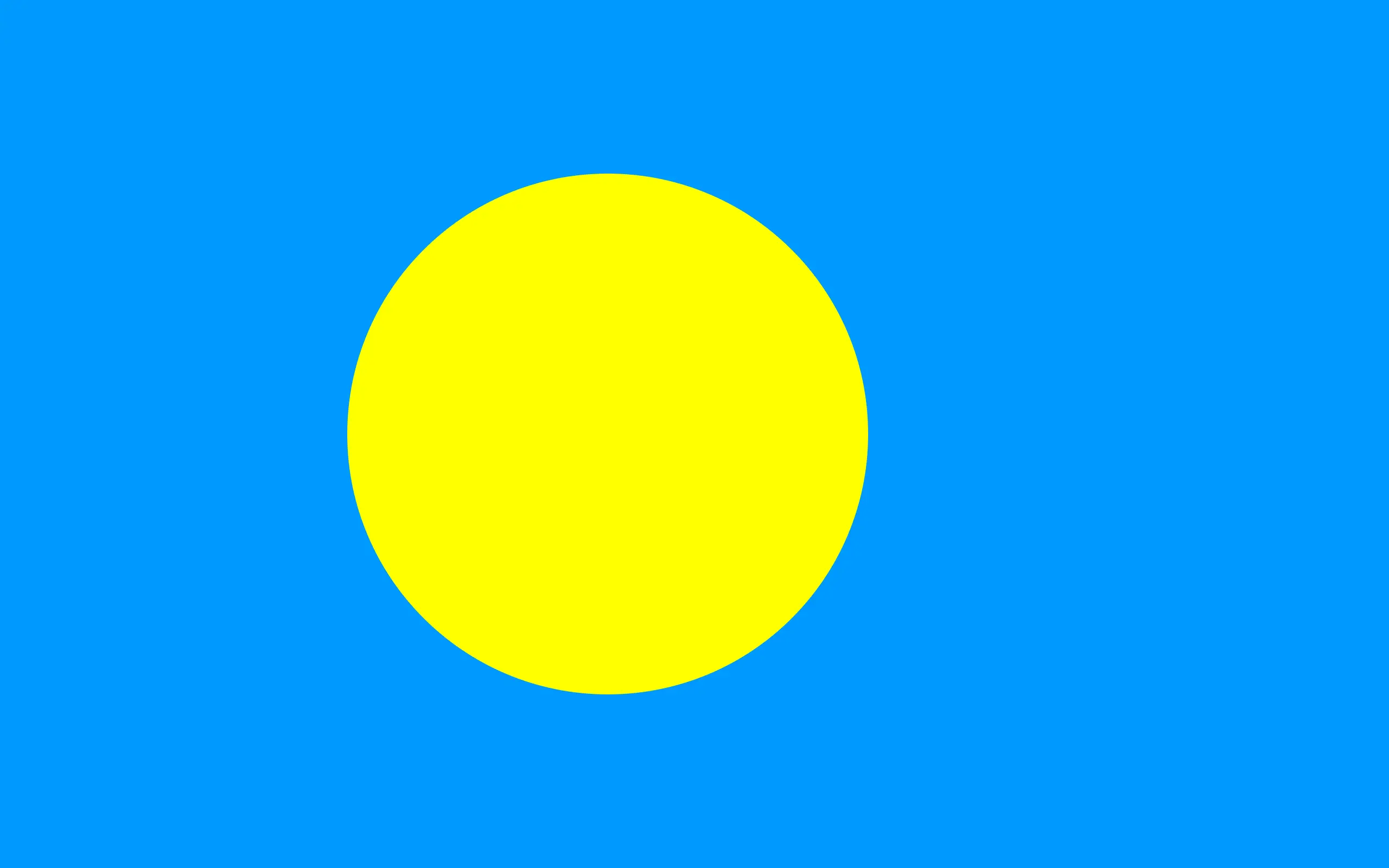
Palau — a Pacific partnership state
Palau, an island chain in the western Pacific Ocean, became an independent country on October 1, 1994 under a Compact of Free Association with the United States. Formerly part of the UN Trust Territory of the Pacific Islands, Palau opted for independence while maintaining strong economic and defence links with Washington. Today, it plays an important role in Pacific regional affairs, balancing environmental protection with growing geopolitical interest in the Indo-Pacific.
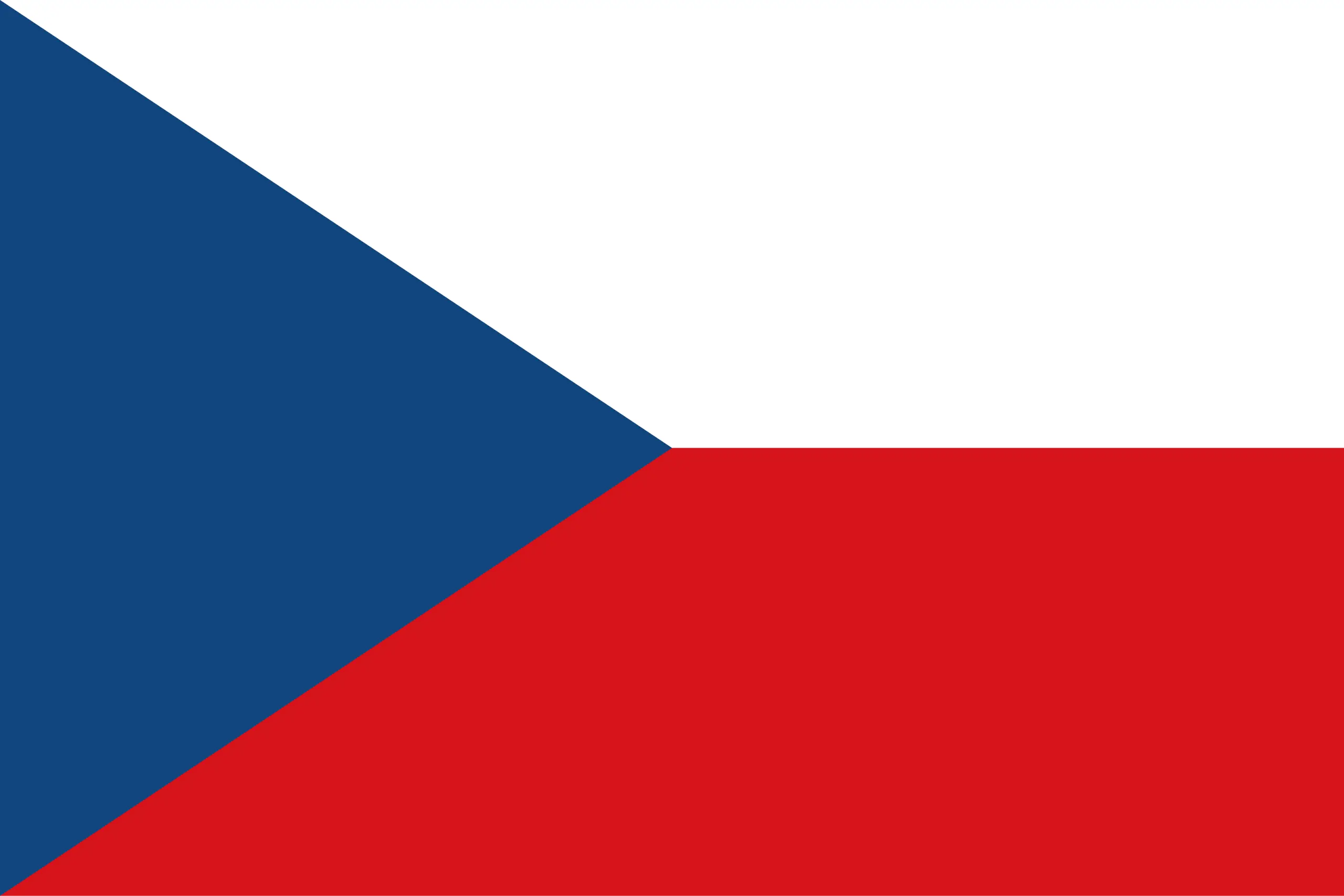
Czech Republic — Europe’s quiet emergence
The Czech Republic was born on January 1, 1993 from the peaceful dissolution of Czechoslovakia, known as the Velvet Divorce. The split with Slovakia was negotiated without violence, a rare example of orderly state division. The new republic quickly stabilised and became one of Central Europe’s most prosperous economies. The Velvet Divorce stands as a model of democratic transition and civil consensus in a century often marked by conflict.
)
)
)
)
)