These ancient Hindu temples in Balochistan reflect India’s historical footprint in the region

Authored By Subhadra Srivastava
Published: May 16, 2025, 15:12 IST | Updated: May 16, 2025, 15:12 IST
As Baloch separatist movements intensify their calls for independence from Pakistan, two ancient Hindu temples in the region have drawn are attention for their deep spiritual and historical connection with India
1 / 10
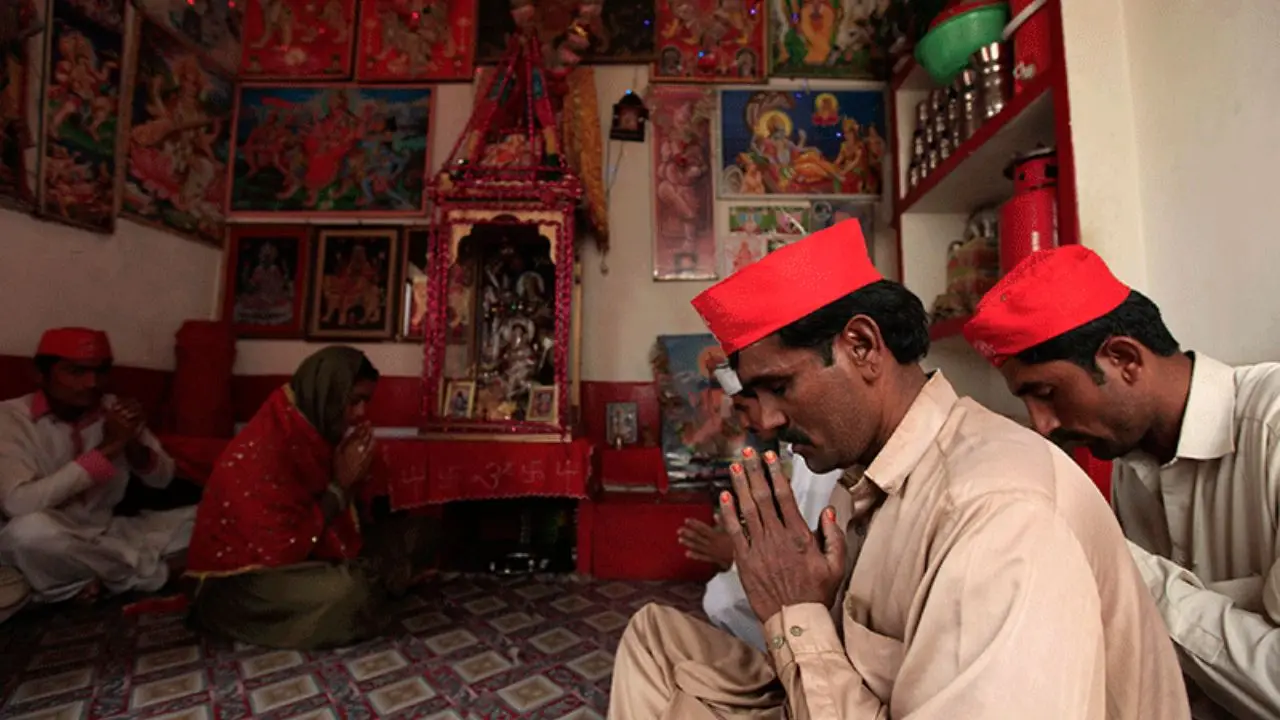
The spiritual journey of Hinglaj yatra
As Baloch separatist movements intensify their calls for independence from Pakistan, two ancient Hindu temples in the region have drawn are attention for their deep spiritual and historical connection with India. The temples also came in focus after Assam's Chief Minister Himanta Biswa Sarma called Hinglaj Mata Temple as 'one of the holiest sites in 'Shaktism', due to it's cultural links to India.
2 / 10
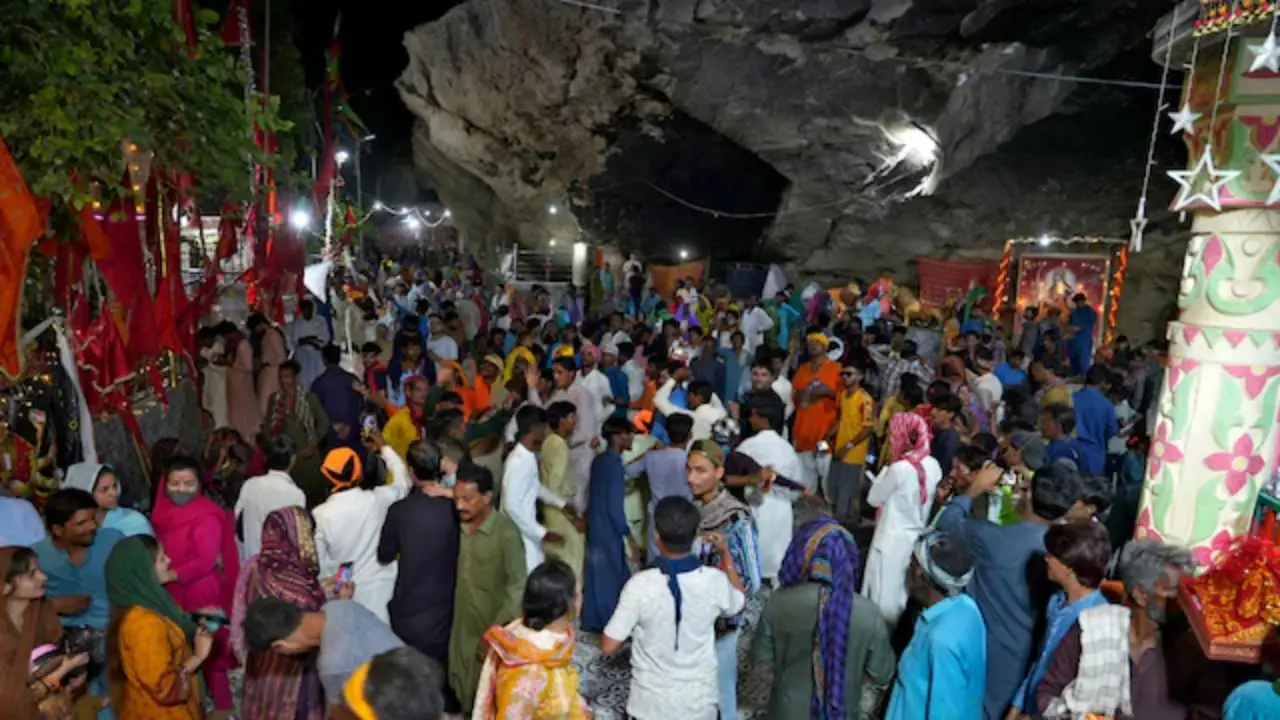
Hinglaj Mata Temple
These religious sites, long revered by Hindus across South Asia, now sit at the heart of an unfolding political shift. Located in Balochistan’s Lasbela district, the Hinglaj Mata Temple is one of the 51 Shaktipeeths in Hinduism. According to Hindu mythology, it is believed to be the exact place where Goddess Sati's head fell. Nestled in the arid cliffs of the Hingol National Park by River Hingol River, this site is revered not only by Hindus in Sindh and Balochistan, but also by few local Muslims, who call the ‘Nani Pir’.
3 / 10
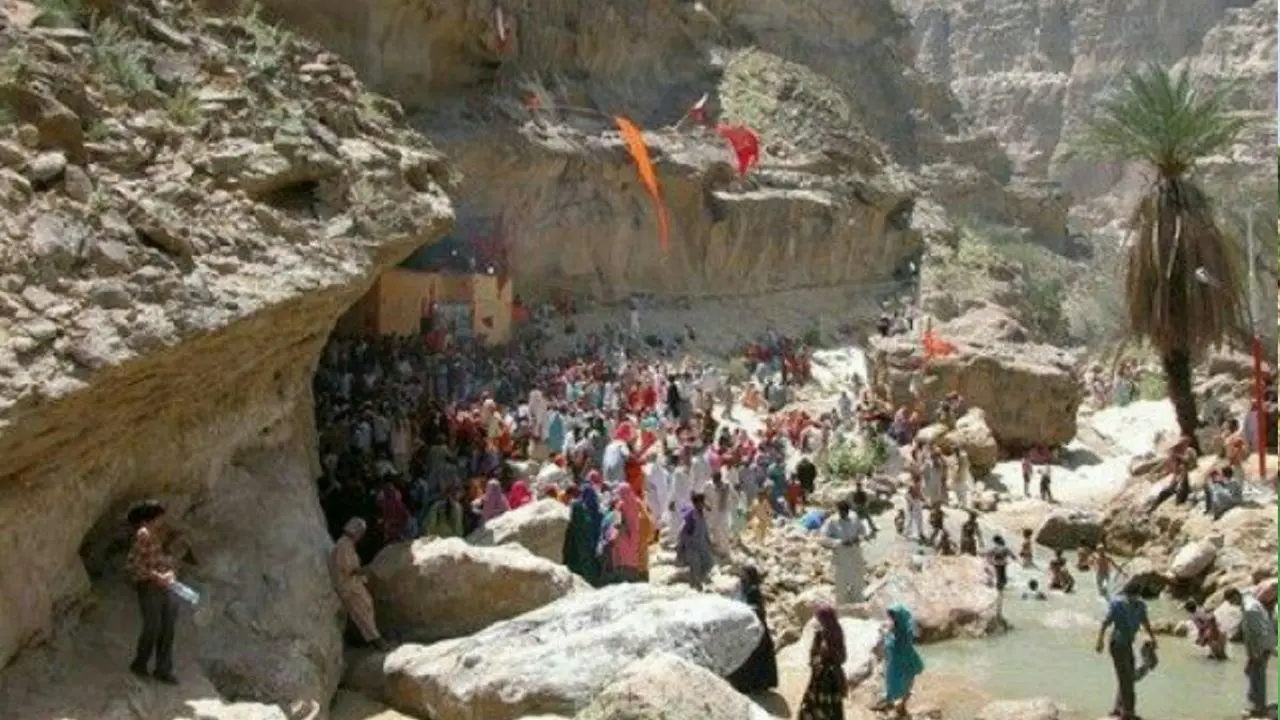
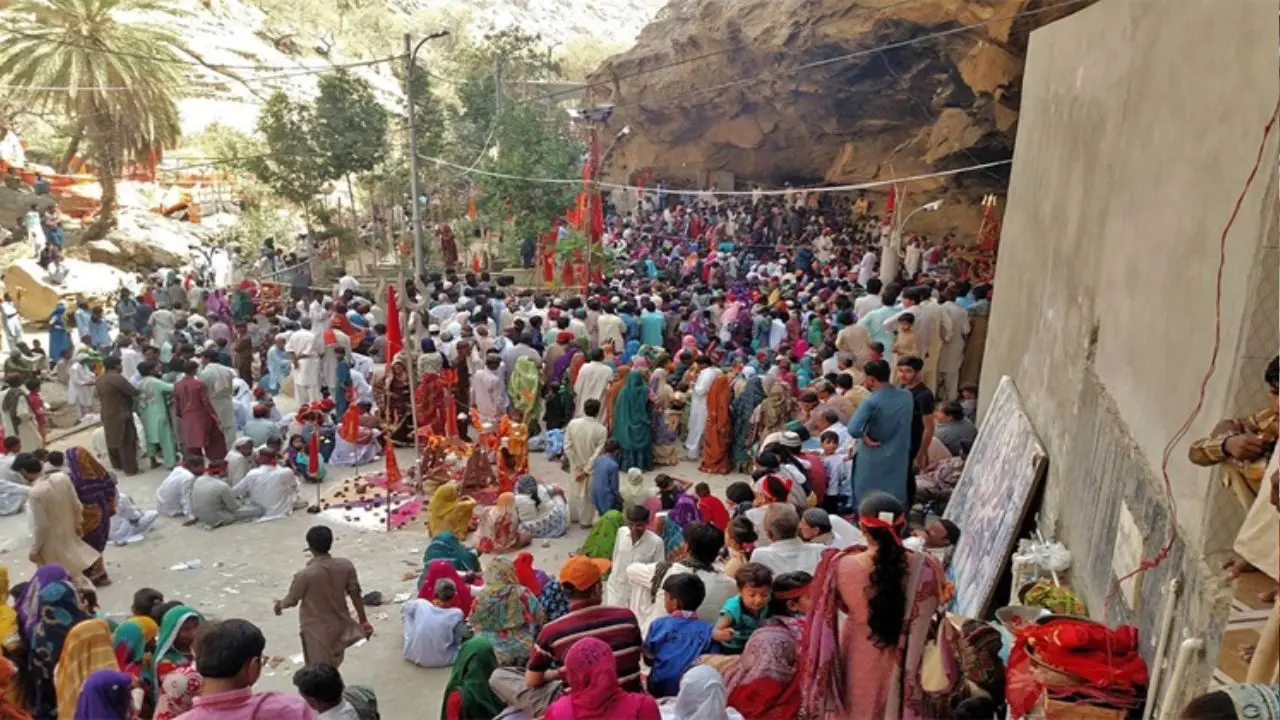
The spiritual journey of Hinglaj Yatra
Each year, about thousands of pilgrims take part in the challenging but spiritually significant, Hinglaj Yatra. Despite being in the difficult terrain as well as the security conditions in Balochistan, the yatra continues to symbolise resilience and devotion. The temple continues to remain one of the most important Hindu shrines in present-day Pakistan. The interfaith reverence of Hinglaj Mata — worshipped both by Hindus and some Sufi Muslims — marks a rare cultural convergence.
4 / 10
Katas Raj — Lord Shiva’s tears
While not exactly in Balochistan, the Katas Raj Temple in Punjab’s Chakwal district, near the broader Baloch cultural zone and also shares deep cultural and religious threads. The temple, dedicated to Lord Shiva, is famed for Katas Kund, a sacred pond that is believed to have formed from the lord’s tears as he mourned Sati’s death. The Katas Raj complex is historically tied to the Mahabharata also, and the Pandavas. It is believed to once be a centre of Hindu learning and philosophy. Adi Shankaracharya is believed to have visited the site. The architecture of this complex reflects a fusion of Hindu and Buddhist styles.
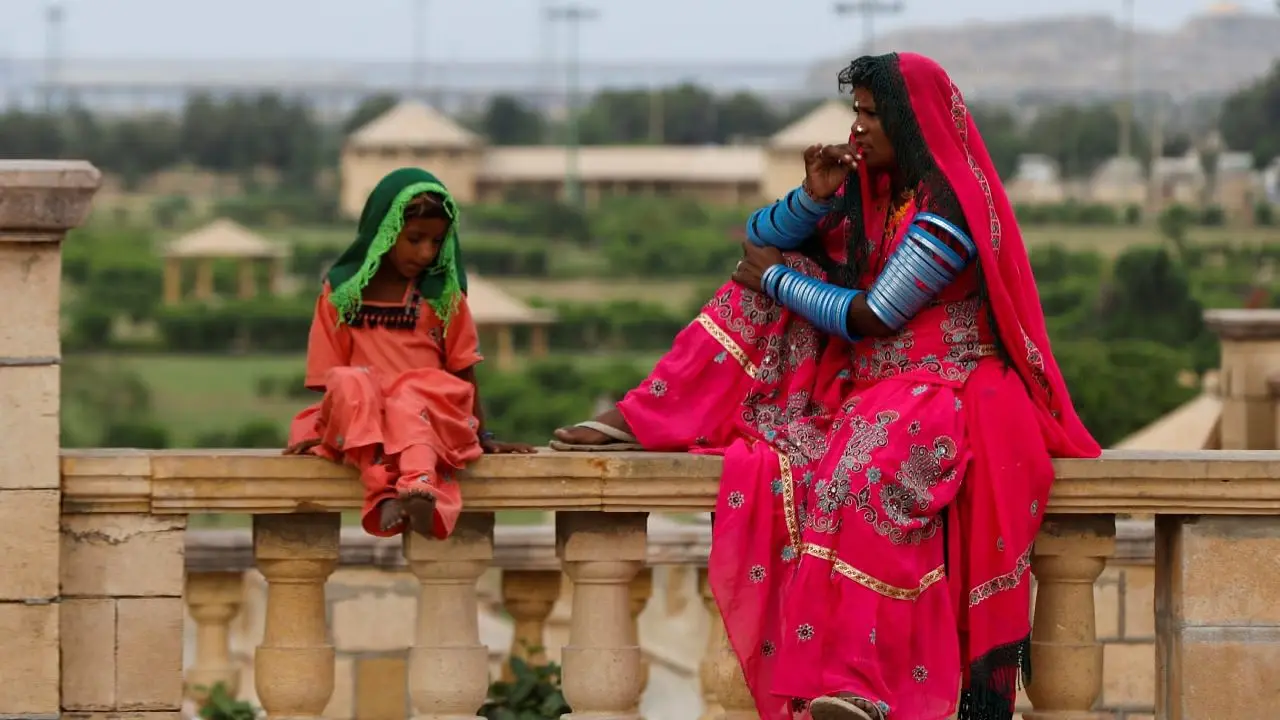
5 / 10
Faith amidst fracture
Post-Partition, access to these temples has declined due to the persistent India-Pakistan tensions. As Baloch groups call for separation, these temples are being re-examined not just as religious sites but also as symbols of a shared South Asian heritage. With Baloch separatists declaring parts of Balochistan as an independent entity, the future of these religious sites remains uncertain.
6 / 10
The spiritual journey of Hinglaj yatra
As Baloch separatist movements intensify their calls for independence from Pakistan, two ancient Hindu temples in the region have drawn are attention for their deep spiritual and historical connection with India. The temples also came in focus after Assam's Chief Minister Himanta Biswa Sarma called Hinglaj Mata Temple as 'one of the holiest sites in 'Shaktism', due to it's cultural links to India.
7 / 10
Hinglaj Mata Temple
These religious sites, long revered by Hindus across South Asia, now sit at the heart of an unfolding political shift. Located in Balochistan’s Lasbela district, the Hinglaj Mata Temple is one of the 51 Shaktipeeths in Hinduism. According to Hindu mythology, it is believed to be the exact place where Goddess Sati's head fell. Nestled in the arid cliffs of the Hingol National Park by River Hingol River, this site is revered not only by Hindus in Sindh and Balochistan, but also by few local Muslims, who call the ‘Nani Pir’.
8 / 10
The spiritual journey of Hinglaj Yatra
Each year, about thousands of pilgrims take part in the challenging but spiritually significant, Hinglaj Yatra. Despite being in the difficult terrain as well as the security conditions in Balochistan, the yatra continues to symbolise resilience and devotion. The temple continues to remain one of the most important Hindu shrines in present-day Pakistan. The interfaith reverence of Hinglaj Mata — worshipped both by Hindus and some Sufi Muslims — marks a rare cultural convergence.
9 / 10
Katas Raj — Lord Shiva’s tears
While not exactly in Balochistan, the Katas Raj Temple in Punjab’s Chakwal district, near the broader Baloch cultural zone and also shares deep cultural and religious threads. The temple, dedicated to Lord Shiva, is famed for Katas Kund, a sacred pond that is believed to have formed from the lord’s tears as he mourned Sati’s death. The Katas Raj complex is historically tied to the Mahabharata also, and the Pandavas. It is believed to once be a centre of Hindu learning and philosophy. Adi Shankaracharya is believed to have visited the site. The architecture of this complex reflects a fusion of Hindu and Buddhist styles.
10 / 10
Faith amidst fracture
Post-Partition, access to these temples has declined due to the persistent India-Pakistan tensions. As Baloch groups call for separation, these temples are being re-examined not just as religious sites but also as symbols of a shared South Asian heritage. With Baloch separatists declaring parts of Balochistan as an independent entity, the future of these religious sites remains uncertain.
)
)
)
)
)