'36 targets engaged simultaneously': How many targets can the S-400 engage at once?

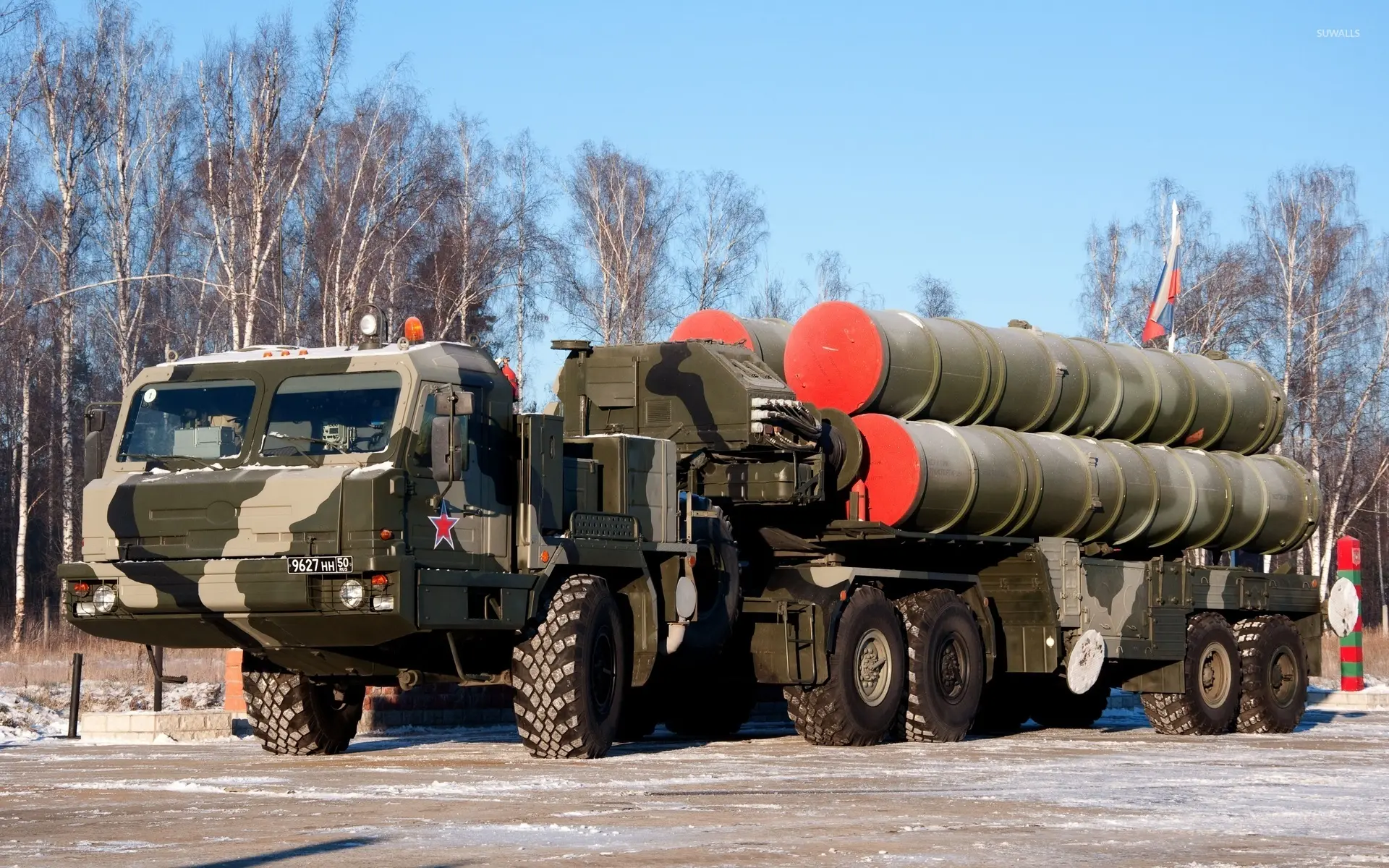
The Russian S-400 Triumf uses its 91N6E radar to track 300 aerial threats up to 600 kilometres away. Its digital command post allows the system to simultaneously engage 36 targets by concurrently guiding 72 missiles in just 9 to 10 seconds.
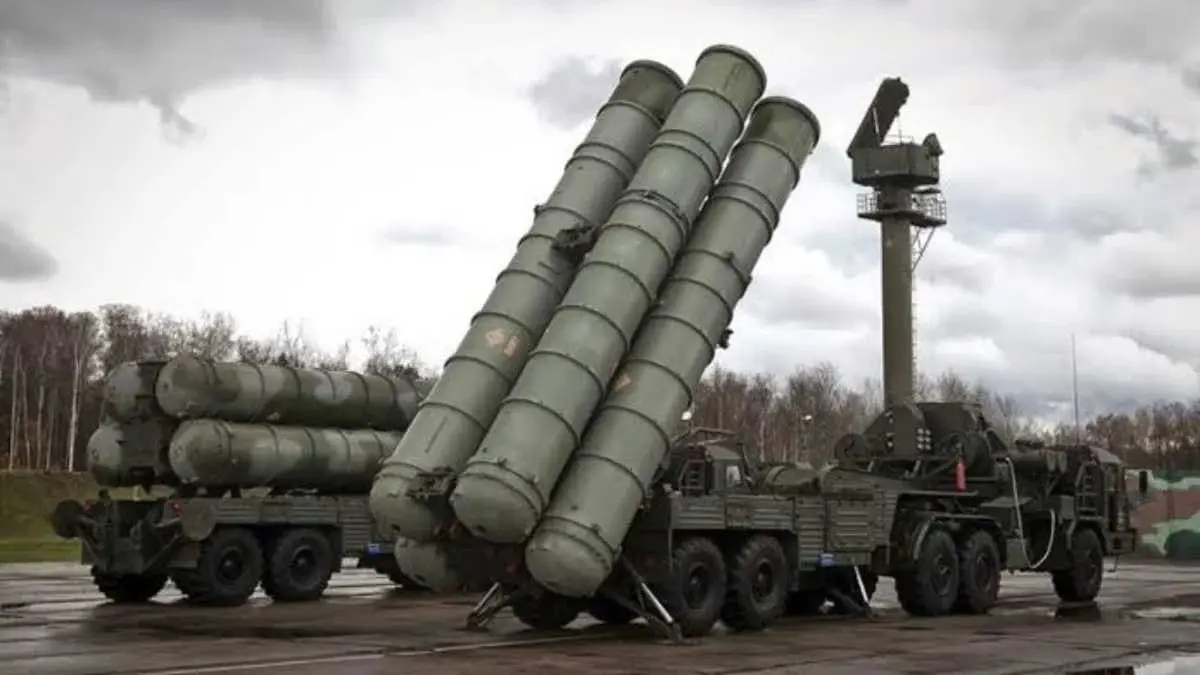
The 600-Kilometre Bubble
The Russian-made S-400 Triumf continuously scans the skies using its massive 91N6E panoramic acquisition radar. This powerful system creates an invisible 600-kilometre surveillance bubble, actively tracking up to 300 distinct aerial targets simultaneously.
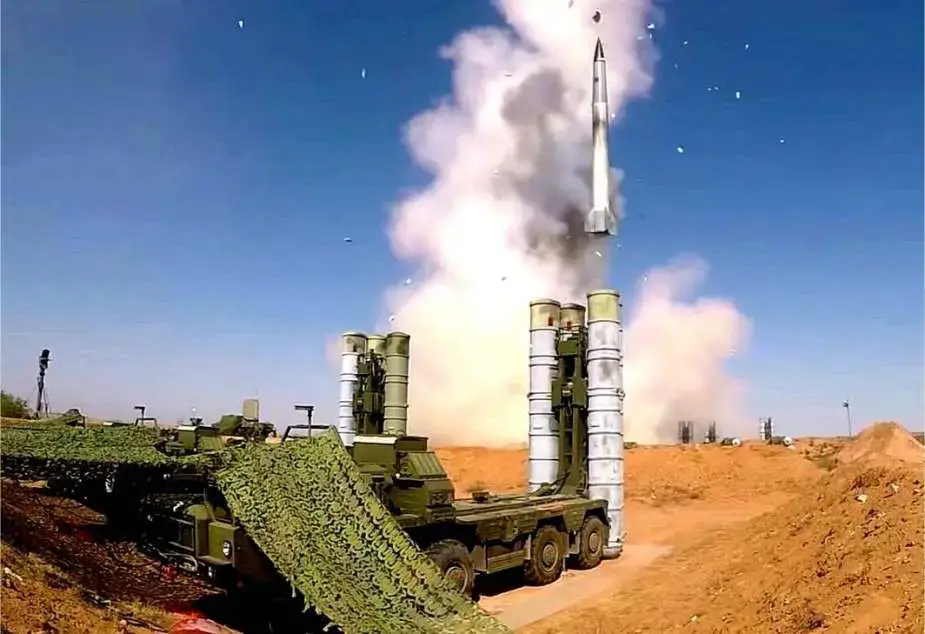
The Digital Brain
All raw radar data instantly flows into the 55K6E mobile command post, which serves as the network's digital brain. Within seconds, this command centre identifies the incoming threats, prioritises them, and automatically assigns them to specific missile launchers.
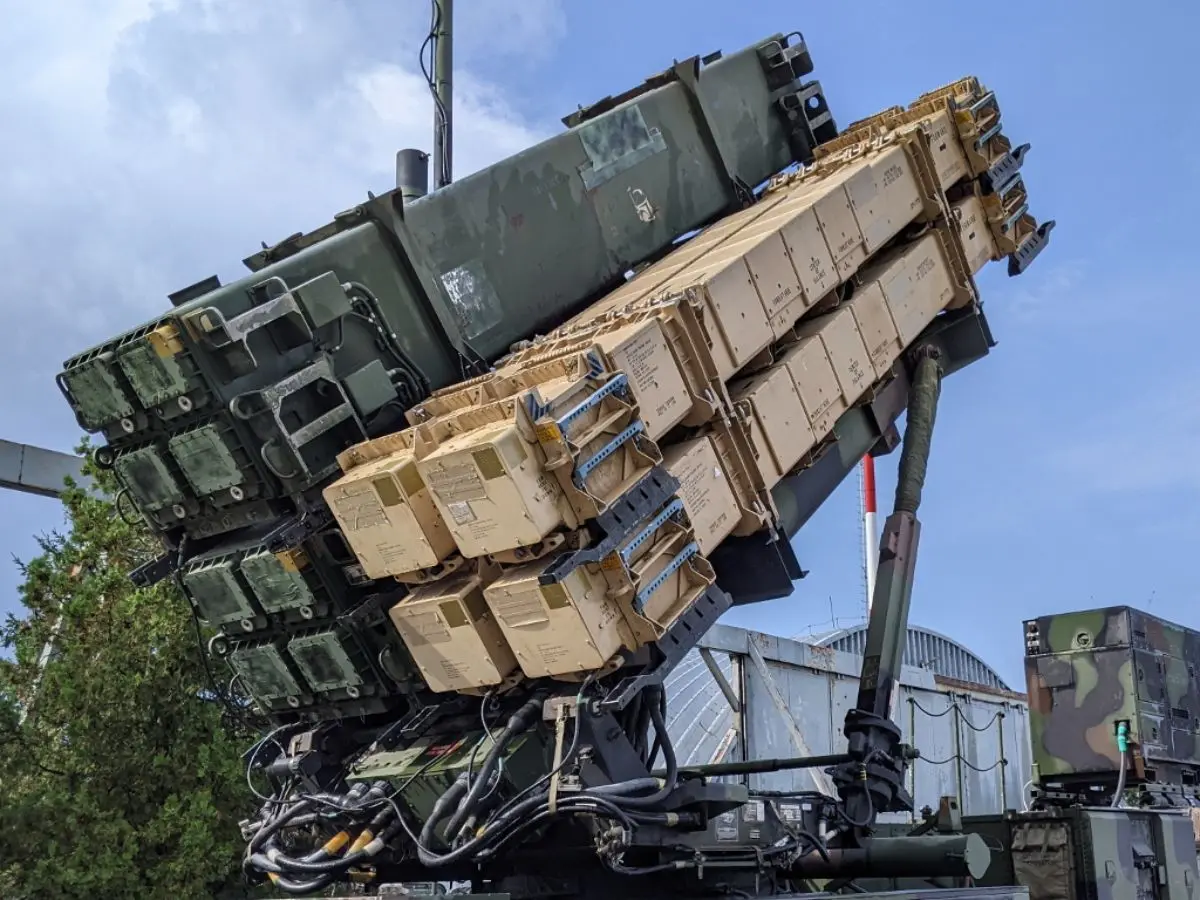
Engaging 36 Targets
When facing a massive aerial bombardment, the S-400 is not limited to shooting down one aircraft at a time. According to official Russian military specifications, a fully deployed system can simultaneously engage up to 36 distinct targets at once.
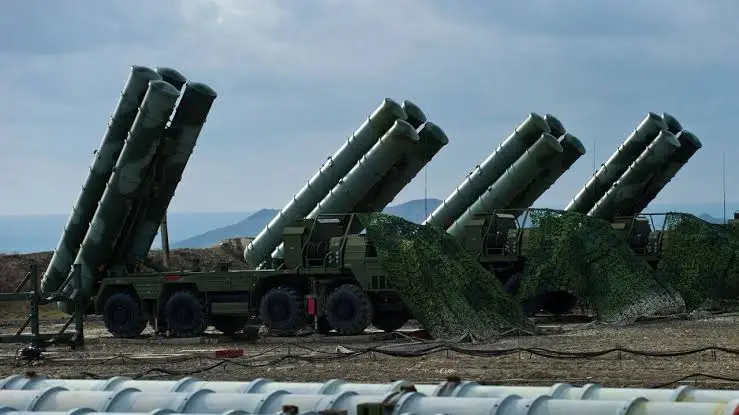
Launching 72 Missiles
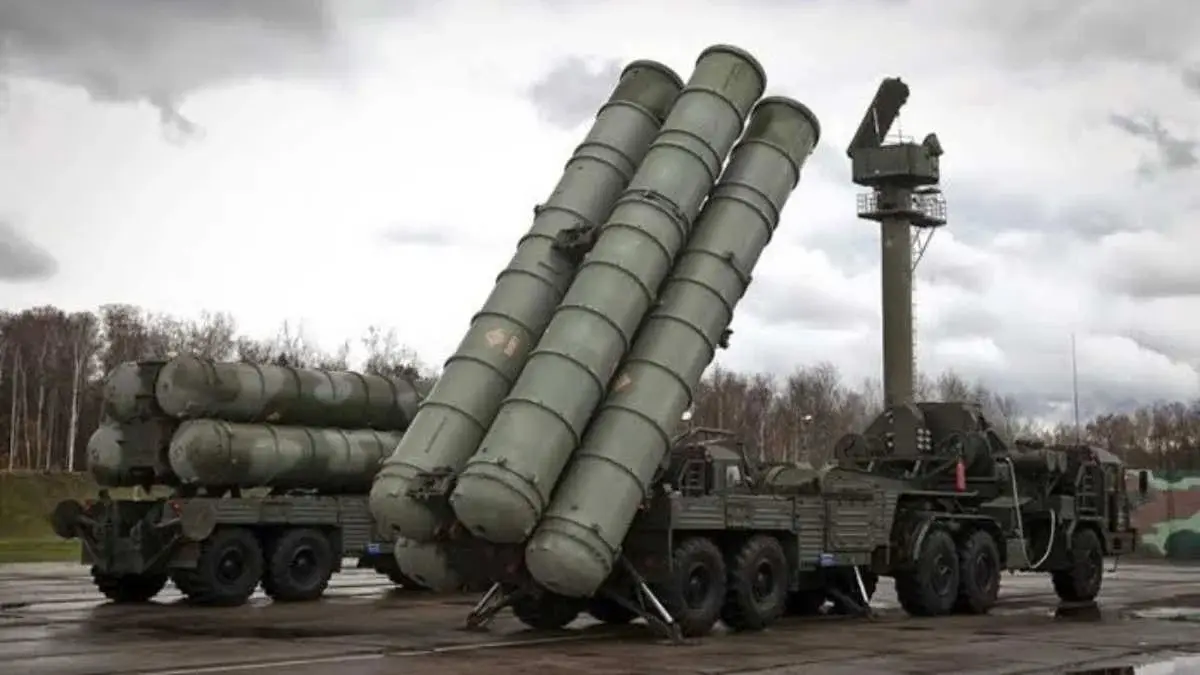
To ensure a successful kill against highly evasive enemy bombers or stealth fighters, standard doctrine dictates firing multiple interceptors per threat. Consequently, the S-400 can concurrently guide up to 72 missiles toward those 36 targets.
Layered Engagement
The system neutralises these multiple threats by firing different interceptor variants to create overlapping layers of defence. It can simultaneously direct the heavy 40N6E missile at targets 400 kilometres away while guiding nimble 9M96E missiles at closer threats.
A Nine-Second Reaction
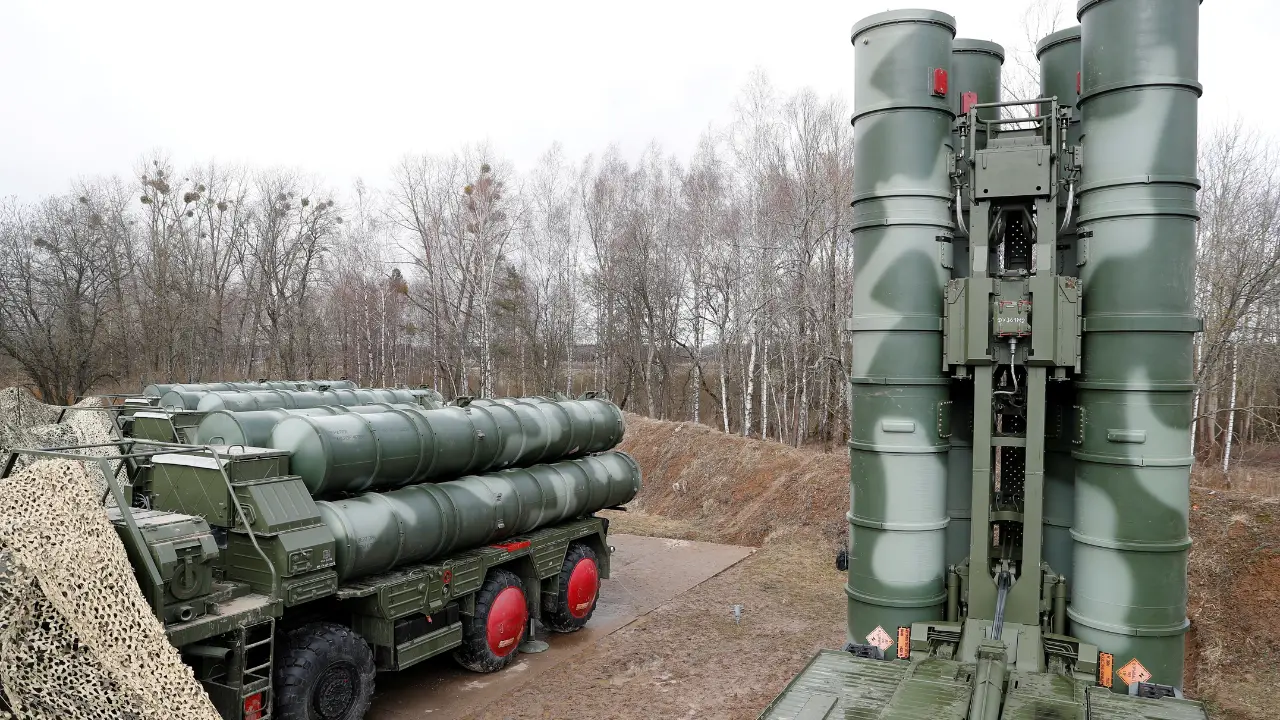
Despite tracking hundreds of objects and managing complex layered defences, the entire weapon system responds with terrifying speed. From the moment the radar detects a hostile target to the instant an interceptor leaves the launch tube, the S-400 requires just 9 to 10 seconds.
Intercepting at Mach 14
The system aggressively targets everything from low-flying cruise missiles and kamikaze drones to fifth-generation stealth fighters. It possesses the advanced tracking capability required to simultaneously intercept high-speed ballistic missiles travelling at speeds up to Mach 14.
)
)
)
)
)