These 6 structures are humanity’s oldest survivors and they’re still standing

From vast ceremonial enclosures to humble stone houses, they challenge assumptions about when civilisation truly began and reveal how much of the human story is written in rock rather than text.
introduction: why these survivors matter
Long before written records or empires, early humans built in stone, leaving behind structures that still stand today. These sites are more than ruins; they are living evidence of community, ritual and engineering that began over 10,000 years ago. From vast ceremonial enclosures to humble stone houses, they challenge assumptions about when civilisation truly began and reveal how much of the human story is written in rock rather than text.
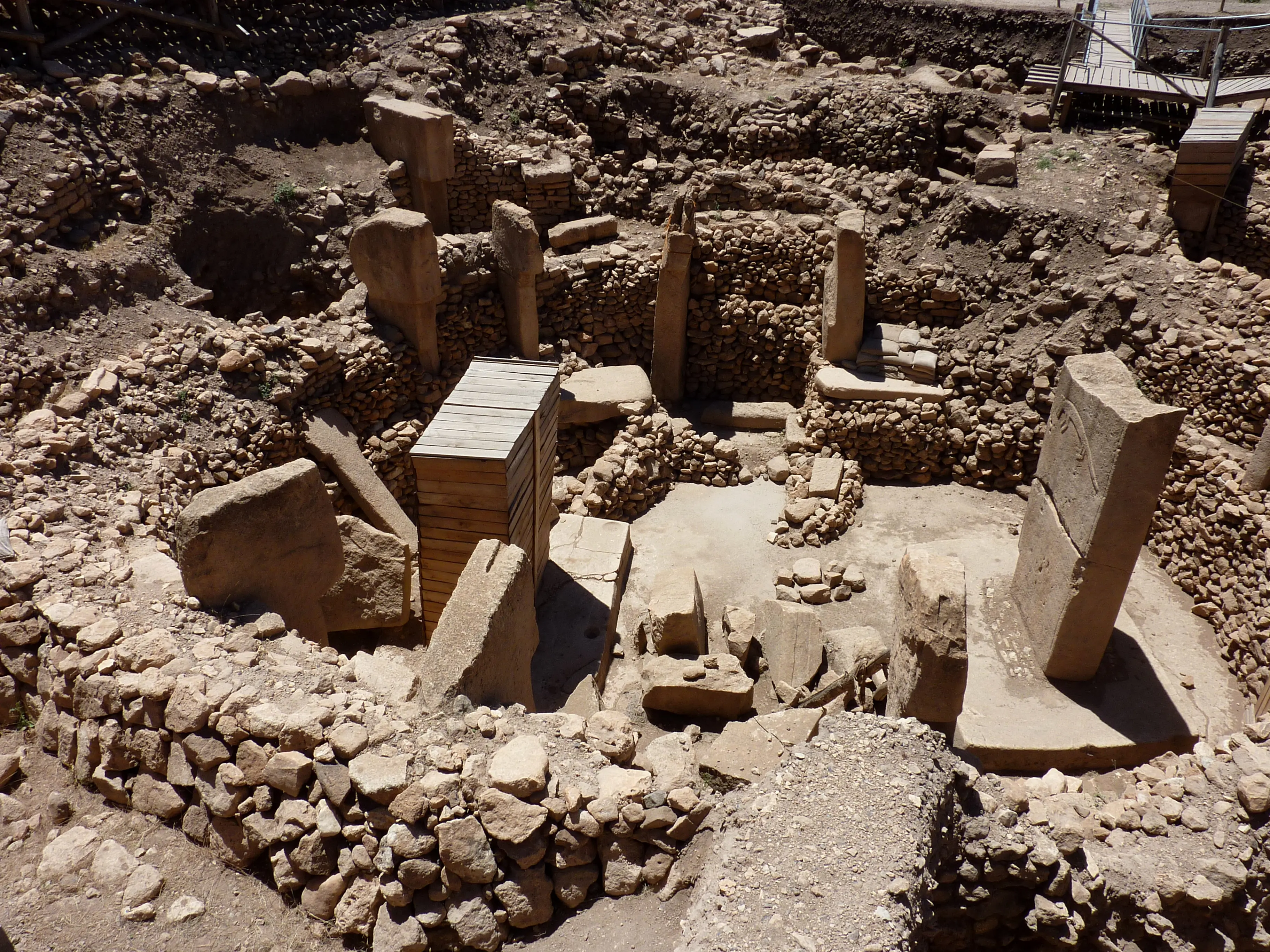
1. göbekli tepe (southeastern turkey) — c. 9600–8200 BCE
Göbekli Tepe is the earliest known monumental megalithic complex: concentric enclosures with T-shaped carved pillars erected by hunter-gatherers in the Pre-Pottery Neolithic. Radiocarbon dating places construction between roughly 9600 and 8200 BCE; many scholars interpret it as a ritual centre rather than a domestic settlement. Excavations have revealed decorated stonework with animal motifs, indicating symbolic or religious functions.
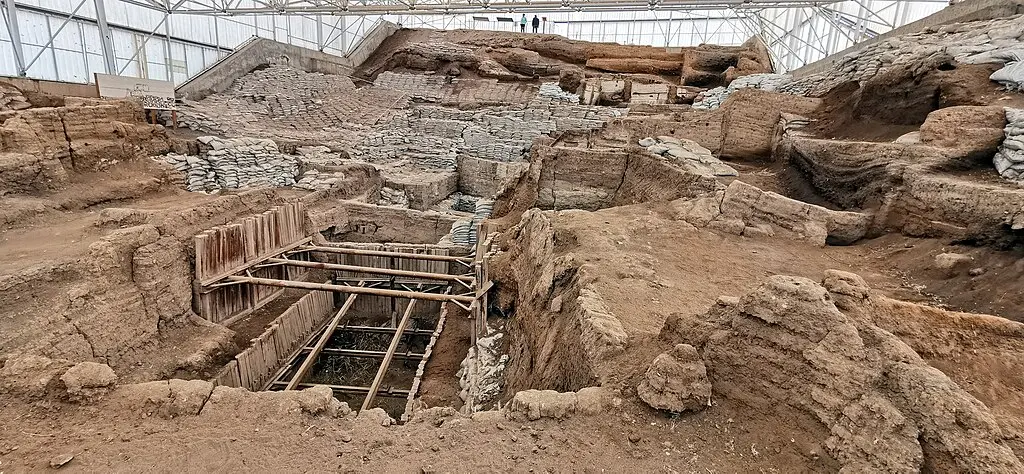
2. çatalhöyük (anatolia) — c. 7400–6200 BCE
Çatalhöyük is a vast tell (mounded settlement) with successive house levels showing dense occupation and wall paintings. It is one of the earliest known large, sedentary communities, dated from about 7400 BCE. Surviving mud-brick walls, plastered floors and striking wall art make it a crucial site for studying early settled life and social organisation in the Neolithic.
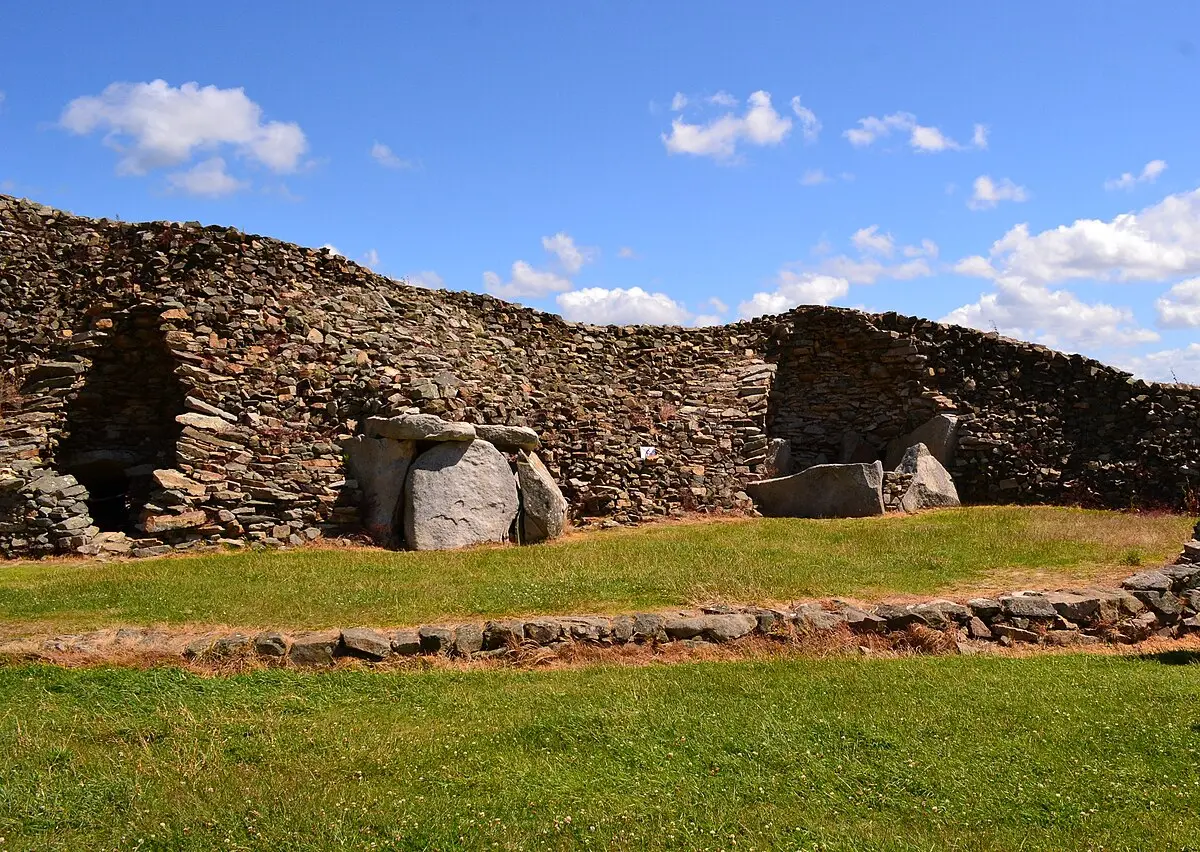
3. barnenez cairn (brittany, france) — c. 4850 BCE
The Barnenez cairn is a monumental Neolithic tomb complex in Brittany whose earliest construction phases date to around 4850 BCE. Stone chambers, passageways and carved slabs survive in good condition. It is widely regarded as one of Europe’s oldest surviving examples of monumental stone construction, showcasing advanced engineering in a prehistoric context.
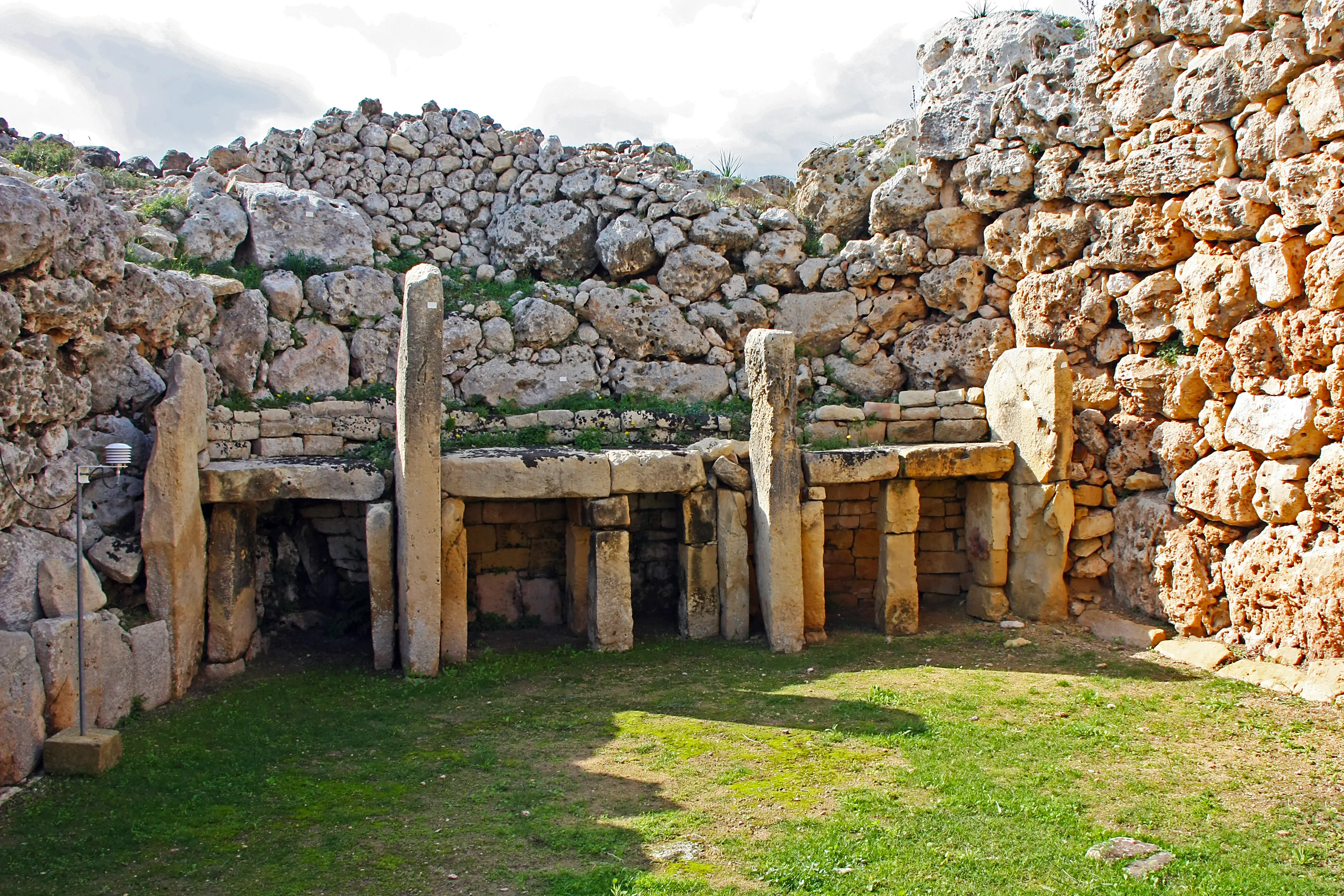
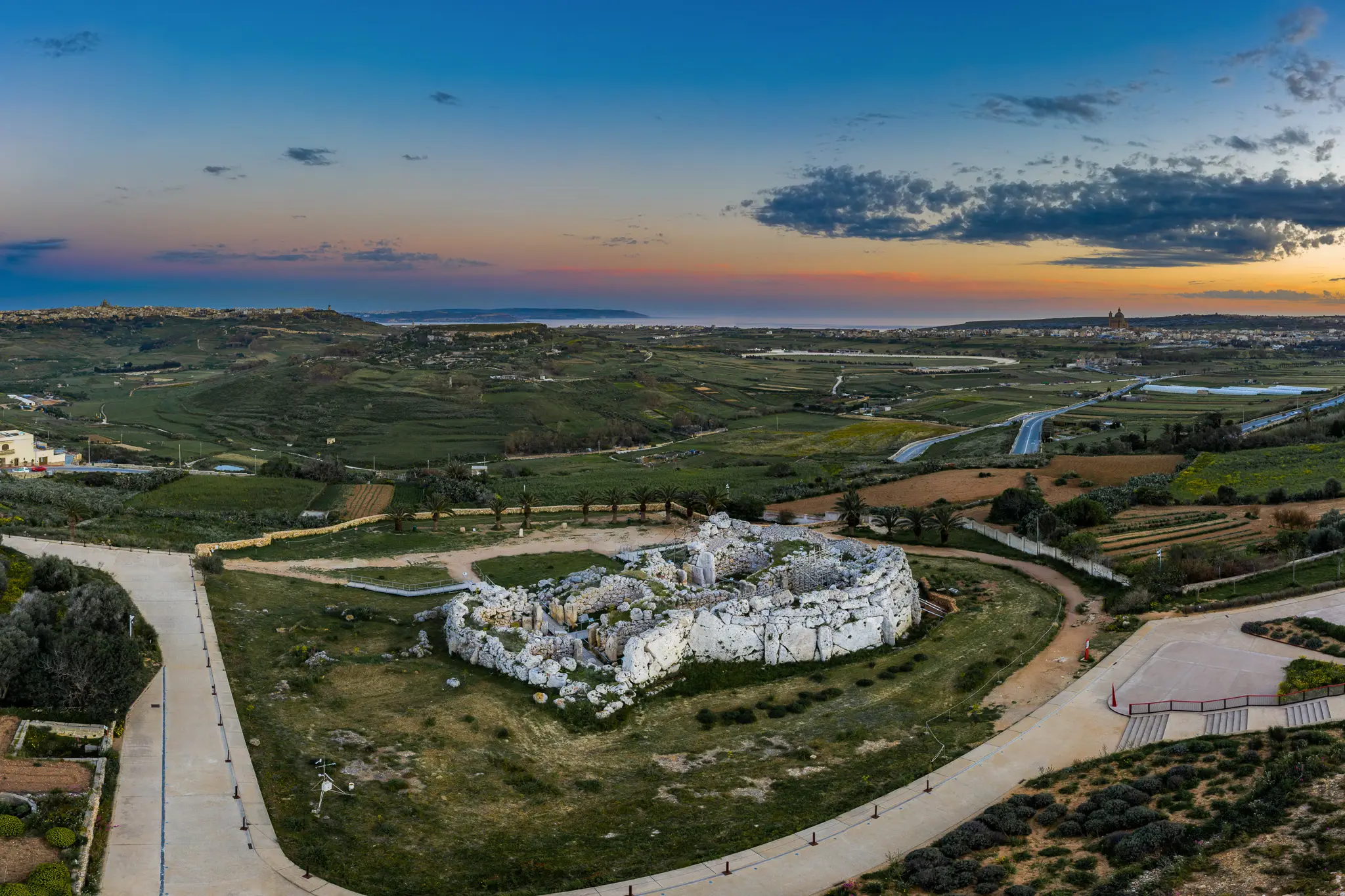
4. Ġgantija and the megalithic temples of malta — c. 3600–2500 BCE
The Ġgantija temples on Gozo form part of the Megalithic Temples of Malta, whose earliest phases begin around 3600 BCE. The massive limestone blocks, apsidal layouts and ritual deposits mark these as some of the oldest free-standing religious structures in the world. Their scale and sophistication suggest organised communities with complex spiritual practices.
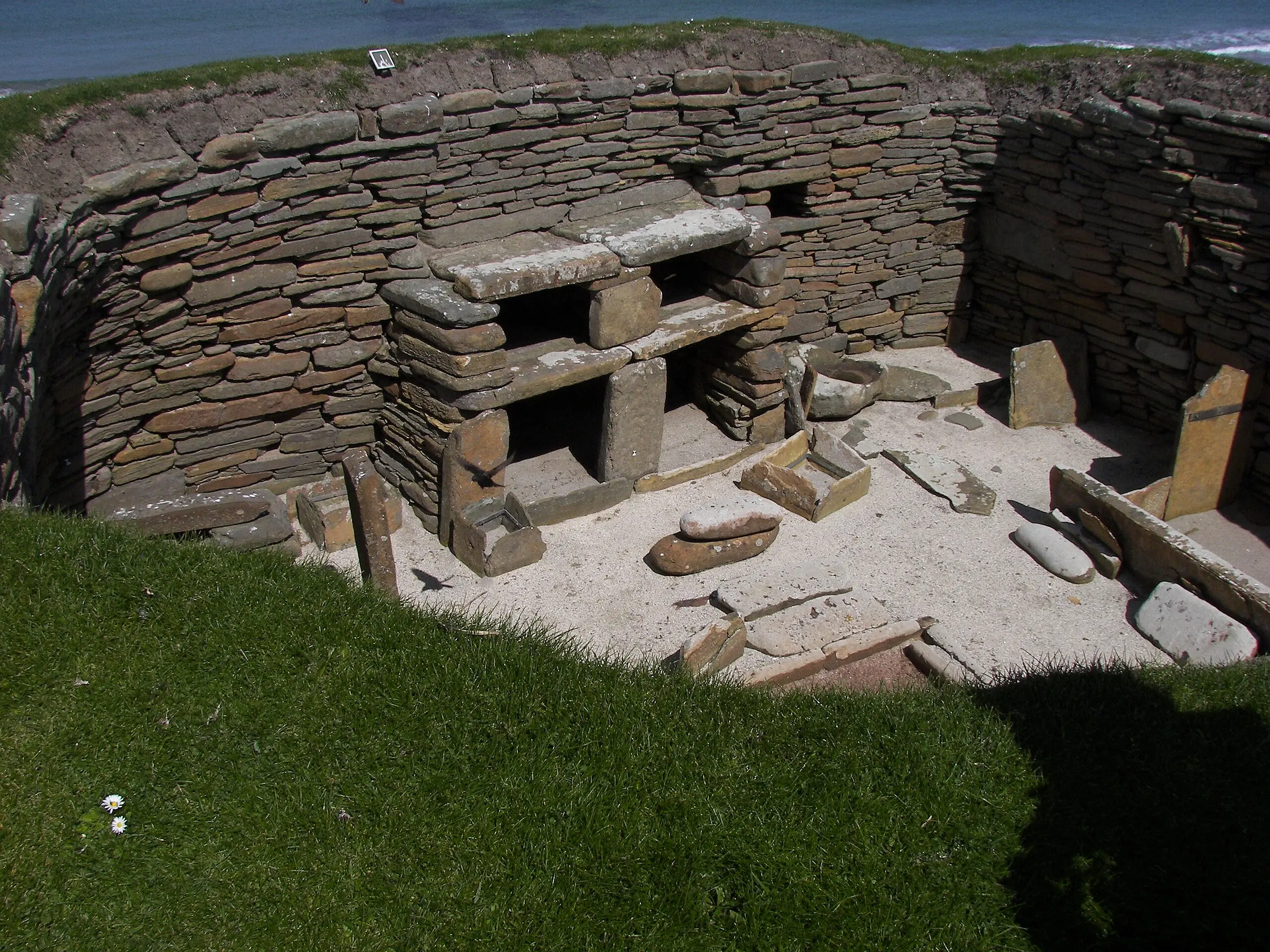
5. newgrange, maeshowe and skara brae (britain and ireland) — c. 3200–2500 BCE
Newgrange in the Boyne Valley is a passage tomb built around 3200 BCE, famed for its alignment with the winter solstice sunrise. Maeshowe in Orkney is a similar tomb dated to the same period, while Skara Brae nearby is a remarkably well-preserved stone-built village. Together, these sites illustrate the ritual, funerary and domestic architecture of late Neolithic north-west Europe.
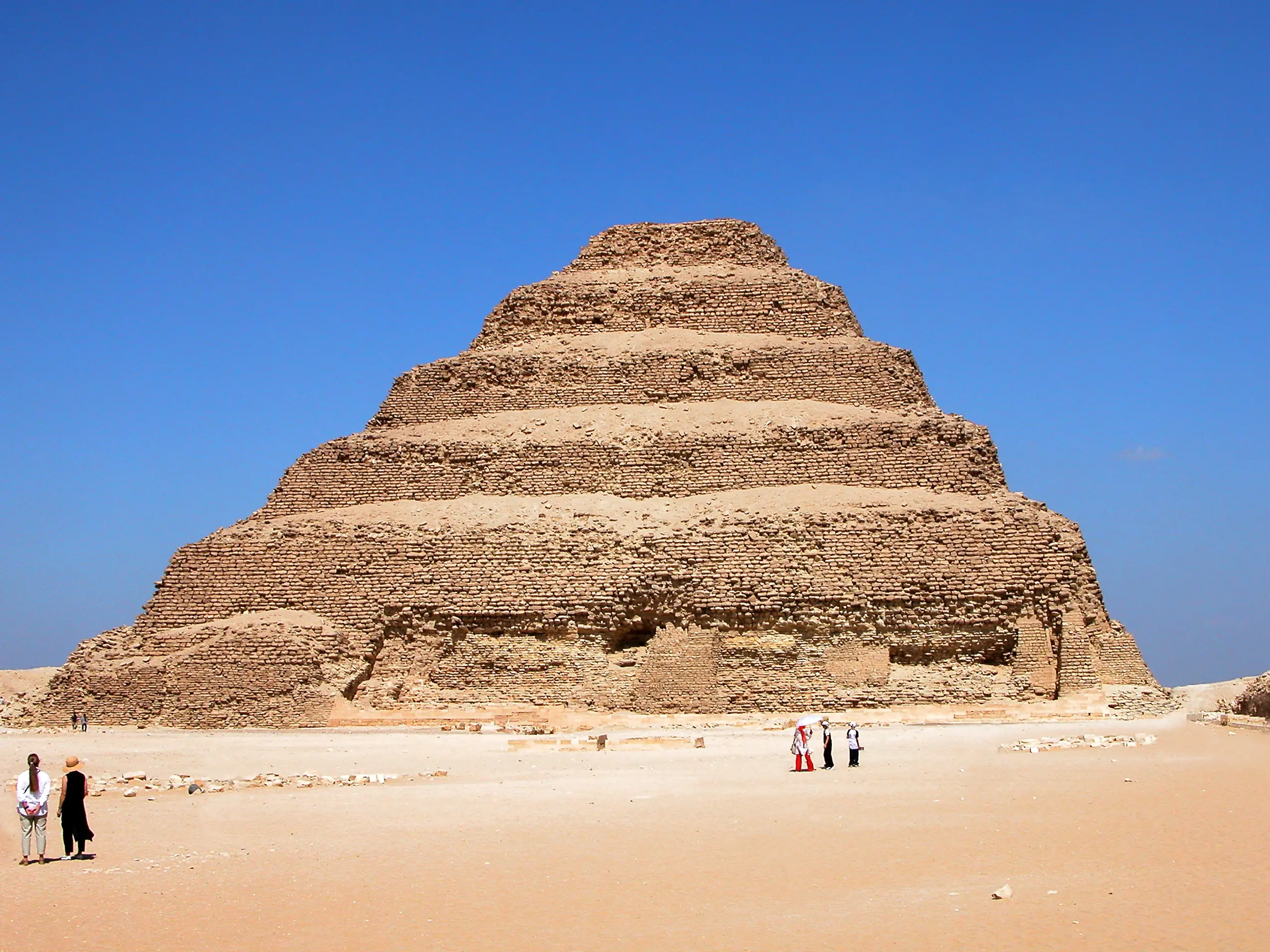
6. knap of howar and the step pyramid of djoser — c. 3600 BCE and c. 2670–2650 BCE
The Knap of Howar on Papa Westray, Orkney, comprises two stone houses dated to around 3600 BCE and is often described as the oldest surviving house in northern Europe. In Egypt, the Step Pyramid of Djoser at Saqqara, constructed in the 27th century BCE, represents one of the earliest large-scale stone monuments and marks a pivotal step in pyramid development.
)
)
)
)
)