These 5 countries have fighter jets, but no pilots to fly them

For many of these countries, owning jets is more about optics than warfare. Fighter jets are symbols of sovereignty, deterrence, and international leverage. They’re used in parades, diplomatic photos, and negotiations, even if they can’t fly. Some are purchased as future investments, trade leverage, or even spare parts.
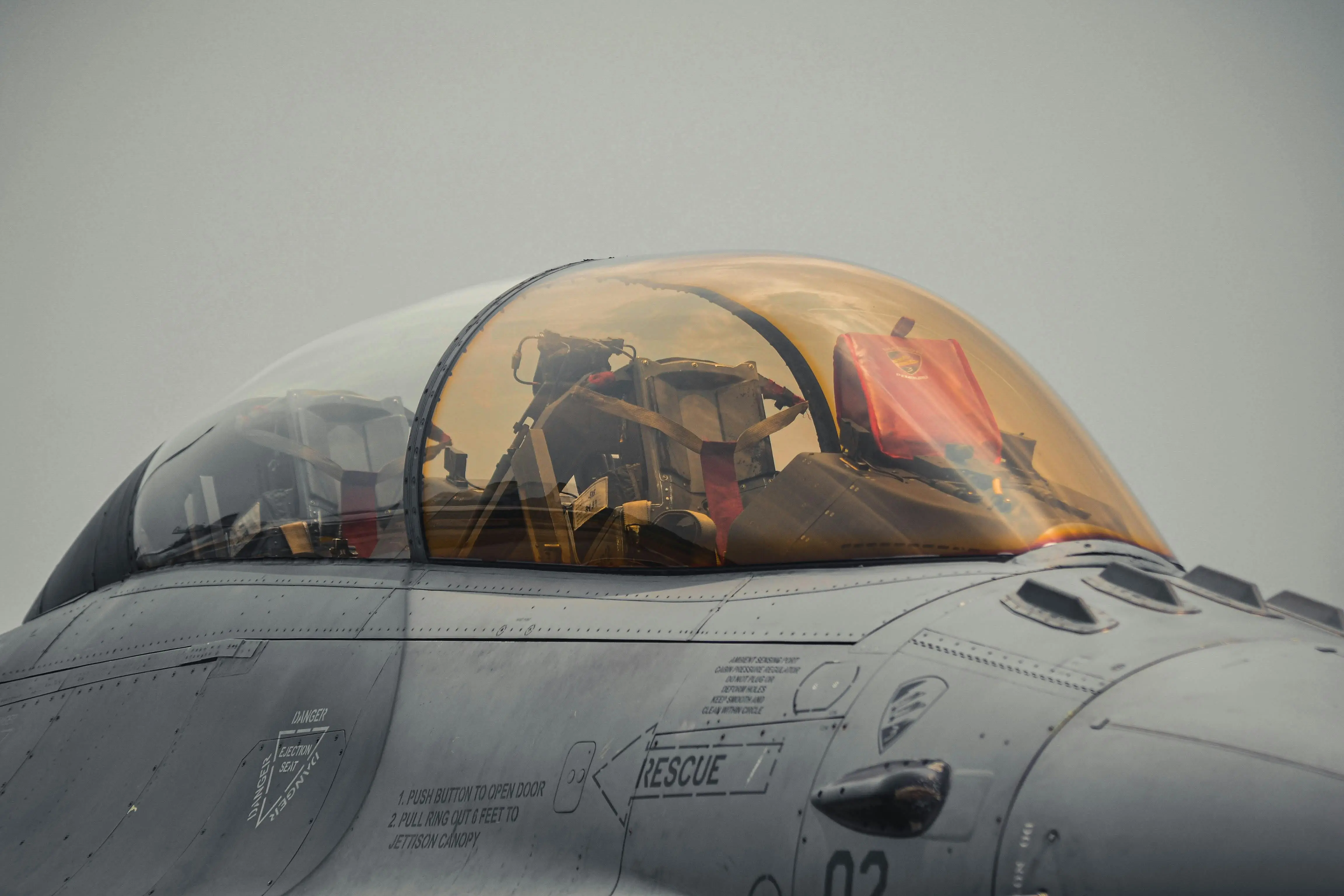
No Pilots
In a world where military hardware is a symbol of power, some countries own state-of-the-art fighter jets but lack one crucial element: trained pilots. Here's a look at the bizarre reality where warplanes are grounded not by war, but by human shortage.
Libya: Jets Without a Military
Libya once boasted a formidable air force under Muammar Gaddafi, with aircraft like the MiG-21, MiG-23, and Mirage F1. But years of civil war have devastated its infrastructure. With airbases bombed and pilots either retired, defected, or killed, most jets now sit idle or are cannibalised for spare parts.

Afghanistan: Inherited Jets, No Capability
When US forces withdrew from Afghanistan, the Taliban gained access to American-supplied aircraft such as the A-29 Super Tucano and Mi-17 helicopters. However, with no trained personnel or logistical support, these jets are largely non-operational — serving more as political symbols than combat-ready assets.
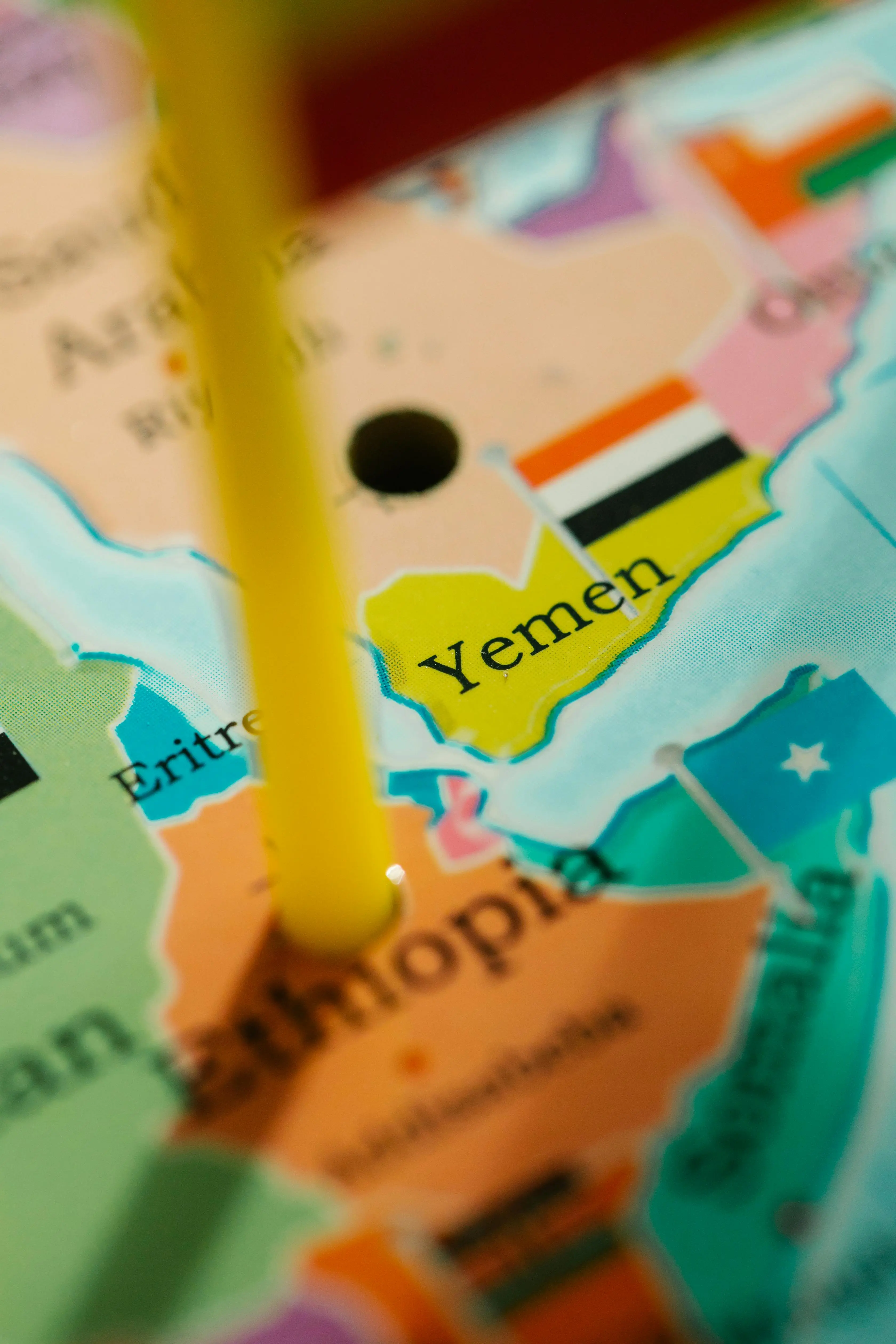
Yemen: War-Torn and Grounded
Yemen's Su-22s and MiG-29s were once crucial for its national defence. But years of civil war and Saudi-led bombing campaigns have decimated the country’s aviation infrastructure. There are few, if any, operational pilots, and no capacity to maintain an effective air force.
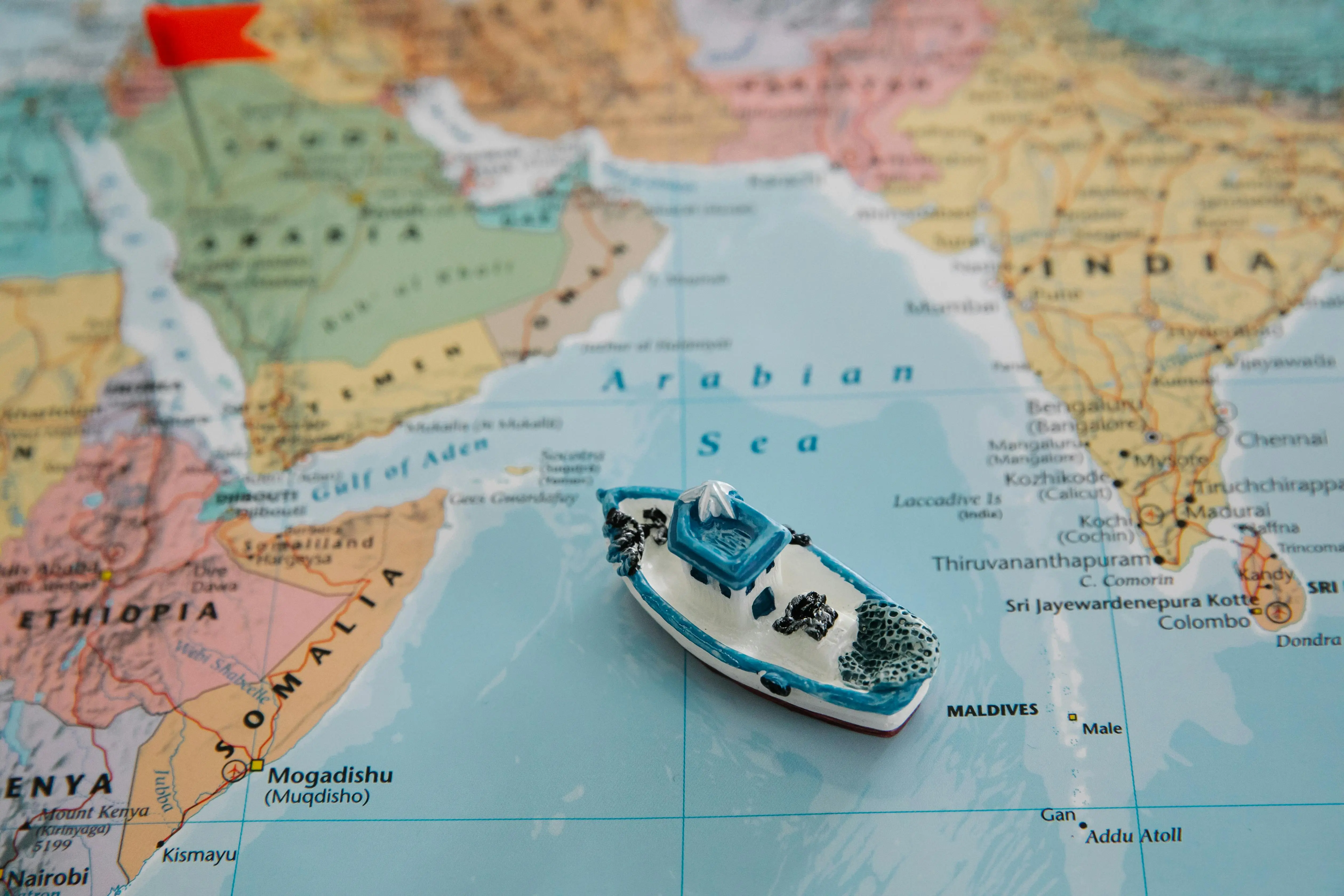
Somalia: Air Force in Name Only
Somalia has not had a functioning air force in decades. The country once operated Soviet-era MiG fighters, but ongoing instability, lack of training infrastructure, and absence of technical support have grounded any remaining fleet. The skies remain empty not for lack of planes, but for lack of pilots.
Chad: Jets Bought, Rarely Flown
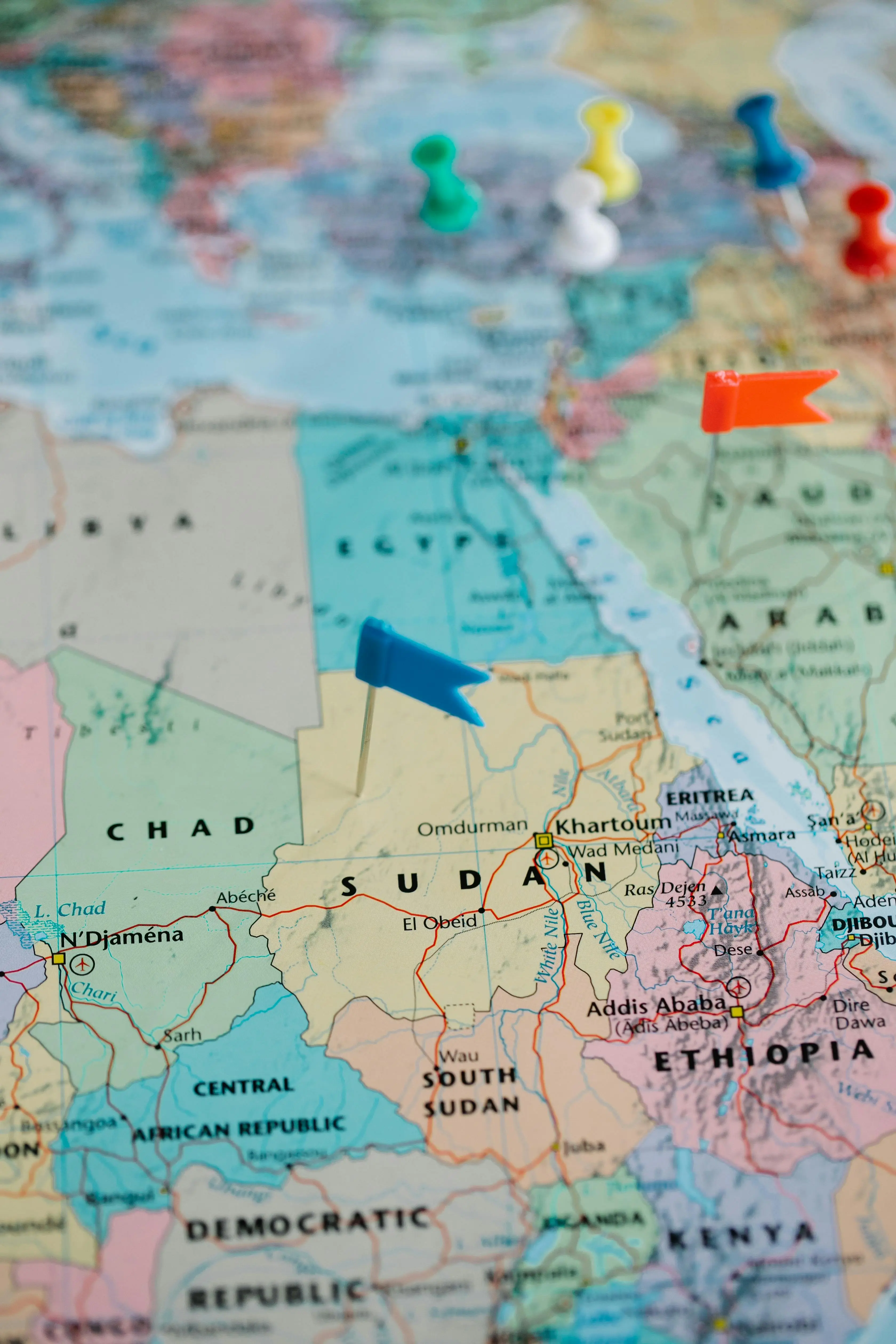
Chad reportedly purchased MiG-29 fighters from Ukraine in 2014. However, the country has struggled to operate them independently due to budget constraints and a lack of trained pilots. In some cases, foreign contractors or mercenary pilots are brought in, making the jets more ceremonial than practical.
Why Buy Fighter Jets With No Pilots?
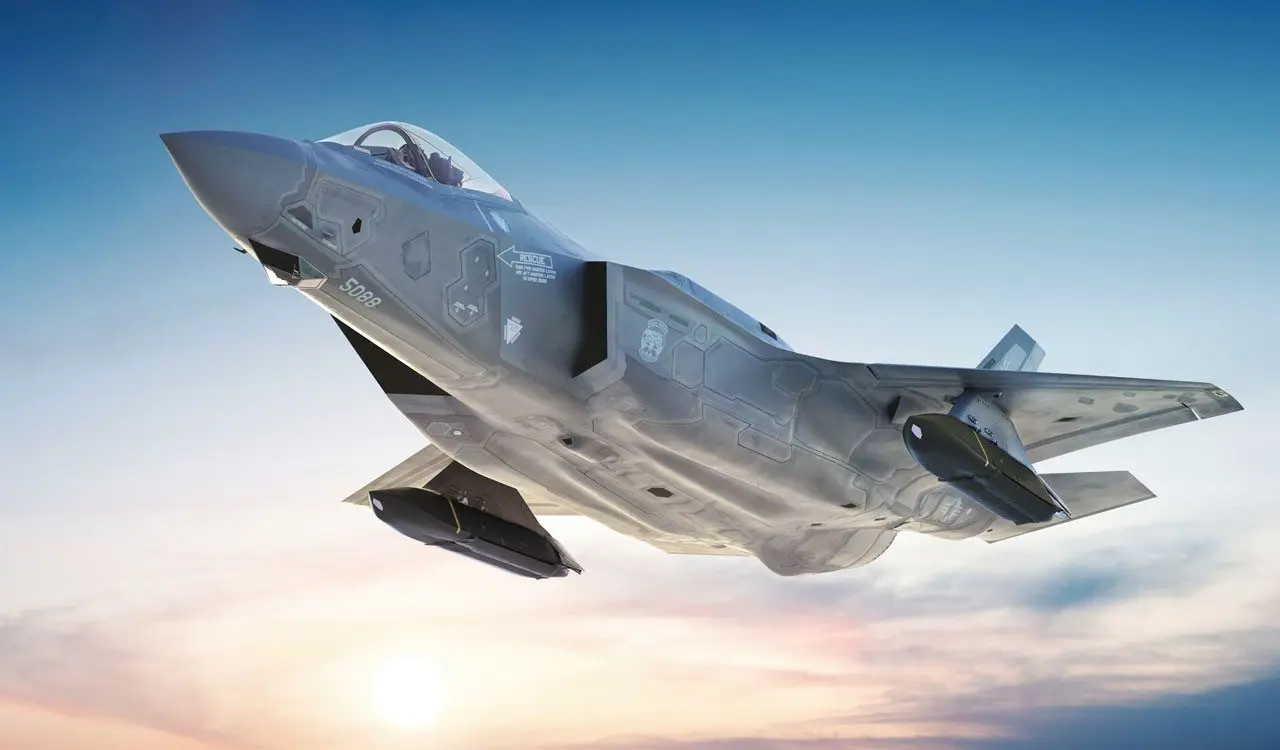
For many of these countries, owning jets is more about optics than warfare. Fighter jets are symbols of sovereignty, deterrence, and international leverage. They’re used in parades, diplomatic photos, and negotiations, even if they can’t fly. Some are purchased as future investments, trade leverage, or even spare parts.
The Real Cost: Pilot Training
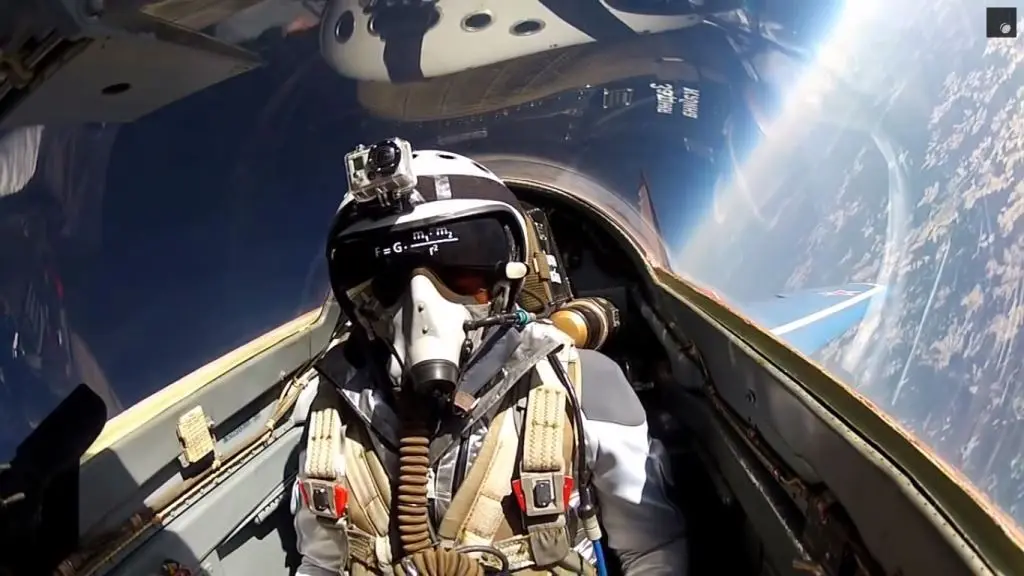
It takes 2 to 3 years and millions of dollars to train a single fighter pilot. Add to that the cost of simulators, maintenance crews, ground staff, and fuel and you’re looking at an ecosystem that many war-torn or cash-strapped countries simply cannot sustain. Buying jets is easy. Flying them is the hard part.
Final Word
Fighter jets without pilots are like luxury sports cars without drivers, powerful, expensive, and useless in real combat. For some nations, they’re more about symbolism than strategy. But in the age of drones and outsourced warfare, maybe that’s the point.
)
)
)
)
)