There are only about 100 B-2 pilots on Earth! Here is what it actually takes to become one of them

No other combat aircraft has a smaller pilot community. Getting there requires a decade of flying, multiple aircraft type qualifications, and a selection process that eliminates experienced pilots who would be considered exceptional in any other cockpit.
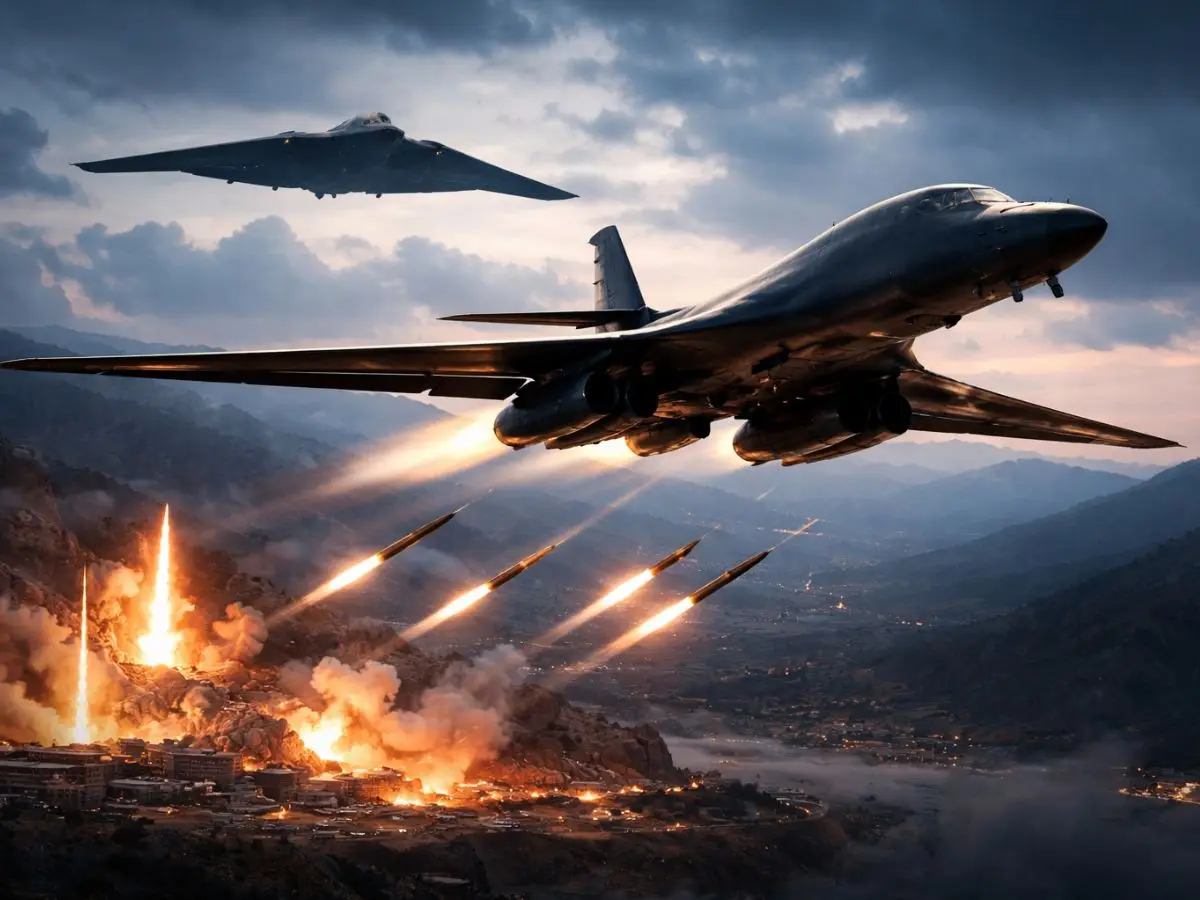
Why So Few Pilots
The B-2 fleet consists of 20 aircraft based at one location. The Air Force maintains roughly two to three qualified crews per aircraft — a ratio that accounts for training cycles, leave, medical disqualification, and mission planning requirements. Do the maths: 20 aircraft, approximately two crews each, two pilots per crew. The total qualified B-2 pilot community at any given time sits somewhere around 80 to 120 people. For comparison, the US Air Force has over 3,000 F-16 pilots. B-2 pilots are not rare in the way that diamonds are rare. They are rare in the way that something specifically made in very small numbers for a very specific purpose is rare.
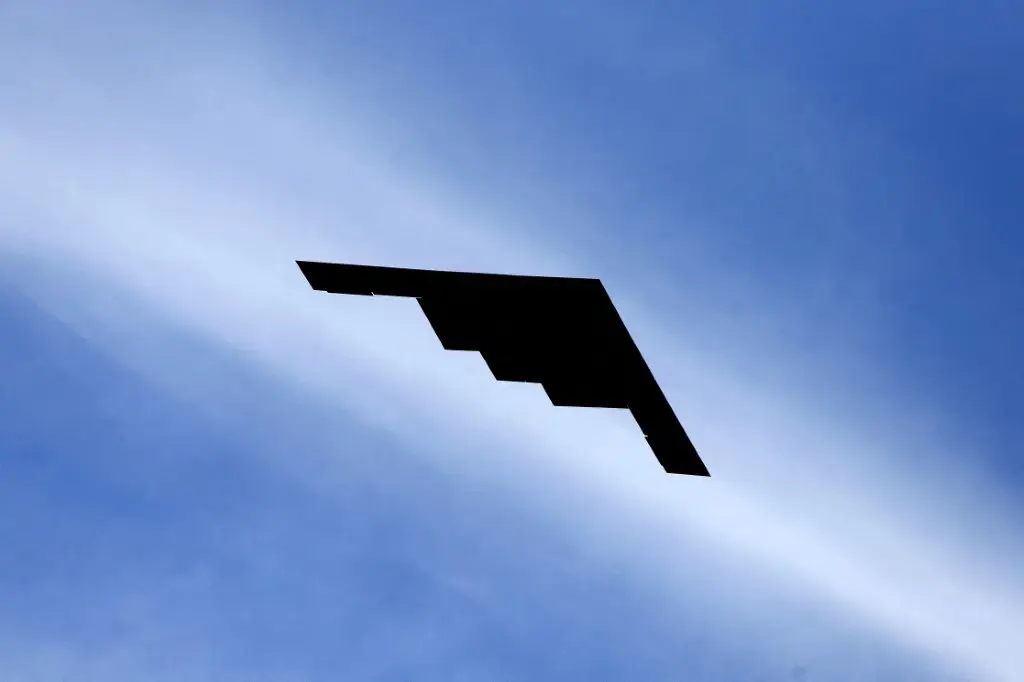
You Cannot Apply To Fly The B-2
There is no application form, no volunteer programme, no direct pathway from flight school to the B-2. Pilots are selected for the B-2 — they do not select it. Selection comes after years of demonstrated excellence in other aircraft. The Air Force identifies candidates from the broader pilot community based on performance records, evaluations from commanding officers, and demonstrated leadership and judgement. A pilot who wants to fly the B-2 can express interest, but the decision is made by the Air Force, not the pilot.
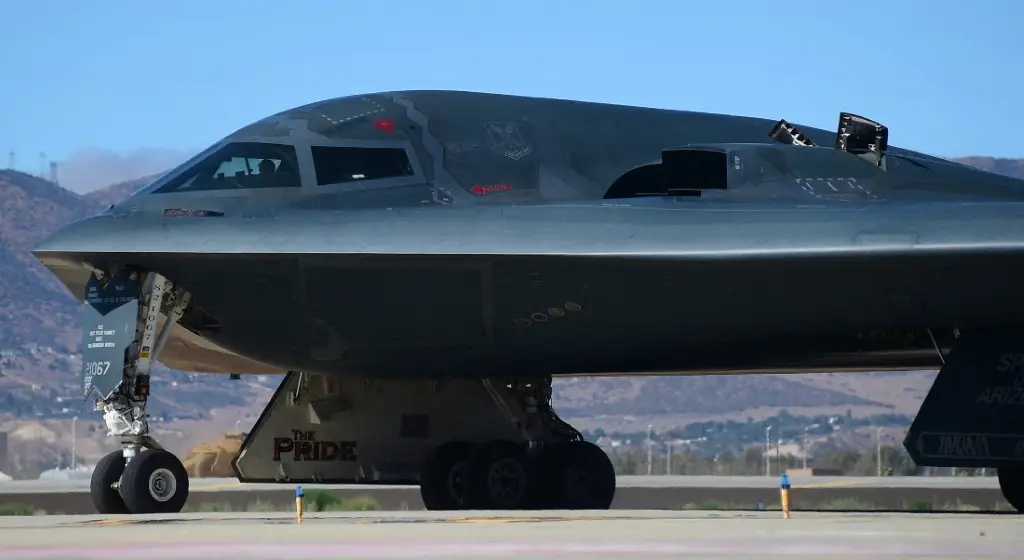
What You Have To Fly First
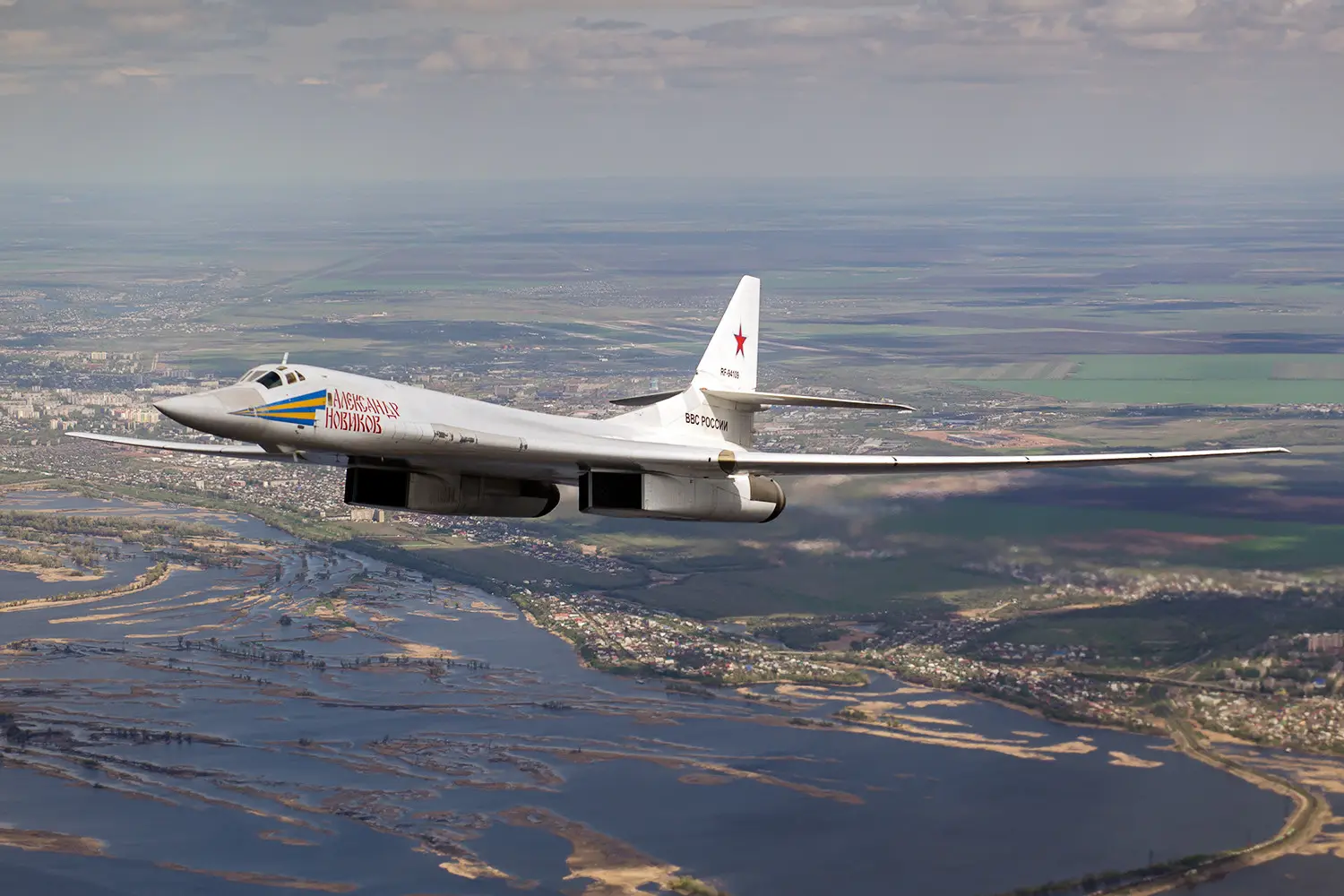
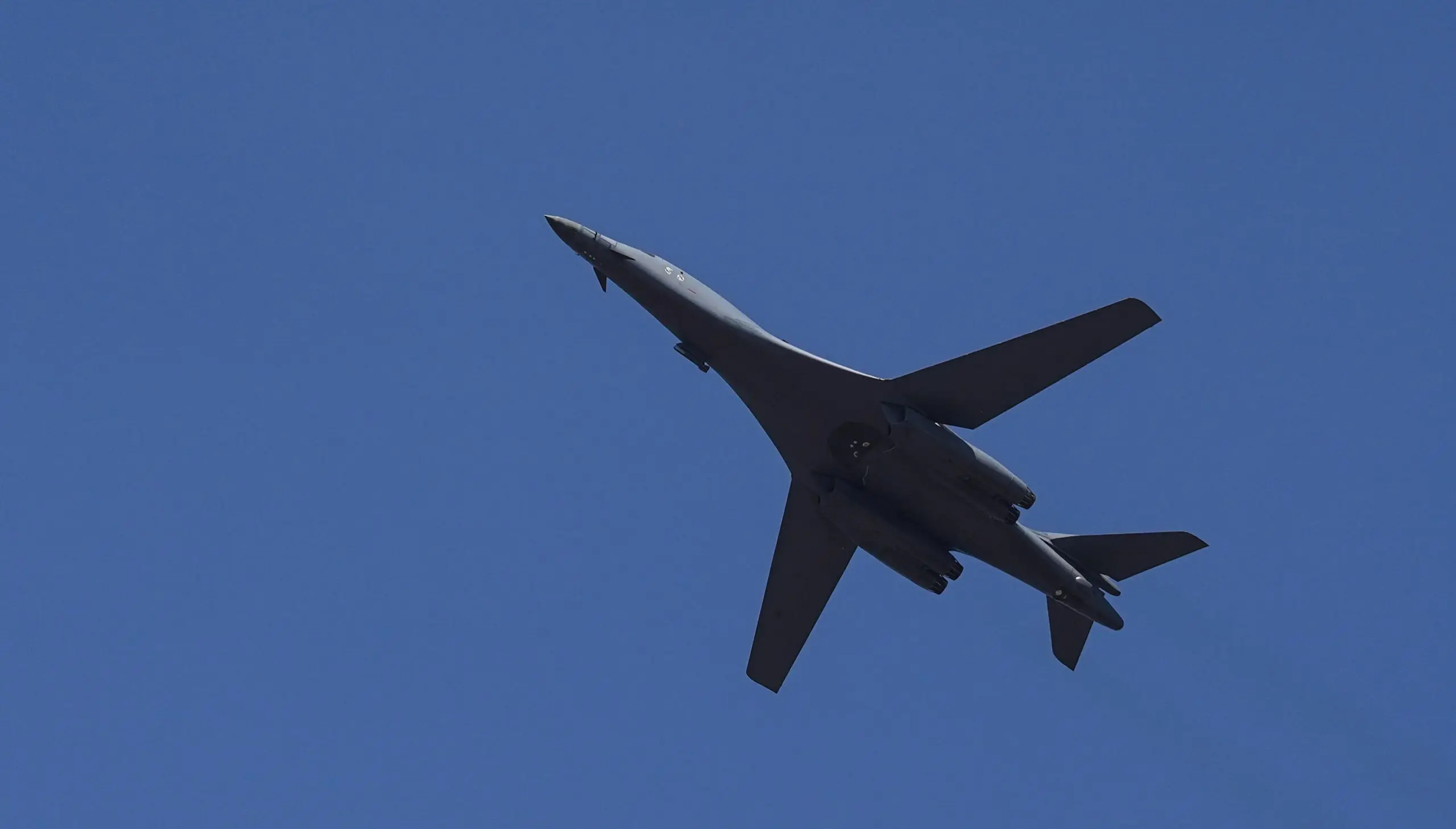
B-2 pilots almost universally come from heavy aircraft backgrounds — the B-1B Lancer, the B-52 Stratofortress, or occasionally other multi-engine platforms. Fighter pilot backgrounds are rare in the B-2 community. The reasoning is practical: the B-2's two-crew, long-endurance, precision strike mission profile is closer to heavy bomber operations than to single-seat fighter operations. A pilot who has spent years flying a B-52 on long-range missions, managing complex systems, and coordinating with other crew members is better prepared for the B-2 than a pilot who has spent years in a single-seat F-15.
The Training Pipeline
Once selected, a new B-2 pilot enters the formal qualification course at Whiteman Air Force Base. The course covers the B-2's unique aerodynamics — the flying wing handling characteristics, the fly-by-wire response, the absence of conventional control surfaces. It covers the mission systems: the radar, the weapons release computers, the stealth management systems. It covers nuclear procedures for pilots seeking nuclear certification. The full qualification pipeline from selection to mission-ready status takes the better part of a year, with additional time required for nuclear certification and specialised mission qualifications.
What Makes The Cut — And What Doesn't
B-2 selection favours pilots with strong records in crew coordination, systems management under stress, and long-endurance mission experience. Pilots with histories of cutting corners in procedures, poor crew resource management evaluations, or records that suggest difficulty operating methodically under fatigue are unlikely to be selected regardless of their stick-and-rudder skill. The B-2 is not primarily a manoeuvring aircraft — it is a systems-management and mission-execution aircraft. The qualities that make an exceptional B-2 pilot are not the same as those that make an exceptional fighter pilot.
Currency And Proficiency Requirements
Qualified B-2 pilots must maintain currency — a minimum number of flight hours and specific mission types within defined time periods — to retain their qualifications. Given that there are only 20 aircraft and flight hours are limited by maintenance demands and operational commitments, maintaining currency is an active planning challenge. A pilot who falls out of currency due to injury, extended non-flying duties, or other circumstances faces a significant requalification process. Currency in a community this small is managed at the squadron level with unusual care.
The Weight Of Flying The World's Rarest Combat Aircraft
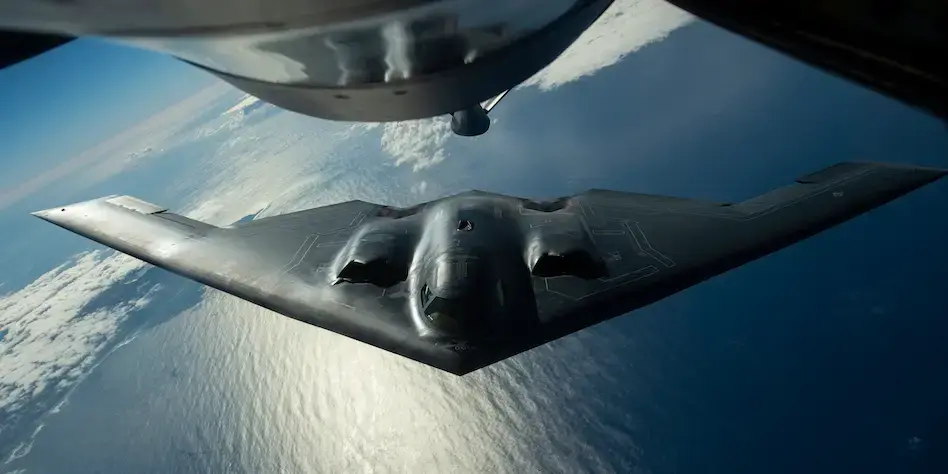
B-2 pilots operate with an awareness that is genuinely unlike that of pilots of any other aircraft: each aircraft they fly represents approximately one-twentieth of America's entire penetrating stealth bomber capability, and costs over two billion dollars. A maintenance error, a navigational mistake, a moment of inattention during aerial refuelling — the stakes attached to any error are measured not just in human terms but in terms of irreplaceable national capability. Pilots who have left the B-2 community describe a specific kind of weight that comes with flying something that cannot be replaced and for which there is no spare.
)
)
)
)
)