'Unseen overwatch': Why Secret Service snipers couldn't stop Cole Tomas Allen from entering Trump's dinner

When Cole Tomas Allen attacked the Correspondents' Dinner, the Secret Service's legendary rooftop snipers were useless. Explore the terrifying reality of indoor close-quarters combat and why the President's survival relied entirely on the agents at the door.
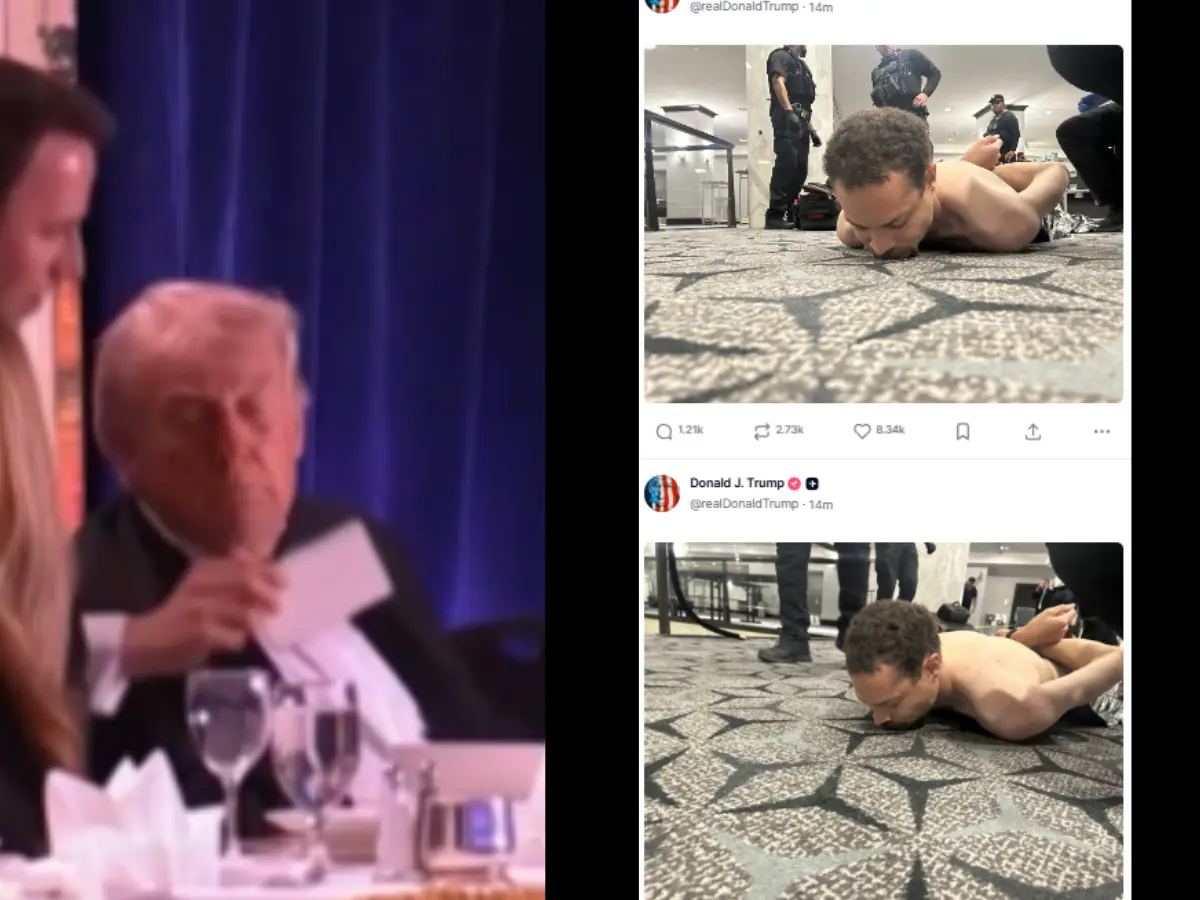
The Myth of the Omnipresent Sniper
When the President travels, the public is used to seeing the Secret Service Counter Sniper Team positioned on nearby rooftops. Equipped with custom-built, extreme long-range rifles, their job is to dominate the high ground and neutralize threats blocks away. But during the attack at the Washington Hilton, these elite marksmen were completely blind to the threat.
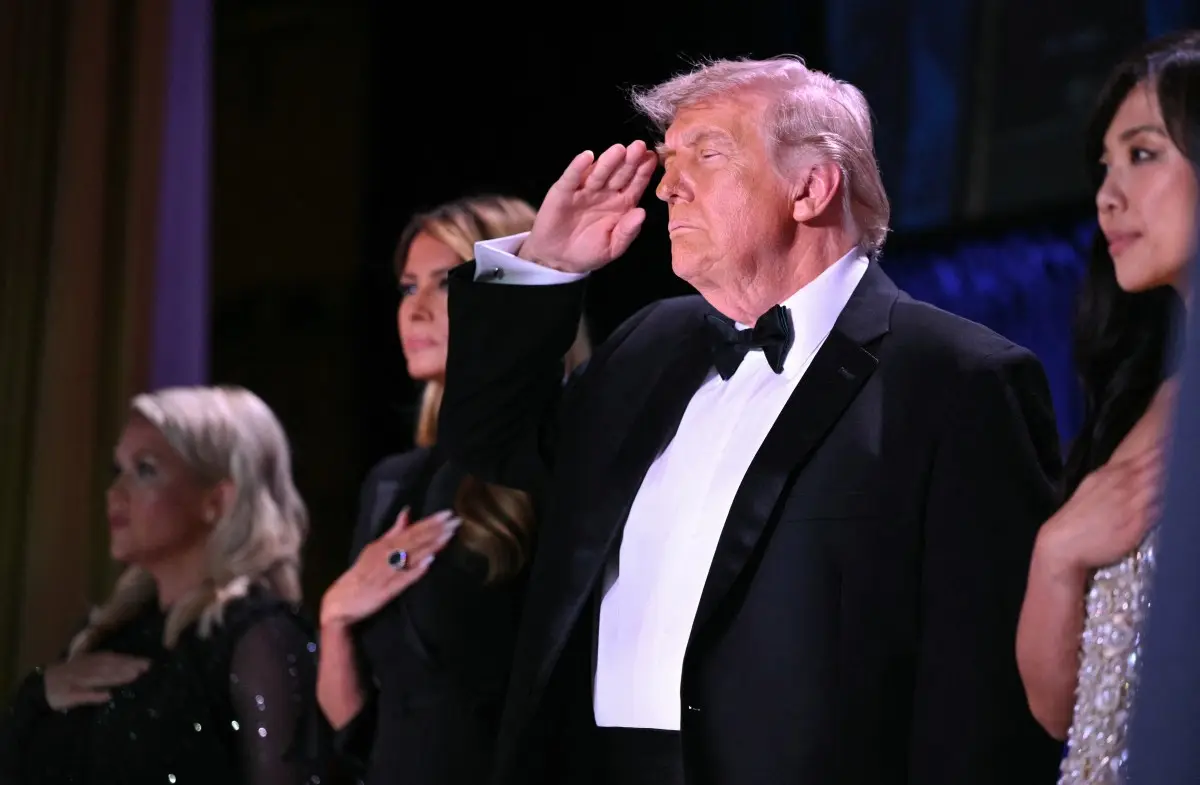
The Indoor Blind Spot
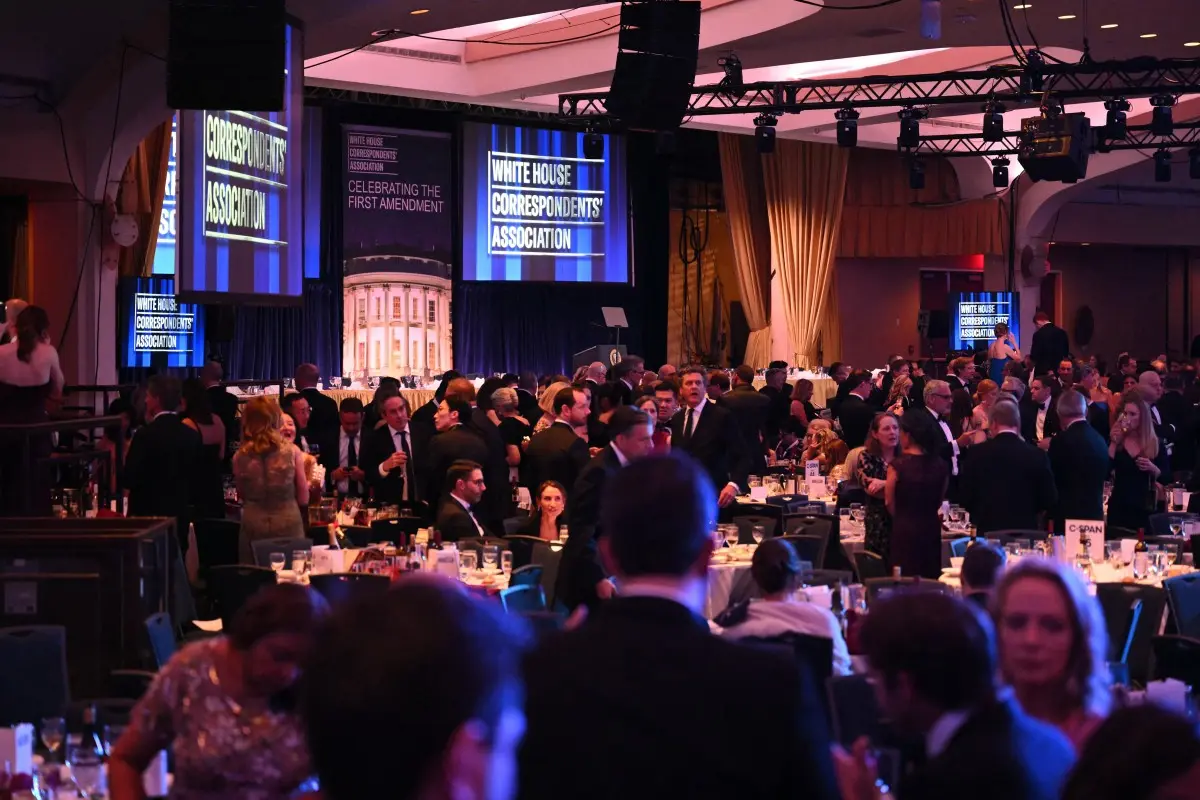
The heavily armed suspect, 31-year-old Cole Tomas Allen, did not attempt an outdoor assassination. He launched his assault indoors, charging a magnetometer security checkpoint outside the ballroom. Once a threat moves inside a reinforced concrete structure like a hotel, rooftop snipers lose their line of sight, rendering their massive tactical advantage completely useless.
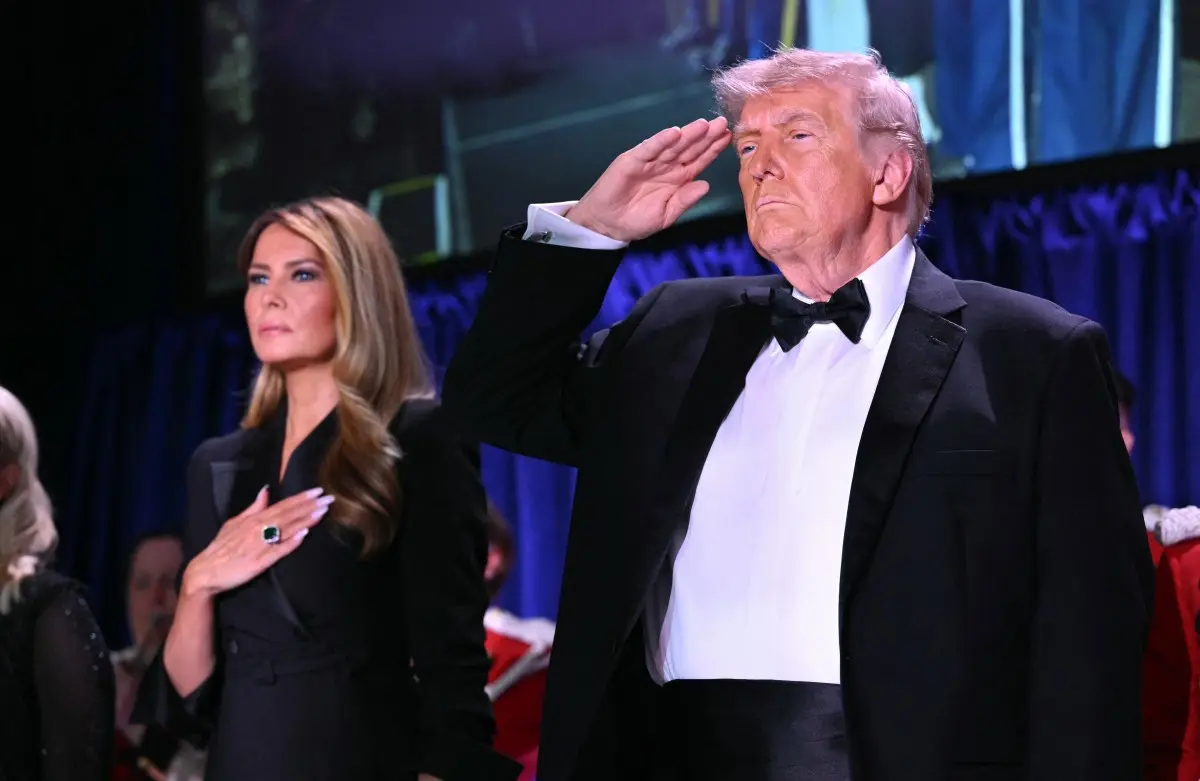
The Reality of Close-Quarters Combat
Without the safety net of overwatch snipers, the protection of President Trump immediately shifted to brutal, close-quarters combat (CQB). Indoor gunfights are terrifyingly fast and chaotic. The engagement distance shrinks from hundreds of yards to mere feet, meaning there is zero time for calculated targeting. It becomes a pure battle of reaction speed and firepower.
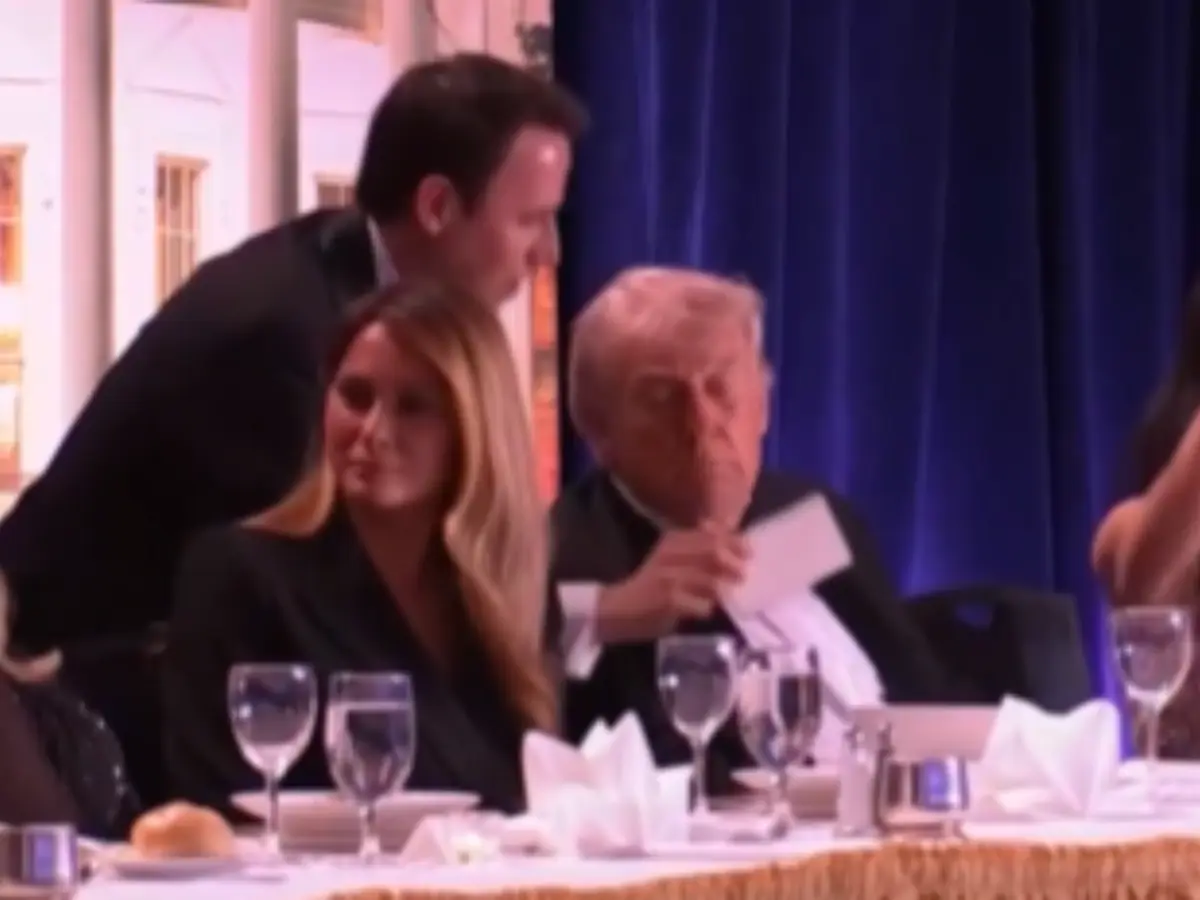
The 'Fatal Funnel'
The Secret Service intentionally designs indoor checkpoints to act as ‘fatal funnels.’ They know they cannot rely on snipers indoors, so they force all foot traffic through a narrow, highly controlled physical chokepoint. When Tomas Allen attacked with a shotgun and knives, he was forced to engage exactly where the agents had concentrated their defensive perimeter.
The Counter Assault Team (CAT)
With snipers out of the equation, the heavy lifting falls to the Secret Service Counter Assault Team (CAT). Unlike the agents in suits who evacuate the President, CAT operators are heavily armed in tactical gear. Their specific role in an indoor ambush is to push forward aggressively, laying down overwhelming suppressive fire to neutralize the shooter within seconds.
The Split-Second Reaction
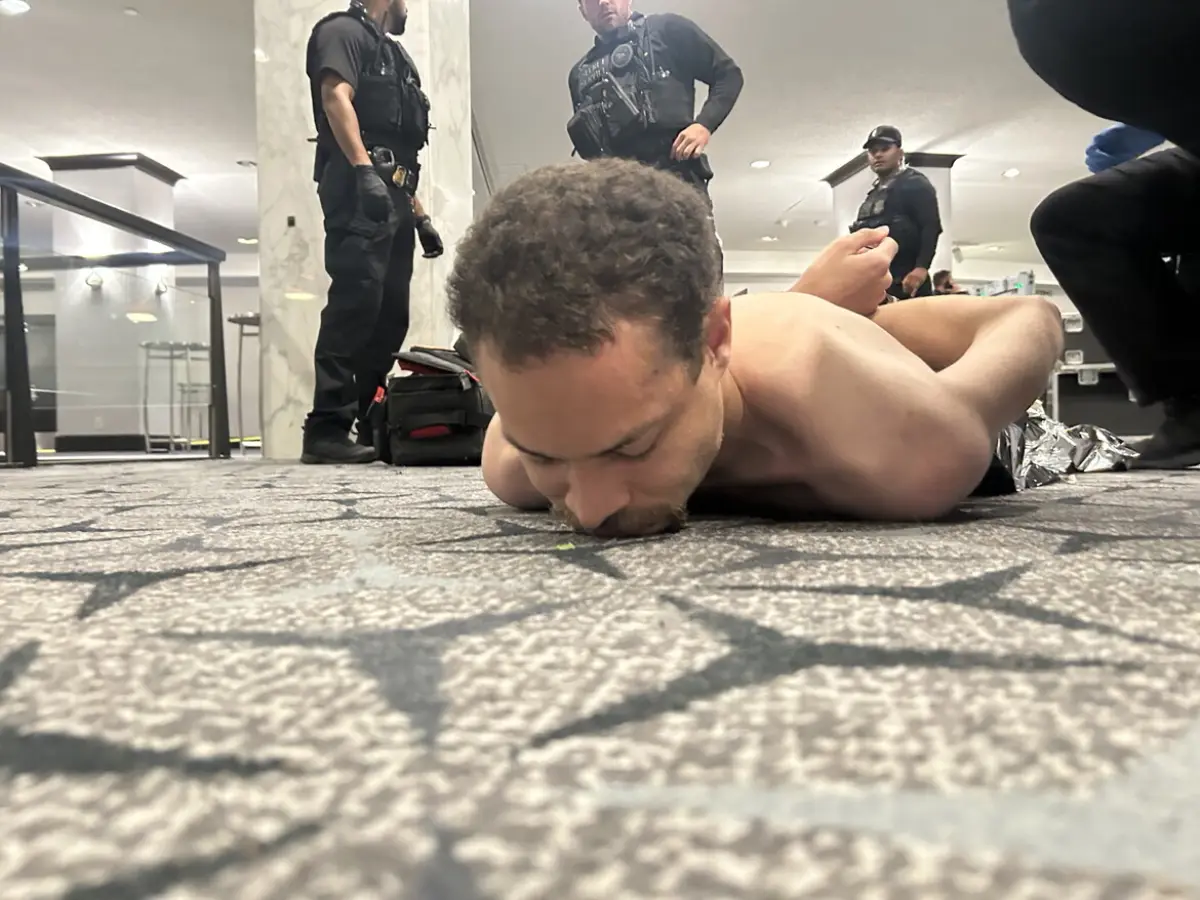
Because snipers couldn't neutralize Allen before he reached the doors, the survival of everyone inside the Hilton relied entirely on the agents operating the metal detectors. When the first shot rang out, hitting a law enforcement officer, the remaining agents had to draw their weapons, identify the target in a crowded hallway, and fire accurately in less time than it takes to blink.
The Ultimate Perimeter
The shooting at the Correspondents' Dinner highlights a chilling truth about presidential security. While technology, drones, and elite snipers provide an incredible outer shield, the ultimate line of defense is always human. When technology fails or the threat moves indoors, the President's life depends solely on the raw courage and training of the agents standing at the door.
)
)
)
)
)