The truth about China’s J-35: Future of fighter jet or flawed prototype?

The J-35 is a fifth-generation twin-engine stealth fighter aircraft developed by Shenyang Aircraft Corporation, one of China's leading military aviation manufacturers.
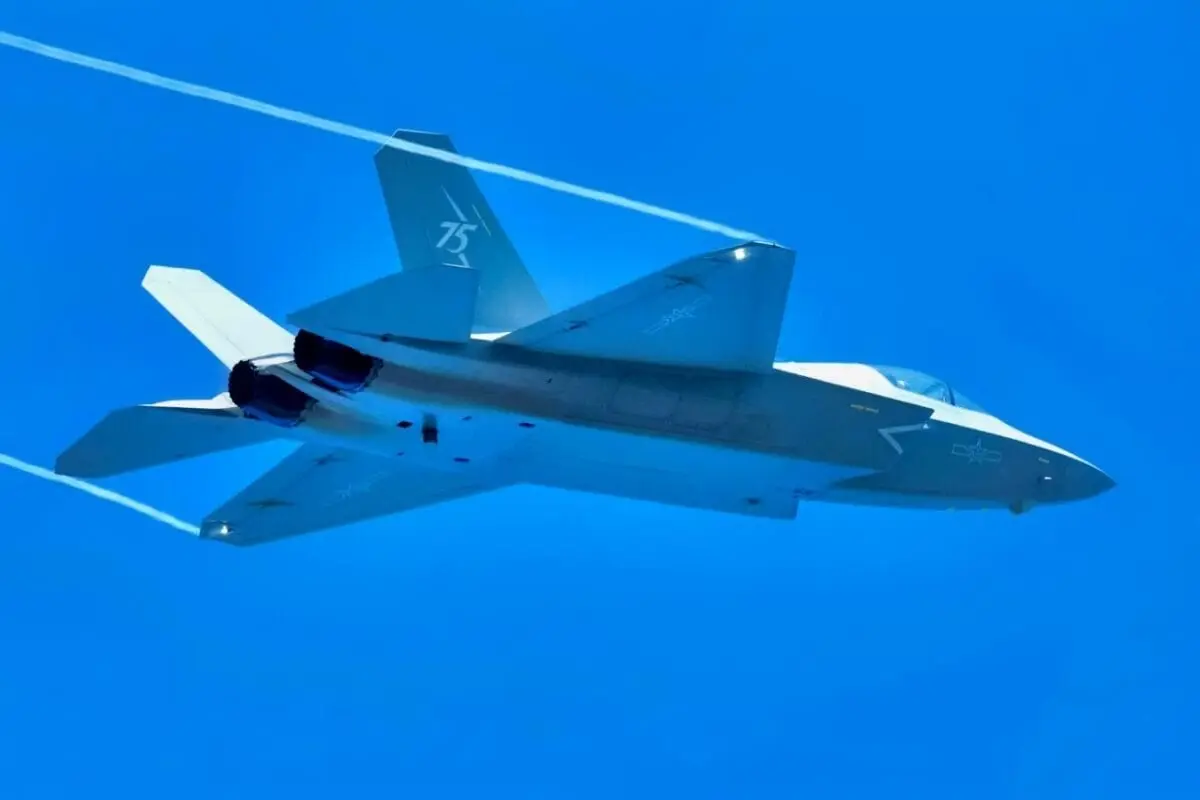
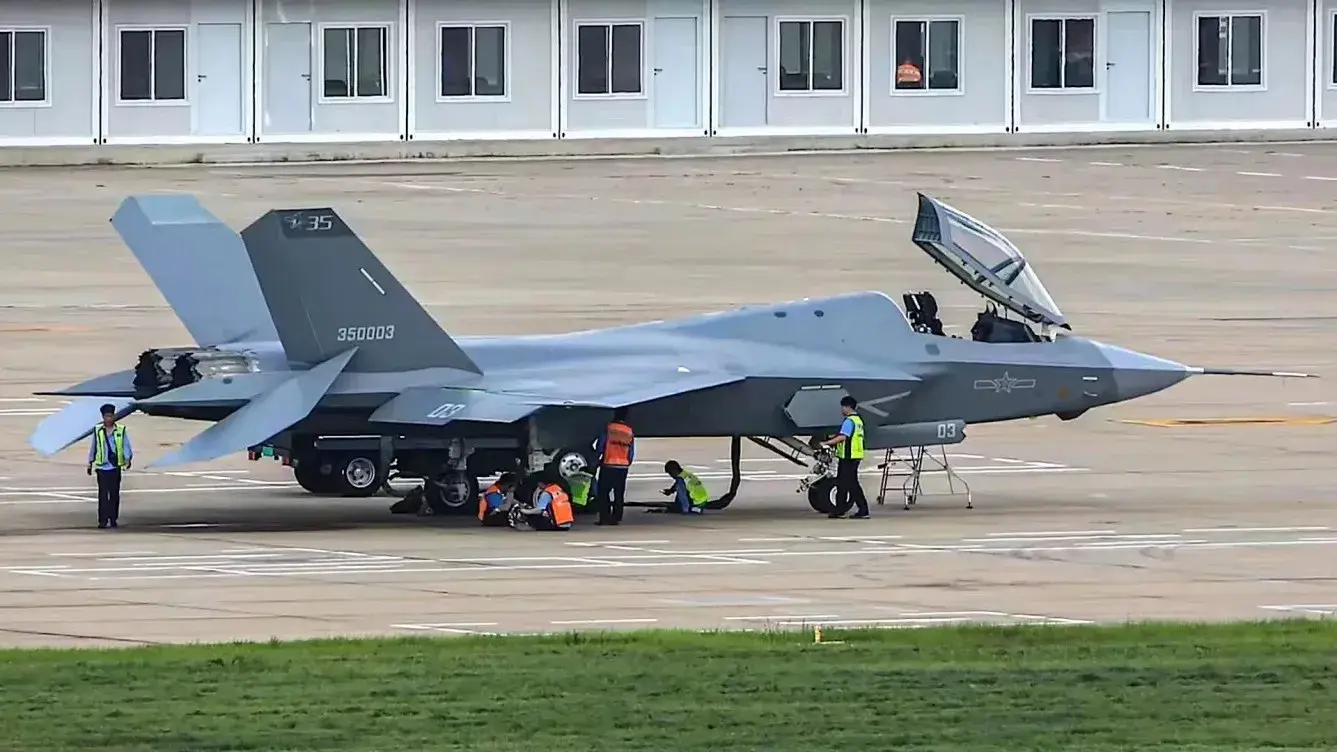
China’s J-35A
China’s latest stealth jet, the J-35, has stirred curiosity, fear, and skepticism across the global defence community. Designed to rival America’s F-35 and operate from aircraft carriers, the J-35 has been showcased as a symbol of China’s rising military ambitions in the Indo-Pacific. But beneath the dramatic unveilings and state-backed hype lies a deeper truth: the J-35, while impressive on paper, may not yet be ready to meet the expectations its makers have set. Here's a closer look at what the jet is, what it claims to do, and why analysts are still cautious.
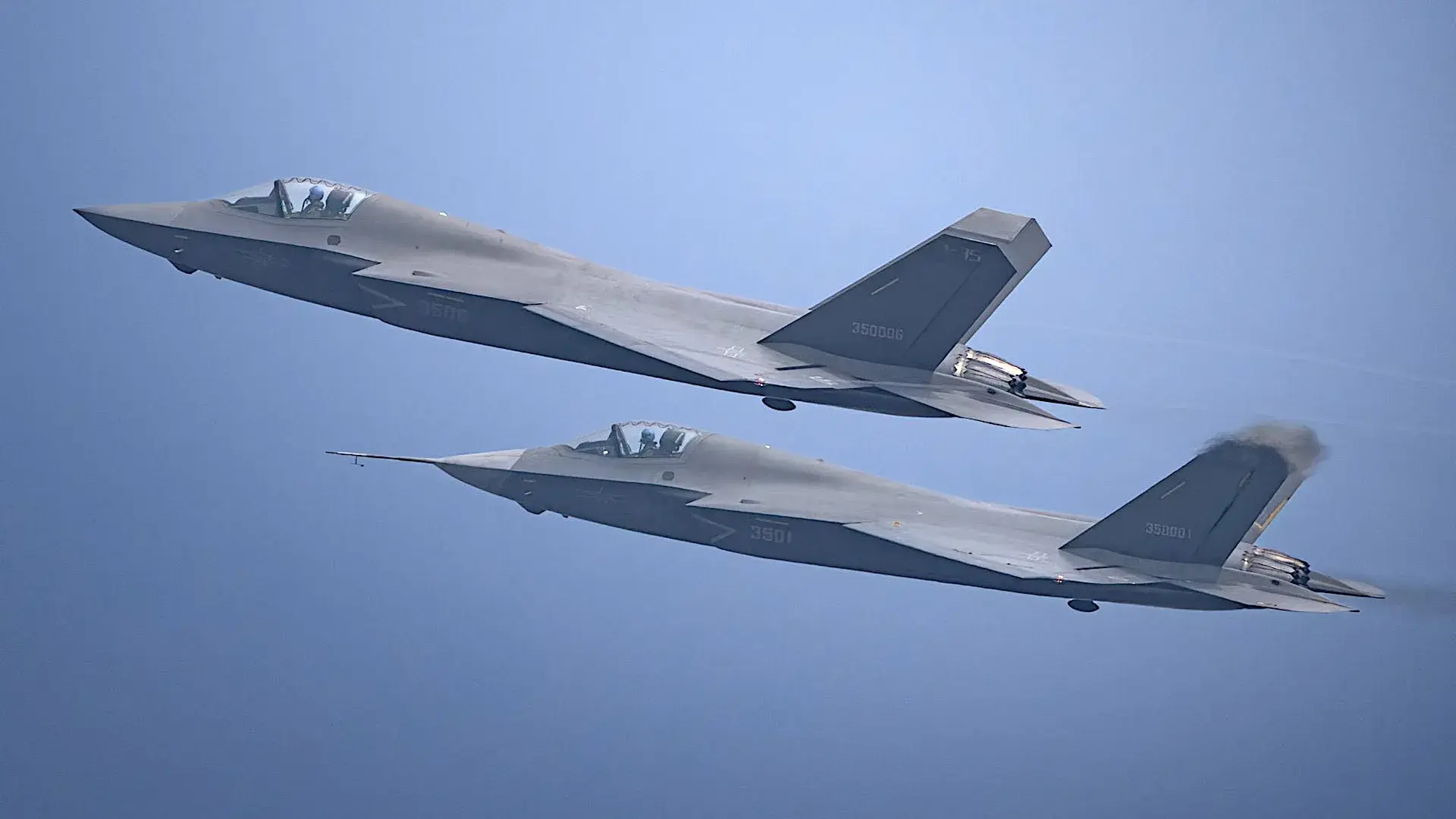
What is the J-35?
The J-35 is a fifth-generation twin-engine stealth fighter aircraft developed by Shenyang Aircraft Corporation, one of China's leading military aviation manufacturers. First unveiled as a prototype named FC-31, the aircraft has evolved into a carrier-capable version known as J-35, designed specifically for use aboard China’s new electromagnetic catapult aircraft carriers like the Type 003 Fujian. Sleeker and more compact than China’s other stealth fighter, the J-20, the J-35 features internal weapons bays, radar-absorbent coatings, and a design optimised for reduced radar signature. It’s also powered by two engines, making it more robust for carrier operations, a critical requirement in long-distance maritime power projection.
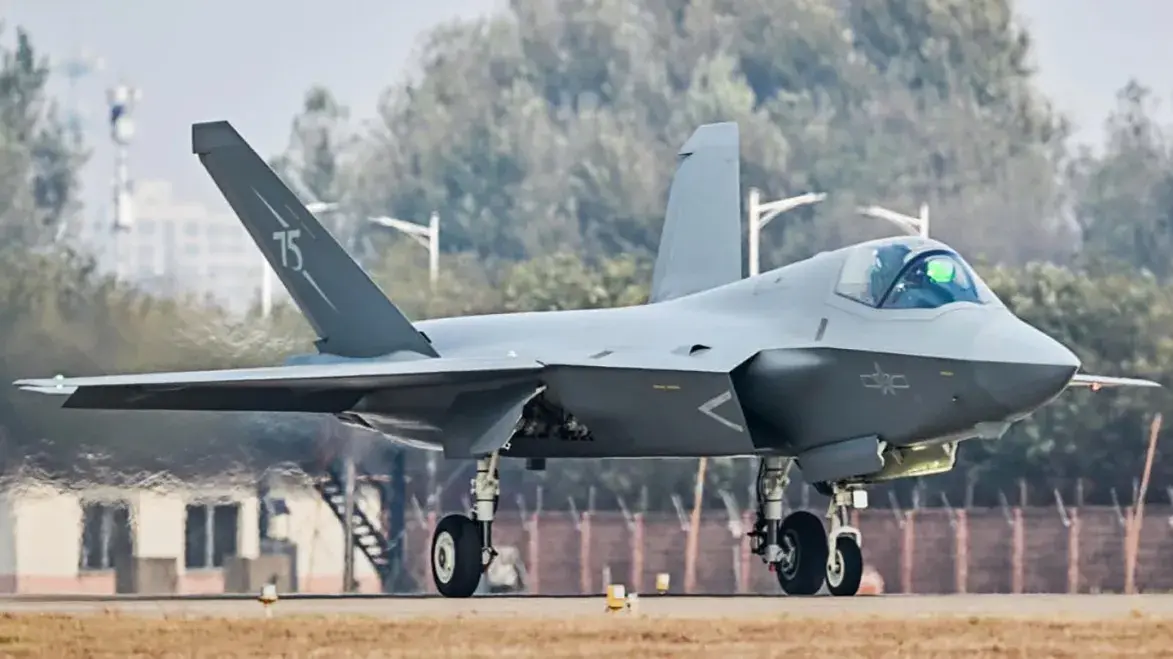
What China Claims It Can Do
China’s state media and military outlets have touted the J-35 as a leap forward in stealth warfare and naval aviation. The aircraft is said to incorporate advanced electronic warfare capabilities, sensor fusion technology, and enhanced situational awareness that would allow it to detect and engage threats while remaining virtually invisible on enemy radar. Officials have suggested the jet can operate seamlessly from aircraft carriers, execute long-range strikes, and even function as a command node for unmanned drone swarms. According to Beijing, the J-35 is meant to give China the edge it needs to compete with and possibly outmanoeuvre Western air power in key flashpoints like the Taiwan Strait and the South China Sea.
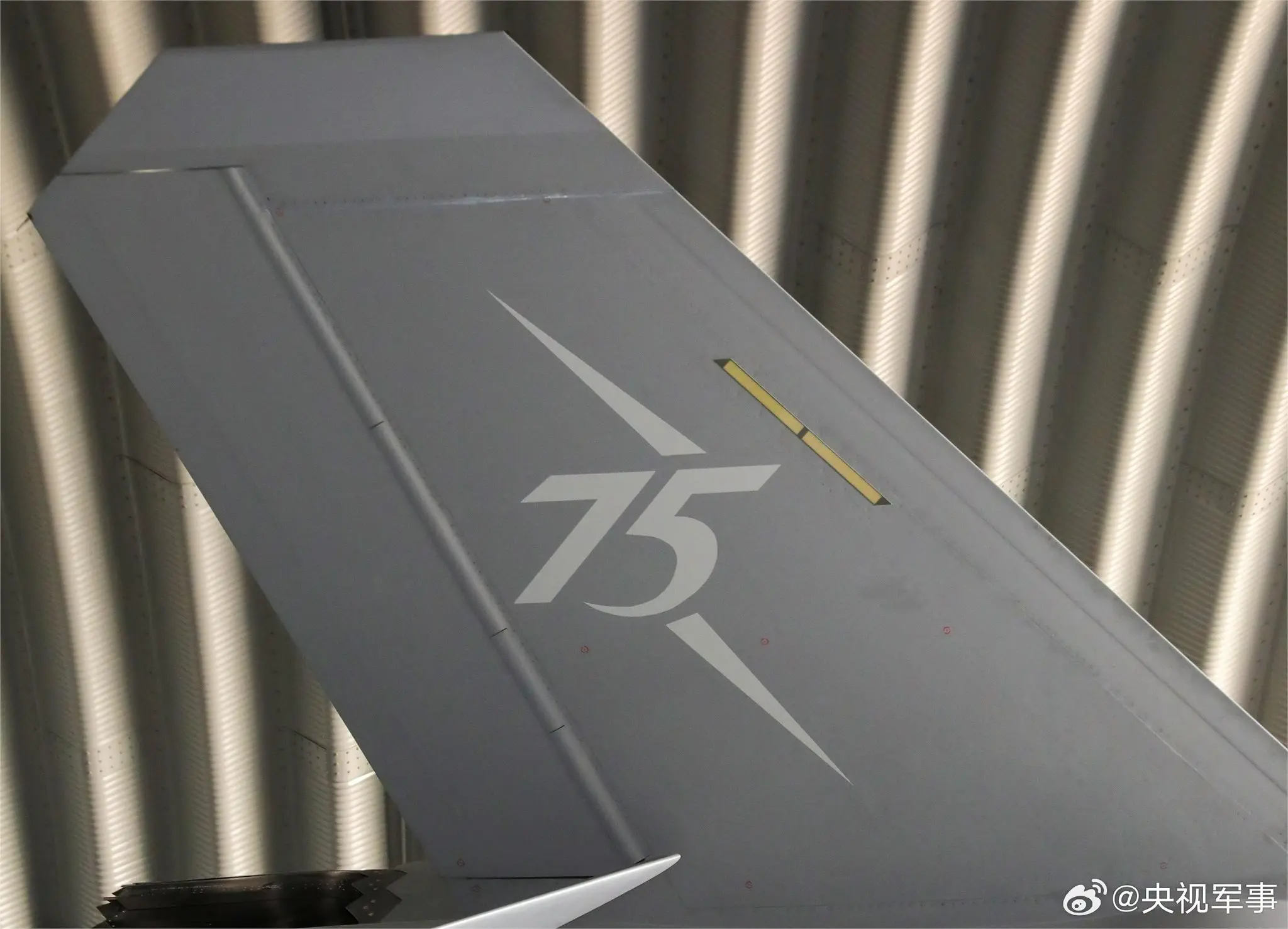
But What’s the Catch?
Despite these bold claims, the J-35’s true capabilities remain shrouded in uncertainty, and many military experts believe the jet is still far from combat-ready. One of the primary concerns is the engine. While China has long depended on Russian engines for its fighters, it’s developing the WS-19 engine for the J-35 but this engine is still undergoing tests and may not deliver the thrust or reliability needed for sustained operations. Additionally, software integration, especially in terms of sensor fusion, targeting systems, and autonomous coordination, is an area where China lags behind the U.S. and its allies. The jet has yet to be tested in real combat conditions or joint-force scenarios, raising doubts about its ability to perform under high-stress, multi-domain operations.

Why China Still Wants It
Despite technical limitations, the J-35 serves a larger strategic purpose. China is not just building the J-35 to compete militarily, it’s building it to support its broader ambition of becoming a dominant maritime power. With newer carriers being built and regional tensions rising, China wants indigenous stealth jets that can fly from its decks, defend its maritime interests, and project power across oceans. The J-35 is also being designed with potential export in mind, offering countries like Pakistan or others in the Middle East a cheaper alternative to Western-made fighters. Even if the jet is not yet on par with the F-35, its very existence helps China challenge the monopoly of Western airpower and that alone serves its political narrative.

The Bigger Picture: A Symbol, Not a Solution
At this stage, the J-35 represents more of a statement than a solution. It shows that China is willing to push hard into areas once dominated by the West, and it demonstrates impressive strides in design and ambition. But in terms of operational readiness, reliability, and battlefield integration, it remains years behind. Experts believe that the J-35 is still a work-in-progress, lacking the combat experience, technological depth, and coalition-tested systems that define aircraft like the US F-35. Until it passes through rigorous testing, training cycles, and real-world missions, the J-35 will remain an aspirational platform rather than a proven one.
Final Take: More Prototype Than Predator
For now, the J-35 is less a threat and more a message, a signal that China is preparing for the next era of naval aviation, even if it’s not quite there yet. While the jet may someday compete with the best, today it stands more as a prototype wrapped in politics than a predator ready for war. The F-35, backed by decades of combat testing and global partnerships, still holds the upper hand. Until China can match not just the hardware, but the integration and experience, the J-35 will remain a symbol of what could be — not what is.
)
)
)
)
)