The true story behind Japan’s ‘bullet train miracle’ after World War II

Japan’s railways were collapsing under demand, but a bold plan to build a new high-speed line changed everything. From wartime ideas to massive cost overruns and breakthrough engineering, the Shinkansen’s creation is a story far bigger than a fast train.
Japan's Railways at Breaking Point
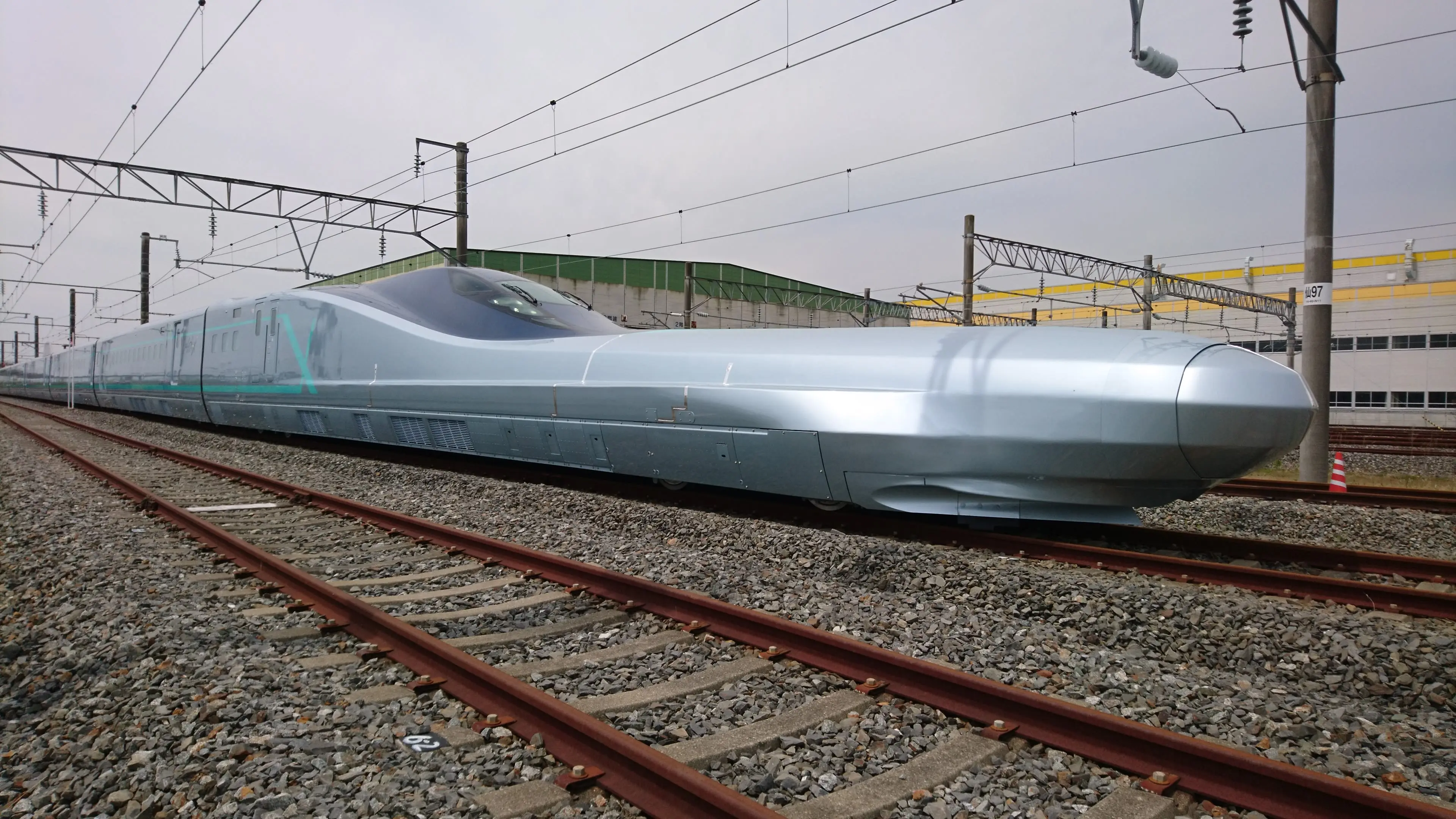
After World War II, Japan's narrow-gauge rail network was running at full capacity by the mid-1950s due to reconstruction. Tokyo and Osaka, the country's two biggest cities, needed faster connections. The journey took nearly seven hours.
Shinji Sogō's Bold Vision
Shinji Sogō, President of Japanese National Railways, and Hideo Shima, Chief Engineer, championed a completely new standard-gauge high-speed line. Most people thought railways were finished and would be replaced by air travel and highways like in America.
Reviving a Wartime Plan
The high-speed train idea wasn't entirely new. Japan had planned the "dangan ressha" (bullet train) before World War II but abandoned it during the war. Some tunnels and land acquisition from the old plan were reused for the new Shinkansen project.
Government Approval and Construction Start
The government approved the project in 1958, and construction began in 1959. The initial budget of nearly 200 billion yen quickly spiralled out of control as technical challenges mounted during construction.
Massive Cost Overruns - Nearly Double the Budget
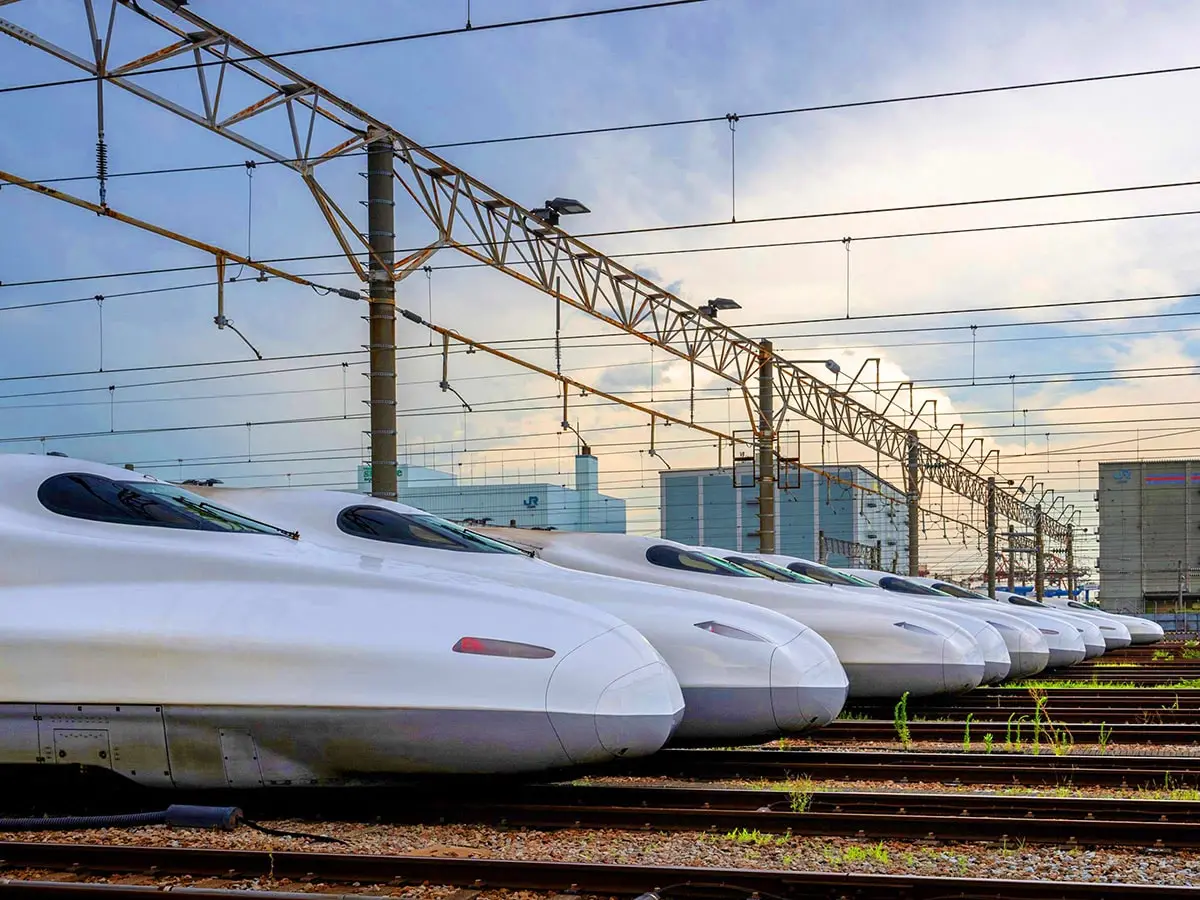
The project eventually cost about 380 billion yen, nearly double the original estimate. An $80 million low-interest loan from the World Bank helped cover the shortfall, proving crucial to completing the project.
Aircraft Engineers Build Trains
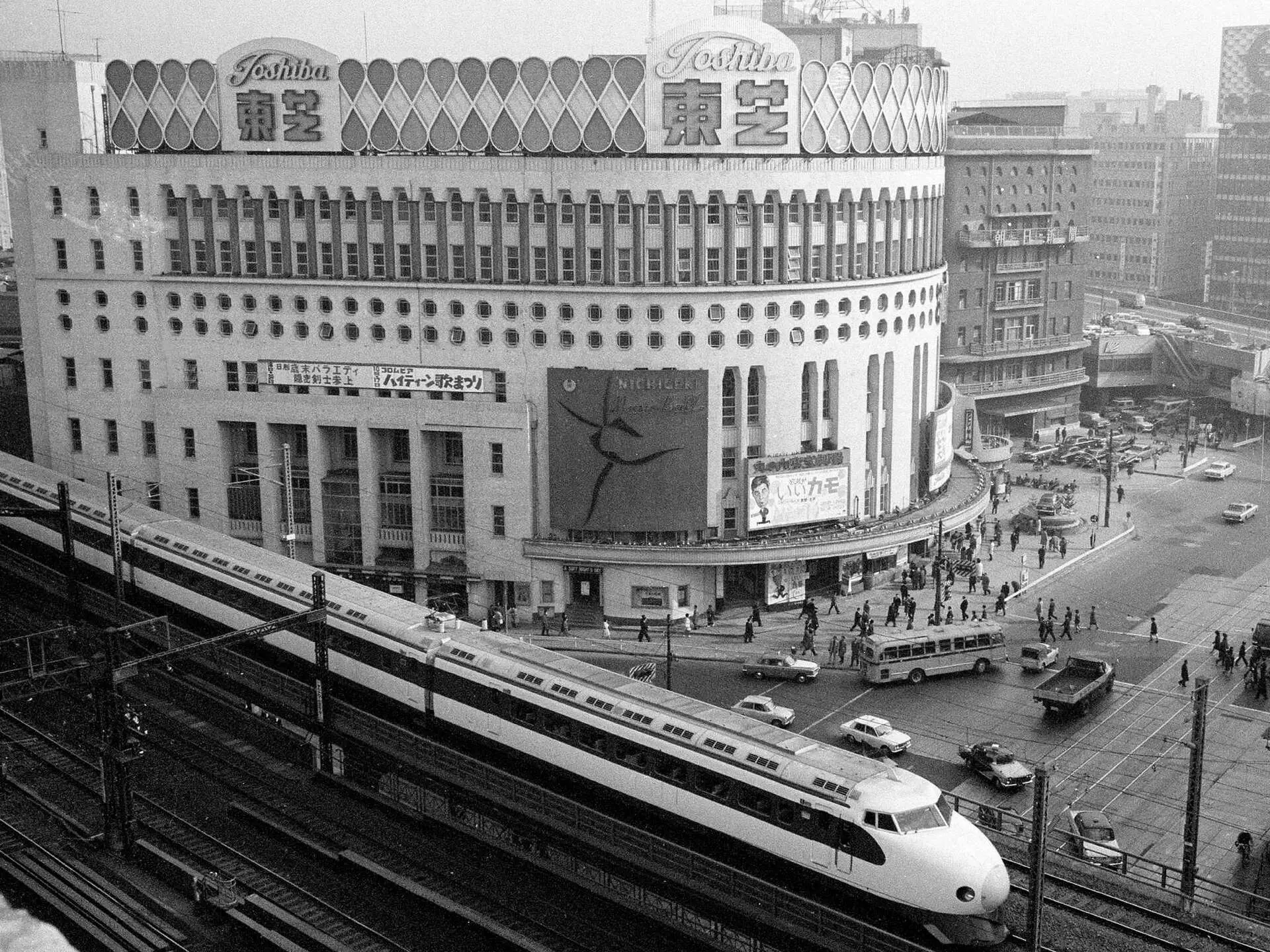
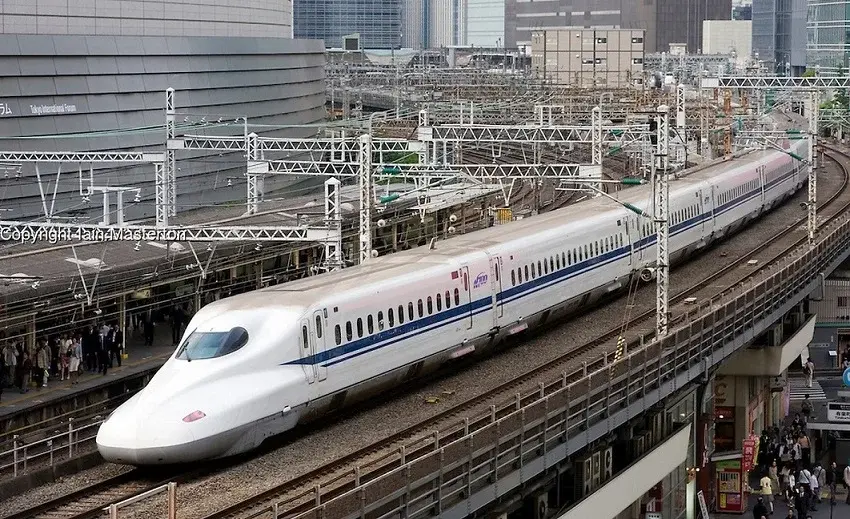
Hideo Shima's team included many former aircraft designers who brought aeronautical innovations to train design. They created the sleek, aerodynamic "0 Series" train that inspired the "bullet train" nickname with its distinctive pointed nose.
Revolutionary Safety Technology
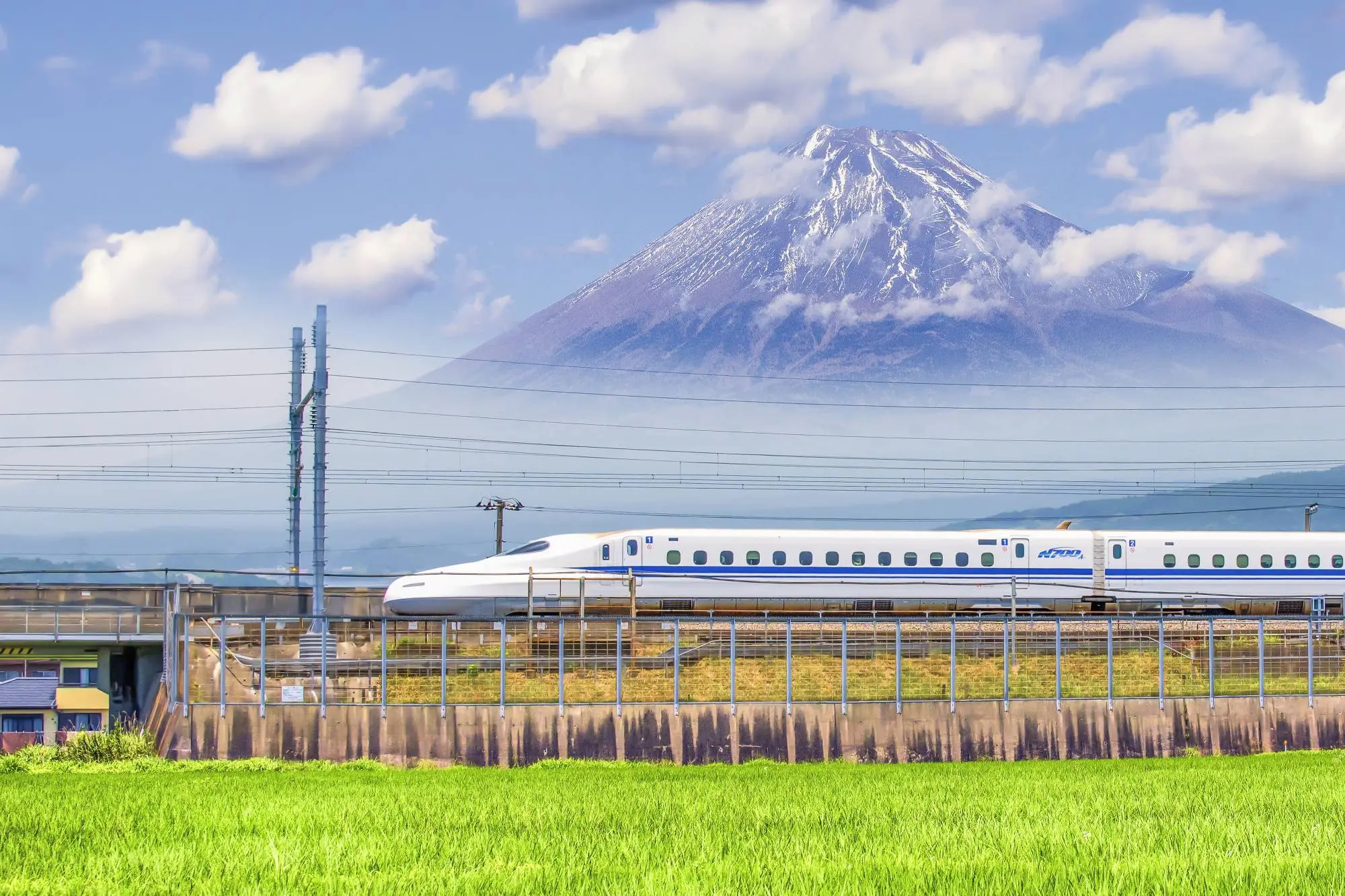
The project introduced Automatic Train Control (ATC) and Centralized Traffic Control (CTC) systems, ensuring unprecedented safety and reliability. Dedicated, obstruction-free tracks and advanced signalling made collisions nearly impossible.
Political Cost - Leaders Resign
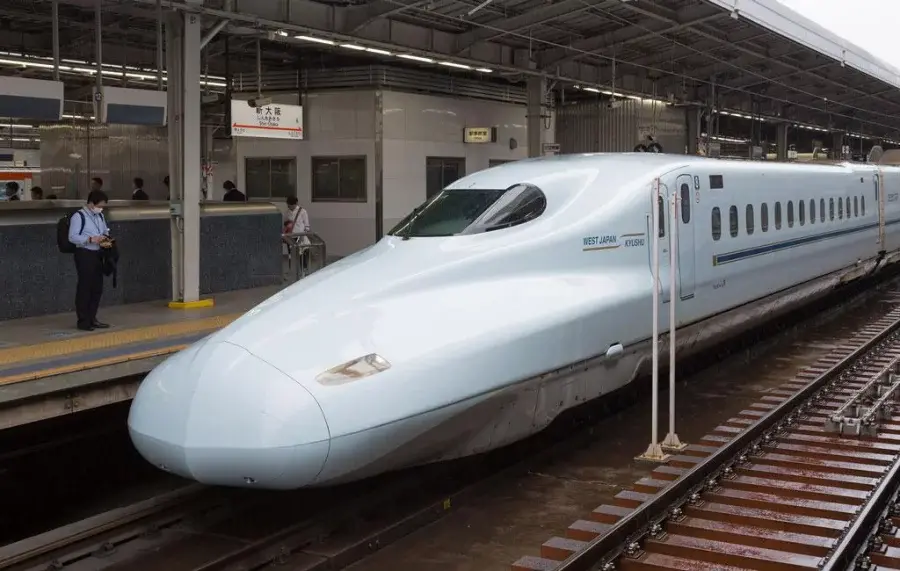
The financial mismanagement led to both Sogō and Shima resigning in 1963, just before the line opened. Their sacrifice symbolised the immense responsibility they felt for the project's outcome.
Opening Just Before the Tokyo Olympics
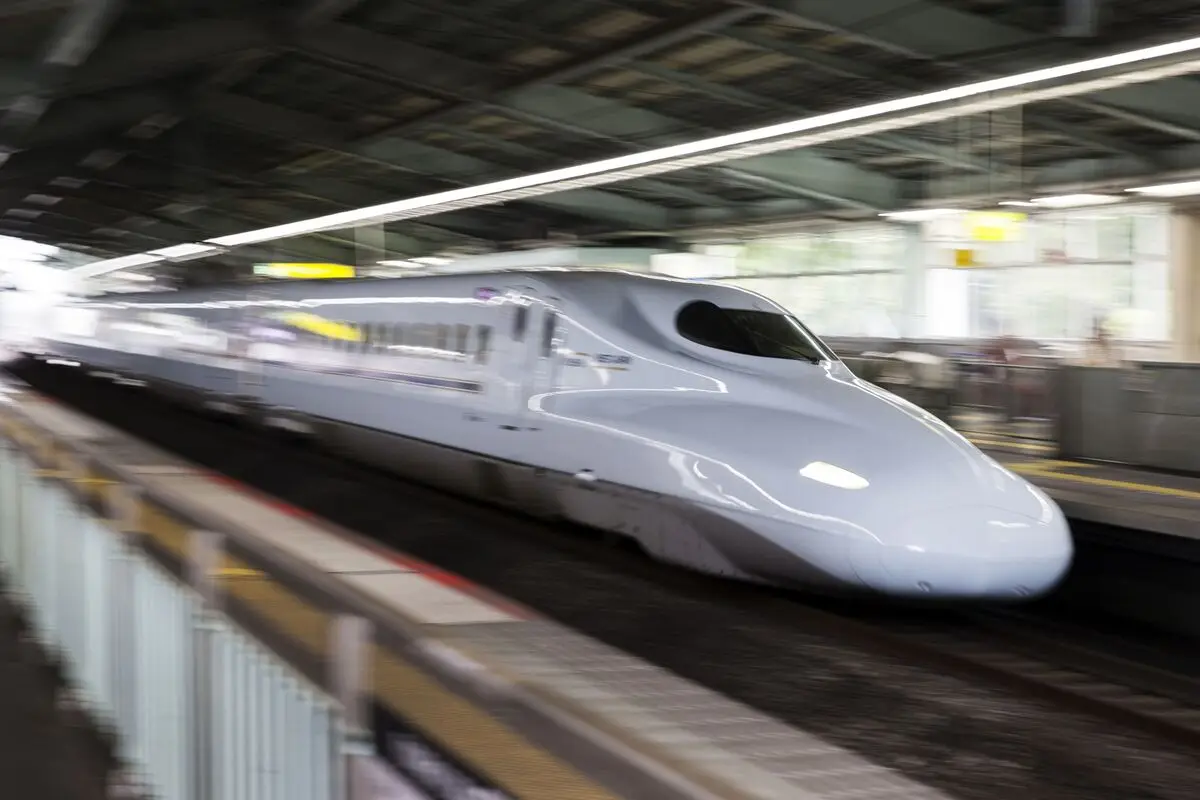
The Tōkaidō Shinkansen began service on October 1, 1964, just before the Tokyo Olympics. The journey between Tokyo and Osaka dropped from nearly seven hours to just four hours, later reduced to three hours ten minutes.
100 Million Passengers in Three Years
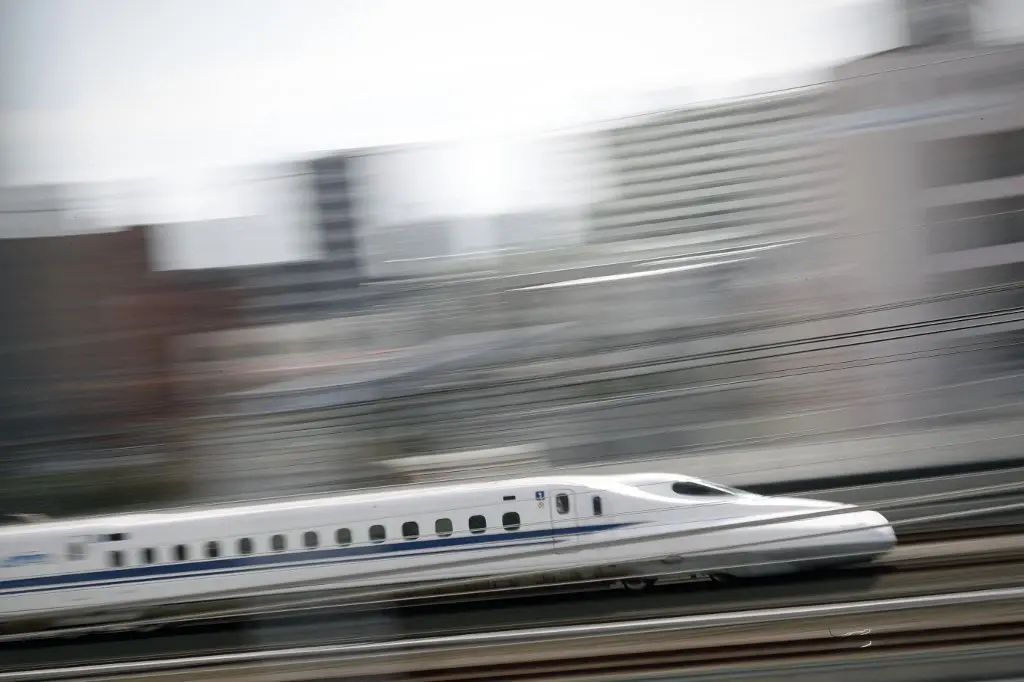
The train reached 100 million passengers in less than three years and became a powerful symbol of Japan's technological prowess and economic recovery on the global stage.
)
)
)
)
)